



![Role chlorophyll and light in photosynthesis■[9th Class]](https://i.ytimg.com/vi/1zWakYkB22Q/sddefault.jpg?sqp=-oaymwEmCIAFEOAD8quKqQMa8AEB-AHUBoAC4AOKAgwIABABGGUgQihSMA8=&rs=AOn4CLB_BFwZJY8JxuVAPqNq60MT0DsLhg)
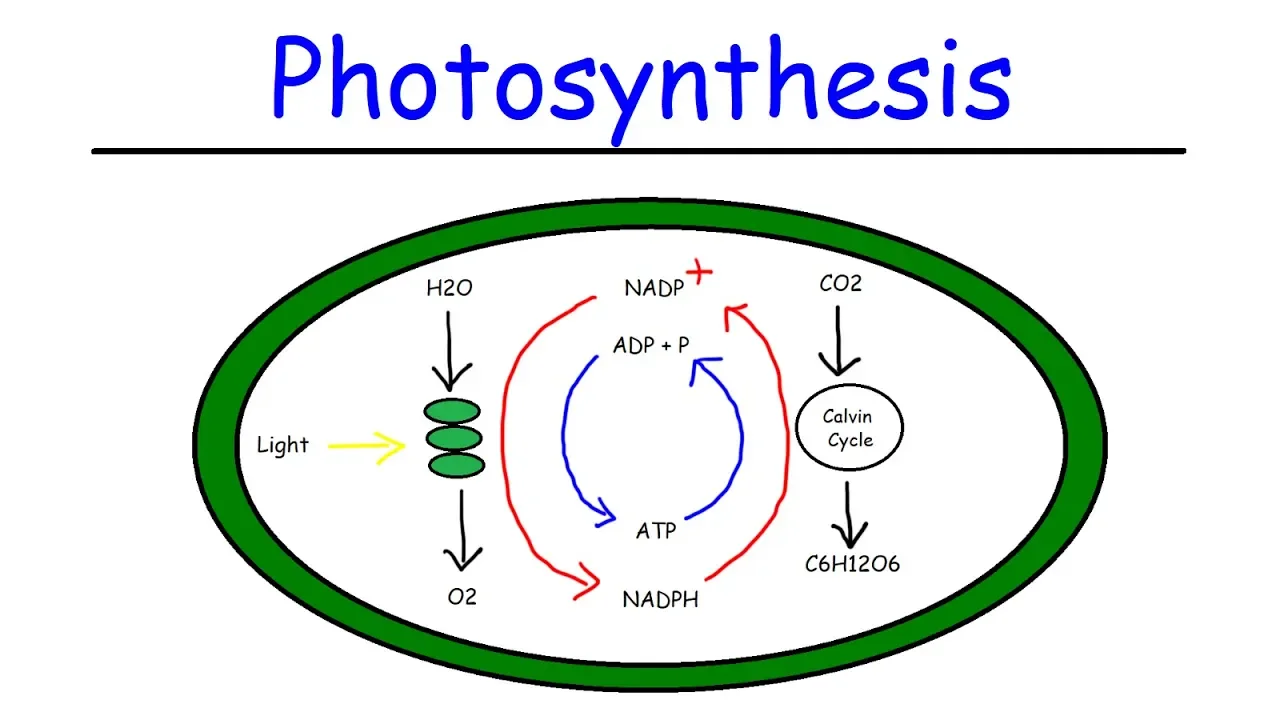
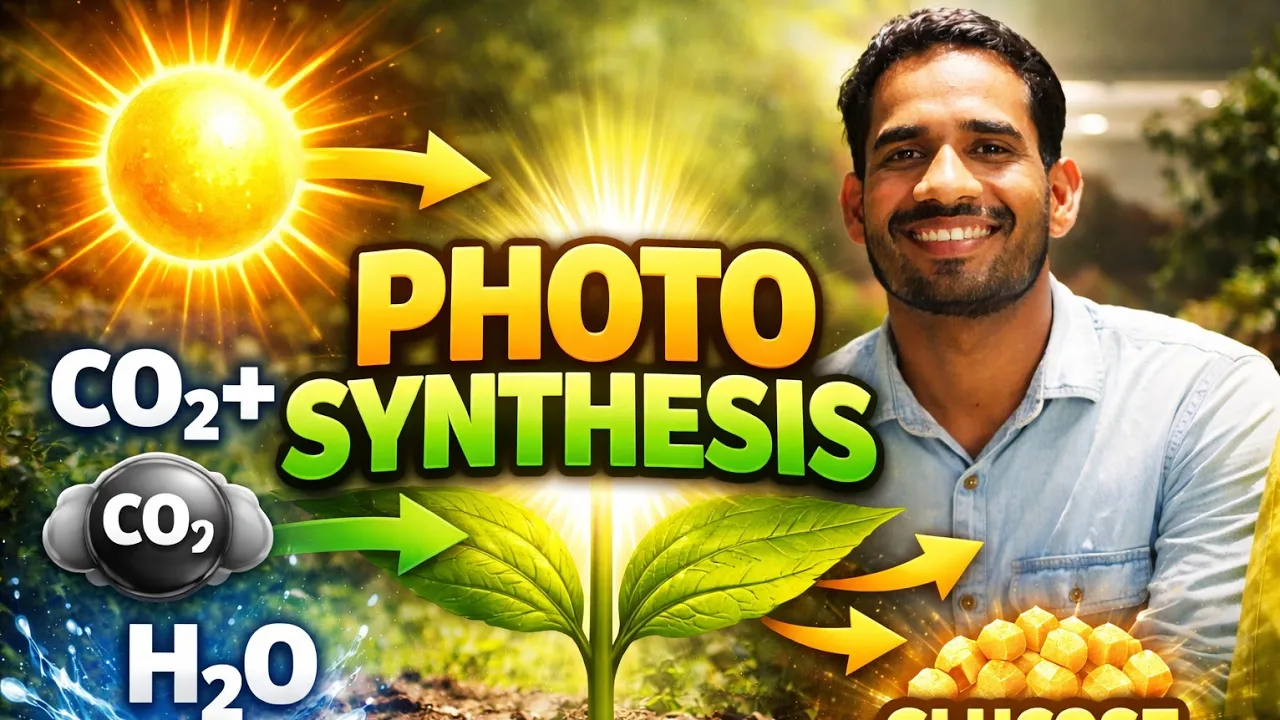
















Algae are diverse eukaryotic organisms classified as plant-like protists within the Protista group, characterized by their ability to perform photosynthesis through chloroplasts containing chlorophyll and accessory pigments that determine their color and enable survival at different water depths; they range from microscopic unicellular forms to macroscopic multicellular organisms over 60 meters long, exhibit various cellular arrangements including unicellular, colonial, filamentous, and complex multicellular forms, and play a crucial ecological role as primary producers that generate 70-80% of Earth's atmospheric oxygen and form the foundation of marine and freshwater food chains.
Algae: An Introduction to Classification and Characteristics
Added:Understanding of eukaryotic vs. prokaryotic cell structures and organelles.
Basic concepts of photosynthesis, including the role of chlorophyll and light absorption.
Fundamentals of biological taxonomy and classification systems (domains and kingdoms).
Basic ecological principles, specifically the role of primary producers in food webs.
The study of Harmful Algal Blooms (HABs), eutrophication, and their environmental management.
Industrial and biotechnology applications of algae, such as biofuel production, pharmaceuticals, and bioremediation.
The Endosymbiotic Theory and the evolutionary origin of chloroplasts in different algal lineages.
Advanced phycology, exploring the complex life cycles (alternation of generations) of specific algal divisions like Phaeophyta and Rhodophyta.
36.4K views347likes21:22Original Release: 2015-01-09
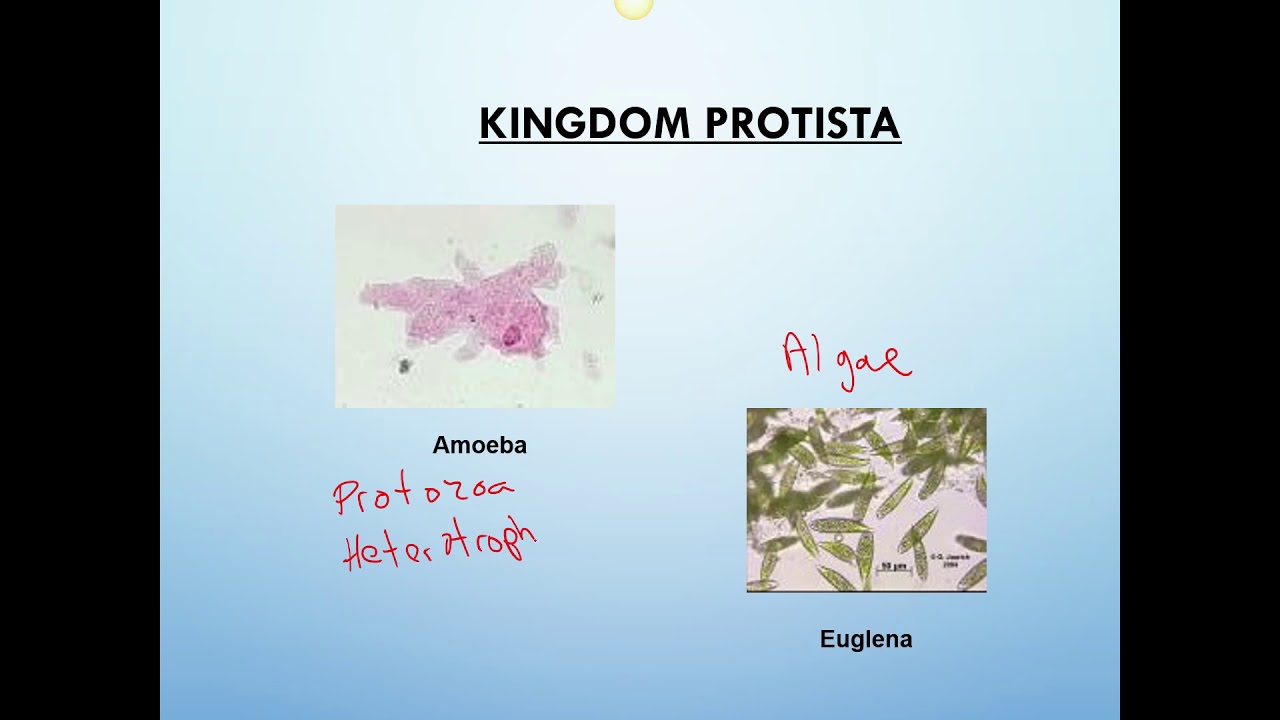
hi this is Professor Joel balok and welcome to my video on algae during this video I'm going to talk about algae in a very general manner I'll have other videos that will deal more specifically with each individual algae species or groups but before we go into more details about algae I first want to show you this slide on the kingdoms of life this is going to help class clarify how we classify algae in relations to all other living organisms LGA is a group of living organisms do not share a common ancestor so I can only imagine that their classifications will change over time to best fit their genetic relatedness but for the moment we have the six kingdoms of Life scheme here we have the plant the Plante we have the kingdom fungi the kingdom Animalia the protesta the kingdom bacteria and the Kingdom archia right here in the center the protista are composed of a Harge parge group of organisms with many different ancestral lineages they don't fit into any other kingdoms so for this reason the protista is basically considered now to be a group instead of a kingdom so we have the five kingdoms Plante funi Animalia bacterian archa and the group protesta we can divide these kingdoms and the protesta into two major groups based on their cell types each living organism is either composed of eukaryotic organisms or procaryotic organisms members of the bacteria in Aria are made of procaryotic cells that means that their cells do not contain a membrane bound nucleus instead they have a chromosomal DNA that is not surrounded by a membrane it is free in the cytoplasm and is called a nucleoid also these organisms are do not have membranebound organel whereas members of the Plante fungi Animalia and protista are all composed of eukaryotic cells that's to say that their cells contain nuclei or nucleus singular and they all have membrane bound organel so remember from your past lectures in other classes that these organel include mitochondria ggia rad um endoplasmic reticulums both the smooth and the rough and various vesicles so where I'm going with this is this is electron algae and so I want to focus on this Cent region here called the protista remember that I said that members of this group protista are basically a Harge parge group of organisms that have different ancestral lineages this group contains algae as well as protozoas so I've listed here the green algae diomes brown algae oops I'm forgetting the red algae here and the dof flag these are going to be the major groups of algae that I'll cover in next lecture my next lectures but there's also some protozoas that I've mentioned here so these members together form this polyic group what the term polyphilic means is that there are just many different ancestral lineages so if we look at them genetically we find that they do not relate to each other or are not genetically similar to each other and thus do not have a common ancestor this makes it very difficult to study these organisms and to try to classify them but nonetheless they're put together in this group of protista because there's some generalized characteristics that apply to all of them for instance the algae are considered as the plant like protista whereas the Proto are the animal like protista I'm going to go through some of these characteristics but before I do I just want to stop and briefly mention the cyanobacteria you might come across a classification scheme that groups these procaryotic photosynthetic microorganisms as blue green algae however more recent scientific data shows that these cyan of bacteria actually belong in the Kingdom bacteria that is that they are made up of single procaryotic cells and so so for my lectures I don't consider them as being algae instead I consider them as being procaryotic cells and members of the Kingdom bacteria so I'm going to leave those out so let's get on with the algae algae vary in their color in their habitat from being being unicellular that means single cell all the way to multicellular meaning made up of more than one cell being macroscopic or microscopic microscopic means that you need to view them under a microscope macroscopic means that you can see them without a microscope also in their cell wall structure some of these these algae will have different carbohydrates in their cell walls all these characteristics are used to group these algae into these major fer or groups as listed here so I have the seven major groups as the brown algae the red l Al the green algae dulat diomes and water moles I've listed their corresponding film names here on the right respectively and it's good to know the group names and the Fon names because whenever you search these organisms on the web or look through literature you'll see that both names will be used so it's good to know that you're talking about the same or different organisms now unlike their fellow protozoas all algae have a cell wall all the groups except for diomes have cellulose as one of their major cell wall components if you look down the list you also see other components such as algen augur kagenin pectin silica I'll go into more details of these components when I talk about the each individual groups in my uh in my other lectures so for this this video it's just important it's important to know that algae have a cell wall and these cell walls are made out of various carbohydrates and this is what differs them from the protozoa the other protista which do not have a cell wall other character characteristics of algae are their size and cell Arrangement now algae size can range from being microscopic that means that they need a mic that we need a microscope to see them also there are those that are much larger shown down here as the macroscopic these macroscopic organisms can reach Dimensions greater than 60 m in length that's about 200 ft the microscopic organisms tend to be unicellular and sometimes they are motile I'll talk about more about motility later in this lecture whereas those are that are macroscopic are not motal or motile these microscopic organisms can be arranged in different types of arrangements so focusing on the microscopic organisms they can tend to be just unicellular that means a single cell organism or they could be grouped together colonially as I'm showing you here on the right these are eight single organisms eight unicellular organisms that are grouped together by this gelatinous sphere they come together as a colony to help acquire food it's probably it's also most often A reproduction phase so these alal cells come together they enclose themselves inside a hollow type sphere and they tend to be motal so they'll have little flagella sticking out you could probably make out little lines that represent the fella so they tend to have a pair of fella in this manner as they are able to sense their surroundings they can beat their fella together in unison to move towards something that attracts them or away from something that could be toxic or harmful for them for instance these are photosynthetic organisms therefore these organisms will work together using their fagella to swim towards light the next major form of arrangement are that of the multicellular filamentous Arrangement now these could be both microscopic and macroscopic it just depends whether how large these cells um how large the filaments are so it's kind of a gray Zone but either way these uh filaments are cells that are attached end to end they could also be branched or unbranched now I've included an example here on the left of a filamentous arrangement now if you look carefully you can see that there are cells that have green that's the chloroplast there are individual lines in between that separates each cell and what you notice is that the cells are attached end to endend that is a true characteristic of filaments this one in particular is unbranched the last Arrangement is considered to be a complex Arrangement these are multicellular algae they are more complex in nature as you can see here in the bottom and they often times resemble that of plants now as I zoom in on this picture this is an example of a brown algae that I found on the beach last summer it has particular fronds these fronds look like leaves but they are not it has a whole fast that basically anchors it to a rock or to a solid surface but like I mention men it does not have leaves these are not considered true stems and it doesn't have a plant vascular system therefore it puts this organism into the algae category however like Plants algae are photosynthetic that means inside their eukaryotic cells they have chloroplast that contain chlorophyll let me briefly mention the exception though before I go on is that this is true for all algae except for the water moldes now for the algae with the exception of the water moles besides having chlorophyll they also have different light sensitive accessory pigments it's the combination of the chlorophyll and these accessory pigments that give them the different colors and also importantly though is that these pigments and chlorophyll play the major role in photosynthesis just and Plants algae uses the energy from from the Sun the light energy that works on water molecules it releases the energy from these water molecules and thus forms oxygen that released energy is then used to uh take six molecules of carbon dioxide and generate one molecule of sugar a carbohydrate equally amazing though is that algae produced 70 to 80% of the Earth's in atmospheric oxygen as a byproduct of this photosynthesis reaction also algae produced enough carbohydrates not for their only for their own use but enough to support the entire marine and freshwater food chain so what that means is that without algae all Aquatic Life Would cease to exist so I'm showing you here a slide in which we have algae which are the producers of carbohydrates they as I mentioned produce enough organic nutrients that are then eaten or taken up by the primary consumers the shrimp other protozoas uh cocoapods these are small living organisms they in turn get fed or or food for small fish as the secondary consumers which then are fed upon by the tertiary cons consumers coronary consumers etc etc so if we were to remove all the algae from any marine or aquatic environment all these other organisms shown below algae would cease to exist so it's pretty amazing how important these little uh living organisms are for the ecosystem on our planet Earth now again all this gets back to the the the fact that these algae have the ability to undergo photosynthesis they produce oxygen they produce carbohydrates another aspect of these algae that I want to mention is that as I mentioned earlier they have chlorophyll but they also have different light sensitive pigments now these pigments help these organisms live in different environments different habitats the reason is is that these accessory pigments absorb wavelengths of or absorbs light of different waves lengths for example red light as shown here on the right is going to absorb through the water first so as the water gets deeper less light will be will make it at greater depths of the water next comes the yellow the green the purple violet and the blue light the blue light actually is able to penetrate water deeper so if this algae contained pigments that are able to absorb blue pigment then these organisms or these algae are going to be able to survive in and deeper depth of water so as I tried to IND in this slide I have the sunlight which has a wide spectrum of visible light this visible light is hitting the surface of a body of water and as it's doing this the red visible light is absorbed first so it only penetrates roughly through the first 50 ft or 50 m of water the other end of the spectrum are the blue light which is able to go as far as down as 250 M so thus if algae Express the right combinations of Pi ments that are capable to absorb light at any given depth of water then they will be able to survive because remember they're they required to absorb this light so that they can undergo photosynthesis green algae can best absorb red light and can only be found within the top surface of water so I'm showing you here green algae whereas the red algae Express Blue Light absorbing pigments allowing them to survive at deeper waters so this pretty much covers the different characteristics that I'd like you to know about algae in general what I'm hoping that you should take from this video is that algae are diverse in many ways thus allows them to grow and reproduce in various moist environments now most algae are found in fresh water others will be found in Marine Waters the most common organisms are all in these aquatic habitats few others are going to be found on rocks and soil in Plants but again they have to be moist environments some are going to be found in very extreme temperature conditions such as hot springs in the snow and ice some are even able to grow inside other organisms such as the small single cell protozoas that we call Ug glenoids animals and human tissue are generally not habitable by algae thus they are rarely associated with infectious diseases but the major threats that allergies has to animals and humans is due to the type of food poisoning that are found specifically due to the toxins that they express so you probably heard of red tide red tide is due to a toxin that is specific type of organism or algae secretes talk more about red tide when we talk about dulet so lastly I'd like to leave you a video on motility I mention that some algae are motal whereas others are non motal those that are motal tend to be microscop microscopic they can be both single or Colonial uh they are often modal by means of gliding or swimming so first in these videos are single cell algae so what you see here on the right are single cell algae they tend to be twittering around and that's because they have a fella this is the same type of organism just more U uh focused upon or zoomed in at higher magnification if you watch it you can probably see a couple hairlike structures coming on the very top this represents the two fella now these fella pull the organism along now we go to the Colonial these are the Single Cell organisms that are grouped together here is a a bunch of here I I assume it's like eight organisms they're grouped together into this gelatinous uh type of sphere and their flagella are sticking out as you watch this motion you can sometimes make out the fella sticking out of the sphere again they all have to beat together so that these eight unicellular organisms can go into the same uh Direction diomes diomes are very geometric they don't have fella but they move very fast they tend to have pores at the Apex that means at the ends of their cells and uh they they're basically are able to um have water enter one pore and and secreted out the other end and the opposite pore and this allows them to Glide in their surface this the datome that tends to rotate around one end is is quite flat and then as it turns around you can see the the the true width of the organism they tend to be very very geometric here's a second type of datome as he goes in One Direction and then he will he can then back up and go to the opposite direction showing that they're just not uh not only able to move in One Direction desmids are a type of green algae they come in various forms here's one form now the literature says that they do have some type of motility um whereas this is an example of basically they're not moving very much this is uh this organism is just moving around with the water here's another type of Desmond I'm going to quickly go over this so that we don't waste time but there's no motility there this is a dof flatulate which which has uh a couple fagella that whips around allows it to um move quite fast this class of organisms are what's associated with harmful Alo blooms or red tide however not all of them are U the result of red tide but again the mod of motility here is because of the flagella and that nears the end of the video so this is the end of this video but please look for my other videos in which I will talk about the various groups of algae in more detail thank you
Up Next

6:30
Fungal Hyphae vs Plant Roots: Key Structural Differences
@AdventuresThroughTheMind
123 views•2024-12-23
50:12
Bacterial Communication: Quorum Sensing and Biofilm Formation Explained
@JHUAAP
12.6K views•2011-06-28

5:35
Enteric Nervous System Explained: The Gut's Brain | Neurobiology Lecture
@alumniu6029
438 views•2018-09-12
7:08
Bacteriophages: Earth's Deadliest Killers and Future Antibiotics
@kurzgesagt
34.6M views•2018-05-13
Related Study Plans & Knowledge Roadmaps
Structured learning paths in Biology
biology
RNAi: Biogenesis, RISC & Gene Silencing
01Molecular Biology Foundations: DNA to Protein
02Introduction to RNA Interference (RNAi)
03Molecular Biogenesis of miRNA and siRNA
+ 2 more learning modules
10h5 modules
Explore Roadmap
biology
Mycorrhizae: Signaling, Biophysics & Ecology
01Foundations of Mycorrhizal Symbiosis
02Molecular Signaling and Root Colonization
03Biophysics and Bioenergetics of Nutrient Exchange
+ 1 more learning modules
11h4 modules
Explore Roadmap
biology
Circadian Clocks: TTFL, SCN & Periphery
01Foundations of Molecular Biology & Gene Expression
02Introduction to Chronobiology and Actograms
03The Core TTFL: Molecular Architecture of the Clock
+ 3 more learning modules
14h6 modules
Explore Roadmap
biology
Population Genetics: Math, Drift & Selection
01Genetic & Probability Foundations
02The Hardy-Weinberg Principle and Baseline Models
03Mathematical Modeling of Natural Selection
+ 3 more learning modules
18h6 modules
Explore Roadmap