











![[Webinar] The feedback loop: How to put customers at the centre of your business.](https://i.ytimg.com/vi_webp/XKm1RlmMPAE/maxresdefault.webp)














Businesses should respond to both positive and negative online reviews using a structured four-step approach: thank the reviewer, acknowledge the business, include marketing messaging, and invite further engagement; for negative reviews specifically, businesses must apologize sincerely, keep responses brief (around three sentences), provide offline contact options for resolution, and avoid mentioning the business name to prevent amplifying negative visibility.
How to Respond to Customer Reviews: Good and Bad Strategies
Added:Understanding the basics of Online Reputation Management (ORM) and its overall impact on brand equity.
The psychology of social proof and how online ratings and reviews influence modern consumer decision-making.
Fundamental principles of professional business communication, including maintaining a consistent brand voice and empathetic tone.
The operational differences between private customer service channels (e.g., email, direct message) and public-facing review platforms (e.g., Google, Yelp).
Formulating a crisis communication framework to handle highly damaging, fraudulent, or legally sensitive negative reviews.
Utilizing sentiment analysis and Natural Language Processing (NLP) tools to automate and analyze customer feedback data at scale.
Designing proactive, ethical review acquisition campaigns to increase the volume of positive customer feedback.
Analyzing the correlation between review response rates, star ratings, and local Search Engine Optimization (SEO) rankings.
Integrating online review management workflows into comprehensive Customer Relationship Management (CRM) platforms.
43.2K views391likes4:05Original Release: 2016-06-01
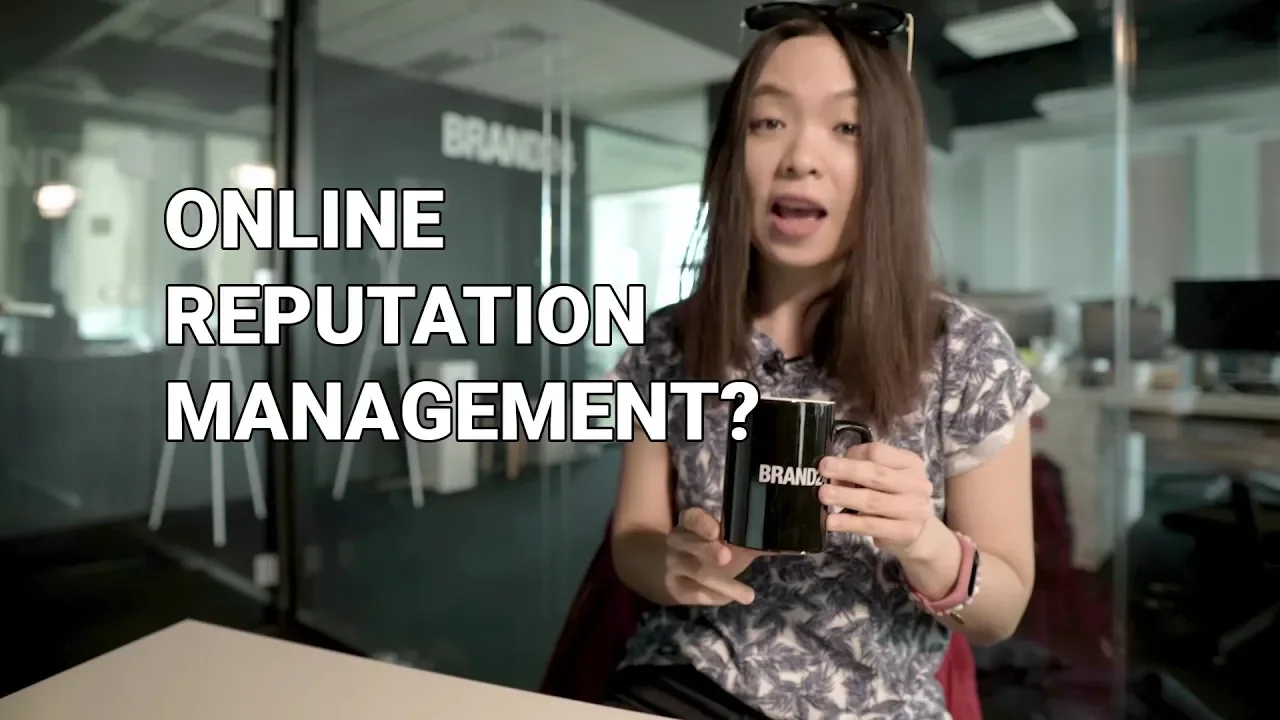
I'm going to show you how to reply to online reviews both good and bad at our digital agency we respond to a lot of reviews as many as thousands a month I'm going to share some tips with you today that are going to show you how to best reply to both good and bad online reviews so why respond to a good review so say you get a five-star review from your customer and it's a glowing awesome review do you just leave it alone it's really worth it to take the time andite to personalized response so here we go how do you actually respond to these positive reviews well I've got four steps for you number one thank that customer whether it's for their time for writing you that review or for just visiting your business you want to make sure you say thank you number two you want to make sure you mention the business name so that review shows up in your search engine results number three throw a little bit of marketing in whether that's highlighting a special or just glowing about how great your businesses you want to make sure you highlight something for your future customers to see number four invite the customer to do something whether that's coming back to the business or spreading the word check out this great example in this response the person actually thanks the customer for taking the time to write them a review they also highlight a feature of their business also they mention the next time they visit they should try their seafood dishes check out that positive result below the customer actually replied but back thanking them for their suggestion and mentioning they're going to come back with their husband to try it again so you definitely want to make sure those positive reviews don't go unanswered Okay negative reviews what do you do so it is important that you do reply to that negative review replying shows that the business isn't just sweeping their problems under the rug they're actually taking corrective steps to make sure that situation doesn't happen again remember this isn't just the one person who wrote the review that you're replying to anybody who comes across that review is going to see your response how do you respond to negative reviews number one you want to make sure you apologize and sympathize with the customer's concerns you want to make sure that they feel heard number two throw in a little bit of marketing you can actually take that situation and spin it so that your future customers will see that whatever negative experience happened is not the standard for the business number three keep it short and sweet you don't want to go into too much detail a rule of thumb is three sentences that should be plenty of time for you to get your point across as a side note make sure you don't mention the business name you don't want that negative review to be showing up whenever people are looking for that business online number four and this is probably the most important one is make sure that you provide that customer with someone offline that can handle their complaint this will prevent a lengthy public back and forth between the customer and the business check out this great example so with this response the business actually took the time to acknowledge that customer's complaints they threw in a little bit of that marketing that I mentioned earlier and they gave them a contact in the real world that they could take their complaint to and look at what happened afterwards that customer came back to the business had an awesome experience and then updated that review that is how you respond to a negative review while you can't make a negative review go away completely there are many customers who have had great experience as how do you get them to leave your a review essentially it's simple just ask a business can ask those great customers to leave a review this is something we can do for you I'm proud to work with experts within our digital agency that help businesses manage their reputation online thanks for watching and I hope I've given you some helpful tips on how to handle those good and bad reviews remember if you're getting overwhelmed with your own reviews give us a call we're here to help
Up Next
10:18
How to Track and Attribute Mobile App Downloads for iOS and Android
@appmasters
14.9K views•2020-05-04
46:36
Retention Habits of Top DTC Ecommerce Brands Revealed
@SendItPodcast
44K views•2026-03-03

15:23
Decoy Effect: How Pricing Psychology Influences Consumer Spending
@bobinvestsUS
90K views•2026-01-05

17:30
The Planned Obsolescence of Light Bulbs and Tech
@veritasium
25.3M views•2021-03-26
Related Study Plans & Knowledge Roadmaps
Structured learning paths in Business
business
Pop-Up Retail: Strategy, Design & Execution
01Introduction to Pop-Up Retail & Strategic Goal Setting
02Budgeting, Site Selection, and Legal Essentials
03Experiential Retail Design & Visual Merchandising
+ 2 more learning modules
15h5 modules
Explore Roadmap
business
Reg CF: Startup Funding, Marketing & Launch
01Introduction to Equity Crowdfunding & Reg CF
02Platform Selection & Legal Preparation
03Crafting High-Converting Campaign Assets
+ 2 more learning modules
14h5 modules
Explore Roadmap
business
Productized Services: Scaling Solo Freelance
01Foundations of Productized Services
02Packaging and Scope Definition
03Pricing and Subscription Models
+ 2 more learning modules
15h5 modules
Explore Roadmap
business
Gov Procurement: Find, Bid & Win Contracts
01Introduction to Government Procurement & Business Setup
02Small Business Certifications & Set-Asides
03Finding and Analyzing Contract Opportunities
+ 2 more learning modules
14h5 modules
Explore Roadmap