


















![Contactless Solutions for Restaurants [CRA Webinar]](https://i.ytimg.com/vi/WLitJ8cRNZs/maxresdefault.jpg)


![Data Meets DOOH: Smarter Targeting, Measurable Results [Webinar]](https://i.ytimg.com/vi/FMrf9V0dQyM/maxresdefault.jpg)







![15 Google Ads Targeting Strategies For You To Steal [Inside Google Ads Episode 92]](https://i.ytimg.com/vi/nCiTWqAVua8/maxresdefault.jpg)
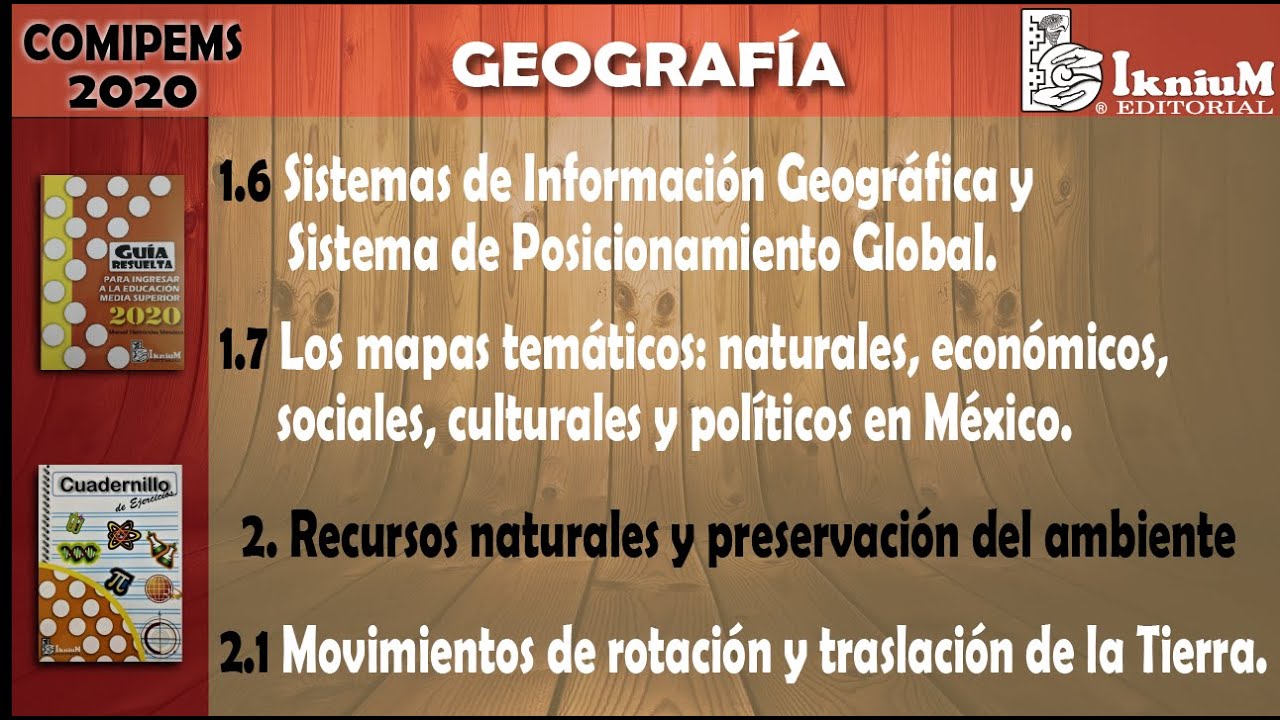
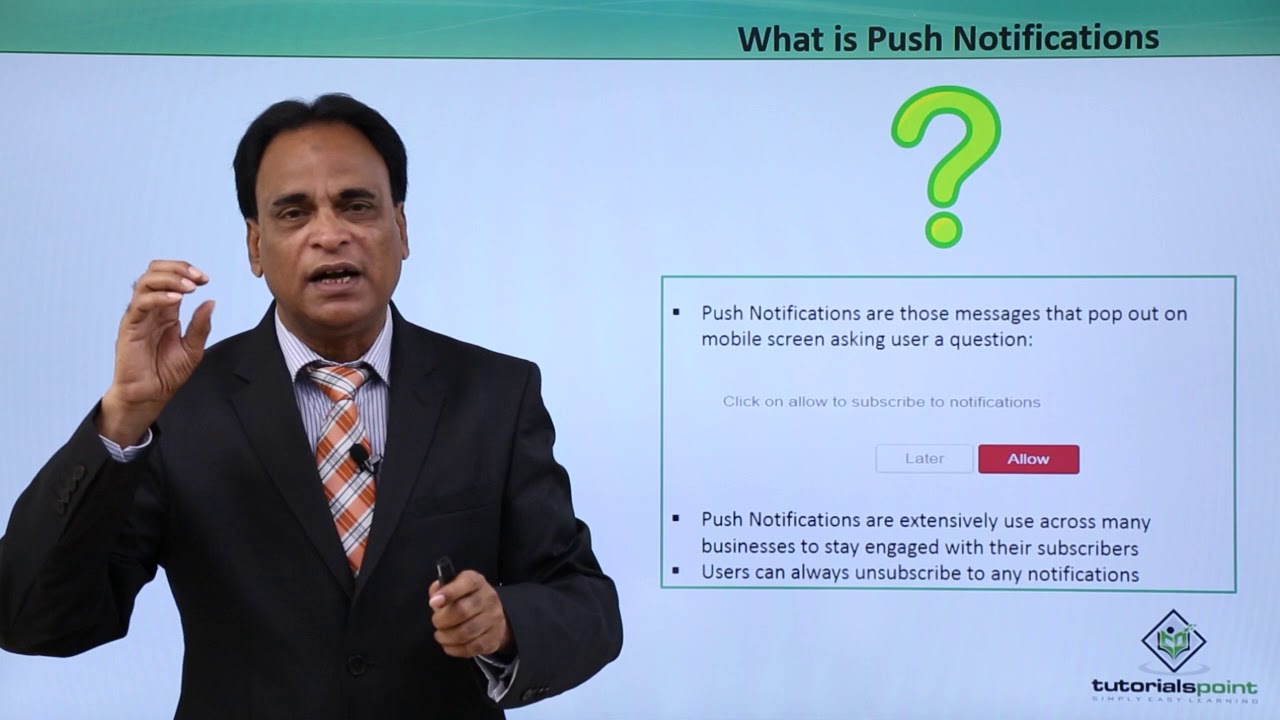
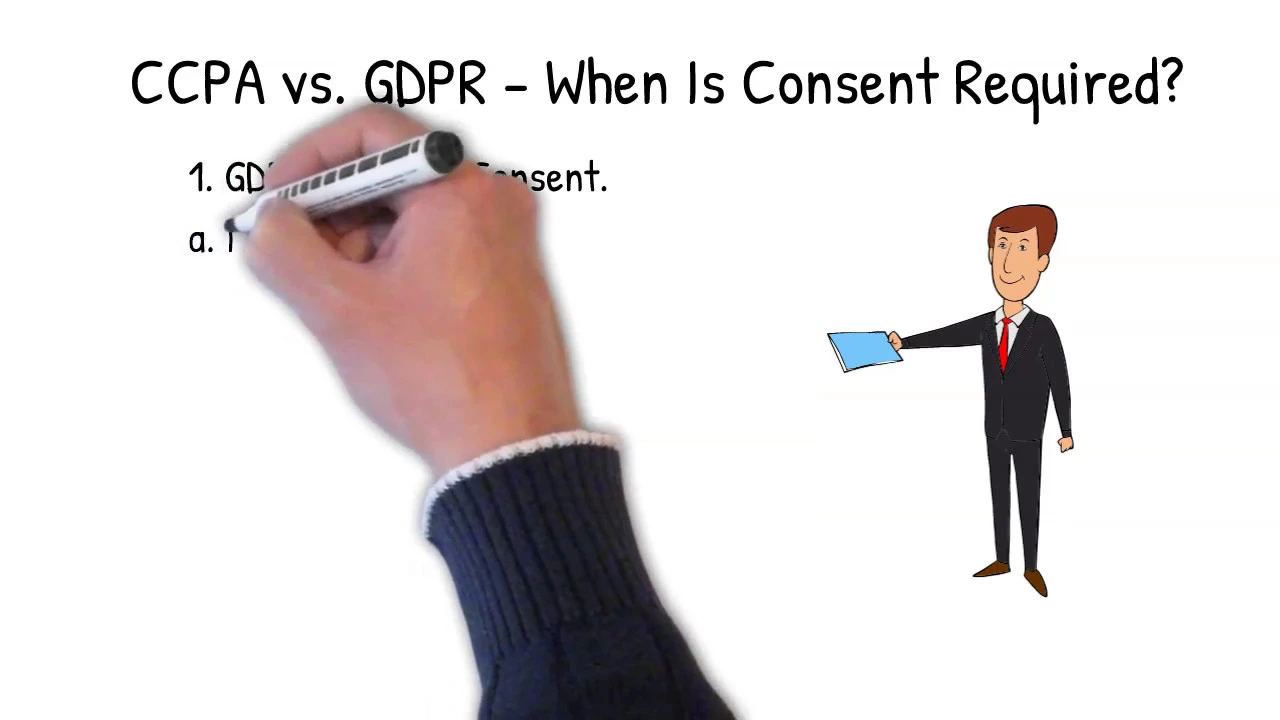
Geofencing is a virtual perimeter technology that allows businesses to target customers at physical locations by triggering messages, campaigns, or actions when users enter, exit, or dwell within defined geographic boundaries; it operates through a combination of GPS, cellular data, and Wi-Fi signals, with passive geofencing being preferred over active GPS-based methods due to lower battery consumption and better background functionality, and successful implementation requires proper fence sizing (typically 100 meters in urban areas), avoiding overlaps, segmenting audiences based on customer data, and obtaining explicit opt-in consent from users for location tracking and push notifications.
Geofencing Marketing: Complete Guide to Location-Based Targeting
Added:Basic principles of mobile marketing, including push notifications, SMS marketing, and in-app advertising.
Fundamentals of GPS and location-tracking technologies, such as cellular triangulation, Wi-Fi positioning, and IP geolocation.
Core marketing concepts of audience segmentation, behavioral targeting, and buyer personas.
Understanding of user privacy regulations and consent frameworks, specifically GDPR, CCPA, and mobile operating system permission models.
Proximity marketing technologies, specifically Bluetooth Low Energy (BLE) beacons and Near Field Communication (NFC).
Location-based attribution modeling to measure physical store visits (foot-traffic lift) driven by digital campaigns.
Programmatic advertising and integration of location data into Demand-Side Platforms (DSPs) for real-time bidding.
Advanced spatial data analysis and Geographic Information Systems (GIS) for strategic market expansion and competitor conquesting.
79.1K views598likes18:06Original Release: 2015-07-31
[Music] 30% of the world population are already using location-based services and 80% of them want to get location based alerts from businesses like yours in today's video I'm covering seven things that you'll absolutely kick yourself for not knowing we have a lot to cover today so let's get into it so I'd like to start off by describing Geo fencing a geofence is can be looked upon as a virtual perimeter that you can draw around any location on a map and then Target customers that enter that location in last week's video we talked about beacons and how you can add this Hardware to your location and you know Target customers as they arrive as they leave or as they dwell so we look at beacons as really being the micro locations and geofences as being uh macro and used for very different use cases beacons are great for proximities and knowing at a very granular level that someone is near a certain object or product and Geo fences are generally for larger areas where you want to know someone is walking by your store by a competitors or coming into a particular location so you would go onto a a Google map or some kind of other mapping product you would identify the area that you want a Geo fence and then the idea is you're creating these circular regions or in some cases creating shapes or polygons around the buildings or locations you want to Target and then the phone or your app is monitoring for that GE fence and as I go about my business day-to-day it's tracking that location in the background and you know immediately when someone breaches a fence when they dwell there or as they are about to leave so Geo fences um you know can be used to Target customers and physical locations allowing you to trigger the right message the right campaign at the right time and place some of the benefits include increasing your sales and loyalty and this can be done by bringing in your CRM data so when you know customers are here that haven't been in your store haven't been in your location or haven't transacted in a while this might be a great time to do a winback campaign and say hey we've missed you we want to show you the love come on in for a free coffee remind them what their loyalty balance might be or tell them about new lines that have come into the store and new products that might interest them based on that uh P past purchase uh data that you've brought in in terms of use cases and you can do incentives you can remind them of rewards you can also ser survey customers when they leave so when you get an exit event for your Geo fence it's an excellent time to say you know hey first name thank you for um you know coming into our business today what was your experience like how would you rate US is there anything that we could have done better don't forget to offer some kind of an incentive or reward and for completing the survey tracking competitors is something that's kind of interesting as well you can't really bug out your competitor stores with beacons but you sure can at a virtual perimeter a geofence you do do need to put this in your privacy policy that you're geofencing um not only your own locations but possibly other locations that don't relate to your business maybe you don't have to list it specifically as competitors but I would mention uh something so you can do the Geo fenses around your competitor stores around the locations so then you know out of your loyalty base what customers also frequent your competitors businesses and you can use this to again score increment or decrement a score on your customer table or database and then you can use it bring that back into your strategy to inform future action as to what inter what way you would interact with that customer so this all works um using a combination of usually uh GPS cellular data and also Wi-Fi data combined historically it's it's more about the cellular data you could even go to your operator you could geofence a certain area and then they'll actually send a text message out to customers when they breach that location but of course they haven't opted in for that so that's kind of um being phased out and being replaced by applications that can actually do the Geo fencing where you opt in for location services you want to get some kind of push notifications and you are aware that there is this like value exchange going on so we've moved from um as I said the cellular to doing the kind of the the inapp the application Level Geo fencing of which there's there's mainly two types so we have active Geo fencing and that's when you know you have the application open on your device you're engaged in that experience and you can use things like a high accuracy GPS so you can connect with to a satellite get a really high accuracy lad and long of where that customer is the problem is using the GPS radio is a very power high power consumption so you're going to wear down the user's battery and another problem with that is you can't really use GPS in the background and of course your customers are not going to walk by your your company or by your business with the app open they're not going to be that helpful H the app is probably going to be in the background state so they're not actively engaged so this was another Ty type of Geo fening that we saw we have moved towards Geo fening being passive being working in the background being always on and also being low power consumption and not using uh GPS how do the operating systems handle Geo fencing so in terms of about IOS and Android on the iOS side we have a thing called region monitoring which which is a part of core location you could do some basic Geo fencing but really the operating systems in a default way don't handle Geo fencing very well it's known to be both it's not it's known to be very inaccurate as well so think about it you know can you afford to do active Geo fencing and use GPS what is the opportunity cost if customers realize you're not doing a very good job of your Geo fening and you're wearing down their battery that app is probably going to be deleted off their devices ruining the opportunity for you completely as a business um and if if you can't engage with them in in passive mode when the application is in the background you know what is the what are the opportunities that you're missing as as a company of all those customers that are walking on by your business you don't even know they're there you're not reaching out it's an opportunity that you're missing to reach out connect and engage and bring them back into your business create that loyalty and deepen the relationship so moving on to um how we can actually put this to work and how we've done it in pulsate but that's a pretty good primer in terms of the geofence being this virtual perimeter you being able to Target all sorts of notifications based on loyalty based on transactions based on segment data we've talked about a range of use cases in terms of surveying tracking competitors you could even do a a campaign that when you walk into a competitor's fence that says hey you know what are you doing here we've got you know we'll give you a discount or we've got a better offering than this company little bit spooky um you may want to just track that they've been there and take action later with a delay you may not want to do it in real time and then we've talked about you know how you can do geo fencing in both an active and a passive mode and that you want to combine them and that you want to have that that opt in so remember Geo fences are they're um they're virtual you can create them in any location they're about macro location and you don't need to deploy any hardware they're obviously very um cost effective because you can just fire up a map create Geo fenes all around the world and instantly your app can begin monitoring for those locations but of course it's not always that easy that you can turn on Geo fencing and that it works there are um a lot of issues so up next we have he how pulsate has actually done this I'm not going to really talk too much about the pulsate product but a little bit about what our requirements were for geo fencing and the kind of checklist we had our Dream list our vision for building Geo fencing what should this do what way should it work and what are the things that we didn't what are the attributes that we absolutely did not want so we wanted no Hardware if you go on a SlideShare or Google people talk about Geo fencing using NFC and beacons and technically I guess it is a geofence but it's more microl location there more Pro proximities we see Geo fencing as being uh the virtual so we wanted absolutely no Hardware requirements for geo fencing other than the actual consumer's mobile device itself that is the one prerequisite um it should work passively in the background so we didn't want this active State um you know it it could be terminated in memory that the customers did not have to have the app open um there should be very very very little battery drain this is a huge issue we wanted to do it in a low voltage way that did not need um GPS at all we wanted customers to be able to update our fences remotely to change them to manage them with Geo fencing if you do it in your own app unless you use some kind of third party tool you're probably going to have to bake all of your fences and locations hardcoded into your app so that means you have to resubmit your app every time you want to add a new geofence which is kind of Impractical so usually you want to have a database of them an API that feeds your app and an app that then monitors for those locations you could you can use the default operating system apis to then take those locations and monitor for them but you're going to run into all sorts of reliability and accuracy issues I probably going to cover this in another video I could talk for hours just about the default apis and all of the things that are wrong so we wanted that Remote Management we wanted better accuracy robustness and we wanted to combine all of the sensors on the device that we could use to Geo offense so we ended up taking cell tower data and Wi-Fi data and the reason we use this primarily instead of GPS is GPS is is something you power up on occasion to get very high accuracy location but I have mentioned it's a battery drain and we didn't want much battery drain as part of our our Geo fencing solution so in order for a phone to be a phone has to connect the cell TS otherwise when you get a phone call it's not going to light up when you get a text message your mobile phone also sends out Wi-Fi pings every couple of seconds it says hey I'm looking for nearby Wi-Fi routers and will respond and that's how when you're in the settings um of your phone and you're looking for Wi-Fi networks to join that you can see a list of all nearby Wi-Fi networks so what happens is every Android every iPhone in the world if you read your terms and conditions you're actually helping Apple and Google to crowdsource and enumerate all of those Wi-Fi networks and where they actually exist in the real world so when a new Wi-Fi router or SSID is cited your um your operating system of your device will power up GPS in the background take a hierarchy Latin long of where that location is in the real world building up their database so what pulsate does is it piggybacks on those Wi-Fi pings already and we just get that as a call back we listen to that thing that the phone is already doing we have a database of all those Wi-Fi routers and where they are and then also for a phone to be a phone it's connecting to the cell tows already so then we're piggybacking on that existing connection and there is a database of all cell tower known locations so we're combining the cell tower known locations with the Wi-Fi known locations which you can actually do very accurate Geo fencing with right down to on average 100 m and even below that in some situations that means we don't have to run GPS it means we can do it in the background and we're not going to upset the user by draining their battery so they were our our requirements in terms of the best practices that you can Implement in your business for geo fencing so in terms of best practices you know what do you want these Geo fences to do in terms of use case and where do you want to put them so if you're positioning Geo fences in an urban location it's fine you can have them pretty granular pretty small right down to 100 meters if you're out in the countryside you're not going to have the same density of Wi-Fi routers and saell Towers so you want to make those fences a little bigger you know maybe several hundred meters 500 meters you can bring them up to several kilometers as well in urban locations 100 m is what we generally lock our customers down to so you can't go any lower than that in certain situations on specific streets that you know has a have a really like high density of Wi-Fi routers and ssids that we have in the database well then we can kind of tune the fences and we get them down to 50 30 maybe even 20 M but this is something that you need to consider on a case-by casee basis and really test your fences if you're doing 100 meter fences in any Urban location you can be pretty sure it's going to work without testing the area you can just plonk your fence down on the map hit save and you can Target that location so in terms of overlap you really don't want your fences to overlap unless you have some kind of unusual use case that calls for it so generally separate your fences out put a couple of hundred meters of distance between them remember we're not using GPS right so we don't have that incredible sharp accuracy so if you've got fences that are very near to to each other the operating system of the device and RSD it's probably not going to be able to understand using cellular and Wi-Fi alone whether someone is at this fence or whether they could be in between this fence or whether they're at the second fence so try to kind of space them out 500 M are so between each fence you want to consider as well that you really need Wi-Fi turned on on the consumer's device for this to work so if they've got Wi-Fi turned off it's not going to work cell towers are not enough to do accurate GE fencing we rely on the Wi-Fi data to take the resolution down and to accurately plot users inside or outside of a fence so sometimes people would say hey I didn't get the Geo fence is your Wi-Fi turned on if it's not it's very difficult it's impossible almost to plot them inside of a offense so some customers will have it on some won't but the ones that have it on you've still got a new way of targeting targeting them that you didn't before so it's still a very very valuable technology and a technique bring segmentation into it as well you know don't just rely on hey of geofence my store I'm sending the same crap to people that walk by segment segment segment so use that P past purchase data use the behaviors use the interest uh interests that you have on customers to really segment out your campaigns and instead of having one generic geofence campaign you know have five 10 20 campaigns that address all those different personas that you have in your customer base making sure that you're reaching out not only at the right place but also at the right time with the right message as well so in terms of privacy customers do have to opt in and this is not the type of cell tower GE fencing that you could do at an operator level and you send everyone an SMS this requires customers to download your application to opt in for location services meaning that you can track that they were there um of course if you want to send them a push notification you're going to have to ask them to opt in for push as well on top of location some people ask us you know if we do geo fencing does that mean that I'm constantly tracking our customers locations and then you know we have all that data in our database and then we just know when they hit a geofence and then we reach out and Target them actually if you're doing this that's something you really want to have in your in your privacy policy and we don't recommend constantly tracking uh users locations in the background you can do this on iOS it's called a significant change location API so every time they change sell Tower you can actually fire up the app in the background and take a location of where they were last seen unless you really need that I wouldn't do it you know it's a more H strenuous privacy policy that you're going to need you're going to have to explain that and opt in so with Geo fening the way it works is your your app is monitoring for that specific location and it only lets your server or your platform know when they breach that specific location so it's not every location up until that point on opting in for things like location and push remember guys this is a value exchange so don't just ask for location or push probably don't do it the first time they open the application not on the first date maybe the second third or even fourth time they launch that application would be probably the best time to ask for location and then push and do it in a way that you're explaining why you want to do it communicating the value proposition to them if they opt in they get location based rewards and treats based on their interests you promise not to abuse this feature and only use it at the right moment in time and that's good value for the user so remember to get that opt in do it in the right way we've covered what a fence is we're going to go go into you know a few later episodes and videos we'll discuss in more technical detail how you can Implement Geo fencing getting around some of the issues of the operating system and how to build it into your own SDK we've covered how you can Target customers in physical Loc ation what the benefits to doing this are within your business I mentioned earlier that over 80% of your customers want to receive location based rewards offers and notifications we've talked about some of the use cases in terms of surveying customers tracking when they go to competitor locations the way to do it and not do it the constraints around active and passive fencing remember you when you're selecting a Geo fencing provider make sure they're not into battery drain and using GPS make sure it works in the background and passively so that you're maximizing your opportunities as a business when customers walk by you can reach out to everyone CU they're not going to have your app open all of the time we've talked about the best practices the um sizes of the fencing not to overlap them how to bring in your segment data and of course how to get good opt in for your from your customers to be upfront and very explicit in everything that you do so I hope today's episode has been valuable and interesting in how you implement geofencing in your business um if you have any questions don't be afraid to send me a tweet leave a comment below the video and I look forward to seeing you next week over 30% of the world population is already using location based Services 80% of them have forgotten what they want to say in today's episode I'm going to teach you seven things you'll absolutely kick yourself for not knowing we've got a lot to cover so let's get in to it
Up Next
2:50
Geofencing Marketing: How to Target Competitor Locations & Events
@justincroxton1216
389.1K views•2018-02-26

46:36
Retention Habits of Top DTC Ecommerce Brands Revealed
@SendItPodcast
44K views•2026-03-03

15:15
App Store Optimization (ASO) Explained: Improve Rankings & Downloads
@pulsatehq
15.7K views•2015-07-24

17:30
The Planned Obsolescence of Light Bulbs and Tech
@veritasium
25.3M views•2021-03-26
Related Study Plans & Knowledge Roadmaps
Structured learning paths in Business
business
Pop-Up Retail: Strategy, Design & Execution
01Introduction to Pop-Up Retail & Strategic Goal Setting
02Budgeting, Site Selection, and Legal Essentials
03Experiential Retail Design & Visual Merchandising
+ 2 more learning modules
15h5 modules
Explore Roadmap
business
Reg CF: Startup Funding, Marketing & Launch
01Introduction to Equity Crowdfunding & Reg CF
02Platform Selection & Legal Preparation
03Crafting High-Converting Campaign Assets
+ 2 more learning modules
14h5 modules
Explore Roadmap
business
Productized Services: Scaling Solo Freelance
01Foundations of Productized Services
02Packaging and Scope Definition
03Pricing and Subscription Models
+ 2 more learning modules
15h5 modules
Explore Roadmap
business
Gov Procurement: Find, Bid & Win Contracts
01Introduction to Government Procurement & Business Setup
02Small Business Certifications & Set-Asides
03Finding and Analyzing Contract Opportunities
+ 2 more learning modules
14h5 modules
Explore Roadmap