Geofencing is a location-based marketing technology that creates virtual geographic boundaries around specific locations such as buildings, events, competitor sites, or convention centers, enabling advertisers to deliver targeted advertisements to people within those areas either in real-time or for up to 30 days after they leave, while also tracking foot traffic conversions back to client locations for measurable return on investment.
Geofencing Marketing: How to Target Competitor Locations & Events
Added:Deep Dive
Basic concepts of GPS, cellular triangulation, and Wi-Fi-based location services on mobile devices.

GPS & Cellular Triangulation Location Service Technologies Explained | CompTIA A+ Core 1 Course
488
Location services on mobile devices use two primary technologies: GPS (Global Positioning System), which calculates position by receiving signals from satellites, and cellular triangulation, which estimates location based on signal strength from nearby cell towers; devices offer three modes—high accuracy (using both GPS and cellular networks for precise location but higher battery consumption), battery saving (using only cellular networks for power efficiency), and device only (relying solely on GPS for areas outside cellular coverage)—allowing users to balance accuracy and battery usage according to their needs.
Click to watch →

CompTIA A+ Core 1 (220-1201) | Location Services | Exam Objective 1.3 | Course Training Video
198
Mobile devices determine location through multiple technologies: GPS uses satellite signals for precise positioning, cellular triangulation measures signal strength from multiple towers to infer location, and devices offer accuracy settings that balance precision with battery consumption by combining GPS, Wi-Fi, Bluetooth, and cellular signals. Users can control which applications access location data through permission settings to protect privacy.
Click to watch →

قفلت الـ GPS… والتطبيق لسه عارف أنت فين! 📍
1.1K
Mobile devices use three primary methods to determine location: GPS satellite signals for outdoor positioning, nearby Wi-Fi networks for indoor location tracking, and cellular tower triangulation when other methods are unavailable; these systems work together to achieve accuracy of approximately one meter, even inside buildings where satellite signals cannot penetrate.
Click to watch →

Mobile Device Network Connectivity | CompTIA A+ 220-1201 | 1.3
253
Modern mobile devices use location services for navigation, weather, and fitness tracking. GPS (Global Positioning System) provides satellite-level accuracy for determining location. Enable through Settings > Location Services. In areas with weak GPS signal (indoors), devices use cellular tower triangulation and Wi-Fi positioning to approximate location. Applications like Uber, Google Maps, and Weather require accurate location data to function properly.
Click to watch →

Where on Earth Am I? How Cell Phones and GPS Pinpoint Location - University Express
147
GPS technology determines location by using orbiting satellites that broadcast radio signals containing timing information; GPS receivers calculate their position by measuring the time it takes for signals from at least four satellites to arrive, then using trilateration (a mathematical technique that calculates distance from each satellite by multiplying signal travel time by the speed of light) to pinpoint their exact location on Earth. Cell phones combine GPS technology with cell tower triangulation and Wi-Fi networks to provide location services, offering higher accuracy outdoors with GPS but also working indoors where GPS signals cannot penetrate.
Click to watch →
Deep Dive
Fundamentals of mobile programmatic advertising, including demand-side platforms (DSPs) and real-time bidding.

Mobile programmatic платформа BYYD
359
Mobile programmatic advertising is an automated system where advertisers buy ad inventory in real-time auctions (occurring in approximately 0.6 seconds) through Demand-Side Platforms (DSPs), which compete against other advertisers to show ads to specific audiences based on user data collected by Supply-Side Platforms (SSPs) from mobile apps and websites; this system enables targeted advertising across various formats including fullscreen banners, native ads, rich media, and video, with payment models ranging from cost-per-click (performance marketing) to cost-per-thousand-impressions (brand awareness), while requiring optimization of landing pages for mobile devices and implementation of anti-fraud measures to ensure campaign effectiveness.
Click to watch →

40 Programmatic Ads basic concepts (in 14 minutes)
55.1K
Programmatic advertising is an automated system for buying and selling digital ad inventory through specialized software platforms, involving three key parties: publishers (who own websites and apps with audience traffic), advertisers (who want to show ads to reach their target audience), and ad tech companies (like Google Ad Exchange, DSPs, and SSPs) that facilitate the transactions. The ecosystem operates through three main deal types: programmatic guaranteed deals (where advertisers commit to specific impression quantities at predetermined rates), private marketplace deals (real-time bidding with minimum floor prices), and open auction deals (for remnant inventory with no floor price). Key metrics include CPM (cost per thousand impressions), CPC (cost per click), and engagement rates measured by CTR (click-through rate) and VTR (view-through rate). Ad formats have evolved to include interstitial, rich media, and native ads, with viewability technology ensuring ads are actually seen by users.
Click to watch →
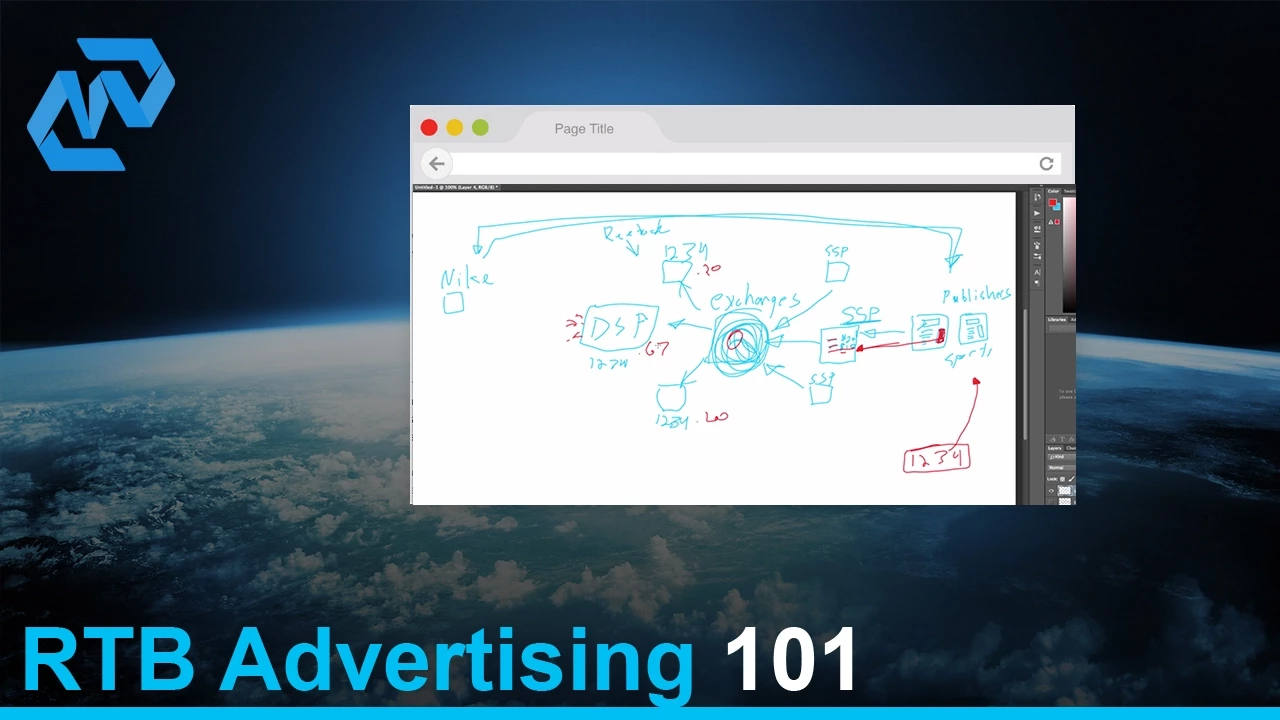
Intro to Programmatic Advertising - Part 1
99.4K
Programmatic RTB (Real-Time Bidding) advertising is an automated system where advertisers bid on ad impressions in real-time auctions facilitated by exchanges, connecting publishers (who sell ad space) through Supply Side Platforms (SSPs) with advertisers through Demand Side Platforms (DSPs), enabling efficient, targeted ad placement across millions of websites without direct human negotiation.
Click to watch →

Programmatic Advertising. Clearly Explained
79.7K
Demand-side platforms (DSPs) are tools used by advertisers to purchase ad inventory across multiple sources through a single interface. DSPs connect to ad exchanges and allow advertisers to run automated campaigns, optimize targeting, and manage bidding strategies. Popular DSPs include Google DV360 (formerly DBM) and The Trade Desk. While different DSPs may use varying algorithms for optimization, they all fundamentally perform the same core function of facilitating programmatic ad buying.
Click to watch →

How an Ad is Served with Real Time Bidding (RTB) - IAB Digital Simplified
404.6K
In real-time bidding (RTB), when a user visits a webpage, the publisher's ad server evaluates available ad inventory and, if not pre-sold, sends a request through a Supply Side Platform (SSP) to an ad exchange; the exchange then conducts an auction among Demand Side Platforms (DSPs) and other buyers, who must submit bids within 10 milliseconds; the winning DSP retrieves the ad creative, which is then delivered to the user's browser through the publisher's ad server, completing the entire process in fractions of a second.
Click to watch →
Deep Dive
Core digital marketing metrics, specifically CTR (Click-Through Rate), CPA (Cost Per Acquisition), and conversion tracking.

Aula 2 - 13/05: CRIANDO SUA MÁQUINA DE VENDAS NA PRÁTICA (A NOVA ERA DIGITAL)
79.9K
The instructor explains three key metrics: CTR (Click-Through Rate) measures how many people click on your ad after seeing it; CPM (Cost Per Mille) is the cost per 1,000 views; CPA (Cost Per Acquisition) is how much you spend to make a sale. He demonstrates that by improving CTR and reducing CPM, you can reduce CPA from R$20 to R$3 per sale.
Click to watch →
Social Media Marketing Interview | Facebook Marketing Interview | Digital Marketing Interview 2025
10.8K
This comprehensive segment covers core digital marketing concepts: Click-Through Rate (CTR) measures click percentage from impressions, with 7-8% considered optimal. Conversion tracking generates codes to monitor specific website page conversions. Five keyword match types exist: Broad Match (no symbol), Broad Match Modified (+), Phrase Match (""), Exact Match (::), and Negative Match (-). Facebook Ads Manager handles campaign management while Business Manager manages multiple accounts. People access gives limited permissions, Partners have full admin rights. Device targeting allows bid adjustments. eCPM measures cost per 1000 impressions. Quality Score is viewed at the keyword level.
Click to watch →
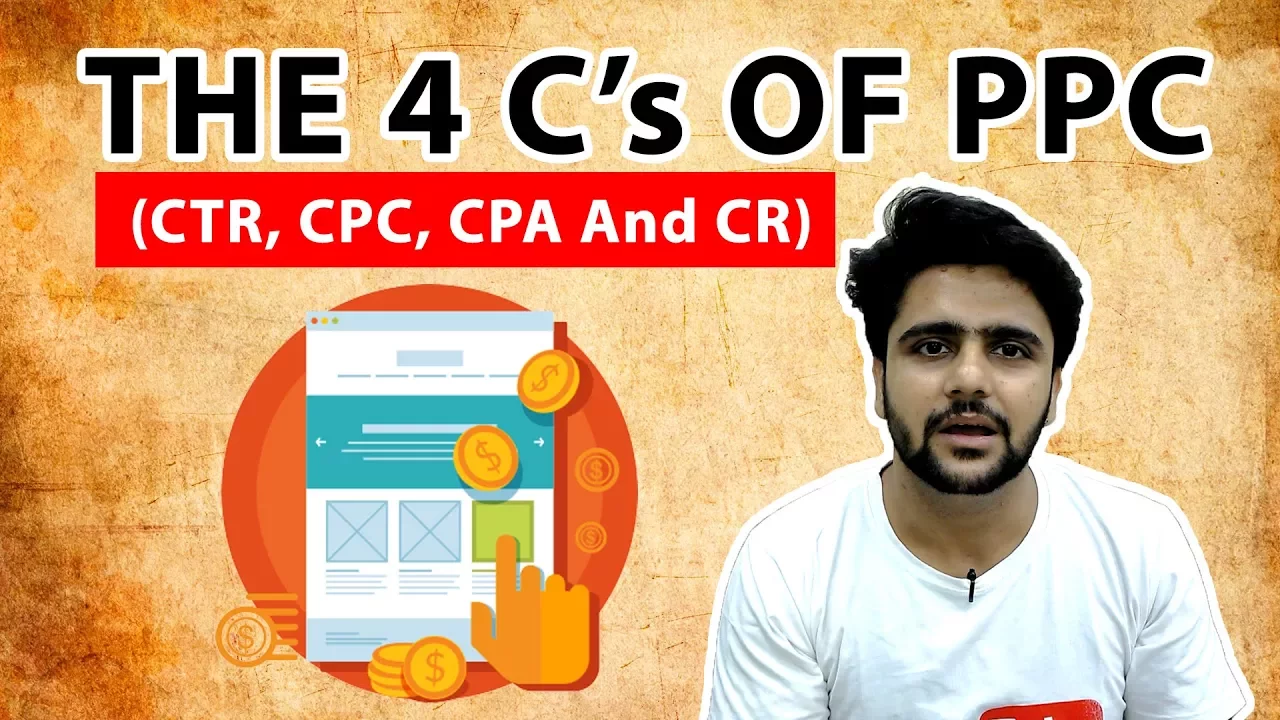
The Four C’s Of PPC (CTR, CPC, CPA And CR)
167.9K
The Four C's of PPC (Pay-Per-Click) advertising are Click-Through Rate (CTR), Cost Per Click (CPC), Cost Per Acquisition (CPA), and Conversion Rate (CR). CTR measures the percentage of users who click on your ad after seeing it, calculated as clicks divided by impressions. CPC represents the amount you pay for each click, directly impacting your marketing budget. CPA calculates the total cost to acquire one customer, helping you understand your customer acquisition efficiency. CR measures the percentage of users who take a desired action after clicking, indicating your landing page effectiveness. These metrics work together to optimize digital marketing campaigns, with CTR affecting ad rankings, CPC determining budget efficiency, CPA showing customer acquisition costs, and CR reflecting overall campaign success.
Click to watch →

Project & Media Planning | 1st Live Digital Marketing Training Session - Springtales
997
Click-through rate (CTR) and conversion rate are the two most essential metrics in digital marketing. CTR measures ad engagement as clicks divided by impressions, driving traffic to websites. Conversion rate measures website effectiveness as purchases or leads divided by total visitors. All other metrics (impressions, clicks, CPC) are controlled by these two factors. For Google search, keywords drive CTR; for Meta, ad copy quality determines CTR. Mastering both metrics ensures successful digital marketing campaigns.
Click to watch →

Como anunciar no Facebook Ads em 2026
25K
Three essential metrics for campaign analysis: CPA (Cost Per Acquisition) measures how much you spend per sale (e.g., R$ 100 spent for 10 sales = R$ 10 CPA). Lower CPA is better. CTR (Click-Through Rate) measures the percentage of viewers who click your ad (e.g., 2% means 2 clicks per 100 views). CTR below 1% is poor, 1-3% is acceptable, and above 3% is excellent. CPC (Cost Per Click) measures how much you pay for each click (e.g., R$ 100 spent for 50 clicks = R$ 2 CPC).
Click to watch →
Deep Dive
The principles of audience segmentation and behavioral targeting in digital marketing.

CLASE 01 · TRAFFICKER DIGITAL: GOOGLE, TIKTOK, LINKEDIN Y META ADS - (FEBRERO 03 - 2026)
275
Audience segmentation is the process of selecting specific groups of people within the internet community to show advertisements to, avoiding ineffective mass communication. Effective segmentation requires specificity about products, services, and offerings to better connect with target audiences. Customer profiles are fictional personas representing ideal customers, including information about work, family, hobbies, and preferences. There are three main types of segmentation: demographic (age, location, income), behavioral (purchasing habits, interactions), and customer journey (awareness, consideration, decision). Geographic segmentation is the most common method, requiring consideration of location and service boundaries. Behavioral segmentation involves analyzing purchasing frequency and seasonal patterns. The customer journey consists of three stages: awareness, consideration, and decision/conversion. Full funnel marketing involves working across all stages. Customers with different commitment levels require different marketing approaches. Device-based segmentation is crucial because over 90% of social media consumption occurs on mobile devices. Effective segmentation requires asking questions across five levels: demographic, psychographic, behavioral, and strategic. The most powerful segmentation is emotional, focusing on what problems customers want to solve.
Click to watch →

Impulsione suas vendas com marketing digital - Silvia Helena Alexandre Rodrigues
1.5K
Facebook allows segmentation by age, location, interests, and behaviors, enabling highly targeted campaigns. Custom audiences allow businesses to target existing customer lists (email addresses, phone numbers) for retargeting. Lookalike audiences find people similar to existing customers who showed high engagement, helping expand reach to new but relevant audiences.
Click to watch →

GRATIS Belajar Digital Marketing: 15 thn dalam 15 menit
14.2K
Digital marketing fundamentally consists of two elements: the audience (people in the market) and the treatment (what marketers offer them). Channels are the pathways used to approach the market. Effective marketing requires segmenting target markets into specific target audiences and providing appropriate treatment for each segment. The more specific the audience, the easier it becomes to understand their problems and provide solutions. This segmentation enables marketers to move customers through the marketing funnel more effectively by addressing their specific needs and pain points.
Click to watch →

Corretor de Imóveis | Como deixar o custo do seu lead a menos de R$ 1,00 ? AULA COMPLETA
5.9K
This section covers the complete strategy for running campaigns for medium and high-end products. Key principles include: precise audience segmentation (narrower audiences are better than broader ones), age targeting (25-55 years), and behavioral targeting for high-income audiences using Facebook's 'Consumer Classification' options. The 'less is more' principle applies—showing ads to people outside your target demographic wastes budget. For real estate, target interests like 'Imóveis', 'Casa', 'Apartamento', and 'Corretor de imóveis'. Marketing digital requires testing and iteration—if a segment doesn't perform, remove it and test alternatives. For Instagram ads, you need a professional business account, not a personal one.
Click to watch →

Online kurz Digitálny Marketing - Ako vytvoriť a pripraviť prvý Marketingový Plán (Marketing Miner)
776
Effective target audience segmentation includes: (1) Demographic segmentation (age, gender, education level), (2) Geographic segmentation (local, regional, national, or international), (3) Psychographic segmentation (motivations, values, lifestyle), and (4) Behavioral segmentation (purchasing patterns, brand interactions). For example, targeting IT beginners aged 25-40 in Slovakia and Czech Republic interested in career advancement.
Click to watch →
Prerequisite Knowledge
- Concept 01Basic concepts of GPS, cellular triangulation, and Wi-Fi-based location services on mobile devices.
- Concept 02Fundamentals of mobile programmatic advertising, including demand-side platforms (DSPs) and real-time bidding.
- Concept 03Core digital marketing metrics, specifically CTR (Click-Through Rate), CPA (Cost Per Acquisition), and conversion tracking.
- Concept 04The principles of audience segmentation and behavioral targeting in digital marketing.
Subsequent Learning
- Step 01Privacy regulations and ethical boundaries of location-based marketing, including GDPR, CCPA, and HIPAA compliance.
- Step 02Advanced offline-to-online attribution modeling to accurately link digital ad exposures to physical foot-traffic and store visits.
- Step 03Geo-conquesting strategies and defensive geofencing techniques to protect market share against competing local businesses.
- Step 04Integration of proximity marketing technologies, such as Bluetooth Low Energy (BLE) beacons, for micro-location targeting.
Geofencing Basics
ROI Tracking
Geofencing Basics
0:00Playing Section
- 1
Targets precise areas like hospitals or competitor locations.
- 2
Serves ads within geofences or 30 days after visits.
The Ethical and Regulatory Backlash Against Predatory Geofencing
While geofencing marketing promises high ROI, a significant counterpoint focuses on the severe ethical, legal, and reputational risks of intrusive location tracking. Critics and privacy advocates argue that targeting individuals in sensitive areas—such as hospitals, places of worship, or clinics—constitutes predatory and unethical behavior that violates consumer trust. Furthermore, this practice faces growing regulatory hurdles. Laws like the EU's GDPR, California's CCPA, and Washington state's My Health My Data Act strictly regulate or outright ban geofencing around healthcare facilities. Relying heavily on hyper-targeted location data can lead to severe legal penalties, lawsuits, and devastating brand backlash. Opponents of aggressive geofencing advocate for privacy-first, consent-based marketing frameworks, arguing that long-term brand equity and customer trust are far more valuable than short-term conversion rates gained through invasive surveillance.
Deep Dive
Privacy regulations and ethical boundaries of location-based marketing, including GDPR, CCPA, and HIPAA compliance.

What is Data Privacy? | Types of Data | Data Privacy Controls | Data Privacy Laws
1.5K
Data privacy laws are legal frameworks regulating how personal data is collected, processed, stored, and shared by organizations. The General Data Protection Regulation (GDPR) is a comprehensive EU law governing personal data processing, applicable to all organizations handling EU resident data regardless of location. The California Consumer Privacy Act (CCPA) regulates personal data of California residents, giving customers rights to know what data is collected, request deletion, and opt out of data sales. HIPAA is a U.S. federal law regulating privacy and security of medical information, requiring healthcare providers to safeguard protected health information. PIPEDA is a Canadian federal privacy law regulating how private sector organizations collect, use, and disclose personal information in commercial activities.
Click to watch →
How Brands and Agencies Sell Location Based Marketing New Ways to Use Location Data
1.4K
Location data technology has evolved from IP-based data (inaccurate, can misidentify users) to cell tower triangulation (accurate to football fields) to GPS-based data from mobile apps (highly precise). Raw GPS coordinates require place matching using point of interest databases to translate into meaningful locations. Data enrichment adds demographics for enhanced targeting. This enables foot traffic analytics, audience building, and campaign attribution. Privacy compliance requires user consent, with vendors needing certification from organizations like the Network Advertising Initiative (NAI) to ensure regulatory adherence.
Click to watch →

How to succeed using location based marketing -- with Ping Mobile's Shuli Lowy
663
Location-based mobile marketing requires careful attention to user privacy and regulatory compliance. Companies face challenges obtaining user permission for continuous location tracking, as users are reluctant to share their whereabouts with brands. Effective strategies include pre-segmented databases where users self-identify their location by joining specific regional lists (e.g., 'join ottawa fan club'), rather than requesting broad tracking permissions. Clear opt-in requirements are essential, as regulatory bodies like the FCC have already enforced SMS opt-in rules, and location-based violations would likely face even stricter penalties. The core principle is that tracking user movements without permission represents a significant privacy violation that could result in legal consequences.
Click to watch →

How to Sell AI Websites to Local Business Owners (for Beginners)
102
Key compliance requirements: GDPR for EU customers (cookie consent, privacy policy, data deletion rights); CCPA for California businesses (opt-out of data sale, disclosure of AI data collection); AI chatbot disclosure (must disclose when users speak to AI); TCPA compliance (SMS requires prior written consent, A2P registration required); HIPAA compliance for healthcare clients ($297/month add-on); Age verification for users under 13/16. These regulations protect both clients and agencies from legal liability.
Click to watch →

Diese Firma trackt dich im Netz | WALULIS
238.9K
Criteo extends tracking beyond online environments into physical retail spaces using Bluetooth signals from smartphones, measuring where users are located and how long they spend in different areas. The company claims full GDPR compliance, stating they do not store personally identifiable information like names or birthdates. However, the collected behavioral data can still create detailed user profiles. Users often accept cookies without reading terms, enabling continued tracking. Despite extensive data collection, users can control their experience by informing Criteo they have already purchased products and no longer wish to see related advertisements.
Click to watch →
Deep Dive
Advanced offline-to-online attribution modeling to accurately link digital ad exposures to physical foot-traffic and store visits.

Prove It: A Show & Tell Guide to Full-Funnel Attribution
108
Offline attribution tracks conversions happening outside digital platforms. Google Store Visits uses anonymous GPS data to track when users who clicked Google ads visit physical stores, requiring 90% location verification and sufficient ad activity. Businesses can assign monetary value to store visits for automated bidding optimization. Geo-fenced attribution partners with third-party geolocation providers to track foot traffic from real-time bidding ads, accurate to 3 meters. Facebook Offline Events allows uploading CRM data to track offline conversions attributed to social media ads, requiring accurate data and 200-300 monthly conversion events. Facebook's Advanced Measurement Solution allows importing data from multiple platforms (Google, Bing, trading desks) and viewing conversions across different attribution models and windows, overcoming Facebook's 28-day UI limitation. This enables 90-day analysis and comprehensive ROI comparison across integrated platforms.
Click to watch →
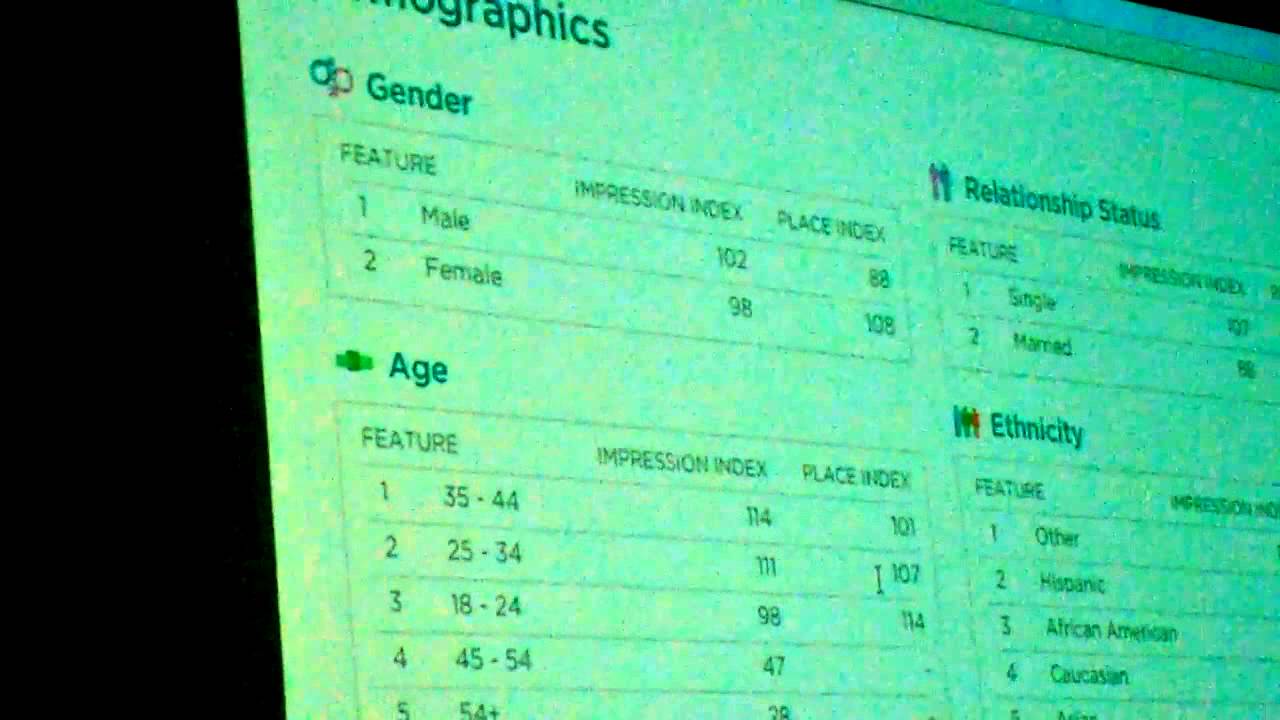
David Shim of Placed
354
Placed operates the world's largest opt-in location panel, tracking user movements 24/7 through installed applications. Users participate for gift cards, charitable donations, or premium features. This enables Placed attribution, which connects digital ad exposure with physical store conversions. Traditional mobile attribution only tracks on-device actions like clicks and installations, missing the critical question of whether users subsequently visited physical stores. Analysis of hundreds of campaigns reveals that nine out of ten conversions from mobile ad exposure actually occur in the physical world, meaning current measurement methods miss approximately 90% of mobile advertising value. Placed enables calculation of cost per store visit (48 cents in one example) and measures incremental lift, showing users exposed to ads were 23% more likely to visit stores compared to control groups.
Click to watch →

Мобильная среда. Синхронизация онлайн и оффлайн маркетинга
356
Traditional advertising attribution methods fail to capture the full impact of multi-channel campaigns because consumers interact with multiple channels before making purchases. Offline advertising effectiveness can be measured using Wi-Fi analytics devices that detect mobile devices by their MAC addresses, tracking customer movement patterns within retail spaces. These devices can measure foot traffic, average time spent in specific areas, and identify repeat versus new visitors. The same technology can be deployed on outdoor advertising structures like billboards to measure how many people view advertisements and subsequently visit associated retail locations. This enables accurate offline campaign measurement and helps advertisers understand which channels drive store visits and sales. When combined with online advertising data, this creates a complete picture of customer journey effectiveness across all marketing channels.
Click to watch →

Seminario Gestión Empresas de Moda / Modulo 5 - Pasarela BA 2016
480
A key challenge is measuring how online advertising affects offline sales in physical stores. Attribution models help brands understand relationships between online activities and offline conversions. Facebook has conducted studies showing online advertising exposure correlates with increased physical store sales. Brands can measure this by comparing sales performance between customers exposed to online advertising versus those who were not. This data helps brands understand the full value of digital marketing investments, especially important for brands without direct e-commerce sales.
Click to watch →

Quantcast's Rebecca Muir Explains Why the Industry Needs to Move Away from Last Click Attribution
2.2K
Digital advertising attribution is fundamentally broken because it awards all credit to the last ad before purchase, unlike offline marketing where credit is divided across TV, press, outdoor, and in-store channels. This creates a dangerous optimization problem where marketers over-invest in retargeting while under-investing in prospecting. Just as a retailer who only fills every aisle without investing in TV or outdoor advertising would see declining foot traffic, digital marketers who only reward retargeting will see declining website traffic and revenue. The upper funnel (prospecting) is not being rewarded for driving new consumers down the funnel.
Click to watch →
Deep Dive
Geo-conquesting strategies and defensive geofencing techniques to protect market share against competing local businesses.
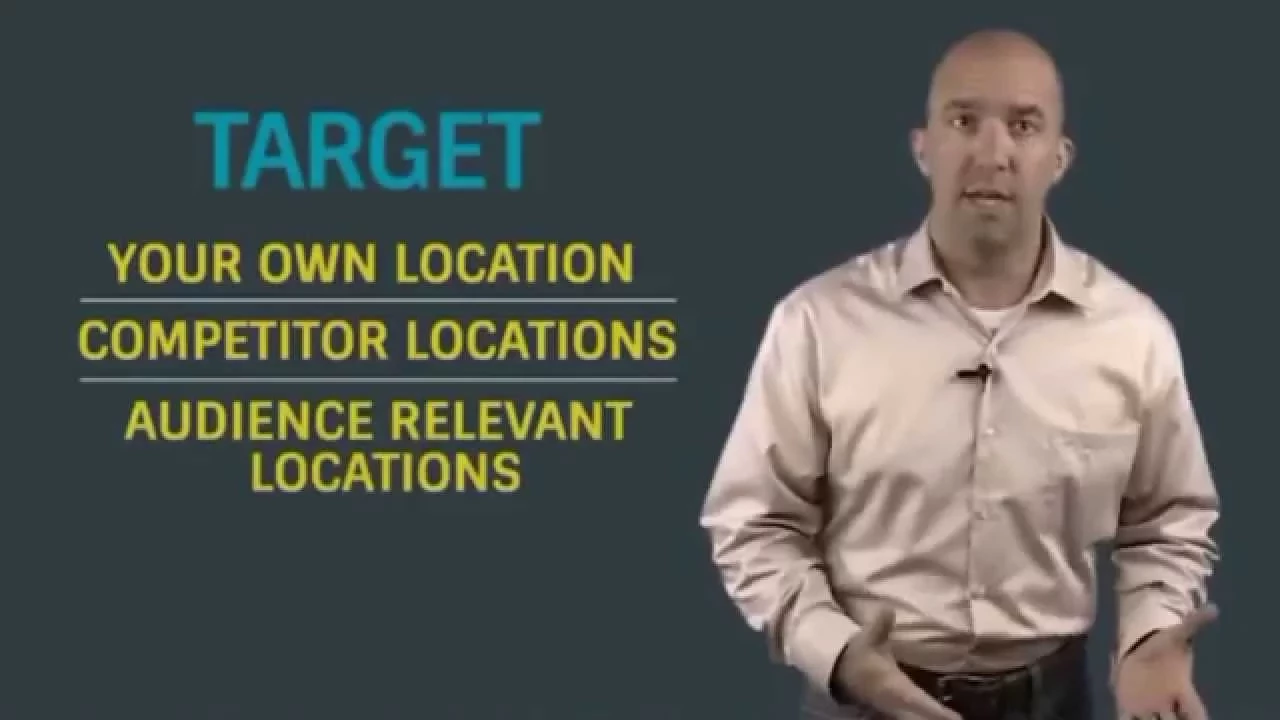
Confluence Local Marketing | Smarter Retargeting | GEO Conquesting | Geo Fencing
1.7K
Geo-conquesting is a location-based marketing strategy that uses geofencing technology to identify and target consumers based on their real-time or recent physical location, allowing businesses to compete for customers visiting competitor locations or specific geographic areas by delivering targeted advertisements through mobile devices; this approach enables businesses to capture potential customers who have shown interest in related products or services by visiting competitor locations, while also helping retain existing customers through personalized offers, with the added benefit of tracking offline conversion rates to measure campaign effectiveness.
Click to watch →
Geo-Conquesting: How to Market on Your Competitor’s Turf and Poach Their Customers
391
Geo-conquesting is a marketing strategy that uses location data to target customers at competitor locations, combining geofencing technology with behavioral and demographic targeting to poach competitors' customers; this approach has proven highly effective for local businesses like restaurants, supermarkets, and retail stores, with case studies showing conversion rates up to 4.7% compared to national averages of 1.43%, making it a powerful tool for winning market share in competitive local markets.
Click to watch →

How Burger King Outsmarted McDonald's | Dr Vivek Bindra
115.1K
Geofencing is a location-based marketing strategy where businesses send targeted notifications to customers within a specific geographic radius of their competitors' locations, as demonstrated when Burger King sent promotional offers to people within half a kilometer of McDonald's outlets, successfully attracting customers away from the larger competitor.
Click to watch →
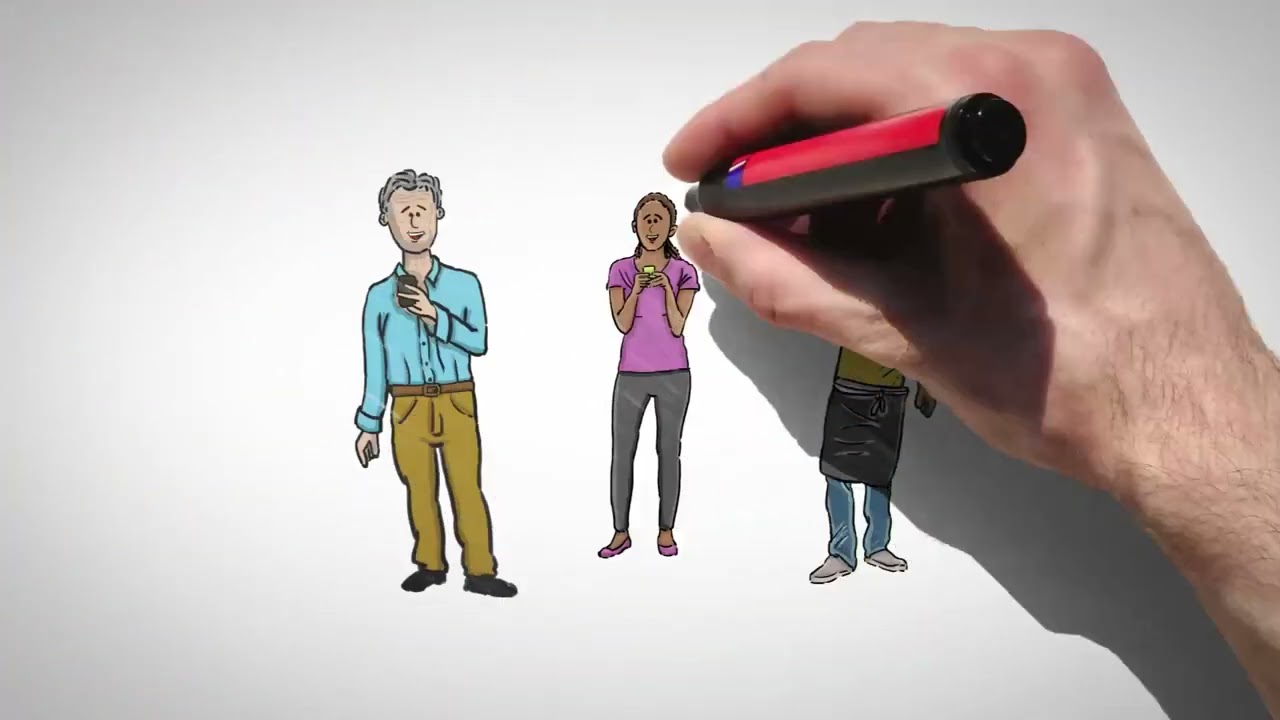
What is geo-conquesting? Thumbvista
29.8K
Geo-conquesting is a digital marketing strategy that uses virtual perimeters or geofences around competitors' locations to deliver targeted mobile display advertising, allowing businesses to reach customers who are physically present at competitor sites and continue engaging them after they leave, thereby helping companies attract customers or recruit employees.
Click to watch →

How Agencies & Advertisers Can Make the Most of Paid Media Right Now
235
Geo-conquesting involves geofencing competitor locations and serving ads to audiences who would visit direct competitors. This is particularly effective for new product launches. For example, a restaurant adding a new chicken sandwich can target diners who have shown high likelihood of trying that menu item by geofencing competitor locations. Accuracy is critical for success.
Click to watch →
Deep Dive
Integration of proximity marketing technologies, such as Bluetooth Low Energy (BLE) beacons, for micro-location targeting.

16 - Kumaresh Visvanathan - Optimizing Local Search with Proximity Marketing
331
Beacon technology uses Bluetooth Low Energy devices to enable proximity-based marketing by detecting when customers are near a business location, allowing businesses to deliver personalized, contextually relevant promotions at the right time and place, which increases customer engagement, drives foot traffic, and builds loyalty through timely and relevant offers.
Click to watch →

The San Diego Convention Center uses the Spark Compass platform and Gimbal iBeacons..
3.2K
Proximity-based marketing communication platforms use Bluetooth Low Energy (BLE) beacons and geo-fencing technology to deliver personalized, location-specific information and notifications to mobile devices at the right time and place, enabling real-time engagement between businesses and visitors in physical spaces like convention centers.
Click to watch →

Hyperlocal Marketing with Bluetooth Low-Energy Beacons with Casey Markee of MediaWyse
213
Beacons are low-cost Bluetooth Low Energy transmitters providing proximity awareness to mobile devices, functioning as physical landmarks sending signals to phones. Applications include campus exploration, airport security, real estate notifications, and Google's nearby notifications system. The Physical Web enables seamless interaction with physical objects. Micro moments are intent-driven decision-making moments categorized as I want to know, go, do, and buy moments. Beacon platforms evolved from Apple's iBeacon (2013, app-dependent) to Google's Eddystone (2015, app-independent), with 565 million beacons expected by 2021. Beacon marketing focuses on three pillars: Be there (anticipate micro moments), Be useful (answer customer needs), and Be quick (provide swift mobile experiences).
Click to watch →

Marketing de Proximidad Beacons
1.1K
Proximity marketing is a strategy that delivers relevant information to users based on their physical location and behavior patterns, using small Bluetooth-enabled devices called beacons that communicate with smartphones to send targeted messages, offers, or actions when users are in proximity to specific locations.
Click to watch →

Marketing de proximidad: sistemas de detección - Momentazo HangoutON Francis Ortiz
633
Proximity marketing systems use Bluetooth beacons (balizas) that emit signals detected by smartphones, enabling businesses to deliver personalized offers, track customer behavior, and verify marketing campaign effectiveness through a three-component architecture: beacons, mobile devices, and cloud platforms. This technology allows real-time location-based interactions, such as displaying discounts when customers are near a store, and can be extended to applications like indoor navigation, healthcare monitoring, and elderly care through wearable devices.
Click to watch →
Geofencing Basics
ROI Tracking
Geofencing Basics
0:00- 1
Targets precise areas like hospitals or competitor locations.
- 2
Serves ads within geofences or 30 days after visits.
The Ethical and Regulatory Backlash Against Predatory Geofencing
While geofencing marketing promises high ROI, a significant counterpoint focuses on the severe ethical, legal, and reputational risks of intrusive location tracking. Critics and privacy advocates argue that targeting individuals in sensitive areas—such as hospitals, places of worship, or clinics—constitutes predatory and unethical behavior that violates consumer trust. Furthermore, this practice faces growing regulatory hurdles. Laws like the EU's GDPR, California's CCPA, and Washington state's My Health My Data Act strictly regulate or outright ban geofencing around healthcare facilities. Relying heavily on hyper-targeted location data can lead to severe legal penalties, lawsuits, and devastating brand backlash. Opponents of aggressive geofencing advocate for privacy-first, consent-based marketing frameworks, arguing that long-term brand equity and customer trust are far more valuable than short-term conversion rates gained through invasive surveillance.
Basic concepts of GPS, cellular triangulation, and Wi-Fi-based location services on mobile devices.
Fundamentals of mobile programmatic advertising, including demand-side platforms (DSPs) and real-time bidding.
Core digital marketing metrics, specifically CTR (Click-Through Rate), CPA (Cost Per Acquisition), and conversion tracking.
The principles of audience segmentation and behavioral targeting in digital marketing.
Privacy regulations and ethical boundaries of location-based marketing, including GDPR, CCPA, and HIPAA compliance.
Advanced offline-to-online attribution modeling to accurately link digital ad exposures to physical foot-traffic and store visits.
Geo-conquesting strategies and defensive geofencing techniques to protect market share against competing local businesses.
Integration of proximity marketing technologies, such as Bluetooth Low Energy (BLE) beacons, for micro-location targeting.
389.1K views37likes2:50@justincroxton1216Original Release: 2018-02-26
if you are looking for an advertising solution that is 95 plus percent more accurate it gives you 90% more reach in your advertising budget you need to consider geofencing marketing with geofencing we can reach people in precise areas based on the places they go we can build geo fences around buildings events competitor locations and even convention centers and conferences let's say you can be a personal injury attorney who wants to reach accident victims at hospitals see how I'm able to build a geofence directly around Emory University Hospital here in Midtown you know let's say you're a business that wants to advertise to conference attendees at a convention center watch as I build a geofence directly around the Georgia World Congress Center that is also here in Atlanta Georgia now let's take it a step further let's say you happen to be a car dealership and you want to reach individuals at your competitors locations and let's say one of our competitors is now a Nissan you can see here we're able to build a geofence directly around Nelly Nissan and when your target audience walks inside of your geofence your geofences you now have the ability to serve ads to them while they're there or for up to 30 days after they leave that location they will see your ads when their own apps like weather channel and Angry Birds or words with friends or when their own websites with advertising space now our agency has also been able to track foot traffic from the people that saw our ads and then went back to our clients office or their storefront we can do that by building what we call a a conversion zone around our clients main location so remember we were talking about Nellie Newsome was the competitor that we geofence but let's say ivory Chevrolet is our is our client and we want to see how many people went back to this car dealership when someone walks back inside of this conversion zone that we've built for this particular client we're now able to track the actual physical walkins which is a true return on investment measurement that matters the most to your bottom line so is you can kind of see here geofencing is really the next stage in geolocation marketing giving agencies and advertisers a competitive edge and getting significantly more out there advertising reach so whether you're a car dealership or franchisor that wants to target your competitor locations or a business that wants to reach conference attendees the practical uses of geofencing are limitless and propellent media can serve as that partner to help you reach those marketing goals contact us to learn a little bit more about our geofencing advertising solutions thanks so much
Up Next
6:55
Google Store Visits Tracking in Google Analytics: An SEO Analysis
@PaulPotratz
133 views•2018-11-06

46:36
Retention Habits of Top DTC Ecommerce Brands Revealed
@SendItPodcast
44K views•2026-03-03

15:23
Decoy Effect: How Pricing Psychology Influences Consumer Spending
@bobinvestsUS
90K views•2026-01-05

17:30
The Planned Obsolescence of Light Bulbs and Tech
@veritasium
25.3M views•2021-03-26
Related Study Plans & Knowledge Roadmaps
Structured learning paths in Business
business
Pop-Up Retail: Strategy, Design & Execution
01Introduction to Pop-Up Retail & Strategic Goal Setting
02Budgeting, Site Selection, and Legal Essentials
03Experiential Retail Design & Visual Merchandising
+ 2 more learning modules
15h5 modules
Explore Roadmap
business
Reg CF: Startup Funding, Marketing & Launch
01Introduction to Equity Crowdfunding & Reg CF
02Platform Selection & Legal Preparation
03Crafting High-Converting Campaign Assets
+ 2 more learning modules
14h5 modules
Explore Roadmap
business
Productized Services: Scaling Solo Freelance
01Foundations of Productized Services
02Packaging and Scope Definition
03Pricing and Subscription Models
+ 2 more learning modules
15h5 modules
Explore Roadmap
business
Gov Procurement: Find, Bid & Win Contracts
01Introduction to Government Procurement & Business Setup
02Small Business Certifications & Set-Asides
03Finding and Analyzing Contract Opportunities
+ 2 more learning modules
14h5 modules
Explore Roadmap