



















Google Analytics has introduced a beta program that tracks offline store visits by using GPS technology on mobile devices; when a user clicks on a pay-per-click ad and subsequently visits a physical store within a 30-day period, Google Analytics records this as a store visit, allowing businesses to measure the effectiveness of their digital advertising campaigns on in-store traffic.
Google Store Visits Tracking in Google Analytics: An SEO Analysis
Added:Fundamentals of Google Analytics, including traffic sources, user behavior metrics, and conversion tracking.
Basic concepts of Search Engine Optimization (SEO) and Local SEO, particularly how local search visibility drives physical store traffic.
The concept of Online-to-Offline (O2O) attribution and how digital marketing campaigns impact physical retail locations.
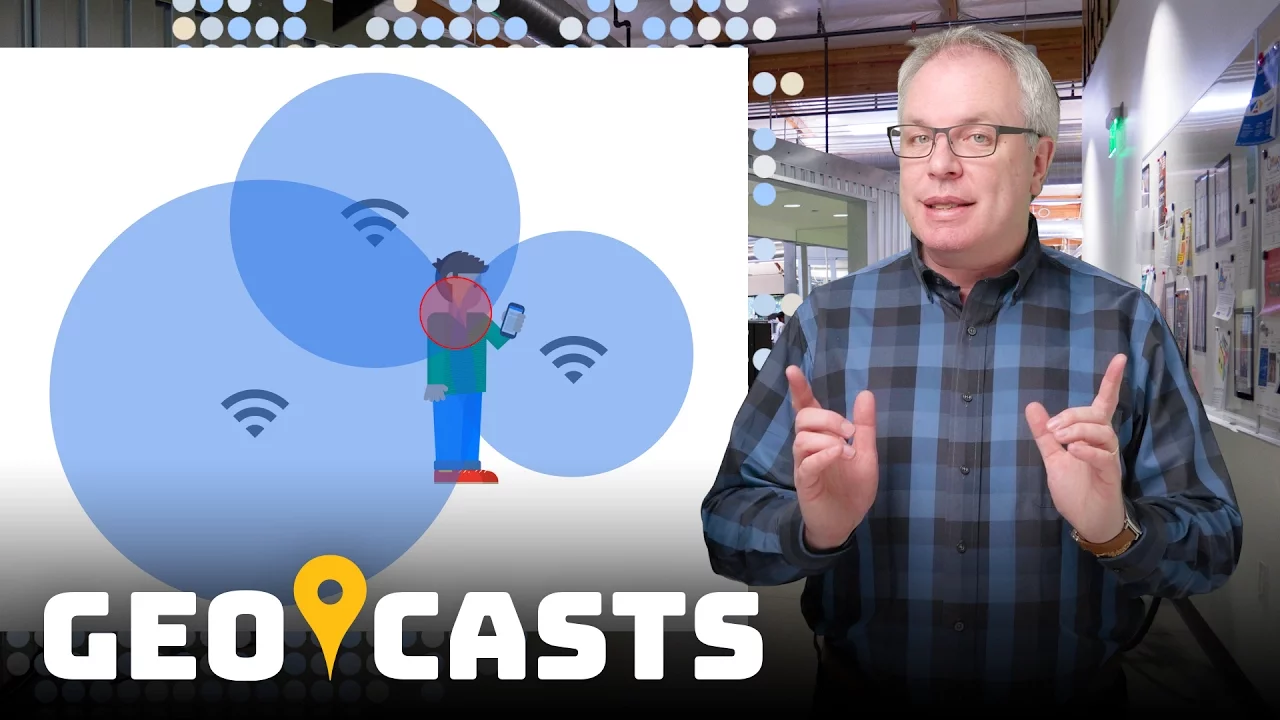
How mobile location services (GPS, Wi-Fi, and cellular data) operate conceptually to enable geolocation tracking.
Advanced Omnichannel Attribution Modeling to distribute conversion credit across multiple digital and offline touchpoints.
Integration strategies between Google Business Profile, Google Ads, and Google Analytics for unified local search reporting.
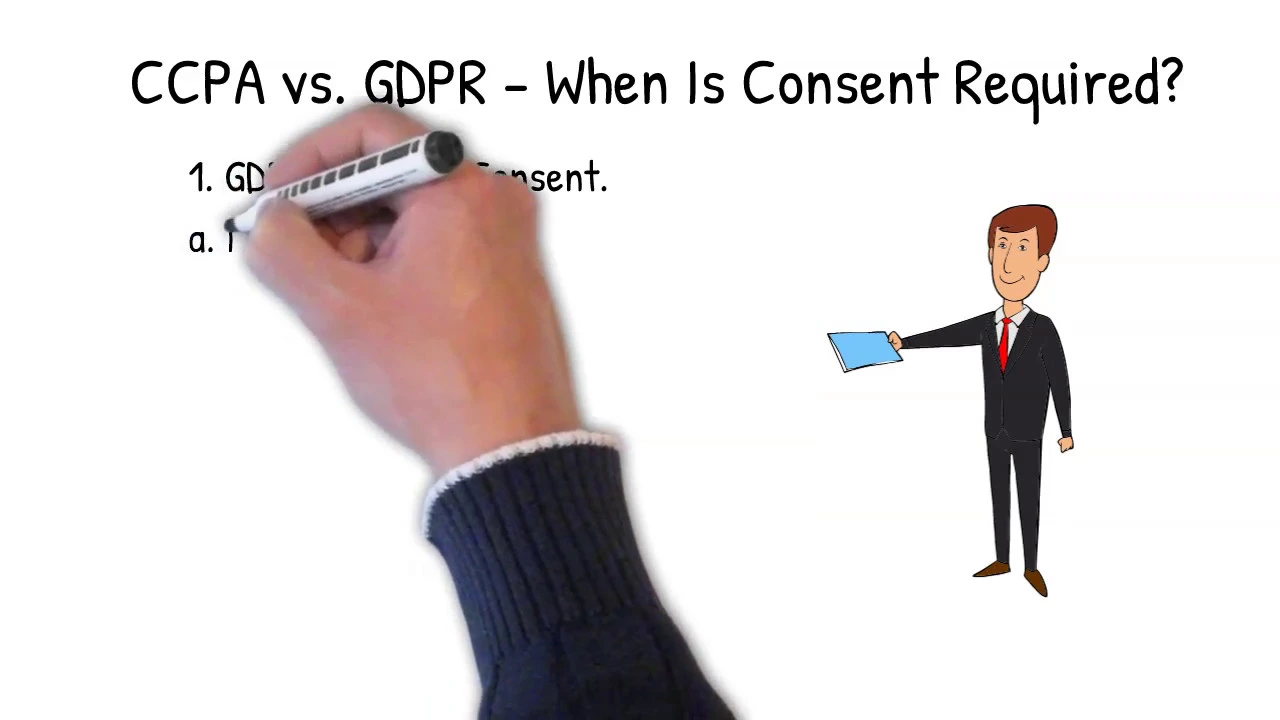
Data privacy compliance (such as GDPR and CCPA) and user consent management concerning location-based tracking.
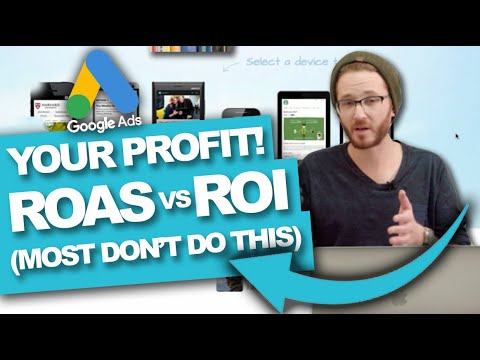
Calculating Offline Return on Investment (ROI) and Return on Ad Spend (ROAS) by assigning monetary value to store visits.
133 views0likes6:55Original Release: 2018-11-06
[Music] hi I'm Paul fotress and welcome to this week's think tank Tuesday guys I'm really excited before I get into think tank Tuesday by the way this week I'm going to talk about store visit tracking through Google Analytics but before I get into it let me tell you about a brand new project that we've been working on and it's been a video training series so so many times I've talked to clients prospective clients and individuals at trade shows and they're like wow I need some training training that does not have to do with word tracks that I just don't understand we're teaching ourselves people not to think we're teaching them were tracks they sound like robots they're scripted I'm tired of that can't we do something better and I'm like yeah definitely we can because what you're doing right now is you're doing what I call the art of persuasion in other words you're selling like you're selling this ShamWow all right so real quick let me show you a few of the train well I've got an entire video training series but let me show you three of the videos that I want to give you is my gift this is my gift to you in the first video being boom appointment confirmation so you've already talked to the person you you've and yet you know it's time to confirm the appointment and make sure they show up by the way 80% of your people should be showing up for the appointment if you have a process so I want you to get this training video guys phone number on the screen text it and I'm going to send you this video plus well I'm gonna send you three others in fact appointment confirmation is the first video you will get the next video I'm going to send you would be equity mining process it's no secret anyone that's ever done business with you in the past is much more likely to do business with you in the present if you were to follow up so this is what imma do and this training this video training I'm gonna tell your sales team how to actually do the call have the call get some numbers I mean you've got to see the video I've showed this to 20 groups and the 20 groups have absolutely loved it in fact it's giving me the opportunity to talk to a lot of internet 20 groups because they love this video this training this process only difference is I gave him the video and I did it in person so it's gonna be like having me in person the next video I'm gonna send you is what's your trade worth you'd be amazed in fact you probably know do you know what the percentage is of individuals meaning sales people that are scared to pick up the phone and make a call well guess what it's over 50% 60% 70% you don't believe me go around to your sales team and try to get them to make that call pick up the phone and call we're scared of the phone well this video will make them not scared of the phone but I give them a process on how to do it on the phone how to do it an email how to do it in text so I cover all of the bases and all of the videos they're short they're sweet to their to the point they get it done and we don't focus on word tracks so again it's humanizing your sales team so they can sell more I think I promoted this long enough just text the number below and you'll get these three videos plus I'm gonna send you a bad leads video not shown on the screen and I'm gonna tell you how you can turn those bad leads and no vehicle sold I know that sounds crazy but you'll have to watch the video but you'll get the bad leads video - just send it isn't gonna be no charge you're just gonna love this video training series and then you're gonna call me back you're gonna text me you're gonna email me you're gonna go Paul can I have all of the other videos all four and a half hours of your training videos and I'm gonna say yes you can for a price all right now it's getting to think-tank Tuesday so Google has been we've been working on a beta program a few individuals have talked about it and the trade shows and the conferences at least I hope they have maybe they haven't I don't know but I have so in Google Analytics what we've been doing it po'trait SUIM working in this beta program and what we're able to see now is when an individual clicks of pay per click ed they click on your pay per click ad to come to your website they do not fill in a lead form or maybe they do fill in a lead form but ultimately within a 30-day period they walk into your showroom well in Google Analytics it says store visits check mark and it counts it so they have to clicked on the pay-per-click ad and then visited your store you're probably saying Paul how's that happened how's that working well it's really simple you know that mobile phone that smart phone that device that we carry around it's more important to us that we go back and pick it up even if we forgot our children at school that's what I'm talking about so that mobile phone with the GPS tracker on it so someone walk in your showroom it checks that box is what's happening so is it a hundred percent No can you track your Facebook edits on it well yeah it's kind of sorta can you track your linkedin as well yeah kind of sore that's getting better but here's the promising part of it all as so many years we said Oh digital you can track everything well that hasn't really been true but it's getting truer by the day the week the month so check it out if you don't have store visits well that's because you're not working with pod rats a sales plug but ask about it it will come to your analytics program eventually and stay tuned because I have another video coming out where I'm going to talk about Google beacons a number of stores are getting those Google beacons and they're st. Paul what do I do is it Google beacon well that's in the next week's video but text the number below so I can get you those training videos and maybe magically I'll make them a pre are up here on the screen again one two three there they are plus I'm going to send you bad leads video takes the number and I'll see you next week you've been hearing a lot about Facebook advertising and you've heard a few different stories you've either heard Facebook advertising is really inexpensive and you should be doing it or Facebook advertising is a high bounce rate well I'm gonna tell you one of those stories is true and Facebook advertising it's very affordable and it does not have a high bounce rate it actually will be one of your top performing leads if done correctly well I've done the webinars I've spoke at the conferences I've written books and I've been interviewed with national publications talking about the power of social media advertising so if you're looking for that advantage additional leads additional sales then I encourage you to reach out to me let's have a conversation let me tell you a few things about Facebook advertising that you've never even heard let me show you how using data in your Facebook advertising data that no one else has since Facebook shut down the third party data there's no more Oracle there's no more epsilon but I can still show you how to turn Facebook advertising into one of your top three lead performers and not just leads but quality leads that will turn into a sale so let's have that conversation and talk about Facebook advertising let's be honest with one another you've got a lot of people knocking on your door wanting you to spend more money but that's not the answer to more sales so let's talk
Up Next

4:21
Digital Platform Business Models: Core Concepts (Ep. 1)
@quintinmartinus
279 views•2022-05-05
66:41
Web3 Social Decentralization: Farcaster Co-Founder on Crypto Social Networks
@levychain
1.5K views•2022-10-18

15:23
Decoy Effect: How Pricing Psychology Influences Consumer Spending
@bobinvestsUS
90K views•2026-01-05

17:30
The Planned Obsolescence of Light Bulbs and Tech
@veritasium
25.3M views•2021-03-26
Related Study Plans & Knowledge Roadmaps
Structured learning paths in Business
business
CPG Retail Strategy: Pitching & Trade Spend
01Foundations of the CPG and Grocery Ecosystem
02Retail Math and Designing the Pitch
03Securing Shelf Space & Category Reviews
+ 2 more learning modules
12h5 modules
Explore Roadmap
business
Pop-Up Retail: Strategy, Design & Execution
01Introduction to Pop-Up Retail & Strategic Goal Setting
02Budgeting, Site Selection, and Legal Essentials
03Experiential Retail Design & Visual Merchandising
+ 2 more learning modules
15h5 modules
Explore Roadmap
business
Reg CF: Startup Funding, Marketing & Launch
01Introduction to Equity Crowdfunding & Reg CF
02Platform Selection & Legal Preparation
03Crafting High-Converting Campaign Assets
+ 2 more learning modules
14h5 modules
Explore Roadmap
business
Productized Services: Scaling Solo Freelance
01Foundations of Productized Services
02Packaging and Scope Definition
03Pricing and Subscription Models
+ 2 more learning modules
15h5 modules
Explore Roadmap