











![(성장) 저비용으로 고객을 확보하는 노하우 (1) [매소드 특강]](https://i.ytimg.com/vi/kviqTYpN77s/maxresdefault.jpg)
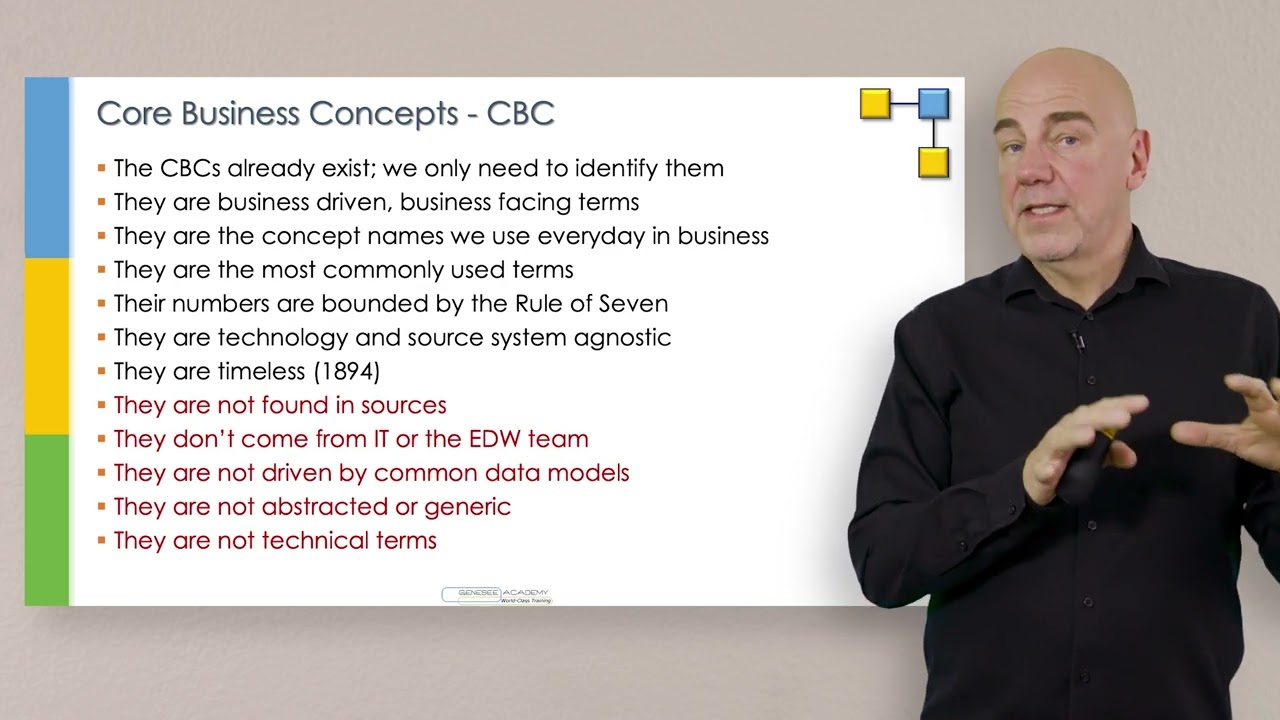






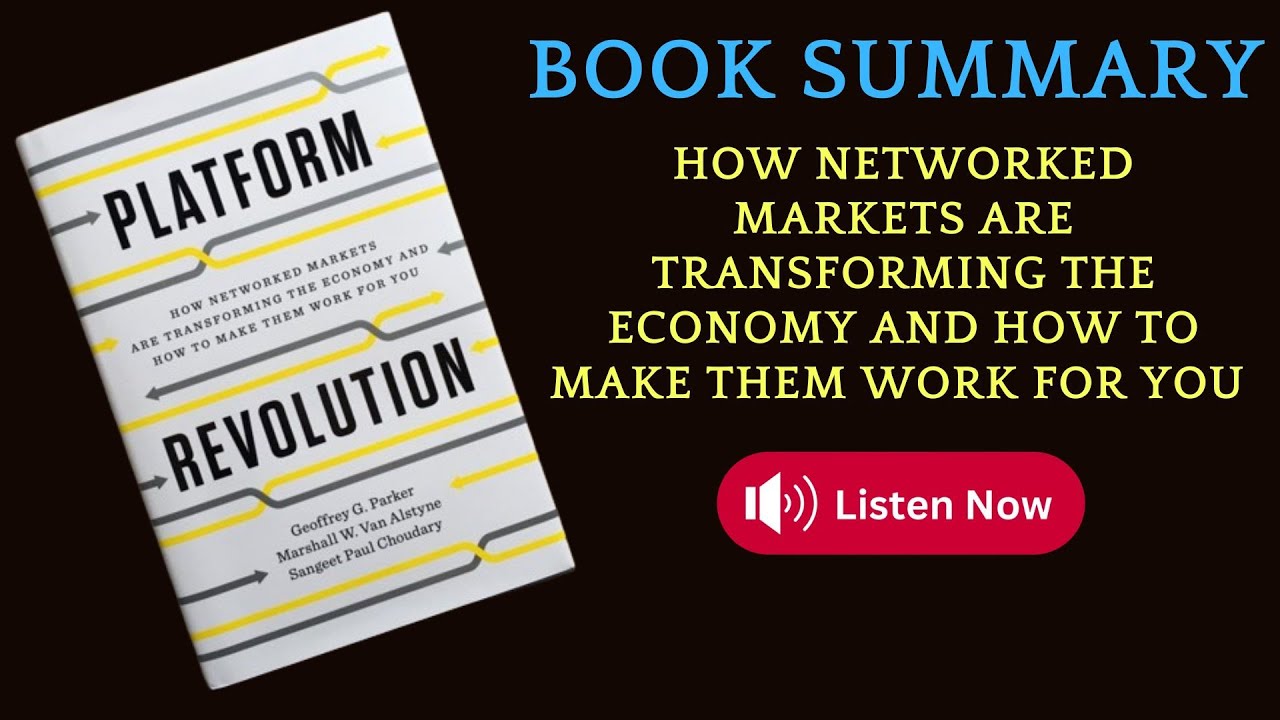

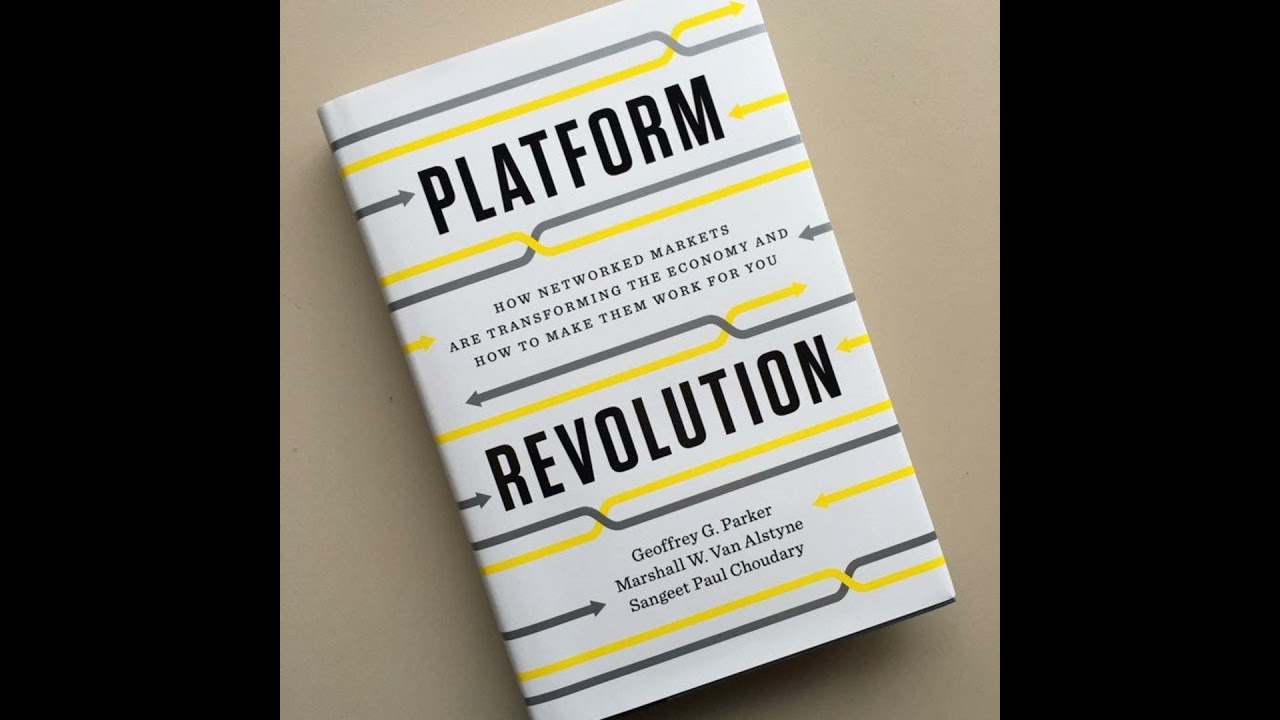

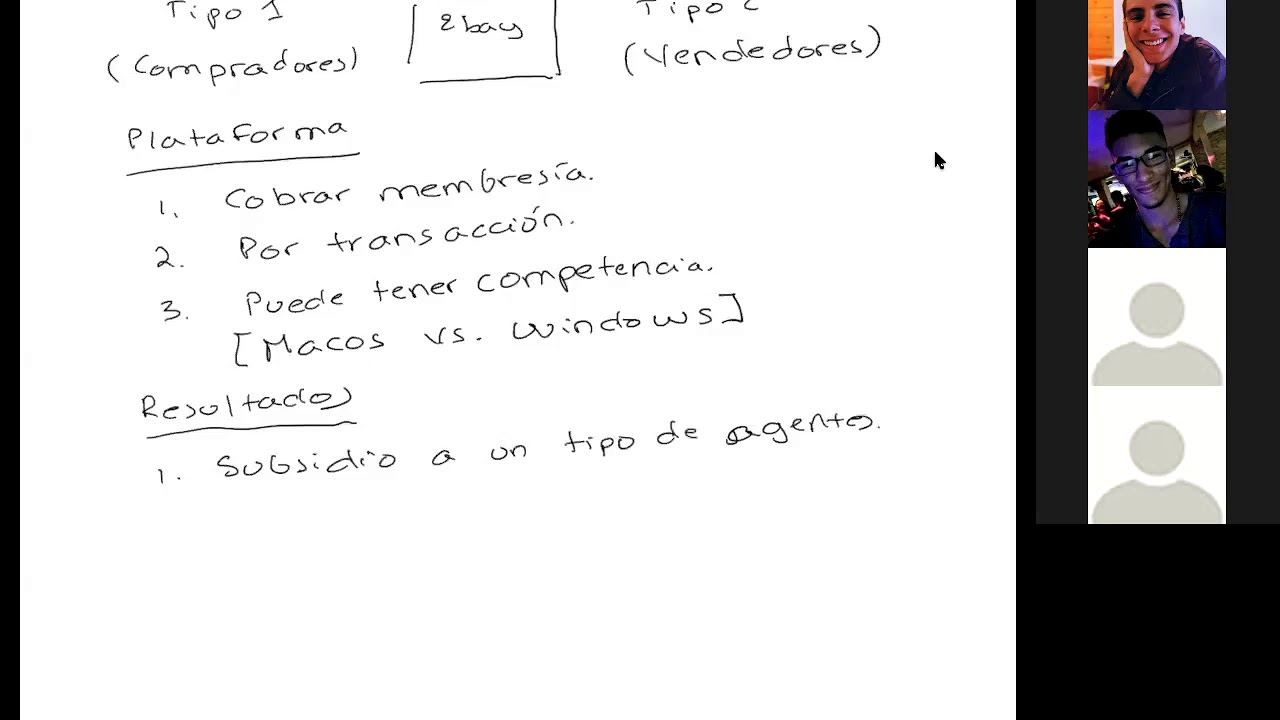







Pipeline business models involve firms sourcing raw materials and transforming them into finished products sold to customers, with limited direct contact between suppliers and customers, while platform business models establish infrastructures and rules that enable members and participants to interact and transact directly with each other; pipeline businesses maximize individual customer lifetime value by performing high-value activities themselves, whereas platform businesses maximize ecosystem value by enabling network participants to perform high-value activities, leveraging network externalities and spillovers for exponential growth.
Pipeline vs Platform Business Models: Key Differences
Added:Traditional linear value chain theory (such as Porter's Value Chain) and how classic manufacturing or service businesses create and distribute value.
The fundamental concept of network effects, specifically how a product or service gains value as its user base expands.
Basic economic principles of scale, contrasting supply-side economies of scale with demand-side economies of scale.
Core business strategy concepts, including asset ownership, value propositions, and customer acquisition.
Platform launch and orchestration strategies, specifically solving the 'chicken-and-egg' problem of attracting both producers and consumers simultaneously.
Platform governance and design, focusing on how to establish rules, quality controls, and trust systems to prevent market failure.
Monetization frameworks for multi-sided markets, including subsidization strategies and transaction fee structures.
The transition of legacy pipeline businesses to hybrid models, analyzing real-world case studies like Apple and Amazon.
Antitrust, regulatory, and policy challenges associated with dominant platform ecosystems in the modern digital economy.
13.1K views0likes5:28Original Release: 2017-03-23
hi folks this is Vic pun and in this video I'm going to outline the differences between the concepts of pipeline business model and platform business model highly successful digital businesses including Facebook Uber Airbnb task rabbit and fodora are all built around platform business models being aware of the differences between Pipeline and platform business models can help us to understand strategic competition in the digital economy first of all let's define the concept of a business model a business model specifies the fundamental assumptions hypotheses and Logics of a business think about the business model canvas which is a popular and widely used technique for visualizing the business model of a firm it comprises of nine main Dimensions which can be used to analyze the business model of any firm or organization these nine Dimensions consist of customer segments customer relationships channels revenue streams cost structures value propositions Key activities key resources and key Partners we can use the business model canvas to express the core internal components of a firm as well as its main external relationships in other words we can use it to analyze the business model of that firm now let's look at Pipeline and platform business models at a high level before differentiating between them first let's look into pipeline businesses a pipeline business typically sources its raw materials and then transforms them into an intermediate good or a finished product which it then sells to its customers think about a restaurant that buys cooking ingredients from its suppliers such as Farmers and Merchants to prepare meals that it can then serve to its diners now let's look at platform businesses platform businesses set up infrastructures and rules which allow their members and participants to interact and transact with each other malls and marketplaces are examples of platforms where multiple retailers can set up shop and customers can come to transact business with them so now let's outline the key differences between pipeline business models and platform business models the first difference has to do with the nature of contact between the suppliers and the customers of a firm in a pipeline business there is typically either no contact or indirect contact between the suppliers and the customers of a firm think about our example of the restaurant a diner typically has no contact with the farmers or the merchants from whom the restaurant sources the cooking ingredients with which It prepares the meal for that Diner however this is usually not the case with platform businesses because platform businesses directly connect the service providers and the clients that are associated with it to each other so that they can complete transactions think about a food coat as a platform that brings together participating restaurants with diners so that those diners can purchase meals from any of those participating restaurants secondly firms with pipeline business models typically perform the highest value activities themselves because it allows them to exert control over valuable resources and also Al to create a competitive advantage in the marketplace think about the oil and gas sector which is figuratively an example of a pipeline industry in which Mega firms perform core activities associated with the extraction of crude its refinement its distribution and the retail of gasoline however and by contrast platform businesses set up infrastructures and rules that allow other parties to perform high value activities examples of these activities include include sharing rides on Uber delivering meals on fodora and renting accommodations on Airbnb in each of these examples it is not the platform operator that performs the highest value activities it's the members and the users of that platform that actually share the rides deliver the meals and rent accommodations thirdly in pipeline businesses the emphasis is generally on maximizing the so-called customer lifetime value this is based on the assumption that that if a firm can maximize the value that it can appropriate from each customer then this will lead to overall value maximization from all customers however the problem with this individualistic approach of looking at each customer independently is that it overlooks the gains from Synergy and the benefits of complimentarity that exist within the network of all customers however platform businesses focus on the maximization of ecosystem value which means that rather than focusing on the incremental value added by each customer or user they instead focus on the exponential added value of the entire network of customers and users and this is why Concepts such as Network externality and spillovers are important in analyzing platform business models so there you have it folks those are the main differences between the concepts of pipeline business models and platform business models until next time this is Vic pun signing off
Up Next
4:54
Amazon Web Services: The Invisible Backbone of the Internet
@TheVerge
583.8K views•2019-05-10

46:36
Retention Habits of Top DTC Ecommerce Brands Revealed
@SendItPodcast
44K views•2026-03-03

15:23
Decoy Effect: How Pricing Psychology Influences Consumer Spending
@bobinvestsUS
90K views•2026-01-05

17:30
The Planned Obsolescence of Light Bulbs and Tech
@veritasium
25.3M views•2021-03-26
Related Study Plans & Knowledge Roadmaps
Structured learning paths in Business
business
Pop-Up Retail: Strategy, Design & Execution
01Introduction to Pop-Up Retail & Strategic Goal Setting
02Budgeting, Site Selection, and Legal Essentials
03Experiential Retail Design & Visual Merchandising
+ 2 more learning modules
15h5 modules
Explore Roadmap
business
Reg CF: Startup Funding, Marketing & Launch
01Introduction to Equity Crowdfunding & Reg CF
02Platform Selection & Legal Preparation
03Crafting High-Converting Campaign Assets
+ 2 more learning modules
14h5 modules
Explore Roadmap
business
Productized Services: Scaling Solo Freelance
01Foundations of Productized Services
02Packaging and Scope Definition
03Pricing and Subscription Models
+ 2 more learning modules
15h5 modules
Explore Roadmap
business
Gov Procurement: Find, Bid & Win Contracts
01Introduction to Government Procurement & Business Setup
02Small Business Certifications & Set-Asides
03Finding and Analyzing Contract Opportunities
+ 2 more learning modules
14h5 modules
Explore Roadmap