























Amazon Web Services (AWS) controls approximately 40% of the public cloud market, hosting critical infrastructure for major internet services like Netflix, Uber, Expedia, and Pinterest; this dominance stems from Amazon's evolution from optimizing its own website in the 1990s to launching AWS in 2006, where they treated server time as a commodity product focused on speed, affordability, and flexibility, ultimately enabling Amazon to cross-subsidize other ventures like Amazon Prime and Whole Foods through AWS profits.
Amazon Web Services: The Invisible Backbone of the Internet
Added:Understanding of the basic Client-Server Model, including how data is requested by clients and served by hosts over the internet.
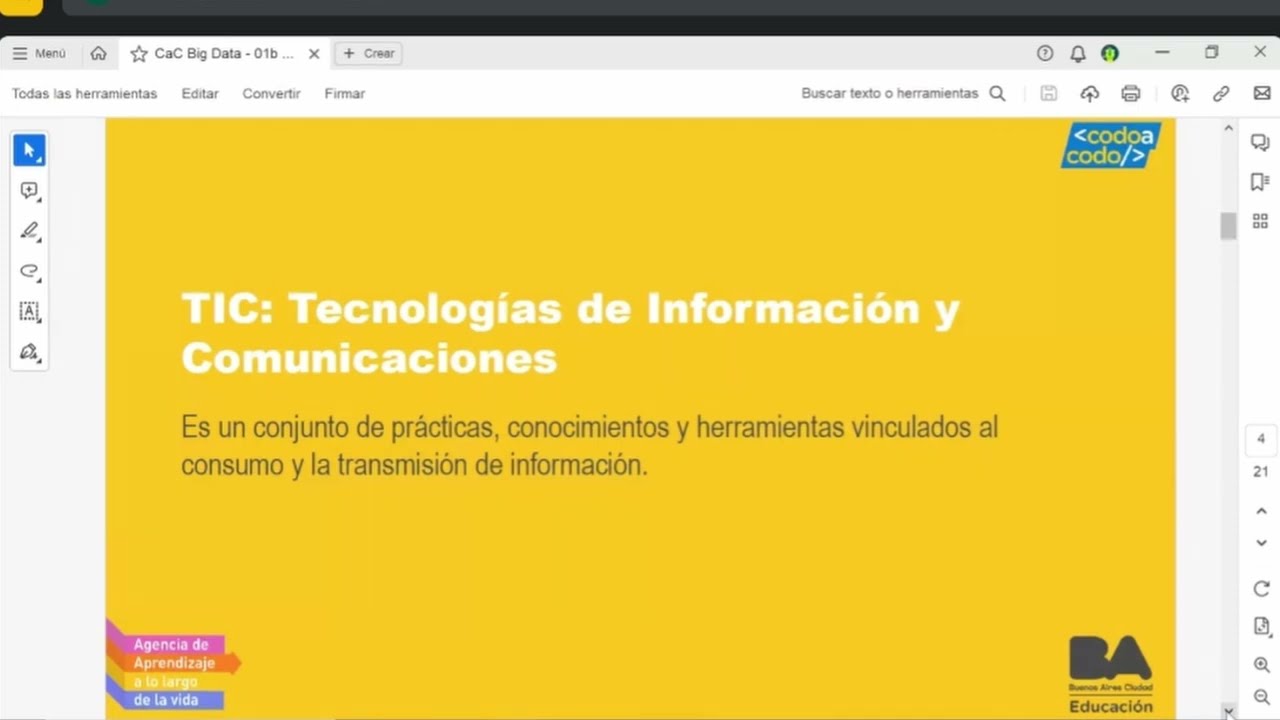
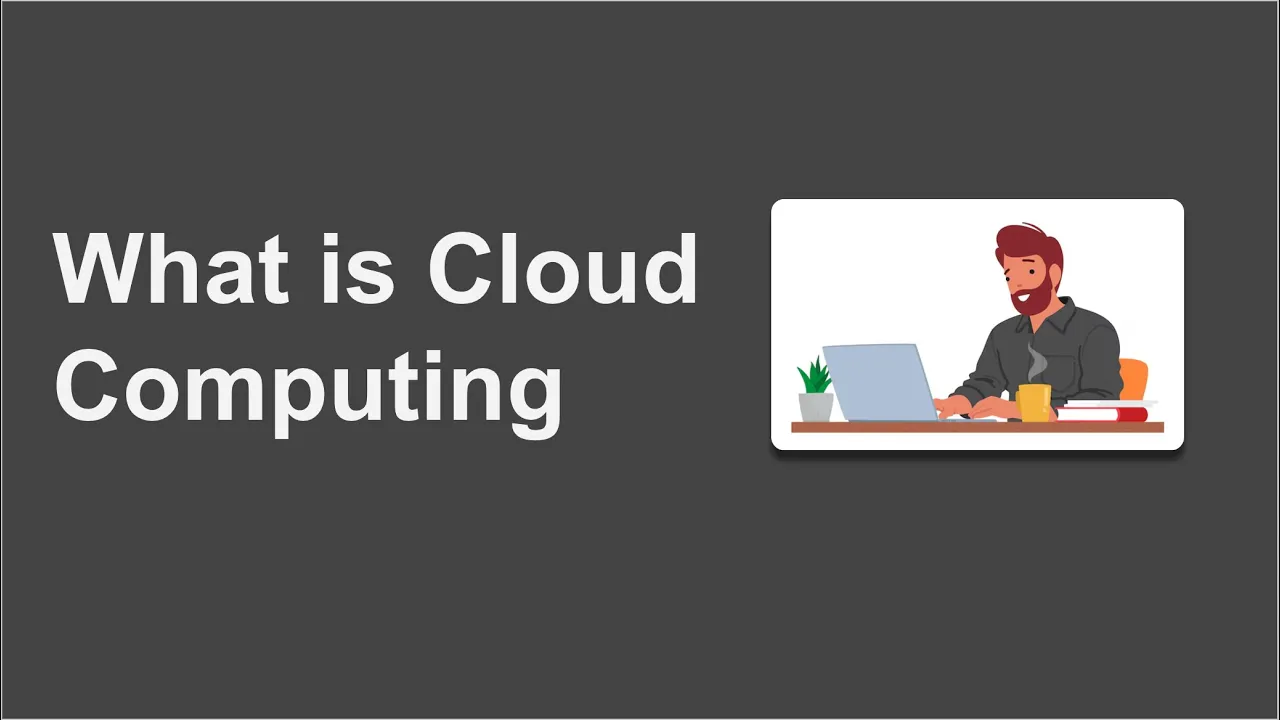
Fundamental concepts of Cloud Computing, specifically the shift from on-premises physical hardware to on-demand computing resources over the internet.
The concept of Virtualization, which allows a single physical server to be partitioned into multiple isolated virtual machines.
Basic knowledge of internet infrastructure components, such as data centers, IP addressing, and Content Delivery Networks (CDNs).
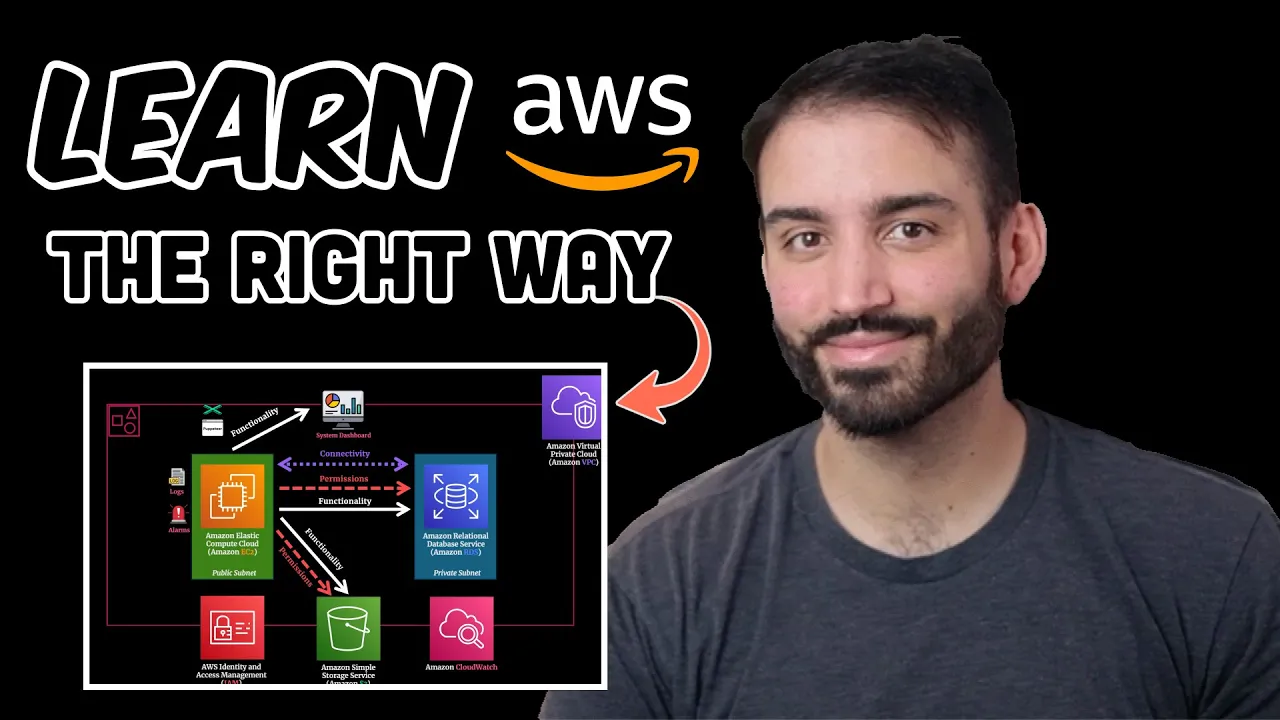
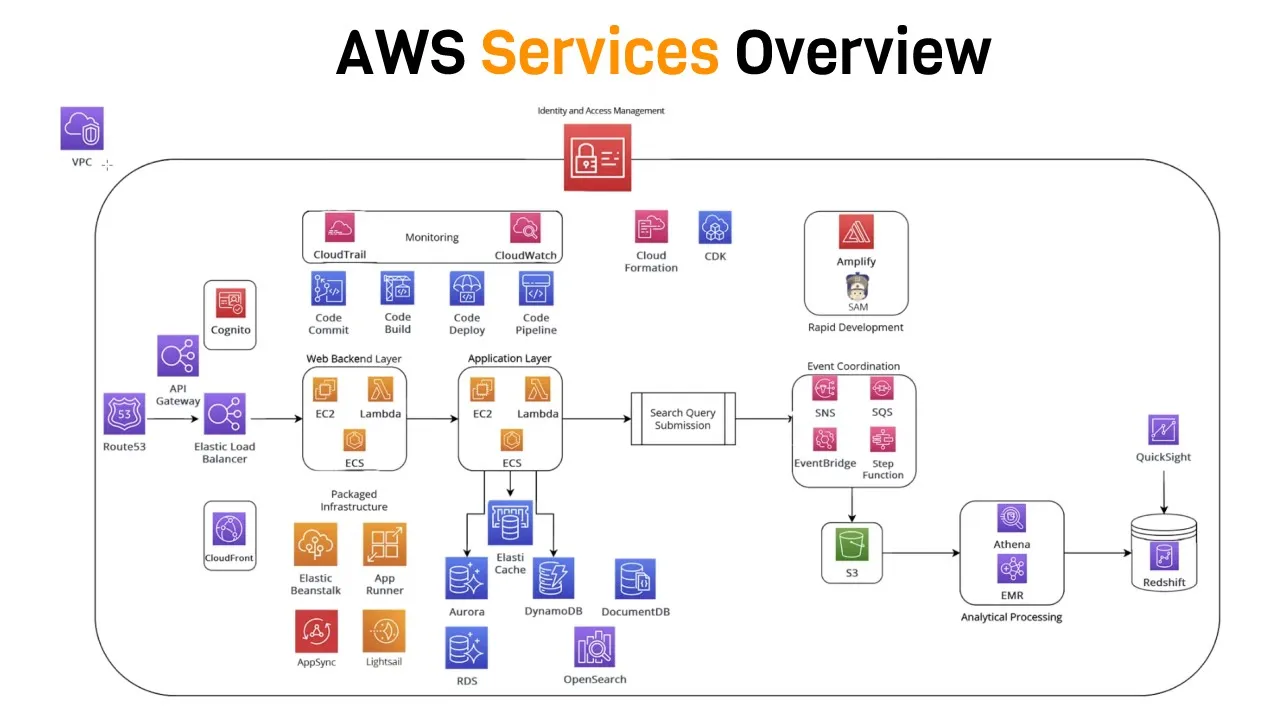
Hands-on exploration of core AWS services, such as Amazon EC2 (elastic compute), Amazon S3 (scalable storage), and Amazon RDS (relational databases).
Analysis of Cloud Economics and the 'Shared Responsibility Model,' detailing how security and costs are partitioned between the provider and the client.
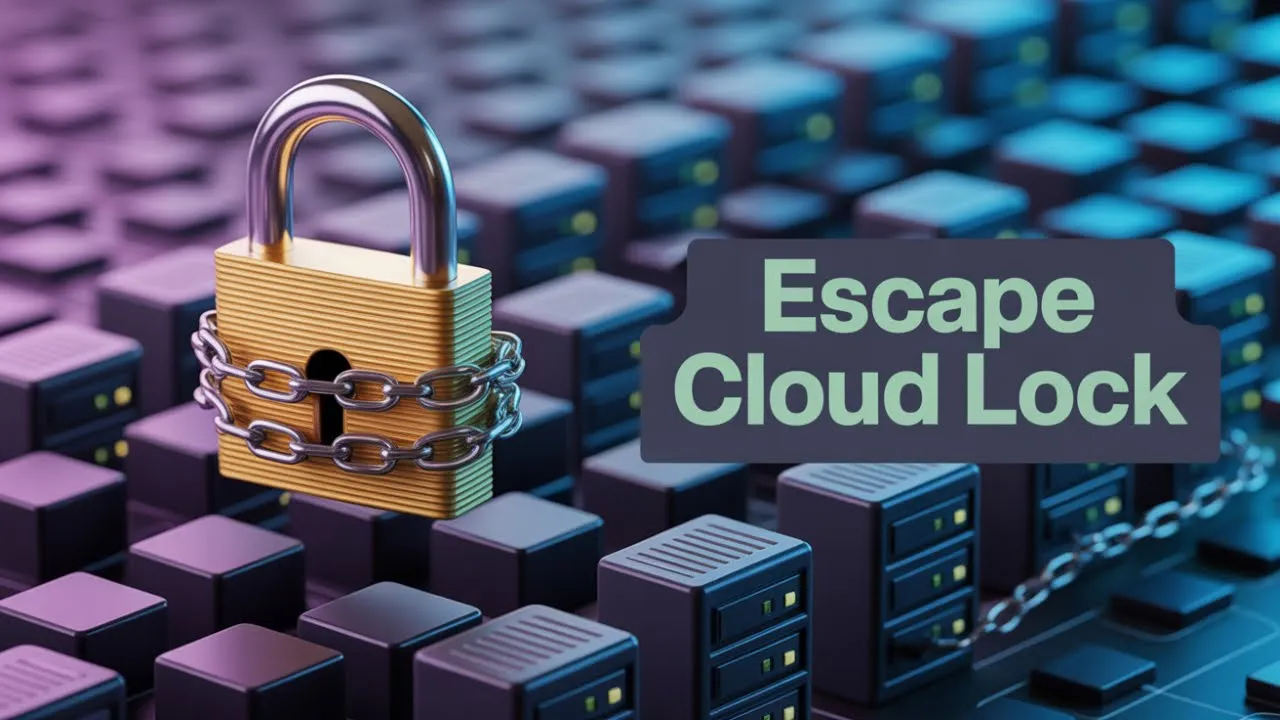
Study of Multi-cloud and Hybrid-cloud architectures to understand how organizations mitigate the risks of vendor lock-in.
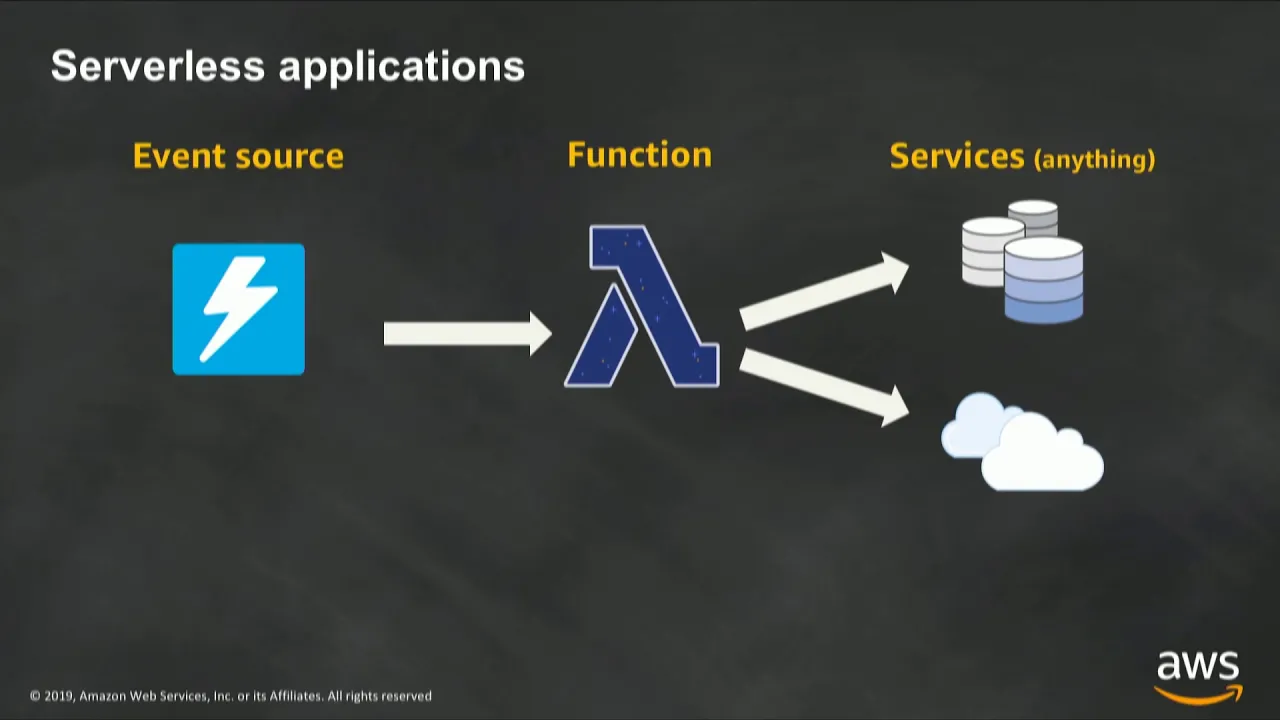
Advanced cloud computing methodologies, including Serverless Architecture (e.g., AWS Lambda) and containerization using Docker and Kubernetes.
583.8K views16.9Klikes4:54Original Release: 2019-05-10
So when you think of Amazon, you probably think of this ugly website or maybe Amazon buying Whole Foods and making avocados cheaper.
But Amazon also sits behind a huge portion of the internet.
It dominates the server side computers that make the internet work.
Right now, you're probably watching this video on a computer or a phone. But when you click “play,” it isn't just your computer that's doing the work.
There's another computer somewhere out there in the world that's sending the video to you, playing it along with you from hundreds of miles away.
And a lot of those computers are run by Amazon.
Most people online have no idea they're there.
You only see them when you look at the big picture.
So what do those computers look like?
They mostly look like this, a loud room with a ton of server racks.
But while you might expect that Apple servers are run by Apple and Netfix's servers are run by Netflix, the reality is weirder.
See, if your servers are just all in one room, then any network problem between you and the rest of the internet can bring down your whole system.
So you want to give people as many ways to reach your website as possible, which means a whole constellation of servers all around the world.
That's where host networks like Amazon Web Services come in.
AWS has dozens of data centers in strategic points all around the world.
It's a kind of secondary internet that's completely controlled by Amazon.
If someone in Chicago wants to watch Stranger Things, and the Ohio fiber is tied up, they can get it from Oregon.
If Oregon's tied up, they can get it from Quebec.
You've probably heard of cloud computing, and this is what it means.
It's not some abstract cloud; it's just a bunch of warehouses full of thousands of servers networked together and rented out piece by piece.
You can buy a big piece, like Netflix and Apple, or a tiny piece for a single website or piece of code.
That flexibility has made AWS one of the biggest forces on the web, controlling as much as 40 percent of the programs running in the public cloud.
When you take that 40 percent away, the internet starts to look really different.
Want to watch Netflix?
Too bad, it's gone.
Same thing with Uber, Expedia, Yelp, Pinterest, and tons more.
This isn't just hypothetical.
AWS still has regional blackouts sometimes if the system gets misconfigured.
They're usually fixed within an hour or two, but while it lasts, you're stuck with companies like Facebook and Google that are big enough to build their own server networks.
So how did Amazon end up owning most of the internet?
Through the ‘90s, Amazon's web team was just devoted to making sure amazon.com loaded fast and didn't go down.
They got good enough that in 2000, they started to sell that system to other companies.
So if Target or Walmart wanted to get into e-commerce, Amazon could build them an online store using the same technology.
From there, the services kept getting more basic and fundamental.
AWS officially launched in 2006 just storing files.
A few months later, they launched the ability to run programs remotely.
They just kept growing, adding more features and data centers and users until it became the monster we know today.
It's hard to say how an online store ended up dominating the server market while competitors like Oracle and IBM fell away.
But the simple answer is that while other companies got good at making deals and filling contracts, Amazon treated server time like any other product, making it as fast, cheap, and fluid as possible.
Now, cloud computing is still really competitive.
Microsoft’s Azure service is nearly as big as Amazon, and Google’s in there fighting for more business, too.
But AWS is still basically the gold standard, and it's become a really profitable business for the company.
In the first quarter of this year, AWS brought in $7.7 billion in revenue, roughly half the company's profit.
So what does Amazon do with all that money?
Well, the nice thing about being a massive multiprong company is that you can use profitable parts of the business to funnel money to other parts that are still mature.
For Amazon, that means growing services like Amazon Prime or launching new products under Amazon Basics, which can be priced so cheap that they drive competitors out of business.
That's kind of awkward for Netflix, which is indirectly funding Amazon's competing streaming service under Amazon Prime.
But it seems like it's worked out so far.
When Amazon bought Whole Foods in 2017, that same dynamic was on full display.
Whole Foods is always going to be more expensive than your local grocery store, but Amazon lowered prices up front to reel customers in.
And because they had billions of dollars pouring out of the server business, they could afford to.
What does that mean for you?
Well for one, it means when AWS does go down, most of the internet just disappears.
But as long as it keeps working, Amazon's basically printing money and pouring it into other Amazon products, which means your Netflix binge ends up making your avocado a little bit cheaper.
Thanks for watching. If you want to know more about Amazon and their stranglehold on the avocado industry, we have a whole other video about their attempt to start a headquarters in New York that ended up not working out.
And as always, like and subscribe and eat avocados.
Up Next

53:21
Beauty Industry Legal Battles and Brand Strategies | Weekly News Analysis
@jenluv
60.6K views•2025-10-19

23:08
Building Iconic Brands: Marketing Strategies from Rohan Oza
@CNBC
16.7K views•2017-09-28

15:23
Decoy Effect: How Pricing Psychology Influences Consumer Spending
@bobinvestsUS
90K views•2026-01-05

17:30
The Planned Obsolescence of Light Bulbs and Tech
@veritasium
25.3M views•2021-03-26
Related Study Plans & Knowledge Roadmaps
Structured learning paths in Business
business
Gov Procurement: Find, Bid & Win Contracts
01Introduction to Government Procurement & Business Setup
02Small Business Certifications & Set-Asides
03Finding and Analyzing Contract Opportunities
+ 2 more learning modules
14h5 modules
Explore Roadmap
business
Greening Supply Chains: ESG Audits & Net Zero
01Introduction to Supply Chains and ESG Standards
02Measuring Carbon Footprint: Scope 1, 2, and 3
03Auditing Legacy Systems & Lifecycle Assessment (LCA)
+ 2 more learning modules
14h5 modules
Explore Roadmap
business
13-Week Cash Flow: Liquidity & Forecasting
01Excel & Financial Statement Foundations
02Working Capital & Liquidity Dynamics
03The Direct Method of Cash Forecasting
+ 2 more learning modules
16h5 modules
Explore Roadmap
business
Migrating to Usage Pricing: Strategy & Value
01Foundations of Business Pricing Models
02Understanding Enterprise Contracts & Value Metrics
03Designing a Usage-Based Pricing Structure
+ 2 more learning modules
12h5 modules
Explore Roadmap