The African diaspora is experiencing a significant return movement to Africa, where individuals are reconnecting with their ancestral roots through cultural practices such as naming ceremonies that replace European names with traditional African names. This movement represents a powerful spiritual and cultural connection to heritage, emphasizing the importance of knowing one's history and maintaining ties with ancestral lands. The video showcases this phenomenon through a naming ceremony in Elmina, Ghana, where family members are being welcomed back to their motherland, demonstrating the genuine desire for cultural reconnection and identity restoration among African diaspora communities.
African Diaspora Return: Naming Ceremony in Ghana
Added:Deep Dive
Understanding the history of the Transatlantic Slave Trade and the origins of the global African Diaspora.

URGENT: LES TRAÎTRES FONT DU RETROPEDALAGE !!! ((10/20/2025)
58.5K
The transatlantic slave trade began in the 1400s with Portuguese and Spanish explorers, but became officially organized in the 1500s. Enslaved Africans were distributed across multiple continents and regions, including the Caribbean, Latin America, Australia, India, and other areas. This global distribution explains why African diaspora communities exist worldwide and why many people of African descent have connections to multiple regions. The presenter emphasizes that understanding this history is essential for comprehending contemporary diaspora identity and the forces that shaped global population movements.
Click to watch →
How Did The African Diaspora Start
2.9K
The African diaspora originated from the transatlantic slave trade (16th-19th century), a three-part triangular trade system where European ships transported enslaved Africans across the Atlantic (the Middle Passage, during which an estimated 1.8 million perished) to the Americas, generating immense wealth for European and American nations while creating a global diaspora of approximately 148 million people of African descent worldwide, with significant contributions from the Arab slave trade that also brought Africans to India and Madagascar.
Click to watch →

How the European trade in African slaves began
35.7K
The transatlantic slave trade began in the 15th century when Portuguese explorer Antarem Goncalves, in 1442, captured Africans to curry favor with Prince Henry the Navigator, establishing a partnership with African leaders like Adahu who had existing slave trading networks; this trade was not created by Europeans but rather exploited pre-existing African practices of enslaving weakened neighbors, with both sides engaging in mutual deception and exploitation, as evidenced by African traders adulterating gold and Europeans exchanging broken muskets for slaves.
Click to watch →

In the Shadow of Plantations
490.2K
Enslaved Africans were forcibly transported across the Atlantic Ocean in a brutal system known as the transatlantic slave trade. They were taken against their will from Africa, which is described as the birthplace of the human race and the cradle of civilization. These individuals were intelligent, creative, and talented people with sophisticated understanding of science, agriculture, medicine, mathematics, architecture, religion, and much more. They had families, jobs, traditions, and responsibilities in their communities before being enslaved. The journey involved being held in dungeons along the African Coast for approximately six months before being placed on ships where they were treated like cargo, tied below deck in conditions so horrifying that many did not survive the journey. The descendants of these Africans make up what is known as the African diaspora or the dispersion of people throughout the globe.
Click to watch →
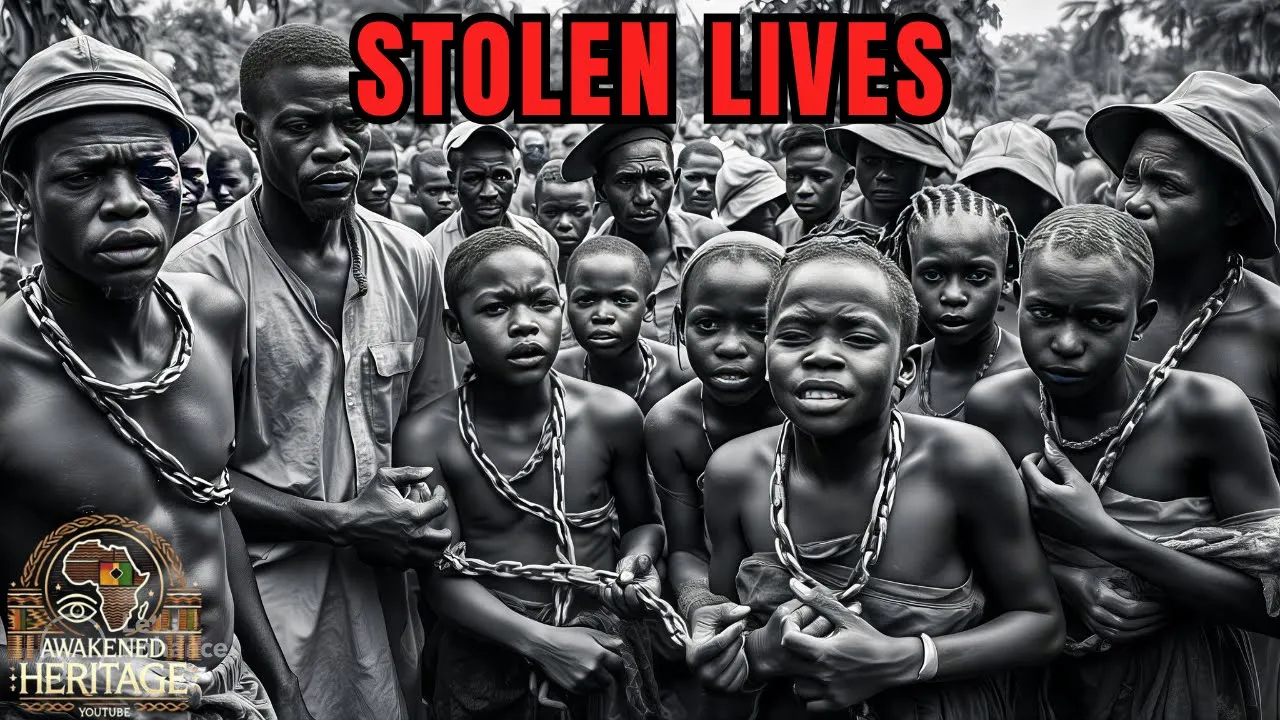
The Dark Origins Of The Transatlantic Slave Trade | A History Uncovered {RARE LEAK}
3.8K
The transatlantic slave trade originated in the 15th century when European powers, particularly Portugal, began exploring the African coastline and initially encountered powerful African kingdoms like Congo, Kongo, and Mali that already practiced localized slavery; by the 1440s, Portuguese ships began directly capturing and enslaving Africans, with the first known shipment arriving in Lisbon in 1444, and the trade evolved into a global enterprise involving European nations, African rulers and merchants who participated in capturing and selling people, and the brutal Middle Passage that transported millions of Africans to the Americas, fundamentally altering African societies and leaving scars that persist today.
Click to watch →
Deep Dive
The core tenets of Pan-Africanism, particularly the political and cultural philosophies championed by figures like Marcus Garvey and Kwame Nkrumah.
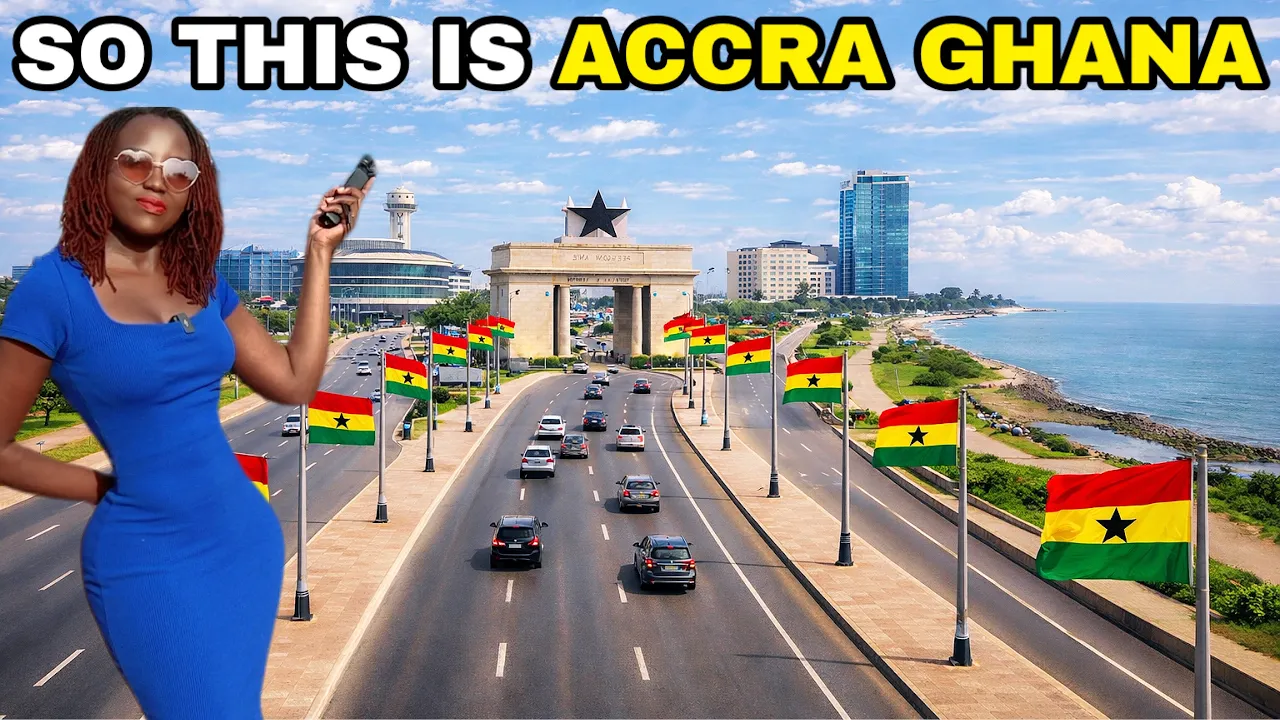
Finally! Accra Ghana Has Really Changed! First Impressions 🇬🇭
23.9K
Marcus Garvey is considered the grandfather of pan-Africanism, while Kwame Nkrumah is regarded as the father of pan-Africanism. Nkrumah was heavily influenced by Garvey's writings, particularly the book 'Philosophies and Opinions of Marcus Garvey.' Garvey advocated for black liberation and the creation of a united African state. Nkrumah adopted the black star symbol from Garvey's black star, which was a metaphorical statement encouraging black people to aspire to be at the zenith in all endeavors rather than accepting mediocrity. Nkrumah believed that all descendants of Africa, regardless of where they lived, belonged to one great nation called Africa.
Click to watch →
Dr. Leonard Jeffries Essex County College Africana Institute 2014
8.6K
Pan-Africanism emerged as a unifying ideology connecting African peoples worldwide. Marcus Garvey founded the Universal Negro Improvement Association (UNIA), the largest African organization in history, promoting self-determination without ever visiting Africa. Kwame Nkrumah became Ghana's first president in 1957, symbolizing African independence. The Pan-African Congress movement began in 1900 with Henry Sylvester Williams, bringing together diaspora leaders to discuss unity. These movements established that African peoples must organize power collectively to transform oppression and create their own reality, forming the foundation for ongoing pan-African dialogue.
Click to watch →

The Importance of Pan-Africanism
142
The foundational principles of Pan-Africanism include: (1) Unity and solidarity among all people of African descent worldwide, (2) Liberation and self-determination free from foreign domination, (3) Economic independence challenging exploitative practices of colonialism and global capitalism, and (4) Cultural pride celebrating African languages, traditions, and values suppressed during colonial rule. W.E.B. Du Bois initially had antagonism with Marcus Garvey due to colorism and intellectual disagreements, but eventually submitted to the truth about Garvey. He publicly wrote that Garvey was right about many things, renounced his citizenship, and moved to Ghana, becoming one of Kwame Nkrumah's biggest advisors. The NAACP, founded in 1905 by white Jews including Julian Mack (who presided over Garvey's trial), saw Garvey as a threat because he was taking membership away. The government didn't try to kill Garvey; they deported him. The chief principle in the system of racism based on the myth of white supremacy is confusion. If you can confuse a people, they won't know which direction to go in. All evidence from archaeologists, anthropologists, paleontologists, geneticists, and biologists shows beyond question that Africa is the cradle of humanity. The narrative that black people are not from Africa is pseudo-intellectualism rooted in self-hate and is dangerous not only culturally and psychologically but in terms of resources and access to resources that black people are owed.
Click to watch →

#TPAQ: Are you Pan Afrikan? PART 1
1.9K
Pan-Africanism is an ideology focused on African liberation and power for all African people. The speaker identifies as a Garveyite, representing African fundamentalism expressed through Marcus Garvey's UNIA and African Communities League. Another prominent form is Nkrumahite pan-Africanism, which emphasizes scientific socialism as an economic philosophy opposing neocolonialism. Black nationalist pan-Africanism defines pan-Africanism as the total liberation and reunification of Africa and all African people, establishing one continental and global African nationalist government and an ubuntu world order. Ubuntu is an ancient African terminology relating to truth, justice, harmony, balance, and reciprocity, expressing that 'a person is a person because there are people' or 'I am because we are.' A key debate exists between class analysis (socialist approach) and race/culture analysis (black nationalist approach). Black nationalists view class as a product of culture, arguing that class contradictions are by-products of European cultural systems governing African nations. Despite historical debates, there has been significant synthesis between approaches, with black nationalists contributing cultural analysis to liberation politics and socialists contributing economic analysis of capitalism.
Click to watch →

Mandela, Mau Mau vs. The British, Mugabe, Jomo & The Truth About African Heroes & Pan-Africanism
6.6K
Pan-Africanism centers Africa as the source of all human goodness, rejecting colonial narratives that portrayed Africa as 'dark.' It requires studying white supremacy as the root cause of African disorganization, poverty, slavery, and colonialism over 500 years. Marcus Garvey is considered the greatest black leader who elevated Pan-Africanism to unprecedented heights, similar to how Michael Jordan transformed basketball. Every major black leader after the 1920s—including Dr. King, Malcolm X, Mandela, Lumumba, and Nkrumah—cited him as their mentor. He founded the UNIA, organizing over 10 million Africans worldwide without modern tools, centered solely on shared African identity rather than religion or class. His wife Amy Ashwood Garvey chaired the 1945 Manchester Pan-African Conference where Kenyatta and Nkrumah were present, though neither fully emulated his ideals.
Click to watch →
Deep Dive
The cultural and spiritual significance of naming conventions in West African societies, especially the 'soul names' based on the day of the week in Akan culture.

Afrikan Spiritual Warfare: Sinners and the Djôtô in New Afrikan Vodun
957
Among the Akan people, day names are given based on the day a person's soul comes to earth, corresponding to planetary rulers or deities. Monday-born females are named Aua, males Kjo; Tuesday-born females Abena, males Quabana; Wednesday-born females Aua, males Quaku; Thursday-born females Ya, males Yao; Friday-born females Afia, males Kofi; Saturday-born females Amma, males Qame; Sunday-born individuals are named Akosa or Quasi. These names represent the spiritual rulers of those days. Trained priests can perform 'roots readings' to uncover ancestral lineage information, including where ancestors were taken from in Africa and what ethnic groups they belonged to.
Click to watch →
THE AKAN NAMING STRUCTURE | AKAN SOUL NAMES (Kra din) AND REAL NAMES (Din Pa)
4.7K
The Akan people of Ghana, Togo, and Ivory Coast traditionally use a dual naming system where children receive a 'soul name' (Kra din) based on their birth day (Monday-Kwame, Tuesday-Kwadwo, Wednesday-Kwame, Thursday-Yao, Friday-Kofi, Saturday-Kwame, Sunday-Kwesi for boys; and corresponding female names like Yaa, Abena, Efua, Yaa, Akua, Adwoa, Akosua), plus a 'real name' (Din Pa) reflecting birth circumstances, family position, or parental wishes; this system was disrupted by colonization which introduced surname practices requiring entire families to share the same surname, but is now experiencing revival as communities reconnect with their cultural roots.
Click to watch →

Twi Vocabulary | Days of the Week in Twi | Lesson 2 | LEARNAKAN.COM
25.4K
In Twi (Asante dialect of Akan), each day of the week has specific male and female soul names (Kradin) assigned to children based on their birth day: Monday (male: Kofi, female: Abena), Tuesday (male: Kwabena, female: Akua), Wednesday (male: Kwaku, female: Akosua), Thursday (male: Yao, female: Yaa), Friday (male: Kofi, female: Akosua), Saturday (male: Kofi, female: Ama), and Sunday (male: Kwasi, female: Akosua).
Click to watch →

Ausar in Hoodoo: Obosom (God) of Snow, Ice, Hibernation, Meditation
370
In Akan culture, names associated with the days of the week are called 'krain' or soul names. These names indicate which divinity governs the person's spiritual head. For example, someone born on Sunday has a soul name associated with the divinity Ai (or Assar), while someone born on Tuesday has a soul name associated with the deity Bena. The community knows which divinity assigned the spirit before birth, and this divinity ensures the person is born on their designated day. Soul names serve as spiritual identity markers that indicate which divinity governs a person's head and spirit. When someone calls a person by their soul name, they are invoking that divinity and realigning with the spiritual force governing that person. This system was maintained during enslavement, as evidenced by the preservation of names like Quaku, Kojo, Afua, and Amma in the hoodoo tradition.
Click to watch →

The Significance of Enslaved African Names: A Talk with Professor Kwasi Konadu
202
Akan naming traditions include 'soul names' (kwesi/abena) registering one's soul coming to Earth from spiritual forces, distinguishing them from mere day names. These names have an afterlife, remaining invoked in memory and ritualization even after death. Geographic variation exists: coastal areas use 'Kofi' (with 'e' spelling), forest interior uses 'Kwasi' (with 'a' spelling), with different regional variants. Names encode comprehensive cultural information including greetings between same-birth-day individuals, taboos regarding animals, and ritual obligations every 42 days (wearing white, abstaining from intercourse and meats, meditating). Interpreting African names requires understanding both cultural background and specific African languages, as names are coded in particular linguistic systems.
Click to watch →
Deep Dive
The historical context of Ghana's modern 'Year of Return' and 'Beyond the Return' state-led initiatives.

Ghana Beyond The Return
23.9K
Beyond the Return is a 10-year project launched by Ghana following the successful Year of Return 2019 campaign, which commemorated the 400th anniversary of the arrival of enslaved Africans in America; this initiative aims to facilitate greater collaboration between Africans in the diaspora and Ghana, encouraging investment in citizenship, real estate, heritage, infrastructure, and tourism while promoting a renewed spirit of African unity and self-belief.
Click to watch →

President Akufo-Addo's entire 2020 State of the Nation Address | Full speech
3.5K
Ghana designated 2019 as the 'Year of Return' to commemorate 400 years since the first captured African slaves arrived in the Americas, marking the beginning of the transatlantic slave trade. This initiative aimed to demonstrate triumph over adversity through global celebrations that brought together people from all over the world—regardless of age, gender, or ethnicity—to rediscover common identity and humanity. Following this success, Ghana launched the 'Beyond the Return' initiative to sustain engagement with the African diaspora. The Ministry of Tourism and Ghana Tourism Authority are working to make Ghana an attractive destination—a place of pilgrimage that everyone with African heritage must visit. Hollywood star Boris Cujo and international marketing icon Bosuma Sinjar have leveraged their star power to attract thousands to Ghana and promote it as a land of opportunity for visitation, investment, and settlement.
Click to watch →
Diallo Sumbry Reveals the Shocking History of Ghana's Adinkra Symbols and MORE #GhanaHistory
1.7K
The Year of Return initiative was launched in 2019 to commemorate the 400th anniversary of the arrival of the first documented enslaved Africans in America. Ghana was chosen as the primary destination for several reasons: it was the first independent African nation, influenced by Marcus Garvey's Black Star Line and Back to Africa movement, and had a long history with African-Americans. Ghana's English-speaking status and position as a gateway to West Africa made it logistically convenient. The initiative was supported by HR 1242, legislation signed by President Trump that recognized 400 years of the African-American experience.
Click to watch →

Beyond the Return: 7 Pillars Officially Unveiled
6.3K
Beyond the Return is Ghana's official 10-year initiative (2020-2030) to engage the African diaspora, officially unveiled by the Senior Minister at the National Theater in Accra. The initiative builds upon the 2019 Year of Return, which commemorated the 400th anniversary of the slave trade. Ghana holds a unique historical position as the location where approximately 75% of the slave dungeons built on the West Coast of Africa were constructed. The Homeland Return Act is under development to provide a pathway to citizenship for diaspora members. The speaker emphasizes patience until the legislation is finalized, encouraging interested individuals to take advantage of the opportunity when available. The initiative began 25 months ago in August 2018 with the local launch of Year of Return projects, followed by President Akufo-Addo's declaration of 2019 as the Year of Return at the Washington Press Club before the Congressional Black Caucus.
Click to watch →
Liberian History BEFORE 1800
13.3K
Ghana sponsored a 'Year of Return' that attracted approximately 2 billion U.S. dollars from the African diaspora. This initiative was rooted in Ghana's deep understanding of its history and connection to the outside world. Ghana took responsibility for the painful aspects of its history, including the exportation of people from its territories, and was honest about this past rather than denying it.
Click to watch →
Prerequisite Knowledge
- Concept 01Understanding the history of the Transatlantic Slave Trade and the origins of the global African Diaspora.
- Concept 02The core tenets of Pan-Africanism, particularly the political and cultural philosophies championed by figures like Marcus Garvey and Kwame Nkrumah.
- Concept 03The cultural and spiritual significance of naming conventions in West African societies, especially the 'soul names' based on the day of the week in Akan culture.
- Concept 04The historical context of Ghana's modern 'Year of Return' and 'Beyond the Return' state-led initiatives.
Subsequent Learning
- Step 01Exploring the legal and political aspects of repatriation, including Ghana's Right of Abode laws and dual citizenship policies for the diaspora.
- Step 02Analyzing the socio-economic impacts of the homecoming movement on Ghana's local communities, real estate, and tourism sectors.
- Step 03Investigating the sociological concepts of dual identity, belonging, and cultural adaptation experienced by African Americans and Afro-Caribbeans relocating to Africa.
- Step 04Comparing the African diaspora's return to Ghana with other global historical and modern repatriation movements, such as the migration to Liberia or the Jewish Aliyah.
Arrival in Ghana
Ceremony Begins
Spiritual Homecoming
Roots Movement
Arrival in Ghana
0:00Playing Section
- 1
A group of 47 sisters and 3 brothers travel to Elmina, Ghana, the motherland.
- 2
The visit marks a first-time journey for most, aiming to explore their African roots.
- 3
The group gathers for a naming ceremony to replace European names with African ones.
The Commodification of Heritage and Local-Diaspora Divides
While the "homecoming" movement and naming ceremonies offer emotional and symbolic healing for the African diaspora, critics point out significant socio-economic and cultural complexities. First, a persistent cultural disconnect exists; returning diasporans are often still perceived as wealthy foreigners (or "obroni" in Ghana) by locals, rather than fully integrated kin. Second, scholars argue that governments commercialize these ancestral connections to boost tourism and secure foreign investment, sometimes prioritizing the interests of affluent returnees over local populations. This influx of wealthier diasporans can drive up real estate prices, contributing to gentrification and the displacement of locals. Finally, critics contend that highly staged heritage tourism romanticizes African history, glossing over modern systemic issues and creating an idealized, commercialized version of belonging that does not reflect the lived realities of everyday citizens.
Deep Dive
Exploring the legal and political aspects of repatriation, including Ghana's Right of Abode laws and dual citizenship policies for the diaspora.

Tariq Nasheed: Bantu Babble
43.7K
This segment explains Ghana's immigration policies regarding African Americans. The speaker clarifies that Ghana offers 'Right to Abode' rather than fast-track dual citizenship, requiring individuals to 'jump through all types of hoops' and make financial investments. The speaker criticizes those who promote false narratives about easy dual citizenship, warning that people are being 'scammed left and right' by those who profit from this misconception. This demonstrates the importance of accurate information about immigration policies and the risks of misinformation.
Click to watch →

10 Countries Where Black People Can Get Citizenship FAST | Your Passport to a New Life!
661.1K
Ghana offers a unique citizenship pathway for people of African descent through its Right of Abode and Diaspora Return Law. Under this policy, individuals can prove African ancestry to qualify for citizenship without needing to live in Ghana for 5-10 years like most countries require. In 2019 alone, over 126 African-Americans and Caribbeans were granted full citizenship in a single ceremony. The program grants indefinite residency and fasttracks citizenship, embracing dual citizenship and celebrating cultural diversity. Ghana's economy is one of the fastest growing in West Africa, with booming sectors in tech, agriculture, and tourism.
Click to watch →

10 Countries BEGGING Black Americans to Move in 2026 (Where Color is Celebrated)
257
Ghana offers the Right of Abode under the Immigration Act 2000, giving Black diaspora permanent legal status to live and work indefinitely. This represents a country that looked Black America in the eye and said 'Come home.' The 2019 Year of Return campaign brought 1.13 million international arrivals, up 27%, generating $1.9 billion for the economy. The official fee is about $300 in 2026. The realistic starter is the standard residence permit renewed yearly, building toward right of abode. Accra costs $245-1,225/month, while Kumasi, Cape Coast, and Takoradi offer $800-1,500/month. Cape Coast and Elmina feel like standing inside a history book. Many returnees describe not carrying the weight of being Black—they are just people. Ghana's bureaucracy moves slowly, power cuts happen, and infrastructure outside major cities is a work in progress. In 2015, a land dispute resulted in the murder of two African-American women, requiring vetted local attorneys and title verification with the Lands Commission. Ghana and the US have no comprehensive tax treaty.
Click to watch →

Ghana & USA | A Focus on Global Africa: Year of Return Ghana, 2019 | African Tea Time
635
Ghana's Right of Abode law grants indefinite residence to people of African descent since 2000, operated under the Ministry of Interior. A new Homeland Act is being developed to create faster citizenship pathways specifically for diaspora members. Citizenship requires demonstrating genuine residence and investment through work or business ownership. Starting businesses requires substantial capital, so consulting the Ghana Investment Promotion Authority is recommended. Those who cannot relocate can still connect through remote investments, exporting, or supporting African communities. Travelers need yellow fever vaccinations and may require visas depending on nationality.
Click to watch →

EP22: Mama One Africa’s book “Returning Home Ain’t Easy”
124
Repatriating to one's ancestral homeland involves navigating significant challenges including economic hardship, cultural adjustments, and complex social customs, yet also offers profound blessings of reconnecting with heritage, community support, and personal growth through authentic cultural experiences.
Click to watch →
Deep Dive
Analyzing the socio-economic impacts of the homecoming movement on Ghana's local communities, real estate, and tourism sectors.
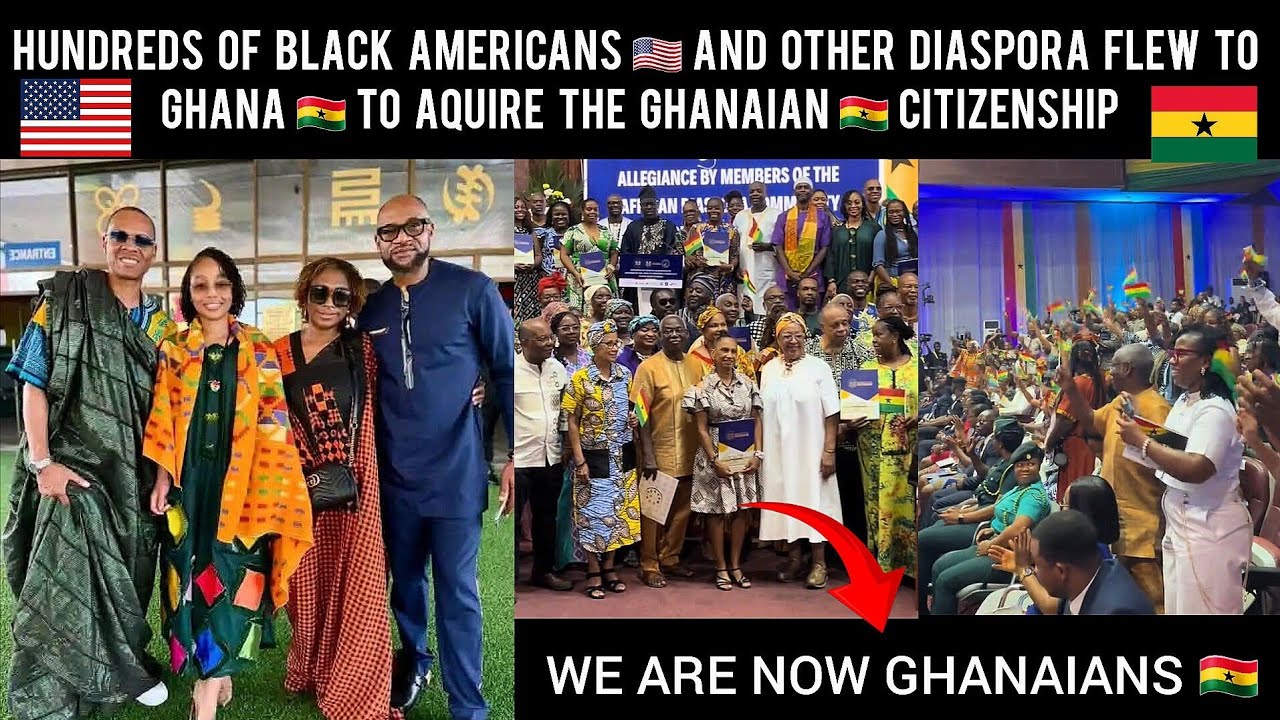
😲 Hundreds Of Black Americans🇺🇸 & Other Diaspora Flew 2 Ghana🇬🇭 2 Aquire The Ghanaian🇬🇭 Citizenship
1.1K
The influx of diaspora visitors has significantly impacted local economies in Ghana. Concert VIP tables can cost thousands of dollars, while afterparties typically range around $50. A single group might spend more in a few hours on tickets, bottle service, and transportation than a public school teacher earns in an entire month. In areas like East Legon and Osu, rents have doubled or tripled since 2019, with many landlords now requiring one to two years of rent upfront—a practice that is technically illegal but still widespread.
Click to watch →

Black American Woman REGRETS Moving To Ghana When THIS HAPPENS
47.6K
Many Africans who failed in local markets create businesses by selling dreams to diaspora. They charge consultation, tour, and moving fees while promoting Ghana as paradise. African-Americans cannot quickly integrate into local markets, taking a decade to understand business dynamics. Housing appears cheap because landlords keep rents low to attract foreigners who pay year in advance. When foreigners try to buy property, prices inflate to $300,000-$800,000 because there is no housing regulation or building inspection system. Sellers can charge whatever they want. The recommendation is to rent in Africa and invest in the US stock market instead.
Click to watch →
Why African-descendants are returning to the continent | The 77 Percent Full Show
121.6K
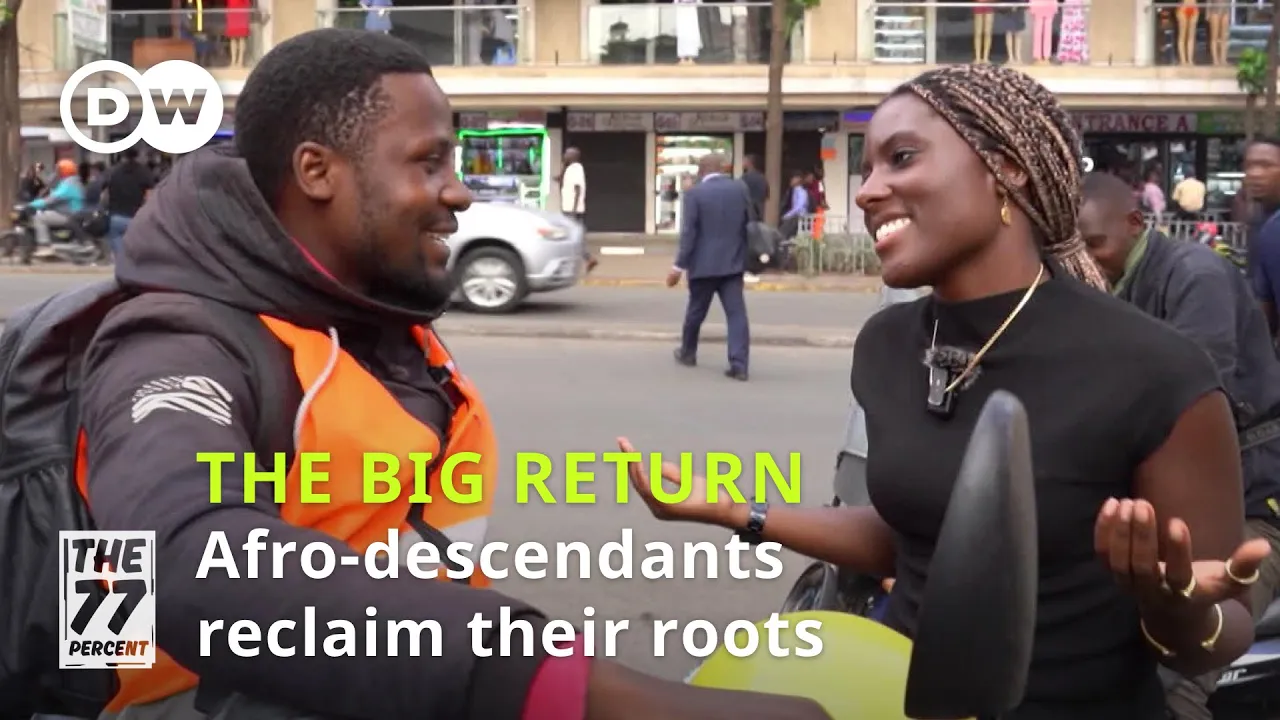
During Ghana's Year of Return, some businesses exploited the influx of visitors by dramatically increasing prices, with goods costing up to four times more than usual. Government officials had to intervene by meeting with hotel operators, tour guides, and others to explain that the initiative was meant for long-term investment rather than short-term profit-making. This illustrates how homecoming events can create economic challenges if not properly managed.
Click to watch →

The Ultimate Ghana Guide: Where to Stay, Eat, & Who to Know 🇬🇭
1M
Tourism in Ghana only really took off in the last six years, with locals and government embracing foreigners whether from the US or Nigeria. Americans are now the number one visitors to Ghana. Prime properties start at around $80,000, making homeownership dreams achievable for many. The combination of tourism revenue growth and foreign investment is transforming Ghana's economy and real estate market.
Click to watch →

$99K Buys THIS in Ghana?! Reacting to Ghana’s Richest Neighborhood 😳🇬🇭
527
Accra, the capital of Ghana, is becoming a hub for business, tourism, and diaspora returning home. This development creates significant housing demand as more people return to their motherland, driving up property values and creating opportunities for real estate investment.
Click to watch →
Deep Dive
Investigating the sociological concepts of dual identity, belonging, and cultural adaptation experienced by African Americans and Afro-Caribbeans relocating to Africa.

Africa's Impact on the African American Experience - Dean's Research Conversation with Nemata Bl...
184
Africa has served two primary functions in African-American identity: as a real geographical destination and as an imagined space. For many African-Americans facing oppression in the United States, Africa represented an outlet or alternative homeland. However, not all African-Americans embraced this notion; some rejected it entirely, instead claiming their Americanness and insisting on their right to belong in the United States. This duality reflects the complex relationship African-Americans have had with both their ancestral continent and their adopted homeland. The question 'What is Africa to me?'—first posed by poet Countee Cullen in the 1920s—has been answered by African-Americans over centuries in different ways, revealing the tension between seeking belonging abroad and asserting citizenship at home.
Click to watch →

Boris Kodjoe Says Going To Africa De-stresses Him | One54 Africa Podcast
18.9K
When African diaspora members arrive in Africa, they experience a profound visceral connection where the air, sounds, and people trigger immediate physical and emotional responses. This experience eliminates double consciousness—the psychological burden of constantly explaining or validating one's identity in Western societies. The country embraces individuals immediately without requiring proof of belonging. Traveling across multiple African countries (14+ countries visited by one individual) helps break stereotypes and provides authentic cultural perspectives. Birthright programs enable African-American high school graduates to reconnect with their ancestry, breaking down double consciousness and redefining self-worth and identity by helping them understand that their identity truth lies on the African continent.
Click to watch →

Black America in Africa. The IDENTITY CONFLICT!
8.9K
African-Americans seeking to return to Africa face a complex reality spanning multiple dimensions. The initial romanticized honeymoon phase gives way to harsh truths: many Africans view African-Americans as foreigners rather than brothers and sisters, and many Africans are not taught about the slave trade or African-American history. The biggest challenge is culture shock, as those born and raised in the US lack the same grounding as Africans born on the continent. Additionally, Africa still requires neocolonial influence from the US, Britain, and France, with historical examples including Congo, support for Mobutu Sese Seko, and influence in Libya. Those considering relocation must develop an African lens to accept what they find on the ground, recognizing that African nations are still developing and face intractable problems requiring time to resolve.
Click to watch →
EPISODE 574 I MICHAEL BLACKSON on Africa To America, Katt Williams ,Fake Accent,Typecast, Polygamy
259.4K
African immigrants often develop dual cultural identities, feeling connected to both their home countries and their adopted countries. The speaker describes feeling equally at home in Ghana, Liberia, Nigeria, and America, demonstrating how prolonged exposure to multiple cultures creates complex identity formations that resist simple categorization.
Click to watch →

Ep 318 part 2 GENDI - AFRICAN AMERICANS, LANGUAGE & ACCENTS Iko Nini Podcast @genditheofficial
9.3K
African-Americans born abroad navigate complex identity challenges where they are not fully accepted by any group. They are not American enough for African-Americans who view them as outsiders, not white enough for white Americans who see only skin color, and not African enough for Africans who expect certain cultural markers. This liminal identity requires individuals to embrace both backgrounds while recognizing shared struggles across the African diaspora. The experience highlights how cultural belonging is constructed through multiple lenses of race, nationality, and heritage.
Click to watch →
Deep Dive
Comparing the African diaspora's return to Ghana with other global historical and modern repatriation movements, such as the migration to Liberia or the Jewish Aliyah.

Why Abandoning "The Year of Return" Was a MASSIVE Mistake for Ghana's New Government
27.8K
Africa cannot afford another half-finished return. Historical examples demonstrate recurring patterns: Liberia in the 19th century encouraged freed African-Americans to return, but systems were flawed—returnees were elevated above locals, institutions mirrored colonial hierarchies, and land wasn't shared equitably, producing division. Marcus Garvey's Back to Africa movement mobilized millions emotionally but collapsed without state backing, capital protections, or political cover. Even Sierra Leone saw tensions when governance failed to integrate returnees. The Jewish diaspora provides a successful alternative model: after centuries of displacement, Jewish leaders built institutions. Return was codified in law (Israel's Law of Return, 1950), diaspora capital was mobilized through structured finance (Israel bonds), land was centrally managed, diaspora received formal political voice, and return was integrated into national strategy. This demonstrates that return only becomes power when it is engineered through law, finance, institutions, and coordination—not remembered, celebrated, or engineered.
Click to watch →
AFRICAN AMERICANS IN AFRICA ARE LOSERS?!
11.6K
African-Americans have a long history of seeking to control their own destiny and moving away from US governance, including lynchings and systemic oppression. Historical patterns show Africans in the diaspora returning to Africa: Afro-Brazilians in the 1830s moved back to Nigeria after abolition of slavery in Brazil (1888), with some retaining Portuguese last names. Afro-Cubanos in the late 1800s moved back to Sierra Leone and Nigeria after abolition of slavery in Cuba (1886). African-Americans repatriated to Liberia in the 1820s. In the 1960s and 1970s, spurred by Pan-Africanism and Ghana's first president Kwame Nkrumah, African-Americans moved back to Ghana. Julius Nyerere of Tanzania allocated land for African returnees, which still exists today. Emperor Haile Selassie of Ethiopia granted 500 acres of land for African returnees, now known as Shashamane. The current phenomenon of African-Americans moving to Africa (called 'Blackit') is just the latest version of this historical pattern.
Click to watch →

Why African American Celebrities Are Moving to Ghana (SHOCKING SECRET)!
12.8K
A significant cultural migration is reversing the historical pattern of the African diaspora. For centuries, people were taken from Africa and scattered across the world through the transatlantic slave trade. Now, descendants are making their way back to Africa, not as tourists but as family. Ghana's government is actively engineering this return by offering passports, property opportunities, and citizenship. The 2019 Year of Return marked 400 years since the first enslaved Africans were brought to the Americas, inviting over one million people of African descent to return. Ghana offered something no other country had done at this scale: citizenship to over 500 diaspora members, communicating that they belong in law, not just theory. For the 70% of African Americans who cannot trace their exact lineage, Ghana offered to be the trunk and home base. This represents a fundamental shift in global migration patterns and black identity, moving from forced displacement to voluntary reconnection.
Click to watch →
Year of Return: The African Americans moving to Ghana - BBC Africa
1.4M
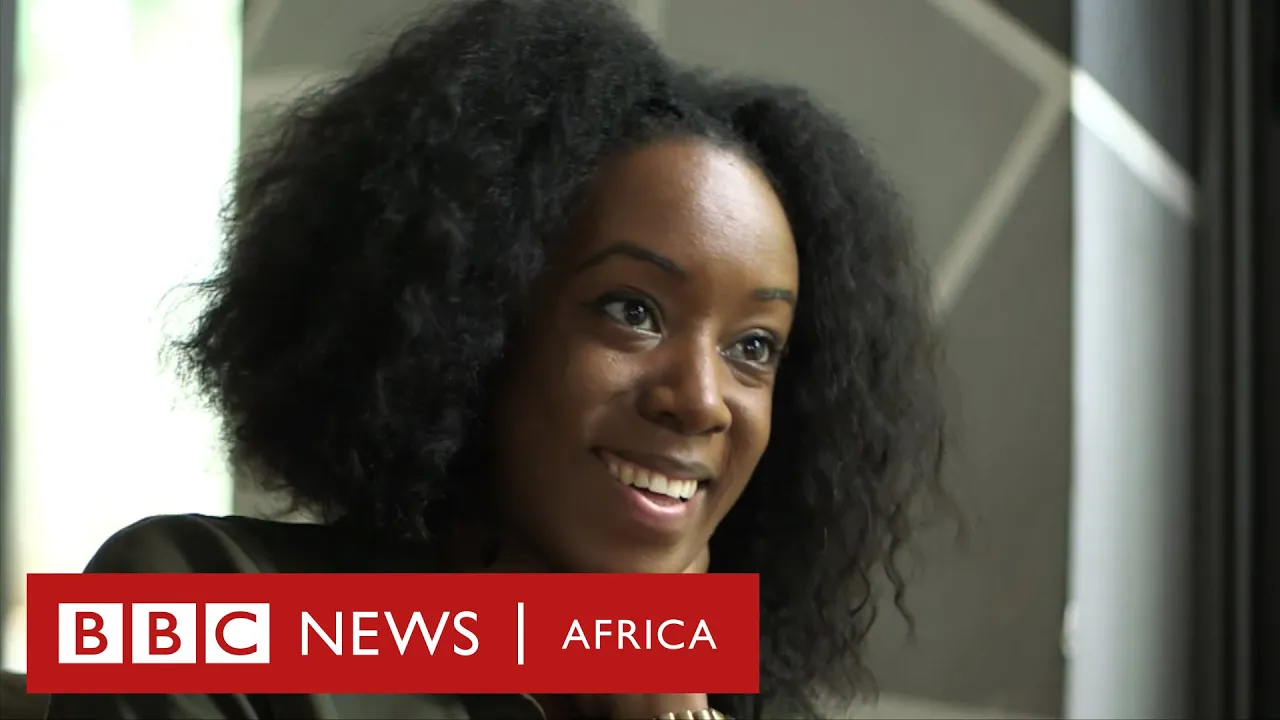
In 2019, Ghana declared the Year of Return to commemorate the 400th anniversary of the first documented arrival of enslaved Africans in what is now the United States in 1619. As a major hub during the transatlantic slave trade, Ghana sought to encourage members of the African diaspora to visit the country as a symbolic return to their ancestral homeland. According to Ghana’s tourism board, from January to June 2019, there was a 20 percent increase in the number of American visitors and an 11 percent increase in visitors from the UK. Beyond temporary visits, some young African Americans chose to relocate to Ghana permanently, responding to the call for reconnection with their heritage. The initiative highlights Ghana’s historical role in the slave trade and its contemporary efforts to foster reconciliation and cultural reconnection with descendants of the enslaved. The movement reflects a broader trend of diasporic individuals seeking identity, belonging, and roots through physical return to ancestral lands. The video documents this phenomenon through on-the-ground reporting, focusing on the motivations and experiences of those making the decision to settle in Ghana.
Click to watch →

I MOVED FROM THE UK TO GHANA
3.6K
Diaspora members return to Ghana for multiple interconnected reasons: (1) Cultural identity and belonging - feeling like Ghana is their second home; (2) Desire to reconnect with heritage, ancestors, and culture; (3) Global events like Black Lives Matter highlighted systemic racism in Western countries, making diaspora members realize they need to be with their people; (4) The pandemic created opportunities for change and prompted reflection on what truly matters. These factors combine to create a powerful motivation for return that transcends practical considerations.
Click to watch →
Arrival in Ghana
Ceremony Begins
Spiritual Homecoming
Roots Movement
Arrival in Ghana
0:00- 1
A group of 47 sisters and 3 brothers travel to Elmina, Ghana, the motherland.
- 2
The visit marks a first-time journey for most, aiming to explore their African roots.
- 3
The group gathers for a naming ceremony to replace European names with African ones.
The Commodification of Heritage and Local-Diaspora Divides
While the "homecoming" movement and naming ceremonies offer emotional and symbolic healing for the African diaspora, critics point out significant socio-economic and cultural complexities. First, a persistent cultural disconnect exists; returning diasporans are often still perceived as wealthy foreigners (or "obroni" in Ghana) by locals, rather than fully integrated kin. Second, scholars argue that governments commercialize these ancestral connections to boost tourism and secure foreign investment, sometimes prioritizing the interests of affluent returnees over local populations. This influx of wealthier diasporans can drive up real estate prices, contributing to gentrification and the displacement of locals. Finally, critics contend that highly staged heritage tourism romanticizes African history, glossing over modern systemic issues and creating an idealized, commercialized version of belonging that does not reflect the lived realities of everyday citizens.
Understanding the history of the Transatlantic Slave Trade and the origins of the global African Diaspora.
The core tenets of Pan-Africanism, particularly the political and cultural philosophies championed by figures like Marcus Garvey and Kwame Nkrumah.
The cultural and spiritual significance of naming conventions in West African societies, especially the 'soul names' based on the day of the week in Akan culture.
The historical context of Ghana's modern 'Year of Return' and 'Beyond the Return' state-led initiatives.
Exploring the legal and political aspects of repatriation, including Ghana's Right of Abode laws and dual citizenship policies for the diaspora.
Analyzing the socio-economic impacts of the homecoming movement on Ghana's local communities, real estate, and tourism sectors.
Investigating the sociological concepts of dual identity, belonging, and cultural adaptation experienced by African Americans and Afro-Caribbeans relocating to Africa.
Comparing the African diaspora's return to Ghana with other global historical and modern repatriation movements, such as the migration to Liberia or the Jewish Aliyah.
92.2K views3.5Klikes9:25@goblack2africa54Original Release: 2022-04-23
[Music] [Music] [Music] [Music] [Music] [Applause] [Music] what's up family this is your man not your boy go black to africa we are here in el mina ghana the motherland and here at a joyous occasion of 47 sisters three brothers who decided to come to the motherland and enjoy the freedoms the liberties and the peace that it has they are here right now at a naming ceremony to remove that european name and be actually given the african name that is rightfully so so we're gonna watch the celebration and i hope that you enjoy watching your people who came to the motherland majority is the first time they ever came to see what their roots are all about let's check it out [Music] do [Music] so [Music] [Music] [Music] oh [Music] [Music] so [Music] good so um should get ready okay ready [Music] is foreign [Music] is [Applause] okay [Laughter] [Music] is [Applause] [Music] is [Music] [Music] [Music] you know family this is a joyous occasion that africa welcomes us home they will go through the extent of trying to welcome us and showing that they have missed us these celebrations are not fake they're genuine and when you see groups of sisters and brothers who come into the continent coming to research their history coming to reconnect coming by listening to the voice of their ancestors this is a powerful movement now i know some of you all aren't used to this type of behavior you're used to different systems have taught us on how to behave when it comes to celebrations but here africa is a little different matter of fact is a whole lot different this is spiritual this is actually a connection with the roots as they say sankofa that we all should experience so this journey joyous occasion is what i'm saying all african americans should come back home to africa to reconnect know your history continue on with the journey this is your man not your boy go live to africa think about it think about it think about it think about it
Up Next

7:16
Constructing Homosexuality in British Press, 1835–1954 | Discourse Analysis
@nocanglistow
538 views•2023-11-24

38:41
Astrobiology Through an Anthropological Lens: Field Insights
@georgiatechastrobiology
128 views•2021-04-14

4:45
Proxemics Explained: The Study of Personal Space
@Vox
536K views•2016-07-05

10:38
Psychology of Internet Trolling and Pranks Explained
@AzzyLand
10.7M views•2017-12-20
Related Study Plans & Knowledge Roadmaps
Structured learning paths in Anthropology
anthropology
Space Anthropology: Analogs, Culture & Habitats
01Foundations of Space Anthropology & Cosmic Imaginaries
02Extreme Isolation & Micro-Societies in Orbit
03Space Analog Habitats & Earth-Based Simulations
+ 2 more learning modules
15h5 modules
Explore Roadmap
anthropology
Legal Anthropology: Customary Law & Pluralism
01Foundations of Legal Anthropology and Social Justice
02Legal Pluralism: Coexisting Legal Systems
03Customary Law and Indigenous Dispute Resolution
+ 2 more learning modules
15h5 modules
Explore Roadmap
anthropology
Global Tourism: Gaze, Authenticity & Heritage
01Introduction to the Sociology of Tourism
02The 'Tourist Gaze' (John Urry)
03Staged Authenticity in Tourism
+ 3 more learning modules
14h6 modules
Explore Roadmap
anthropology
Modern Kinship (ART, Adoption & Chosen Family)
01Foundations of Kinship and Family
02Assisted Reproductive Technologies (ART) & Relatedness
03Transnational Adoption and Global Kinship
+ 2 more learning modules
12h5 modules
Explore Roadmap