![[ BIOLOGÍA FREE ] - CELULA EUCARIOTA | Citología 🌿👉😍](https://i.ytimg.com/vi/LhFpQalsOM0/hqdefault.jpg)





![Patología 1 | Repaso Parcial Parte 2 [Tema 5 - 6] | Enrique Aguado | 2026 - 1](https://i.ytimg.com/vi/xR_DmqtKFHY/maxresdefault.jpg)
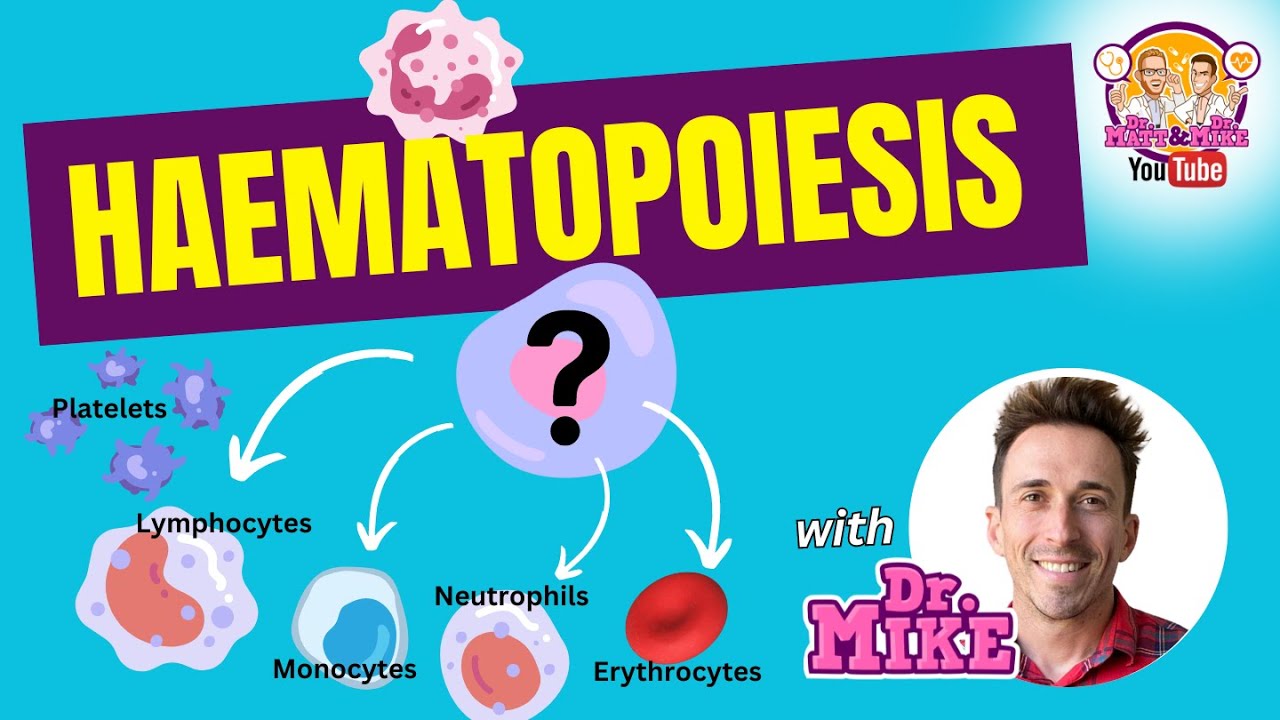


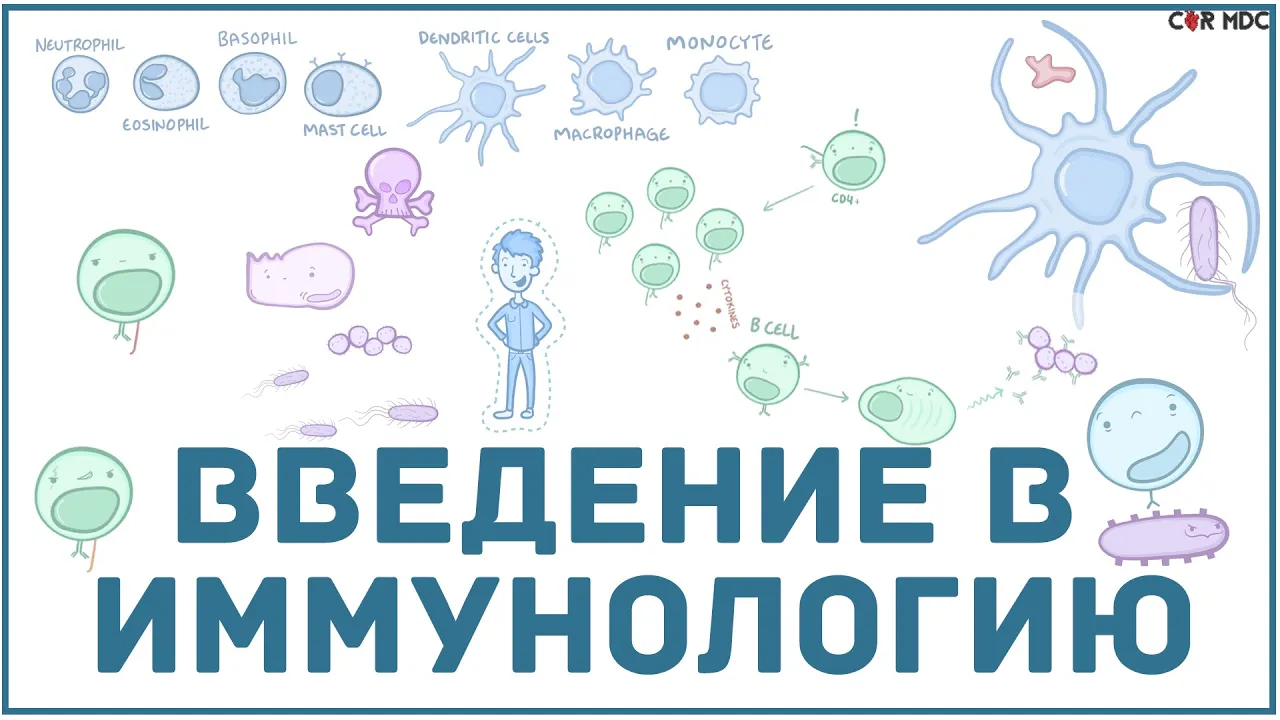


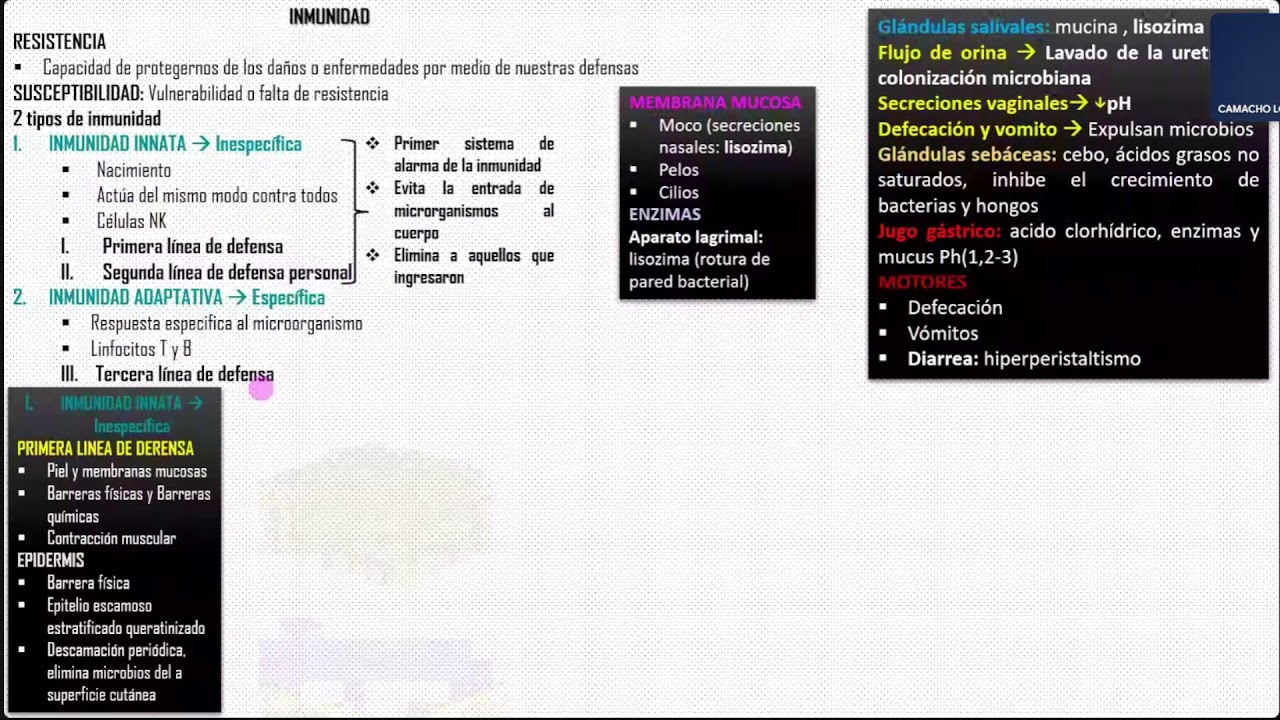

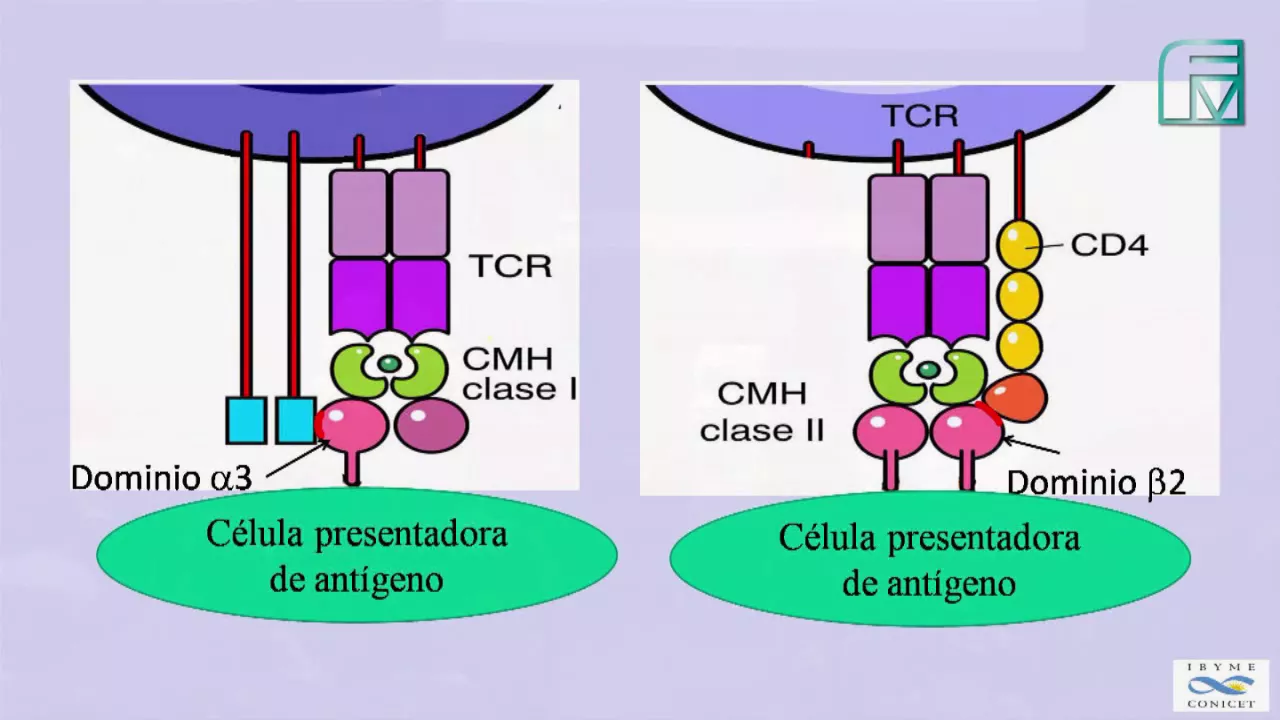


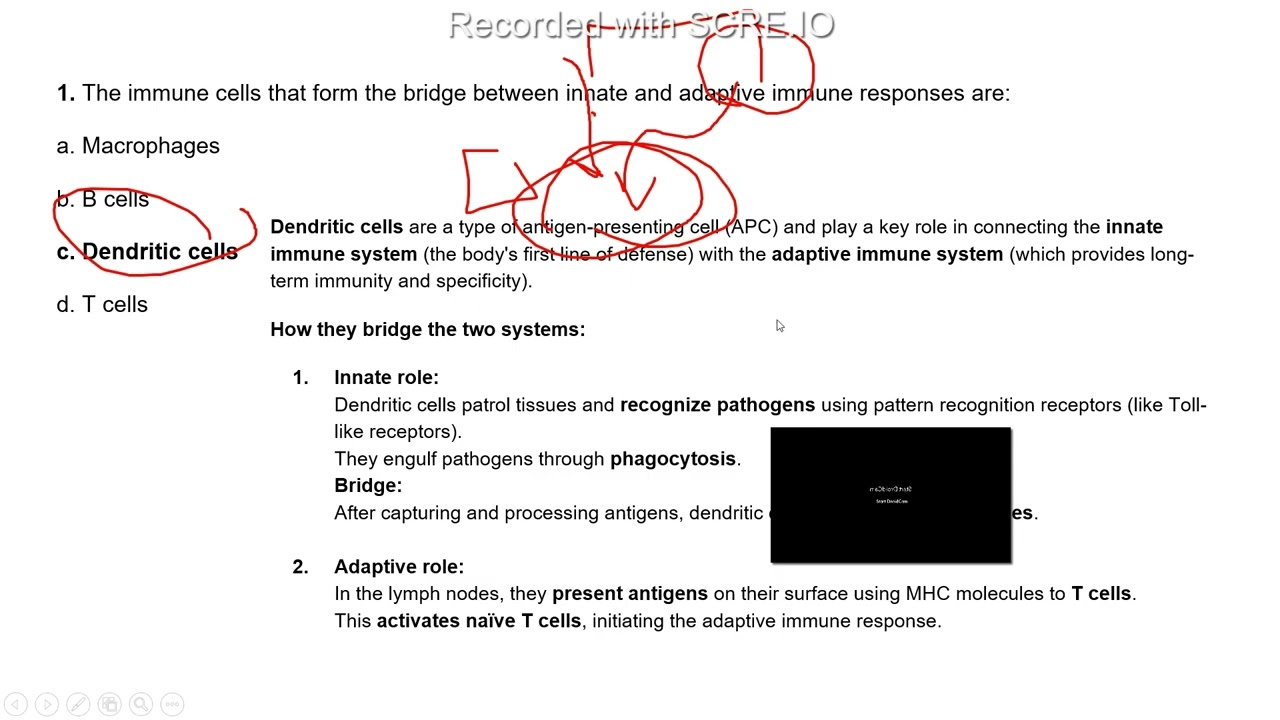
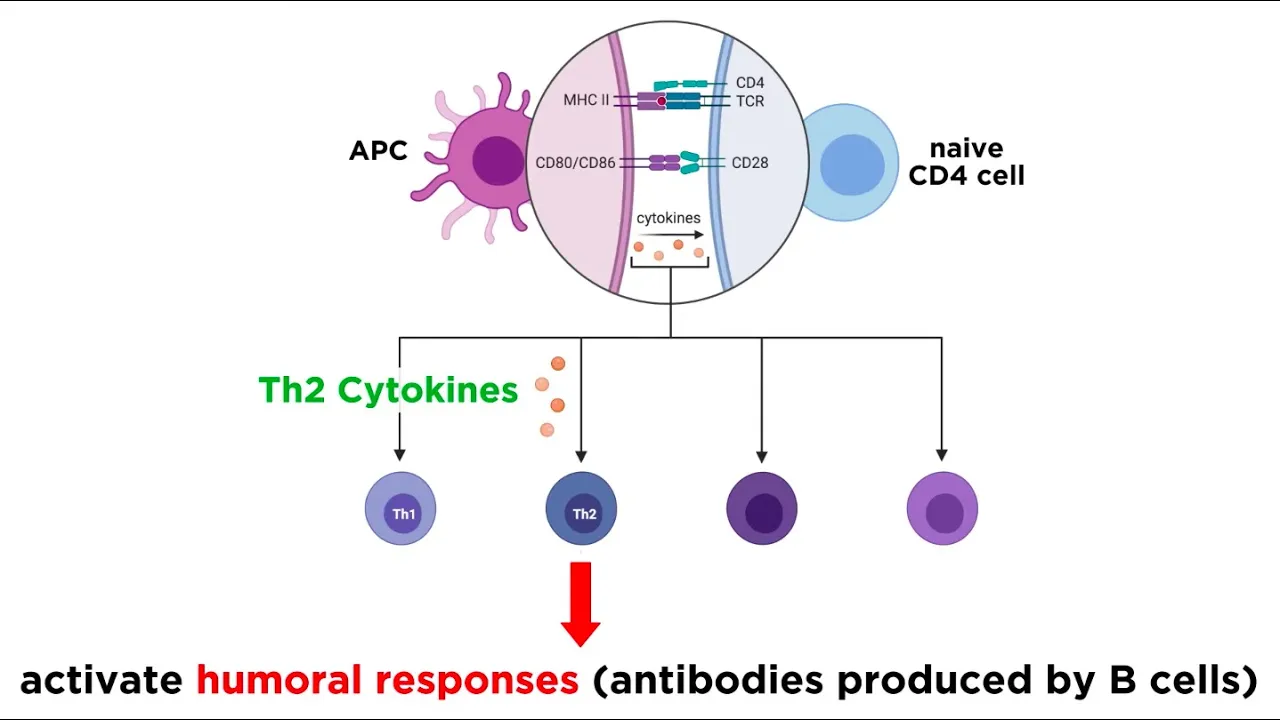

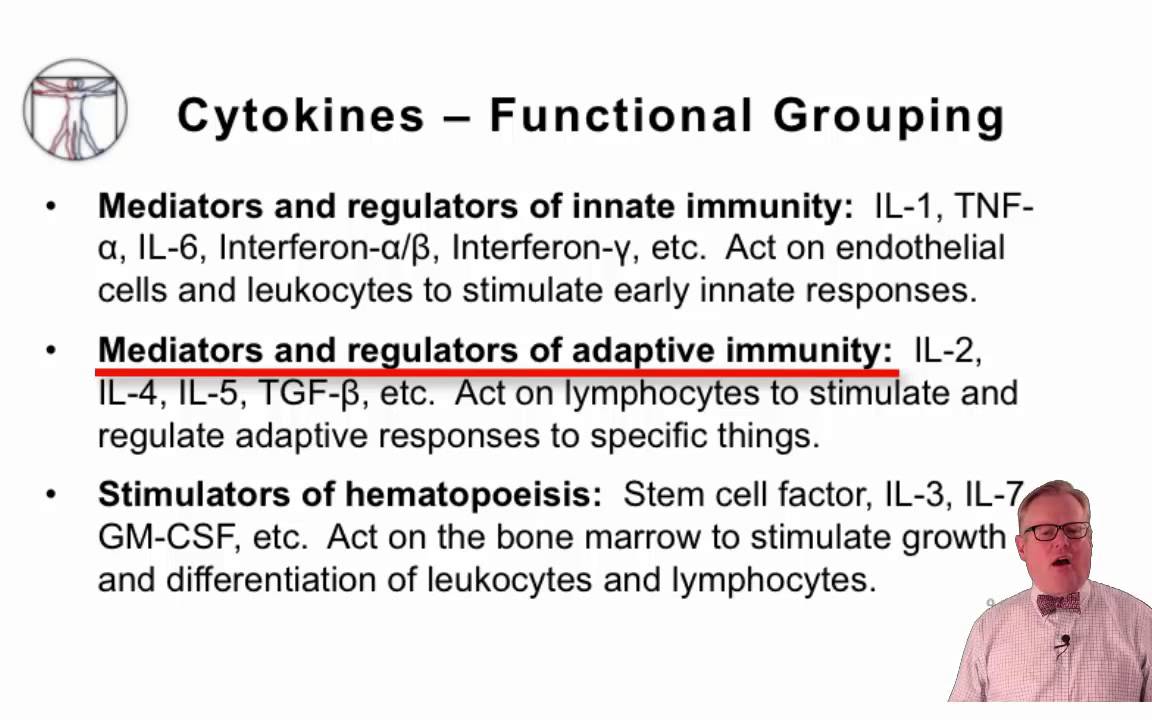



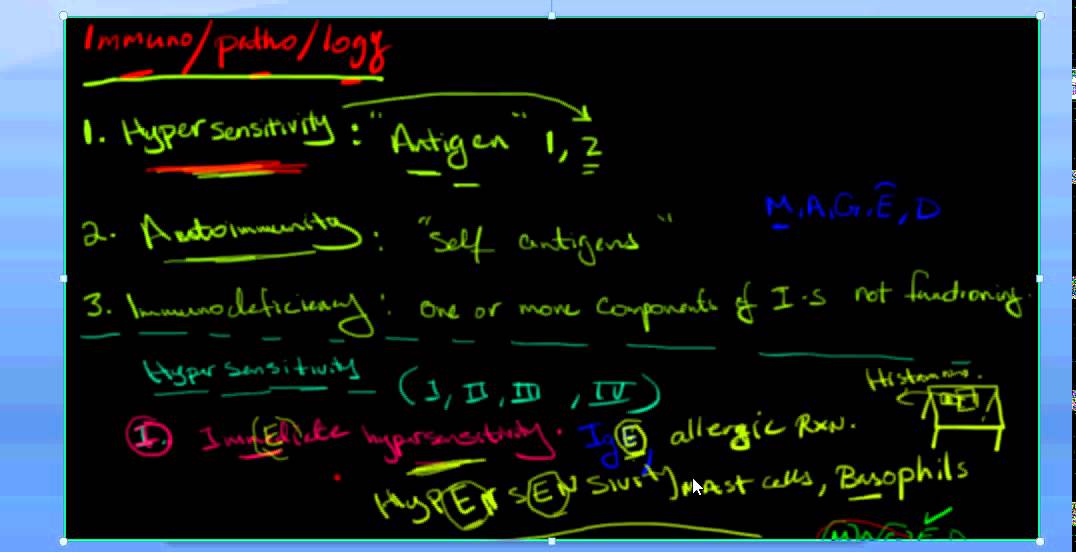


The human immune system originates from hematopoietic stem cells that differentiate into three main lineages: lymphoid progenitors producing B cells (which mature into antibody-producing plasma cells), T cells (helper and cytotoxic cells), and natural killer cells; myeloid progenitors generating phagocytic cells like neutrophils, eosinophils, basophils, and monocytes that differentiate into tissue-resident macrophages and dendritic cells; and erythroid progenitors producing red blood cells and platelets. These cells work together in innate immunity (immediate defense through phagocytosis and direct cell killing) and adaptive immunity (specific antigen recognition and memory response), with antigen-presenting cells like dendritic cells and macrophages bridging both systems.
Cells of the Immune System: Types & Functions | Immunology
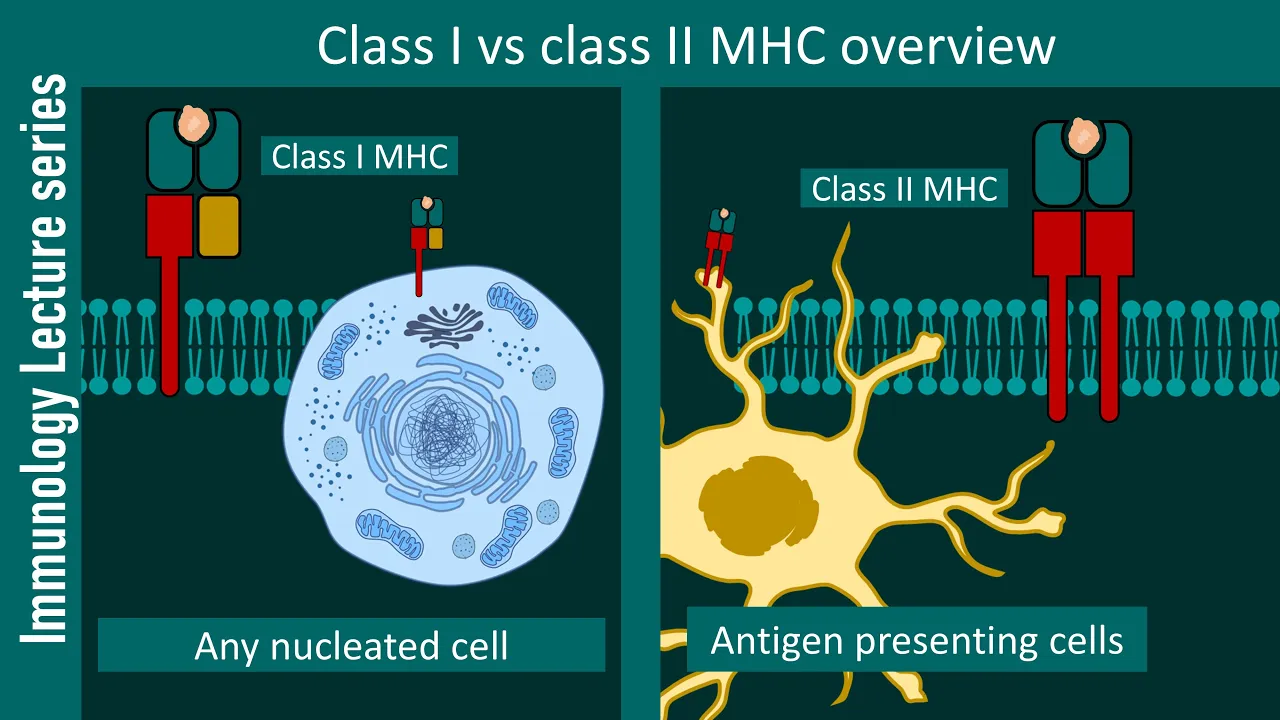
Added:[Music] welcome again friends we are talking about the Immunology video lecture series and this is the second video of that series and in this video we will be talking about the different types of immune system cells okay so let's talk about that in the earli video we talked about the overview of the immune system we talk about about the cell mediated immune system and humoral immune system we also talked about the innate immune system and adaptive immune system and we will see how they cross link with each other but this is from the part of the cell mediated immune system because one part of our immune system which is mediated by cells is pretty big and that concludes and that includes all the type of varieties of cells that are present in our bloodstream and some of them presents in different tissues of our body to find fight against the infection okay so we know this different cells of immune system who have specific function to fight against they produces they provide us the cell mediated immune system and among all of them there are some cells who go against the pathogen directly there are some cells who go against the pathogen infected host cell and kill that cell there are some cells who help other cells on immunity to boost there are other cells who help help to produce antibody against infection so we talked about four different types of cells and so different variety of the cells are generated from only one type of progenitor cell or we can call it as a mother cell from where everything originates it is known as hematopoetic stem cell this is a stem cell this is a toy potent stem cells so this stem cell can generate it's it's actually not toy you can say it's a multi potent St cell multi means many multi poent potent me the potency to generate many different varieties of cell from one that's why it's known as a multi poent stem cell or hematopoetic stem cells hematopoesis means the development and hemato means differ related with the blood so development of all blood cells are from hematopoetic stem cells now from this stem cell we have the red blood cell we have the platelet we have the white blood cell and among the wet bir cell we have different variations so let's look at this uh whole flowchart to understand about how all those things are originated first and then we'll talk about each of those different cells and their functions in the immune system so first thing I can talk this hematopoetic stem cell is divided into three types of progenitor cells lymphoid progenitor myoid progenitor and erythroid progenitor three types of progenitor cells are produced from this multi poent hematopoetic stem cells now all those progenitor cells like lymphoid progenitor myoid progenitor arthid progenitor they are also PL poent stem cells plur poent means is very similar with the multi poent they can also produce different variety of the cells that's why they are called plur poent stem cells so see here from the lymphoid progenitor they produces different types from the myoid they produces different set of cell cell from arthro completely different set of cells so if we look at the lympho progenitor lympho progenitor produces two further progenitor cells they produce B cells directly sometimes they can also produce another progenitor known as natural killer te- cell progenitor cell now from this natural killer te- cell progenitor they can produce natural killer cell they will also produce t- cells now the t- cell they produce first is known as na t- cell or t0 naive t- cell means these t- cells are not distant to do any function but when this knife te- cell gets a response as a form of chemical signaling from a nearby cell that is maccrage this knif T Cell gets activated it produces eector D cell okay while this natural killer cell's job is to find find out the infected cell and kill that cell through apoptotic mechanism while affected t- cell help to kill and also help to develop the immunity to other cells now from this B cells directly they are matured enough to produce plasma cells and you know plasma cells are filled with the process to develop antibody which is specific against a specific antigen so that can be produced so from one type type of cell that is lymphoid we get two varieties actually three types three varieties T Cell B cell and natural killer cell they all developed from this lymphoid progenitor cell over there now if you move to the second one which is myoid progenitor cell so they produces two more variety of cells Granulos site and unknown granulite progenitor cells and unknown progenitor cell we don't know much about that unknown progenitor type from the granulite progenitor cell they can produce three different varieties eosinophil neutrophil basophil eosinophil neutrophil sorry and basophil three different types of cells are produced they're known as a Granulos site progenitor why they known as as Granulos site because if you look at those cells at this point all those cells EOP neutrophil basophil if you look at them those cells carry large nucleus and they have fragmented nucleus present those nucleus are fragmented two or three times and they produce a lot of granule like structures in inside those those cells yopy neutrophil basophil so as they carry so many granules and their nucleus are kind of fragmented to look like granules we call them Granulos site site means the cell so granular cell ushy neutrophil and basophil on the other hand the from the unknown progenitor cell they produce what is known as monoy this monoy can convert into three different types of cells from this progen it can produce dendritic cell it can produce maccrage it can also produce Mass cell okay so all these three things dendritic cells maccrage and mass cells these are all produced from monoy okay so mass cells are the modified version of monoy maccrage is when the monoy is transferred to the to the any kind of tissue dendritic cell is also small modified version of monoy which is present in different tissue layers especially skin lung int inal region and all those places and the third progenitor cell is the arri progenitor is completely different and they produces all red blood cells actually they also divide into two part one is known as Mega kiosite and the arthr blast from the arthr blast they produce arthrite arthrite is nothing but rbcs that is the characteristic of the blood the red color because they carry hemoglobin while metao sites develop and produces platlets these are the two things produced from erythroid progenitor so if you look at here the erythroid progenitor cells are not very important as a perspective of immune system and defense While most of the immune system and defense cells are generated from the myoid progenitor and lymphoid progenitor mostly myoid progenitor and lymphoid progen these are the cells that that cross talk with themselves and finally build up the cell mediated immunity and also the antibody mediated immunity of our body while this arthro progenitor cells like RBC and platelet play different roles obviously very important roles but some other other physiological roles in our body not the role of immune system mechanism so as we now see all these examples of natural killer cell t cell dendritic cell maccrage mass cells ecopy neutrophil basophil and so many we want to talk about each of those cells and where exactly these cells function during the immune system we will talk about that in a moment then you'll see the role of all these functions so let me erase the board and we'll talk about each of those cells functionality and exactly where they come to play in the cell mediated immunity now some part of these cells are a part of in immunity some portion of the cells are the part of adaptive immune response I'll talk about each of them separately so let's start talking about all those cells the first cells we know we'll talk about remember the distinguish or division that we talked about earlier uh the part of innate immunity if we talk about the innate immunity cells are those one which are present always and looking for pathogens to to find if they find any pathogens they will find it and kill it example of such cell is maccrage this is very very dangerous type of cells in perspective of bacteria or other pathogen because maccrage is a phagocytic cell okay this is a phagocytic cell so that means if there is any bacteria or the component of the bacteria there's any whole pathogen or the fragment of pathogen it can recognize it it can engulf that pathogen inside and then it will break them down in small pieces that is the job of maccrage okay so phagocytic cell that is present and maccrage is normally present in the tissues in different regions of our tissue in the intestinal tissue in uh all those gastric tissue and all those our uh skin uh tissue underneath the skin and those regions of the tissue now this macrofagos present in the tissue normally macrofagos are originated from monocytes they originated from monocytes monocytes are part of white blood cells remember which are circulating through our blood okay so this macrophages are the transferred version of monocytes when monocytes are circulating through the blood they are called monocytes when they are transferred to the tissue they will be known as maccrage okay maccrage is present in our brain known as gal cells or macro gal cells those monocytes invade and go to the brain tissue they'll be known as gal cells they're present in the liver known as cus cells so they have different names based on which tissue they are present okay but they are the modified version of monocytes that's the simplest thing I can tell you now the major job of this natural killer cells is to fight against cells directly they don't want to find the pathogen independently that we saw in case of maccrage maccrage finds a pathogen break it down but natural killer cell go against infected cells instead of the specific antigen let's say a pathogen a bacteria invades in our one of our normal cell now it's infected that's cell is sick now this natural killer cell will find that sick cell it will start releasing factors to kill that cell so the job of natural killer cell mainly is to go against two type of cells tumor cells and cancer cells because you know there are so many type of modification take place in the cancer cells they have different phospholipids coming to the outside of the membrane and they have change in the membrane lipid composition so many variations those things can be detected easily by the natural killer cells once they find those changes they'll start secreting ferins granzymes those those secretions ultimately go to the apoptosis of that Target cell so apoptotic nature of this natural killer cell help us to fight against tumor cells and ultimately cancer cells in our body Okay the third type of cell that we already talked about and we saw uh that the neutrophils neutrophils are one of the most important white blood cells that we know of because uh in the whole white blood cell component neutrophil carries almost 40 to 50% of the white blood cells are neutrophils and over 50% cells neutrophils and these neutrophil cells they have a duty for again engulf ing a pathogen or a fragment of pathogen inside it will destroy those pathogen inside so this is again phagocytic cell again neutrophil is a phagocytic cell and the function of it is to destroy neutrophil migrates from blood to tissue okay and it destroys the cell with the help of reactive oxygen species they'll develop some certain reactive oxygen species with lone pair of electrons and oxygen they are very reactive super oxides and those super oxides are going to destroy the pathogen especially bacteria now let's talk about the fourth one and actually neutrophils uh specifically hold and kill mainly cells in in a more sense like it kills the bacteria as well as some cells in the overall sense uh because if a cell is infected for example say in those case neutrophil are going to release some factors that is going to kill that cell and and create damage over there okay that thing always presents there it it breaks down those cells and even the the normal cells if it's infected it will release some factors it will destroy that cell and can also start necrosis in little amount there then we have t- cells t- cells don't have that much of function of specifically going and killing the cell t- cells help other cells to develop there is a cross talk between t- cell and maccrage which which helps to produce more macrofagos and t- cells can Auto regulate and produce more t- cells it can cross talk with other cells to produce B cells that can ultimately produce antibody so this te- cells job is not directly but they're the part of adaptive immune response remember and t- cell's job is acting as a helper to further amplify the immune system signal in our body in the white blood cell if we talk about more we have some more examples we also have dendritic cells dendritic cells these dendritic cells are among antigen presenting cells just like macrofagos dendritic cell is an antigen presenting cell the idea of dendritic cell is they will generally go against infected cell they will go against tumor cells they will go against cancerous cells they go against those cells they infect the they find those infective agents now let's say bacteria is causing the infection dritic cell will engulf that bacteria inside it will break them down into fragments and put one of those fragment into a specific receptor known as a HC to and they hold that receptor along with the antigen outside it will showcase that antigen to rest of the cells T cells and B cells they will identify this antigen and they can help to produce more specific antibody mediator response that is an important job played by dentritic cells maccrage these are known as antigen presenting cells or APC now if you talk about more about the dendritic cell dendritic cells are mostly found in so they're also they're also they are apcs and they are also phagocytic cells but this dentritic cell usually present in in our say the the lym lymph glands usually present in the lymph glands and also they present in different layers of tissues for example the skin lungs and gastrointestinal tissue in different places from there they can move to the different limb glands and they can start there they can showcase all those things and actually they help in the training of T cell in the development of B cells a little bit that's the job of dendritic cells out there okay so now we'll talk about another type of cell that is ucopy eosinophil is another type of white blood cells remember there are eosinophil basophil now the job of eosinophil and basophil is not fully understood yet but it is found out that eosinophil has an important role to play against parasitic infections and infection against worms they start to develop specific antibodies large amount of antibody and this antibody will Target uh those through like like those B cells develop certain antibodies that will cover those worms because worms are big and those eosinophils will involve with that interact with those antibody cated worm and start secreting and releasing certain chemical factors that will create pores in the body of the worm as a result the worm is will be killed that is the job of eosinophil now eosinophil migrates so the job of EOP is not actually phagocytic but it also releases some chemical factors that can kill it's known as antibody dependent cellular cytotoxicity or ADCC because you know the worm is there antibodies coating the worm eosinophil is interacting releasing factors so it's antibody dependent cellular cytotoxicity mediated by ucopy that we know of that is the part in the job of ecopy and ecopy again moves from blood to the tissue just like the other white blood cells there so from blood to tissue this is the way of going and the final one I want to talk about is let me write it with this color uh mass cells mass cells are very very important quality of the cell very important type of the cells in mass cells have a very important role of uh developing specific body response again during inflammation when the inflammat response is required to fight against infection at the very start point of the infection at that condition mass cells going to secrete certain chemical factors known as histamines prag glines those histamines are vasodilator they start to dilate the blood vessel they cause a Airway constriction so these things known as anaphylaxis so this whole symptoms vasod dilation Airway constriction known as known as anapilis this anap axis is caused by this mass cells because they change all those things and these mass cells have an important role with the process known as allergy you know all the type of allergy that we talk about all those allergic symptoms are due to the secretion of histamine and all those different type of allergen that is releasing from the mass cells because mass cells are hugely enzyme filled cells they have multiple enzymes releasing from their they have mul granules present inside them filled with enzymes and factors lorrine B4 prandine histamine and all these things that are released from the mass cells and those things ultimately causes vasodilation Airway constriction ultimately they cause all those type of anaphylactic reaction even cause allergy in response to the interaction with other Allergan molecules with the help of imunoglobulin e now what is the whole process we will talk about later but that is the job of the mass cells so you see all those cells are destined to do a specific job the job for the maccrage natural killer cells and all those cells have a specific tone the B cells however I didn't write it here the B cells which is the part of the humoral immunity it is matured enough to call it a plasma cells it's modified into and turned into antibody producing Factory known as plasma cells from those plasma cells they start developing specific antibodies against the pathogenic antigen that enters into our body that is the job of the B cells which I haven't write it down but the direct cell effect if you talk about in the cellular immune responses maccrage natural killer cell neutrophils dendritic cells eosinophils mass cells basophils also very similar function with eosinophil are present there to fight against our body to take our body at the very innate or first round of Defense against us but T cells and B cells do the Adaptive response of our body okay so I hope you understand about how those all cells are originated from a single stem cell we talked about that from a from a single stem cell which give rise to all type of varieties of bodies blood cells in our body right this is a PL poent cell from that PL poent cell so many different varieties of cells are generated so and all those functionality of the cells have listed here I hope you understand the video If you like this video please hit the like button share this video with your friends and definitely subscribe to my channel and look for the next video because in the next video we'll be talking about the how the cell mediated immunity contacts humoral immunity because both of the immune line defense we require uh to carry out together and how exactly when a pathogen enters our body react against it and actually how the immune Sy system develops in the first place so stay tuned and watch the video series thank you
Up Next

Antigen-Presenting Cells: Macrophages, Dendritic Cells, and B-Cells
@AKLECTURES
210.6K views•2014-11-16
Bacterial Communication: Quorum Sensing and Biofilm Formation Explained
@JHUAAP
12.6K views•2011-06-28

RNA Interference Mechanism: siRNA and shRNA Pathways Explained
@shomusbiologyofficial
379.7K views•2015-02-21
Bacteriophages: Earth's Deadliest Killers and Future Antibiotics
@kurzgesagt
34.6M views•2018-05-13
Related Study Plans & Knowledge Roadmaps
Structured learning paths in Biology