










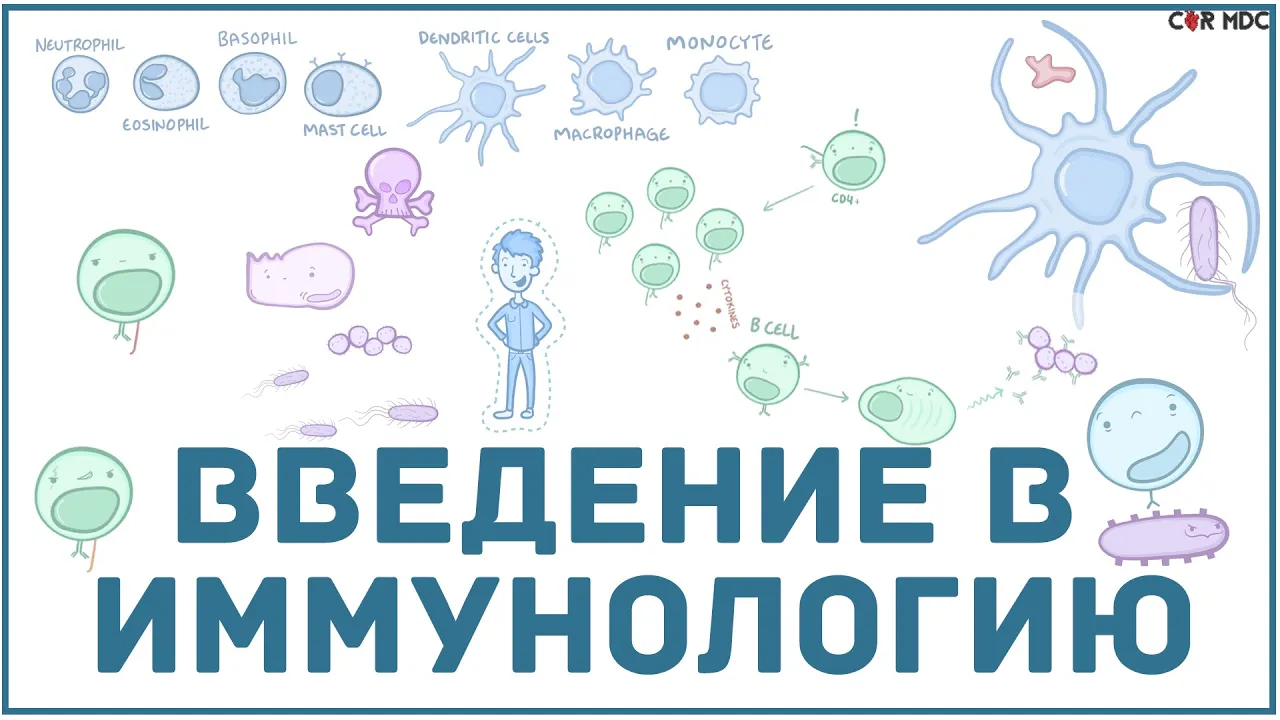
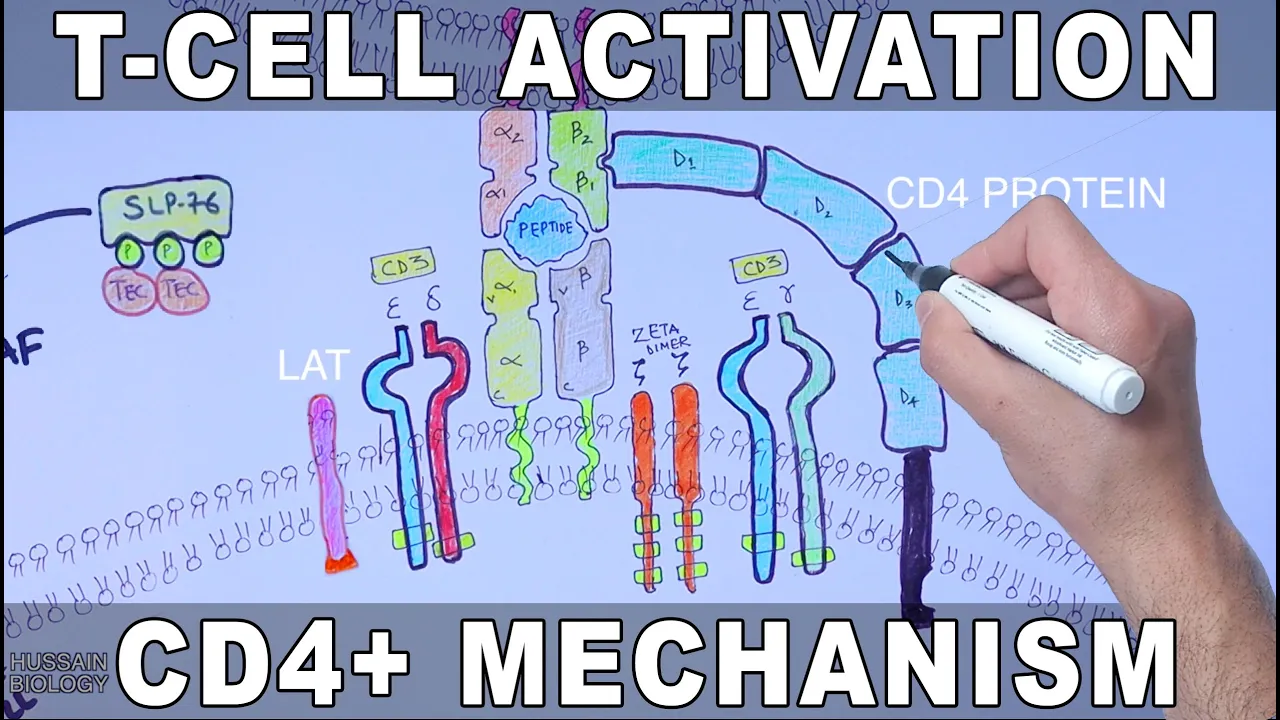
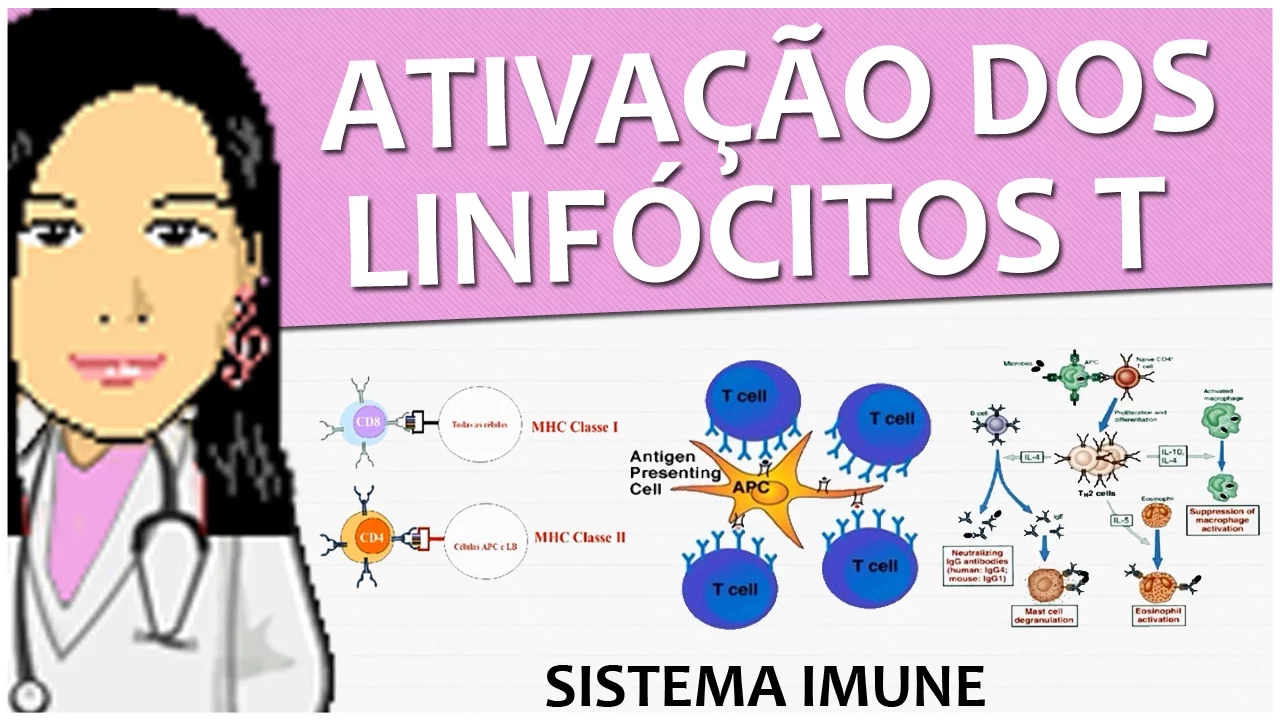

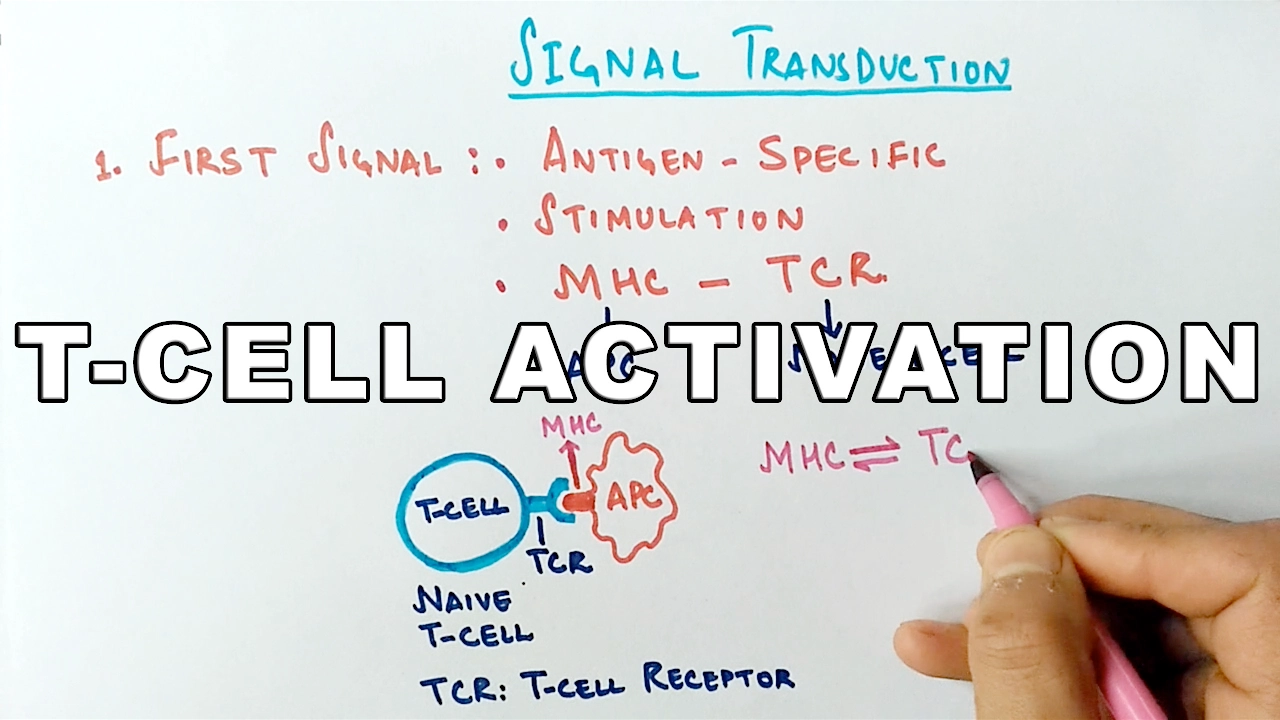


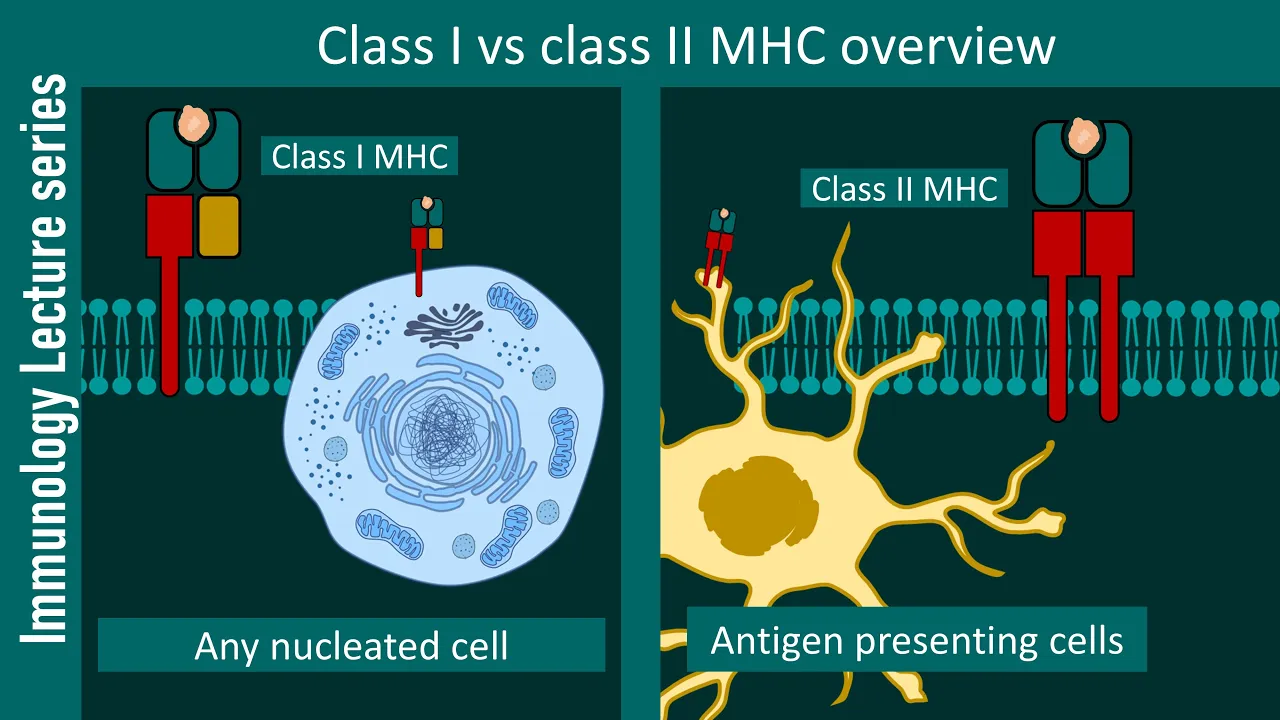






Antigen-presenting cells (APCs)—including macrophages, dendritic cells, and B-lymphocytes—are specialized immune cells that enable T-lymphocytes to recognize and respond to pathogens. These APCs engulf antigens from invading pathogens, process them within lysosomes, and display antigen fragments on their surface bound to Major Histocompatibility Complex Class II (MHC II) proteins. Only when T-cells with CD4 glycoprotein receptors bind to these antigen-MHC II complexes can the adaptive immune response be activated, leading to the production of cytotoxic T-cells, plasma cells, and memory cells that defend the body against infections.
Antigen-Presenting Cells: Macrophages, Dendritic Cells, and B-Cells
Added:Fundamental differences between the innate and adaptive immune systems.
The biochemical definition of an antigen and how the immune system recognizes foreign molecular patterns.
The cellular mechanisms of endocytosis and phagocytosis, particularly how cells internalize extracellular materials.
An introduction to T-lymphocytes, specifically the distinction between CD4+ (helper) and CD8+ (cytotoxic) T-cells.
The molecular signaling cascade of T-cell activation, including co-stimulatory signals (such as B7-CD28 interaction).
The structural and functional differences between MHC Class I (endogenous pathway) and MHC Class II (exogenous pathway) antigen presentation.
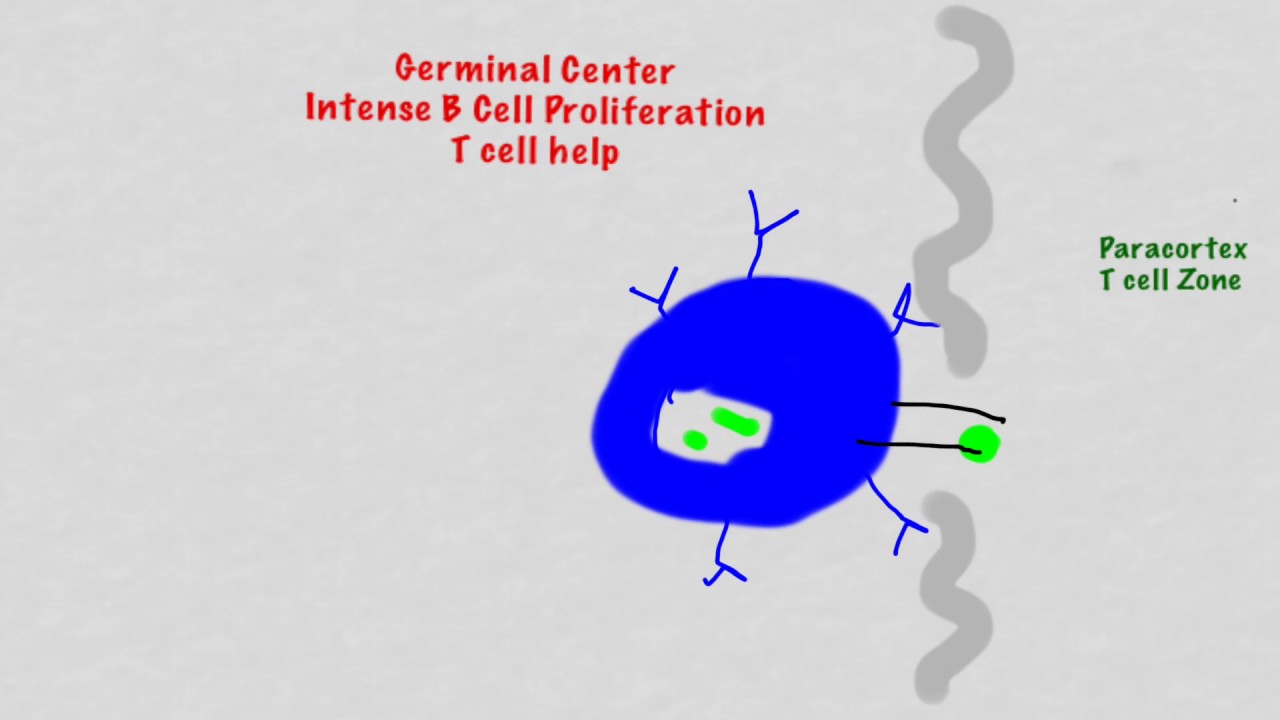
The process of B-cell activation, somatic hypermutation, and class-switch recombination initiated by helper T-cell interaction.
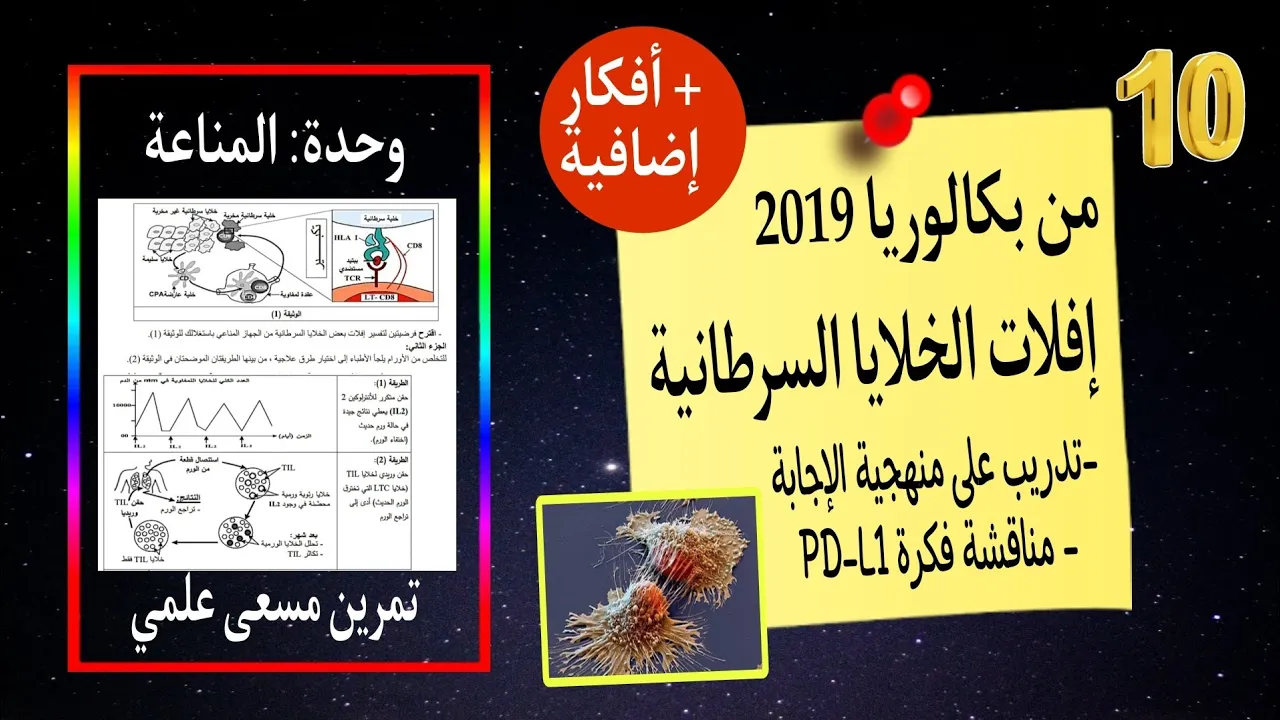
The role of dysfunctional antigen presentation in autoimmune diseases and its exploitation in cancer immunotherapy and modern vaccine design.
210.6K views2.9Klikes9:10Original Release: 2014-11-16
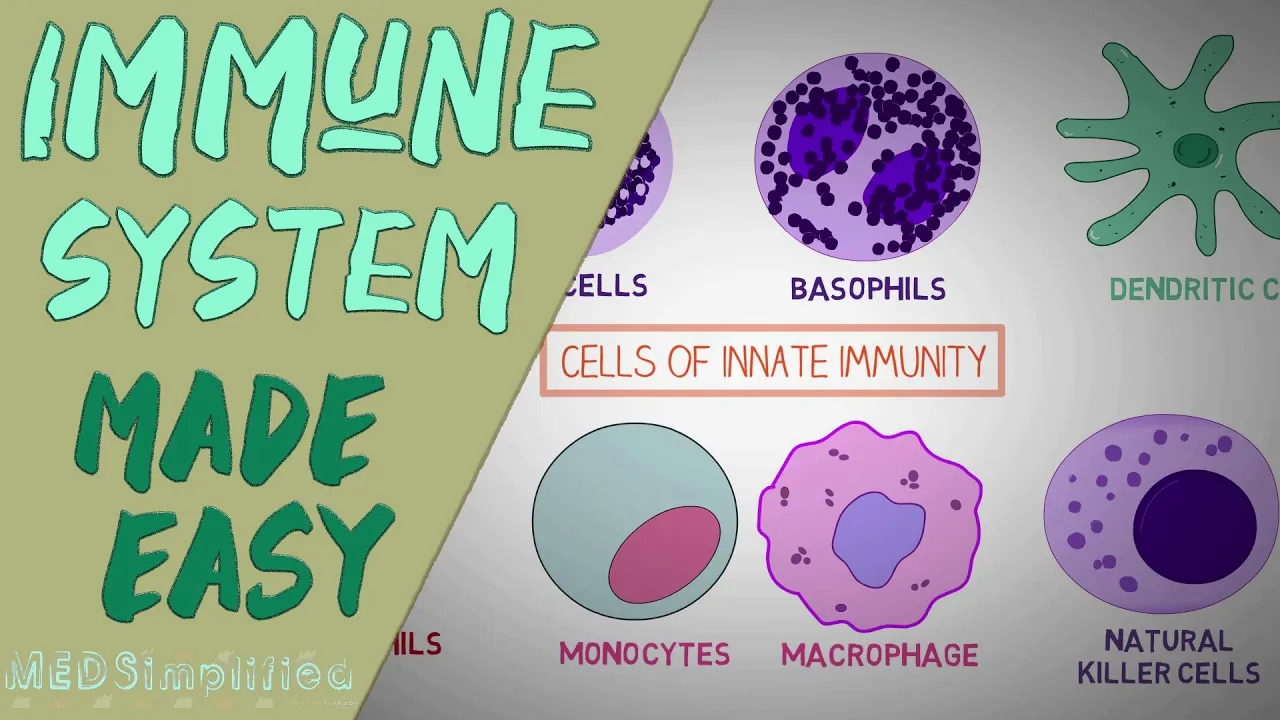
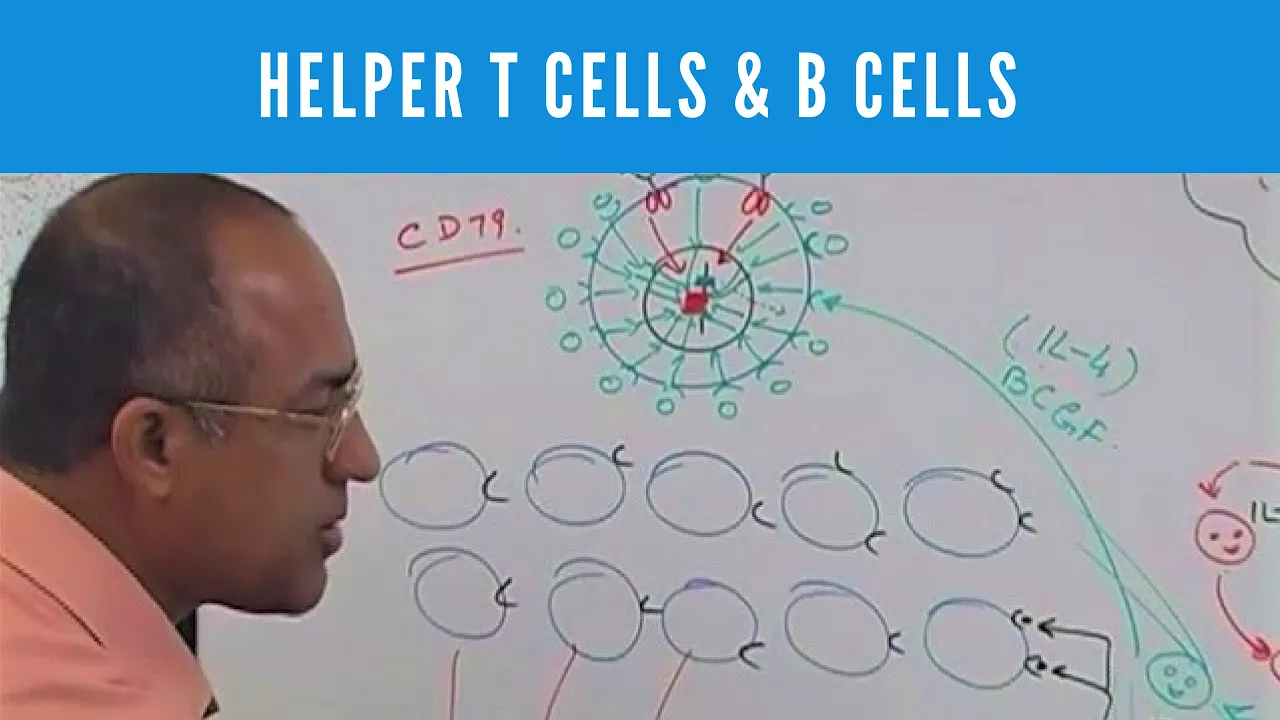
all pathogenic antigens that eventually make their way into the tissues of our body must be presented to T lymphocytes the cells of our cell mediated immunity the problem is these t-lymphocytes cannot actually directly bind onto these antigens what must happen before these t-lymphocytes interact with the antigen is a special type of immune cell known as the antigen presenting must actually engulf our antigen and once it engulfs the antigen it takes that antigen and places it onto a special protein complex found on the membrane of the antigen presenting cell and this protein complex is known as the major hytto compatibility complex Class 2 or simply a MH C Class 2 and only when the antigen is bound to this MH C Class 2 complex can the lymph side actually see and interact with the antigen and bind onto this antigen and once it binds only then can it begin some type of defensive mechanism as we'll see in just a moment so the three types of antigen presenting cells that we're going to focus on in this lecture are macrofagos dritic cells as well as B lymphocytes the cells of our humoral immunity system so let's begin with macrofagos so let's suppose we have some type of infection taking place let's say a bacterial cell infects our tissue now as soon as that infection takes place the innate immune system will try to prevent that infection from spreading it will try to localize that infection via the process of inflammation and what inflammation does is it dilates our blood vessels it brings more blood to that area and that brings specialized antigen presenting cells known as macrofagos now what do macrofagos actually do well macras is engulf pathogens let's suppose we have the bacterial cell as shown in red and this is our maccrage and the maccrage engulfes that particular bacterial cell now once that bacterial cell is inside the maccrage the maccrage forms the foso which contains lomes and the lysosomes contain digestive proteolytic enzymes that break down and digest that pathogen now when digestion takes place what the maccrage does is because it's an antigen presenting cell it begins to build the MHC Class 2 complex and it takes that complex it places it on the membrane of the maccrage and then it takes a small peptide the antigen from that bacterial cell and it places it on that MHC Class 2 complex so we have this antigen MHC Class 2 complex that forms now as soon as this as soon as this actually takes place we have a special type of tmph asde whose membrane contains a special glycoprotein known as CD4 only tmoes that contain the CD4 glycoprotein can actually go on and bind onto the antigen MHC Class 2 complex so for example we have some type of inactivated helper T cell that contains the CD4 glycoprotein on the membrane goes on and binds onto this complex of the macras and once this binding process takes place that ultimately activates the helper t- cell and that also releases many different types of chemicals involved in that in our immune system and that activates te- cells for example it produces cytotoxic te- cells it also activates our B cells into plasma cells and memory B cells and that begins the process of of Defending and protecting our body from these pathogens now let's move on to the second type of antigen presenting cell known as a dendritic cell now basically all these different types of antigen presenting cells do the same exact thing they basically engulf our antigen and then they present that antigen on this special type of protein membrane complex known as the major histo compatibility complex Class 2 so what exactly is a dendritic cell well a dendritic cell is a specialized type of immune cell that is found in those areas of our body that are close to the outside environment and that includes places tissues like our skin our gut our stomach and our digestive tract as well as our lungs so the air passageways of our lungs like the trachea the Brony and our Bron so this is what a dritic cell actually looks like it has these projections these dendrites so let's suppose some type of foreign antigen is found inside our tissue and it comes from let's say some type of bacterial cell the same cell that we spoke of earlier now what this dritic cell does is it basically foses this antigen it basically engulfs it and the lomes break it down and a small part of it is then expressed it's then displayed on this MHC Class 2 complex that is formed by the cell as shown in the following diagram now the dendritic cell is motile and what that and what that means is it can then move into the spleen or the lymph nodes of our immune system and it basically begins to interact with some type of tpos side that once again has has the CD4 glycoprotein the proper t uh t- cell receptor found on the membrane of that t lympo side and when these two cells interact once again it elicits some type of defensive immune response now let's move on to our B lymphoid so recall that b lymphocytes are those immune cells of our humoral immunity the antibody mediated immunity so be lymphocytes can also engulf and take in these antigens that come from different type of pathogens found inside our tissue so B lymphocytes are part of the humoral immunity when they approach foreign antigens floating around in our tissue they bind to them via special receptors and then they undergo recepted mediated endocytosis and that takes in that antigen into the cell and once that happens these bmph asides build the MHC Class 2 complex and they place that antigen onto that complex and only then can some type of t- cell T lympo side with this CD4 glycoprotein bind onto this uh MHC Class 2 complex that contains our antigen and once this binding takes place that ultimately stimulates this boside to undergo mitosis divide many times and it basically differentiates into two different types of cells the plasma cells that basically produce the antibodies found inside our blood swimming around our blood and lymph system and they also produce those memory B cells that are involved if reinfection ever actually takes place so once again we can conclude that the antigen Pres presenting cell is a type of cell of our body that allows these t-lymphocytes to actually interact with the antigens what these cells do is they engulf these antigens and then they build these special protein complexes and then they take that antigen and place it on that protein complex and only then can our T lympo side that contains the CD4 glycoprotein receptor actually interact with this antigen MHC Class 2 complex and create some type of mechanism some type of defensive immune response
Up Next

15:01
Understanding the Immune System: Innate and Adaptive Defenses Explained
@crashcourse
2.3M views•2012-09-03
50:12
Bacterial Communication: Quorum Sensing and Biofilm Formation Explained
@JHUAAP
12.6K views•2011-06-28

7:47
Post-Translational Modifications Explained: Types & Functions
@AKLECTURES
136.8K views•2014-09-11
7:08
Bacteriophages: Earth's Deadliest Killers and Future Antibiotics
@kurzgesagt
34.6M views•2018-05-13
Related Study Plans & Knowledge Roadmaps
Structured learning paths in Biology
biology
RNAi: Biogenesis, RISC & Gene Silencing
01Molecular Biology Foundations: DNA to Protein
02Introduction to RNA Interference (RNAi)
03Molecular Biogenesis of miRNA and siRNA
+ 2 more learning modules
10h5 modules
Explore Roadmap
biology
Mycorrhizae: Signaling, Biophysics & Ecology
01Foundations of Mycorrhizal Symbiosis
02Molecular Signaling and Root Colonization
03Biophysics and Bioenergetics of Nutrient Exchange
+ 1 more learning modules
11h4 modules
Explore Roadmap
biology
Circadian Clocks: TTFL, SCN & Periphery
01Foundations of Molecular Biology & Gene Expression
02Introduction to Chronobiology and Actograms
03The Core TTFL: Molecular Architecture of the Clock
+ 3 more learning modules
14h6 modules
Explore Roadmap
biology
Population Genetics: Math, Drift & Selection
01Genetic & Probability Foundations
02The Hardy-Weinberg Principle and Baseline Models
03Mathematical Modeling of Natural Selection
+ 3 more learning modules
18h6 modules
Explore Roadmap