


![What are Pathogens with Full Information? – [Hindi] – Quick Support](https://i.ytimg.com/vi/BZ1wQOY3eLk/hqdefault.jpg)









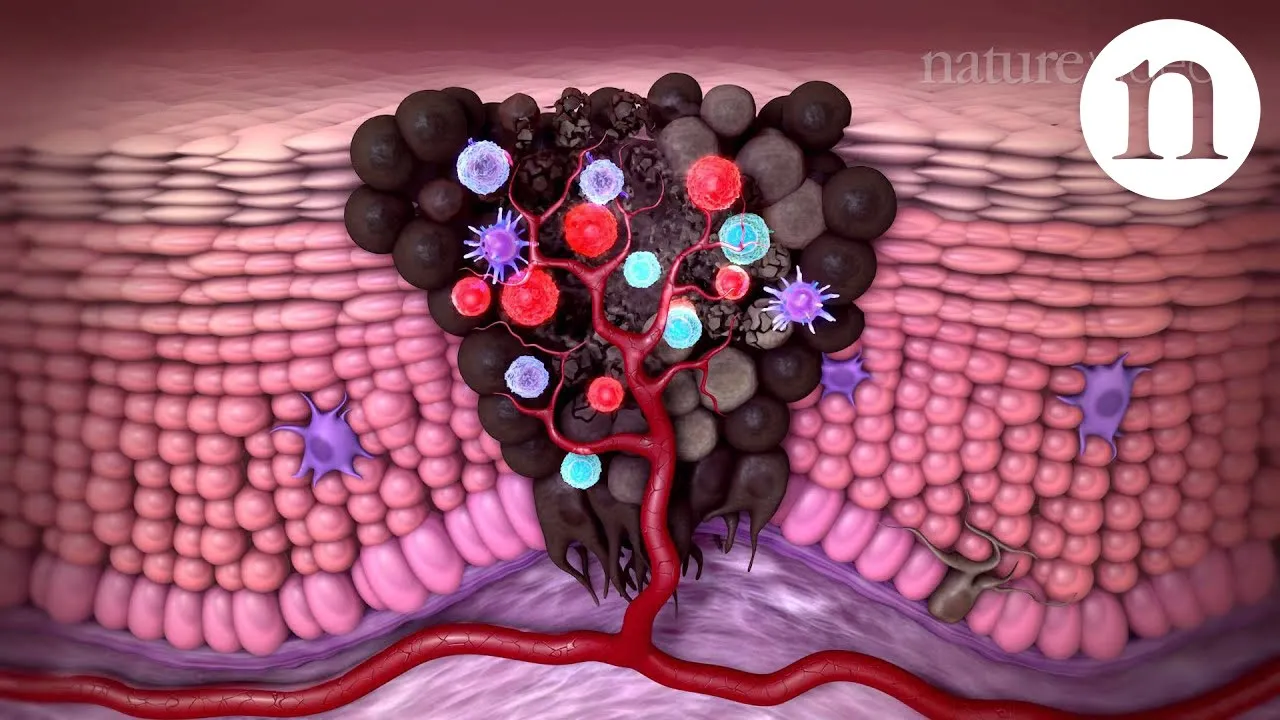




The immune system consists of organs, tissues, cells, and molecules that work together to protect the body from harmful organisms, toxins, and tumor cells through two main branches: the innate immune response, which is fast-acting (within minutes to hours) but non-specific and lacks memory, and the adaptive immune response, which is highly specific and develops immunologic memory through clonal expansion, allowing for stronger and faster responses upon re-exposure to pathogens.
Immune System Made Easy- Innate & Adaptive Immunity Explained
Added:Basic Cell Biology: Understanding the structure of eukaryotic cells, including the cell membrane, nucleus, and basic cellular functions.
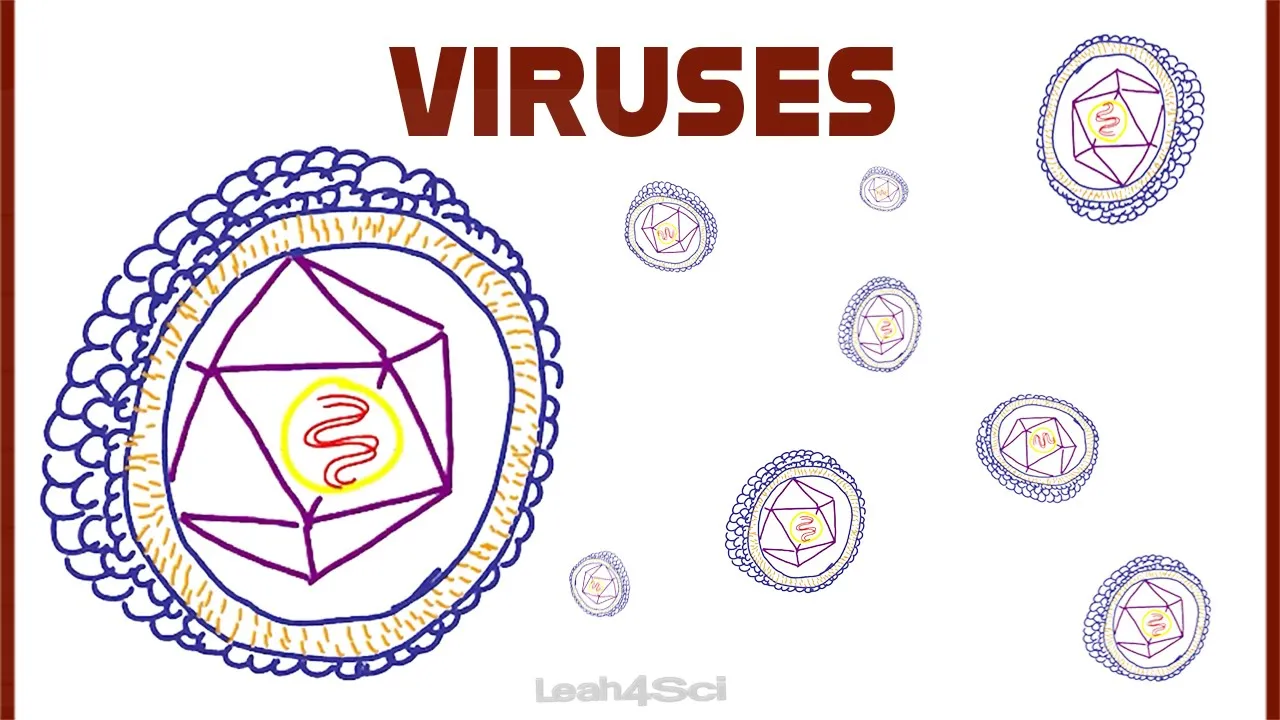
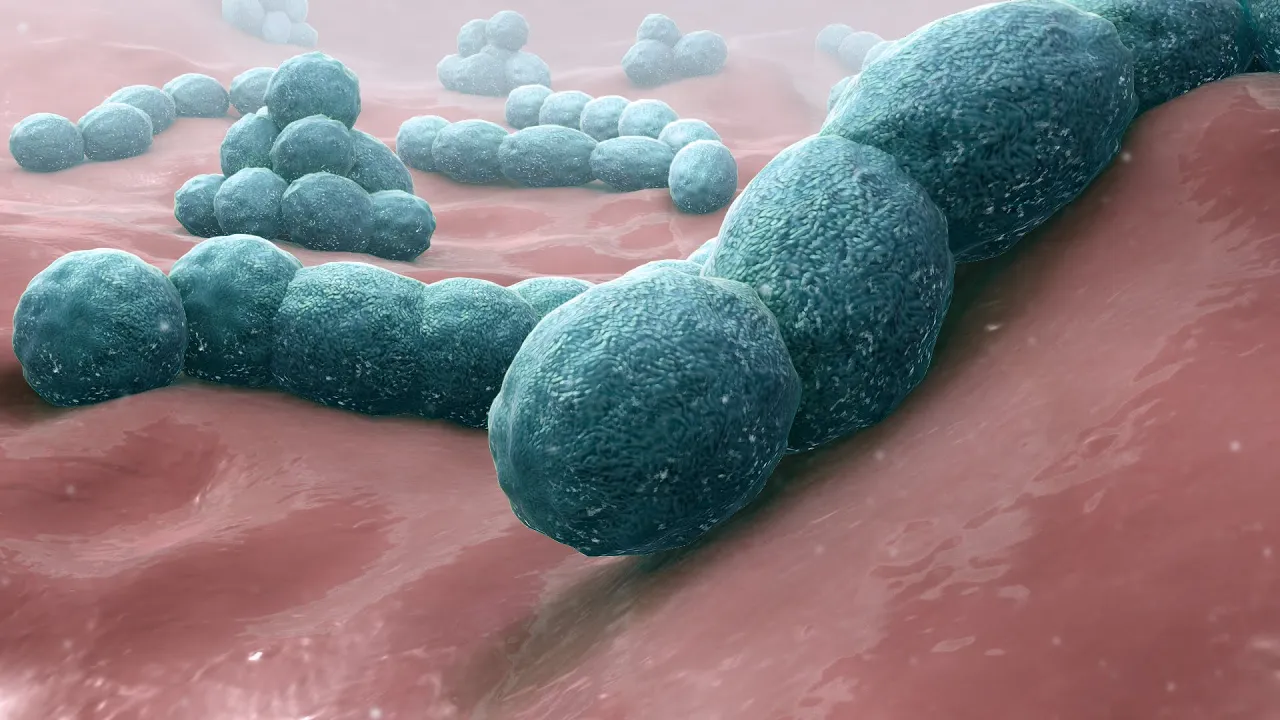
Introduction to Pathogens: Knowing the fundamental differences between viruses, bacteria, fungi, and parasites as foreign invaders.
Overview of the Circulatory and Lymphatic Systems: Comprehending how blood and lymph fluid circulate throughout the human body to transport cells.
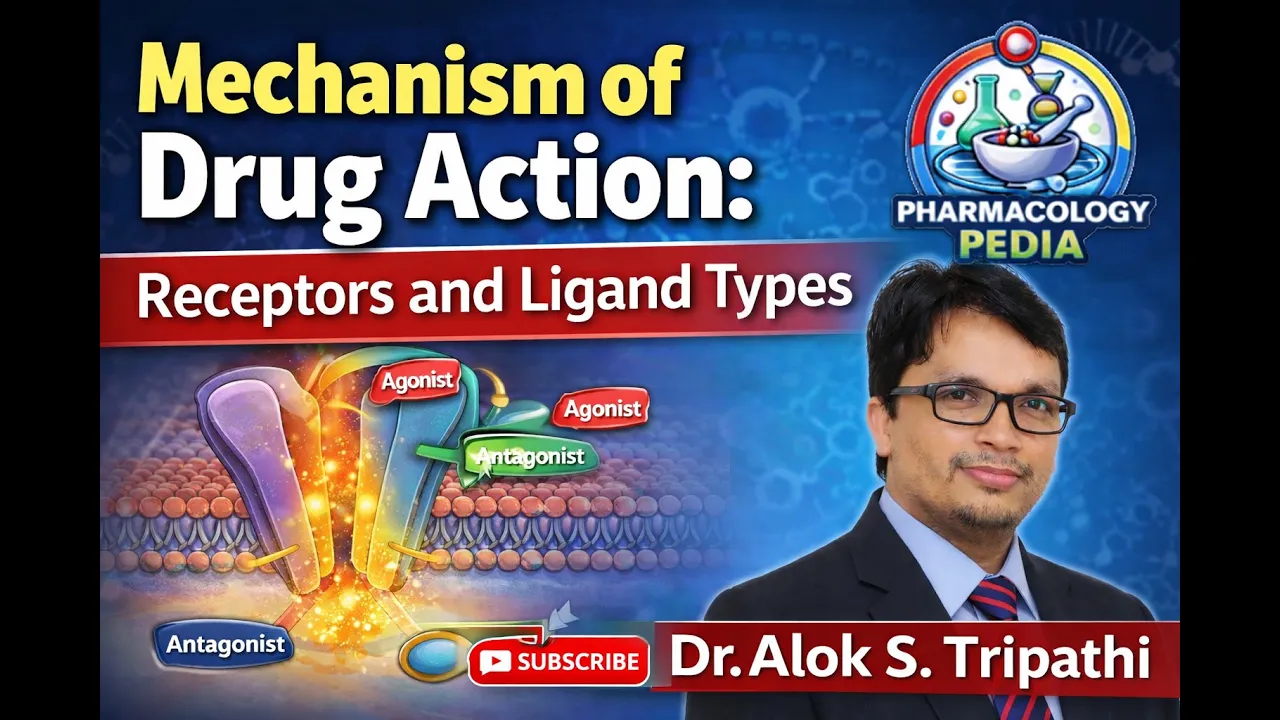
Concept of Cell Receptors and Ligands: Understanding how cells communicate and recognize one another using surface proteins.
Immunological Memory and Vaccination: Exploring how the adaptive immune system creates memory cells and how vaccines leverage this mechanism.
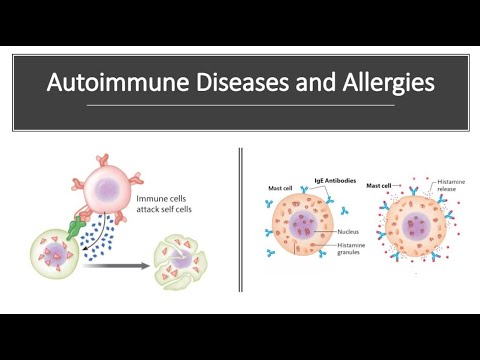
Autoimmune Disorders and Allergies: Investigating what happens when the immune system malfunctions, either attacking the body's own tissues or overreacting to harmless antigens.
Immunotherapy and Cancer Immunology: Studying how modern medicine harnesses and engineers immune cells (such as CAR-T cells) to target and destroy cancer.
Pathogen Evasion Mechanisms: Analyzing how sophisticated pathogens, such as HIV or influenza, mutate or actively suppress host immune responses to survive.
460.6K views7.2Klikes16:30Original Release: 2024-03-10
despite being surrounded by harmful organisms toxins and the threat of our own cells turning into tumor cells humans manage to survive thanks largely to our immune system the immune system is made up of organs tissues cells and molecules that all work together to generate an immune response that protects us from microorganisms removes toxins and destroys tumor cells hopefully though not all at once the immune response can identify a threat mount an attack eliminate a pathogen and develop mechanisms to remember the offender in case you encounter it again all within 10 days in some cases like if the pathogen is particularly stubborn or if the immune system starts attacking something it shouldn't like your own tissue it can last much longer for months to years and that leads to chronic inflammation your immune system is like the military with two main branches the innate immune response and the Adaptive immune response the innate immune response includes cells that are non-specific meaning that although they distinguish an Invader from a human cell they don't distinguish one Invader from another Invader the innate response is also feverishly fast working within minutes to hours get it feverishly that's cuz it's responsible for causing fevers the trade-off for that speed is that there's no memory associated with innate responses in other words the innate response will respond to the same pathogen in the exact same way no matter how many times it sees the pathogen the innate immune response includes things that you might not even think of as being part of the immune system things like chemical barriers like Lymes in the tears and a low PH in the stomach as well as physical barriers like the epithelium in the skin and gut and the cyia that line the Airways to keep Invaders out in contrast the Adaptive immune response is highly specific for for each Invader the cells of the Adaptive immune response have receptors that differentiate one pathogen from another by their unique Parts called antigens adaptive immunity is also diverse meaning it can recognize almost an infinite number of specific antigens and mount a specific response against each of them the trade-off is that the Adaptive response relies on cells being primed or activated so they can fully differentiate into the right kind of fighter to kill that pathogen and that can take a few weeks but the great advantage of the Adaptive immune response is immunologic memory the cells that are activated in the Adaptive immune response undergo clonal expansion which means that they massively proliferate and each time the Adaptive cells see that same pathogen they massively proliferate again resulting in a stronger and faster response each time that pathogen comes around once that pathogen is destroyed most of the clonally expanded cells die off and that's called clonal deletion but some of the clonally expanded cells live on as memory cells and they're ready to expand once more if the pathogen ever resurfaces now it's time to meet the soldiers which are the white blood cells or lucaites hematopoesis is the process of forming white blood cells as well as red blood cells and platelets and it primarily takes place in the bone marrow hematopoesis starts with a multi- potent hematopoetic stem cell which can develop into various cell types its future is undecided some become myoid progenitor cells whereas others become lymphoid progenitor cells the myoid progenitor cells develop into myoid cells which include neutrophils eosinophils basophils masted cells dendritic cells macroasia and monocytes all of which are part of the innate immune response and can be found in the blood as well as in the tissues the neutrophils eosinophils and basophils are considered granulocytes because they contain granules in their cytoplasm and neutrophils in particular are also referred to as polymorphonuclear cells or pmns because their nuclei contain multiple loes instead of being round during an immune response the bone marrow produces lots of cells many of which are nutrifil neutrophils use a process called phagocytosis that's where they get near pathogen and reach around it with their cytoplasm to swallow it whole so that it ends up in a fagone from there the neutrophils can destroy the pathogen using two methods they can use their cytoplasmic granules or oxidative burst first the cytoplasmic granules Fus with a phagosome to form the fago liome the granules contain molecules that lower the pH of the fagal liome making it very acidic and that kills about 2% of the pathogens now the neutr fill doesn't stop there it keeps swallowing up more and more path pathogens until it's full of pathogens and at that point it unleashes the oxidative burst during an oxidative burst the neutr produces lots of highly reactive oxygen species like hydrogen peroxide these molecules start to destroy nearby proteins and nucleic acids within the phagolysosomes which are the components of the pathogen that has been ingested the net result is that the pathogen is eliminated now in comparison to neutrophils eosinophils and basophils are far less common they both contain granules that contain histamine and other pro-inflammatory molecules eosinophils stained pink with the D eosin which is where they get their name they are aiic cells even though it's not their primary mechanism of attack they are best known for fighting large and unwieldy helic parasites or worms by releasing molecules that can poke holes in the outer layer of helmets these cells are also involved in allergic reactions such as atopic dermatitis and allergic rinitis also known as hay fever when involved in allergic reactions eosinophils degranulate meaning they release various enzymes and proteins within their granules and this causes an inflammatory reaction next you have basophils and they stain blue with the di hematoxylin and unlike neutrophils basophils are non- aidic on the flip side they have granules that contain histamine and other pro-inflammatory molecules therefore they are important in initiating allergic responses finally there are the masted cells which live in tissues not in the blood and they're very similar to basophils they are also non- aiic and are involved in allergic responses next up are the monocytes macrofagos and dendritic cells which are also aiic cells they gobble up pathogens present antigens and release cyto which are tiny molecules that attract other immune cells to to the area monocytes only circulate in the blood some monocytes migrate into tissues and differentiate into macras which remain in tissues and aren't found in the blood dendritic cells are the prototypical antigen presenting cell dendritic cells are usually found in sites that are in contact with most external antigens like the skin epithelium or the gastrointestinal mucosa when dendritic cells are young and immature they're excellent at phagocytosis constantly eating large of protein found in the intial fluid but when a dendritic cell phagocytose is a pathogen it's a life-changing Coming of Age moment mature dendritic cells will destroy the pathogen and break up its protein into short amino acid chains dendritic cells will then move through the lymph to the nearest lymph node and they'll perform an antigen presentation which is where they present those amino acid chains which are antigens to te- cells antigen presentation is what connects the Nate and adaptive immune systems antigen presentation is something that can be done by dendritic cells macrofagos as well as monocytes which is why all of these cells are referred to as antigen presenting cells dendritic cells are the best of this process because they are the only cells that live where pathogens enter through the epithelia like skin gut and Airways and they are the only cells that can traffic from these tissues to lymph nodes where te- cells circulate now only tea cells with receptor that can bind to the specific shape of the antigen will be activated and that's called priming it's similar to how a lock will only snap open when a key with a very specific shape goes in however te- cells can only see their antigen if it is presented to them on a silver platter and on a molecular level that platter is the major hysto compatibility complex or MHC for short so the antigen presenting cell will load the antigen on an MHC molecule and display it to t- cells and when the right t- cell comes along it binds the final group of blood cells the lymphocytes includes B cells t- cells and natural killer cells B and t- cells make up the Adaptive immune response while natural killer cells are part of the innate immune system B cells and natural killer cells complete their development where they started in the bone marrow whereas some lymphoid progenitor cells migrate to the thymus where they develop into tea cells all of the lymphocytes are able to travel in and out of tissue and the bloodstream natural killer cells are large lymphocytes with granules and they target cells infected with intracellular organisms like viruses as well as cells that pose a threat like cancer cells natural killer cells kill their target cells by releasing cytotoxic granules these granules contain molecules that punch holes in the Target cell membrane by binding directly to the phospholipids and and creating pores and release some molecules that get inside the cell and cause target cells to undergo apoptosis which is a type of program cell death B cells like t- cells also have a receptor on their surface that allows them to only bind to an antigen that has a very specific shape the main difference is that B cells do not need antigens to be presented to them on an MHC molecule they can simply bind to an antigen directly when a B cell binds to a protein antigen that's on the surface of a pathogen it's capable of internalizing that antigen degrading it and presenting it to te- cells so technically they're also antigen presenting cells as well like other antigen presenting cells the B cell loads the antigen onto an MHC molecule called mhc2 and displays it to t- cells when a T Cell gets activated it helps the B cell mature into a plasma cell and a plas plasma cell can secrete lots and lots of antibodies typically it takes a few weeks for antibody levels to Peak the antibodies or immunoglobulins have the exact same antigen specificity as the B cell they came from antibodies are just the B cell receptor in a secreted form so they can circulate in the plasma which is the non-cellular part of blood attaching to pathogens and tagging them for Destruction because antibodies aren't bound to cells and Float freely in the blood this is considered Ed humoral immunity a throwback to the term humors which refers to body fluids now the final type of lymphoid cell is the te- cell and it's in charge of cell mediated immunity te- cells are antigen specific but they cannot secrete their antigen receptor a naive te- cell can be activated or primed to allow it to turn into a mature te- cell by any of the antigen presenting cells but most often it's done by a dendritic cell now there are two main types of t- cells CD4 T cells and cd8 T cells where CD stands for cluster of differentiation there are hundreds of CD markers in the immune system and these CD markers are useful in telling different cells apart for example all T cells are CD3 positive because CD3 is part of the T Cell antigen receptor so CD4 positive t- cells are actually CD3 positive CD4 positive and these cells are called helper cells because they're like minerals on the battlefield they secrete cyto kindes that help coordinate the efforts of macroasia and B cells helper T cells can only see their antigen if it's presented on an mhc2 molecule cd8 positive t- cells are CD3 positive cd8 positive and they're called cytotoxic te- cells because they kill target cells really similarly to how natural killer cells do it with one major difference cd8 positive T cells only kill cells that present a specific antigen on an MHC c 1 molecule which is structurally similar to the mhc2 molecule whereas natural killer cells aren't nearly as specific in who they kill so now let's go through a complete immune response with the bacterial pathogen in the lungs to start the bacteria will have to get breathed in slip by your nose hairs past the Celia in the Airways and will then have to penetrate past the epithelium layer of the lungs once it's in the lung tissue the bacteria will start to divide and might encounter a resonant macras in the lung tissue which will ingest the bacteria and start releasing cyto kindes those cyto kindes start the inflammatory process by making blood vessels leaky and attracting nearby eosinophils basophils and masted cells which release their own cyto kindes and granules amplifying the inflammation nutrifil from the blood as well as fresh new ones from the bone marrow dive into the tissue and join the battle if the pathogen was a virus natural killer cells would would help destroy the infected cells at this point this is all part of the innate immune response around this point in the infection immature dendritic cells residing under the epithelium digest the pathogens and move from the lung tissue over to a nearby lymph node where they present the processed antigen on an mhc2 protein to a naive tea cell the dendritic cell which is part of the innate immune response Bridges the innate and the Adaptive immune responses when it presents the antigen to the te- cell which is part of the Adaptive immune response sometimes if the infection is spreading bacteria might find its way to a lymph node without the help of a dendritic cell in this case b cells part of the Adaptive immune response might directly phagocytose the bacteria and present it to a naive CD4 positive t- cell either way if the antigen is the right fit for the te- cell the te- cell will begin to differentiate and undergo clonal expansion differentiated CD4 positive t- cells will release cyto kindes that will induce B cells to differentiate into plasma cells which secrete antibodies that will go into the lymph and then into the bloodstream the antibodies will tag pathogens making it easier for the fago sites to eat them some cyto kindes will activate macras to kill bacteria that have been but cannot be killed by the maccrage alone unless it gets help from its friends the tea cells of course if the pathogen was a virus living and replicating in the cyop plasma of the infected cells the cd8 positive T cells would kill any infected cells that Express the viral antigen on an mhc1 over time as the invading pathogen dies off most of the BNT cells die of neglect but a few turn into memory B cells and memory t- cells which linger for years in case they're needed in the future all right as a quick recap the immune system has an innate and an Adaptive response the innate immune response is immediate iate but non-specific and lacks memory whereas the Adaptive immune response is highly specific and remembers everything but it takes several days to get started and almost two weeks to Peak helping current and future clinicians Focus learn retain and Thrive learn more
Up Next
24:05
Cells of the Immune System: Types & Functions | Immunology
@shomusbiologyofficial
347.3K views•2016-09-12
50:12
Bacterial Communication: Quorum Sensing and Biofilm Formation Explained
@JHUAAP
12.6K views•2011-06-28

4:06
Antibiotic Resistance Mechanisms Explained | Bacterial Defenses
@osmosis
141.6K views•2023-11-30
7:08
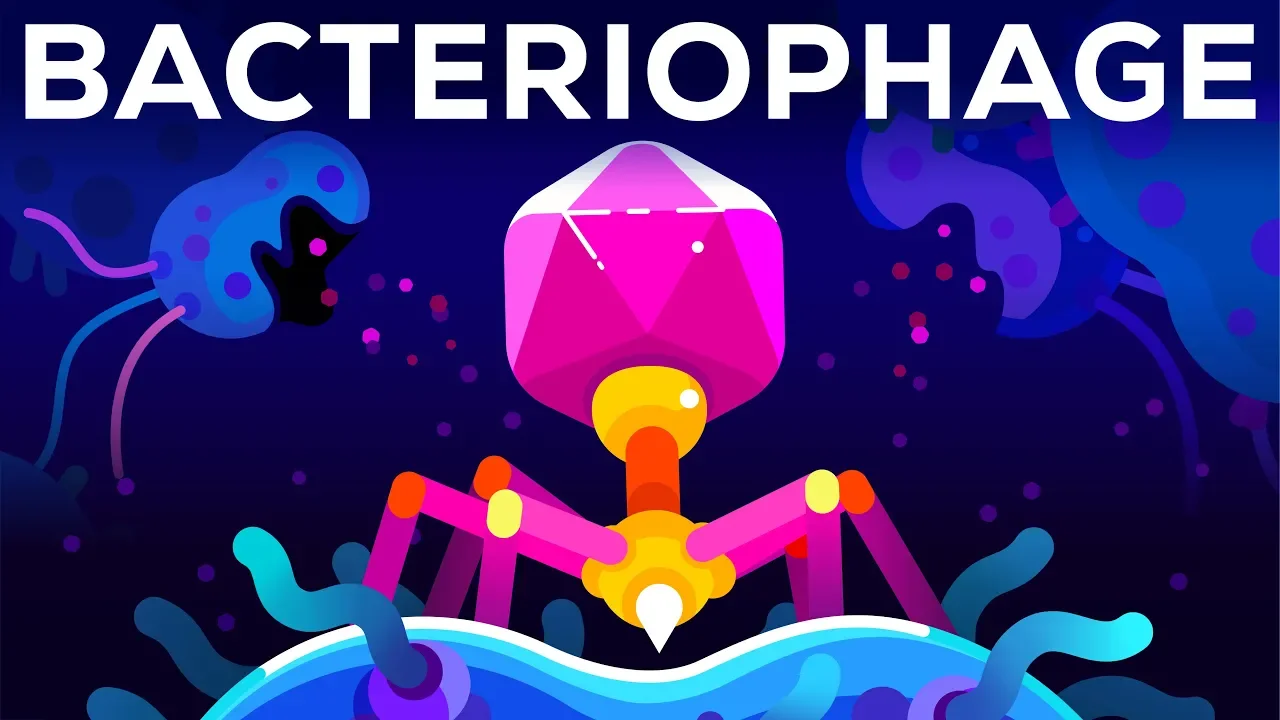
Bacteriophages: Earth's Deadliest Killers and Future Antibiotics
@kurzgesagt
34.6M views•2018-05-13
Related Study Plans & Knowledge Roadmaps
Structured learning paths in Biology
biology
RNAi: Biogenesis, RISC & Gene Silencing
01Molecular Biology Foundations: DNA to Protein
02Introduction to RNA Interference (RNAi)
03Molecular Biogenesis of miRNA and siRNA
+ 2 more learning modules
10h5 modules
Explore Roadmap
biology
Mycorrhizae: Signaling, Biophysics & Ecology
01Foundations of Mycorrhizal Symbiosis
02Molecular Signaling and Root Colonization
03Biophysics and Bioenergetics of Nutrient Exchange
+ 1 more learning modules
11h4 modules
Explore Roadmap
biology
Circadian Clocks: TTFL, SCN & Periphery
01Foundations of Molecular Biology & Gene Expression
02Introduction to Chronobiology and Actograms
03The Core TTFL: Molecular Architecture of the Clock
+ 3 more learning modules
14h6 modules
Explore Roadmap
biology
Population Genetics: Math, Drift & Selection
01Genetic & Probability Foundations
02The Hardy-Weinberg Principle and Baseline Models
03Mathematical Modeling of Natural Selection
+ 3 more learning modules
18h6 modules
Explore Roadmap