




















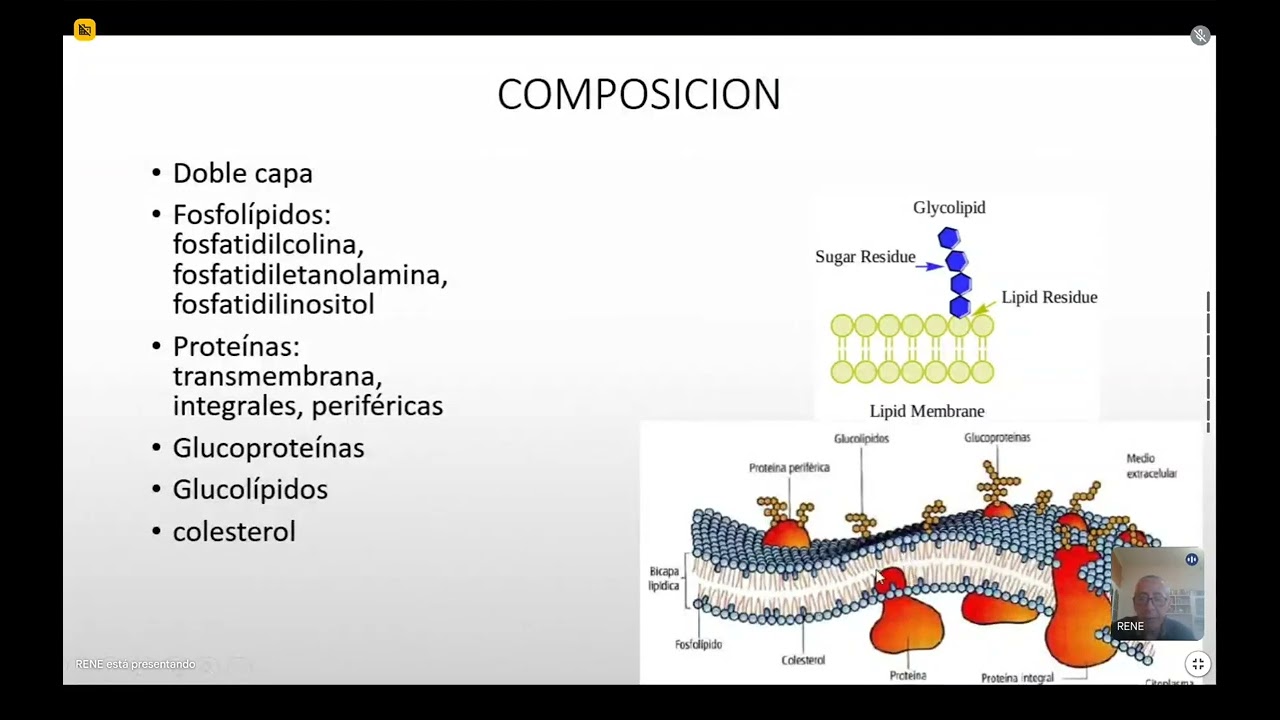
Cells communicate through three types of signaling based on distance: autocrine (self-targeting), paracrine (nearby cells), and endocrine (distant cells via bloodstream). Signaling molecules are classified as hydrophobic (can diffuse across cell membranes to bind intracellular receptors) or hydrophilic (must bind to transmembrane receptors). The signaling pathway involves three stages: reception (ligand binds to receptor), transduction (receptor activates intracellular second messengers), and response (cellular action). Three major receptor classes mediate these signals: G protein-coupled receptors (seven-pass transmembrane proteins that activate G proteins, leading to pathways like PLC and cAMP), enzyme-coupled receptors (single-pass transmembrane proteins with intrinsic kinase activity that phosphorylate targets), and ion channel receptors (ligand-gated channels that allow ion flow).
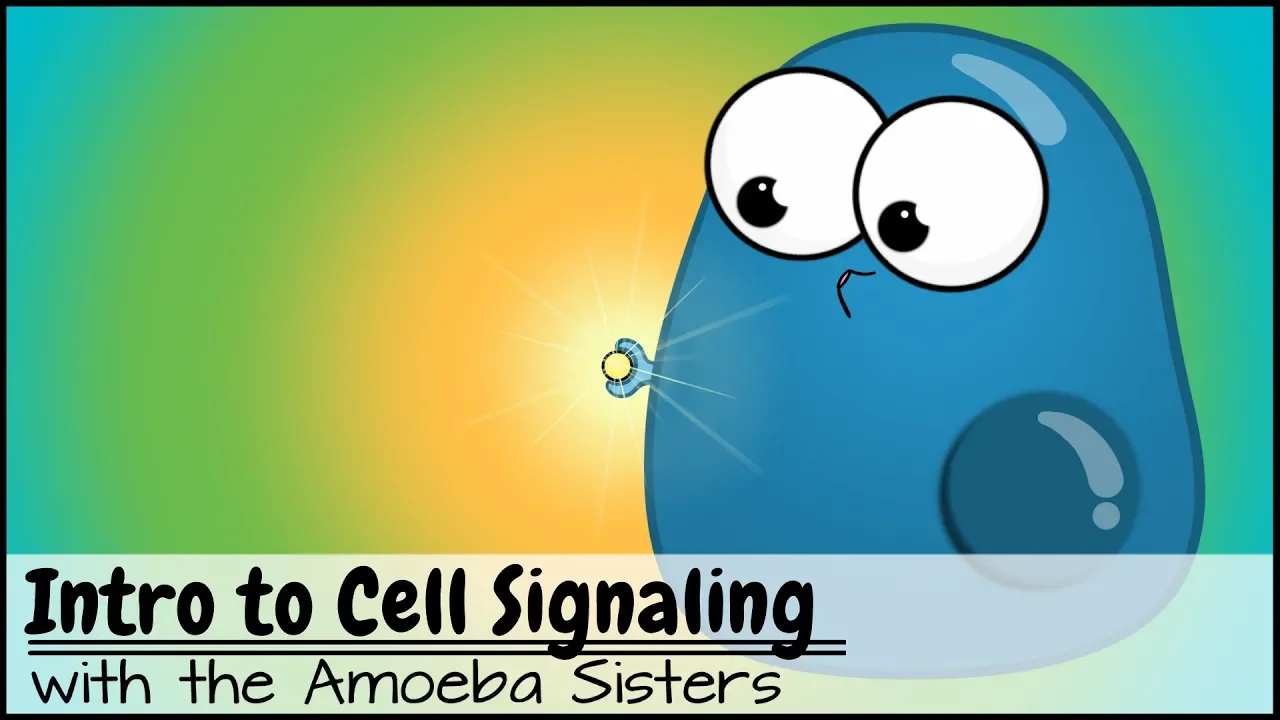
Common Cell Signaling Pathways Explained | Autocrine, Paracrine, Endocrine
Added:To make a multicellular organism, cells must be able to communicate with one another, and to do it cells often send out tiny chemical signals that act on the receptors on other cells.
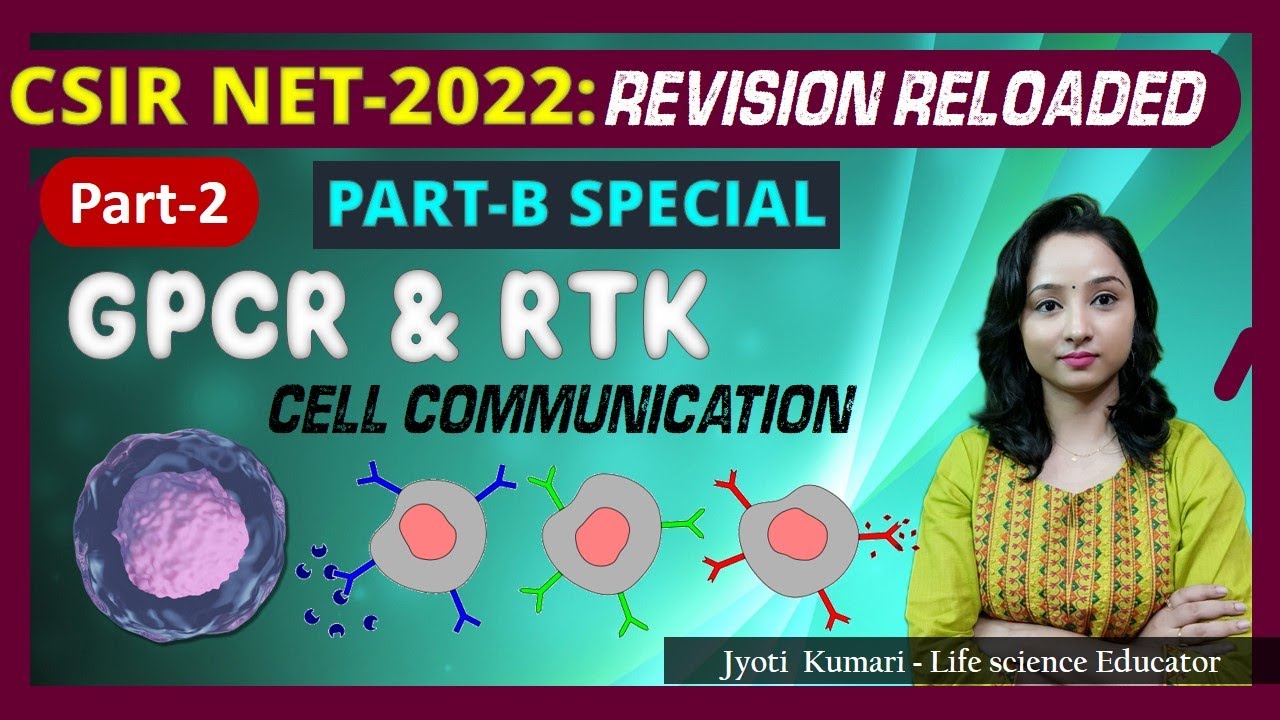
Signals can be classified according to the distance between the signaling cell and the target cell.
Autocrine signals are produced by a cell and go to its own receptors, so the cell sends a signal to itself.
Paracrine signals are produced by a cell and go to target cells that are nearby.
And endocrine signals are produced by a cell and go to target cells that are further away.
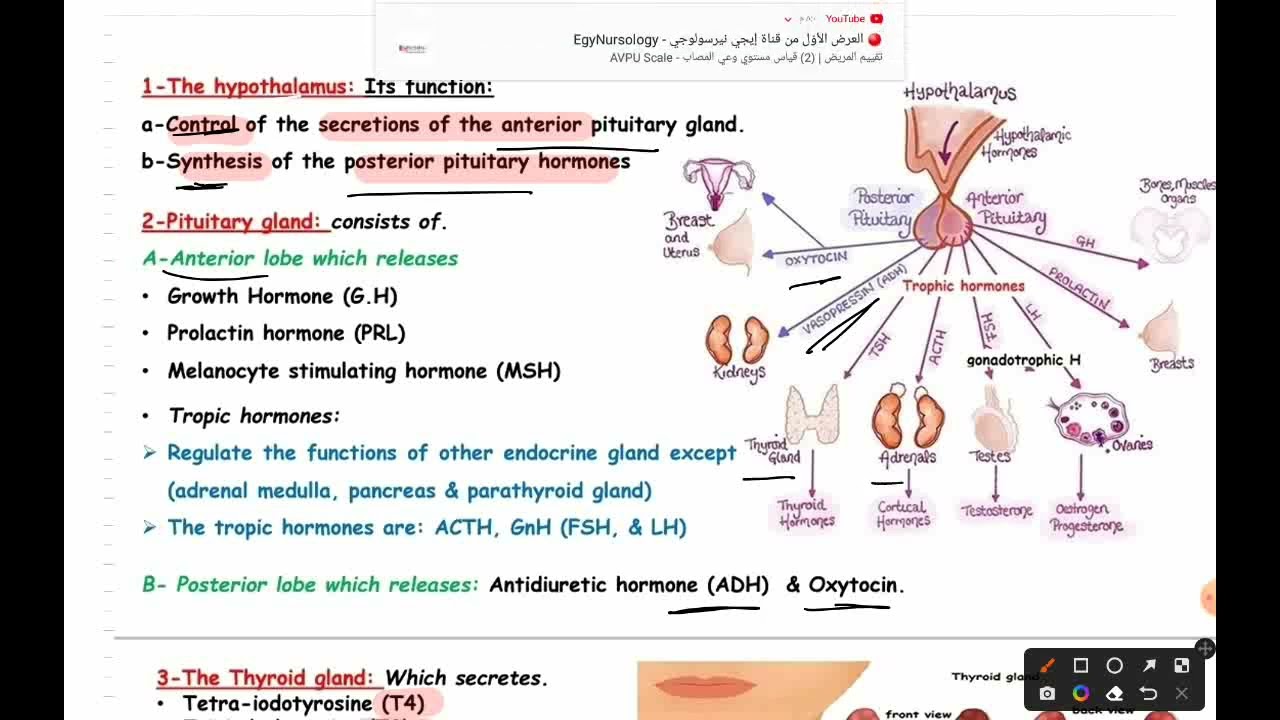
Examples of these include hormones that are secreted into the bloodstream, as well as cytokines that can be released at the site of injury and act on the brain to cause a fever.
Signaling molecules or ligands can be hydrophobic, meaning that they tend to repel water, or hydrophilic, meaning that they tend to stay in water.
Hydrophobic signalling molecules can’t freely float in the extracellular space, so they’re brought to the target cells by carrier proteins.
Hydrophobic molecules can diffuse across the cell membrane and bind to receptor proteins inside the target cell - either in the cytoplasm or in the nucleus.
Most signal molecules are hydrophilic, so they can freely float in the extracellular space to reach the target cells, but are then unable to cross the cell membrane.
So to pass on the signal, hydrophilic molecules bind to receptors on the cell surface.
These receptors are transmembrane proteins, with an extracellular end that binds to the ligand, and an intracellular end that triggers a signaling pathway inside the cell.
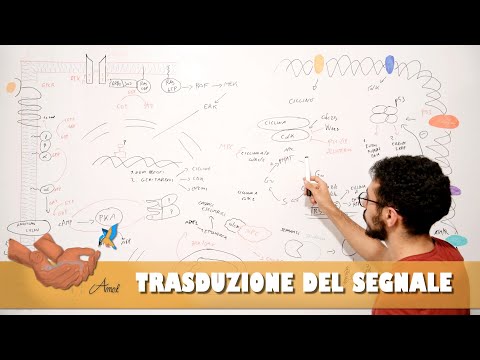
We can think of the cell signaling pathway in three stages.
The first stage is reception, which is when the target cell’s receptor binds to a ligand.
It’s like a key fitting into a lock.
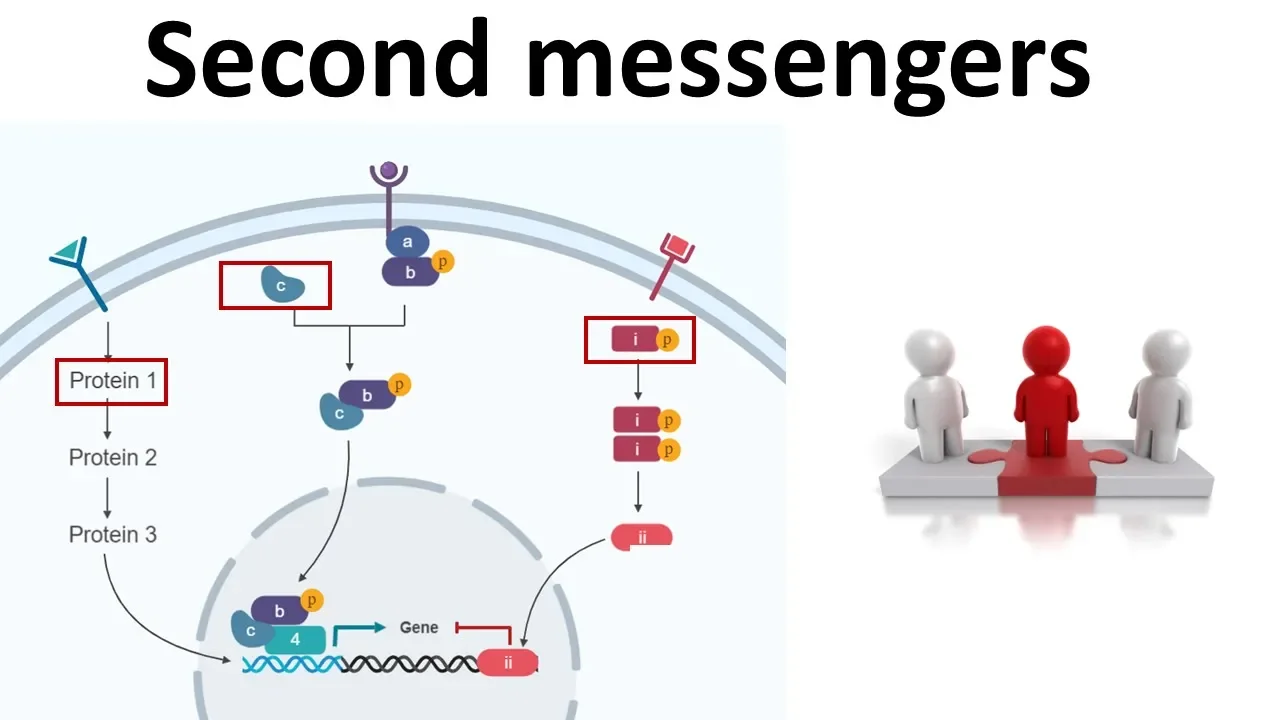
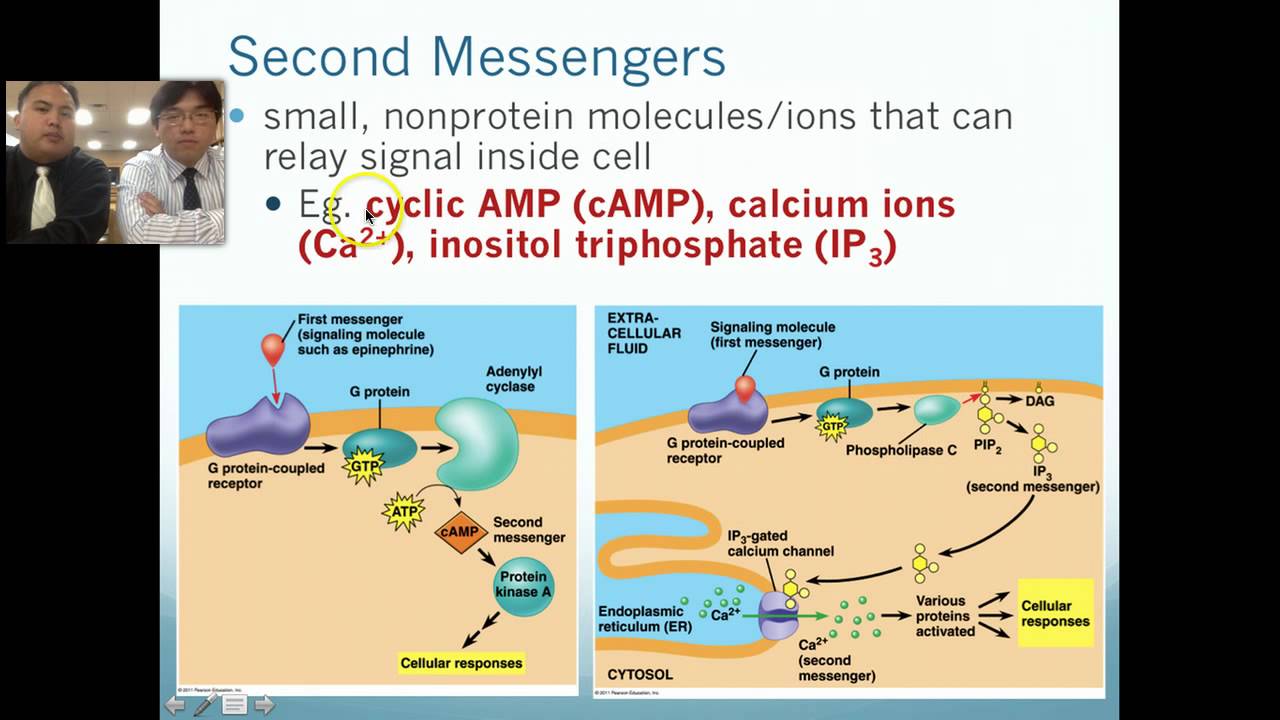
Then there’s transduction, which means that the receptor protein changes in some way and that activates intracellular molecules - the second messengers.
The third stage is the cell’s response to the signal.
Zooming into these transmembrane receptors, there are three major classes: G protein coupled receptors, enzyme-coupled receptors, and ion channel receptors.
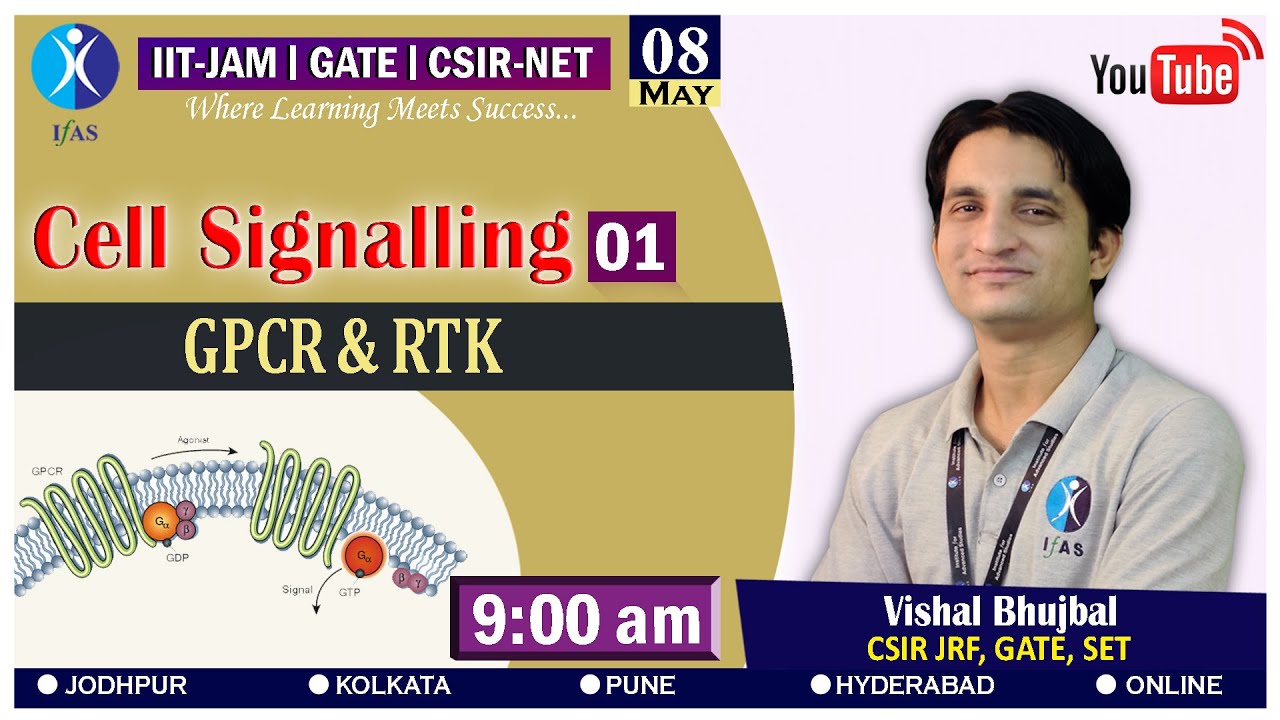
G-protein coupled receptors are seven pass transmembrane receptors.
These are really long proteins that have one end that sits outside the cell and binds the ligand, then the snake-like protein dips in and out of the cell membrane seven times, and finally ends on the inside of the cell.
The end of the G-protein coupled receptor that’s within the cell activates intracellular proteins called guanine nucleotide-binding proteins or G proteins.
G proteins are made up of three subunits called alpha, beta, and gamma, sort of like a flower with three petals.
The alpha and the gamma subunits are anchored to the cell membrane and keep the G protein right next to the receptor.
G proteins bind to guanosine diphosphate or GDP when they’re inactive.
When the alpha subunit is bound to GDP, the three subunits stay together, so the flower is closed.
But when the ligand binds, the G-protein coupled receptor changes its shape, and this allows the G protein to release GDP and bind GTP instead, activating the protein.
When the alpha subunit is bound to GTP, the alpha subunit separates from the beta and gamma subunits, like one petal opening and separating from the others.
When that happens, the alpha subunit is free to interact with other proteins - it stimulates some while inhibiting others.
But, to act on other proteins, the alpha subunit turns GTP into GDP, and when that happens the three subunits come together again - the flower closes - and the G protein is turned off.
Overall, there are three types of G proteins: Gq, Gi, and Gs, and each one stimulates and inhibits a different set of enzymes and molecular pathways.
The Gq protein activates the enzyme phospholipase C, which is found in the cell membrane.
Phospholipase C then cleaves a phospholipid called phosphatidylinositol 4,5-bisphosphate into inositol trisphosphate and diacylglycerol.
Inositol trisphosphate is soluble and diffuses freely through the cytoplasm and into the endoplasmic reticulum where it opens up calcium channels.
Since the calcium concentration is higher in the endoplasmic reticulum than in the cytoplasm, calcium flows out of the endoplasmic reticulum to the cytoplasm.
The increased calcium concentration in the cytoplasm changes the electrical charge of the cell and can lead to depolarization.
Meanwhile, diacylglycerol remains attached to the cell membrane and binds to the enzyme protein kinase C, which also relies on calcium to fully activate.
Once calcium levels in the cell go up, protein kinase C starts to activate proteins by adding phosphoryl groups to them.
Next is protein Gs which stimulates the enzyme adenylate cyclase.
Activated adenylate cyclase takes adenosine triphosphate or ATP, and removes two phosphate molecules transforming it into cyclic adenosine monophosphate or cAMP. cAMP moves throughout the cytoplasm and binds to the enzyme protein kinase A. Protein kinase A has two parts - a regulatory subunit and a catalytic subunit, and cAMP specifically binds the regulatory subunit of protein kinase A. When cAMP binds it makes the regulatory subunit dissociate from the catalytic subunit of protein kinase A. It’s like pulling the pin out of the fire extinguisher allowing it, in this case the catalytic subunit, to do its job.
So after dissociating, the catalytic subunit of protein kinase A is free to phosphorylate target proteins that trigger a cellular response.
Finally, there’s the protein Gi, which is also bound to adenylate cyclase - but in this case, inhibits it, causing negative feedback on protein Gs.
This is particularly important in helping to inactivate cells.
Next are the enzyme-coupled receptors.
They’re usually single-pass transmembrane proteins, meaning that they have only one transmembrane segment, and their intracellular end has intrinsic enzyme activity.
In other words, enzyme-coupled receptors have two parts - one domain is the receptor and the other domain is an enzyme.
Each domain has a separate function, like a swiss army knife composed of both a knife and scissors.
The enzymatic domain is usually a protein kinase that phosphorylates the receptor domain.
Now, there are three main types of enzyme-coupled receptors, based on the amino acid the receptors get phosphorylated at.
The first group are the receptor tyrosine kinases.
These are the most common enzyme-coupled receptors, and there are many subfamilies.
Receptor tyrosine kinase are generally molecules that can’t phosphorylate their own tyrosine side chains.
When a ligand binds, two receptor chains come together and dimerize, and they cross-phosphorylate one another at multiple tyrosine residues.
This triggers a conformational change that creates high-affinity binding sites for the second messengers, which can also be phosphorylated and activated, triggering the signaling pathway.
Next, are the tyrosine kinase associated receptors which work in nearly the same way as receptor tyrosine kinases, and their name even sounds almost the same.
The key difference is that they have no intrinsic enzyme activity.
Instead they’re associated with cytoplasmic tyrosine kinases.
When the receptors bind their ligand, the cytoplasmic tyrosine kinases phosphorylate various target proteins to relay the signal.
Finally, there are the receptor serine/threonine kinases and they have a serine/threonine kinase domain on their intracellular end.
There are two classes of these receptor serine/threonine kinases - type I and type II - which are structurally similar.
Ligand binding brings the two together together so that the type II receptor can phosphorylate and activate the type I receptor, which in turn recruits and phosphorylates various target proteins to relay the signal.
Finally, there are the ion channel receptors which are generally closed, but then open up once they bind a specific ligand.
They allow ions like chloride, calcium, sodium, and potassium to passively flow down their gradient.
This leads to a shift in electric charge distribution inside the cell, triggering a cellular response.
Alright, as a quick recap, autocrine signals target the same cell, paracrine signals target nearby cells, and endocrine signals target distant cells.
Hydrophobic ligands are able to diffuse across the cell membrane and bind to receptor proteins inside the target cell.
Hydrophilic ligands are unable to cross the cell membrane, so they must bind to transmembrane receptors, which have an intracellular end that triggers a signaling pathway inside the target cell.
There are three major transmembrane receptor classes: G protein coupled receptors, enzyme-coupled receptors, and ion channel receptors.
Up Next
The Evolution of Land Animals: How Fish Conquered Land
@hankschannel
2.6M views•2025-07-09
Venom Biochemistry: Therapeutics from Nature's Toxins | Expert Interview
@TheSheekeyScienceShow
1.3K views•2024-08-31

Antibiotic Resistance Mechanisms Explained | Bacterial Defenses
@osmosis
141.6K views•2023-11-30
Bacteriophages: Earth's Deadliest Killers and Future Antibiotics
@kurzgesagt
34.6M views•2018-05-13
Related Study Plans & Knowledge Roadmaps
Structured learning paths in Biology