





















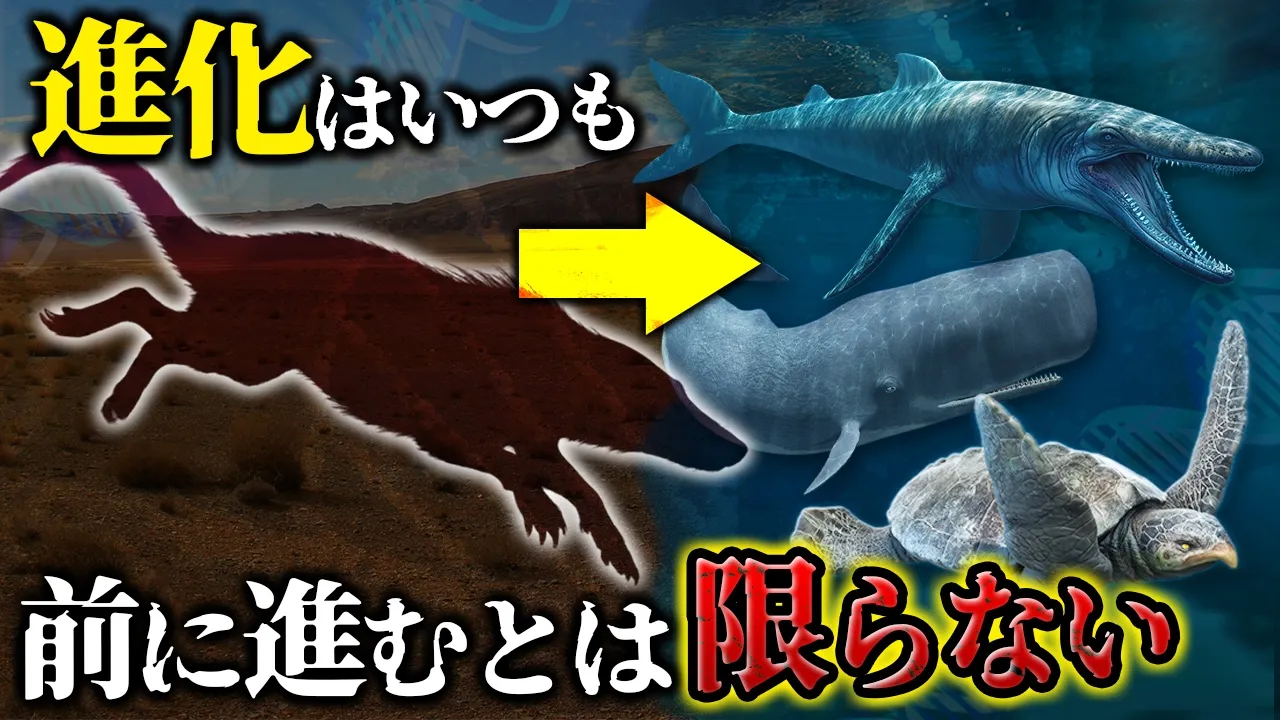




The transition from aquatic to terrestrial life required solving multiple interconnected challenges, but the most difficult adaptation was developing waterproof keratinized skin to prevent desiccation, not lungs or limbs; this adaptation emerged from repurposing cellular keratin proteins that originally maintained cell structure, allowing early land vertebrates to carry the ocean with them and survive on dry land.
The Evolution of Land Animals: How Fish Conquered Land
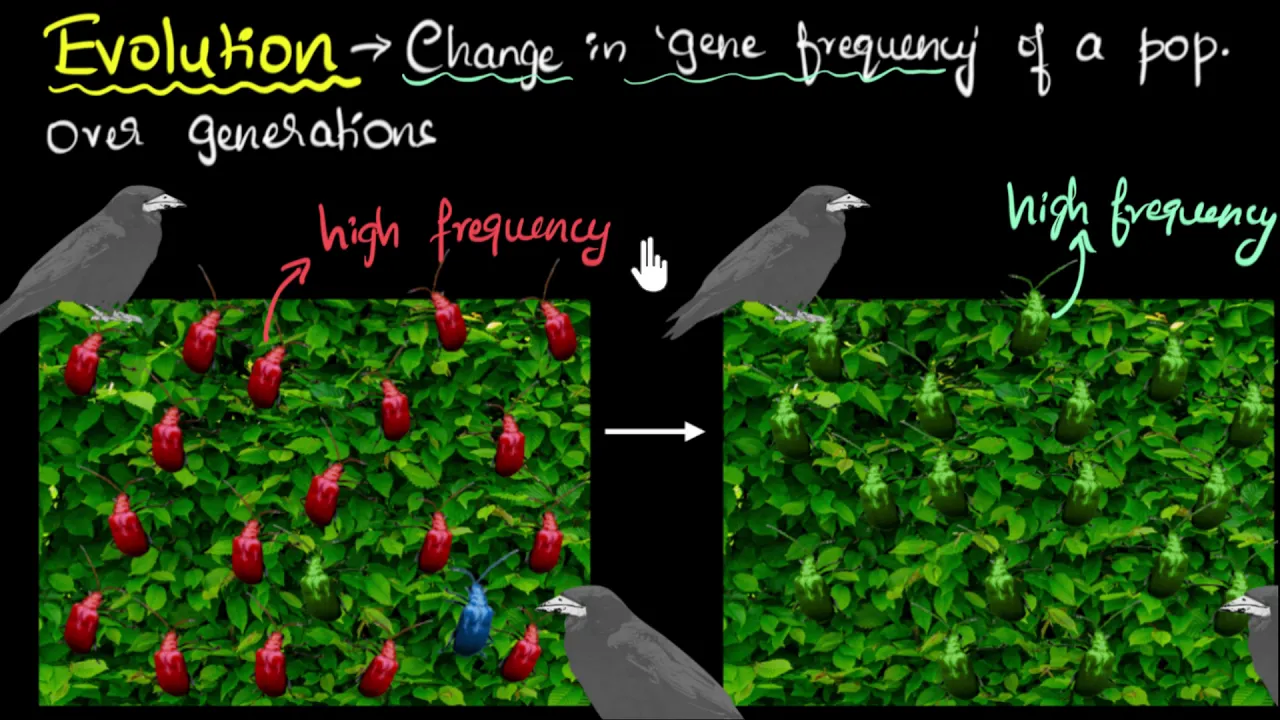
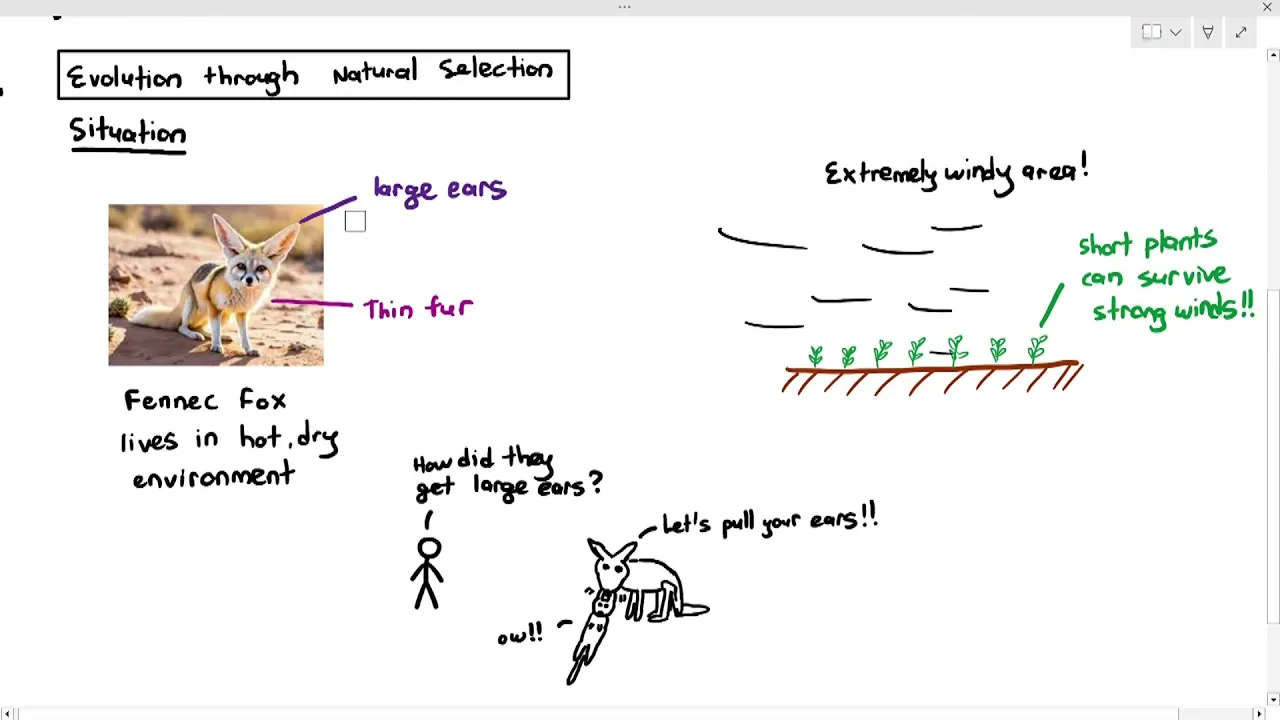
Added:The fundamental principles of evolution by natural selection, including genetic mutation, adaptation, and environmental selective pressures.
Basic aquatic anatomy and physiology, specifically how fish utilize gills for respiration and swim bladders for buoyancy control.
The concept of geological time scales, with a particular focus on the Devonian period when the water-to-land transition began.
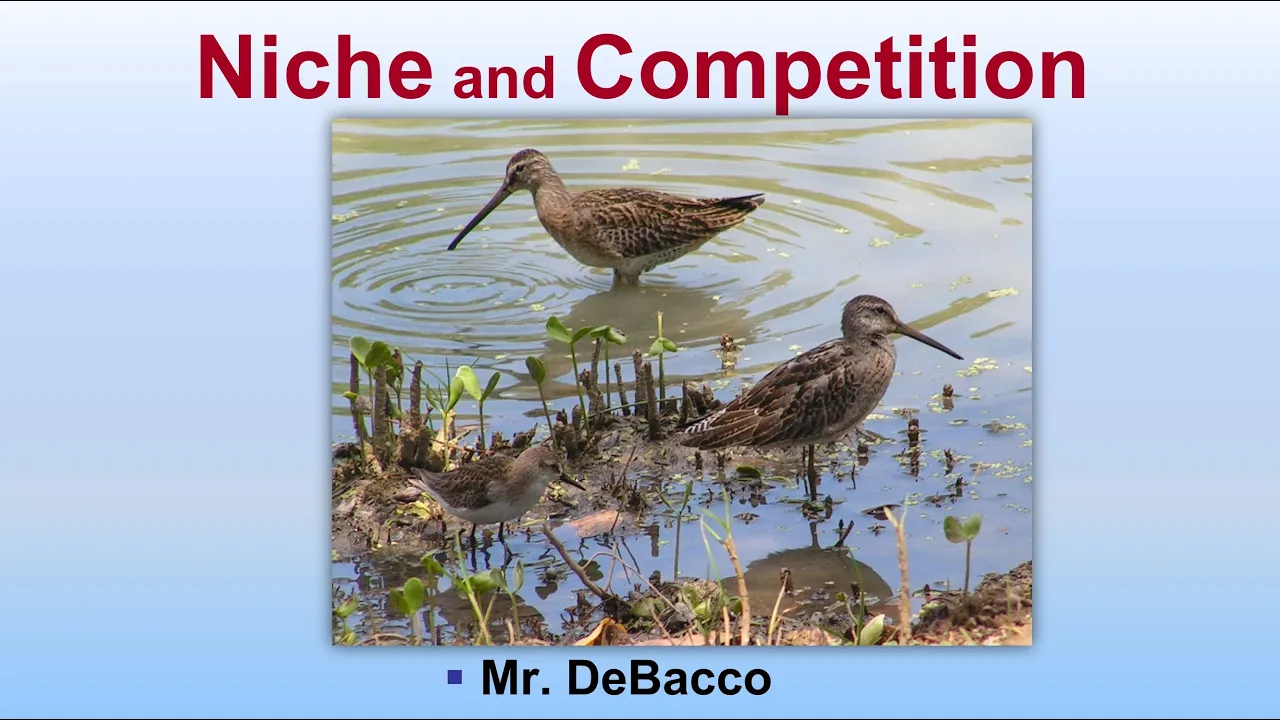
An understanding of ecological niches and how competition or resource availability can incentivize organisms to colonize new environments.
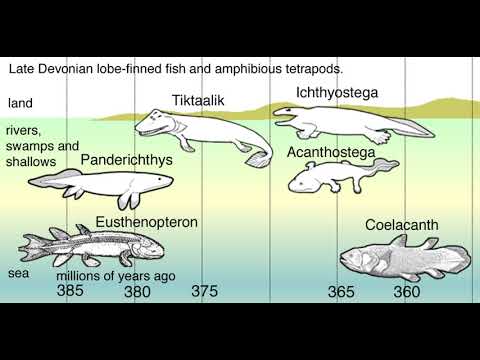
An in-depth study of transitional fossils, such as Tiktaalik, Acanthostega, and Ichthyostega, which physically document the anatomical shift from fins to limbs.
The evolutionary divergence of early tetrapods into modern lineages, including amphibians, reptiles, birds, and mammals.
The structural and physiological adaptations required for permanent terrestrial life, such as the development of the amniotic egg and desiccation-resistant skin.
The phenomenon of secondary aquatic adaptation, analyzing how terrestrial vertebrates like whales, dolphins, and seals evolved to return to marine environments.
2.6M views130.8Klikes20:36Original Release: 2025-07-09
It is just so hard to be on land. Like, we're used to it, but it is kind of amazing that we are doing it. Out here, it's hot. It's bright. Temperatures swing wildly. We're constantly being bombarded by the sun's radiation. Fish don't have to fight gravity to stay upright. They have buoyancy. They don't need reinforced skeletons or tight skin or lungs that won't dry out. Down where it's wetter, there are no freezing winds, no dry heat, no need to worry about desiccating into a crispy fish chip. Also, eggs. Eggs are a huge deal for a lot of animals. And in the water, you don't have to worry about them drying out. But land, land strips all of this away. We are here. We're used to it. We like it this way. But for life, life on land, in the air, under the sun.
At first, it was intolerably harsh.
Moving from water to the land is like moving to an entirely different planet.
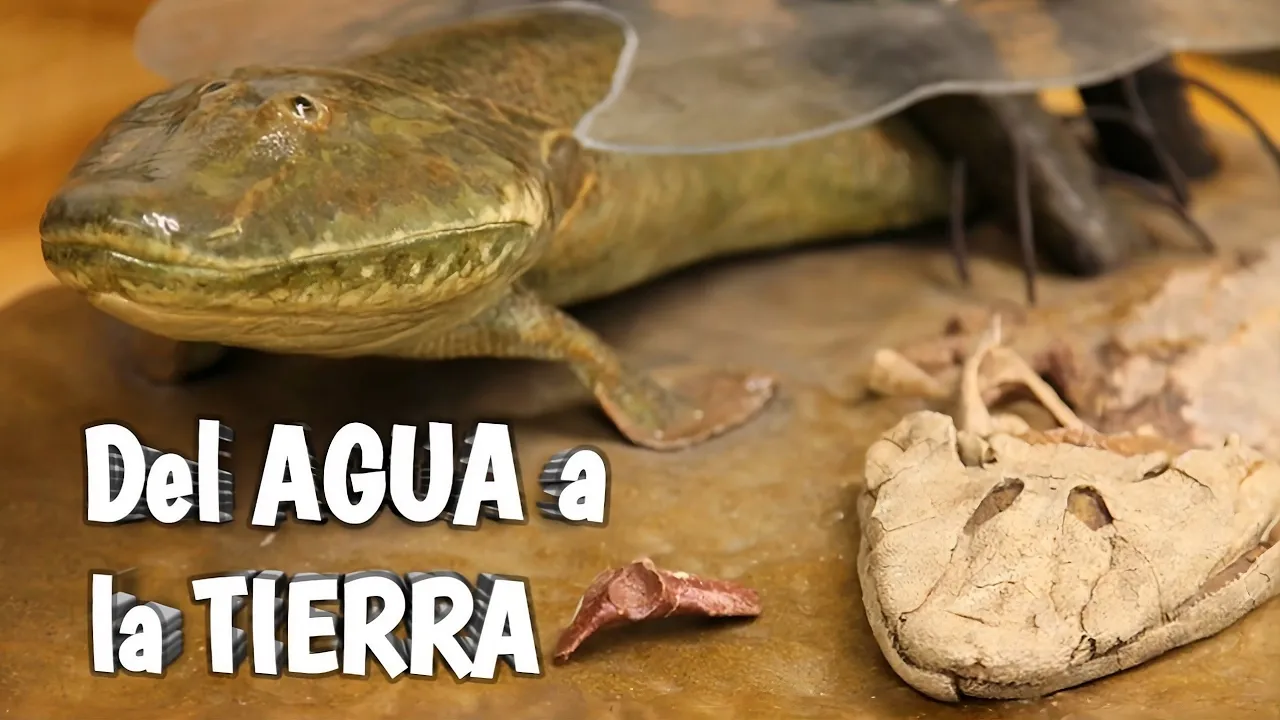
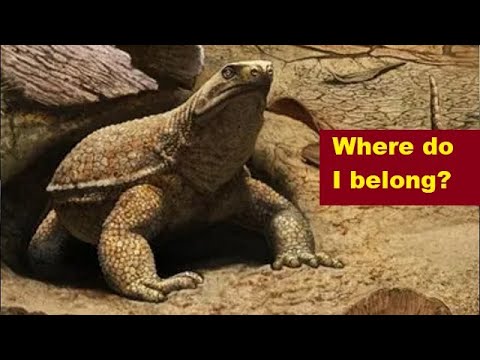
It's a new world out here. A whole new world. That's a different movie. It is a harder, much harsher world. But that didn't stop some fish from getting ambitious. I have recently become obsessed with this. I think I could write a book about this. Unfortunately, I am already writing a book and I do not have time. So, you get a YouTube video instead. The things we needed to do to get onto land are so complex that sometimes I am amazed vertebrates ever did it. And look, it is important to note that for a very long time, we didn't do it. There were vertebrates for tens of millions of years before any of them left the water. And then for millions of years after that, they remained reliant on being near the ocean. The earliest land vertebrates, like this guy, ate digits and lungs, but also gills, a weak rib cage and limbs too flimsy to support its own weight on dry land. They were still basically aquatic, just with legs and lungs. And lungs, we're going to get to this, but you would think lungs are a very big deal. Uh, it turns out not really. I mean, obviously you can't leave the water without lungs, but as we will see, that is not what held us back because these environments are so different.
This was not a single leap from the sea to the soil. This was an awkward climb.
Some lineages tried and failed. Most didn't bother. And the transition only stuck. Like we only really conquered land when we solved a whole bunch of problems in parallel. And we're not going to talk about all of them, but we are going to talk about some of them.
Each one was its own survival puzzle and each one came with its own trade-offs.
So the question isn't how did fish make it onto land. It's how did they immediately not die trying? But this is the thing about evolution. They did die trying. They died so much. Evolution happens when organisms die a lot. That makes it possible for little advantages to win out. And after doing a bunch of research on this, you are going to be surprised by which thing I think was hardest because it was definitely not the lungs and it also wasn't the legs, though they were pretty hard. And that is where we're going to start. So fish fingers, not those actual fingers and actual fish. Fish that are alive right now in the world in the water swimming around have fingers kind of. They're called lobe finned fish and they're built differently from the ones you've probably kept in an aquarium or eaten for dinner. Instead of thin, flexible rays like trout or tuna, their fins are thick, fleshy stocks, little muscular limbs with robust bones inside. And these bones are arranged in a suspiciously familiar pattern. That's right. You can actually identify the radius and ulna of these fish. You could see metatarscils. You could see some digits. And this isn't just like, well, that looks familiar. We actually have direct fossil evidence of these bones moving from lobefinned fishes through time into terrestrial fish-like things like tictalic that were pushing themselves around on the ground. These are animals that were definitely spending some amount of their lives outside of the water. Now, interestingly, ray fish also have made some headway into getting onto land, but not particularly successfully.
Mudskippers are perhaps my third favorite fish. They are not loed, but they can get around on land. They are rayfinned fish, which along with the loed fininned fish is the other kind of bony fish. Mudskippers do actually prop themselves up on their little ray fins and they push themselves around with their little tails. But lacking robust bones in their fins, they never really ventured much farther from the water.
They did however evolve some very familiar tricks for staying out of the water for a long time, but you'll have to wait until the eyes section for that.
Right now, we are talking about limbs.
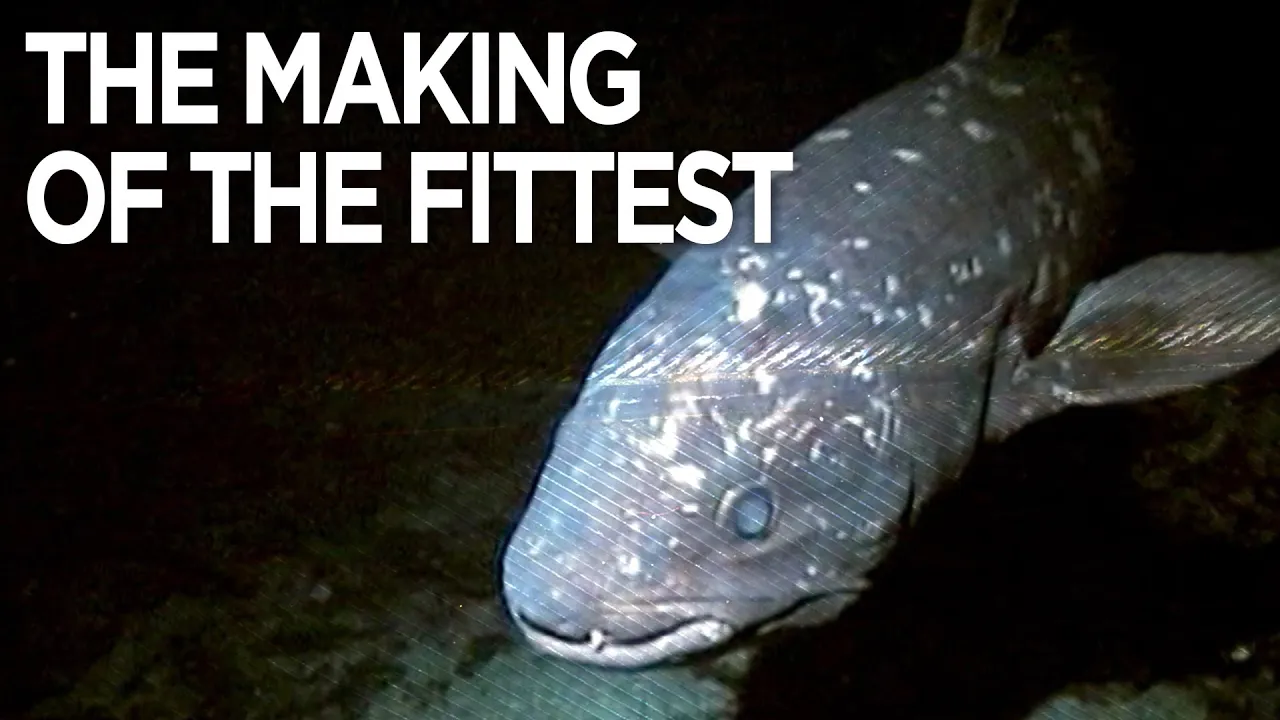
These fleshy fins with big bones were vital for getting on land, but they appeared to have been a drawback since there are now only three lineages of lobefinned fish. The celicants, the lungfish, and a fairly successful lineage of all land vertebrates, the tetropods, or as I like to call them, landfish. You, me, eagles, dinosaurs, landfish. This is where the fish don't exist science fact came from. If you try to create one taxonomic group that includes all of the fish, you necessarily have to include all of the terrestrial vertebrates. Celicants now live quite deep. They go nowhere near the land, but they evolved from fish that spent some of their time on land, which is why they evolved those bony fins both in the front and the back.
Limbs were very important. I guess you know why, but because of gravity, which is a terror. And fish in the water don't have to worry about gravity because of buoyancy. They can just get as big as they want, which is very nice for them.
So, a secret. We're talking about fish moving onto the land in this video, but a lot of what we're actually talking about is neofunctionalization.
This is where some old structure or a protein or gene in an organism is adapted for a new function. I have just said the word neofunctionalization too many times and now I feel like I need to figure out what the root of that word is cuz I would think it would be function.
But shun makes me think that the root is funk. So now I need to look that up from the nominative Latin funio performance on execution noun of action form fund.
Funct past participle stem of fungi not related by the way to the fungus from the protoindo-uropean bung to be of use or be used and curiosity satisfied. Back to the video. Neofunctionalizing the loed fins into legs was very hard. The bones had to get thick. Lots of muscle attachments needed to evolve. It had to happen on both the front fins and the back. But all of this kind of makes sense. You can see the bones and what they turned into. Now, let me hit you with a harder one. Eyes. So, eyes very useful. And it is amazing that we have a literal evolved lens in our eyes. And look, since we're talking about neofunctionalization, the genes that coded for the proteins that neofunctionalized into the vertebrate eye lens are descended from genes that coded for proteins called alpha crystallins. Did alpha crystallins initially evolve to become these transparent eyeens proteins? No, the eyeens proteins neofunctionalized from proteins that help other proteins not come unraveled when they get put under stress from heat or UV light. So they're basically like heat stress protection proteins, which has nothing to do with eye lenses. We still have these in our bodies now, but if you stack them, it turns out they're transparent and so they got neofunctionalized into lens proteins. But more important for this story, they did that in such a way that bent light basically the same amount as water. So when light went from water into the eye, that light kept going basically straight. But air, air is a whole new optical game. It bends light less than water. And fish eyes evolved to see in water. Fish eyes can't see out of the water, just like we can't see in the water. The fact that your vision gets blurry in water is not because it's like putting pressure on your eyes or something. It is actually because the light bends when it moves from the water into your eye. And it bends in a way that your eyes are not set up for. So to fix the fact that fish couldn't see well on land, early land vertebrates had to rework the physics of their eyeballs.
And it turns out that easier than changing the refractive index of the lens was curving the cornea. So our lenses actually are still evolved to see in water, but the shape of the eye has changed to compensate for that. We also developed muscles that squeeze and shape the lens. Fish eyes actually focus by moving the entire lens forward and backward like a camera lens. While landfish, like us, squeeze and stretch the lens with tiny muscles. We basically had to reinvent autofocus. Also, fun bonus fact. Air dries things out, but your eyes need to be wet. So now you need eyelids and tear glands and drainage systems for your eyeballs and pigmentation to protect your retinas from solar radiation. You know, just a whole new category of problems. So yeah, fins into legs was hard, but turning underwater cameras into air adapted self-lubricating solar shielded shape-shifting binoculars in my opinion harder. Also, you know who else independently evolved eyelid like things? Mudsk skippers. Which is, I think, why I like them so much. They just look a little more like interesting and alive when they can close their eyes. But, of course, they did this in a totally different way that neofunctionalized different parts of their body. Mudskipper eyes blink by pulling the eye down into the body and having a flap of skin that automatically covers them when that happens. So, there's way more here and I would really love to talk about it, but this is a YouTube video and not a book. And as much as I would love to write this book, I don't think it would be particularly easy to get people to buy it. So, I'm not going to do hearing or eggs or sex or heat or protection from UV radiation.
All of which are definitely interesting.
And the last one's going to be lungs.
We're going to get to lungs and it's going to be interesting and you're going to love it. But the next one, the next one is actually, I think, both the most interesting and the most difficult of all of the evolutions that had to happen for us to take on the land. And I don't know, perhaps people won't want a book, but maybe they will want a shirt. So, I didn't actually talk about this when I was recording the video, which is the kind of mistake I would make. But, I commissioned an artist to make a shirt featuring a bunch of fish going about their daily business being like doctors and vacationers and crossing guards and business people. And I didn't record that during the video. So, here I am recording this right before I upload from my brother's guest room. But only for the next two weeks. After years of owning a merch company, I know how to do this. You can order the shirt for two weeks. At the end of those two weeks, we close orders and then we print that exact amount. That way, we don't print too few and we don't print too many and there's no waste. However, this does mean that it will not be available after the pre-order window is over. Okay, and now you know that it's time to go back and explain these words and also the part of this story that I am most excited about. Harder than seeing or breathing or defying gravity. Land is dry. It is so dry. And life, as everyone knows, is wet. The fundamental solvent of all living chemistry starts evaporating the moment you step out of the water. And life needs it. Every cell in your body is basically a squishy little aquarium full of the ocean we originally evolved in. But if there's water on one side and air on the other, the natural equilibrium is going to push toward the same amount of water inside and outside. And that means instant death on land. You don't just need to drink water. You have to hold on to it constantly. As landfish moved away from the water, their entire existence became a game of minimizing leaks and evaporation. This is a massive problem because remember, evolution doesn't build new things from scratch. It remodels. Your ancestors weren't blank slates crawling out onto the beach. They were fish covered in scale and skin designed to let water flow through it, gasping in an atmosphere that evaporated their bodies one molecule at a time.
Life couldn't happen without water. So, our ancestors had to somehow carry the ocean with them out of the water and onto the land. As the shirt says, we never left the water. So, how do you do that? Well, if you need to carry the ocean out of the water with you, you have to make your skin waterproof. You have to build yourself into a water balloon. And nothing in the biochemical arsenal of fish was up to this task. But there is a protein-based structure that all land vertebrates have. All of us, frogs, birds, snakes, people. And no fish have it. This is by my account actually the most important evolutionary adaptation that allowed fish to take over the land. It is the adaptation that made it possible for us to carry the ocean out of the ocean. Caratinized skin. This is keratin, a tough fibrous protein stuffed into the outermost layer of skin where the cells are already dead and sealed shut. It along with collagen and some other structures forms a flexible armor against evaporation. It's waterproofish, microbresistant, flexible, and surprisingly expendable.
And when I found out about this, I assumed that keratin would have evolved from some other structural protein like collagen. But collagen could not do this on its own. It's too squishy. It's too porous. It's not strong enough.
Apparently, there was no path to neofunctionalize collagen into something as strong as keratin. But fish also have bone, but that is too stiff. And if you just make bone plates, the spaces between the plates would lose too much water. We needed something that was flexible and stretchy and that was tough and waterproof. We had to invent an entirely new structural system seemingly from scratch. And this was a huge mystery for a while. Collagen and keratin are just too different to be coded for by related genes. So, we knew that it wasn't that. What we found blew my mind. Fish actually do kind of have keratin, but it has a very specific purpose that has nothing to do with the skin and hair and nails that we use it for. Fish scales are not made out of keratin, but there is keratin in their bodies somewhere. Their cells have it in long strands that build the internal structure of their cells. It's part of the stuff that gives cells their shape and their mechanical strength. Our cells have this cell skeleton keratin inside of them too. Doing this, these keratens are a vital part of cellular structure.
But when fish needed to take over the land, a weird new function evolved. Fish whose skin cells had more keratin in the cell could carry more water around, evaporating less. Eventually, that evolved into an even more structural function where the cells would fill almost entirely with keratin and then release all of their water into the body, sticking together along with some collagen binding proteins to form this tough, thick, but still flexible skin.
Keratinized skin is, in my opinion, the most important adaptation that allowed fish to conquer land. Evolution took the initial cellular scaffolding and started plastering it onto the surface of the organism. That's neofunctionalization again. Your inner support beams repurposed into outer armor. I love this so much. And once keratin started being used in this way, evolution just went nuts with it. Scales, claws, beaks, feathers, horns, hair, foot pads, little toe beans. If it's solid and it came out of the skin, it's probably keratin. And the best part, even frogs have it. Just enough to keep them from leaking, but not enough to stop some air exchange through the skin. Amphibians usually don't have lungs or skin good enough to handle land on its own. They make it work with a thin leaky compromise that they periodically shed and consume.
That's not really related to anything in this episode, but it's a good fact cuz you know, life sometimes means recycling your own raincoat by putting it inside of you and turning it into fuel. Now, I need you to know that this is not an exhaustive list. There are a bunch of things that I know and I'm not telling you. And also, I'm sure stuff that I don't know about this transition and the physical, genetic, and biochemical leaps required. But this video is already getting quite long. But I feel like it would be a real problem if I did not bring up lungs. But the thing I didn't realize about lungs until I started researching this is that they didn't initially evolve to help with the transition to land. Lungs evolve as early as 420 million years ago in the ancestor of all bony fish. This blew my mind. But this makes a ton of sense. It takes time for oxygen to diffuse into water. There's way more oxygen in the air than there is in the water. And sometimes, especially in muddy, shallow areas, all the oxygen in the water can get used up. If you're a fish, living in that muck, having a little air sack that lets you gulp atmospheric oxygen is a massive survival advantage. But you can still ask, what structure was neofunctionalized to form the lungs, and it's just the gut. It's the digestive system. Crazy thing, this actually works a little bit for people right now. In certain very strange circumstances when ventilating the lungs isn't possible, scientists have investigated whether filling the rectum with oxygen could help keep a patient alive. Just oxygenating some wet internal tissue that has lots of blood vessels can result in some gas exchange that could help keep a person alive. But our ancestors didn't do this through the rear end. They did this through the mouth and into the gut. Which is why to this day we breathe and eat out of the same hole. Even though this does sometimes cause problems, even with basically zero change, gulping some air into the gut would result in some small amount of extra oxygen in a fish's blood. This is why I say this wasn't actually that big of a deal. It's evolutionarily very obvious and a small increase in function leads to a large survival advantage. So, you would expect to see it, which is why it happens so early and so many times, which we will get to in a moment. That air sack off the digestive system is the proto lung.
just pouches branching off the gut with enough blood vessels to absorb oxygen from the air. But the weirdest thing possibly in this whole video is that obviously lots of fishes don't need lungs. But it turns out to be super useful to have a pouch of air inside of them for controlling their buoyancy, which is why they have swim bladders.
And if you had asked me a couple of months ago, I would have definitely said, "Well, lungs must be a neofunctionalized swim bladder." Swim bladders are things that water fish have, and lungs are things that landfish have. and water fish came first. So, swim bladders must have come first. But no, y'all, swim bladders are neofunctionalized lungs. I don't know if this is as cool to you as it is to me, but I literally ran to my wife when I found out about this. But then fish that had lost their lungs, sometimes turning them into swim bladders, occasionally would need lungs again, which is why air breathing in fish has evolved like dozens of times. There are many different ways that they do it. Catfish have a gut pouch that isn't related to the original lungs. Mud skippers can trap air in their gill areas and have special muscles that stop their gills from collapsing in air. Betta fish have a special high surface area pouch that branches off from the interior of the gill that fills with air. But the lungs that we breathe into are based on the same lung structure that evolved in the original bony fish more than 400 million years ago. Lungs were around for so long before vertebrates got on land that even though I think most people would consider them the number one thing fish would need, I'd actually put it pretty much last on the list cuz it wasn't just evolutionarily inevitable. There have been fish with lungs for as long as there have been fish with bones. Oh, also this is why sharks don't have swim bladders because swim bladders evolved from lungs and lungs evolved in bony fish and sharks aren't bony fish and only fish with lung ancestors have swim bladders today. The reason I got obsessed with this is that there's something really beautiful behind this quirky little science fact that either people are fish or fish don't exist.
Like if you're in sciency spaces, fish don't exist is one of the best little fun little science facts. It's just three words long and it sounds really fake, but it turns out that it's basically true. And there are ways in which this fact isn't even true. Like if you instead of looking at ancestry, you look at physiology or lifestyle. Fish are just aquatic vertebrates. Though people are generally pretty big sticklers about whales not being fish.
So, like if whales aren't fish, then fish don't exist. That's my opinion. You could complexify the physiological definition of fish and say that they can't breathe air, but that doesn't work cuz there's lots of air breathing fish.
I say, and I'm sorry for getting into this. I could do a whole video on it.
Doesn't really belong in this conversation. I think whales are definitely fish. They're either fish because we're using a physiological definition, in which case, whales are aquatic vertebrates, or they're fish because we're using a taxonomic definition that's based on ancestry, and they, like us, are evolved from fish.
And so I'm comfortable saying that if whales aren't fish, then yeah, fish don't exist. But that's not my point.
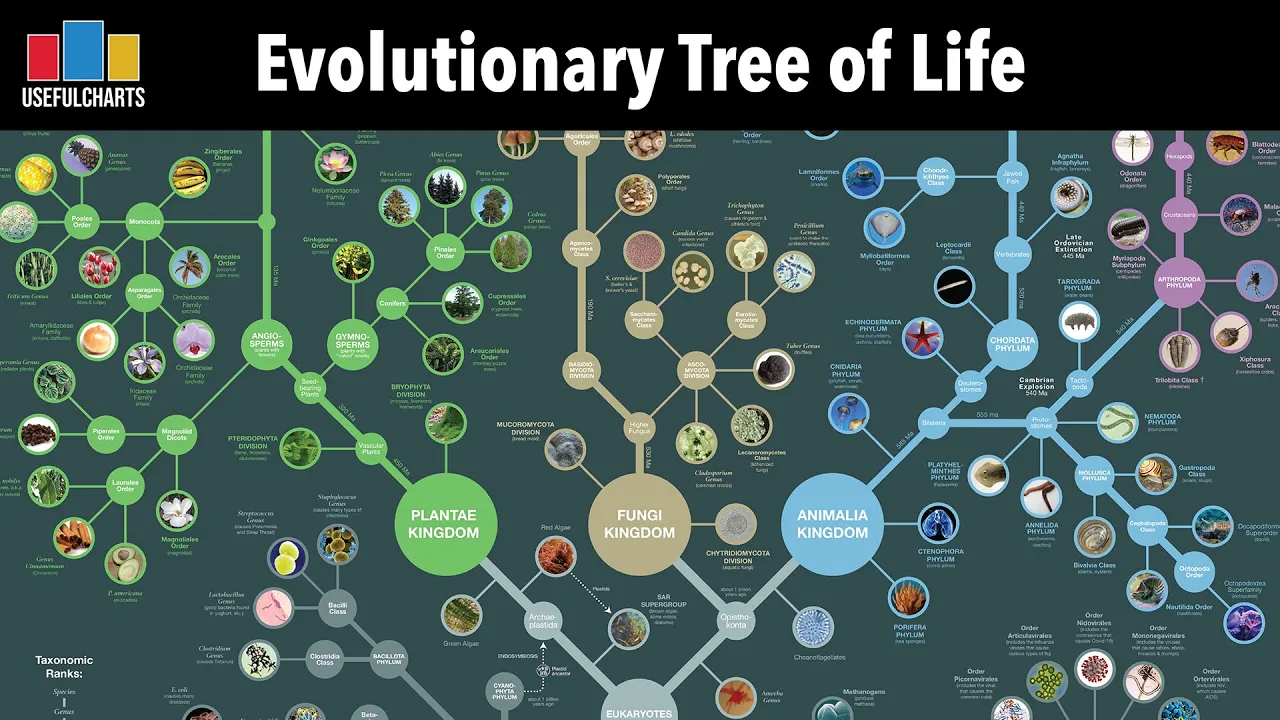
That's not the thing that's like filling me with this excitement of knowledge right now. My point is that there's this cute little fact that because we are more closely related to bass than bass are to sharks. Then the reality is that humans and dinosaurs and frogs and eagles are all just super weird fish covered in keratin and sucking air into their lungs. But there's something really big there that every one of those species and every one of us originated in the ocean. And we can see that not just in the salty water we lock inside of our bodies to carry around our entire lives, but also in our physiology, in our eye lens that has the wrong refractive index, in our lungs that branch off from our digestive system, and in our skin built out of a protein that originally evolved not to hold together a body, but to hold together a cell. If you see this whole story the way it really is, you realize that fish don't exist isn't the fact. The fact is you are a fish and you never really left the water. You carry the ocean with you everywhere you go. Physically in yourselves, but also ancestrally in your genes and your physiology. I am obsessed with this and I hope that you are too.
We never left the water. Also, if you have questions about any of this or corrections or things you'd like to argue with me about, please leave them in the comment. I'll make a follow-up video. And also because this was such an information dense episode, I do actually have references for this one. That's all in the description. Again, the shirt designed by Matias Ball is available for the next two weeks. You order it during the pre-order window, we close it down, we have all the orders, we know exactly how many we have to ship and there's no waste. It looks really good and it is cozy and it tells this story that I have become so obsessed with. And I really do honestly love that I get to commission artists to make things that I want there to be in the world. So check it out.
There is of course a link in the description.
Up Next

84:26
Snake Venom Toxin Evolution: Venom Gland Diversification
@propgpqunifesp
176 views•2022-02-11

41:46
Venom Biochemistry: Therapeutics from Nature's Toxins | Expert Interview
@TheSheekeyScienceShow
1.3K views•2024-08-31

5:35
Enteric Nervous System Explained: The Gut's Brain | Neurobiology Lecture
@alumniu6029
438 views•2018-09-12
7:08
Bacteriophages: Earth's Deadliest Killers and Future Antibiotics
@kurzgesagt
34.6M views•2018-05-13
Related Study Plans & Knowledge Roadmaps
Structured learning paths in Biology
biology
Analyzing Animal Venoms: Genetics & Pharma
01Molecular Biology & Physiology Foundations
02Venom Evolution & Toxin Gene Recruitment
03Neurotoxins & Ion Channel Pharmacology
+ 2 more learning modules
18h5 modules
Explore Roadmap
biology
RNAi: Biogenesis, RISC & Gene Silencing
01Molecular Biology Foundations: DNA to Protein
02Introduction to RNA Interference (RNAi)
03Molecular Biogenesis of miRNA and siRNA
+ 2 more learning modules
10h5 modules
Explore Roadmap
biology
Mycorrhizae: Signaling, Biophysics & Ecology
01Foundations of Mycorrhizal Symbiosis
02Molecular Signaling and Root Colonization
03Biophysics and Bioenergetics of Nutrient Exchange
+ 1 more learning modules
11h4 modules
Explore Roadmap
biology
Circadian Clocks: TTFL, SCN & Periphery
01Foundations of Molecular Biology & Gene Expression
02Introduction to Chronobiology and Actograms
03The Core TTFL: Molecular Architecture of the Clock
+ 3 more learning modules
14h6 modules
Explore Roadmap