



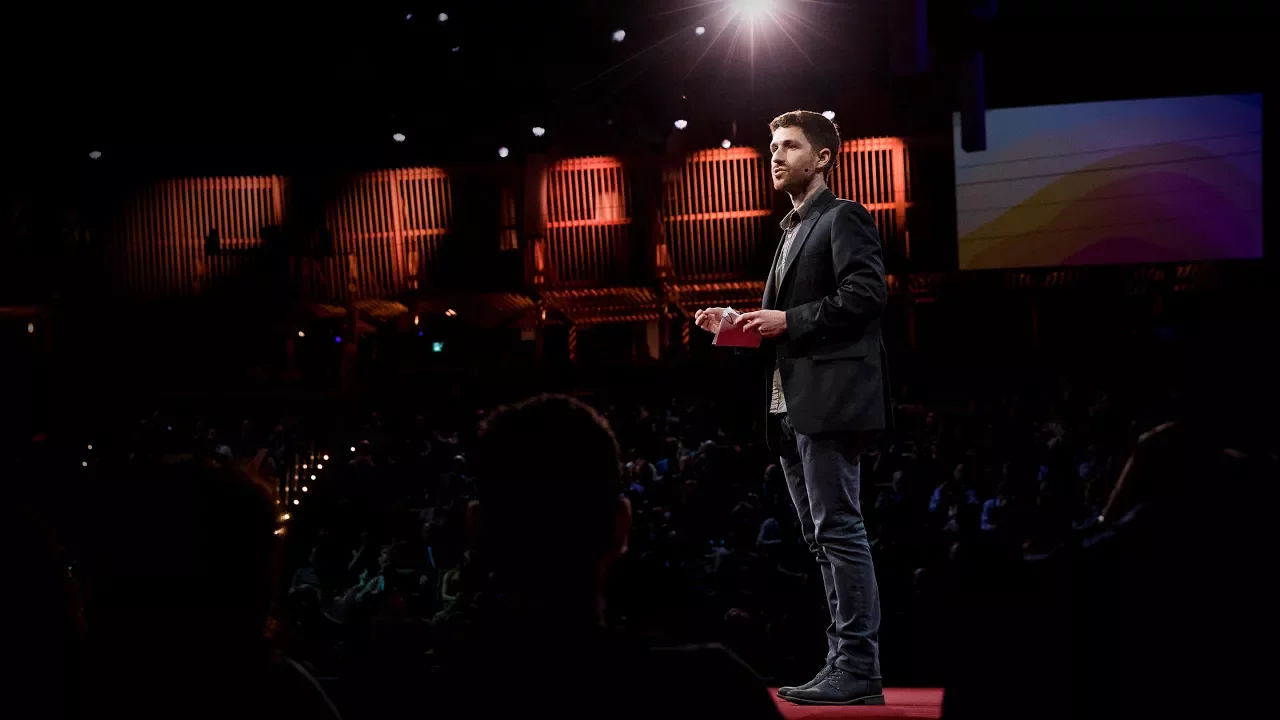

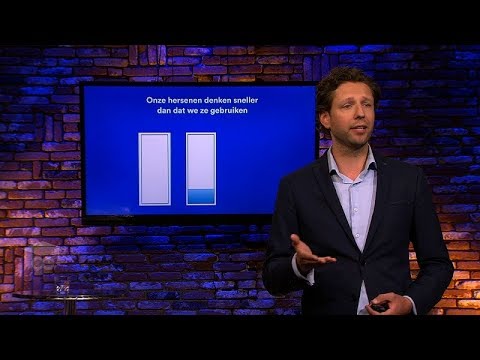

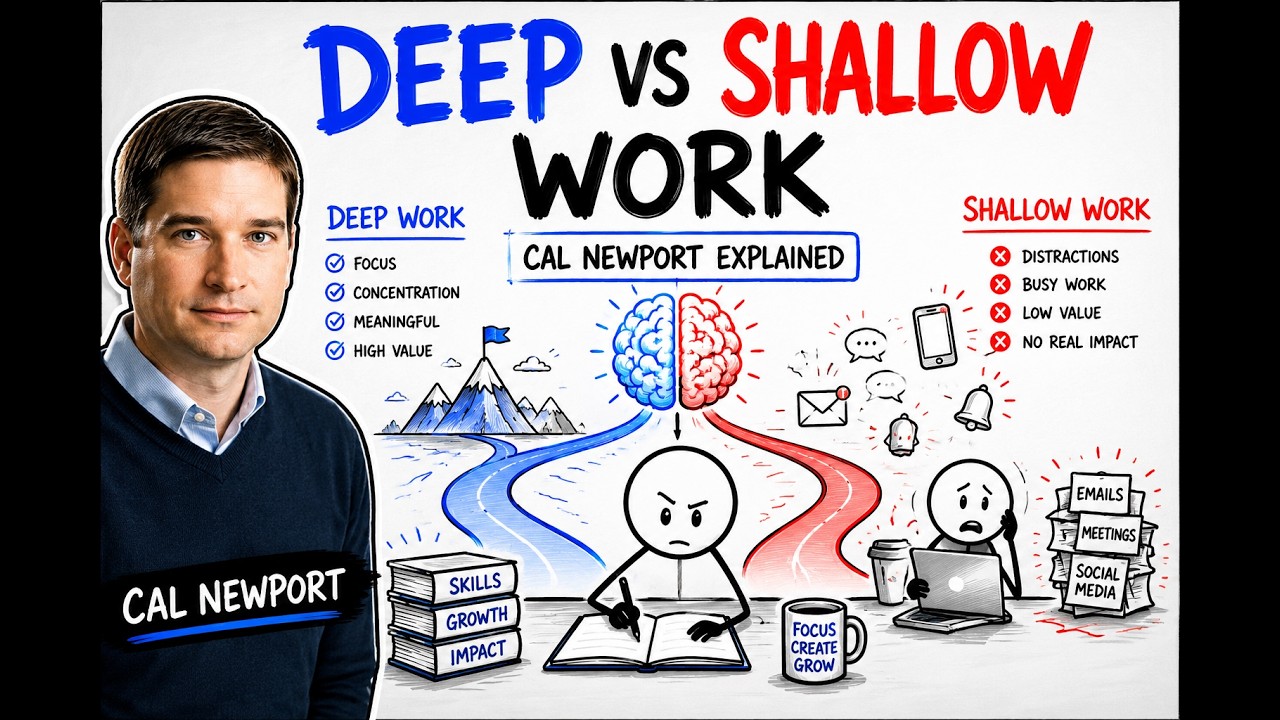

















Technology companies design products with psychological hooks that exploit human vulnerabilities, making it increasingly difficult to resist screen time and maintain focus. The average person spends 4-7 hours daily on devices, with phones constantly accessible to 75% of adults. This constant connectivity creates 'attention residue' that impairs cognitive performance and reduces the ability to engage in deep, focused work. Deep work—the ability to concentrate intensely on complex tasks—is a critical skill in the knowledge economy that enables rapid learning and meaningful productivity. To reclaim attention, individuals should implement strategies such as scheduling dedicated deep work sessions, creating physical and mental rituals to signal focus time, embracing boredom to train the brain to tolerate it, and surrounding themselves with supportive environments that minimize digital distractions.
Smartphones and Deep Work: How Digital Distractions Affect Focus
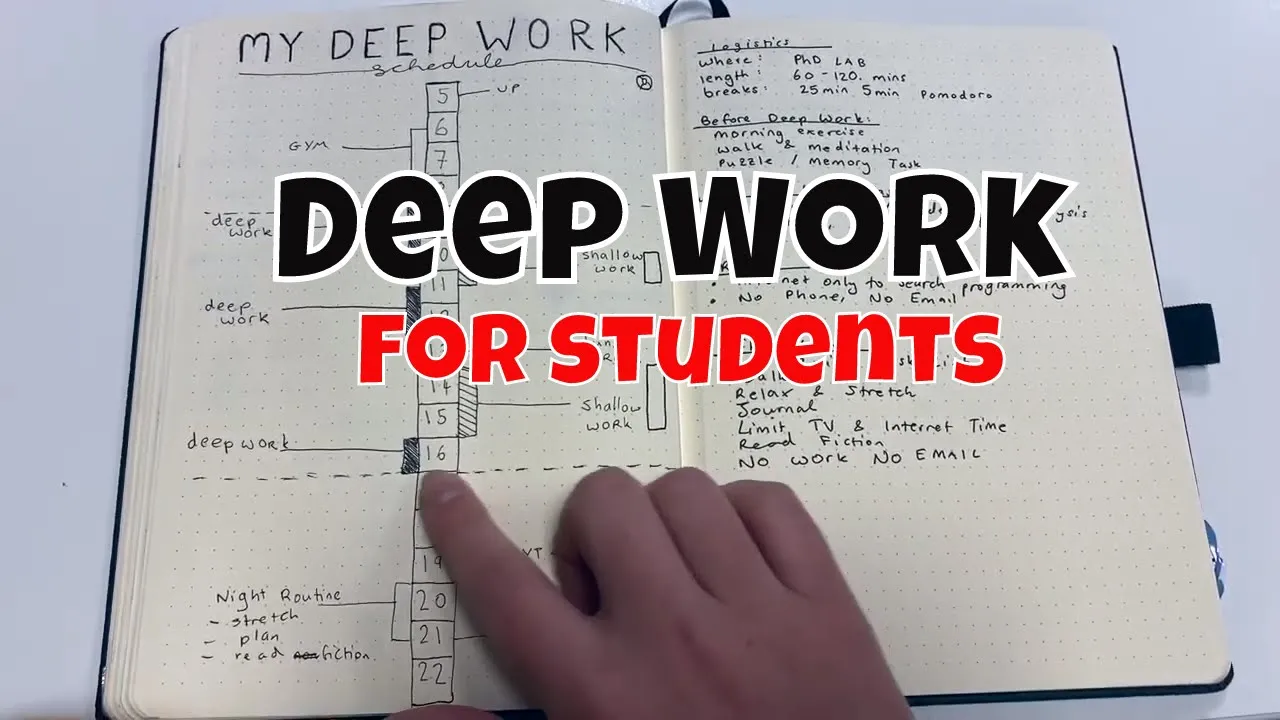
Added:I want to talk about how our smartphones might be making us Dumber so it's specifically phones themselves that lift us out of the here and now and basically they divide our attention they take a part of us and and put it somewhere else the ability to learn quickly is one of the key superpowers that deep work provides you if your brain has been taught I always get stimuli when I'm bored it's not going to tolerate deep work when the time comes it's a little bit like going fishing and you you're kind of you're lowering the hook into the water and you're trying to make it as attractive as possible for the fish and so if you can put a lure on it so that you've got maybe some flashy little feathers and things going on that that light up when the fish swim by you're more likely to catch the fish and when when you're building a tech product there are certain hooks or lures that you can build into your product in the same way it's like CH picking and choosing from a toolbox or a tackle box and and they're all there and you just have to to build them in you just have to make them a feature in your program and as as the people who are developing software and apps become more sophisticated they become better at kind of naturally folding these tools into into their programs and as a result with each additional tool the platform becomes more difficult for us to resist and that's where the title of the book irresistible comes from it's this idea that if you weaponize a program you you start to embed these hooks in that program it becomes irresistible to us and that's why we went from 18 minutes a day to four five six seven hours a day now right and those hooks include obviously all of the social media apps and Dynamics with those email texting the list goes on and on on and I when I read this in the book I literally thought about humans I pictured it I'm a very you know visual person a bunch of us swimming around like fish with our stupid fish faces and you know like we're swimming in an environment that has far more hooks than water yeah and wondering why we're getting caught up so yeah true totally crazy now one of the things that and I told you this before the show I literally put the book down I had to go for a walk after I read this but you shared a story demonstrating how just the presence of your phone affects our ability to connect with other people can you talk about that yeah the phone is basically a portal to another world right and so when you see a phone it reminds you of all the things that you do with the phone so if you're a social media person you're going to start thinking Facebook Instagram Twitter Snapchat whatever other apps you have you might be thinking email WhatsApp uh text messaging uh education programs whatever the things you do on your phone are when you see your phone you reminded of all of that and it removes you from the here and now and so one of the effects is that if I meet someone for the first time imagine we sit across from each other at a table and we have a conversation if we do that and there's a phone sitting on the table even if it's not turned on just the fact that the phone is sitting there we will draw a weaker connection between ourselves we're less likely to form a bond and we're more likely to say that was that was kind of distracting and I I don't feel like I fully formed a sense of this other person if you replace the phone with a book so you take the phone away you put a book there instead you don't have that effect so it's specifically phones themselves that lift us out of the here and now and and basically they divide our attention they take a part of us and and put it somewhere else that's like a so sucking statement right there man I literally yesterday I was discussing this that my phone any of us when we're on our phones we have no choice but to leave our reality we go into a different reality that in a sense doesn't really exist it's kind of like a parallel un Universe from where we are right now and even that transition back into the real world there's like a lag time now I think that a lot of us we we believe especially when the concept of addiction we think about a myriad of different things and we think that it's it's we'll get to that in a moment I want to talk about one dimension being willpower because I think a lot of people believe that this is an issue of willpower but we don't understand it's far more complex and veiled than that and there are people working behind the scenes can you talk about that to make sure that your willpower doesn't matter yeah well one thing about willpower is it's limited it's finite um we all have a certain store or Reserve that we can draw on from time to time but if you are busy if you're overworked if you're tired if you're you know making a lot of decisions during the day you imagine willpower like a kind of gas tank and the gas slowly recedes and until eventually the tank is empty and if you rely on Willpower constantly to make the right call the right kinds of decisions with respect to things like how much time you spend on your phone ultimately you'll fail because you just can't you just can't keep drawing on that well so what you really need to be able to do is to set up structures that mean that you don't have to rely on Willpower so habits um we we we can talk about this at some point if you if you're interested but there are things you can do to to circumvent willpower so you don't need to use it um but yeah I the biggest issue with it and why why willpower is Never Enough is as you say that behind every screen there are two things one is there are very smart people who know a lot about human motivation and psychology designing those products so they're putting those hooks in that we talked about the other thing that's going on though is you don't need to be smart you just need access to a lot of data and if you have access to data you can ab test everything so if I'm if I'm creating an app and I want to know if I make the background red will people spend more time than if I make it blue I release two versions everyone gets a red version or a blue version and then maybe I see from user data that the Blue version is more engaging so suddenly everyone gets the Blue version then I say I wonder if I add a like button or a button that allows engagement what happens suddenly people are spending 20 minutes a day more on the platform if you do that with each feature over and over again this little arms race between different versions of the product what you end up getting at the end of it all is this kind of evolved weaponized version of the product that is perfectly designed to overcome whatever willpower reserves most humans have and that's why so many of us spend more time than we'd like on our screens yeah I I wanted to really reference that because you know even hearing this that the average person is spending around four hours of their day on their device and kind of you know losing track of reality we think that we can just willpower our way through it like I'll just you know put this down it's not going to bother me it's far deeper than that and these hooks can really get into us pretty deep so but now let's talk about that in this concept of feedback and the if you could a little bit of the the history like how social media likes became kind of addictive it became like a little bit of a drug yeah I people you know are very interested in the history of social media platforms and understanding how they evolved over time and for me the the biggest change the SE change in social media platforms was the introduction of the like button for Facebook um which is more than a decade ago now and the reason that was so important was because Facebook for a long time I remember using it in 2005 it was first released to to the university where I was studying and it was it was engaging it was interesting to see what people were doing but they had to tell you what they were doing they had to update you by saying I moved towns I've got a new job or whatever then with a like button everything became bidirectional so you you could get feedback so if I posted something uh like tell people how I'm feeling or I post a photo or a link to something eventually you were able to do that on the platform as well um I could find out what people thought of me you know a proxy for for my kind of social value in that context was how many people liked what I did how many people engaged and sometimes you'd post something and you'd be hit with a wall of silence and that wouldn't feel very good but sometimes you'd post something and everyone got engaged and they shared it and they talked about it and it's it's kind of impossible as a social creature as a social being which we all are as humans not to to some extent feel some burst of reward that comes from that experience and so the the introdu of the like button I think was the the smartest and most important thing Facebook did obviously copied by a lot of the other social media platforms um and it was because it introduced this engine of feedback it made social media like a gambling device like a slot machine where every time you posted you were pulling that handle and wondering what was going to come up and sometimes you hit the jackpot people engaged lots of positive feedback massive dopamine Rush people feel great and and I think that's why it was such an important decision among the the the Developers oh my goodness gracious so already my wheels are turning even more so than you know from reading the book right now and how this stuff affects our our value it affects our perception of what we're saying or what we're sharing or even who we are and how valuable we are based on the response that we get yeah from this world that is largely detached from us from a lot of people that we don't even know so would that be accurate can you talk about how these things affect or kind of dictate our value yeah I think this is a big the biggest problem here is with young people with teens with kids with adolescents but it's true for adults as well I mean if you think about what it's like to be a kid you know you draw a picture of an elephant that doesn't look like an elephant and you give it to your your mom or your dad or someone who supports you and cares for you your teacher maybe and they say that is a fantastic elephant you get this burst of positive feedback and you get it for very little when you're a kid because we know kids are just developing and maturing and we want to encourage them but there's a point and it happens at different points in different cultures but there's a point where if I as an adult draw a terrible picture of an elephant and show it to someone I'm not going to get that same burst of positive feedback I got to do something truly remarkable to get that same reward that a kid gets very easily now that doesn't mean adults don't need that that positive regard shapes who we are and who we think of ourselves as in the same way that it does for kids it's just as important to us but it's more scarce that was until the Advent of social media because suddenly now ad adults can can post pictures of their lunch you know you have a burger and fries you post a picture of that suddenly people are telling you that's a wonderful photo you get 500 likes and you're affirmed in the way that a kid is affirmed for doing essentially not very much right it's that elephant is it's fine but it's not it's not the greatest elephant that was ever drawn doesn't matter and that's kind of what social media has done for us and so we absolutely derive a kind of measure of our selfworth from the feedback we get online and that's I think problematic yeah and it's also the the negative that comes into play too when you mentioned showing the picture of an elephant to your teacher your parents and now if you do it now and you show me this really sucky elephant picture I'm going to be like you know Adam this isn't a elephant this is a elant like this is trash and then you go home you maybe you're you know you're crying like you can't tell me you know whatever so what and we look we actually look for that and you talk about that in the book that we are more likely to remember remember these bad events we're more likely to be drawn to the negative comments why is that yeah it's it's sort of a an evolutionary property in humans that the thing that matters the most for your survival as a species is being able to detect threats and concerns and and alarm Bells so if something's good if it's sailing along nicely humans don't pay that much attention to it they don't tend to remember it that well positive emotions obviously we we seek them out but they don't have a really super deep profound effect on us in contrast negative emotions that signal some sort of threat or signal that something's not okay in the world it could be sadness it could be anger it could be whatever it could be loneliness there are lots of different kinds of it boredom as well all of those signal that there's a problem in the environment around us something's not quite right and so we've we've evolved to be preferentially sensitive to those negative emotions and so when it comes to social media if someone gives you negative feedback if you're bullied as a teen online or if even if someone just IGN ignores your post and you feel like they should have given you a response it has a colossal effect on you way more you could get 500 likes but then there's that one person who says something negative and it's it's like releasing a book you release a book you'll know this you you look at those reviews like a hawk and you remember the positive ones but if you ever get negative reviews those things stay with you and it's the same on social media we're preferentially sensitive to it holy moly is there anything we could do about that though Adam like I know a lot of people experienced that more so than ever and the the difference as well is part of the and we'll talk about this more I'm sure but it's part of the separation of humanity in a sense you know like I was just with Lila Ali and she's you undefeated Champion her father greatest of all times and she would tell me that some people would say little crazy things out of the way to her online and the reality is she she knows when I said I was like they would never say it to your face and she looked at me like of course not you know but it's there's no there's no sense of of empathy you know the things that we would be willing to say to another person who often times we don't know we can't even see their response there's a an entire level of of disconnection and what's even appropriate and then people unfortunately get caught up into those comments from people who don't know them and or they don't even have an emotional Association to the thing that they're saying yeah well a big problem is anonymity and being able to conduct yourself at a distance from other people so the the perfect example of this is YouTube comments that most people hide behind usernames that are that mean they're Anonymous and and there's there's good reason for that as well but the the negative side of that is it liberates us to be our worst s we're we're separated from the people we're commenting about in space like they're not actually in the room with us and also we're separated by the ve veil of anonymity which basically means that we are liberated to be the worst version of ourselves online which is a problem you asked whether there's anything we can do about this the first thing you can do I think is to surround yourself both online and offline with people who support you and who genuinely care about your well-being and that's easier said than done especially for younger people for teens thrust into the high school environment for example or you know you you can't always pick all the people you're around you can't choose them um but where you can where you can intervene on your environment where you can you know Release Yourself from friendships or relationships that are really um unhelpful that are unproductive that are negative that are critical I think that's really really important and I think it's become more important in the last two decades than ever because not only do we need support in the offline world as we always have but we need that support to counteract the the anonymity the facelessness of what it means to be online um and also that that that focus on negativity as well which I think is problematic too so one of the things that of course I want to talk to you about is this association between behavioral addiction addiction and kind of identifying is this just a flaw that some people carry or is it something deeper as soon as you bring up the word Addiction we have this negative connotation we think about you know um illegal drugs things of that nature alcoholism gambling but there's this concept also of Behavioral addiction so number one can you talk about that and also can you talk about whether or not addiction because I think a lot of us when we know somebody who is an addict or we hear about an addict or we see a story or movie we think it's a character defect but your data actually revealed that essentially all humans are susceptible to addiction and you talked about an incredible story from Vietnam and the heroin uh use that took place so that's a lot there so can you please dive into that for yeah absolutely the the first question um what what is addiction and what is behavioral addiction was such an important one for for me in in writing this book you're right that traditionally we've thought of addiction as being about substance ingestion so whether it's a drug or nicotine or alcohol you ingest a substance into your body and that has an effect on your physiology and then you have this response that means that you chase more and more of that product and you get this addictive response this kind of chain of addiction that's traditional addiction behavioral addiction is is a newer phenomenon and certainly it's true of things like gambling which have been around for a long time but but apart from gambling it's really the last 20 years or so where we've become behavioral addicts in all sorts of new contexts this is kind of mushroomed and so the the majority of us now have at least one what people call behavioral addiction where behavioral addiction is basically defined as something that you do over and over again compulsively despite the fact that you recognize it's probably not good for you in some respect it's harming your well-being um and so it's incredibly common and so then that leads to the second question which is um is this about certain personality types like are some of us just susceptible to this or or is this just a property of what it means to be human and it turns out it's it's about being human in the wrong place at the wrong time and so so this the story of Vietnam was it's totally fascinating that a whole lot of the the soldiers that went to Vietnam the gis that went to Vietnam they had a lot of downtime when they were there you know there was obviously battle but they were also spending a huge amount of time being bored and not having much to do and a lot of them because of the area of the world they were in they happened to be in a very um heroin Laden area of the world there were a lot of chemists around at that time they were producing increasingly higher grades of heroin and so the production of heroin was improving it became cheaper and so a lot of the gis took heroin and the US government got very concerned about this they were convinced there was going to be this epidemic where you know 100,000 GIS would come back to the country and suddenly you'd have 100,000 heroin addicts who needed to be weaned off the drugs and they were worried about the public health implications they were terrified that this would actually you know cost many many many millions of dollars and that it would flood hospitals and so on and so this was a public health concern so at the end of the war these these GIS did come back normally the rate of relapse when you are a heroin addict is about 90% of these GIS only 5% used heroin again when they got back into the country and the doctors were totally puzzled by this and so was the government they were like what was there something wrong with the research like we don't understand what's going on we must be missing something and the answer was that you took them out of that context moved them into a completely new context now if if you're a drug addict and you go back into that context where you took the drug it inspires you to take it again it it kind of primes you for it it makes you want the drug your body starts remembering all those cues but if you go from the Lush jungles of Vietnam and you settle back into your hometown in the United States with your family completely different context most of them went back to jobs they had full lives and some degree of social support most of their psychological needs were met here and so they didn't need the drug and I didn't they didn't feel like they needed to go back to it and one thing we learned from that incredible study that that low rate of relapse is context matters an incredible amount that it's not so much about these addictive personalities it's about putting people in the right place or the wrong place at the right or wrong time we happen in the year 2020 to be living in an era where we're in the wrong place at the wrong time if we're trying to avoid screens and these hooks that we've been talking about it's really difficult for us to do in a way that it wasn't for these Vietnam GIS who are coming back into the United States yeah oh man that's powerful and you reiterated that with different animal studies that they were doing as well and the number of GIS this wasn't like a small percentage we're talking like I think it was 35 to 40% of the gis there admittedly used heroin but those are just the guys who admitted it right you know and so they were really expecting this huge wave of a problem problem that take place that didn't take place and we'll come back to some more tips in a moment so I just wanted to reiterate that but with our kids and us too I want to talk about how our smartphones might be making us Dumber actually you know like we're you I think you call it digital Amnesia yeah I there there there are a number of these really interesting effects that um that we've observed over time I think one of the really interesting things that's happened is um our threshold for boredom for being bored and tolerating it has gone down pretty dramatically so um you know if you watch someone get into an elevator today within one second the phone will come out that's almost a universal response right the you get into the elevator all the phones come out and on the one hand it's nice to have a device that means you you won't be bored but on the other it's really important for us as humans to to be able to to tolerate boredom because that's when lateral thinking creativity um inspiration Innovation all of that comes from these moments of roadblocks where you have you're kind of butting up against a moment where you're like oh I don't I don't know what to think about now and your mind wonders a little bit and interesting things can happen so you need that this this digital digital Amnesia idea um I remember being a kid and I I knew probably a 100 phone numbers I just memorized them like every other kid as a kid of the 80s we all ran around like phone books it was amazing and it was an incredible facility that we could all do that and it wasn't that hard right it was It was kind of automatic you just knew certain phone numbers and and um no one can do that today I don't know anyone who knows phone numbers today and I think that's not a huge deal in and of itself but it's like a muscle right if you don't if you don't use that part of your brain that stores phone numbers in long-term memory there are going to be other related skills that just aren't as developed they're going to atrophy to some extent and so this this um huge Reliance on Outsourcing to Google and to devices I think is good because it leaves us free to do other things with our minds and that's that's beneficial but at the same time like if you only ever did math with a calculator you won't understand the process behind the math and you'll probably become less Adept at very basic sums so it's good to kind of engage your brain in that way sometimes and we're not doing that anymore in the same way because no matter where you go you have access to the most incredibly sophisticated tools that used to take you know the things that are on your phone used to take up warehouses of space if you wanted a calculator or computer that sophisticated you'd have to book time in a university to get access and now we all have them and they're right next to us constantly so the last thing you want to do is rely on Willpower so all these Solutions are designed to to get around that so that you don't have to rely on self-control because that's that's never going to work in the long run so the the you mentioned behavioral architecture this idea that um you're essentially crafting an environment where you're minimizing your exposure to your phone so one of the really important insights people had um was that if you ask adults in the United States um and again this is true across the world how much of the waking day or how much of the day 24 hours a day can you reach your phone without moving your feet so it's effectively a part of your body it's it's an like an implant 75% of adults tell us that they can access their phones without moving their feet 24 hours a day so that means the phone is in their pockets they're sleeping with it on the nightstand no matter where they are no matter it's it's on the desk next to them it's always available and that's incredibly problematic because it basically means that we know the Ru is that the things that are closest to you in space and time are the things that you're going to be that are going to have the biggest effect on your well-being and on your experience of the world and so if you allow your phone to occupy that much space and time it's going to encroach and that's what it does so what we have to do is circumvent that there are a number of ways to do that the the the first strategy when I work with people on this is to tell them to pick something that's constant every day for most people that's dinner um everyone has dinner at some point in the day start there during dinner time find a different room or if you're out to dinner in again non- pandemic times it's easier to do that make sure that the phone is as far away as as humanly possible from you so lock it in a drawer in a different room when you're having dinner make it nowhere near your dining room some people have a little box I know a lot of families have a little box they'll put their phones in their box um there's a great company called intentionally unplugged they sell these boxes that are like really cute beautifully made kids love them they throw their phones in them so you can do that um and what you find mind is it's hard at first and and it should that's that's again the the kind of addiction idea that you you get withdrawal you wonder what you're missing out on you have massive doses of fomo and you're like I feel uncomfortable not having my phone but if you're alone you get to think freely if you're eating dinner with family you actually get to engage with with the other people your kids might push back initially but eventually it becomes this time of day that's cherished that is like it's precious it's it's a time of day where you connect with people in a way that you can't otherwise and what I've noticed which suggests this works is that once people do this for a little while it expands so they start doing it with the bedroom they say I'm not going to have the phone in my room for 90 minutes before bed and um you know for the first hour when I've woken up I don't want to have the phone anywhere near me so that's one thing they do another thing they might do is on weekends they might put their phone on airplane mode so they have access to the camera they can use the phone as a camera and in an emergency they can use the phone if they need it but it's not going to continually intrude on their whatever they're doing with themselves their families friends um and so more and more of the week becomes reclaimed from from screens and it's it's just it's the best way to do this is just to build these habits in where um any time of day you should basically be asking yourself any time of day right now do I need to be able to reach my phone if the answer is not absolutely yes put it far away if it keeps pinging you and and there are notifications turn all of the notifications off if every time you turn the phone on you see your all your your app icons for social media platforms and your email and so on bury them in the fifth page on your phone so that when you turn it on all you see the utilities there's Google Maps there's my clock the basic things that you need every time you turn on your phone make sure you make it as hard as possible for yourself to use your phone for as many hours of the day as possible and you'll find that you you enjoy that it's good for you you feel better as a human being happier healthier because you've distanced yourself from that device and you haven't had to rely on Willpower because it becomes a habit it becomes a matter of architecture this is one of the the primary reasons why I think deep work should be a tier one skill for anyone in the knowledge economy it's because the better you are at concentrating intensely the easier it is for you to learn complicated things fast yeah so if you are very comfortable with intense concentration when it comes time to learn a new system a new idea new types of mathematics or information system or new business strategy whatever it is the type of thing that changes incredibly rapidly right now in our current economy if you're Adept at Deep work no problem intense concentration equals very fast learning of complicated information and of course the flip side is what we should be worried about if you are completely uncomfortable with intense concentration if you're of that unfortunate generation that has never known anything but life with ubiquitous access to the internet on a phone in your pocket and so your brain has never actually established any comfort with long unbroken concentration it becomes incredibly difficult for you to pick up complicated things quickly and this is a huge disadvantage in the knowledge e I mean this is really going to put you behind and make it much harder for you to get ahead for you to actually move ahead in your career so the ability to learn quickly is one of the key superpowers that deep work provides you wow man this is this is really troubling I mean like when you said it it kind of hit me like our kids are literally growing up with this technology and just instant access to distraction you know 24/7 like my son who's in high school I'm still just kind of fascinated that they can use their phones in class like I I remember I was one of the first kids to have this is really messed up but I had a beeper right and my beeper got taken you know just for having it at school and now it's just like oh yeah you've got class time you can you know jump around on I'm like why is my son sending me memes at school you know but it's just the nature of the the situation it's a problem I mean we're we're accommodating this and I don't I really don't think we should I mean we're so quick to adjust and say well look kids these days need to be on these phones looking at this information connecting with each other that's just sort of what it means to live in the high-tech world but we forget that most of these tools the tools that are capturing their attention that are that are hurting their ability to concentrate the function in our economy these are products of the digital attention economy right I mean these are tools that are invented primarily just to extract time and attention from people that can be repackaged and sold to advertisers it's taking the value that you could be producing as an individual by learning something new or building something new or connecting with your family or friends or being a part of your community it's taking this value that you're capable of producing as a human being and instead it's extracting it away and locking it up in the stock price of a small number of these large companies it's basically it's allowing Mark Zuckerberg to have a massive house uh or three or four massive houses instead of you being able to learn something hard so you can feed your family better in other words what I'm trying to argue is the thing that's especially with young people that's capturing their time and attention is not some fundamental technology that's at the core of what it means to function in the Modern Age it's basically just a tool for advertisement delivery and so it's not just that we're giving up this tier one skill of deep work but we're doing it so that a small number of advertising selling firms can do better and I don't mean to go on a sort of conspiratorial rant here but but you have to understand right now Facebook is valued by market cap $150 billion dollars more than Exxon Mobile they're they're finding it to be remarkably more lucrative to extract ra time and attention out of our heads than Exon Mobile is finding to extract oil out of the ground oil that we actually need to fuel all of our car and our machineries they're making more money it's more valuable extracting time and attention out of our head these are BMF companies the attention economy has never had companies as large as companies like Facebook is right now we've never had companies that were so large and so powerful built just on trying to distract us and just take our time and attention and so deep work in some sense is a a rallying call to say I am more interested in using my capacity as a human being with a brain capable of doing magnificent things I'm more interested in using this capacity towards learning hard things and producing things of value for connecting with my family for being a part of my community I'm less interested in giving 340 minutes a week the average amount of time the average American uses Facebook products to these large massive advertising conglomerates focus is deeply human focus is deeply productive the ability to do this is something that we should be demanding to be in our life something that we should be cherishing and seeking so I'm I'm ranting I'm a nerd I'm a focus nerd I'm a nerd I'm a nerd about focusing but as you can see it's something I I get energized about because I think this is a huge issue on a lot of fronts in our current age wow um I'm just imagining uh Mark Zuckerberg trolling you like no I'm a different kind of nerd you know but this the reality is as like you said you know when we're truly focused when we truly give uh something our attention that's where Beauty really takes place that's where the great depth of our uh human human potential can come out you know just like all of this surface level stuff that we're engaged in that we're doing we're not really tapping into our potential and this even goes to like you talked about learning you know uh there's a lot of folks who listen to the show who are in the health and fitness field or very passionate about it this is how you actually can engage and and create more neural Connections in your brain and become very good at things be it you know a physical skill or uh some knowledge-based thing um there's a couple of ways that we learn you know one is through kind of wrote memorization and and continued exposure and in another way is just really through something that's a really emotional right an emotional impact that's why I do these shows is because I think it hits a real visceral spot for people you know get that emotional engagement but you learn it better you know when you're able to truly deeply engage with the information and so now let's talk a little bit about that about just kind of what's going on in our brain so what is all of this distraction actually doing to our brain I definitely want to talk about the concept of attention residue yeah well attention residue I I think is something we should all be very worried about I mean basically in the late 1990s people were really into multitasking in the oldfashioned way where they would actually have three windows open at the same time on their computer while they were talking on the phone and people said hey I can do multiple things at once okay pretty quickly we figured out that doesn't work right I can't hear what's going on on the phone or I'm missing what's going on on the computer so people learned I guess this would be somewhere in the early 2000s okay I'm not going to multitask I'm going do one thing at a time but what we started doing instead was almost single tasking so we just have one window on the computer we're just doing one thing except we do these just checks every five or 10 minutes so I think I'm trying to write a chapter but every five or 10 minutes maybe I have to do a just check on my phone and then a just check of my my Twitter feed and a just check of of Google News to see what's going on and what we've learned is that there is a phenomenon called attention residue that's making those gist checks almost as damaging as pure multitasking because what happens is is that the damage to your ability to concentrate your damage of the ability to do high level cognitive work it doesn't depend on how long you spend on a distraction it's the contact switch that kills you so if I switch my attention over to an email inbox see a couple emails that I I can't answer now I know I need to get back to later and then switch back to my main task even if I only glanced at that in box for 30 seconds that's going to leave what's called attention residue in my mind which can reduce my cognitive performance for 10 15 20 minutes going forward the fact that I looked at my inbox for 30 seconds doesn't matter it's the fact that I switched my context to the Inbox and brought it back it leaves a residue I mean this is easy to test in the lab it's very replicatable a a quick switch of attention from your primary Target and then you come back to your primary target performance plummets so what's happening I think to most students and knowledge workers today is that they're doing these just checks enough that they are persistently in a state of attention residue so essentially we are working today in a state of self-induced persistent reduced cognitive capacity it's like a reverse neotropic like if I walked in and said here's a drug that's going to make you like 20% Dumber like it's just going to slow you down and I want to make sure that you're taking this all day long right you would kick me right out of your office like are you kidding me get out of here but if I do that same thing but I I call it social media or I call it you know Gmail we we don't realize it's having the same effect so I I think we're we're uh we're we're underselling our potential in the economy right now because of the attention residue effect we don't even realize it this is blowing my mind right now because you just said reverse not Tropic and that right there is a perfect selling point it's just like why would we want to take something or do something that makes us less efficient that makes us Dumber like it's a you know I think about the Limitless pill and then we've got like the Lloyd Christmas pill over here you know and like so many of us are taking the Lloyd Christmas pill and so you mentioned that this you know this attention residue and I also have referred to it as a switching cost right there's a cost associated with you jumping back and forth and I love how you said these just checks and really everybody listening how often do you do that you know you might be working on a particular task something that you need to take care of but you just just check your phone real quick you know reach over and what you're doing every single time is you're laying down more milin right to to create this kind of neural Association to every time I'm trying to get focused I distract myself every 5 to 10 minutes in your brain it becomes incredibly hard to not do it right and we talked about this several times on the show Cal of this whole idea and really fascinating way that our brains become hard like this is we're creating physical structure in our brain when we do this to ourselves so it's just bananas man yeah and it is permanent that that's the other scary thing about it so attention residue is scary because it means you didn't even realize that you're reducing your performance the hard wirring other scary part that we have this increasing evidence that once your brain becomes used to getting these distractions all the time it permanently reduces it so then if you say okay you know what I'm going to go to a cave you know somewhere where there's no internet and no electricity and now I'm going to work really hard on this hard thing you're going to fail if your brain has been hardwired to expect this the late Cliff Nass at Stanford had this great research on it where where essentially uh he could compare you know he put people who were sort of chronic distracted multitaskers uh in a lab and next to him we put people who who really didn't do a lot of that in the lab and they were both cut off from any source of distraction they said just work on these hard problems and The Chronic multitaskers really had a hard time even when their sources of distractions were removed from them because the brain had rewired and and you can get it back and a lot of what I talk about in some of the chapters of my book is essentially what's the cognitive equivalent of sort of getting in the shape physically you can do it it's a pain but you have to think about it with that same sort of rigor it's just like if I was going to go run a marathon I'm going to expect that's going to take a lot of long mornings running around the the track it's the same thing if you've been a chronic distracted person if you want to regain a deep work skill you can do it but it's not something that you can change tomorrow with a few productivity hacks it's actually going to take some pretty serious training yeah yeah it's going to be uncomfortable well you know I tell people there's this basic uh especially when you take on a new habit there's initially the first phase is like this new phase you know it's exciting I'm going to get started I'm going to do this new thing but then you hit the discom Comfort phase relatively soon where it's just like I don't like this and your brain is even fighting you because it's so used to doing the same thing and eventually if you can kind of push through that and some tools to do that you know just immersion getting yourself in the right environments the right kind of information the right messages uh creating some situations that um you know that eliminate some of these things like distractions or the negative Foods or whatever you eventually get to the state of comfort right but you still have to consciously think about it's like a conscious competence and eventually you push through that and it becomes necessity right I have to work this way like that's that phenomenon people feel like I have to work out you don't hear people say that very often you know but when it happens it happens and that person knows what they mean you know so that's where eventually we can all get to and I want to share this study in your book real quick so this was a professor at the University of California Irvine observed knowledge workers in real offices and found that Interruption even if short delays the total time required to complete a task by a significant amount all right we're mistaking this busy busy work for actually being effective right yeah we're mistaking that for being effective and we're I think we're building our work cultures right now primarily around convenience right I mean it's really convenient for everyone involved if everyone can reach everyone else at any point because that means you don't have to do much pre-planning of your day you don't need complicated systems that help decide like how does this type of work get done you don't have to think ahead you don't have to have pretty complex productivity type uh processes in place if we can all just talk to everyone at any time it makes your life easier in the moment as a worker the point is though in a business the goal is not to make life as easy as possible for the worker it's actually to produce as much value as possible and those things are usually directly at odds with each other so that's what's so crazy I think right now about the way we run knowledge work workplaces I mean imagine if I was running a factory and I I spent all this money on these these these robots for building the cars but I kept you know stopping them and turning them off every 20 minutes because whatever I needed to take a phone call and they were allowed and it took a while for them to come back online and we were producing cars at half the rate we could be doing the factory owners like are you crazy like this is a terrible and if I say but no it's convenient it's just convenient for me just to kind of turn these they say it's crazy I don't care if it's convenient run the factory in an efficient way we have to have that same type of thinking for the knowledge workplace I get it that it's easy that everyone can email everyone at every point and I get it that it's not obvious how you have to run an office if you can't do that but it wasn't obvious to figure out the assembly line either but you know what Henry Ford produced 10x times more cars than all of his competitors once he figured it out so I think we need more sort of Henry Ford type thinking when it comes to thinking about how do we actually approach work in the knowledge age Wow have we actually everybody listening have you actually thought about how 247 people have access to you and you have access to everybody it's kind of freaky I was just listening to Chris Rock's News special and he was talking about how when he was a kid like his father left the house at 6:00 a.m. and his mother didn't hear from him until 8:00 p.m. at night you know and today it's just like constant you know this constant connection and I'm not saying that this is the reason that my relationship is really beautiful but my wife like we've already established that you know especially when I'm working and especially engaged in deep work um my my notifications are off like she's just not going to be able to get in touch with me and that's okay cuz a lot of times I'm actually just downstairs you know but the reality is like having that time away to actually focus on and I feel so much better because I'm creating something that's truly valuable I'm creating something great and I feel fulfilled in my work and so that carries over into our relationship I feel and so just be mindful of that so what I'm encouraging everybody to do is just think about it if you've got notifications for everything on your phone Instagram notifications Facebook text email notifications I'm just going to throw this out there you're probably crazy right now but that's okay I still love you well you got to back off like turn turn some of those notifications off and allow yourself some mental space to actually get clear and to actually do some deep work um let's see I want to talk to you about this concept in the book of the principle of least resistance all right can you share what that is yeah that's my idea uh that if you're in let's say a work environment if you don't have metrics hard data pushing back about what type of activities or behaviors produce more value than others you can't just measure the number of cars that come off the assembly line per hour people will default because of human nature to basically doing whatever is easiest in the moment right so this is sort of human nature is that if you can't if you can't push back and say I know this is easier but if you do it this hard way we produce more cars or we make this much more money we're going to default back to what's easiest in the moment and my my conjecture is especially in knowledge work we don't have those clear metrics we don't have a car coming off the assembly line that we can measure how fast that's happening so in the absence of those metrics our behaviors have defaulted back to what's easiest in the moment so the way that we work today with this sort of constant unstructured communication this is just the principle of leaf to resistance in play this is okay if I my goal is to make sure that my life is as easy as possible in the moment this is what you would do and so that's what a lot of our current work cultures are built around right exactly so true so true and how often do we do that to ourselves as well you know especially if we're not like if we haven't created the habitual nature of like doing deep work we'll just do the easy stuff you know you'll just jump on you know maybe do a couple of emails maybe do this little thing that is only getting a small percentage of the benefit you know versus the thing that you know like the Brian Tracy eat the Frog you know doing that big task that can move the greatest amount of of of Leverage in your life um let's talk about this neurological argument for depth that you cover in the book you stated that our brains construct our worldview based on what we pay attention to I thought that was really fascinating so can you talk a little bit more about that yeah I was trying to understand this phenomenon that if you you spend time with people who are serious deep workers so they spend large amounts of their time concentrating intensely on a small number of very valuable things they tend to be happier and more satisfied right and this was this interesting phenomenon that kept coming up again and again in fact it wasn't even in the original proposal for my book I added a chapter on this phenomenon because I kept running into it while researching the book I kept running into this fact that why do these people seem so much more satisfied and why is it that when you hear about them you you feel uh this sense of I wish that was me what is it that so good about the Deep lifestyle well this is one of the reasons one of several reasons why a deep life a life focused on focusing tends to be more satisfying is that uh our our sense of the world we have a lot of evidence has a lot to do with what we pay attention to if you're paying attention to a lot of stressful things your your understanding of the world as well world is stressful if you're paying attention to a lot of bad things you think well the world is bad this is the classic if you watch the local news you're convinced that your city is Rife with fires car crashes and crimes because that's all you you hear about on the local news so deep workers avoid a lot of that stress and bad news and anxiety because instead of jumping around through tons of stimuli all day they focus on one thing that's important that's Val and they do it well and so their mind constructs an understanding of the world where there's valuable things in there you're useful in the world you're producing something valuable so it's literally their brain sees the world differently than someone else who spends most of their time jumping around through different stimuli and I would argue that the human brain is much more well suited for that former approach to the world and is not very well suited to what we do now which is let's let's flood it with stimuli all day wrong I mean that causes a lot of problems at all different ages and and so you know deep workers are happier people and I think that's a big reason why let's talk a little bit more in depth about why it's not so easy like somebody's hearing this and they're like you know well I want to really commit to having more uh time spent in deep work in my life let's talk about a little bit more in depth and why it's not easy to replace distraction with Focus all right let's talk a little bit more about why that is well you have to deal first of all with both cultural and neurological obstacles right so that alone makes it the transition to a life focused on depth uh much more difficult so first you have all of these cultural pressures that what's important is connection what's important is speed what's important is uh networks being online being connected being visible moving information around being on networks having other people see you seeing other people being a human Network router moving messages back and forth being a human news producer by following all these breaking news leads and knowing what's going on there's a lot of pressures that say you have to do that the fact that that for example two billion people use Facebook I think is is an outstand sort of a absurd statistic I mean it's an interesting service I could see some people might like but the idea that that's Universal that essentially everyone uses it that essentially I'm like the only 35-year-old who has never had a Facebook account in the country like that's that's crazy so you have all these cultural pressures that say uh you got to be living the busy lifestyle you got to be living the connected lifestyle now that's actually getting a little bit better in recent years i' I've noticed that because I'm I'm out there a lot you know saying controversial things like don't be on social media or these type of things I used to just only get yelled at and now I have a lot of I have a lot more people who are actually yelling on my side it's interesting to see that change okay so there's cultural pressures but those you know we can get past but then you have all the neurological obstacles to get around which is if your brain has been wired to expect novel stimuli at the slightest hint of boredom you have to do a pretty serious Act of rewiring to just get it ready to do deep concentration and I think the fitness metaphor is absolutely right when you want to think about trying to introduce deep work you just have to think about deep work as like being able to run a triathlon right I mean it's something that you can do but you have to expect it's going to take some hard training right it's going to take some training you can't expect just to be able to do it tomorrow it's going to be great when you can do it you're going to be in great shape you're going to feel great about it it's going to be a huge positive thing in your life but it's also going to take you know a lot of Sunday mornings in the the local pool work in your laps right so you got to overcome the cultural pressures that say no no you got to be connected you have to be on social media you have to be doing all these things uh you got to get past that and you got to get past the neurological obstacles which is a brain that's not used to deep work there's a lot of work to get it ready yes yes man thank you for sharing that what I want to talk about now is choosing a philosophy right you say it's important for us to choose a philosophy and there are four different deep work philosophies that you uh administer in your book can we talk talk about what those are right because if you want deep work to be a regular part of your life you have to recognize that it's very demanding and therefore if you don't have some sort of clear and fixed philosophy about how you schedule deep work in your life it's just not going to happen right I mean it's the exact same thing with Fitness it's hard to work out and so if you don't have a really clear Philosophy for this is when I go to the gym or this is when I train you're probably not just going to do it naturally on a whim so the same thing holds for deep work so in the book I started listing different SCH philosophies that I've seen people successfully deploy with deep work and the idea was to show not that this was the exclusive list but to show that there's many different options and that you can you can tailor a scheduling philosophy to fit your particular personality and circumstances so for example you know one that I I observed a lot of people use uh was called the bimodal philosophy which is a philosophy where either I'm only doing deep work and this is for an extended period of time like two days three days or I'm completely available and connected and you switch back and forth between these modes you don't try to mix it together so I I I profiled a professor for example who does this when he's working on a paper he'll drop off the radar for three days you can't reach him completely monastic can't reach him in between his door is open right students are coming in everyone can reach him so no one's that frustrated it's not like he's gone for months at a time but he he he disappears for a few days at a time so he can clear out all the attention residue for some people you can't do that so another Philosophy for example is the rhythmic philosophy which says okay same days same time every week I don't even want to think about it I just it's Wednesday Thursday Friday mornings from 7 to 10 that's when I do my deep work I don't want to think about that a lot of people I've seen that be successful I've seen a lot of CEOs of small startups more recently uh start to adopt the variation of the rhythmic philosophy called the monk mode morning which is where they say and they tell everyone in their organization you know starting at 11: or 12 or whatever it is I'm reachable until that point I'm never reachable that's when I do my deep work and everyone just learns so they know okay we don't schedule things there if we make sure we get him to sign off on something the night before if we need something early it's a very easy heris for everyone to learn and it frees up for them a consistent large block of deep work uh another philosophy that's common I call the journalistic philosophy was where you take week by week what's my reality this week when am I going to fit in the Deep work so you you adjust with the reality of your week uh I call journalistic because like journalists are pretty good at switching to writing mode when they have to because news breaks and they have deadline so it's much more of I'm deep worked for three hours now I'm doing this no deep work the next day the next day it's five hours in a row so it's more of a sort of scattered shot it's more of an advanced strategy more importantly is the fact that there are different philosophies so just because one doesn't work for you don't uh have that uh bring you to a point where you say deep work in general doesn't work for me you know you can adjust these scheduling philosophies to work with the reality of whatever it is you do yeah absolutely and I want to share that the rhythmic version that that's something that I employed this was when I wrote the first version of my book sleep smarter and I was still working in a clinical practice and so but those mornings you know we'll just say from 8:30 to 12 something like that every morning like Monday through Friday I'd be working on my book and then I'd see patients after that or you know doing interviews on shows or whatever the case might be and so by me and employing that strategy this was something that enabled me to write my book very very quickly and you know having a deadline looming and so we don't have to stop everything we're doing to engage in deep work we can build this into our life in a way that works for us KY I would love to talk to you now about what are some tips for us to kind of help to create the conditions so we talked about the conditions for problems and distractions what are some things we can do to create the conditions for us to easily if if possible fall into deep work right so the scheduling philosophy is step one uh step two people who are Adept deep workers tend to have rituals that surround their deep work sessions I mean as far as I can tell from a sort of psychological neurological perspective what's going on here is if you have some sort of set ritual you do it helps your brain shift into the deep work mindset without you having to expend a lot of mental energy or willpower to try to rinse your attention away from something else so Charles Darwin for example it's sort of a favorite example of mine when he was working on the Origin of Species at his estate in Kint England he had built a path he call it the sand walk because it was paved with sand that went past the most scenic parts of the grounds that he owned and he built this ritual that okay when I start my deep thinking on Origin of Species every day I first do a set number of laps on this path and that would would get his mind into this into this set of like okay now it's thinking Time by lap one the concerns of the day would start to wear away by lap two he could start uh uh booting up in his brain okay what are the actual issues I need to think about today maybe by lap three he's starting to actually make some progress then he could go from those laps into a study and be prepared to do some real deep work and that was much more effective than if he just said at some point okay deep work time and just swiveled his chair you know towards the desk and tried to work modern deep workers do the same thing sometimes it's location a certain location they go to Just for deep work sometimes like Darwin it's a a particular movement pattern you walk a particular path you do certain blocks around your neighborhood or on your corporate campus for other people it's taking the space in which you normally work in transforming it so if you have an office for example it might be clearing everything off your desk dimming the light so you just have the the bright desk lamp on your lamp itself shutting the door maybe putting a do not disturb sign on it that transformation itself can be ritualistic and help your brain understand the other part of these rituals that I see often with successful deep workers is they have very clear rules for how the Deep work session unfolds so they don't have to think about it they don't have to have these battles with themselves during it often it's very simple things like no internet no phone maybe the phone gets turned off uh here's the type of breaks you can take like they they set these rules so there's no negotiating and all of this is about preserving mental energy so that you can uh really focus it on the work itself and not on trying to actually negotiate with other parts of your brain about like well can't we just glance at this and do we really have to do this now you you just said something important let's talk about our mental energy and how that that it's not something that's infinite all right so let's talk a little bit about that that we've got a certain amount for us to use yeah well mental energy is is uh it's incredibly important because Feats of cognition use an incredible amount of energy and we underestimate how much just actual metabolic energy is required to do intense thinking and we can think about it you know relevant or relative to other types of physical acts that are actually very demanding it uses a lot of energy to to do a lot of cognition which means a couple things I mean one you don't want to waste energy like we're just saying you don't want to waste energy trying to convince yourself to do deep work because that's energy you can't uh devote to it two you have to understand that we're wired right we're wired through Evolution to not waste energy and our brain is happy to expend energy if it sees a running at us right our brain knows okay let's expend energy let's get out of there we're going to get eaten but our brain is not wired through Evolution to recognize the long-term value of doing deep work right so the deeper parts of our brain the the planning parts of our brain maybe sees an upcoming deep work session is something like uh why are we going to waste all this energy you're going to experience that as a as a as a feeling of procrastination or or lack of motivation and so recognizing that is why it requires a lot of ritualistic support and scheduling to actually convince yourself uh to get started with it and the third implication of this is that other types of shallow activities are not neutral they use energy especially the social energy that's involved in having to track lots of back and forth uh social interactions with people you know that's incredibly draining tribal energy right we're tribal people so if you're engaged in looking at lots of uh maybe like's say political or cultural news where you're sort of on One Tribe and someone else on another tribe our brain is really tuned to that and it's going to burn a lot of energy it's going to think about the emotions you feel every time you check the news these days that's burning fuel that could be going towards you know producing new things of value and so that's the third implication is that uh it's not harmless to spend the time surrounding your deep work doing lots of these other sort of shallow unnecessarily busy things all of that is emptying out the gas tank of of the fuel you need to to actually produce new things that are valuable using your brain ooh everybody you've got to be more judicious in how you use your mental energy again this is It's a finite resource each day and that's okay you know and I don't know if anybody's ever experienced this but after a kind of an arduous day of work and thinking you just don't want to even make a decision you know just like you know your your spouse might be asking you know so what do you want for dinner don't care I really don't care but if you were to ask that earlier in the day you know it's just like I definitely want to have you know whatever stroganov whatever I don't know why I said stroganov it's so random and so listen I want to talk to you about why you advise people to embrace boredom it's like I've never heard such things before why do you say that the the simple reason is uh if every time you feel bored you dispel it by giving yourself some novel stimuli from your phone or computer screen if every time you're bored you do that your brain starts to develop a pavlovian connection boredom mean stimuli bordedom mean stimuli if you have that pavlovian connection built up when it comes time to do ser serious cognitive work to do real deep work that type of work is by definition boring because there's not a lot of Novel stimuli you're focused on one thing if your brain has been taught I always get stimuli when I'm bored it's not going to tolerate deep work when the time comes and so what I advise people is not that you have to spend your entire life bored or that there's something good intrinsically in being bored what I say is you have to have regular practice with being bored and just being okay being bored if you do that a few times each day what you're doing is you're breaking your brain's understanding that boredom always means stimuli so that's why I advise people so you don't have to be bored all the time but you better be bored a little bit every day or your brain is not going to be able to do deep work and so I say go do some errands without your phone you know I mean do some stuff stand in line at the bank and be in line at the bank stand in line at the supermarket and just be in line and be a little bit bored it's not going to kill you but what you're getting is this bigger advantage of teaching your brain sometimes we get stimul sometimes we don't and it keeps it comfortable with both and you have to have comfort with both if you're going to succeed with perfect perfect so yet another this is like a tangible thing for us to do and to consider you know um say you're having dinner with your significant other and they go to the bathroom Tendencies grab the phone start you know browsing around just sit you know just sit and this doesn't mean you have to actually sit and do nothing you could people watch you could think about the meal you can think about you know an idea that you've been pondering whatever the case might be like actually use your mental muscles instead of just constantly jumping to con uh to distraction and again this is awareness trumps everything so just starting to think about the awareness of this these things I think is going to help us all a lot so wow this has been fantastic and I've got so many nuggets of wisdom myself personally I absolutely love your book and I encourage people to pick it up because I think it's a vital resource moving forward in our world today and if you could I would love if you would share what is the model that you're setting with the way that you live your life personally personally for other people what is the example that you're setting for others in how you live your life the way I like to think about it is what I what I'm trying to do in my life is I I focus on a small number of things very intensely so in my case it's writing and it's the computer science research I do I focus on a small couple of things very intensely to the exclusion of lots of other things lots of other things that have little nuggets of value things that because I don't do can cause inconveniences can sometimes upset people can mean that I miss out on certain things I mean I'm I'm ignoring a lot of things so I can focus intensely on a small number of things and it has been a very successful formula it's been a very successful formula by focusing on a small number of things I do best and trying to do them as well as possible I find my life is more meaningful my life is more satisfying I think I've been more impactful I think I now have more autonomy over what I do and when I do it because value is value in the market the market doesn't value busyness it values what do you do best and so that's what I'm trying to model I know a lot of these things that drive our busyness have some value have some attraction and I know that if you you step away from some of these things you will lose some value and you'll lose some attractive things but it's okay net net you are going to end up better off more fulfilled as a human more happy more satisfied more successful if you focus deeply on the things that really matter in your life and are just comfortable missing out on the other the other noise that surrounds it that is the formula for thriving it's it's worked for me and I want other people as much as possible at least consider following my lead on that hey if you like this video make sure to check out this video right here you know why can't people get enough of food stuff status all these things right everyone knows that everything's fine in moderation and yet we all suck at moderating so why is that
Up Next
ADHD and Productivity: 6 Essential Strategies for Adults
@adhdvid
87.3K views•2016-01-07

Triumph of Orthodoxy Icon: Byzantine Art & History Explained
@BenCallan
2.1K views•2024-08-06

FastAPI vs Flask vs Django: Choosing the Right Python Web Framework
@TechWithTim
302.5K views•2024-05-26

Game of Thrones Opening Credits: A Cinematic Analysis
@gameofthrones
46.3M views•2011-04-18
Related Study Plans & Knowledge Roadmaps
Structured learning paths in General & Interdisciplinary Studies