









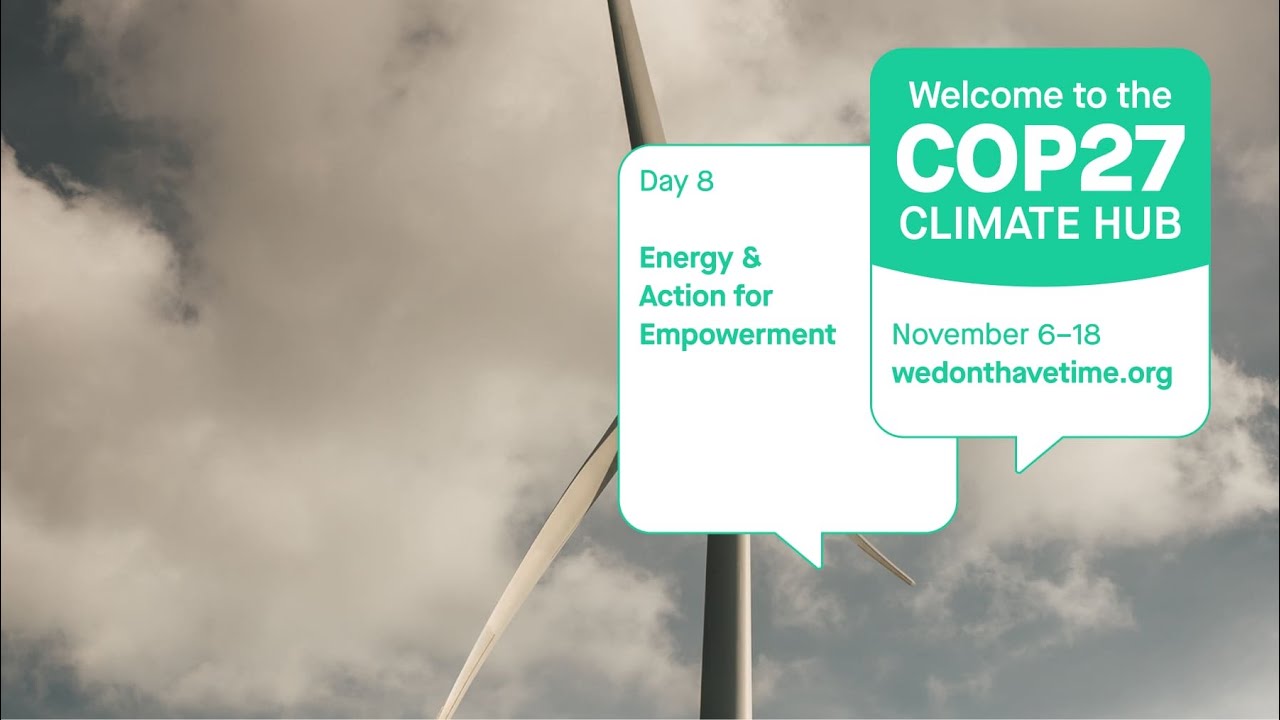




The loss and damage fund is a critical mechanism for climate justice, helping developing countries cope with climate impacts they did not cause; it requires diverse funding sources including innovative mechanisms like aviation levies, and must be operationalized quickly with fast, flexible, and inclusive implementation to support vulnerable communities recovering from climate disasters.
Climate Justice and the Global Loss and Damage Fund: COP28 Insights
Added:An understanding of the United Nations Framework Convention on Climate Change (UNFCCC) and the history of the COP (Conference of the Parties) summits.
The distinction between climate change mitigation (reducing greenhouse gases) and climate change adaptation (adjusting to the impacts of climate change).
The fundamental concept of Climate Justice, particularly the historical emissions gap and the disproportionate impact of climate change on the Global South.
Basic knowledge of the global energy landscape, including the differences between fossil fuels and renewable energy sources like wind, solar, and hydro.
Analysis of the operational challenges, funding sources, and governance structures of the newly established Loss and Damage Fund.
The study of 'Just Transition' frameworks, exploring how policies can support workers and communities vulnerable to the economic shift away from fossil fuels.
Advanced topics in climate finance, including green bonds, carbon pricing, and Article 6 of the Paris Agreement regarding carbon markets.
Comparative analysis of national climate policies and Nationally Determined Contributions (NDCs) to assess how global commitments are implemented domestically.
3.3K views63likes16:33Original Release: 2023-11-29
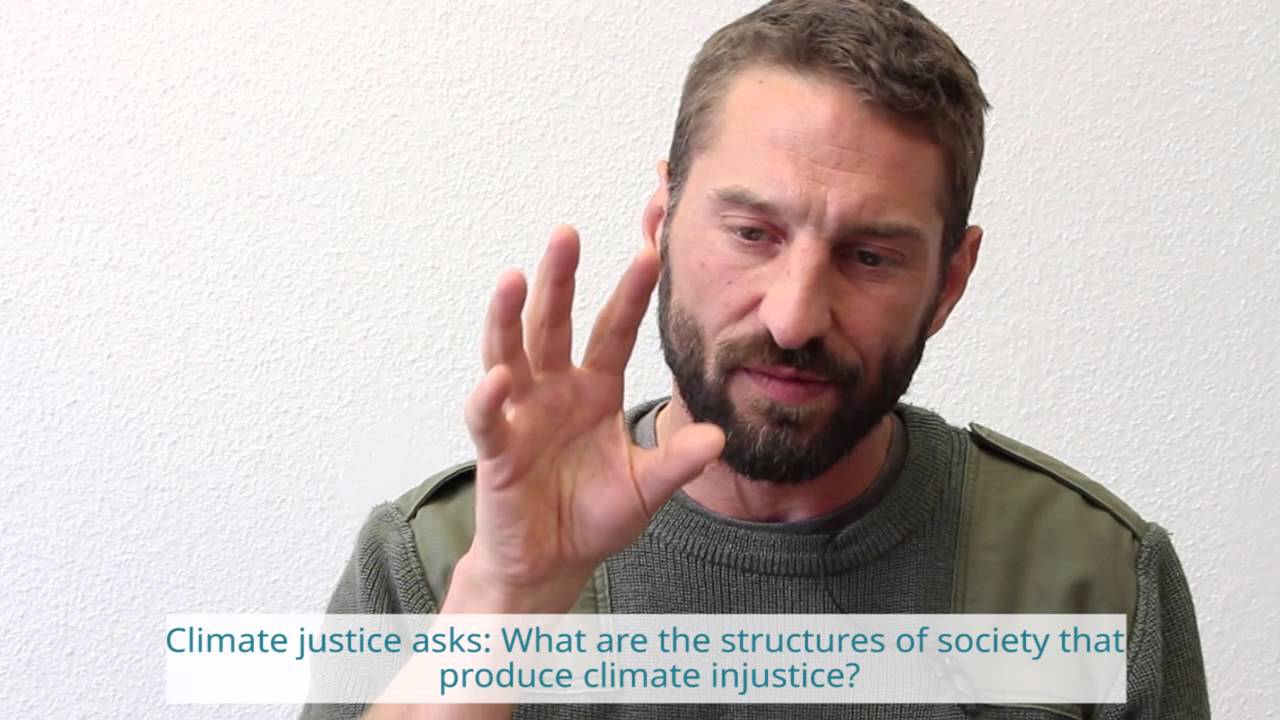
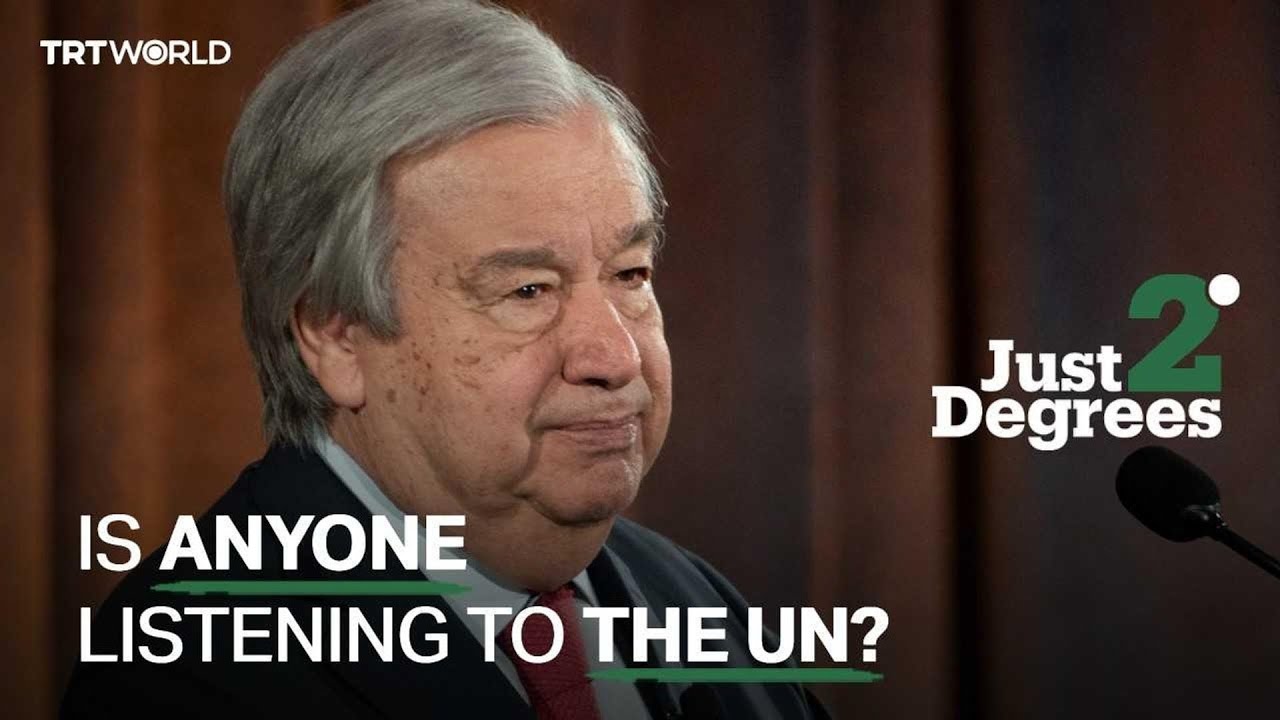
I'm joined by aan Ryan Minister for environment for Ireland and one of the eu's lead negotiators on loss and damage a fund that is being set up to help developing countries deal with the impacts of climate change um Minister Ryan thank you for joining me morning um firstly I'd like to ask how important is the loss and damage fund to the EU it's critical it's critical that we put Justice climate Justice at the center of our response to climate change if it's not a just transition well firstly it won't be a fast transition and if it's not fast it won't be just and the climate impacts are happening we can see it all over the world is it eight every 18 days there's a 1 billion Euro impact from climate and typically it's the most vulnerable countries in the world that have been hit most the ones that are least responsible for the problem are seeing the worst consequence quences and so we need it as part of the range of solutions we need to reduce emissions mitigation we need to prepare for the change that's coming adaptation but also we need to fund loss and damage so that the consequences we can get over them we can recover we can repair we can rebuild and so was really important Europe was Center Stage last year in shal chake and Egypt it was Europe I think that really broke it a change saying yes we will set up a fund and in the last year I've been very fortunate Ireland um has been has uh working with Germany with German government we shared a seat on the transition committee and so that's been meeting over the last year and only two weeks ago now we've reached broad agreement consensus on how we will set up the fund so in cop we have to agree to that and then make it happen I mean one of the things that hasn't yet been agreed on um if I'm correct is the amount that will be included in the fund although the EU has said that it will make a substantial contribution to that can you tell me how much we're looking at no cuz it has to be finally agreed that's the sort of detail that we will work at in Dubai and work collectively and and announce collectively but we will make a contribution we have to it shouldn't be just governments though and it shouldn't be just European governments we need governments in other parts of the world governments where they've often while maybe defined as a developing country in the original text of the of the United Nations framework agreement governments that are wealthy should also be contributing other governments you're talking about China as an example there yeah and some of the countries that are making a lot of money from oil and gas production is a perfect obvious example but it shouldn't just be governments because the scale of the funding we need in my mind requires other sources of Finance what we're calling Innovative sources of finance and that could come from the likes of an aviation Levy Maritime Levy some form for carbon taxation I was in Nairobi this summer there was a really significant African climate Summit and the president uh of Kenya president RHA there made a clear and I think correct point we need global financing solutions to address Global Climate problems if it's all just the eers paying then we it'll be stop start it won't be guaranteed and to give you an example of what's possible even if there was a 1% levy on Aviation tickets and I don't think a 1% would stop people flying or would be so punitive but a 1% on Aviation tickets would raise 8 billion EUR a year and it' be certain and it' be relatively easy to collect and it would be targeting the wealthy because it's wealthier countries and people tend to fly so that's an example of where we think we need to get agreement on a broadening out of the funding of L and damage but also of mitigation and adaptation and that's one things the European Union is going to be pushing in the negotiation ations I mean uh that's very well and and good to see other sources of funding the EU though uh contributes uh a or sorry not aid but uh contribute subsidies to fossil fuels in the tune of 123 billion euros in 2022 um I mean are we going to see any anywhere near the kind of level of funding also then for loss and damage which is coming as a result of the burning of fossil fuels we do have to switch away from fossil fuel subsidies and I think what will come in Dubai yes there will be focus on loss and damage but I think the sense coming out of the previous cop in Abu Dhabi in Egypt was that we need to deliver that but also we need to phase out fossil fuels the two go together like there's nothing nothing will Avail us if we just focus on on managing with the damage climate change brings and don't address the root cause of the problem and I think part of that is switching the fossil fuel subsidies off and how quickly is that likely to happen it has to I think what we'll agree in Dubai where it's shaping up where I looked like sort of agreement we will look to Triple Renewable Power by the end of this decade globally to double efficiency to cut out the meane the wasteful release of methane particularly from gas fossil fuel gas Industries and then there two other key elements in my mind one is that we have to not just in loss and damage fund the emerging and developing countries but also in the other ways in mitigation and adaptation there's an injustice in this world at the moment The transition's Happening solar power is rolling out incredibly fast across the world but Holland has more solar panels than the entirety of Africa and Africa gets 60% of the solar radiation so that's a justice issue we need to address and I think I'm particularly interested in how can we divert money from the f fossil fuel Industries into the developing countries and in clean energy in the developing countries at the moment only 1% of the supernormal profits in the fossil fuel Industries are going into clean energy and of that only a tiny percentage is going into the developing countries the country is most at risk the country has been hit most by climate so you're right we need to rearrange Financial Flows In across a whole range of different ways uh in subsid in who invests what where and where it's invested and I think particularly from a European perspective when we invest in Africa and the other similar countries L that helps us in a variety of different ways you get diverse supplies of energy we could tap in to soda power from Africa helping Europe but also it helps stabilize continents that's in real conflict and trouble it helps manage and tackle the force migration that is coming from conflict and coming from climate change in the likes of North Africa West Africa the Horn of Africa so I think this Dubai this comp cop has to have a really big Vision as to how we do bring Justice and development together with climate action and that I think is at the center of the European European Union position that we all agree on in Europe coming back to the loss and damage fund for a farmer for example in Somalia who has lost all of their livestock as a result of route that has been made significantly worse by climate change what is this fund going to mean for those people on the ground I think it has to help them I think there has to be cash it has to be quick you have to I mean sometimes ize climate I mean the Horn of Africa has been a disaster for 5 years where we had five years droughts in a row but in other instances in Somalia at the moment there's intense flooding there you need to be quick there you need to save lives there you need to be able to get the farmer back uh being able to provide food for his family her family and The Wider community and for that it needs to be fast and flexible in the past when we've set up climate Finance institutions under the United Nations process it's often taking six or seven years and often when you apply for something you might be waiting for two or three years before you get a response this instit or this fund needs to be established immediately we need to be have it up and running uh in months not years and I think it also needs to be able to dispense money quickly so it's not such a combersome bureaucratic and the third thing I'd say is it needs to connect down to the local level I think in Ireland we have a lot of experience going back for various historic reasons in development Aid I think one of the lessons we've leared is is bottom up you trust local institutions communities you actually involve local communities in terms of how you will spend and how you'll disperse and and I think it has to have those characteristics it has to be fast flexible and inclusive of local communities and how we spend this money I mean you said it should be set up in in months not years um I mean there are still points of contention even within the recommended text that will be going to cop 28 what kind of problems have there been with setting it up there were different views some of from the developing World um felt that the World Bank mightn't be the best location uh I felt it would be a good place to start because we know we can establish it quickly there where some of the other institutions we've set up in the past it's it's uh it's taken years so that's one of the reasons why I think the World Bank is a good place to start the other main area of contention European Union was very much pushing that we were try to make sure that the most vulnerable countries really did get access to the funds CU historically what's happened in climate Finance funding is that the poorest countries didn't get access to it they didn't have the capability didn't have the resources even to apply and we were arguing in Europe that you do have to protect and this has to be retargeted the most vulnerable now that doesn't mean that other slightly more advanced countries aren't eligible for funding and there will be instances you could have examples a small island state in the Caribbean that may be Mid middle- inome Country may have a significant tourism industry or other Industries but if they're by Hurricane they need access to loss and damage quickly so it has to be eligible to a wide variety of countries but the critical wording in the text from an Irish perspective from the European perspective was that we did provide a floor of certainty that the most vulnerable countries would be able to get funding when they need it and I think the wording there is while everyone compromises it's actually not a bad outcome and I think it'll be broadly agreed I don't see it being changed now in Dubai I think if it does that could could I think that might impact on the rest of negotiations we need to we need to deliver on loss and damage but we also need to deliver on so much more and I think I'm glad that we got the agreement before the main negotiations so that the atmosphere going into them wouldn't be poisoned and I think that gives me some hope we need to deliver the loss and damage fund but we need to deliver a lot more too I mean Studies have said that loss and damage up to 2030 annually could cost um poor countri at least 280 billion um or even half a trillion uh dollars um is it likely that we are going to see a fund that is able to cover that or how big would the fund be likely to be I don't have a final we don't have a figure but I do agree it needs to be large and substantive and I think that's why I go back to my original point that it needs a variety of sources if you're just relying on One Source you're less likely to get that and um and it doesn't mean we don't else have to fund adaptation adaptation typically is the thing that's got least funding so we need to double that which is what we've agreed to and then when it comes to switching away from the use of fossil fuels the mitigation the reducing the emissions I think the road map presented by the Ia says early in the next decade we'll be need to be spending something like 4.5 trillion a year in the clean energy investment to make the switch now that investment is going to be invest towards a better Energy System one that's less centralized fossil fuels have certain characteristics you can hold the country to Ransom over fossil fuels you can use fossil fuels as a weapon of War when we develop the renewable solar and wind and hydro alternative this is the that's the peace project of our time you can't hold a country to Ransom say do what I say or else I blow up the solar panel it's made of sand and you can get another one here and and I think that's you could always look at you know the scale investment we need to make it huge it is a switch we need to switch away from that investment in fossil fuel and switch into this one and with it comes the ability to reduce the amount of conflict in our world today it saves un so and and the more we reduce emissions the less we have to spend in adaptation and then the more we spend an adaptation the less we have to spend in loss and damage so we need all three and all three are going to be huge the m needed but the benefit in meeting the sustainable development goals and getting back on track in the sustainable development goals like we're in a very precarious position in the world today where malnutrition is rising again it's back to the levels it was in 2005 having decreased for most recent years we have 70 countries in the world in debt default or real debt difficulty because of a whole range of recent circumstances coming out of Co Ukraine war and so on so we have an urgent need need to help those countries develop and I think the climate switch the climate leap we need to make can help us do that and and so yes we need the money for loss and damage but we need trillions more for both ad adapting and developing particularly in the countries in likes of Africa likes of Latin America likes of the less developed countries because their security my my security is enhanced when my neighbor's security is also guaranteed that's not the case at the moment so at the cop 28 the recommended text is going there next week um or will they come out with an oper operationalized fund uh yes I think we will on L and damage we have to um agreed and money pledged and up and running in in everything really except the administrative happens within months um I think the there was a good atmosphere at the pre-op negotiations which took place in Abu daab 3 weeks ago and I was very fearful because in a world of war with Gaza and you were really fearful how we'll be able to negotiate in such a tense situation that we're in but actually I thought there was a sense of collective will desire to to make a change it won't all be agreed in Dubai this is a rolling process and a lot of the finance issues that we need to resolve it will be a case to what we did last year in charmal Shake Europe raised the ball in terms yes we're going to do loss and damage fund we set up the transition committee and we're now going to deliver it a year later but similarly we need initiatives working across continents north south and east west so we agree some of the principles about how we change Finance system the entire Finance it's as big as that the entire world Bank IMF private financing fossil fuel investment models they all need to change they won't all change in a week but if we can get the political commitment in the negotiations to start that process and then drive it over the subsequent two years that would be good outcome and what would be critical to watch is the language in the cover decision it has to be a decision of 200 countries that that's the direction we're going on that's what Europe's going to be fighting for thank you very much for your time thank you
Up Next

17:04
Urban Heat Island: Causes, Consequences, and Mitigation Strategies
@TheGeoecologist
19.7K views•2020-12-07

12:54
Triumph of Orthodoxy Icon: Byzantine Art & History Explained
@BenCallan
2.1K views•2024-08-06
19:28
Predictive Policing: Crime Prevention or Prejudice? | Tech Ethics Analysis
@dwnews
51.3K views•2022-06-24

1:42
Game of Thrones Opening Credits: A Cinematic Analysis
@gameofthrones
46.3M views•2011-04-18
Related Study Plans & Knowledge Roadmaps
Structured learning paths in General & Interdisciplinary Studies
general-studies
Elevator Engineering: History, Physics & Cities
01From Hoists to Safety Brakes: The Dawn of Vertical Lift
02Hydraulic vs. Traction: The Engineering Physics of Elevators
03Modern Speed, Safety, and Algorithms
+ 2 more learning modules
12h5 modules
Explore Roadmap
general-studies
Rubber: Material Science, History & Geopolitics
01Origins of Natural Rubber & Mesoamerican History
02The Chemistry of Natural Rubber & Vulcanization
03The Geopolitics of the Rubber Boom & Colonization
+ 2 more learning modules
12h5 modules
Explore Roadmap
general-studies
Containerization: Evolution, Logistics & Trade
01Ancient Trade & Bulk Cargo: Amphorae to Barrels
02The Industrial Revolution & Cardboard Packaging
03The Containerization Revolution: Malcom McLean
+ 2 more learning modules
12h5 modules
Explore Roadmap
general-studies
Textile Tech: Evolution, Labor & Global Impact
01Pre-Industrial Textiles: Handloom & Cottage Industry
02Mechanization: The Spinning Jenny to the Power Loom
03The Factory System & Global Labor Transformation
+ 2 more learning modules
10h5 modules
Explore Roadmap