












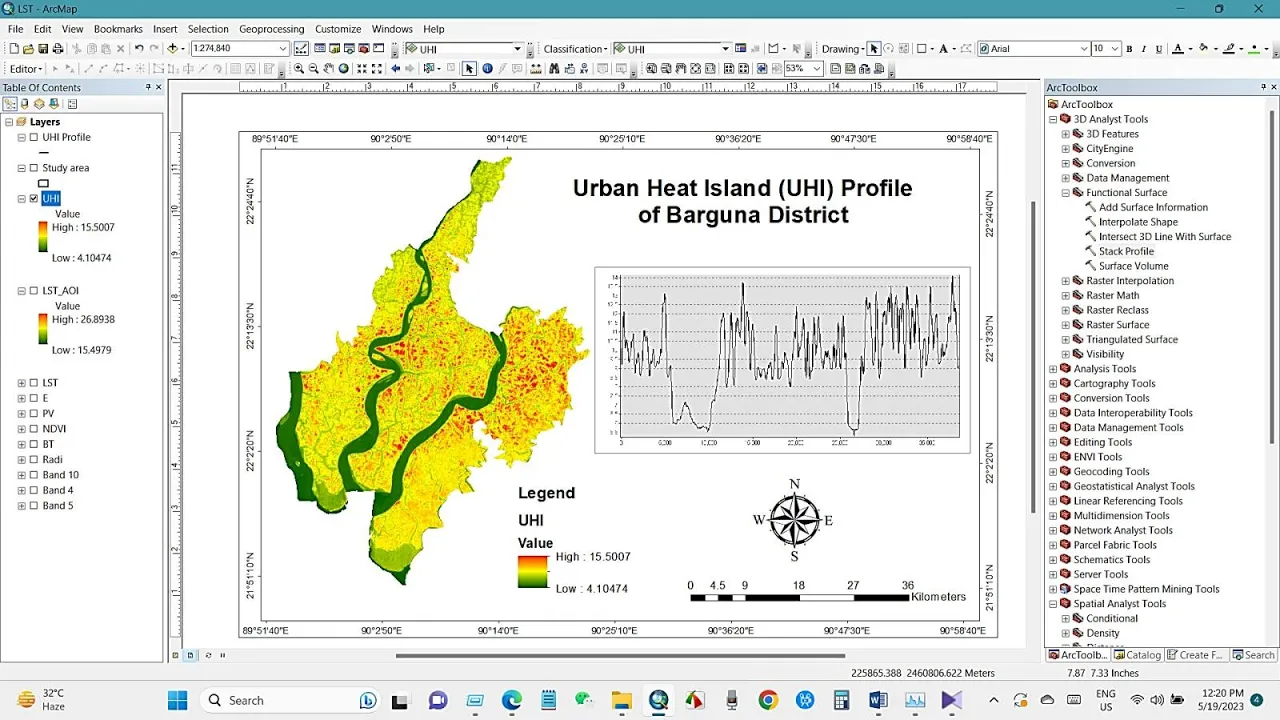










The Urban Heat Island (UHI) is a climatological phenomenon where urban areas experience significantly higher temperatures than surrounding rural areas due to human modifications of the environment, primarily through the replacement of natural surfaces with heat-absorbing materials like concrete, asphalt, brick, and dark-colored roofs that absorb and retain solar radiation; this creates a distinct 'island' of elevated temperature within the city, which negatively impacts air quality, water quality, ecosystem health, and human well-being while increasing energy consumption for cooling, and can be mitigated through strategies such as white roofs, green roofs, tree planting, and green parking lots.
Urban Heat Island: Causes, Consequences, and Mitigation Strategies
Added:The concept of Albedo (surface reflectivity) and its role in the Earth's radiation balance.
Basic principles of thermodynamics, specifically the differences between sensible heat, latent heat, and the specific heat capacity of materials.
Fundamental concepts of climatology, including microclimates, atmospheric stability, and the greenhouse effect.
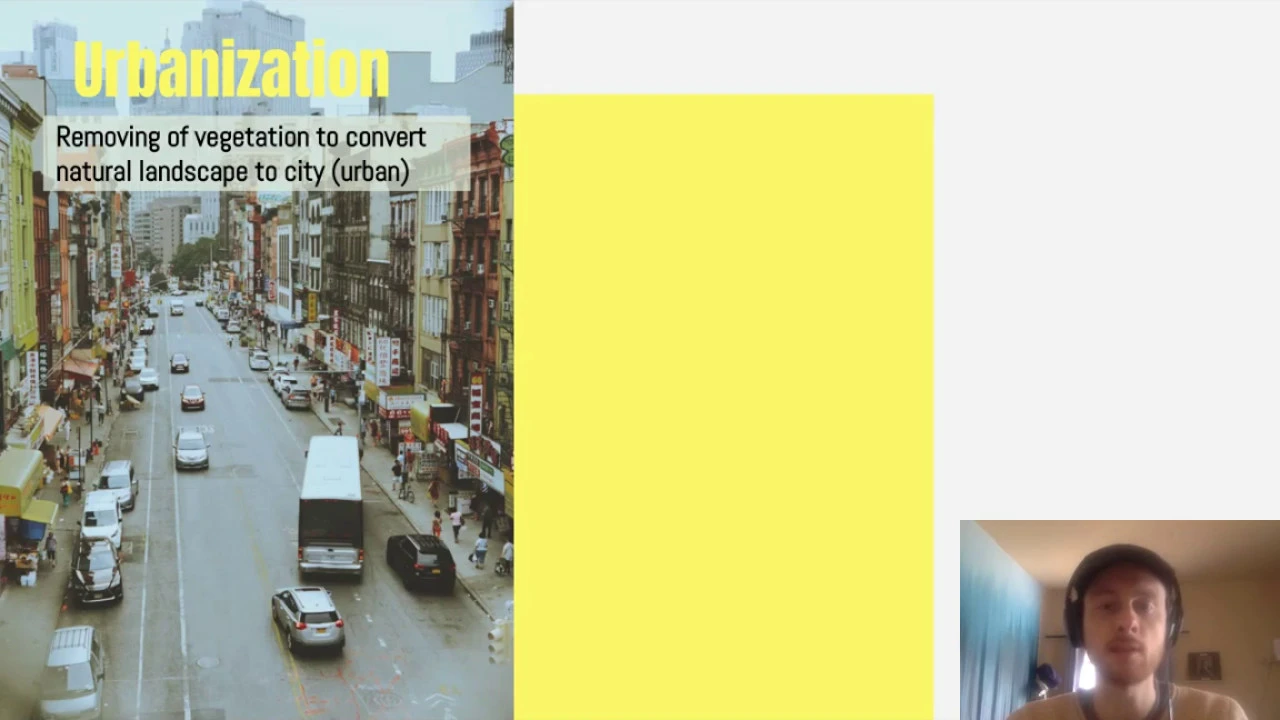
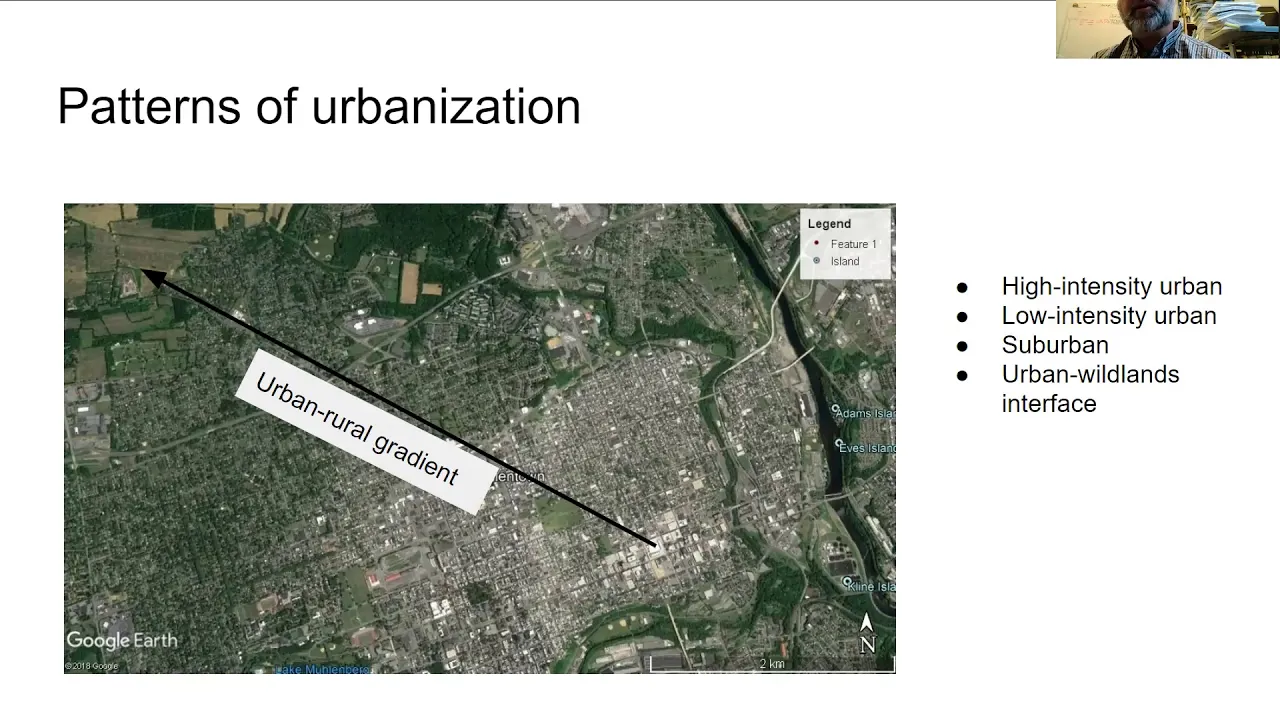
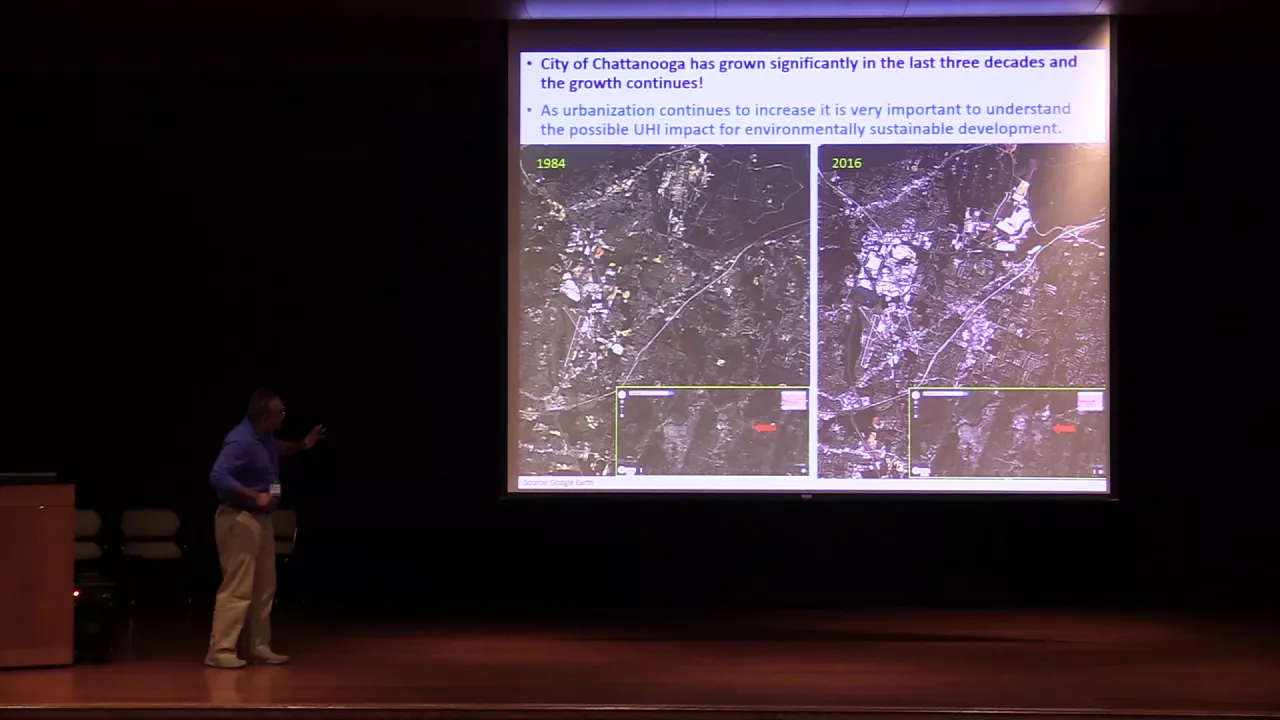
An understanding of global urbanization patterns and the conversion of natural land cover to impervious surfaces.
Application of thermal remote sensing and GIS (Geographic Information Systems) to monitor and map surface urban heat islands.
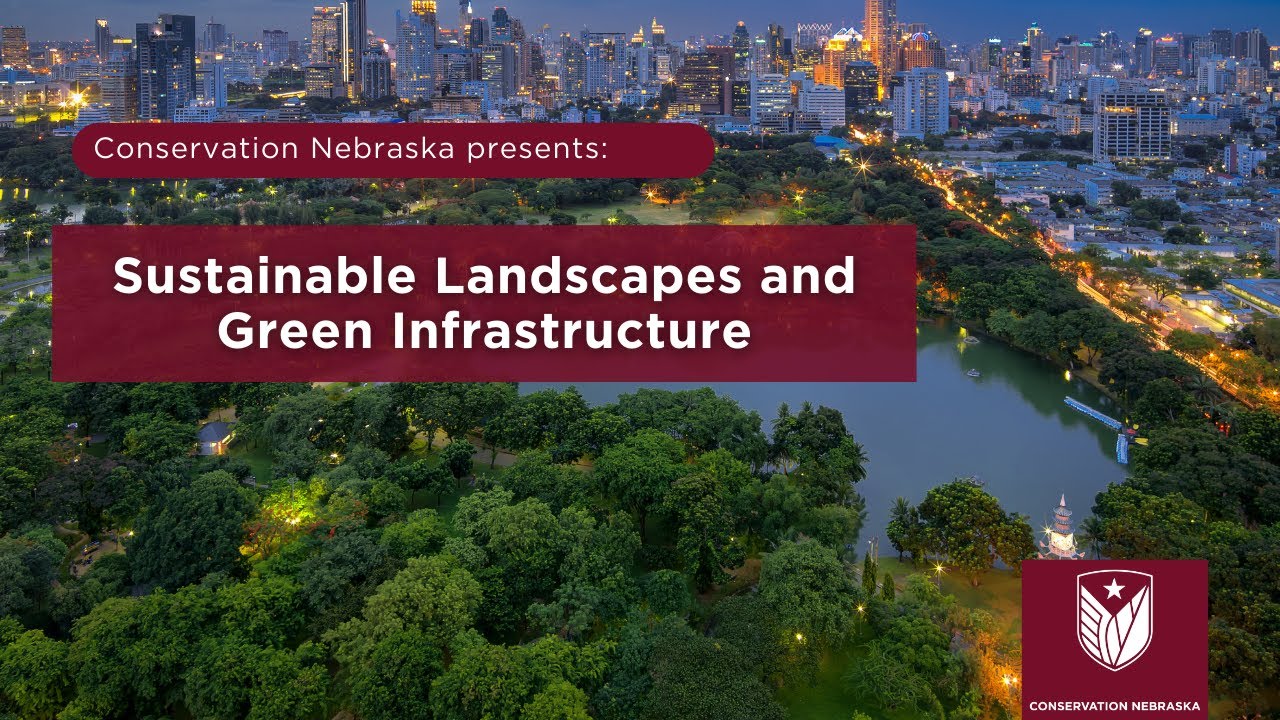
Advanced study of green infrastructure and sustainable architecture, including cool roofs, urban forestry, and permeable pavements.
The intersection of urban climatology with public health, focusing on heat-wave vulnerability and environmental justice.
Integrating climate adaptation strategies into municipal zoning laws, building codes, and comprehensive urban planning frameworks.
19.7K views625likes17:04Original Release: 2020-12-07
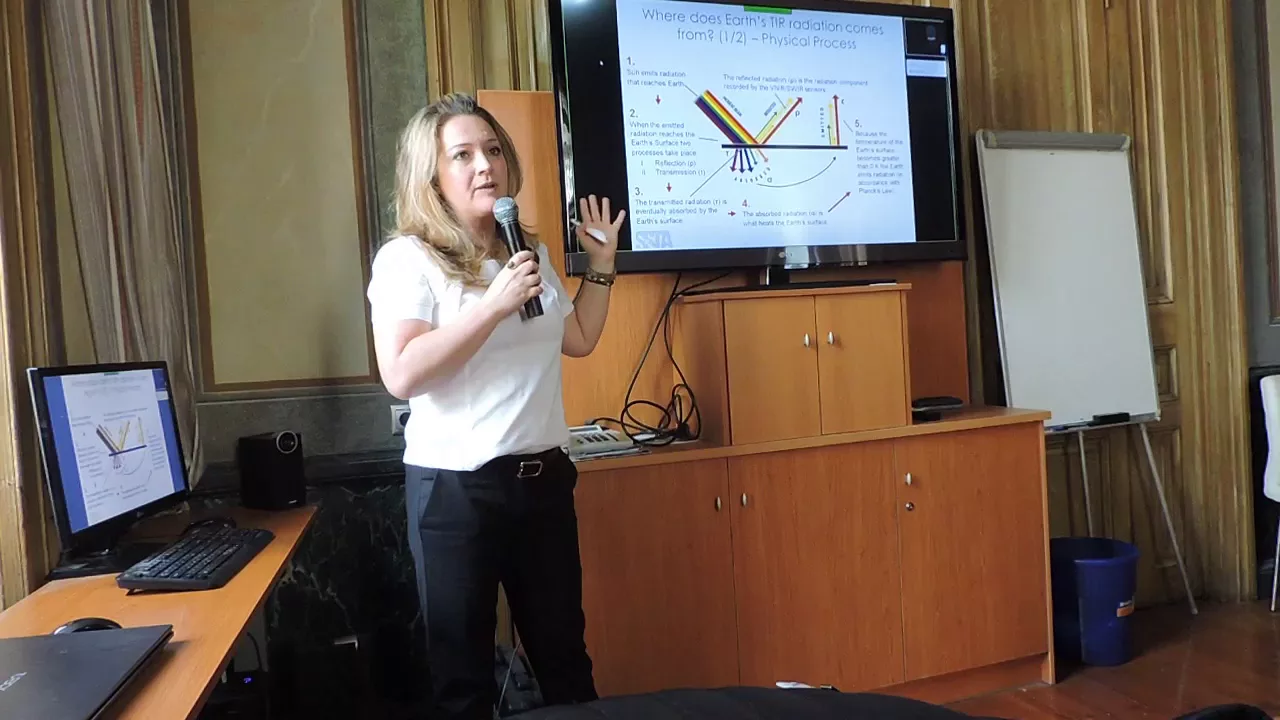
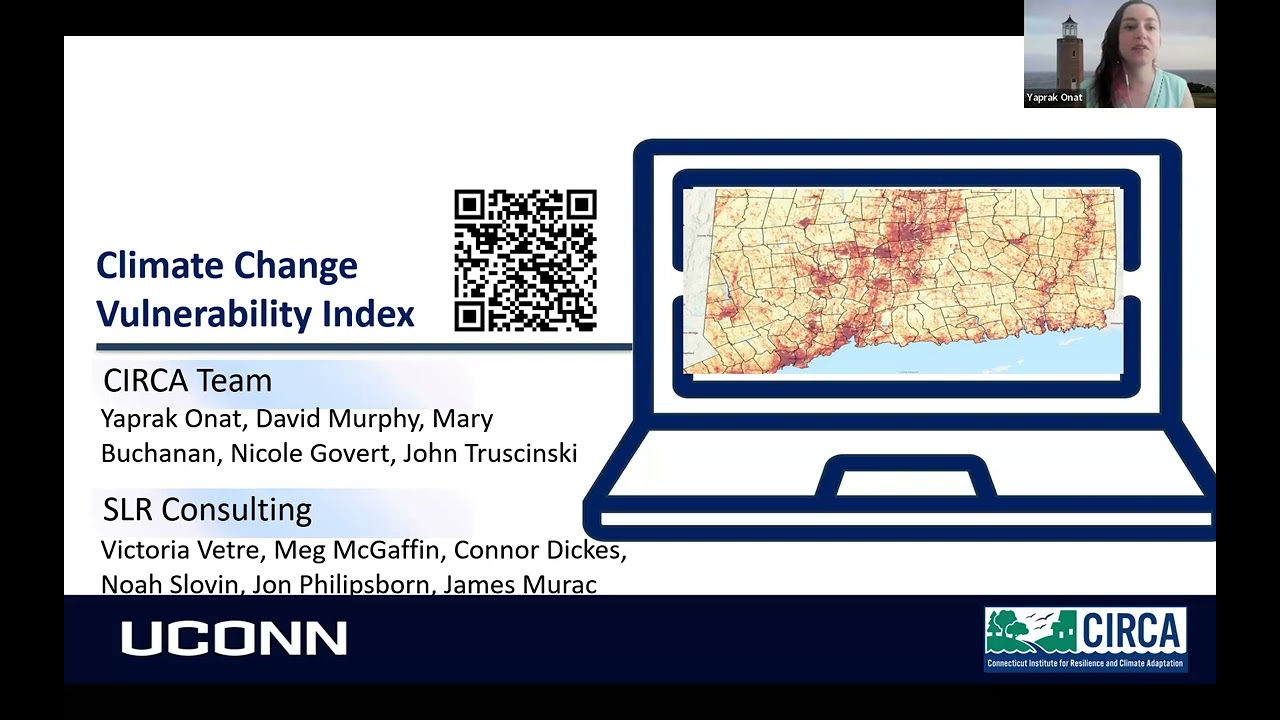
hello everyone welcome to the geoecologist i am dr krishnan and you have been watching my videos on climatology so in this session on climatology we are going to learn about an interesting concept from applied climatology segment and that is urban heat island concept so let's elaborate on urban heat island and before we go ahead don't forget to subscribe to our channel and also do share the videos with others as well so now let's learn about the concept of urban heat island so this word island is very familiar in physical geography then what has it to do with something related to urban heat or urbanization and why are we studying this in climatology this is important to understand so first of all this heat factor is one of the important factors that we have studied throughout the climatology and when we attach this urban process with it it becomes urban heat because this heat is part of the urbanization in that way it is linked to the urbanization directly and then there is this concept of island related to it so island concept as we know it is a piece of land which is surrounded by oceans or water from all side but here in urban area what is this island all about it is a particular built up area that we see this particular city if you see in this image this is a built up area which is different from the surrounding land use that is maybe agriculture or forest area so this built up area is supposed to be in like a island which is surrounded from all sides by different land uses and in center is the construction that is the city structure that is the urban structure so this is like a island of heat and this is this concept which is said urban heat island or uhi concept so basically it is studied under urbanization as well and under climatology or applied climatology as well so let's understand in details that this urbanization which basically what we see is negatively impacts the environment in many ways and one of the many ways is the modification of the physical and chemical properties of the atmosphere and covering all the soil surfaces with concrete structure this is one of the ways in which we actually adversely or negatively impact the climate so that is important to understand that is the first point and then the definition of this uhi that is urban heat island is basically what it is a rise in temperature that's why the heat factor is important here so it is rise in temperature of any man-made area or you can say human-made area for that matter resulting in well-defined distinct warm island it basically means this area has lots of heat accumulation only because of its particular land use because these area are concretized these have different heat signatures remember so this is important to understand that this area is heated up right and surrounding area is all cool so that is why this is like an island of heat among the urban area that is important to understand so that's why it is also called urban heat island as a concept now let's elaborate further more so as you see in this particular image this is about the temperature and you see this red zone or the increase towards this side where you find the maximum you find it in the built up areas right where you have more urban built up structures there is the temperature which is higher on site so an urban heat island occurs where a city experiences much warmer temperatures than nearby rural areas that is the basic concept so nearby rural areas have lesser temperature and urban areas have more temperature that's why it is like an island of temperature that is heat so the difference in temperature between urban and less developed rural areas has to do with what has to do with the surfaces that is there on this area so surfaces in each environment absorb and hold heat and remember the concept of albedo that we have learned earlier that is about the reflection so albedo of different surfaces are different so concrete structures have different albedo soil has different albedo sand has different albedo so accordingly heat absorption and heat actually goes out as a long wave radiation after reflection this process actually is different in different areas so urban heat island decreases air quality that is where one more concern is by increasing water by increasing the production of pollutants such as ozone decreases water quality as the warm waters flow into the area streams and also put stress on the urban ecosystem and the adjoining ecosystems as well so this is where this heat actually generated by this particular built-up area as we say build up is basically concrete infrastructure that we built like buildings infrastructures like road flyovers and so many concrete structures so the soil part is not there and concrete structures have this tendency to absorb more heat and then release it so then what happens it is like an island of heat that is created in urban area and that is where it has negative impact on the air quality on the water quality on the entire ecosystem that we need to understand as a concept in urban heat island now the phenomena historically if you look at was first investigated and described by luke howard who was a british manufacturing chemist and also amateur meteorologist in 1810 so you see the first half of 19th century where industrialization was happening and it was picking up that is the first time when this person luke howard first discovered this phenomenon of urban heat island and his lasting contribution to science is the nomenclature system of the clouds that is also important that he did in 1802 so he was a person who's also regarded as the godfather of the clouds because he gave a naming system of the clouds that we have already studied and also sometimes referred as father of meteorology in some parts of the world so that is important to understand that his contribution this british contribution to the foundation stone of this urban heat island was laid in early 19th century itself and then gradually more concepts came in and more phenomena was actually described different means of explanations through scientific evidences so let's learn further more so the question is why this phenomena it means why does this happen so an urban area is a city area that we know and rural area is out in the country area so there is a difference what kind of difference in climatology if we see the sun's heat and light reach the city and the country in the same way there is no differentiation in that but the problem is where the difference in temperature between urban and less developed rural areas has to do with how will surfaces in each environment absorb and hold heat so if urban areas hold more heat it means heat is trapped so it will become an island and rural areas will not absorb much because there is no concrete structure soil is there right so it cools quickly right so it does not keep the heat with itself so if you travel to a rural area what happens you'll probably find out that most of the region is covered with either green plants or they have soil so farmland tree cover so these are the things that are important in terms of we say that environment friendly so plants take up water from the ground through their roots as we know this diagram if you see and then they release excess water through this transpiration and by that they maintain this natural air condition that we say right so why do we need greenery when we say that we need more green spaces because of this factor they actually condition our air they condition our environment so when we visit a big city for example we won't see many plants so there are more concrete structures instead what we see is sidewalks streets parking then tall buildings malls and most of these infrastructure that is created in the city is actually those materials such as cement asphalt brick glass steel and dark roof and all these material have a common tendency that is to absorb heat and keep it there in the surroundings that is where this island of heat creation happens and that is why it is different from the surrounding rural areas so this is the reason behind it so what we see is that first of all those materials like sfr steel brick are often very dark colors they are black brown green so remember dark colors are more absorbing heat so the color absorbs all the wavelengths of light energy and converts them into heat so object gets warm that is one part thus what we see is dark objects such as building materials absorb more heat and that's why they also release more heat when they actually go into this second phase at night they release it so you see in certain urban areas even during night time you find lots of heating effect because these warm temperatures which is absorbed during the daytime is being released at the night so it never cools down really that is important feature so urban building materials are another reason that urban areas trap heat and many modern building materials are impervious surfaces and that is why we see that these particular material trap the heat in themselves they do not release it quickly so this means that water cannot flow through the surfaces like a brick or a patch of cement like it and it would through a plant so remember as through a plant the water goes inside in the deeper roots it's not the same in this cemented area so these are impervious materials or surfaces which do not allow the percolation of water inside the earth and that is where this is a deregulation of water cycle and has adverse impact on the weather condition and long-term climate so this is important to understand that this is an adverse impact of urbanization that we study under urban heat island concept that is important to remember now let's understand the impacts of urban heat island so first of all look into this image what do you observe this is a rural area then you have a suburban residential area then you have a commercial area then you have a downtown the old industrial town and then you have urban residential park suburban residential rural farmland so this is the central part of the city which is called downtown which is more industrialized remember and this is a standard structure that was created in the development of suburbia that we say post world war second new cities were made around the world they were restructured so old cities were now left and people went to suburbs to actually live and these were the industrial cities which were left as downtown so people still commute from the outside to the city they go to work to downtown they come back again but this area still has this warming that picks up every day so this is where you see the maximum warming in the core regions of the city this is the whole idea behind this urban heat island if you observe in those important cities around the world so urban heat islands caused by cities have altered the natural selection processes this is the first important point that we need to remember as an impact that the theory of natural selection propounded by darwin is now altered by this concept because of urban ecosystem that is made on concretization right so it has a problem there so selective pressures like temporal variation in food predation water are relaxed causes a new set of selective forces to roll out for the creatures for example if you see within urban habitats the insects are more abundant gradually they are growing than rural areas why because insects as we know are ectotherms and what does this ectotherm mean this term ectothon this means that they are dependent upon temperatures of the environment to control their body temperature so they behave accordingly with the environment so making for the warmer climates of the city perfect for their ability to thrive remember many kinds of insects thrive in this kind of warmer climate and that's why you'll see lots of insects and rodents in the city area as well so this is one kind of alteration of this natural selection process earlier a species used to develop on the basis of pure natural selection but remember in urban heat island concept it is not pure natural it is human made concept right that is where the difference is so that is one of the impacts then what we see further is that urban heat islands can produce secondary effects on local meteorology as well now local conditions local climatic variations or weather condition variations for that matter in a short duration if you say that is important to understand is why what altering the local wind direction development of clouds and fog and changes in humidity and rates of precipitation now remember if concrete structure is a problem because of this interruption in the water cycle then adversely it will impact the entire cycle of weather condition around it so urban heat islands increase demand for energy consumption as well because if there is more heat people will require more energy during summers they will use ac's fans refrigerators and what happens remember it has adverse impact on the environment in indirect ways as well so one thing is the direct thing that we see is a change in the normal weather condition and also the second indirect impact that we see is in terms of energy consumption so more energy consumption basically is meaning what it means more fossil fuel consumption more energy consumption more chain of industries to run your needs right that is important to understand that it is not simply an urban heat island but it regulates and deregulates so many things around it that is why it is more hazardous then what we see uh is urban heat islands have the potential to directly influence the health of people now remember heat stroke heat exhaustion heats and coke and heat cramps these are very common in urban areas during summer specifically right some studies have also looked into how severe heat stroke can lead to permanent damage to organ systems organ failure brain hemorrhage heart disease lungs disease so many things have become common right so urban heat islands also impair the water quality that is also important because the normal temperature of water is now made raised so that is why it is now this raised water temperature is released into nearby streams and rivers and ponds and lake and that's where it also hampers the normal cycle normal condition of the ecosystem so that is why it is important and additionally increased urban water body temperatures lead to what lead to the decrease in diversity now remember it influences the diversity as well so that's why it is not just single water quality factor but related factors as well so another consequence of urban heat island is that it is increasing the energy required for air conditioning refrigeration and that is what we have already discussed as well so these are some of the most important points to remember while discussing urban heat island as a phenomena as a process which has adverse impact not just direct but also several indirect impacts all around the human ecosystem and remember it is alteration to natural system it is built by human beings it's built by us so that is important point to remember here and at last let's understand some of the mitigation strategies that what are the mitigation ways or measures so white roof is one of the types that has that is being implemented in many structures now so painting the rooftops white has become common strategy because it is more reflection thing right then green roof so green buildings and green roof concept is another concept then you have planting tree in the cities so many cities are being made in a way where you have spaces for plantation if there is a new society coming up it has parks spaces for plantations these are important and green parking lots remember the parking lots are one places where the vehicular emission and vehicle also release heat right and parking spaces can be planned in a way where there is a shade area so trees can be planted and that's where you'll have less of asphalt it means more of soil on the ground so if you have more of soil it means it allows water percolation and that's where you can plan a good green parking lot so these are some of these strategies and you can think of more strategies and more examples from all around the world which is essential in current era of urbanization so remember the applied climatology part begins in one of the concepts that you have studied right now as urban heat island concept so now when we have discussed in details the concept of urban heat island in the sessions to come we'll be talking more on other aspects of applied climatology so stay tuned stay safe keep watching
Up Next
4:58
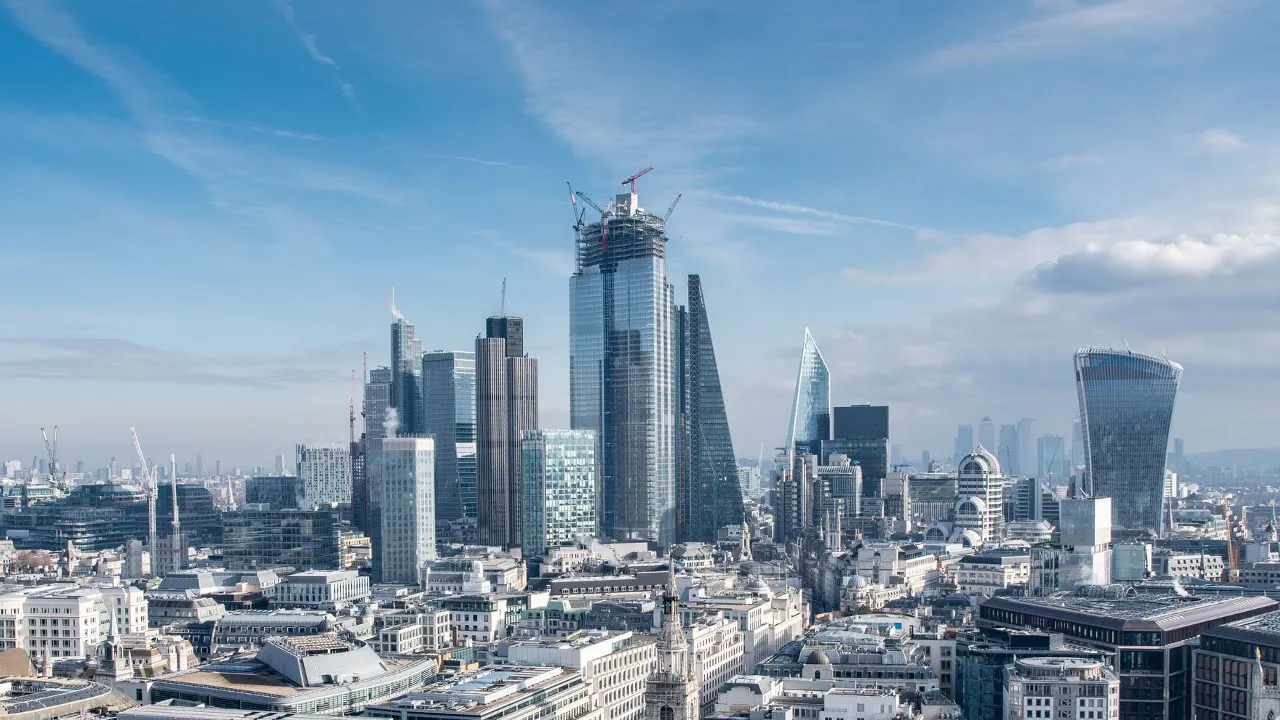
How London's Skyscraper Boom Altered Its Microclimate
@TheB1M
434.8K views•2020-09-02

12:54
Triumph of Orthodoxy Icon: Byzantine Art & History Explained
@BenCallan
2.1K views•2024-08-06

9:49
FastAPI vs Flask vs Django: Choosing the Right Python Web Framework
@TechWithTim
302.5K views•2024-05-26

1:42
Game of Thrones Opening Credits: A Cinematic Analysis
@gameofthrones
46.3M views•2011-04-18
Related Study Plans & Knowledge Roadmaps
Structured learning paths in General & Interdisciplinary Studies
general-studies
Elevator Engineering: History, Physics & Cities
01From Hoists to Safety Brakes: The Dawn of Vertical Lift
02Hydraulic vs. Traction: The Engineering Physics of Elevators
03Modern Speed, Safety, and Algorithms
+ 2 more learning modules
12h5 modules
Explore Roadmap
general-studies
Rubber: Material Science, History & Geopolitics
01Origins of Natural Rubber & Mesoamerican History
02The Chemistry of Natural Rubber & Vulcanization
03The Geopolitics of the Rubber Boom & Colonization
+ 2 more learning modules
12h5 modules
Explore Roadmap
general-studies
Containerization: Evolution, Logistics & Trade
01Ancient Trade & Bulk Cargo: Amphorae to Barrels
02The Industrial Revolution & Cardboard Packaging
03The Containerization Revolution: Malcom McLean
+ 2 more learning modules
12h5 modules
Explore Roadmap
general-studies
Textile Tech: Evolution, Labor & Global Impact
01Pre-Industrial Textiles: Handloom & Cottage Industry
02Mechanization: The Spinning Jenny to the Power Loom
03The Factory System & Global Labor Transformation
+ 2 more learning modules
10h5 modules
Explore Roadmap