![Organism and Population Class-12 [SEM:4] One Shot in Bengali | COMEBACK ম্যারাথন | Suvojit Sir](https://i.ytimg.com/vi/qKKpD6XlqNI/maxresdefault.jpg)





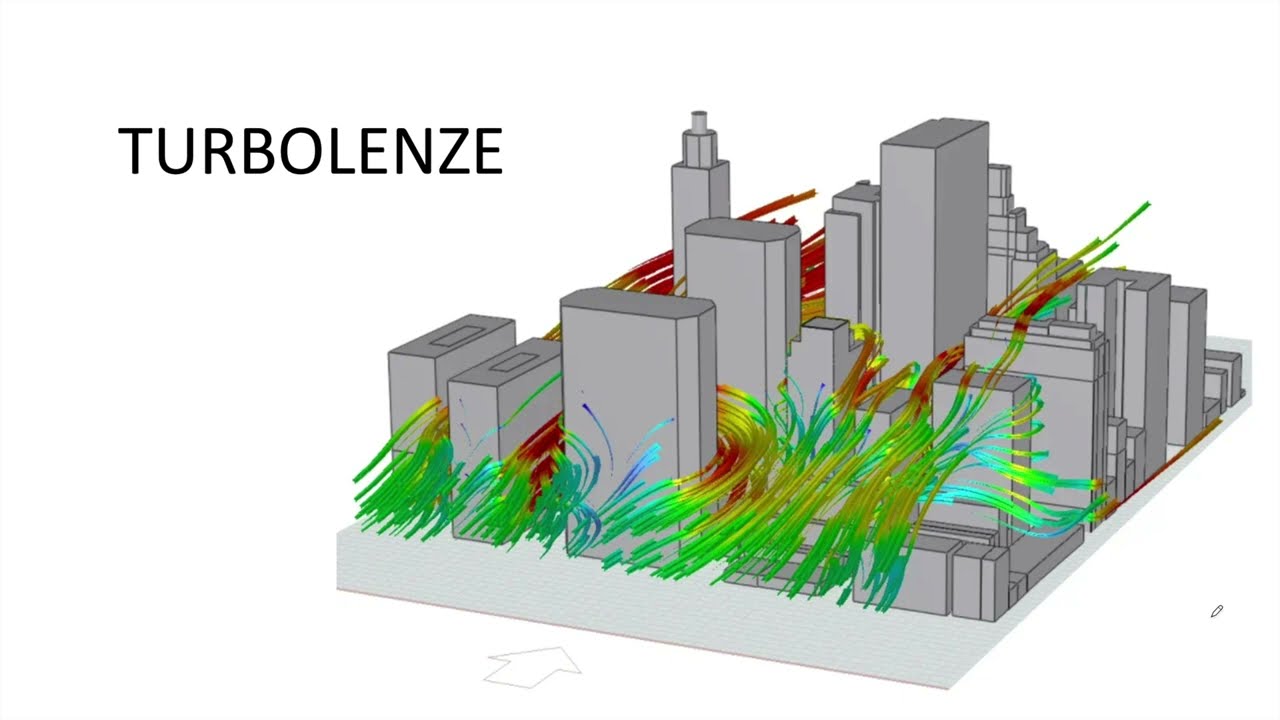






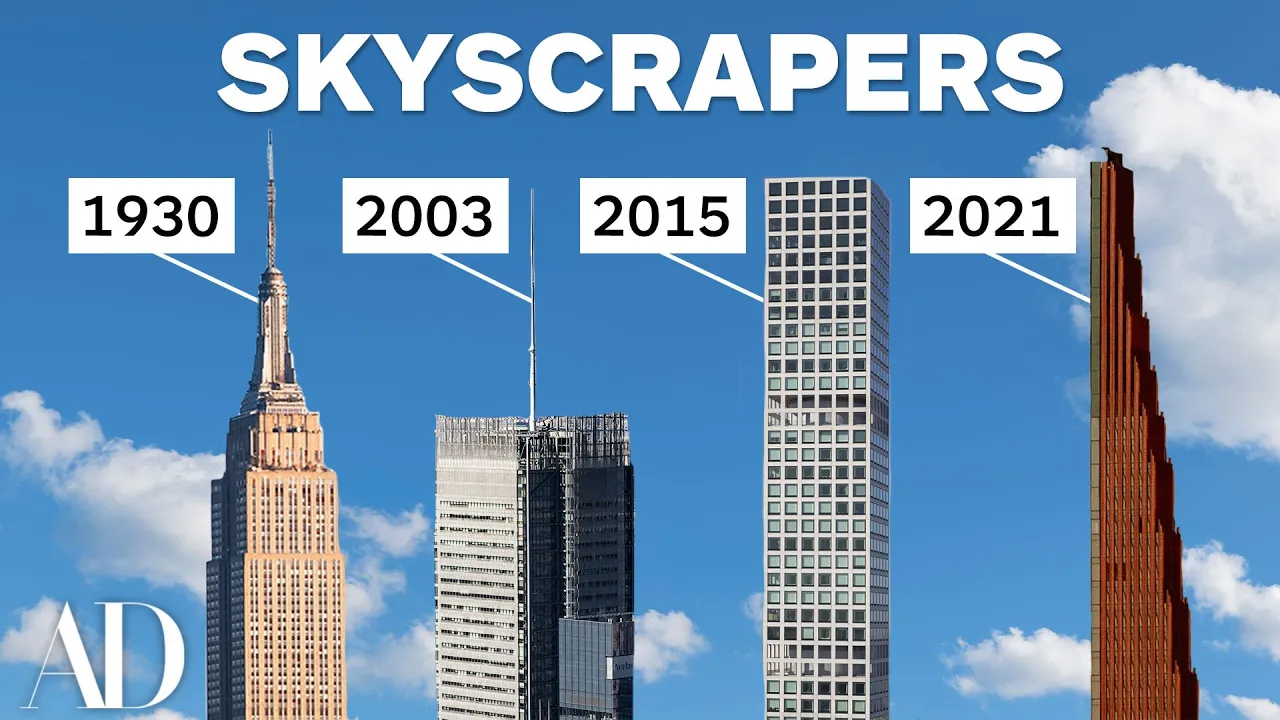




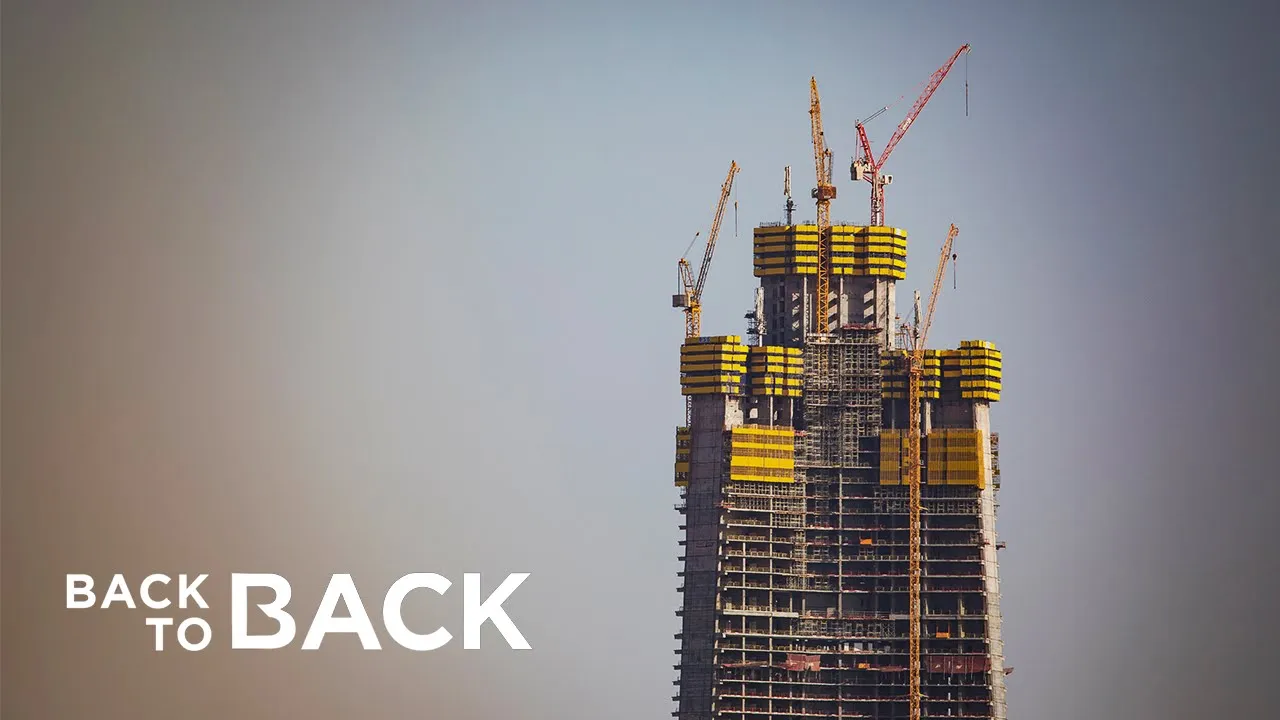








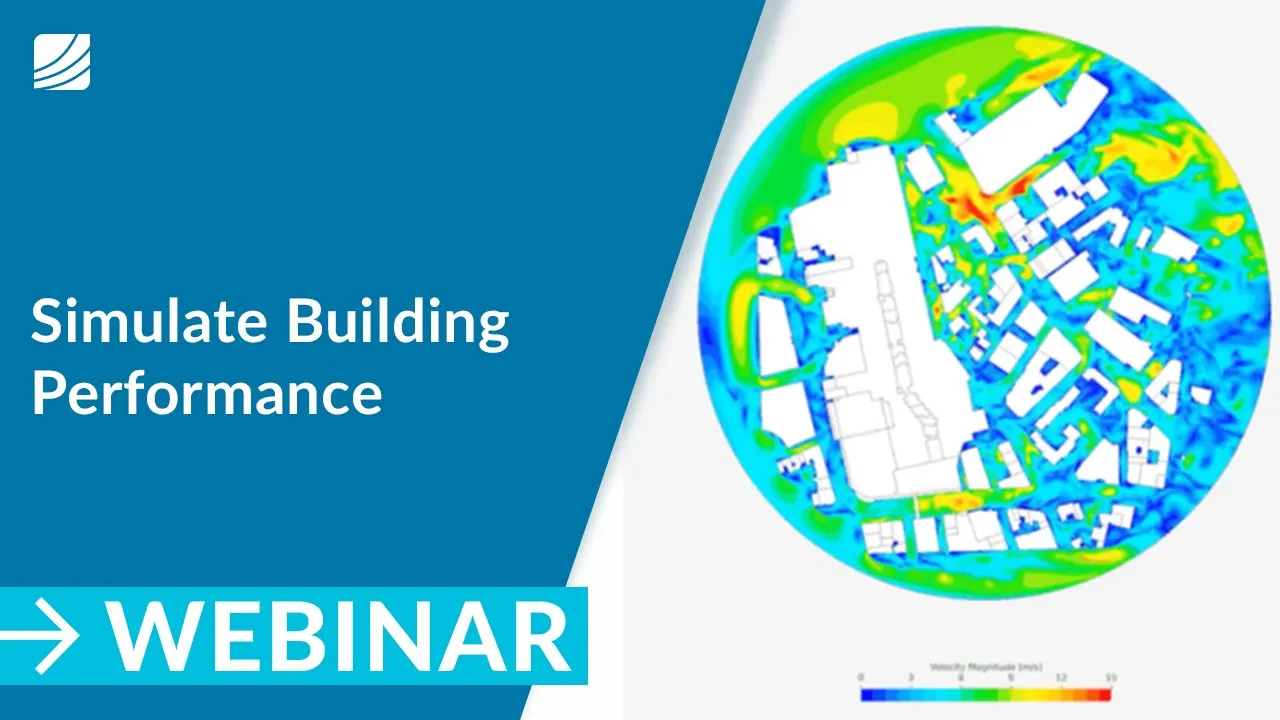





High-density skyscraper development in urban areas creates microclimates through the formation of 'skyscraper canyons,' where tall buildings channel wind down narrow streets, generating wind speeds strong enough to knock over pedestrians and cyclists; this phenomenon, observed in London's City of London district which grew from just two skyscrapers to 37 by 2026, prompted the introduction of the UK's first wind guidelines in 2019 requiring developers to conduct wind tunnel and computer simulations to ensure new buildings do not negatively impact ground-level conditions.
How London's Skyscraper Boom Altered Its Microclimate
Added:The concept of a microclimate, specifically how localized environmental conditions (temperature, wind, humidity) differ from the surrounding regional climate.
Basic principles of fluid dynamics, particularly how wind behaves when encountering solid obstacles, including the Venturi effect and wind shear.
The Urban Heat Island (UHI) effect, which explains how dense metropolitan areas trap and generate heat compared to rural surroundings.
Fundamental concepts of urban planning, including zoning laws, structural density, and the evolution of skyscraper design.
Aerodynamic architectural design techniques, such as tapering, vortex shedding, and curved facades used to mitigate wind tunnel effects.
The use of Computational Fluid Dynamics (CFD) modeling in modern urban planning to simulate and predict wind and thermal patterns before construction.
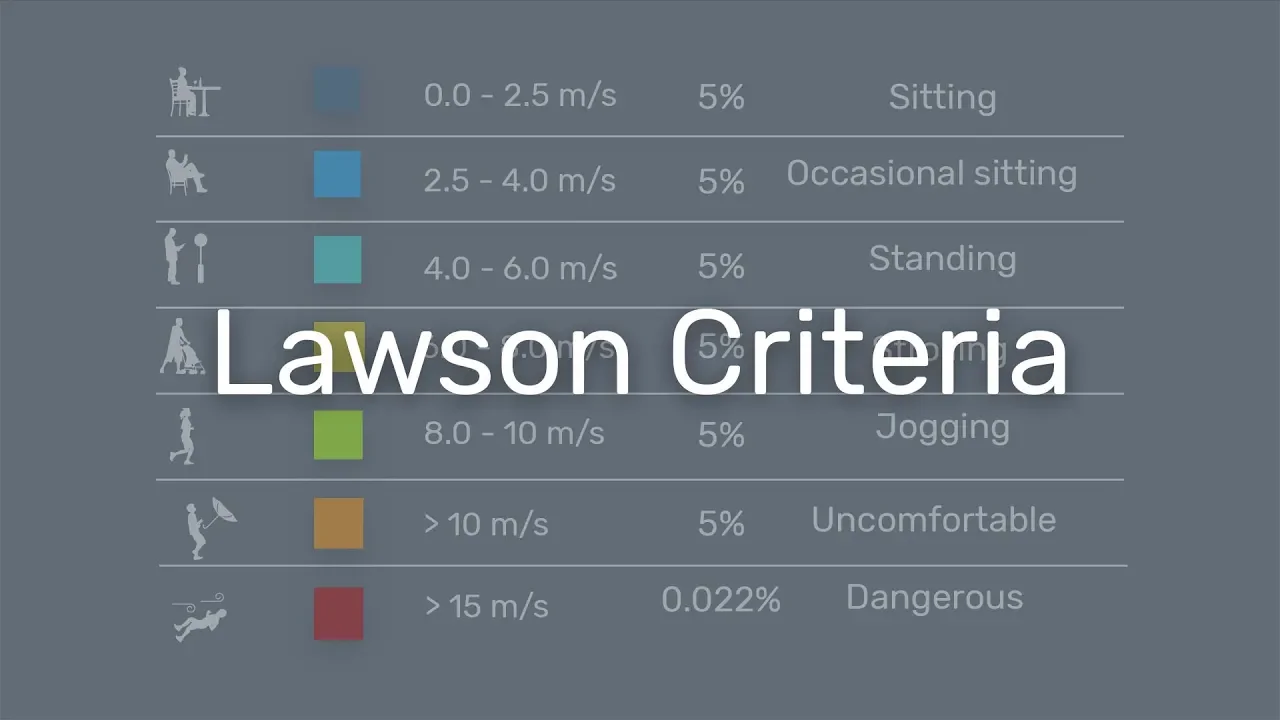
Urban planning regulations and environmental policy, specifically pedestrian wind comfort standards (like the Lawson Criteria) used to assess new developments.
Strategies for urban climate resilience, including the integration of green infrastructure (vertical gardens, windbreaks) to regulate localized microclimates.
434.8K views17.2Klikes4:58Original Release: 2020-09-02
For centuries London has been one of the world’s leading financial hubs, but despite rubbing shoulders with New York and Hong Kong, until recently the UK’s capital lacked the one thing that is now synonymous with a modern city - skyscrapers.
But, things have changed dramatically over recent years and London has experienced a skyscraper boom - further growing its economy, transforming its skyline and actually changing the climate in some parts of the city.
Standing as a major cultural and financial hub for more than 2,000 years, London’s rich history saw it resist a vertical push during the 19th and 20th centuries while other cities, particularly in the United States, began to embrace the skyscraper.
But that all changed in the 2000s with a push from authorities to grow the skyline and provide more space for the city’s burgeoning financial sectors.
Witnessing more than a decade of intense development, London’s skyline has grown from just two skyscrapers before the turn of the century - to 37 now either complete or under construction.
While skyscrapers have risen across London, the biggest change to the skyline has occurred here in the historical heart of the city.
Dubbed the Square Mile, the City of London has been the financial heart of Britain for centuries and is home to countless historic sites - including St Paul’s Cathedral, the Royal Exchange, the Old Bailey and the Tower of London.
With such heritage, authorities established strict planning regulations for the area, preserving the city’s past while protecting sightlines to landmarks.
The view of St Paul’s from certain angles was given particular importance and has even dictated the shape of some of the skyscrapers here in the City - including 52-54 Lime Street, known by Londoners as the Scalpel and the 48-storey Leadenhall Building.
Despite being designed by different firms and completed five years apart - these buildings’ angles mirror one another creating a striking view of the cathedral’s dome from the east.
But, while these regulations protected historic sites and drove the shape of Britain’s most iconic modern buildings, they didn’t address density - and by 2015, with several tall towers having emerged in the area, the City was quickly becoming known as one of the windiest areas in London.
With so many tall buildings built so close together, skyscraper canyons were formed and the area began to develop its own microclimate.
That resulted in wind being directed down and along the streets - with forces strong enough to knock over cyclists and pedestrians.
This phenomenon is nothing new in high rise cities and was a factor in New York’s introduction of setback regulations back in 1916 - but the speed at which the City of London transformed combined with its narrow and more irregular street layout exacerbated the issue.
Even here at 20 Fenchurch Street, which is largely isolated from the main cluster, the effects can be felt.
Since its completion in 2013, locals have blamed the building’s 36-storey concave facade for significantly increased wind speeds down at street level.
While these skyscrapers have enabled significant economic growth, the conditions they now create at ground level - particularly in the winter months - has left the area largely devoid of the active street life that other areas of London enjoy.
With a pre-pandemic daily population of more than 500,000 and a further 13 skyscrapers due to complete by 2026, the City of London recognised the need for action and in 2019 introduced the UK’s first wind guidelines.
Under the new arrangements, developers must provide comprehensive wind tunnel and computer simulation assessments of how a new building’s height and mass will affect people on the street.
Maximum allowable wind speeds at ground level will also be reduced and any proposed buildings found to negatively impact cyclists or pedestrians will be required to change their plans.
With so many people currently working from home the City is much quieter than usual - but foot and cycle traffic is expected to increase as restrictions are eased as people continue to avoid public transport.
The uncertainty of Brexit and the pandemic means that many new schemes have been paused for the time being - but a break in London’s long run of developments might just be what authorities and developers need to reflect on the size and shape of what we build here in the future.
Thanks for watching this video guys, as always if you want to get more make sure you subscribe to The B1M and we'll see you soon.
Up Next
7:47
How to Simulate Green Roofs in DesignBuilder: Plant Data & Properties
@niloufarmsv
2.8K views•2022-06-20

12:54
Triumph of Orthodoxy Icon: Byzantine Art & History Explained
@BenCallan
2.1K views•2024-08-06

9:49
FastAPI vs Flask vs Django: Choosing the Right Python Web Framework
@TechWithTim
302.5K views•2024-05-26

1:42
Game of Thrones Opening Credits: A Cinematic Analysis
@gameofthrones
46.3M views•2011-04-18
Related Study Plans & Knowledge Roadmaps
Structured learning paths in General & Interdisciplinary Studies
general-studies
Elevator Engineering: History, Physics & Cities
01From Hoists to Safety Brakes: The Dawn of Vertical Lift
02Hydraulic vs. Traction: The Engineering Physics of Elevators
03Modern Speed, Safety, and Algorithms
+ 2 more learning modules
12h5 modules
Explore Roadmap
general-studies
Rubber: Material Science, History & Geopolitics
01Origins of Natural Rubber & Mesoamerican History
02The Chemistry of Natural Rubber & Vulcanization
03The Geopolitics of the Rubber Boom & Colonization
+ 2 more learning modules
12h5 modules
Explore Roadmap
general-studies
Containerization: Evolution, Logistics & Trade
01Ancient Trade & Bulk Cargo: Amphorae to Barrels
02The Industrial Revolution & Cardboard Packaging
03The Containerization Revolution: Malcom McLean
+ 2 more learning modules
12h5 modules
Explore Roadmap
general-studies
Textile Tech: Evolution, Labor & Global Impact
01Pre-Industrial Textiles: Handloom & Cottage Industry
02Mechanization: The Spinning Jenny to the Power Loom
03The Factory System & Global Labor Transformation
+ 2 more learning modules
10h5 modules
Explore Roadmap