






















This video provides a comprehensive cheat sheet of CDC developmental milestones for children from 2 months to 5 years, organized by age with key indicators including communication (cooing, babbling, saying words), motor skills (head control, sitting, crawling, walking), and social-emotional development (stranger danger, pretend play, independence), helping OT/COTA students memorize and understand typical developmental progression.
Developmental Milestones Ages 2 Months to 5 Years | OT Study Guide
Added:Understanding of the domains of child development, specifically distinguishing between gross motor, fine motor, cognitive, language, and social-emotional areas.
Familiarity with foundational motor development principles, such as the cephalocaudal (head-to-toe) and proximodistal (center-outward) patterns of growth.
Basic knowledge of the role of Occupational Therapy (OT) and Occupational Therapy Assistants (COTA) in pediatric practice and early intervention.
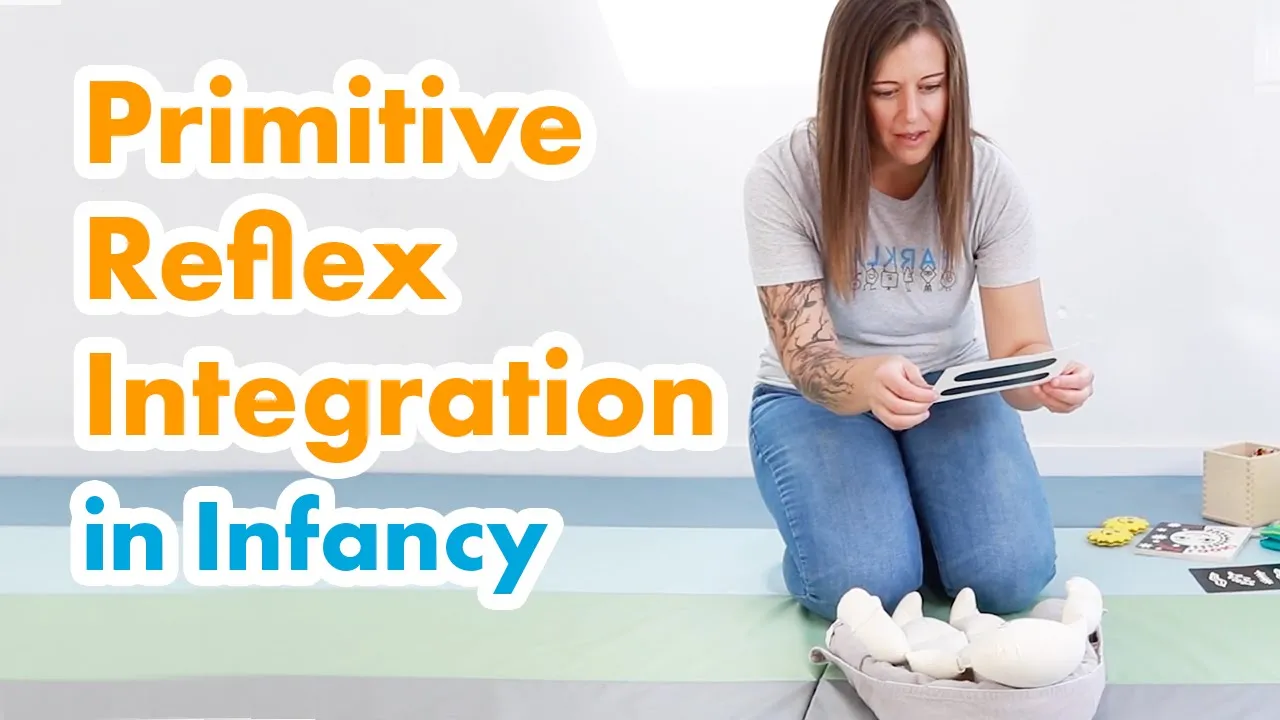
Awareness of typical vs. atypical reflex integration and its influence on voluntary motor control in infancy.
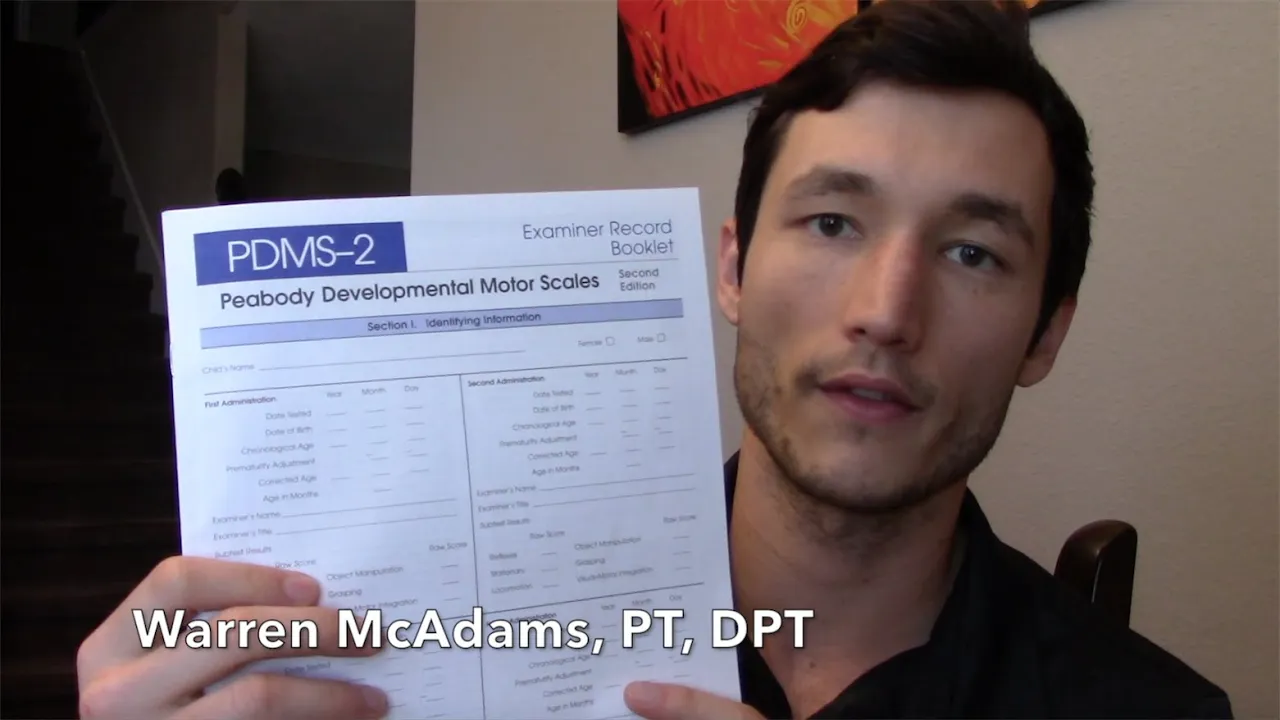
Application of standardized pediatric assessment tools, such as the Peabody Developmental Motor Scales (PDMS-2) or the Bruininks-Oseretsky Test of Motor Proficiency (BOT-2).
Identification of developmental red flags and atypical developmental patterns associated with specific pediatric diagnoses (e.g., Cerebral Palsy, Autism Spectrum Disorder, Down Syndrome).
Design and implementation of pediatric OT interventions utilizing play-based therapy, sensory integration, and environmental modifications to address developmental delays.
Navigating clinical systems and documentation, such as creating Individualized Family Service Plans (IFSPs) for early intervention (Part C of IDEA) and Individualized Education Programs (IEPs) for school-aged children.
64.2K views811likes12:26Original Release: 2019-02-14
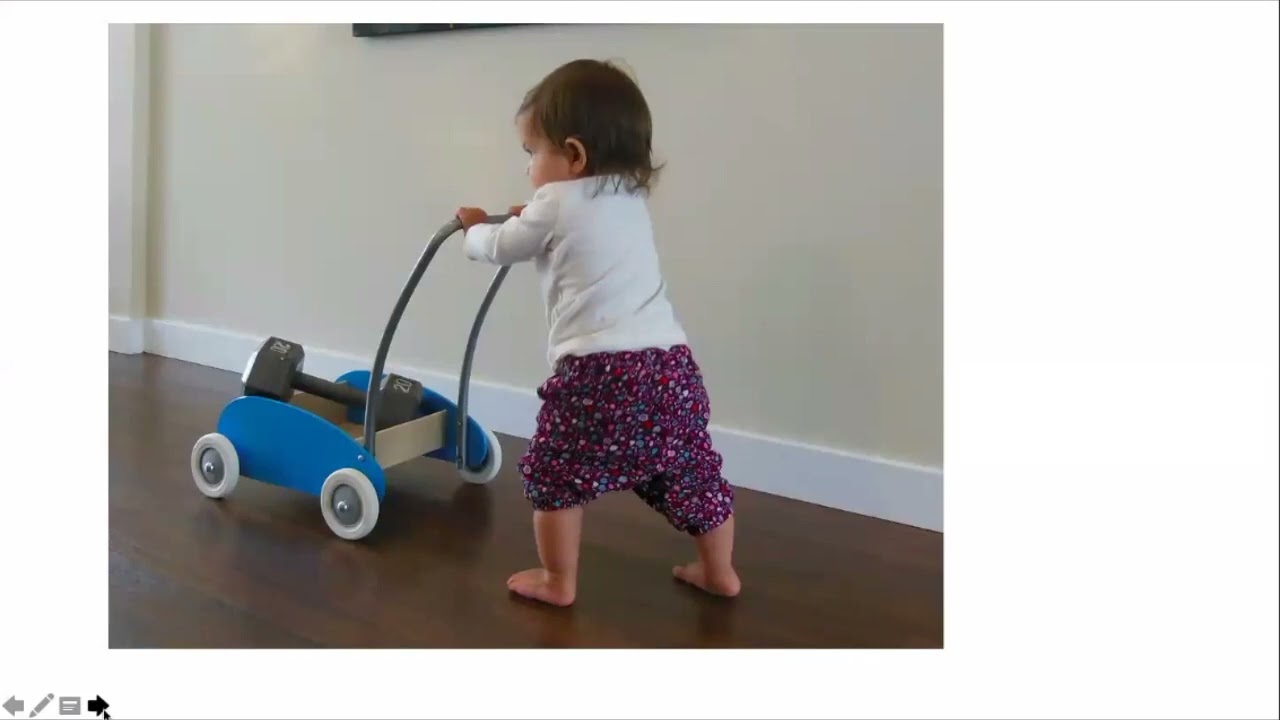
hey everyone welcome back to my channel today's video is going to cover developmental milestones for kids ages two months to five years when I was studying for the MVC ot I found developmental milestones quite tricky because I felt like I hadn't been around kids who are that young and I didn't really know what they should be doing at one age and even now when I'm practicing sometimes I don't know exactly what age to expect what so I made myself a cheat sheet and wanted to review it all with you guys I honestly think the best way to learn developmental milestones is to just spend time with children and not all of us have access to them so hopefully this will help you guys study and review let's start off with two months there isn't too much going on at this age so that makes it easier for us at two months of age children are cooing they turn their head to sounds and they also hold their head up when they're in tummy time and they follow things with their eyes so I feel like the main takeaway is that they are really starting to attend with their eyes and turn their head towards the direction of something important so my little rhyme for this one is that children at two months coos at two coos at two months at four months of age babies are starting to develop more with their speech so they're babbling there copying sounds that they hear and they're also starting to use their hands more to reach for toys to shake toys like rattles and they'll hold up their head steadily at this age as well at this point for tummy time they are able to push themselves up with their elbows so elbows on floors at four months at six months of age children are starting to take turns making sounds and stringing vowels together when they're babbling for sounds such as ah and oh one of the kids that I work with right now is six months as well and this is the perfect description of a six month year old a six month year old a six month old he is really exploring the environment with his mouth so he's bringing his hands to his mouth toys are all going to the mouth he is starting to sit up without support on his own and he's really starting to kind of almost want to creep so he's rolling to both sides front to back back to front and if you hold him up on his you know his feet he will start to kind of stand with those legs supported so my rhyme for this age is starts to sit at six months starts to sit at six nine months sounds very intuitive to me after reading what happens at six months the language is starting to progress and kids are starting to say things like mom ba ba ba they are pointing to things playing peekaboo and one of the biggest fine motor developmental milestone is that they have a pincer grasp which is why I drew this little hand holding the number nine ball for nine months after our review of where a six-month-old should be nine months makes perfect sense so at nine months of age kids are starting to sit without support entirely they are starting to crawl and they are able to stand while holding on to something like a chair or furniture and this is what would lead to furniture cruising so at nine months kids sit on their heinie at 90 yeah we've made it to one year and one year comes with a lot of great achievements so kids at one year are more attached to their parents so they might have a stronger sense of stranger-danger they are able to shake their head to indicate no and wave by they can also say words like mama and Dada and they'll start to try to say words that you are saying and they're also copying gestures so there's a lot of copying going on and learning through example they enjoy banging throwing and shaking things at this age and they are able to follow very simple directions and just like we said at nine months since kids were standing using furniture at that age now at one year kids our cruising furniture and taking their first few steps to remember stranger-danger my quote for this one is parents please stay near at one year at the age of one and a half years or 18 months kids start to become more independent and also more involved in their activities of daily living or self-care they start to engage and pretend play such as feeding the doll or stuffed animal they are able to say several single words and they will point for what they want or things of interest they start to scribble they are able to walk alone and they will start to help undress they're also good with a cup and spoons at this age as well since kids at one-and-a-half are starting to really become more independent and learn so many new skills the quote I thought of for this one is walking my own path at one and a half we are at two-year-olds now and I absolutely love two-year-olds a few of my kids are this age they get excited to see me they remember me they want to play with other kids so they're trying to connect with their siblings if they have any but they also have their terrible twos as people would say so they become more independent at this age and you may see more defiant behavior so a few of my kids at this age are hitting or trying to play with toys their way and get frustrated when I try to kind of navigate the play they can speak two to four word sentences at this age and they are pointing and naming pictures like cat dog they're sorting colors and shapes they're able to stack four blocks and as for their gross motor skills they are able to kick a ball forward at this age as well as walk up and down the stairs holding on so they still need rail support at three years of age kids are building on the same skills as two but becoming more independent and you start to see more activities of daily living kicking in because their fine motor skills have improved quite a bit by this age so in terms of play they are engaging in turn-taking games as well as imaginary play they are able to express concern and show affection they are dressing and undressing independently at this point and they can speak in two to three sentence conversations which is pretty exciting that means that they are using I me and restatements this is something one of my three-year-olds just mastered so that's very exciting she used to not use I sentences so it would be just kind of random words thrown together or pointing but her speech has picked up quite a bit and now she's starting to say I am mad I want playdough which is awesome at this age kids are able to manipulate three to four piece puzzles levers buttons and screws which makes sense because they are starting to dress and undress independently by three years of age they are also able to stack six blocks in a tower so at - it was three blocks and at three it is six blocks so at three you just double the age - the amount of six blocks there's a lot going on at age three so this is a continuation at three kids learn how to ride a tricycle so that's easy to remember because three and tricycle three and try both being three so age three tricycle and their gross motor skills have improved quite a bit they're running and climbing well at this point so jungle gyms playgrounds are very exciting for them but because of that they're also able to alternate their feet to walk up and down the stairs they no longer need the handrail and they no longer need to put one foot down and have the other foot follow but they can switch off pretty nicely by arriving for this one it's take turns with me at 3:00 since kids are turn-taking at this age so four-year-olds are a lot of fun at this age they are starting to talk about their interests and their play skills have developed quite a bit so they'll play house and they'll play make-believe play and I think that ability ties really well with their ability to tell stories and know songs by memory so at this point they're more creative and able to recall stories and I think that ties in really well with being able to do make-believe play because they're building off of things that they have learned and seen they are also working on colors numbers counting and they are drawing people and body parts two to four body parts at this age from a gross motor standpoint they can stand on one foot for two seconds and they can catch a bounced ball so I have two rhymes for this age I have one that's make-believe more at four and counting numbers colors more I can do so much at four which sounds very dr. Seuss we have finally made it to the last one which is your five and five-year-olds want friends and want to be like their friends they want to fit in they are able to tell simple stories in full sentences and also count to the number 10 they are drawing people with six or more body parts so you can think of it as they can draw at least one body part per year that they have so six body parts and more they're copying shapes and they're printing some letters and numbers as well and that's the perfect age since that's like that kindergarten window they are able to hop and stand on one foot for over ten seconds now so coordination has improved greatly and they are able to use a fork and spoon so my last run for year five is making stories come alive at five so that concludes my video I hope these developmental milestones were helpful to review I will see you guys in the next video and best of luck
Up Next

13:47
Pediatric Developmental Assessments for the NBCOT Exam
@MiriLee
122.6K views•2017-01-05

12:54
Triumph of Orthodoxy Icon: Byzantine Art & History Explained
@BenCallan
2.1K views•2024-08-06

9:49
FastAPI vs Flask vs Django: Choosing the Right Python Web Framework
@TechWithTim
302.5K views•2024-05-26

1:42
Game of Thrones Opening Credits: A Cinematic Analysis
@gameofthrones
46.3M views•2011-04-18
Related Study Plans & Knowledge Roadmaps
Structured learning paths in General & Interdisciplinary Studies
general-studies
Elevator Engineering: History, Physics & Cities
01From Hoists to Safety Brakes: The Dawn of Vertical Lift
02Hydraulic vs. Traction: The Engineering Physics of Elevators
03Modern Speed, Safety, and Algorithms
+ 2 more learning modules
12h5 modules
Explore Roadmap
general-studies
Rubber: Material Science, History & Geopolitics
01Origins of Natural Rubber & Mesoamerican History
02The Chemistry of Natural Rubber & Vulcanization
03The Geopolitics of the Rubber Boom & Colonization
+ 2 more learning modules
12h5 modules
Explore Roadmap
general-studies
Containerization: Evolution, Logistics & Trade
01Ancient Trade & Bulk Cargo: Amphorae to Barrels
02The Industrial Revolution & Cardboard Packaging
03The Containerization Revolution: Malcom McLean
+ 2 more learning modules
12h5 modules
Explore Roadmap
general-studies
Textile Tech: Evolution, Labor & Global Impact
01Pre-Industrial Textiles: Handloom & Cottage Industry
02Mechanization: The Spinning Jenny to the Power Loom
03The Factory System & Global Labor Transformation
+ 2 more learning modules
10h5 modules
Explore Roadmap