





















The Open Internet Order's per se prohibition on vertical contracts between broadband providers and content providers is economically flawed because empirical evidence shows such contracts are typically pro-competitive, and antitrust law's rule of reason approach is better suited to address potential anti-competitive effects than a categorical ban.
Broadband Competition: Former FTC Commissioner Josh Wright Keynote
Added:Fundamentals of antitrust law and economics, specifically the Sherman Act, Clayton Act, and the consumer welfare standard.
The distinct regulatory mandates and jurisdictional boundaries of the Federal Trade Commission (FTC) versus the Federal Communications Commission (FCC).
Economic concepts of vertical restraints, such as tying, exclusive dealing, and vertical integration, contrasted with horizontal restraints.
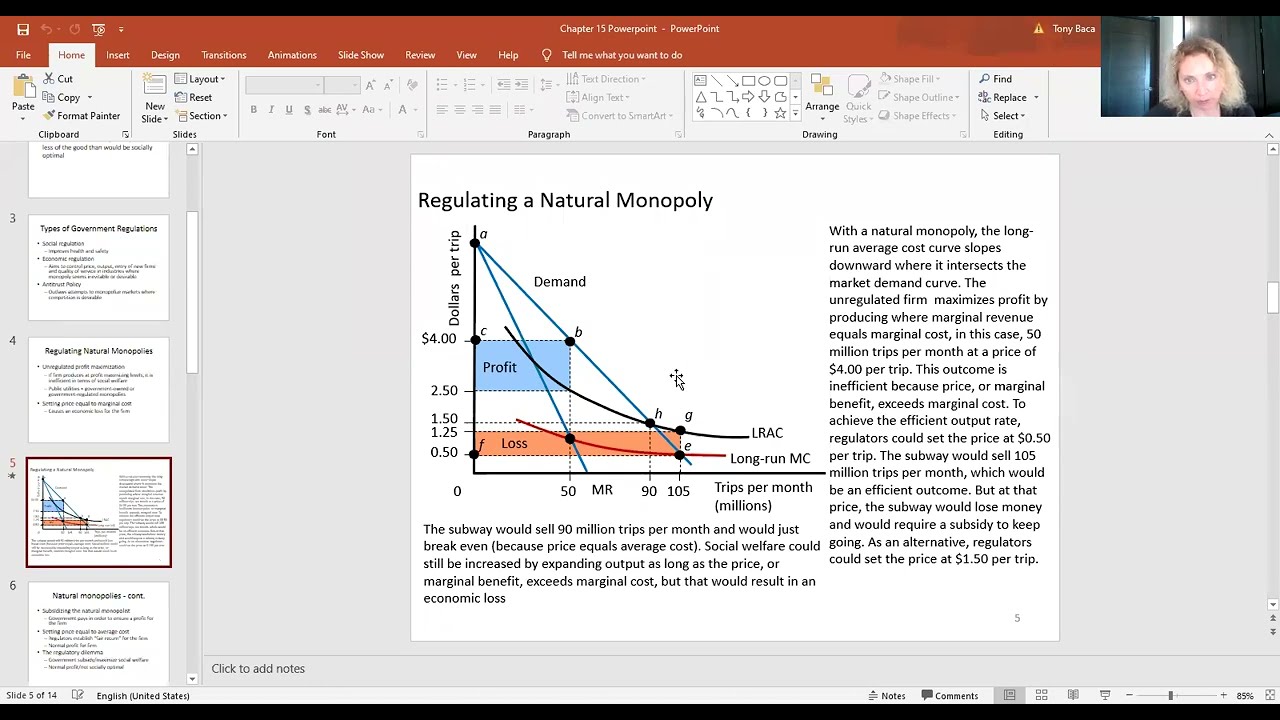
Basic economics of the telecommunications industry, including network effects, high fixed infrastructure costs, and natural monopolies.
In-depth analysis of the Net Neutrality debate and how broadband regulation impacts content providers and consumers.
Case studies of major telecommunications and media mergers (e.g., AT&T/Time Warner) to evaluate the application of vertical merger guidelines.
The ongoing debate between the traditional economic Consumer Welfare Standard and modern 'Neo-Brandeisian' antitrust movements.
Advanced policy analysis of jurisdictional overlaps and potential regulatory conflicts between the FTC, FCC, and DOJ in the digital economy.
482 views1likes47:01Original Release: 2015-12-21
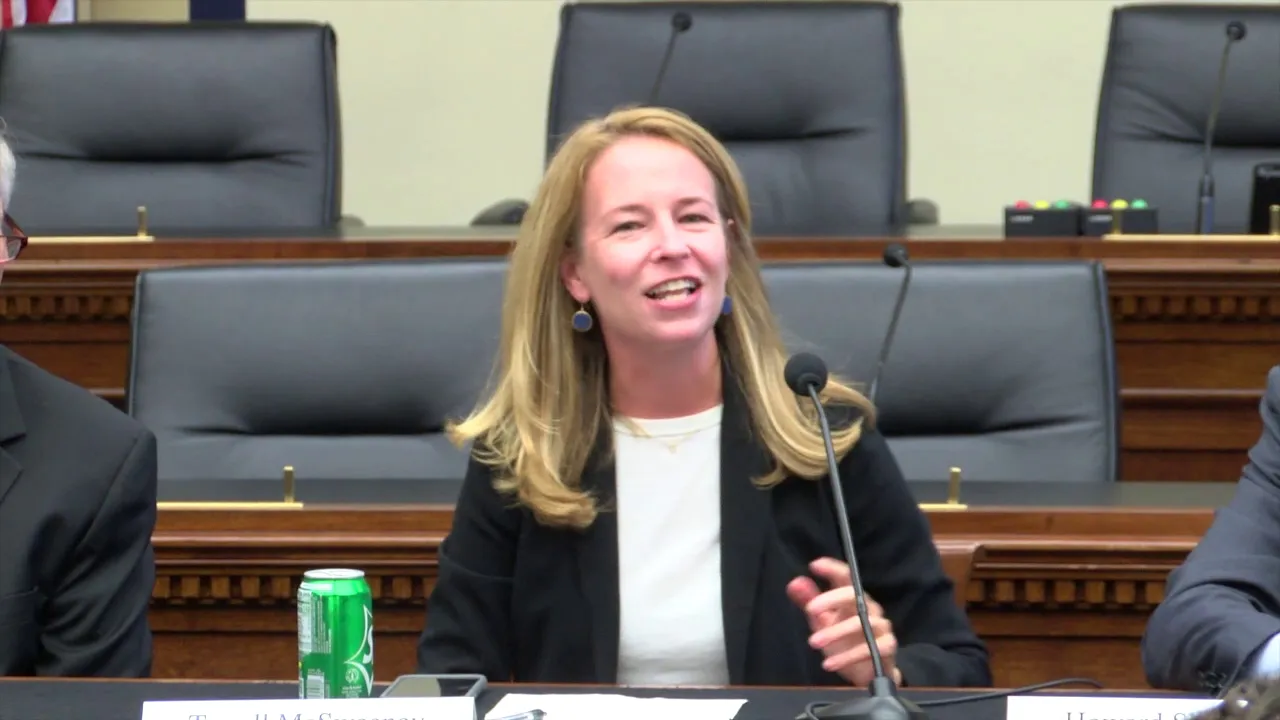
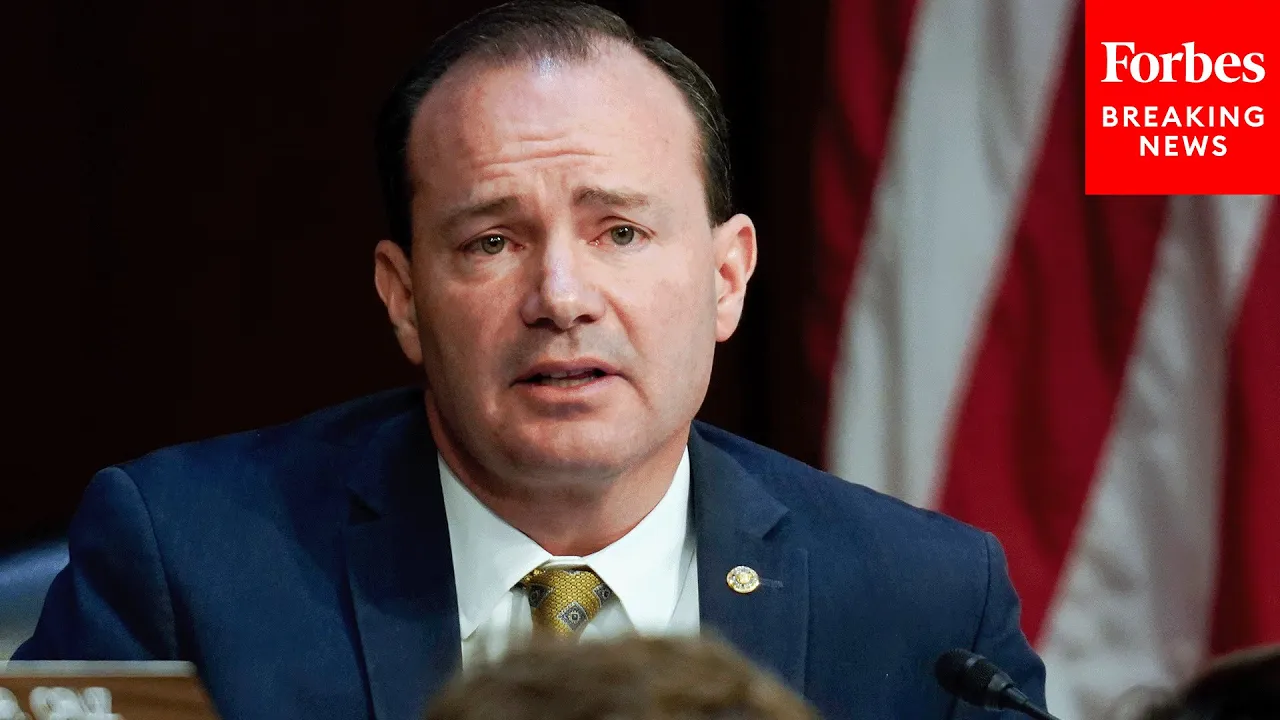
quickly take their seats Thanks to everyone for for coming today we have an incredible lineup of speakers so I'll keep my introductory remarks brief as readers of the capital forum you all know we'd love to dig into the weeds when it comes to competition policy and today we're gonna dig into the details around key pending and recent decisions Comcast Time Warner Cable AT&T DirecTV Charter Time Warner Cable Altice cable vision as well as net neutrality litigation and regulatory responses to behaviors like usage-based pricing and and what what what what do we mean by managed services and these decisions decisions on these issues will go a long way to shape the competitive landscape for the broadband industry going forward and while the rest of today we're going to focus on these details I want to take a brief step back to create a framework for thinking about competition in broadband and we need a framework because there's so much disagreement over what competition in the broadband industry actually means we know competition is a priority for both sides of the political spectrum but not everyone agrees on what competition means and so to better understand what competition means in this industry I think we have to explore a broader question what is the proper competitive structure for the wireline broadband industry some in our audience congressional staff FCC staff and state policymakers can think about that broad question and can shape the competitive structure with policy decisions others in our audience including DOJ and state antitrust officials can think about that question but their role is more to enforce the competitive landscape laid out by Congress and further lawyers industry representatives and industry stakeholders in the audience will support or face-off against the government in in at the agency or in court over the details of any rules others are here to better understand how all of these decision makers will act to establish and enforce a competitive and today we're going to hear from both sides of the political and ideological spectrum one end of the spectrum believes in a hands-off approach to the broadband industry to let broadband executives invest price and provide services largely as they see fit the other end of the spectrum believes that monopoly utilities should be regulated by the government with strict pricing and behavioral rules clearly there is there are also options in between those ends of the spectrum and I want to quickly talk about two potential competitive structures and some key questions that our audience should keep in mind throughout the day the first potential competitive structure I want to highlight is broadband as a regional monopoly with varying levels of regulation if policymakers are okay with monopoly markets then a discussion about about competition is really about whether or not rules are needed to ensure that competition occurs up and down the supply chain the second potential competitive structure I want to highlight is broadband as a regulated competitive structure in which policy makers encourage competition at the broadband provider level if policymakers want competition among broadband providers they're going to have to find a way to ensure new entry incumbent overbuilding and/or municipal investment it seems that consensus among policymakers is generally to prefer a competitive framework but there has been a realization that we are stuck potentially indefinitely with a regional monopoly framework perhaps the most important questions related to competitive structure and the broadband markets are those about timing how long are policymakers willing to wait for entry how quickly will policymakers respond to decisions by but not by monopoly providers that allegedly threatened competition today we want to create a forum for discussion so that we can all better understand and explore the political economic and public interest issues that will drive consideration of the policies that will create these different competitive structures lastly this is a forum to debate the consequences of these different competitive structures the cost to the government to citizens to companies and the benefits innovation investment choice entrepreneurship and liberty that result from getting competition law right when it comes to broadband with that I'd like to quickly introduce our first speaker former FTC commissioner Josh right Josh right is a is currently a professor of law at George Mason University School of Law before his time as FTC commissioner professor Wright was the inaugural scholar and residents at the FTC Bureau of competition professor Wright is a leading scholar of antitrust law economics intellectual property and consumer protection and has published more than seventy articles and book chapters co-authored a leading antitrust case book and edited several book volumes focusing on these issues and with that please give a warm welcome to former commissioner Josh right thank you it's great to be here and and thanks for having me to the capital forum I in my old job whenever I had a microphone in front of me had to begin by saying you don't hold the things I say for the next 15 minutes against other commissioners and so forth but now I get to tell you what I really think about things and you can you can just blame me or if I think you should blame them I can say that now I guess so when deciding what to talk about today I sort of was looking at the conference agenda and it's an impressive lineup of speakers and a number of foundational themes emerge mentioned in the introduction I'm a I'm an antitrust lawyer so one of the an economist and one of the themes that tends to jump out to any antitrust lawyer or economist when he gets anywhere near telecommunications or the FCC is the tried-and-true good old-fashioned debate between the tension if any between the public's interest standard applied by the FCC and the consumer welfare standard embraced by the antitrust laws now I also notice the agenda is filled with folks who know much more about telecom law and the FCC than I do so I I try to spend some time this morning talking from some perspectives in which I might have some prayer at having a comparative advantage my background is that of a former FTC commissioner one who worked at the Federal Trade Commission four times twice as an intern in the smallest cubicle in the Bureau of economics in the building and the last time with a really lovely third floor office with a balcony overlooking Capital Grille do I sound like I miss it too much and I recently left the Commission to return to George Mason where I'm an antitrust law professor and an economist so I thought those three perspectives a former commissioner at the FTC in the FTC perspective on broadband deregulation and antitrust economist and a lawyer would be sort of a few angles from which I would discuss broadband competition with you today now we start with the first sort of my with my former FTC commissioner hat on and for this I'm going to talk more about consumer protection and broadband and I am competition to begin with and this was something that I did say while I was a commissioner I don't think that there is any doubt that the FTC was a net net loser in the net neutrality wars I described elsewhere during my time as commissioner the FCC FCC's title to reclassification as something akin to taking the FTC's jurisdictional lunch money I think that description holds true I thought at that I think it now they have simply no debating the fact that reclassifying broadband internet providers as common carriers under title 2 as the open Internet order does as it stands now strips the FTC of jurisdiction including its unique ability to seek consumer redress to regulate broadband providers as part of its core consumer protection mission now we can and I suspect later in the context of discussing privacy regulation of broadband have an interesting discussion about precisely what it means to have the FCC and not the FTC or the FTC and not the FCC or to have them both means in terms of consumer protection regulation but the FTC's long experience enforcing section 5 of the FTC Act which prescribes deceptive unfair acts or practices my view was beneficial for consumers and consumers at least for now and will not reap the benefits of enforcement activity in that area now if one reads speeches from current FTC commissioners and staff for that matter there's simply nothing to see here with the title to reclassification move on the current position appears to be well if only Congress would passed a common carrier exemption then everything would be just fine if only the FCC decides that it won't attempt to expand anywhere near edge providers then the FTC will have something to do and that will be just fine - and of course most of these speeches say that the FTC and the FCC with respect to consumer protection regulation worked well together hold hands and regularly sing the more regulation we can have them both work together of course and the more regulators the merrier well them doesn't have to be much of a more than a casual fan of the history of regulation to suspect that the FTC's repeated insistence that taking its jurisdiction by majority vote of a sister agency is just fine it's probably a what we might call a tell or that the overlap and work it out later approach probably isn't as good of a deal for consumers as it sounds I continue to believe as I did then when I was at the FTC that the agency FTC I mean fought too little and too late to retain its jurisdiction that was something I tried to get my my colleagues to agree with me on when I was at the Commission and to put up a little bit more of a fight I lost that one but I think it's important to note and I think the FTC is going to find itself in a position where it is going to need to stand up for its consumer protection jurisdiction if it intends to keep it let me switch gears and get into sort of out of consumer protection and in I trust and start by talking about broadband competition and its regulation from the perspective of an antitrust economist and while I'm not specifically in these comments addressing FCC or FTC and DOJ merger review I'm going to talk mostly about net neutrality many of the same points apply to the imposition of net neutrality like conditions and merger review which regardless of which agency they're imposed by for those not familiar a vertical restraint is a contractual arrangement between two entities operating the same supply chain this is a term of art economists like to use to distinguish between agreements between competitors as opposed to complements or folks in the same supply chain for example broadband providers and content providers occupied different positions in the same supply chain next Netflix customer needs content supplied through Netflix and broadband access supplied through any one of a number of broadband providers in order to enjoy next video streaming product an arrangement between Netflix and the broadband providers what economists describe as a vertical restraint now the world's full of vertical restraints contracts - between grocery store manufacturers for shelf space at the retail level various forms of distribution contracts vertical arrangements between firms wit market power without market power and retail distribution and high-tech markets and markets involving intellectual property in widgets beer and soda all around we've seen an economist have studied for nearly a hundred years the impact of in the competitive impact of vertical restraints at its heart - an antitrust economist what the open Internet order does or what merger reviews dat resulting conditions that impose net neutrality conditions consistent with the current open at an Internet order essentially amount to a per se BER prohibition on vertical contracts no they do so out of fear that's been well expressed by the FCC and others that these vertical contracts result an incentive to disadvantage rivals and ultimately harm competition support for this fear in the economics for modern vertical foreclosure a theory emerges from something economists like to call raising rivals cost originating from Steve salafi fantastic economist at Georgetown University and a handful of other authors now that economics literature outlines the conditions under which a monopolist can in disadvantage rivals reduce competition and harm customers that theoretical literature is something like 40 years old it's well understood by economists every graduate school economist learns this in their first year of graduate school maybe their second year of graduate school and economists have been studying vertical contracts and it's important topic within antitrust economics for a long time indeed there's little dispute among industrial organization economists today that it is indeed impossible it is possible to use vertical restraints to harm competition but that possibility represents but one side of the consumer welfare ledger the fundamental failing of the open edit open Internet order in my view is that it creates a categorical prohibition a per se prohibition if you will against vertical contracts without acknowledging the vast economic literature and empirical evidence that support the view that such vertical arrangements aren't just sometimes pro-competitive they are usually pro-competitive although it's well accepted that vertical restraints the type at the heart of the open in an order can occasionally lead to anti-competitive forclosure under some conditions it's also been understood that those arrangements are part of the normal competitive process let's talk about the empirical evidence in a little bit more detail over the last 25 years in particular with increases in econometric techniques and access to data there's been a concerted effort to pair a robust set of empirical evidence with the various economic models of vertical restraints these studies undeniably paint a picture that vertical restraints are indeed typically pro-competitive and that view cuts sharply against the idea that these contracts and broadband markets are likely muscle it much less generally harmful to competition here are a few highlights from the literature one survey of the existing empirical literature about 30 different studies on vertical contracts cutting across a lot of different industries by a group of economists at the FTC and DOJ different forcement agencies observes that quote empirical analyses of vertical integration and control have failed to find compelling evidence that these practices of harm competition and numerous studies find otherwise and well quote some studies find evidence consistent with both Pro and anti-competitive effects virtually no studies can Flint can claim to have end identified instances where vertical practices were likely to a farm competition another set of empirical studies surveyed by recently resigned FTC bureau of economics director francine la fontaine which is a similar conclusion again quoting it appears that when manufacturers choose to impose restraints not only do they make themselves better off but they also typically allow consumers to benefit from higher quality products better service provision more innovation the evidence that supports the conclusion than in these markets manufacturer and consumer interests are apt to be aligned when it comes to vertical restraints yet a third study again by agency economists cites recent study studies just within the last decade and says with few exceptions the literature simply doesn't support the view that these practices are generally used for anti-competitive reasons indeed the handful of anecdotal examples of foreclosure by broadband providers that you're all familiar with our normally bandied about and debates over net neutrality an antitrust in the context of vertical contracts events is the perp the pervasively Pro competitive nature of the contracts and the order itself the FCC satisfied it itself it's respect the need to cite any economic analysis demonstrating vertical foreclosure and broadband markets by citing a single study and that was a study not about broadband services but about cable video they should be further noted that one paper merely suggested anti-competitive vertical integration was possible but didn't demonstrate it or document it with data to be clear once again the economic literature empirical evidence doesn't claim and certainly doesn't demonstrate that the vertical restraints at issue in the net neutrality debate can never generate foreclosure competitive concerns just that they can do possibly and that it's relatively rare at least compared to pro-competitive uses of the same contracts what the theoretical literature and empirical evidence to demonstrate however is that those captured by the open Internet order are not always anti-competitive in most cases pro-competitive that's a critical observation for answering the question which i think is at the heart of much of the discussion today what kind of regulatory regime and legal rules governing this behavior will best serve consumers the open end in that order in my view and merger conditions which include net neutrality provisions consistent with that order new consumers a disservice by employing and overly rigid one-size-fits-all per se categorical ban on conduct that economists have long known often generates benefits for consumers the real question is whether the type of rule embodied by the open Internet order is the best we can do for consumers in terms of regulating broadband competition when needed I don't think so this raises important questions about the tension between public interest in the consumer welfare standard we had to talk about it eventually now once again officials from both agencies are quick to announce that when it comes to any tension between the public interest standard applied by the FTC by the FCC and the consumer welfare standard embraced by the antitrust laws there is again nothing to see here in preparing for the speech I decided to get on my search engine and look around for recent speeches by antitrust officials one from the FTC a colleague of mine gave a speech saying that from an antitrust perspective a purse a ban on vertical contracts is a perfectly fine idea a top DOJ official indeed the top DOJ official gave a speech a few months ago when he announced that the open Internet order and a per se prohibition against vertical restraints a position rejected uniformly and antitrust law since before I was born was a good idea somebody should tell The Economist's nor is it difficult fine speeches from FCC officials proudly announcing how FCC merger review now adopts sophisticated economic tools just like antitrust at least except when it doesn't I have no doubt they do so and the question is whether the economic analysis has much to do with Commission decision making that's the question about institutional design not a critique of the economist but having set the stage in terms of the economics of vertical restraints let me put my antitrust lawyer hat on and try to make the case that the antitrust laws are much better suited to address the problem at the core the net neutrality debate the open internet orders proposal to place an outright ban on pay prioritization is a per se prohibition if there was strong evidence that the types of vertical contracts treated by the ban harmed competition the categorical ban would be perfectly justifiable and I trust law has categorical bans it has character had a coracle bans for example for naked price-fixing it has categorical bans where the evidence is demonstrated over time through judicial learning and economic experience that the conduct we're looking at always are almost always harms consumers in those cases consumers are best served by a per se prohibition the questions whether vertical contracts are that type of restraint I've tried to talk to you already and persuade you that that's simply not the case the best available evidence actually points in the opposite direction vertical contracts are far more likely to benefit consumers and to harm them however it's undeniably true that vertical contracts can result an anti-competitive outcome sometimes that raises a fairly interesting regulatory design question for the FCC if an outright ban on vertical restraints and the broadband industry can't be justified in economic terms but there's some chance that vertical restraints can harm competition and broadband consumers what should the FCC do the problem with the FCC's proposed per se ban is that there's no way to identify the vertical contracts that are going to harm competition ex-ante it just bans them all if economic theory and empirical evidence are correct most contracts of this type will benefit consumers and others will generate a risk of competitive harm if only there were a body of law designed to use sophisticated economic tools developed over more than a century and sharpened by economic analysis to identify the vertical restraints that are likely to harm competition and to condemn them and to apply heavy remedies but also to allow consumers to benefit from those arrangements spurred on by competition if only there were that type of law dan I trust lawyers in the room since the sarcasm I hope the rest of you kind of do too but it's a novel policy dilemma for the FCC in this regard there's a problem and I trust indeed has been grappling with for over a century and for which it offers a clear solution indeed the same sort of reasoning that provokes the use of tort or contract law to govern occasional disputes between private entities engaged in everyday life and business arrangements rather than to regulate those activities prospectively supports the use of ex post antitrust law to govern arrangements between broadband providers and content providers that end up harming consumer welfare indeed antitrust law originally initially adopted and ultimately rejected a purse a ban on nearly all forms of vertical restraints the FCC need not catch up its understanding of industrial organization economics to the state of play in 2015 to get this right and needs to get to 1977 when the Supreme Court first accepted the basic economic principles that rejected per se prohibitions of the sort embraced in open Internet order and merger conditions implementing similar requirements although the affirmative case for antitrust over net neutrality at least to me as an antitrust economist and lawyer is pretty clear on consumer welfare grounds net neutrality proponents and others often assert the antitrust might not work in all cases or might not work well enough that is the rule reason might allow some vertical contracts to do in fact harm consumers or that there's some category of harm that is outside of the scope of antitrust but with inside the scope of Public Interest analysis I have no quarrel with that proposition as a general matter the argument seems to be that there's this category of harm that's not cognizable within antitrust law or consumer protection law so not price not output not quality not innovation none of the things all of those things are cognizable and well within the scope of the antitrust laws but we should be pretty careful now we talked about a form of harm to consumers that's both ubiquitous and predictable in terms of its consistent destructive power enough to justify a per se ban but simultaneously only observable to the folks inside the walls of a regulatory agency in particular we should be careful when we invoke that odorless tasteless and otherwise unobservable type of harm in the face of evidence of consumer welfare games I'm not arguing that doing so is inconsistent with the law not sure if anything is inconsistent with the Public Interest standard but we should be clear as a methodological proposition but how we are going to trade off consumer welfare games against public interest losses and what it means when we do so let me end with what I hope will be a provocative thought experiment about dual and overlapping jurisdiction with respect to the antitrust laws could apply to the open Internet order could apply to merger review I'm an academic now so hypotheticals are more or less what I do all day with my law students for better or worse so here it goes imagine a testifying economic expert in an antitrust case in front of a federal judge defending the following two propositions as an economic matter one vertical restraints are so likely to harm competition your honor that without case specific evidence of anti-competitive effects from this vertical restraint judge you ought to presume this contract is likely to harm competition two vertical mergers are so likely to harm competition then in a similar fashion a court should presume them harmful and begin the case by imposing the burden of proof on the parties not the plaintiff now I suspect having more economists friends than most of you who testify that that economic two expert would quickly be diverted can I use that as a verb for our purposes it would quickly be Dalbert 'add and thrown out of the court on his or her ear they might lose their economists friends they might not be able to play I think the other economists friends might laugh and call them names they may not be able to play in reindeer games lots of bad things would happen perhaps now some of you I know are saying but the open Internet order is the law it's not economics the Public Interest and standards the law it's not economics yes I get it the law requires the merging parties to bear the burden of proof and we were just sort of carrying out that burden I get that too but the thought experiment is meant to illustrate the dramatic dramatic gap between say FCC merger review or the economic foundations of the open Internet order and the treatment of vertical restraints on the one hand and what modern industrial organization economics has to stay on the other it's meant to highlight the tension and the real role of economics underlying the tension between antitrust standard and the public interest standard as applied at the FT at the FCC from an antitrust lawyers perspective Nannette trusts academic for sure a similar tension caused 1960s and I trust to implode as economic learning drove away as excuse me as the economics profession learned more about vertical restraints about mergers about industrial organization economics the gap between existing doctrine and antitrust law in the 60s and economic knowledge got too big the doctrine exploded and it imploded in favor of deeper integration of economics and law developments in the antitrust and antitrust doctrine that folks of all ideological stripe and economic views have viewed as largely positive for consumers that revolution interesting enough was led by the courts not the agencies the agencies reluctantly were dragged along I do wonder and I suspect I could learn a lot from the folks in the room and throughout the day to what extent courts versus agencies will play similar roles in the development and evolution of telecommunications law so my hunch that that sort of institutional tension attention between economics and existing doctrine simply can't exist in equilibrium for too long I'll end there thank you for your time and I am happy to take any questions fire away I've got a question to kick things off actually yeah when it comes to the vertical contracts is there what is the literature like when one of the Act one of the parties in a contract is a is a monopoly does that make it any more likely that the contract is going to have a vertical problem or be harmful so let's separate out theory and empirics first so the theoretical literature you need some sort of market power to make anything anti-competitive happen and so it's not surprising that all things equal market power means it's more likely as a matter of theory that you generate harm the trick is the same is true for many of the competitive ex-pro competitive explanations all right so internalizing double margins we've got market power at both upstream and the downstream level makes it and you in turn that's a pro consumer effect right so cournot figured this out in the 19th century and internalizing complements leads to lower prices not higher prices so market power cuts both ways but it is also true that it's a necessary condition for harm in terms of the empirics some of these studies are in areas where it's not very plausible you've got market power and some are in terms of the empirics is simply hard to find evidence of competitive harm on a systematic level from the use of the contracts in a manner that would sort of be acceptable in the economics profession to demonstrate a sort of a general economic phenomenon so it's hard to answer the empirical question because it's simply not that much evidence demonstrating harm whether market power or not but I suspect if you were going to find it market power would be a necessary condition just makes the analysis tricky because all the pro-competitive arguments are a bit more salient when there's market power too so you know you talk about the tension between the FCC you know Public Interest test and you know the evolution of economics and it's sort of the evolution of the thinking and you know certainly the Public Interest test gets to something that seems to be a much more old-school antitrust a viewpoint and so I is the thing that I always come back to is you know why is it so clear what is so clear that economists today are you know smarter than the economists and the lawyers you know of old like a brand eyes for instance you know in terms of you know getting this law right you know what is what is it about today's economists that makes them so much smarter and those people I'm gonna I'm gonna object to the premise of the question and then I'm gonna change it and answer something else but I'm gonna explain what I'm doing while I do it so there's nothing in my sleeves so it's not that the economist was smarter the economists weren't allowed to play in the 60s the law was not ask economists the law was not it what's the effect on price the law was if this is a tying arrangement is it a conditioned sale of razors and blades if yes you have violated the Clayton Act it's also section one it's it's criminal you may be indicted it was a formal structure we wasn't asked the economists the economists were hanging out in universities writing stuff and they were saying hey look at all these stupid antitrust case let's write about them and eventually somebody listened and it started to influence the law so it's not that the economists were better or worse or anything else George Stigler was around in the 60s and 70s of the kingdom the conventional wisdom was in economics was and this says more about the state of economics in the 60s for reasons I won't bore you with the conventional wisdom was the best way to predict the prices in industry was to count the number of firms on your fingers and generate price predictions if my seven-year-old can do it it's probably not sophisticated economics now there's some casual intuition to it that works in some cases right if we hold a lot of things constant and we abstract away from a lot of market dynamics but that was really the state of play we didn't have very good data what we did the sort of the best economic studies the ones from which the sort of relationship between the number of firms and prices were generated were cross-sectional papers where you just sort of said you're in the widget industry let's count the number of firms and look at the prices you're in the ball bearing industry let's count the number firms and look at the prices and you over there and soda let's do the same thing and it will just draw a line what turns out if you went with those sorts of studies to a leading economics journal now and said here's my cross-sectional paper on the relationship between the number of firms and prices you probably get Dalbert in the federal court but you definitely don't get your paper into the journal that's not so much a shot at the economists of the time as the technology economists have views have changed over time people started caring more about things like causation econometric techniques got better part of that is they got better because we got better data scanner data changed the world the economists were able to spend a lot of time working on techniques and that they wouldn't otherwise have computing power right so it's not an indictment of the economist one but the antitrust lawyers and judges didn't listen to him in the 60s that didn't happen until the late 70s and they were interested in different questions so the science evolved you know it took an empirical turn we now know a lot more empirically than we did in the 60s or 70s the sort of first battle was laying out the theory and then it was getting data like other social sciences or hard sciences or whatever you like you know we sort of had been flow between data and perik's and my knowledge develops that way the interesting thing about antitrust has been some attempt to integrate the learning from the field not just when convenient but required by law if you're not doing you know sort of an economic approach to antitrust laws you may be committing malpractice I mean this is the Supreme Court has said that thou shalt do economics and that's a unique feature and it's certainly not as deeply embedded in other areas of law but it has been a real success story and antitrust and one that the agencies were slow to catch up on with but I think are now usually with respect to the FTC and DOJ lead more than they lag when it comes to integrating economics that the example I like to give this dis Moses in 1977 the FTC in the DOJ an ax murderer guidelines said no court is accepting and efficiencies defense for mergers this is not in our interest to suggest the courts that they do so we win the cases when there is no efficiencies defense but we will put it in our guidelines and we will tell courts you should think about whether there are efficiencies from the mergers that outweigh the price effects and if so we should lose this is those are agencies exhibiting leadership to get the economics right sometimes at their own expense now I'm an economist I might want them to do it more than they do when I have you know my own idiosyncratic preferences on that margin but I think their historical performance is quite good and quite rare we just I mean I mean I think if you hold that up to the open Internet order and sort of read the economic I think they're worlds apart I think we have time for one or two more questions is there a question down in front or around you talk about when the divergence between the economics and the law and that eventually the law caught up with the economics what happens where orders not the same kind of procedure like an FCC review where you can put loosen mergers you can put the companies out to pay administrator pasture for two years in an administrative hearing there's no mechanism what would cause the divergence to converge yeah so that's it's a fascinating question and you know it is certainly the case in my view the ultimate integration sort of revolution in antitrust law is a complicated phenomenon when a whole-body a doctrine tax all over the suddeniy and quite quickly by quasi common law standards there are a lot of causes sort of oversimplifying to say in antitrust the courts did it there are a lot of things that happen economic oriented judges got appointed you know the Posner's and Williams and Easterbrook's and Ginsburg's of the world who had an appellate level had a substantial influence on the law where appointed and had a lot to do with the sort of in the in the 80s the Supreme Court went before that in 77 largely led by the courts in to the extent that I'm mechanism you know in the FTC when parties come before me on a merger and as staff would like to sue and the parties come in and they bring their experts and we sort of you know explore the evidence and talk to the staff and make a decision in the back of you know we are we are we are having that discussion if we're talking about remedies we are we are we are bargaining in the shadow of the threat of litigation in front of an article 3 judge in which the success rate of the agencies in court when you're in recent years a pretty darn good they're litigating cases quite well and they've got a great staff to do it but that is always in the background and that threat I think is a has been a critical part of that that Oshin now there there are some institutional features in the telecom space that aren't as present in the antitrust space so we don't do much in the way of rulemaking on the competition side consumer protection we will label your fur products and so forth right but on the competition side we don't do much in the way of rulemaking and so we don't get much in the way of regulatory review in the DC circuit for competition related things I think it's going to if it happens it is going to have to happen either through rules rather than merger review and on top of that I mean at some point to the extent that the divergence is too great between sort of overlapping merger review bodies you know events like that tend to sort of catalyze change I will say and I should have I meant meant to sort of allude to this but let me sort of be a little bit more more blunt about it I think the actual quality of the work that is done inside the FTC and DOJ and merger review is amazingly good there is amazingly good and at the FCC there's been a real attempt and I don't mean to belittle it at all to do work similar to what happens when the FTC and DOJ or reviewing mergers the questions are not one I can't say it enough it's not one about capabilities right the agencies are designed to have economists have different levels of influence right and and those decisions those design decisions are you know I think it would be folly to call them you know historical accident or something like that agencies can control the way they do these things so it's not you know this is not a statement about the quality of what's done it's about the mechanism for economic analysis to influence decision-making there are problems with the FTC and DOJ structure in this regard too but I think in terms of organizational structure not just within the agency but so the threat of litigation the structure there is much better designed to get integration of economics whether you like the Public Interest standard and think that there are I mean there are serious arguments that there are things outside the consumer welfare standard that I'll start that are that ought to count but to which an economist says okay well I can give you the consumer welfare piece piece of the puzzle here are the consumer welfare benefits you know I can price it for you tell me the public interest benefits are greater than that well here you go right but we can at least have a more serious discussion about what the trade-offs are and I think to the extent the economists and economic thinking more generally not just the economists are sort of empowered by the structure of the institution so I shot a question kind of the phenomenon you're talking about intra intra FTC FTC where the bureau of economics may come to one conclusion and the bureau competition sort of comes to a different one curious kind of how that's treated and then as a sort of follow-up to that is it treated differently do you think under a Republican chairperson or a Republican dominated Commission versus a Democratic one it's a second question now I I don't think so I've been in the agency and sort of both of those those setups and in I mean here's the thing I mean most of the step the staff are there and have been there through all sorts of administrations the economic staff don't their careers don't change if the FTC wins or loses a case and the BC staff and you win a case in litigation you exit to a firm and you have a you know you'd better things for dinner than you used to okay that's just not that not the case on the economic side as a general matter now you know everybody's got their incentives and I think on the economic side it's the rate at which the Bureau of economics generates recommendations that split from the Bureau of competition it's pretty constant over time I mean you get some natural fluctuation I don't think it's political I think it has much more to do with industry type trends you've got economists who work on if you get more far more mergers there are five guys who do the farmer mergers and they have some views when you tend to get if they you know very with the the lawyers usually tend to get more disputes I think this has much to do much more to do with sort of natural cycles than anything else now what happens when you get those sorts of districts are common I think the FTC I'm sort of fond of described it is a place that institutionally is built for conflict all the conflict Commissioner on Commissioner be economist against lawyer with respect to economists and lawyers management versus staff right you have Commission versus management all kinds of conflict of which the econ versus law sort of one type that herbs and flows over time and indeed the agency made a decision in the 80s that what it would do is embrace that kind of conflict it would said instead of having our economics division be subservient to the lawyers reviewing and investigating the case we're gonna have point A Bureau of economics director who reports to the chair and that's it who gets an independent recommendation and they work together on investigations there's some discussion I think people like when they agree on the cases more than they don't there's some effort to do that but the idea of having an independent recommendation invites that sort of conflict having folks from different parties with different experiences and different views invites that sort of conflict also and I think when it done right that's conflict that makes the place better at decision-making not worse I'm I'm not a big fan of the idea at least at the FTC that decisions with no votes are bad for the world I'm biased I'm the guy with the no vote okay but that tends to be the way I said oh the way I see it it's sort of built for that sort of conflict and on hard questions don't want is that these types of agencies grapple with you you're going to have hard questions and you're going to have some reasonable disagreement so I think mostly it's handled by B sin that could they send the recommendations up and people say their piece and commissioners decide but it's not shunned or anything like that it I think that might be all the time for questions we have we're gonna take a short five-minute break and get the first panel up there but thank you very much to Joshua thank you fantastic speech
Up Next

75:22
Judge Richard A. Posner on Antitrust Law & Economics | Oral History Interview (2008) - Chicago
@AntitrustABA
3.4K views•2019-10-01

6:55
Understanding Copyright and Fair Use in the Digital Age
@techquickie
144.1K views•2016-07-22
12:13
Merger Remedies Trends: Structural vs Behavioral
@Thecapitolforum
3.6K views•2018-05-09

24:42
Police Interrogation Tactics: False Confessions & Legal Reform
@LastWeekTonight
7M views•2022-04-18
Related Study Plans & Knowledge Roadmaps
Structured learning paths in Law
law
Analyzing Mergers: Clayton Act & FTC Rules
01Introduction to Antitrust Law and Market Competition
02Corporate Mergers and Section 7 of the Clayton Act
03Defining Markets and Measuring Concentration (HHI)
+ 2 more learning modules
10h5 modules
Explore Roadmap
law
Self-Defense Law: Imminence & Castle Doctrine
01Foundations of Self-Defense Law
02Imminent Threat & Reasonable Belief
03The Principle of Proportionality
+ 3 more learning modules
12h6 modules
Explore Roadmap
law
Defamation Law: First Amendment & Actual Malice
01Introduction to civil torts and the First Amendment
02Elements of Defamation: Libel and Slander
03Public Figures vs. Private Individuals
+ 2 more learning modules
8h5 modules
Explore Roadmap
law
Hearsay Rule: Trial Evidence & Exceptions
01Introduction to Trial Evidence & Courtroom Basics
02Demystifying Hearsay: The Core Definition
03Non-Hearsay: Exclusions Under FRE 801(d)
+ 3 more learning modules
14h6 modules
Explore Roadmap