








![The Revived Debate About Antitrust [21st Annual Faculty Conference]](https://i.ytimg.com/vi/ROPCVZ1oIMw/maxresdefault.jpg)


![[정준희의 논; 69회] 온라인 플랫폼이 지배하는 경제, 미디어는 어떻게 바뀔까ㅣ이완배X정준희](https://i.ytimg.com/vi/dMf9nNlC2qk/maxresdefault.jpg)



![Judicial Activism and the Role of the Judiciary [Archive Collection]](https://i.ytimg.com/vi/zNo4B3EZh7o/maxresdefault.jpg)
The Chicago School of antitrust analysis, developed by economists Aaron Director and George Stigler, fundamentally transformed American antitrust law by applying economic principles to evaluate business practices. Unlike the Harvard School's speculative approach, the Chicago School assumes that businesspeople act as rational profit maximizers and that anti-competitive behavior should be identified by its economic consequences rather than by its form. This approach treats both explicit and tacit collusion as conspiracies under Section 1 of the Sherman Act, and it has influenced how courts analyze practices like tying agreements, resale price maintenance, and loyalty rebates. The school advocates for simple, predictable rules over complex judicial discretion, emphasizing that merger guidelines provide necessary clarity for businesses while maintaining that economic efficiency should be the primary goal of antitrust enforcement.
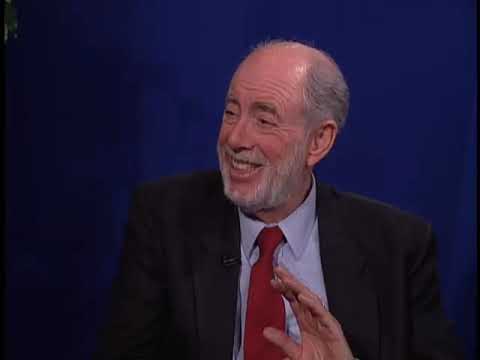
Judge Richard A. Posner on Antitrust Law & Economics | Oral History Interview (2008) - Chicago
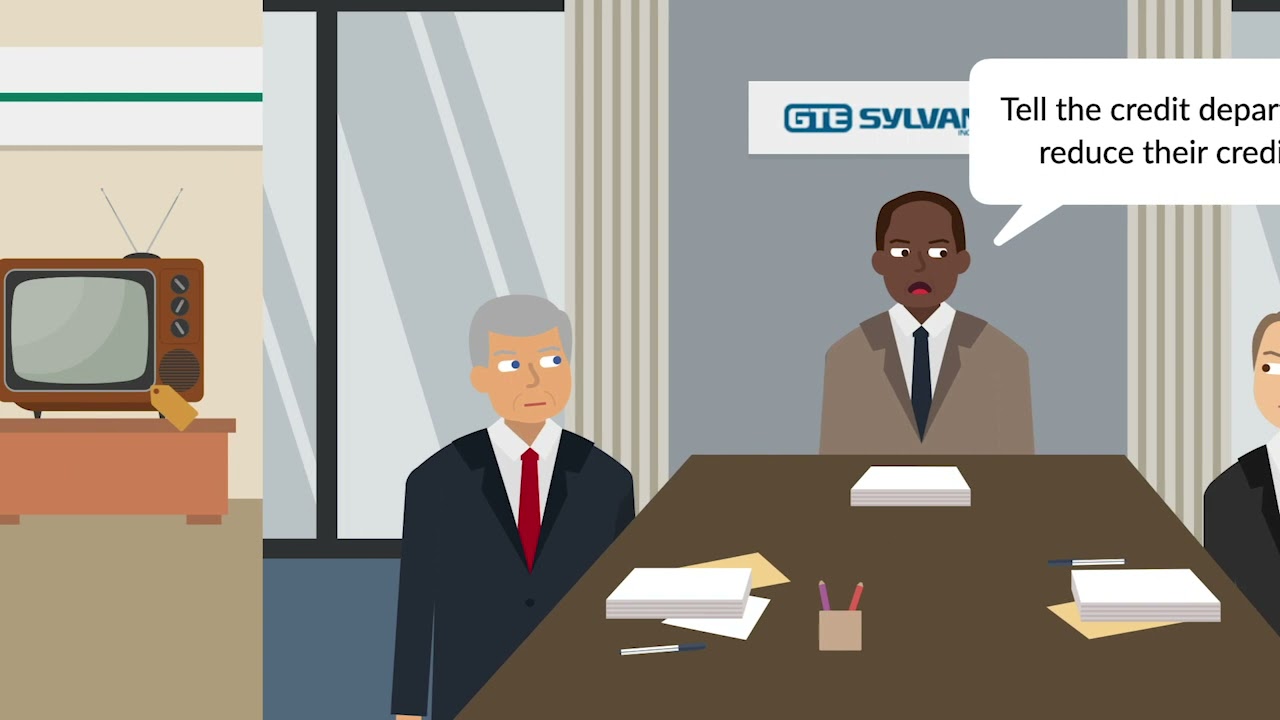
Added:from the American Bar Association Law Museum in Chicago the section of antitrust law presents the oral history project interviews with the leaders who have made significant contributions to antitrust law practice good afternoon my name is Robert Joseph I'm a partner with the Chicago office of Sun and shine Knapp and Rosenthal LLP today we have the pleasure of visiting with Judge Richard a Posner a member of the United States Court of Appeals for the Seventh Circuit few lawyers have effected an area of law as Judge Posner has influenced antitrust a 1959 graduate of Yale College he received his law degree from Harvard Law School in 1962 after serving as president of the Harvard Law Review and clerking for Justice William Brennan he has utilized every position he held in government and academia to reshape an Titus doctrine as we know it today since 1981 Judge Posner has served on the Seventh Circuit Court of Appeals in Chicago where he has had further opportunities to directly influence antitrust law through his decisions from 1993 to 2000 he was chief judge of the Seventh Circuit he currently is also a senior lecturer at the University of Chicago Law School judge posner good afternoon let me start by asking you when and how did you become interested in antitrust law and policy I was a second year student at Harvard Law School I was on the law review and a young professor Derek Bok Slater the Dean at Harvard and then president of the university had interested submit an article to the Law Review called section 7 and the merging of law and economics and the Law Review editors gave me just by coins by accident they gave me the section of the article in which he discussed the economics of oligopoly and I never I didn't know anything about it and I hadn't studied economics in college didn't know anything about antitrust but I thought it was quite interesting these diagrams that Illustrated oligopolies is very interesting and I was also friendly with Don Turner a professor there who was an economist had a PhD from from Harvard and then I took the antitrust course my last year with Phil Arita who I think was only his first or second year or early in his career he later became very successful teacher and a very prominent and I trust scholar but at the time I I found his course really dull but then I went and clerked as you said for justice Brennan and again I I assume was just a coincidence he having been assigned a merger case United States versus Philadelphia National Bank he asked me to work on it and of course since it was a merger case I remembered box article which had now been published and in particular he had emphasized the importance of having simple rules of antitrust and the year before the year I clerked with Brennan the Supreme Court had had had a merger case called brown shoe where in which the the the judge nominally Chief Justice Warren actually his law clerk had written a meandering opinion obviously he had no feel for and I trust and it was very vague and was actually although it was a very kind of left-wing opinion because brown shoe had a tiny market share there was so much junk in there that the defense bar actually picked up and used brown shoe quite effectively as a lawyer very successful lawyer and professor in New York Milton handler who read brown shoe very carefully and mined it for all it's conservative implications accidental as they were but been Philadelphia Bank part of the essay the recollection of box article III thought we should you know have a simple prima facie case of violation and so that's that's what the Supreme Court agreed to and so I was found that very interesting and and in the spring of that year in clerking for Brennan I actually accepted a an offer at a New York law firm and Paul Weiss but then the fellow working for Phil Elmen FTC Commissioner called me up and said he'd really enjoyed the job and you know what I like the job and I went and talked to Elm and I was very impressed he's very smart so I renege on Paul Weiss I'm sent me rather Curt letter saying that good luck with your career in government as if to say you could never never get out of government now having broken my contract so Elmen was very good and the Federal Trade Commission had some very interesting and I trust case they worked on like Procter & Gamble's acquisition of Clorox and a number of other fun cases and I went to work for the Solicitor General and I was interested particularly in antitrust and public utility regulation common carrier regulation so so I weren't on those case and I said Don Turner was now the head of the Antitrust Division and I didn't know I'd been quite friendly with him at Harvard and so I particularly worked on antitrust I mean I worked on out of the case today I work particularly antitrust particularly interested in there and I argued to case is the Von's grocery case a merger case and thus win case which was a you know restricted distribution case and that was fine now in retrospect I don't agree with the position we took in fact Schwinn was was in fact overruled in the Sylvania case in the 70s and Vons I don't know if it's everybody I don't think it's ever an expressly overruled but certainly abandoned at the time that you argued those two cases did you have any misgivings about the government no no I didn't have any partly didn't have misgivings because you know if you're a lawyer you you you do what your client wants and Turner was you know basically my client now he he recognized that the Von's case was really marginal because it was a merger of two small grocery chains in Los Angeles they had like an aggregate market share maybe I don't know eight percent or something and of course there's very easy entry into the grocery industry he was very concerned about the the ease of entry and he was he was a very intelligent person now it was a different world of antitrust thinking so I hadn't in my FTC experience or on the or as a law clerk or or working for the sister general's office I hadn't I hadn't come across any of the chicago school type stuff i just knew the sort of harvard school of workable competition people like Edward I think was Edward Mason and Bane and Chamberlain and Felder Olaf Elmer was was really sharp so I actually tried when I was in the SGS office I tried to read George stigler's price theory book it was a very good textbook intermediate price there but it was too difficult for me so I never got there so so my views of antitrust were very conventional for the 60s then of course changed when I when I went to Stanford but I'd like to circle back for a moment to the filler now Philadelphia National Bank case and ask you whether you think the Philadelphia National Bank presumption still holds up today do you think that the current 1992 version of the federal agencies horizontal merger guidelines weaken that presumption in favor of a number of industry specific and market specific factors that may predispose a market to or against the forms of collusion that are difficult to detect including tacit collusion oh yeah no no I feel enough imagine are you talking about 1963 so um no that's 40 45 years ago so I think it was Turner who started in with merger guidelines and they've evolved and and they're very sophisticated I have some criticisms of some of them but they're they're really good and oh sure the there's much more sophisticated thinking about about antitrust and also more conservative policies and judges and so on so now I wouldn't know I think what was what was good about Philadelphia Bank was recognition that that this area really had to be governed by guidelines you couldn't have you you couldn't have you couldn't have an approach which said well we're just going to look at all the relevant circumstances that was formless provided no guidance and of course in a merger situation firms really really need advanced guidance they don't want to merge and then be sued and broken up so so what evolved was merger guidelines by the Justice Department by the Federal Trade Commission so there are very few litigated antitrust litigated merger cases now they're almost all resolved by negotiation with the enforcement agencies you referred to your time with Commissioner Phillip bellman could you please give us a picture of what the committal Trade Commission was like at that time and what it was like working for the legendary commissioner elmon well the FTC was a terrible backwater agency it had been it been started in 1915 it was ordained by the Federal Trade Commission act 1914 passed at the same time as the Clayton Act and it was part of the kind of progressive movement the-- the notion that administrative agencies could do things that courts couldn't do and then Christmas it was a flop and by the 60s was a real backwater and then Elmen was appointed he's very smart graduate of the Harvard Law School and he'd been he was sort of a career assistance to the Solicitor General very very very smart he clerked for frankfurter and he was appointed by the Kennedy administration and that was a breath of fresh air for the FTC he was not popular with his colleagues but he really did a lot for the FTC and it was fun where he was a very very good lawyer and I really enjoyed working for and learned a lot from him and it wasn't all antitrust you know FTC had and has a consumer protection function and one of the big projects I worked on for him was a report on the on cigarette advertising and labeling and this was in the 1964 solicitor the Surgeon General of the United States issued his report on cigarette smoking and Elmen decided the FTC should jump in and regulate and well require warnings and advertising labeling is very controversial and I had worked on that and it eventually was it was superseded by Congress first Congress for bad the warning and advertising but put in labeling eventually course breastess how did you possess turn where stepped in to take over well I'd left by then I don't remember having any reaction so so yes ll Minh was very good he had big impact unfortunately so eventually his he was reappointed although there was opposition he was reappointed by Johnson and then he laughed I guess when Nixon became president or when his second term Rena and although he was still young I mean in 50s you know and he went then to practice but he didn't like practice he didn't really do much after that which was unfortunate because he was extremely able you mentioned you worked on Robinson Patman Act cases did your work at that when you were working on those cases at that time did you already have problems with the Robinson Patman act as a statute well about the Robinson Patman Act yes he was very skeptical of it and the FTC had over enforced it so I I did work for him on cases that I have thought about Robinson Patman English but I worked on cases for him that cut back on Robinson Patman and also on some of the excesses of the Commission's consumer protection cases in 1969 shortly after leaving government service for teaching you were appointed to the ABA Commission to study the Federal Trade Commission also known as the Kilpatrick Commission after Miles Kirkpatrick its chairman who was later chairman of the Federal Trade Commission itself the report of the ABA Commission accepted that the FTC's basic design and mission were worth wild but it was very critical of managerial failures such as lack of planning infighting among the commissioners and the deficient quality of the agency staff could you tell us about your participation on the ABA Commission and about the separate statement you prepared well I wasn't very impressed by the Commission and by this you know ABA thing and Phil Elmen testified before our little committee and he said he thought the FTC was hopelessness should be abolished I agreed with that said already you know I'd started teaching I've been meeting these Chicago people so I had I had become more skeptical but but I was wrong because what I didn't realize beginning with Kirkpatrick and continuing to this day the FTC really really turned the corner and a change changed dramatically and has become no respectable enforcer of antitrust along with the Justice Department and does a good job pretty good job anyway with consumer protection so is it was I gave a talk on 90th anniversary yeah I gave a talk in Washington and I and actually it's a version of it was published and I said yeah I was wrong about that it did its its defects it turned out were less than the the design than in the execution and then it turned out to be correctable not that's ever gonna take the lead role and antitrust that's then never going to be a major part of government but it's very respectable which I wouldn't have expected in 1969 you mentioned in 1967 and 68 you were general counsel to the president's Task Force on communications what was the charge given to the Task Force on communications and what was your role as general counsel and can you tell us about the result of its work and the effects that its work has had well it ran from him from I something like October 67 to and I went off to teach and probably I left in July so it wasn't quite a year and so so it was you know President Johnson loved creating task force's so this was his Task Force on communications policy and it was headed up by Eugene Rostow who'd been Dean of the Yale Law School wasn't the number three person in the State Department I was told the fact that he'd been made head of this task force show there's actually a marginal figure in the administration that this was considered an unimportant and he had a very good staff director a fellow named Novak Allen Novak very very smart and I was called the general counsel but it did that mean Novak had a staff you know I was one of it was very tiny staff I don't know why they called me the general counsel but there wasn't and then you did a lot of the writing well I did the writing because I do because that's what I like to do but it didn't have anything to do with being called general count and had a very good research director Leland Johnson very good economist from Rand and I learned a lot of economics from him which I hadn't really picked up so that was fun and the the idea of behind the task force was that there was pressure for opening up telecommunications to more competitions so AT&T had a real lock on telecommunications and they had abused their their power so they wouldn't let anybody attach anything to the network that wasn't supplied by a team and they wouldn't sell anything either just rentals so if you wanted a telephone you had to you got it from the phone company it was their property and some little company made something called a husha phone which was some little rubber contraption that you put on the speaker part of the phone to make it more difficult for people to Oh in the room to overhear what you were saying and AT&T said that was forbidden that was a foreign attachment and that was so preposterous and then people started thinking wait a second what what exactly is wrong with having an attachment made by someone else wouldn't that be good you know how to create competition and so that's what got this commission or this this task force going and also this cable television was was was in its youth and at the time cable television was usually thought of as just a way of improving signal quality you know in madness areas but some people were starting to say no it could it could greatly expand the number of channels and hence the amount of competition in the broadcast industry which of course the networks were very hostile to and then there was this upstart company MCI which which it wanted to compete with AT&T in long distance and they started off by building microwave towers along railroad rights-of-way and offering the railroads in effect an internal telephone system and then he wanted to you know they wanted to go into competition with AT&T which horrified AT&T and again there were people who said you know what's wrong with competition and long and service so there was a ferment in 67 which led to this this taskforce and then we produced a report that submitted to the president in the fall of 68 course the president now lame-duck but the ideas in this which were strongly pro-competitive I think had it had an impact and that impact I think it was part of the reason perhaps that the Justice Department brought a lawsuit in the early 70s to break up AT&T and the combination of the the kind of competitive notions that had inspired our task force combined with the AT&T lawsuit began to really shake up the communications industry and you know eventually of course I guess 81 or 82 AT&T was broken up so and then we realized that that the monopolies had been a very bad thing because AT&T had a completely screwed up rate structure in which a very high rates on Interstate service in you know long distance we used to subsidize local service so local service was underpriced long distance overpriced and when entry was allowed the wage system altered and and it also turned out that and customers had business customers had long complained about AT&T very unresponsive to customer needs and as soon as it was possible to attach your own equipment the whole industry grew up providing equipment designed for business needs so it was it was big but I remember so I was hired by AT&T as a consultant throughout that lawsuit until I became a judge of course and that was fun but the attitudes from 18 is so stupid I remember so they so the people in AT&T were arguing how important it was to own the farn attached to only the terminal equipment the telephone because they don't own the telephone if if someone had a problem with his service he wouldn't blame his telephone that he had bought he'd blame AT&T and then be so difficult to figure out who was responsible noise and ice member saying to these people look you know the logic of your position is that companies that manufacture a television set shouldn't sell the television set they should lease it so that if there's any complaint about you know how it's working they can you know they control it and they they don't let you own it so you don't screw around with it and sell and so forth or I said you know clothing stores should just lease you your clothing so if you lose a button or something like that they can make you return it now and this guy and these people said yeah but they didn't know now with the clothes they realized there was something wrong about the clothing example in television yeah I'd be good idea attached shouldn't sell telephone television sets at least them so that mind so AT&T was a company was controlled by engineers who were contemptuous of consumers they didn't understand why anybody would like a colored telephone rather than a black guy couldn't understand that and they just didn't accept that they were gonna they knew it was good for consumers they were going to do it so that was part of the other part was their political part they were playing a political game which consisted of every year because they were very rapid technological improvements in telephone and in the telecom industry for which AT&T bore a great deal of the responsibility to their know his Bell Labs and so on and so every year the costs of telephone service dropped and AT&T would would reduce its rates and the FCC would be very happy so there's no real regulation they were no one was really asking whether they could have reduced their rates more there is a big rate reduction voluntary Commission would take credit wouldn't have to litigate with him and they kept the the local rates down very low because they felt that if if telephone local telephone service was very cheap that would cheap that would give them tremendous political support and no one would try to screw around with their monopolies so is it very good you know this engineering political business model was very effective for many years but with technological innovation it eventually collapsed so so that that was that was all to the good while you were at Stanford you published an article oligopoly in the antitrust laws a suggested approach and that basic approach is also found in your 1976 book and I trust law and economic perspective and in your 2000 edition of antitrust law and in the preface to your 2001 edition of antitrust law you stated that your ideas on antitrust law continue to bear the stamp of Arran director in the late George Stigler and that it was your pleasure as well as your duty to acknowledge once again you were profound intellectual debts to both these great economists could you tell us more about these profound intellectual debts to these great economists how they shaped Chicago School analysis and how they shape you were thinking in particular well when I was in the probably when I was in the solicitor Jones office I had read a book by another Stanford professor Herbert Packard called the state of research and antitrust law really more pamphlet it was it was very good it was very interesting and he mentioned this Chicago school of antitrust analysis and he treated it as a kind of interesting interesting heresy or you know interesting weirdos he was skeptical but he was respectful because he thought they were interesting and he particularly mentioned errand director when I but I I never know who errand director was except for the Herbert Packers book when I started teaching at Stanford in in the summer of 1968 i I just walking her to my office or walking through the Carters of the law school I noticed there was a a door with a you know the doors had frosted windows window panes and there was a name you know eran director and and there was a light on inside so I'm having heard the name Marin director I went I just knocked I introduced myself and we became friends he was very very smart I was very impressed and and he you know really opened my eyes to a completely different way of looking at I trust and I found it very persuasive and I wrote this paper I wanted him to you know sign on as a co-author not that he'd done any of the writing but you know the ideas were mostly his but he was a very modest person he refused and then the winter quarter just by coincidence my whole involvement himmat Trust is a series of coincidences I George Stigler was visiting Stanford just for the winter quarter and George and and Aaron was his best friend and sort of his only friend at Stanford so he would spent last time with with Aaron and therefore with me because I spent a lot of time with there having lunch and so on so I became very friend of his George and whose very me brilliant person I was really snowed by these guys after Nixon was elected in November 68 he as president-elect formed a bunch of transitional committees and one of them was an antitrust committee and he asked George to be a member of it to be the chairman and I hadn't met Stigler at that Planum I hadn't I don't think I'd met him I'm sure I didn't knew but he asked me to be on the committee and I'm sure that was Aaron directors suggestion so that's when I met him Ronald Coase who was on the committee and others and then Stabler came the winter quarter so I got to know him very well and then I think because I had been on the committee I'd met also a couple of law professors then I was invited to give a talk at Chicago University Chicago Law School his reference to industrial organization workshop yeah well his stigler's workshop and that's what I was that's here so he asked me to give a talk probably this paper you mentioned oligopoly in the spring of of 869 and then they offered me a job and asking for it they just sprung it on me and but by then I realized you know that although I like Stan for I like Bill Baxter a lot very able person but I like the errand a lot but Aaron was actually visiting Chicago one quarter a year still and we taught antitrust together and fall of 69 but Chicago seemed like the real heartland of the economic approach to law and it wasn't just antitrust because I'd stand bill back should had a little reading group faculty which I was part of and he and one of the articles we read was an article by Guido Calabresi on tort law and I thought I had no idea well I had a little inkling because I'd read Ronald Coase article problems social cost when I was on the telecommunications task force so I had an inkling that economics could be applied to other areas of law but the calibration article made it clear that this was so it was very interesting so so going to Chicago was not just an interest in antitrust but also you know that's where Ronald Coase thought so on it was known to be the school that had the greatest interests and economic approach to law are there any others who have had a significant impact on development of your chicago school views well well certainly coasts and there was another economist on the UFC law school faculty Harold m sets who wrote who had written about property rights and about public utility regulation and he was I I learned from him and where's Milton Friedman was at Chicago I never had too much dealings with him and he he left shortly afterwards for Hoover and then had you met Gary Becker at this time well actually met Gary Becker at the dinner that Nixon held for the members of his various transition committees cause Becker was on the one dealing with education and then he came and visited Chicago shortly after I came maybe 1970 or so and then he stayed on so we became close friends and and and he opened up other areas of economics to me which had applications to law some of which he at me because he done himself he he wrote an article 90 published an article 1968 on the economics of crime and punishment so that was an important article so but bill Baxter also had written written article about airplane noise and about patent law and he was very very smart very good economist as well as lawyers so and there was no people like calibrates do you I didn't know personally but who but of course I met him eventually but who published stuff but Fran I trust it was mainly Stigler indirectly there were others Lester tells her professor at at University of Chicago and back to oligopoly in the antitrust laws in the Stanford article you question the then prevailing view that monopoly pricing by oligopolists when unaccompanied by any detectable acts of collusion constitutes an economically and legally distinct problem requiring new doctrines and new remedies for its solution you instead argue that both forms of collusion explicit and tacit can be proceeded against under section 1 of the Sherman Act as conspiracies in restraint of trade have you seen use of your approach in the antitrust divisions selection and prosecution of price-fixing conspiracy z' and more generally do you believe that the approach in the article has affected development of the law relating to horizontal price-fixing I I do think I I do think the Antitrust Division the FTC use this type of analysis in deciding what cases to bring and also make some use of it in presenting evidence in cases so for example the what's that I forget which one is at Home Depot or is it staple or you know they're these three things Office Depot hosting so that's a case in which the FTC tried to determine empirically what difference it makes whether you have two or three you know superstore competitors in a in a town in a market it hasn't it hasn't received a great deal of attention from the courts so my fructose case obviously takes that approach but and and but I but the cases I read when I was writing that opinion I didn't think we're very sympathetic but this I mean all traces back to to something that Aaron director has said where did the germ of the idea was that he just he thought it he thought it odd that the lawyers were so preoccupied with proof of conspiracy rather than being interested in the actual economic consequences that's what made me think well maybe the the focus of of an anti of a price-fixing case should be on the economic consequences rather than on the question whether there was actual communication among the among the competing firms so know it's difficult Don Turner had written an influential article saying that in effect you could never you mean his idea was you could never make tacit collusion a basis for an antitrust violation because because a firm couldn't help itself in tacitly colluding that is if if if a competitor raised price would be irrational not to raise your price also I then I think was exaggerated but but he was he was right very difficult to to prove a case when you don't have the smoking gun type of conspiracy evidence when you're just inferring a conspiracy from behavior that is anomalous if the firms are competing that's that's the essential approach so I think I think it's an approach has promised I can't say it's really caught on but you know I think as a supreme court's decision in Bell Atlantic versus Twombly effects its viability no my interpretation of the Twombly case is that if you allow an antitrust plaintiff in a big antitrust case if you allow an antitrust plaintiff to surmount a motion to dismiss with vague unsubstantiated allegations of collusive behavior or exclusionary behavior then you tend to force a settlement because if you if a plaintiff resists the motion to dismiss resist a motion to dismiss the next thing is discovery and of course discovery very very costly in a big case not just antitrust case of any big case and at that point the defendant has to decide you know it's really worth fighting this or should we settle so what the court I think was trying to do was saying we're gonna make it easier to file a motion to dismiss in a big case because we're going to require more detailed cleaning and now when you put this together with a Matsuda case Matsuda case says to resist without I think that was summary judgment but that to get to a trial or they keep your case alive you have to yeah not just enough to have a theory you have to have something that makes some at least minimal economic sense so if you put that together with the rule of basically a fact pleading in Bell Atlantic you see that the a plaintiff in a big antitrust case has to do a lot of work in order to get to the discovery stage that's perfectly sensible but I don't think that effects the underlying theory of you know tacit collusion and even the fructose case it wasn't just tacit collusion there was some other evidence so I think in a case like that as long as the plaintiff can set forth some specific you know economic phenomena in the market that are indicative of collusion I think that's enough to survive but the courts don't seem terribly friendly as they when did the fructose research and the court seem pretty quick to get rid of cases which didn't have sort of good smoking gun evidence much has been written about the impact of the Chicago School of antitrust analysis and I antitrust law could you briefly describe for us what is the essence of the Chicago School approach and what you view as its basic tenets we have to understand it as a reaction to the Harvard School of workable competition which was intended to be non theoretical and non-empirical but rather speculative speculative and impressionistic and suffused with an assumption that monopolist did great I can pave behavior was extremely common and was a sort of natural explanatory factor in otherwise inexplicable business behavior so the Chicago economists foo Marin director was probably the central figure said well the way to look at it is don't assume that a practice is monopolistic see what is the explanation that best comports with the assumption that the defendant is a rational Maximizer of profit Maximizer and and that so you have you know simple theory of rational economic behavior and sometimes they'll be a monopoly explanation and not but you want to compare when look at the behavior that's claimed to be monopolistic and ask is monopoly the best explanation or is there other explanation more compatible with rational self-interest so this was applied for example to to tying agreements so so there were these funny old cases companies sells salt machinery for processing salt and says we have to buy your raw salt from us and so the Harvard approach was well that must mean that you're using your patent or some other source of monopoly power over the over the machinery to try to get another monopoly monopoly and salt so Aaron director pointed that that didn't make sense because if you if you've monopolized an essential input then you can earn all your monopoly profits that way and it won't do you any good to have a monopoly of another input so he looked around for other explanation there's been - mine was not that this was a way of an X in another market but there was a way of price discrimination so the people who used the most salt with their salt machinery were the ones who were getting the most benefit from it so if instead of charging them a high price for the salt machinery you charge them a high price for the salt maybe you could give away the salt machine you just charge for the salt you'd be automatically charging the big users more and that would be a way to maximize your profits but it wouldn't be a matter of a becoming a seller a you know monopolist have salt you just wanted to reap rice to solve but you do whoever was selling salt you wouldn't want to take over and run their business for them so that was one examined and so the Supreme Court had said you know nineteen eleven that that for a manufacturer to set a floor under the resale price of his good that's the same as if the retailers got together and agreed to fix their prices which would be my price-fixing and then there's Gago people point I didn't make any sense because why would a manufacturer tolerate his retailers why wait a minute why would a manufacturer by setting a floor under his under his retailers a resale price or wholesalers whatever any distributes retail right well by doing that he just is going to reduce the demand for his good because distribution is an input into production so if you're producing toothpaste or something you want the the cost of distributing the toothpaste to be as low as possible not high and then so but nevertheless setting floors under your distributors price resale price maintenance was very common when permitted so must be another explanation the explanation there are several one that's is that well what you're trying to do is you you're you you actually want your retailers to compete with each other but you want them to compete in providing services point-of-sale services that's easy to see with automobiles then with toothpaste you know you want the dealer to have a nice dealership and learn a lot about the product spend time with customers and so on to do that you have to give them an additional margin so they can finance that activity so now this kind of thinking has been has been absorbed it's it's no longer a school of thought it's it's the way pretty much everybody thinks there are still differences in how people react or economists or lawyers react to particularly their judges particular cases but this principle that you try to find the explanation for behavior that's most consistent with the assuming rational self-interest on the part of the businesspeople that's quite Orthodox in 1979 did you believe it was inevitable that the chicago school of analysis would affect changes in the law that in that in fact did occur in subsequent years well I I don't agree I don't remember the Artic but I think I was probably talking more about academic thinking about it and then their course yeah you wrote in 2001 that even with the degree of consensus about the goals of antitrust law and the essential tenets of economic theory that should be applied in evaluating specific business practices that there is much room for debate over specific practices cases and rules could you identify for us some of the specific practices cases and rules that you might have in mind over which there is still much room for debate yeah well whenever you have a practice that has good and bad effects you're going to have a difficult a judgment to make so so so an example is loyalty rebates you give a rebate to a customer who buys a lot from you and of course that deters him from buying as much from your competitors so so it can be exclusionary it can have an effect of excluding and equally efficient competitor on the other hand of course there are obvious benefits in to customers in being loyal customers right they treated better and their information cause their search costs are reduced so so it's very hard actually to balance costs and benefits of competitive behavior 'add you know our allegedly anti committed behavior because because you have to do empirical work and that may strain the comprehension of judges or jurors but a lot of progress has been made you know the know in the 70s with a couple of other guys I started a consulting firm or lexicon for providing economic support and litigation and it wasn't the first such firm but I think it raised the level of sophistication of economic support and litigation and and know a lot of high quality empirical work is done in in these cases so I think it's becoming easier more feasible to make these judgments but whenever there's uncertainty the response of the enforcement agencies and the courts and so on is going to be shaped by you know kind of preconceptions that judges bring to cases they like business not like business so they like economic do you have more confidence in the ability of the judicial system to evaluate and compare the anti-competitive effects of a practice versus the pro-competitive justifications for it oh yeah I think that's that may well be true not sure exactly what's left of the Chicago School as I say there's there's much more consensus than there than you used to be I don't know who identifies himself or herself as Chicago School antitrust economist but there are clearly people who are more skeptical of judicial capabilities than I am but I but I think you know any case like Twombly is is fine yeah I want to make the lawyers really think before they put a defendant to the expense of defending an atrocity recognizing that there seems to be a convergence of thought I want to go back for a moment to 1979 when you wrote that your views closely resembled but not are not identical to the more orthodox Chicago position espoused by Judge Bork in what ways then did you differ from his views and do you think those differences still remain yeah I don't remember what I was thinking then but but later on in the you know second addition to my interest but the 2001 that you mentioned yeah I did take issue with him over such things as the standard fashions case although actually I was really parroting that analysis the case by Aaron director and Edward levy back in the 50s one of the very few articles that that director worked a director wrote so you know that's the that's the case where the standard fashion company was required and its dealers to carry the full standard fashion line of you know these were patterns that women would buy and make a dress from them so there's really intellectual property and the argue that concern was the director and leave he had missed and I mirrored that I was persuaded by and repeated was that if a dealer had to buy the full line from standard fashion if the full line was bundled how would a person a new entrant who wasn't prepared to do the full line but just you know wanted to do one pattern one size or something like that how would he how would he get in he'd have to produce the full line that's the issue that recurred you know with with Microsoft with the with the operating system the operating system is a bundle the Windows system is a bundle of almost 30 separate programs and of course you buy the bundle you don't pay anything extra for anything in the bundle so what if some company had some terrific spell check and wanted to you know break in with its spell check but unless the spell check is you know vastly superior to the spell check in the in Windows why would a customer or a consumer why would it pay extra for a spell check when already has an adequate spell check so so I think bundling presents you know legitimate issues of and I trust where's bork my impression no it doesn't doesn't buy any of that doesn't think that any exclusionary practice is sufficiently common or sufficiently harmful to warrant antitrust so I think you would just limit and I trust to cartel enforcement or you know anti cartel or maybe large horizontal mergers but I know remember there's been there has been development over the last few years of what are known as Post Chicago analytical approaches one of those post Chicago doctrines involves the unilateral effects theory relating to mergers and I don't believe I've seen any of your writings refer to unilateral effects theory what are your views on unilateral effects theory for analyzing merge well that just sounds like sort of like the staples to so-called one variation does that resonate at all in that anything well if if you if you have competitors in a selling a differentiated product then each of them has a little tiny bit of monopoly power because because there's no perfect substitute so there's some group of customers that prefer a particular brand and if you if if two of these are particularly good substitutes for each other and nothing else in the market although we're calling it one market is as good as substitute then yeah if these two merge they'll have a little more freedom from price competition yeah that just sounds like a refinement of the orden the the ordinary concern with with mergers - monopoly right you're saying two firms we're calling them part of a larger market but actually they don't have any perfect substitutes so they're really their own little market only the two of them are selling the identical product so if they merge that gives them a monopoly not a strong monopoly because they're good substitutes but not perfect ones but that doesn't sound like an analytical novelty that in the world situation we now have over 100 competition agencies with varying competition rules including the European Union and now even China and India what is your assessment of competition law policy and enforcement outside the United States do you like what you see well I not not much I know a little about the enforcement by the European competition Commission European Union Compensation Commission and I mean clearly they have a more kind of old-fashioned view of of antitrust as something that's designed not just to maximize efficiency but to protect firms that are at a disadvantage because they're small so so I want one big difference maybe it's eroded and I haven't followed this closely but so so we understand that a large firm is free to use the same competitive tactics as small competitors with very rare exceptions but the Europeans think that if a firm has like you know 30 percent of the market or something like that then it really can't it really really competes with the other it has to compete with the others with a one of its hands tied behind its back and it's clearly more than difference over economics it's part of it general European anxiety about a to rapid economic change and a more you know protectionist a view of business and a greater risk aversion so that's a major difference could you give us your views on the multiple enforcer system we have in the United States with two federal agencies States Attorney General and private plaintiffs who can bring class actions something you mentioned earlier that was in my the 2001 edition libel I entrust the real problems in antitrust are less ones of doctrine than ones of enforcement procedure the institutional structure so it is it is cumbersome to have the Justice Department and the FTC and the state attorneys general and private parties all in a position to pounce so that that does seem unduly cumbersome now the FTC and the Justice Department they divide up the antitrust business so that isn't such a problem but the states of course can pile on as they did in the Microsoft case and then the private plaintiffs come along so that's that's cumbersome you're pretty strong views about whether the states ought to be in the business of antitrust enforcement yeah I don't think they should be it's partly my experience as trying to mediate the Microsoft case where I thought the there were like 16 states at one point that were plaintiffs and they were not they didn't play a constructive role partly because they have very little staff and partly because in I think all the states the Attorney General is an official who was elected apart from the governor he's not part of the governor's administration and so he's his own political animal but also because he's not part of the of the of the governor's administration he finds it difficult often to to get adequate funding from the legislature so most of these state attorneys general are very understaffed and of course their responsibilities go far beyond antitrust so I think they tend to play a rather mischievous role and you know they say about it state attorneys general they're all governors in waiting and that their enforcement actions are politicized to a great analysis though beyond is your analysis based anything beyond the Microsoft case I mean have you done any studies of this area No what you've taught antitrust and we're not gonna have a lot of time to talk about it but I am interested in I think people won't be interested in knowing your approach to teaching antitrust and whether it's changed over the years well I haven't taught antitrust for probably thirty years okay so I don't have any yeah I think I think the late 70s would be the end of when I taught in I trust so I don't have any but when I did teach it it's I had a case book on antitrust it was very very much focused on economic analysis of antitrust as I think all courses are now because goals of antitrust other than economic efficiency have pretty much vanished from the American antitrust scene so if you're if you're teaching antitrust you're teaching economic policy of course there's some interesting cases but but I say it's it's an economic saturated field and it has to be taught that way we have focused today on your antitrust writings in your antitrust scholarship of course you've written many books and articles not only on antitrust but on law and economics more generally on political issues and on jurisprudential subjects of all of your books which did you enjoy writing most I always enjoy writing a book because you don't you know I'm not compelled to write books obviously so if I write it it's because I look forward to enjoying doing it so so I wouldn't I wouldn't want to pick and choose you know you don't wanna it's like playing favorites among your kids right we're not not allowed to do that so some way with books judge posner among the many decisions you have written in the antitrust area which ones do you believe are the most significant and why I'm no I have not had a lot of antitrust cases so I had a couple of FTC merger cases in the in the 80s that I enjoyed and I had a I've had some vertical cases of those case yeah and the the high-fructose case the the almost tacit collusion case I enjoyed that a lot working on that but that's relatively recent which may be why I remember it and I think I just forgot I had another I had another interesting horizontal case involving he's paving materials yeah yeah that was a fun case I like that and I'm sure I've had and I've had other dealing with as have peripheral issues enforcement issues sentencing and I've written a lot of cases dealing with a class actions which have a significant bearing on antitrust even if they're not class-action they're not antitrust class actions but but no I just really hasn't been a major area of of case tree I could I could mention a whole list of fields in which I've written a lot more opinions than and and what I would revise major opinions then in an antitrust you've been a judge on a very distinguished Court of Appeals for a number of years do you have any comments or suggestions you can make about the art of advocacy what do you as a judge most like and most disliked about the oral advocacy styles you hear every day well the single this is the single worst thing that lawyers do in advocacy is remain at the semantic level of issues and try to Club the judges with verbal formulas taken from cases and that's really a useless and the best thing they do is when they really understand the the facts and the background and the you know they understand the transaction that they're litigating really understand the transaction why it was structured the way way it was and what the consequences would be of deciding a case one way or the other but instead they like to they like to get up and if there's some formula that has been recited in a number of cases they will they will run they will run with that and then they'll get up and they'll try to argue you know this case is governed by another case they try to explain and I upset them don't tell us about cases in a civil case would rarely reach the oral arguments stage and an appeal if it were actually governed by another case so so they ought to tell us know what what is really going on here and what would be a reasonable result a practical result but within the framework created by governing cases and statutory text and alike in the case of antitrust no one really pays any attention to their statutory texts and the decisions tend to be you know opinions contain useful guidance but they don't decide the current case so the more concrete the the lawyers can be the the more effective and I don't I don't think this is an idiosyncratic response because when the judges confer after the arguments if there's been a good lawyer you know one of the judge will say you know I really liked X or if there was an atrocious floor and say that was terrible and invariably the judges agree on who are the good lawyers nor the bad lawyers so it's not that that I'm most of them would there wouldn't be as blunt as I'm being about what we're looking for but but but but I think the the reactions are very very uniform the judges want to want to decide the case in a reasonable way I mean they may have preconceptions what is reason but they won't do it in reasonable way and they'd only be trapped by verbal formulas and if they think the lawyers are you know giving them a real sense of what's at stake and so on they they really like that I think this of the lawyers seem to be honest people you know that that makes a a big impression so as I said I don't think there's much mystery of or much diversity divergence among judges and what they're looking for but we the judges are terrible at conveying to the lawyers what we want because the judges don't the judges don't think it's their job to improve advocacy and maybe we should they just don't think of it that way I just sit there and listen to the lawyers and sometimes you know we get impatient with the lawyers but we don't engage in some systematic education how to present a case on appeal it should be obvious actually but it doesn't seem to me judge posner thank you very much for your time this afternoon and sharing with us your experience in antitrust and your many insights pleasure has been mine thank you for your excellent questions you
Up Next
The Failing Firm Defence in EU Merger Control | Academic Seminar
@mannheimcentreforcompetiti9964
105 views•2024-10-28

Understanding Copyright and Fair Use in the Digital Age
@techquickie
144.1K views•2016-07-22
Forensic Phonetics: Speaker Identification in Legal Cases
@nptel-nociitm9240
539 views•2025-03-19

Police Interrogation Tactics: False Confessions & Legal Reform
@LastWeekTonight
7M views•2022-04-18
Related Study Plans & Knowledge Roadmaps
Structured learning paths in Law