



















A productized service model transforms design work into subscription-based packages with fixed pricing and parameters, allowing unlimited requests to be processed sequentially one at a time. This approach enables designers to scale their services while maintaining quality, as revisions are treated as new requests within the same workflow. The key to success lies in systematic project management (using tools like Trello), gradual workflow refinement over time, and balancing risk aversion with business growth by building sufficient financial security before transitioning to full-time entrepreneurship.
DesignJoy Founder on Scaling One-Person Design Business to $1M ARR
Added:Understanding the 'Productized Services' business model, where services are packaged and sold as standardized, flat-rate subscription products.
Familiarity with key subscription business metrics, specifically Monthly Recurring Revenue (MRR), Annual Recurring Revenue (ARR), and churn rate.
The fundamentals of traditional creative service models, such as hourly billing and project-based pricing, to contrast against the subscription model.
Basic concepts of solopreneurship and bootstrapping, including how self-funded businesses operate within strict resource constraints.
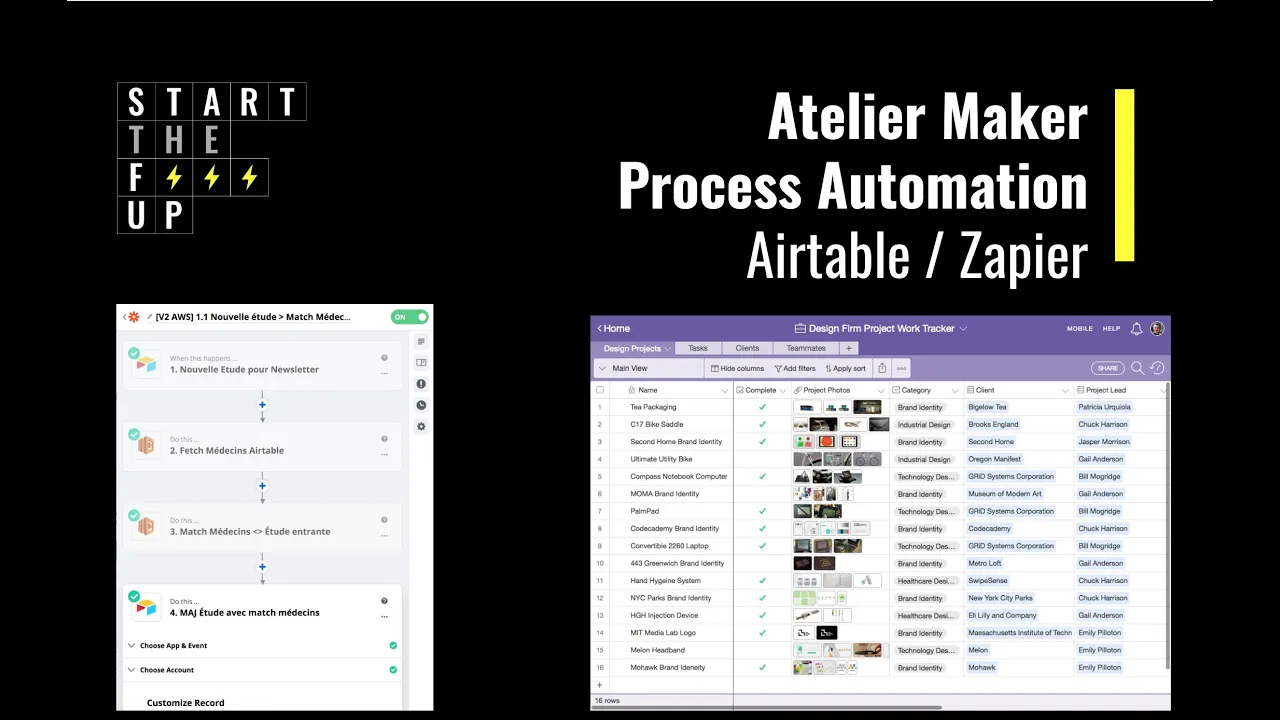
Advanced workflow automation techniques using no-code platforms (such as Zapier, Trello, and Airtable) to manage high-volume client delivery asynchronously.
Strategic risk management for solopreneurs, focusing on mitigating founder burnout, setting client boundaries, and managing capacity constraints.
Pricing psychology and optimization strategies to successfully increase subscription rates without losing existing customer cohorts.
Analyzing the scalability and exit readiness of personal-brand-dependent or single-operator businesses in the modern digital economy.
4.1K views78likes10:43Original Release: 2022-03-21
what is design joy what is the product what is the service that you that you give yeah i mean in very basic form it's uh it's a subscription packages for companies it's kind of a replacement for in-house designers or a supplement to in-house designers a fixed price fixed parameters around these packages and it's cubase work so once you have a subscription active you know you can submit as many things as you want they kind of work through one thing at a time it's just a reoccurring model much different than the traditional agency model in a sense it's a retainer but yeah it's just it's packaged differently and it's productized yeah you make it sound so easy but i know i know that that that's like the first thing i thought is like man doing client work can be really really challenging doing client work at this scale has to be kind of intense like i'm curious like just to jump right in like do you have parameters like you get when you say it's like unlimited is it really like unlimited like you'll do 50 things for the same price as someone else who does one wants one thing yeah so it's it's not unlimited in the sense that that that you can have 50 concurrent requests working on the same time it's a limit in the sense that you don't have 50 hours of my time or you don't have you can't have 50 requests it's theoretically you can have as many as you want and they're going to be worked through one by one so gotcha if it's a large request you may only get through a couple requests a month if it's like a website redesigned or something like that but if you have smaller smaller requests like marketing assets social media graphics you'll get a higher level of output in terms of the quantity of request complete than someone that had larger requests so yeah it's a it's a fail-safe system where you can't really take advantage of it in any way shape or form just because of that one requested a time rule yeah that's cool okay i'm glad you're looking out for yourself so yeah i know that there there's a lot of people out there like dude like you do unlimited like how do you and then unlimited revisions like how do you do it well one request at a time that's that's the secret key here yeah yeah that's that's my next question i was gonna ask is like the revision piece because that can be like the real real time killer for i used to freelance full-time it was not in design there's podcasts editing and production and things like that and those revision cycles are like the killer or they can be have you gotten down a pretty good system of like how do you manage that is it just literally the same thing it just becomes a new request one request at a time basically yeah let me be clear so when you it's one request at a time so you can have uh my system i manage everything in trello and so clients will have a backlog of requests and that there's no limit to how many requests they could have in there and then they'll have a current request and you can have one request in there at a time and if there are if it's a new request that's that's one if it's revisions that that request still remains in there so from my perspective revisions is a dream because i'm not having to start from scratch on the request if it's if i have something that's just tagged as like needs revisions it's like a good thing for me because it's it's usually very small things yeah the work that i do is definitely more on the higher quality sites there's not a ton of revisions typically needed and those that are requested are like uh let's change this text or let's move this button here right right very small things that may take a minute or two of my time sure gotcha it's so interesting that like how i'm curious if it might just be the way your brain works but to like build this system because a lot of this feels very counterintuitive to me and i think it probably i think that's why your story is connected like on twitter and online for a lot of makers how how have you developed this system and like like has it been a gradual thing to where you've like slowly refined it refined it refined it down as you've been going or has it just always been pretty locked in this way yeah um so i'm an honest guy my system sucks i don't i don't have a good system i don't i don't have a good system i a little backstory i launched this thing not expecting it to be what it is today by any stretch of the imagination i had no plan at all for how i was gonna intake i never thought i would get to the level that i'm at yeah and i've never had a second to really refine things as much sure i've made incremental changes i've still with the same exact tool that i've used from day one right the board that i that i set up for clients in trello looks very similar to the way it looked on day one it's just a it's a hustle business man like i have my own way of doing things with the help of air table and stuff like that so certainly there have been incremental improvements that i made to my workflow for the most part i spend 99.9 percent of my time just in fake my designing yeah i don't i don't spend a lot of time doing client communication and and project management sort of stuff i'm in figma almost 100 percent of time it's so crazy and it's crazy that you're not like having to really go sell probably there's probably a lot of word of mouth like hey this service is amazing yeah i know that the problem for me has never been getting clients from day one when i launched yeah had never been an issue for me the problem has been containing the demand for it right figuring out how to say no to the wrong clients figuring out how to how to start getting the right clients definitely i'm curious how so you you just launched this as a side project hoping that it would like something would have like tell me the story of how you started it when it became full-time all that yeah so i started it had the idea in summer of 2017 i think it was june and um honestly it was like a spur of the moment decision like everything is in my life when i build a business i was like what the hell hey it's like there's no risk in doing something like this so i stood up like a one-page site in webflow i'm a designer so i made sure that it was like it was pretty right and it properly sold what i was trying to sell and i launched it on product hunt that sunday at midnight and the rest is history so it i had a full-time job at the time it really like affected that greatly when i launched a product tent yeah uh it wasn't it was like an in-person job because like back then we were going to the office and um i had to take days off like i was sick right and like trying to figure like what am i going to do here i'm a very risk adverse person so i was not immediately like oh i got to quit my job right i gotta retain this because i don't know where this thing's going right i rode that for three years took me three years to reach about 10k mrr which at the time for me was a lot of money it was double it was double what i was making at my full-time job right but still i was risk adverse yeah um and then about two or three years ago maybe two and a half years ago things just blew up like it seemed like it was like overnight it was going very steady i only had like six or seven clients at a time which was a lot for me at the time honestly like you know juggling a full-time job and things just blew up basically overnight in march and i never had a second to stop and like figure out what what i'm gonna do with my job i actually kept my job until i hit 80k mrr last october so at a full-time ux job the entire time i joke because i'm able to manage you know 40 plus clients on the designjoy side so a full-time job to me is not a full-time job i would literally get all my work done in my zoom calls yeah so like and i had to it was the only way it was gonna work so i kept it for a long time and then i got to the point finally where i was like yeah it's time it's time to go full time design joy so so to be clear that's one thing so to be clear you were making 80 000 per month in design joy before you left your full-time job yes you have where i was making where i was making about take home about five or six km you have to tell me why what what what's what was holding you back um i don't know it was this uh it was just like it was one of those things where designjoy came about so fast and so unexpectedly and so not my own doing it seemed as though that i wasn't sure how how sustainable it was or whether i was just going to crash and burn out like overnight and the full-time job wasn't taking up that much of my time it was more mental energy than actual physical work right so i held onto that for far too long for that reason and i'm the most risk adverse person you'll probably ever meet um even you get to the point where like in in my world like money does not equate to security as much as i think it does you know like i would have thought that i've had 80 kmr like i would never dream of having a full-time job yeah turns out it doesn't equate like youth no it does to some people but not to me right so i kept it until i absolutely had no choice but to let go yeah that's crazy i mean is it do you think i'd feel free to not answer any of this stuff is is it just like uh where do you think that cause if you're entrepreneurial which you clearly are but you're but there's this aversion to risk i'm curious that has to be tough to balance or that's probably had to have been tough to balance those two things yeah i don't consider myself like the traditional entrepreneur who is not risk adverse who's willing to like put their back up against the wall and do everything they possibly need to in order to succeed and if they don't bad things happen right like there's a lot of people out there that and that to me is like a beautiful thing i mean i feel like that's where the best stuff and the best ideas come from and i have never found myself in that position but yet i've been just good at creating things my whole life and found really good strokes of luck with getting them out into the market so in in the tradition in the traditional sense i'm not you know i'm not a business guy i'm a designer right at the same time though i'm decent at creating things so i don't know whether that makes me an entrepreneur or not i don't really care too much about that term for sure but uh yeah that's that's kind of well if that that clarifies that or not but i'm curious like i'm trying to go back maybe like six weeks before you decided you had to quit what would and you had your full-time job and you were doing this would you have you had to have had moments where you're like this is too [ __ ] much i'm losing it here i had i had many of those moments i try not to make bad decisions or or rash decisions in times of like trouble which is what my wife preaches to me all the time there's there's times of the day where i'm like i need to cut half my clients down like i can't do it no more it's usually because i'm in a bad week sure and so there's certainly been times like that and the power of being risk adverse always overcame the logical like thought of like i don't need this job right like one of my clients pays for this job and i have 40 of them exactly right but eventually like i was able to build enough build up enough of like a savings right like all these things kind of start to pile up and i'm like okay now if this thing fails i can just go get a job right or i can create something else totally yeah it eventually got to that point but early on it was like everything was happening so fast right i just i i wasn't spending the proper amount of time figuring out like what the right thing to do was i was just so focused on doing the work on my plate yeah for not worrying about anything else for sure
Up Next
51:56
Optimizing Customer Loyalty Program Launch Timing for E-commerce
@chewonthisdtc
37.9K views•2025-07-08
46:36
Retention Habits of Top DTC Ecommerce Brands Revealed
@SendItPodcast
44K views•2026-03-03

15:23
Decoy Effect: How Pricing Psychology Influences Consumer Spending
@bobinvestsUS
90K views•2026-01-05

17:30
The Planned Obsolescence of Light Bulbs and Tech
@veritasium
25.3M views•2021-03-26
Related Study Plans & Knowledge Roadmaps
Structured learning paths in Business
business
Pop-Up Retail: Strategy, Design & Execution
01Introduction to Pop-Up Retail & Strategic Goal Setting
02Budgeting, Site Selection, and Legal Essentials
03Experiential Retail Design & Visual Merchandising
+ 2 more learning modules
15h5 modules
Explore Roadmap
business
Reg CF: Startup Funding, Marketing & Launch
01Introduction to Equity Crowdfunding & Reg CF
02Platform Selection & Legal Preparation
03Crafting High-Converting Campaign Assets
+ 2 more learning modules
14h5 modules
Explore Roadmap
business
Productized Services: Scaling Solo Freelance
01Foundations of Productized Services
02Packaging and Scope Definition
03Pricing and Subscription Models
+ 2 more learning modules
15h5 modules
Explore Roadmap
business
Gov Procurement: Find, Bid & Win Contracts
01Introduction to Government Procurement & Business Setup
02Small Business Certifications & Set-Asides
03Finding and Analyzing Contract Opportunities
+ 2 more learning modules
14h5 modules
Explore Roadmap