



















A productized service business model transforms a skilled service into a standardized, subscription-based offering with fixed pricing, eliminating traditional agency friction like meetings, contracts, and variable pricing. This model works best for tangible, visual services like design where the output is immediately perceivable and can be delivered consistently. Key success factors include: (1) Clear service scope with one request at a time, (2) Simple asynchronous communication through tools like Trello, (3) Instant onboarding with no contracts, (4) Subscription pause feature for flexibility, and (5) Niche targeting to attract quality clients. The model combines the reliability of an agency with the flexibility of freelancing, allowing solo practitioners to scale to six-figure monthly revenues while maintaining quality of life.
How to Build a One-Person Productized Agency from Scratch
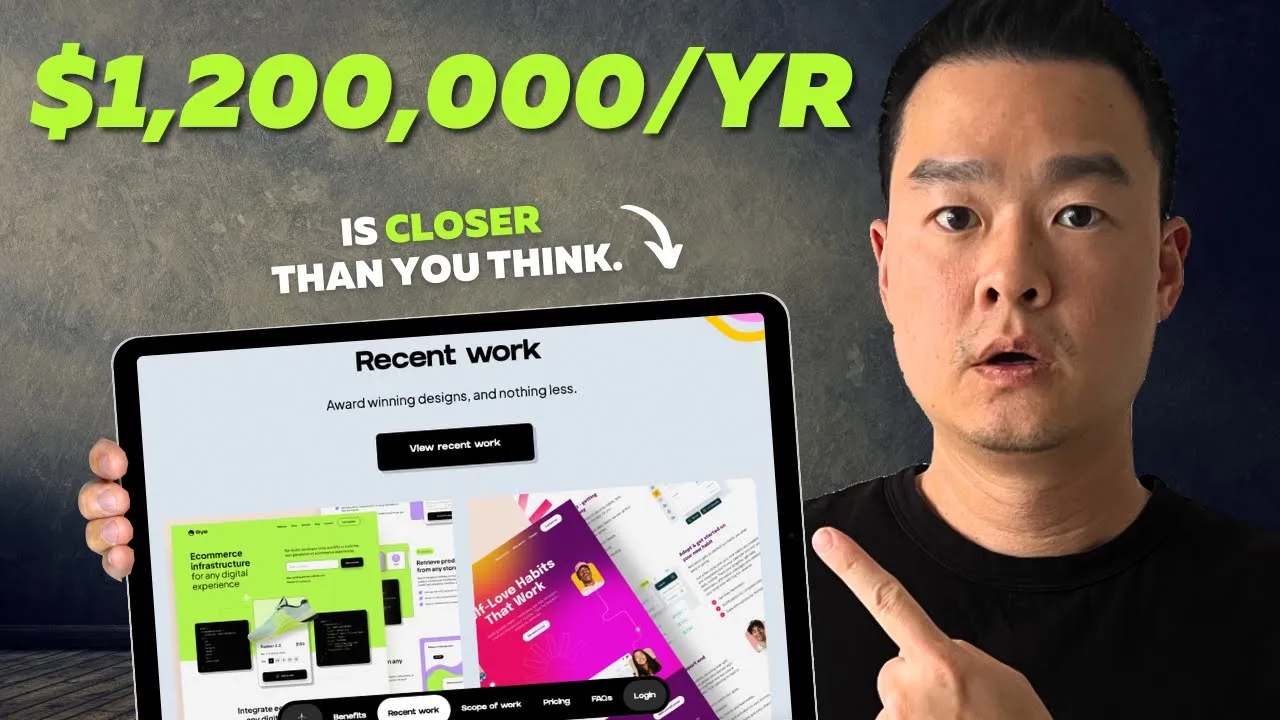
Added:a productized design service called design Joy it's a one-man agency an average about probably 120 a month 120 000.
and how many employees do you have brother uh zero so yeah I do everything myself difference in my service is the communication piece so in that there really is no communication you spend I don't know 30 to 40 percent of your time generally when you work with an agency in meetings I know I worked for several agencies I don't do any client meetings design Joy is like it's a design Factory there's nothing that you get other than like hey here's your finished design file let's move on to the next request if you want Asylum fruits and enjoy you can you can speak with me face to face host that point we'll never see each other face to face like if you decided today you wanted to work with design Joy you could sign up within 30 seconds it takes less than buying a t-shirt online and within 48 hours you'll have your first request done five thousand a month to be honest with you is still way too low hello and welcome to the we're gonna make it podcast where we talk to entrepreneurs that are in the shadows lesser known but using cutting-edge Technologies strategies and tactics to grow their businesses to the multiple eight figures if you want to learn about those strategies or tactics subscribe to our free newsletter but other than that please enjoy the episode alright so today I have my friend Brett from design Joy Brett do you want to introduce yourself what do you do brother yeah so I I'm designer by trade I run a productized design Service uh called design Joy it's a one-man agency and uh yeah I've done it for about six years going on six years now and how much money do you make it goes up and down uh generally a average about 120 a month hundred twenty thousand dollars and how many employees do you have brother uh zero yeah probably what I'm most known for uh embarking on way too big of a journey alone but uh systems and processes and you know the business model itself has lended well to it and so yeah I do everything myself yeah these are all such like big words that I feel like people that aren't entrepreneurs might overthink like systems processes or you know productized design so if you just want right out the gate what does productized design really mean I mean it's basically taking like a skill that you're good at I mean for me it's design like graphic design essentially graphic design you can Niche down into let's say web design or you know web development even if you want to get into that world and selling it basically like an off-the-shelf product so an off-the-shelf product has you know a fixed price you pretty much know what you're going to get and it's accessible right then and there so with design right I equate it to sort of like you can call it like the Netflix of design so you can you know sign up for Netflix right now access their vast library of shows watch an unlimited number of those and you're going to pay the same price per month no matter how much or how little you use it and then uh you just continues to roll over um but the key is that it's accessible it's like you can you can grasp it right now you don't have to book a meeting or anything like that just like picking it off the shelf yeah and moving on so that's that's my way of of describing what a productized service is I'm sure there's probably a better way but that's the way I like so how how I think about it it's like it's like what like three thousand it's like a monthly subscription for design basically yeah if you want to boil it down you pay five thousand dollars a month you know design Choice one of many in the space uh designers definitely on the expensive end there's as low as let's say two or three hundred dollars a month and uh what that does is you basically can input requests into a design queue and they're just worked on one by one so no matter how little or how much you use the service you're always paying the same fee you're not you don't have to worry about like hourly charges or you know getting quotes for specific projects it's just whatever you put in you get out in a couple days and we just move on rinse and repeat and keep going until the next so it's like unlimited design I know you don't like that term but it's it sells uh but it is a little bit uh confusing I think a lot of people come in with different expectations of what unlimited means but the caveat is it's one request at a time so though you can theoretically submit an unlimited number of requests you're not going to be charged per request or per hour worked uh you're just going to be worked there with me working on one at a time so that that's the only real caveat to the whole thing but this is how you're able to manage it yourself there's this one at a time ideology because a lot of people might like oh I need a logo and they might look for a logo designer but most of the time you're gonna need more than a logo you're gonna need a website you're gonna need a logo you're gonna need branding text font whatever it may be and so can you explain that one at a time like system or process yeah I mean most most clients you're right most clients come in not needing just one thing right uh they usually need the whole Suite so starting with The Branding what what the brand actually aesthetically looks like and feels like down to the nitty-gritty of the website and sometimes even their product if they have a product that's so so we would start off like a one the first request is generally a logo um sometimes that's accompanied by you know a brand guide which should be you know the fonts that you use the colors that you use what are the patterns and glyphs and Graphics what does photography look like that's like that's usually request number one and then we move into bigger requests like let's say the website and a request could be an individual page on that website or it could be in theory the whole website uh just depending on how clients break them up and then from there again we can go into product design we can go into social stuff or we go into ads and you just basically can request anything that you want and it's generally a 48 hour turnaround time on most things so it is pretty quick uh it's expensive so it needs you know you need to get the volume out of it but still much cheaper than having someone internally how would you like if because first off to make 120 000 a month at five thousand a month you're gonna need like 20 plus customers and if you're going to turn them you're not texting all these people they're not just texting you hey I need this design how are you like actually like communicating with them so that's that's one of many things that makes designjoy very unique okay uh and and it's not necessarily for everyone right design two is not an approach or an option that would fit everyone's needs you know for various reasons um the biggest you know difference in my service is the communication piece so in that there really is no communication which is crazy right with an agency right like you spend I don't know 30 to 40 of your time generally when you work with an agency in meetings I know I worked for several agencies uh a lot of your days taken up on Zoom calls and whatnot design Joy is like it's a design Factory like you put in a request you get a request out there's if if there's no communication necessary to execute a requests there's nothing that you get other than like hey here's your finished design file let's move on to the next request or maybe you know provide me some feedback and we can go back and forth there and then I don't do any client meetings so uh I have 15 minute calls available if you want Asylum friends and enjoy you can you can speak with me face to face post that point we'll never see each other face to face we'll never have a synchronized Community you know communication at all on slack on Discord whatever everything's going to be async through the project management tool so what tool are you using to do this so Trello is my tool of choice a lot of okay okay my companies like will build their own to sort of suit their needs I just prefer to lean on people that do this for a living and usually like the kanban board I assume yeah uh that was called kanban board kanban is it Cabana or I don't know I've always called it um but yeah it's essentially like for those that aren't familiar with Trello which I assume most people are the short you know explanation is it's like it's columns columns and it's a workflow right so you have like a backlog and there's cards in there and a card is a request and you'll have a bunch of cards in a list and you can have as many of those as you want in your backlog and then when you want to start our design request you simply drag a card to the column to the right of it which is the current request column I call it and that basically activates that request uh notifies me to Begin work on it and then you know clients can move things back and forth and then there's just an improved column where requests go just for history's sake and you can move requests to the backlog and back and forth and that's that's based basically the system okay that makes sense so basically you have like the left column that's like everything they need so it's like a logo website design colors whatever it is and then whenever they whatever one they want done first they just like drag it over to the right yeah and then you wake up you see the one on the right and you just tackle that one say hey it's going to take me two days or something right yeah I mean it it's funny because if you've ever been in this world either on the client side or the design side you know that most project management systems don't look like that yeah usually they're very convoluted with a bunch of bells and whistles because I want to reduce the time that I that I have to you know provide clients on getting them on board and familiar with the system I've just chosen the system for me that is the simplest that clients usually have at least some grasp with some experience with so that I can just onboard them instantly and get so smart it's like the most optimized design product it is from from like the thing that like I pay the most attention to with the product service is what you call like time to Value like the time that it takes for someone to pay for your services or product and receive the value from it I've basically made that instantaneous as much as you possibly can like if you decided today you wanted to work with design Joy you could sign up within 30 seconds it takes less than buying a t-shirt online I mean you're gonna pay five grand right yeah but theoretically you could do that and within 48 hours you'll have your first request done so there's really no other Fiverr maybe you could do that to some degree but I mean you're going to be working with way less quality and it's not going to be as big of a scope of work available to you um but it's kind of like a kind of like bringing the gig economy into into design but just making it as instant as you possibly can it's like that first dopamine hit they're getting like instant results and they're excited they're happy with the service and then that's a positive experience so then they're going to keep giving you design work yeah and everything beyond that is pretty instant too right yeah you keep that 40 hour period so habit forming you're just continually delivering value so they feel like they're getting the value that they pay and they're being responded to yeah it's like good customer support in a way too without ever having to have a conversation and pointing us meetings exactly but accessibility is like priority Numero Uno like that is the where everyone should start if they're wanting to to make this a reality there's so many times where I'm like I need a designer or I need someone to do this task and I go look and then I have to book a call with them and that calls two days later and then I get on a call and it's like well yeah it's exactly you do exactly what I need okay let's try it out then I wait a week and then they're like okay it's gonna be a five thousand dollar a month retainer and you have to commit to three months and I'm like okay then you have to send a contract and sign a contract where you're just like I need Design Services go to your website subscribe yeah yeah the no contracts uh you don't even know you don't even have to book a meeting with me you can a lot of people do before they drop you know several thousand dollars on the table but that's 15 minute call just to basically field whether or not you're not a scammer it's not really a real person well that too right I like because I do get a fair share of that a lot of doubters um but yeah time to value is everything with a product service that's so smart okay so what just to go back on this what services did you say you offered like graphic design logo like web design not so much if you look at my site I mean there's a whole host of things but I'm a you know I'm not a god of design like that there are strengths that I have and there are weaknesses that I have and I played on my strings that's another important factor here so I play to the things that I can do fast so the three there's really three kind of four primary buckets of work they do branding work product design landing pages and webflow development those are the four main buckets that's what the majority of clients come in before but I do offer all these companies will have secondary marketing needs and things like that for social media or blogs whatever so I do offer a fair share of that as well but that work is minimal compared to the other stuff okay so you said graphic design product design so web design branding landing page design landing page uh product design and web flow development okay so if anyone else is out there like that has some sort of online skill like this that maybe it's not designed have you seen this model because I know you do teach people have you seen this model work for like any other business model outside of that oh sure yeah I mean there's ones that work better than others there's ones that you can standardize more than others so the ones that I've seen work uh as well or close to as well as design is really kind of like video production so like oh I mean you're a YouTuber hiring a product of this agency to basically edit your videos right um and that would be one thing and then content writing is another thing so like everybody that comes to me needs content for their site and it's always a roadblock it always stops design because we don't have content so that's another service that you can standardize like copywriting yeah like copywriting um with AI you could do a lot oh I understand yeah you can have a hundred clients by yourself if you wanted to I mean in theory really so that that's I think content writing is the gold mine um outside of design there are others skills that you can productize to a certain degree not to the degree of which you can design development is like everyone's trying to figure out how to do it for web development outside of like the visual code builders that I use so yeah real true like web the back end right yeah code right uh it's too variable like technology you can't really do it async there's a lot of upfront work and there's a lot of behind the scenes work that isn't tangible the thing with like design that's good to productize is everything I do is tangible and so I'm able to like provide a perceived value to what I do a lot of developments like back-end work like so you can probably never see so it's hard to associate value to that to the client people are trying to figure it out that's I think that's the big that's the big one that everyone wants to figure out it's much easier to do with visual code Builders so I want to really understand like how Niche down are you like do you like are you designed for a specific industry or is it like any industry and then how templatized are your logos and websites so as far as Niche goes um it wasn't by Design but yeah I mean I mean I do fit well into certain uh groups of companies if you will so most of my clients happen to be like in the technology SAS space like they have products and that have like a big budget and really value design so they're anywhere from like you know series a companies to Enterprise companies but mostly in the technology space not too much Ecom that sort of thing which is another Niche that I think is could be potentially big is just in the Ecom world alone uh it's just not how I've sold myself and my services but yeah that's definitely um that's definitely what was the second question well actually I want to go deeper into this real quick so the intentionality of this because you could be like how agencies work it's more referral based like once you get your first few clients if you do good work they're going to tell their friends who typically are in the same Niche so was it just like you stumbled into this or was there more intentionality like you mentioned that they have their series a so they have more funding so you can charge higher prices and they also value design so that's like important how intentional or what was that thought process was that no it wasn't intentional all just kind of happened by happenstance a lot of my clients are in startup accelerator groups like YC YC's a huge one everyone in y combinator speaks to one another and all of them have funding or they wouldn't be NYC so that that's a group that has provided tremendous amounts of clients to me um on Deck is another one so there's there's these communities that exist like you said they all talk to one another I mean you're in the YouTube world you talk to a lot of different YouTube people of course um so it kind of works the same way and Design and I remember I remember your second your question about templatized going back to that nothing is templatized so a lot of people would are surprised to hear that a lot of people doubt I'm surprised right now so I have a problem with with picking up where other people left off with work I like to start everything from scratch so if I'm working in somebody else's system I have to spend time understanding yeah even when it comes to webflow development too so everything I do is bespoke Created from scratch I don't use UI kits nothing nothing like that so everything is is fully custom do you use I think you use webflow right to build the websites well you maybe use like the same a similar template on webflow will you not even buy a couple of classes you know the hundreds of classes are all created from scratch now is there a more efficient way of doing this absolutely there's relum libraries and things like that for those watching that understand webflow a little bit there are there's I wouldn't say don't do those things I just don't have the time like I've been doing this webflow specifically for many many years I have my own system it's just much easier to run my own system than a learn smile system I still have the time for it wasn't desire to when it's working for me just fine would how like describe that system then is it just like the way you with the order in which you build a website basically yeah I mean websites are basically just like building blocks right like you add a div in you add a div inside of that assign a style to it you add a different and then all the way down to like how you name classes like I have my own way of naming classes that's like what when people starting with that's their big struggles how do I how do I have a naming convention that you know will allow me to organize these hundreds or thousands of classes and know what style does what so I have just my own way that I've done that it's not necessarily the best way and there's there's far better ways out there but again like it just works for me so why would I spend time learning a new process the new process when I don't have a problem right now okay gotcha so I will say I do think you were a little more intentional than you're giving yourself credit for with finding your clients because I watched a podcast with you and you launched people all the hardest part is getting your first few clients like your first client your first two clients when starting an agency if someone wants to create their own business no one knows you exist and so I heard that you launched your design Line Service as one quick Interruption of this podcast guys it's no question that AI is completely disrupting The Way businesses operate and these future Technologies are evolving so quickly so if you want to stay up to date and keep yourself informed go ahead and subscribe to our free newsletter I'll leave that in the first link in the description below and if you want to even start a side hustle you can actually start an AI business today we'll even send you a free list of 100 AI business ideas if you sign up through this link I heard that you launched Your Design Service as a product on product hunt yeah yeah walk me through that thought process on why you chose to do that and what the result was yeah I mean I honestly had no other way no other like idea of how to how to launch something I was a a consumer product hunt for a while so I and I'd gone there every day I was a product nerd right I like to design products and it was a good way to kind of fuel inspiration what is product time so producton is uh if you understand like Reddit has an up voting system right yeah so imagine product Hunt is like a a list of new products each day that have an upvote system so the founders will will hunt their product on there and encourage their Community to upvote it if it gets to the top you get tens of thousands yeah it gets enormous amounts of views you go into their email system or social media if you get to the top of the list we're on the front page above the like the show more link it can do really really good things for you so I in the podcast you're talking about I I often talk about how quickly I built design Joy and that's kind of the beauty of it right it's like it's just a website it's a service like service based businesses everyone focuses so much on software and like they like hope that it works out they invest invest a lot of money into building the technology and Market fit and all that sort of stuff a service like anybody can technically do there's really no risk involved in it especially if you're using your own tool you know tools that exist out there like I do uh so I said it I built it in webflow like on a Saturday and launched it on a Sunday night on time uh because it was just a one-page webflow site and I was a professional webflow and proficient design so like it may sound crazy but like it was just it was just a single page online right nothing crazy yeah and did I have everything figured out absolutely not like I didn't know how I was gonna onboard clients or what the expectations were going to be like how I was going to meet them I just did it so uh it and I did so not really fully understanding the consequences of like if this were successful what does that mean for like my life because I mean I have a job that I wake up to Monday morning and get to work right so I remember like so vividly laying in bed like the product went live at midnight because that's what you want to do when you launch a product because you want to leverage the full day yeah to get votes when people are waiting no yeah I had no community at all no one knew who the heck I was I was just working for some boring Tech like uh not even tech company boring travel company uh as a graphic designer yeah as an employee yeah yeah as a designer so I had like 300 friends on Facebook like I was like in a leverage to hopefully like friends and family to get to get me votes and I remember posting it scheduled to go live on on that midnight and I remember laying my phone down on my side table in bed and then it just lit up I was like oh you know messed and went live well I was up for 40 hours straight I had never stayed up even in college like never did that but like just fueling leads and chatting with people and onboarding clients like it was an literally I mean an overnight success as much as there is a thing right um but yeah that's that's how quickly it happened it just happened like that and the next thing you know I'm running it for the next six years and going on okay so something I want to point out here is because that's like kind of non-obvious to launch on product hunt maybe it was obvious for you because that's the world you lived in but the type of companies on product hunt are typically software companies why combinator companies people launching like digital products yeah to try to get that community of like software developers to Rally behind it in a way or your customer base and so it does make a lot of sense that there's probably not a lot of people offering Design Services on product hunt are you allowed to do that if it's just like a normal agency or was it because that you had the monthly like subscription model why yeah it was I would not recommend doing it if you're a normal agency you'll get eaten alive on there I don't know I mean I guess technically there's nothing stopping you from that but you won't succeed on it okay that's not what they're that's what people are there for uh so productone is not it's not a good platform for everyone it worked for me because I was early like I was number like two into the game the first one doing product I Service uh design for the things that I was doing there was only one other one that was doing more the graphic design stuff the lower tier like posters and flyers and that sort of thing so I had the advantage of being first in a way so I gained a lot of notoriety there for that yep if you were to try to do that today I don't know if that would quite work out that well like you'd have to come at it from a different angle let's say like web you're a web free guy let's say like you had a productized service centered around web3 that would be a good use case for that but if you're just going at it generally speaking as just another design Joy clone you're not gonna probably experience the same level of success well I would say it is just be a niche like Niche down now Niche down you kind of just did it Broad and since you were one of the first like people came to you and then you kind of found your Niche well now if you're like more specific you can at least make the messaging towards that group of people and the last thing I want to say I really want to hear you talk more but it's just that basically when you're starting a design agency like who you go after like if you go after real estate agents the best way to probably find real estate agents would be like join a Facebook group but then real estate agents don't have five thousand dollars a month right unless you're going after the real estate company so just like if you want to make the money he's making six figures a month just doing design you have to be very conscious of how you're finding customers and then are those people like the quality that you're looking for sure and I tell people this all the time I'm like you don't have to go you don't have to charge 5K a month like that you could do really well there's a company actually here in Scottsdale called design pickle they're the they're the number one uh design service that's productized it you know they do tens of millions a year they only charge like 450 bucks a month they do really well at that they target a totally different demographic like you're talking like your local like Bakery down the road yeah you can do really well at that like and you have to match your skill set like I had a more senior level design experience so I'd match that like if you're just starting out and you're like reasonably fast at it and don't feel like you could charge that you could do really well in another market like there's nothing wrong with that right oh my God so I think the model is so smart it's just literally make a website saying what you offer show your work there's something if you need something like this we can create it if you're interested sign up for a monthly subscription yeah and then once they sign up how is the how is it delivered like how is their onboarding process so the the funny thing about design Joy is that there really is no onboarding so I do like I said at the beginning I I do offer a 15 minute window for you to talk to me and ask any questions that you have uh aside from that when you pay the five thousand dollars on the site you essentially get an invite to the Trello system that I set up for you and there's a couple cards in there that basically introduces you to the system and how to move requests through the flow and that's the extent of onboarding so it's an email uh yeah it's Nemo it's like accept your invite but when you're in like hey here's how to use this this column does this this column does this and that's it wow so it's just landing page sign up once you pay once you submit it you send an email here's your Trello board login yeah here's a quick educational card on how to use it super simple and then you're off for that race yeah it takes me about 15 seconds on borderline so all I gotta do is kind of like copy a board in Trello and invite like take their email just invite them and that's that's it and that next thing I'm looking for is there is the request there's like and the funny thing is this is so contrary to how most yeah most companies operate like I never have any issues with it like no questions at all like it's so dead simple that even the most like you know anti-technology Advance people can like get it right away and they're because they can just immediately begin using the service and they can cancel any time where typical agencies like lock you into contract it feels like predatory almost like they're trying to get one over on you yeah and so canceling Anytime is like a big draw uh because again like you said any other type of environment you're going to be locked into a certain degree and there's no contracts so you don't involve legal anything like that but even more more sort of like enticing as canceling is is actually the pause feature that I have so I I believe I'm one of the few that do this and that was I think the first that offered it was the ability to pause your subscription so like if you think about it like if you wanted to hire an internal designer for your company like there's great benefits to that but like you're locked in like you're committed like whether you have work for that person or not like you're locked in with design Joy like you're gonna pay less you know an average like senior level design like me you're gonna pay I don't know in the range of like 100 120 a year with designs you're paying about 70. but you can pause this like if you want to use it for a couple weeks you're going to be you know you're going to pay up front for the full month you're going to use it for a couple weeks and you can pause your subscription like if you don't have any more work why keep paying for the remaining time like you can just pause and bank that time and come back when you have it do they get the full month or the second they pause it you stop so let's say like you sign up for a month you use it for a couple weeks that means you have about two weeks remaining until you're charged again if you positive that two-week period you'll have an additional two weeks whenever you come back before you're charged again so you're not you're not basically wasting the time that you don't have requests for okay it's funny how people like yeah I talk to people and that's like such like a big draw they're like oh my gosh I didn't realize that like because work Ebbs and flows in companies right yeah uh but it's like the biggest draw ever because of you know you don't have to because it's almost like you have an employee that you can like count on consistently but then you don't have to fire them give them benefits or fire them with like six weeks notice or whatever it is you know it's like you just have this person on standby will do everything for you it knows your design and then if you want to stop you just say I'm just turn them off yeah and then just come back back in two months whenever you need a new campaign or whatever you're right that's that's what I've tried to do so like I've with like freelancing internal designers and agencies they all you know they all have their own advantages but there's a lot of disadvantages that people talk about what I've tried to do design do is basically take all the advantages of of all three of those and combine them into one model so like it's an agency with the structure of an agency but you're still working with me it's like working with a freelancer like you know who you're working with uh so I've tried to do all that and then get rid of all the other stuff that you don't like like the meetings and the cost of working with an agency and the sort of the Ebbs and flows of working with a freelancer and inconsistencies of it so that's all that's really in a nutshell all I've done I feel like a lot of people when they watch podcasts it's kind of like a natural human thing is when you see someone that's like really successful doing something it's almost natural to protect your ego and to like find reasons why this wouldn't work for them and so like could you just like go on a little bit of like people that might not think that they can charge five thousand dollars a month like that might seem like an ungodly amount of money to people or like like I really don't like no offense but I don't think there's anything like crazy like you're not like the craziest most talented designer in the world and not even close so like can you just go into a little bit on that like how you just offer a better service it's more convenient how are you able to charge that much and yeah I always say it's like it's not you know it's how you sell it right the positioning yeah positioning uh so a lot of people so I started off it's worth noting right I started off not charging five thousand dollars a month not even close I I've charged a tenth of it I charge 500 a month so I you know I started low because I wanted to get clients now I'm at a point like five thousand a month to be honest with you is still way too low like I said at the beginning a lot of people a lot of you know designers will their salaries will be somewhere in the six figure range so it's still considerably less than that and you get a similar level of output so theoretically I could charge a lot more um but I was shocked too like I was just as surprised as people probably watching this thing and like how how do you charge clients five thousand dollars a month that seems like a lot of money it's not a lot of money to them it's not to you it may seem like that because there's a subscription associated with it and something that's reoccurring but this is to a lot of these companies like they under utilize it to an extreme degree and are completely fine with it it's just like it's something that's just there for them they'll pay a price for the accessibility of it whether they need it you know all the time or not um but yeah like I could theoretically charge more and I've said this in several podcasts like I could charge more but then like I'm comfortable where I'm at like I'm comfortable with the stress level I'm comfortable with the workload I don't have like if I charge 10 times you know ten thousand dollars a month tomorrow I could probably do it and get clients but then it's like then the bar that I have to meet to exceed to to provide that value so much higher and then it just it changes everything for me so 5000 is like I feel like I'm giving them a deal but also making good money doing it and have a steady workload so I've been making a hundred thousand dollars a month profit for an individual is like yeah super comfortable yeah I mean that's that's the again one of the beauties of design Joys like everything's profit right so I mean everything and minus the two words the 2.9 stripe fee and the taxes right which is enormous um but yeah everything else aside from that like my expenses are less than 200 a month so everything I make I don't have to you know give to someone else right um so yeah it's it's pretty pretty damn nice it's a good lifestyle yeah so I just want to make another note here is that like people think that five thousand dollars is a month is a lot to them but like I used to have a marketing agency and that's around where I would charge three month retainer the classic old agency model but now our agency works for like four to one thousand companies that are making billions literally billions of dollars a year right where they will give us a seven figure budget for like a three month account sure and they don't even check in like it's just the perspective of who you're working with and so if you're going after low-level real estate agents they're paying 500 a month they're gonna be on your ass oh they are I've had them I started there exactly so it's a whole other world I just think something you naturally learn as you go because like a combination of like you're building more confidence and you're yourself you understand the services and then you just start understanding like oh like better quality people are just easier to work with yeah so it's like the the saying like you don't know the stove is hot until you put your finger on it it's kind of like you can tell you can drill this into people's minds as much as you want on the internet through courses through YouTube videos through whatever until you actually experience feel it yeah experience it yourself and see that the more you charge the better life is and the better your clients are the less you work until you see like experience it like I was the same way I was just as naive as anybody um but I've had the luxury of going through it and seeing it for myself you teach people this stuff too so like how have you been able to like get people or how have you seen have you seen people be able to LeapFrog that learning phase like go straight towards it or so there's been like there's been some unicorns in the group so like I do have a course so there's a community base so I get to I do get to see what's your Twitter sorry what's your Twitter capital B Brett from DJ Brett from DJ okay if you guys want to like really learn it go check him out on Twitter he has of course it's phenomenal but go on yeah so I mean there's been uh I would say a few people like one guy's already making about 17 000 000 a month and my course was just launched not that long ago but that's again the beauty of it because you can set it up so fast right another person just yesterday got to about 5k a month in revenue and all these people are starting at 5K like some of them are some of them aren't I was I told people like in the course like the end goal is to be at 5K I teach people like get five clients charging five thousand dollars a month make 25 000 a month like that's the goal right like don't necessarily follow my footsteps because it took me out it took me a lot of pain to get to where I am like I it was it was a lot of work in my life was a living hell for a long time so I don't like to teach people to like push that hard uh but you know I say like make your offer at the beginning undeniable like irresistible and the sense that like it's got to be too good to be true that's what I did and it got me a lot of clients because it was like oh I can pay 500 a month for the senior level designer to work on my stuff and it's like unlimited work and I don't have to deal with the hassle of everything else uh and then once you can make a name for yourself that way it's like yeah you're undercutting your yourself but it's like it's a means to an end and so that's what I teach people like start something that's lower maybe like 2K a month and then work your way up to about whatever's comfortable for you like where you feel like you're delivering the value that people are paying for but your your stress level is manageable if you're just starting out I always would advise people to start do free work but the same thing like don't not this model don't do that with this model but like if you're like brand new to like a skill and you're trying to learn and get good and figure out how to manage clients do it for free so you can like learn how to do it but exactly I mean that's I I'm such a I'm glad you said that I'm such a big proponent of that because I like a lot of people will listen here and they'll be like I just haven't been given opportunities right like I wasn't either I literally 90 of my design work prior to design Joe was just doing like crap on the internet that made no money that was just that I was the only person that ever saw like I utilized product on that way like I go there find a product and just redesign it or make it better and make it fun and I built up a portfolio like that got really proficient at the tool but I didn't make [ __ ] from it like I didn't make a penny from it uh and so I like instead of waiting around for someone else to give me this experience that I had so desperately needed I just created the experience for myself like that's what you got to do sometimes like not everyone can work for an apple or a Google like sometimes you like me working with some boring ass like corporate job where like you're the only designer in the company that couldn't give a crap less about design but you're like there collecting a paycheck doing the work like you don't have anything to show for it like if I would have never made it if I had just utilized my my past work to launch design Joy yeah I think a lot of anxiety for people is like are they going to be able to deliver the quality that they're promising to but that's just something you have to like as you get better at your job as you do your process like it but if you're like an experienced designer that like has a process has good work for a company like that you're good to start charging two three thousand a month 100 that's I think there's there's two uh there's two prerequisites to to this and I probably should have started there but to be able to do similar things to what I've done to eat to any to any degree right like you got to be really good at what you do like if you're just starting out if you're just fresh out of college like you're still learning the game don't waste your time dabbling in this like this is something that you can take you know maybe two or three years down the road when you're proficient at it the second thing is like you got to be fast at it there's a lot of board designers out there that are not fast like I used to be just a good designer but it's really slow now I've transitioned to be like a less quality designer like there's definitely better ones out there but like my speed makes up for it and you'll find that like clients they really appreciate speed like they want good design work and and I deliver that like don't get me wrong like everything I do I think is like is is close to top tier but not the top not the you know the most top tier but like people put a lot of value on time uh and so you know I've I've been okay with being in the middle of that and it's worked out so what quantifies a senior designer you keep saying that term what does that mean I mean it people have different definitions like it could be like eight plus years of design work okay but more like where you stand against the competition right like there's upwards of like 500 to a million designers out there it's rare how like the the good ones are rare like there's there's a lot of average people there's a lot of average developers there's a lot of average video guys but like there's very few ones that are doing it really really well but like I it's just experience like years of experience and your proficiency are you using like Photoshop illustrator or are you just straight up webflow okay so like no I do everything in figma it's like a browser based design cool um which is easy for handoff and stuff it's all just based in the browser and then yeah webflow is sort of like the development piece okay so just so I can have a full understanding I want to know every single software you're using right now yeah so figma to design webflow to do like the website landing pages or whatever but you're still designing that in figma and then importing it okay yeah and then uh Trello to do your organization and like client management sure for them to message yeah stripe to take payments um what else anything else the only other thing really missing and I'm sure well two things I mean there's like the Shutterstock which which I use for okay photography assets stock images yeah stock images and then air table which is what I use internally to manage requests I like to have everything in one list explain that a little bit so Trello is like your clients are spread across individual boards right you have to click into each board to get a sense of what they're what they have going on okay that's not ideal for when you manage 20 to 25 clients like I do so I have like a a list and air table that has each client in their active request in a status associated with it so that's my Hit List when I get up in the middle when I get in the middle of the day I don't get up in the middle of the day I I wish um when I get up in the morning I I basically go through that list Click on each one update the status and that's that's my list that I got to complete by the end of the day okay and is that connected through zapier or no automations no I don't use any animations it takes me about five minutes so you can just click through see where it is change status click through see what it is okay so you have 20 Trello boards one with each different client and each day you technically have one task from each yeah you have 20 tasks sometimes sometimes yeah yeah I want to go into this next but so in theory you have 20 tasks so you just take you just first thing you do is go through each one and then write them in one spreadsheet one data yes oh easy okay one row per client one request status that's it so again like it like it seems so simple uh and I know a lot of people have their own ways of doing it for me it just works so I say like through other people's way of doing it literally so simple people are like I could write this yeah like people are like I could write an automation for this I do you know I'm like and they'll just spend two to three minutes a day like why I don't even care yeah like why does it matter not necessary yeah and it's like the automations are good but like you can miss things with automations I like to be I like to have a Hands-On like click it make sure that one wasn't swapped out that had something I needed to take care of because maybe they moved it to approved and would take it off the spreadsheet or whatever when there's something I need to address I like to be able to like click into and have control over it that makes sense and also the cool thing about Trello if anyone hasn't used it's like they can put like the headline the title is like I need a logo and then they can like open that card up and in there they can like type in and yeah exactly there's instructions there's like a body where you where you put the design brief in there include links whatever you want and then below that there's like a comment section that's where that's the where the communication takes it's the only place are you have you set up in those cards like prompts or like not prompts I'm an AI guy to what am I talking about but like certain like in the future maybe that's the right word but like in the cards like if it's like a logo do you like put like I need reference images I need like is it pre-built out or just empty and they can type in okay you can do a video like video brief you can link me to a Google doc you can just put in some clients just put in the title of the request that's it so I always tell people like again this is just to simplify the onboarding like I do a wide range of things it's hard to cookie cutter it like I can't like create one form that companies like software design and then I need uh Timeline cover whatever for Facebook um so I just I tell people I'm like you do you however you see fit if there's a problem that we'll address of them but there's never a problem so like it works for me that's incredible because most you're getting the best of both worlds like you can optimize time because it's such a simple process but you can still do any type of design right so here but here's the thing like here's something that's really important and this is one of the I think people's favorite one of one of their favorite lessons in the course which you don't it's so contrary to what you hear what you're taught like I didn't go to design school but I'm assuming they don't teach this design school um like I operate when I call like assumption based design Okay so I get I work with a lot of people like some people are more proficient at telling me what they want and more than others some of them have no freaking clue what they want yeah they just know they need it so like I'm left with like okay I'm getting all these different briefs some of them are very clear some of them are like way too clear like they're way too detailed I'll take up way too much of my time just diving through them yeah and others are just like there's nothing there like I have to make sense of it most most designers would want all the information up front like they'd want to come back to them get all clarified clarifying points like get all the information so they can execute it properly I don't do any of that like if you if there's briefs and if there's gaps in the brief like instead of going back and forth and wasting my time and your time and just delaying the project I just get into figma and design something hope that's close send it to them and nine out of 10 times it's like 90 there and then they'll just need to make like a few a few tweaks so I'm able to get I'll put more now the only the only way that works is if you're good at what you do like if you're just starting out assumption based design is not gonna like assumption sales design I would stay so far away I don't even that might be on my own term I might have seen it somewhere I don't even know but I use it a lot and I and I tell people this on the call like this is what this is what you're gonna like this is what you should expect so you know it could turn some people off they're like well I wanna I want you to research like I want you to interview our users like I want to make sure that these are the right decisions no just put it out there and see what happens that's what I did with design Joy like I just threw it out there and like got feedback and and made some changes you know and that's that's how you know and Netflix is even starting to do this within their design team I think that may be where I've got the term but um you're gonna start seeing bigger companies like operate this way not just be so process oriented because when like if you were to work with an agency and you wanted a website project they would do like a discovery call they would do like several meetings with you whiteboarding like putting Post-it notes up on the wall wire framing low Fidelity prototyping I literally like will take your brief just do sign the end product yeah iterations are way better yeah so just cut all the BS and design process so yeah at some gym based design that's that's how I'm able to do it but I can do it because I have the experience to where I can get pretty close but that makes sense because people like no matter how well they articulate it you're not gonna you can't get inside their mind like they can put you in the right direction so even then you can miss it and so like I've hired an agency one time for fifteen thousand dollars it took them two weeks to get me my first logo and it was way off dude like you didn't message me once like I'm again I'm very glad you said that because that is that is the honest truth it's like you people think that the more time you spend up front the perhaps the closer you're going to be in the end when it's like you said people don't know what they want until they see something tangible and I I've learned that I mean you don't have to be in the design field to for a long time to realize that's the truth so yeah in I just like I jump straight into the High Fidelity like Pixel Perfect Design send it their way it's really easy to iterate anyways it's just like I it's maybe an oversimplification design but it's like just moving pixels around on the screen it's not hard um so yeah that is kind of like where artists have it's like subjective because like people are paying you for your eye your your style in a way at that certain point so like people don't pay for anyone can make a logo but it's like how good is the logo what's the style so that's kind of work it's okay so you have all these clients so you have 20 clients at a time but you like you said there's like Ebbs and flows of business and so like when they get onboarded when they sign up they probably have like a very long list of things they know they want for sure logo web design color palette but once you get through all that I'm interested in like your churn how often how long do people stay on average and then let's say you have 20 clients active right now how many actual daily tasks are they giving you yeah I can give you kind of a snapshot into like what a normal day looks like obviously they're it varies now a design service like this does have higher churn than a normal service one and I call it like most of it's natural churn I like to think like I like to think it's not me yeah sure some of it is me and the service just not just being imperfect but there's a lot of natural cheering that like because it's so accessible a lot of companies see it as an easy way to get what they what they need and they just run I'm okay like I could lock you into a contract and force you but like I'm okay with that like it's 5K like I wouldn't I'm not gonna turn that down um so there's a lot of natural churn I don't couldn't tell you I don't one of the things about me I don't track any sort of analytics at all I don't even track my mrr anymore really that's why I said like it's generally around you optimize our quality of life yeah I just do the work I wake up do the work I know that you know I'm making money I'm good right as long as I have work I'm good yeah uh but yeah I would say like people say is it like the gym model where like people sign up and they never come but yeah they continue yeah yeah no I mean no one's gonna be like it's not gonna be that dramatic when you're talking that much money but at the same time there's a fair share of people who like I said earlier utilize it under utilize it to an extreme degree so like when I wake up in the morning I have let's say just for easy math I have 20 clients yeah a general snapshot of what that looks like is there's like probably about 10 of them that like haven't like are just like M.I.A like they have a request maybe I I've submitted I've submitted it back to them they just they haven't provided any feedback they have their own problems yeah and things don't move forward like you got to get into your q and move things forward so you get as much out of it as you as you're willing to put in so that's 10 right so then there's let's say we have 10 left over probably about like four of those four or five of those will just be in the revision cycle I love the revision cycle that's what I love about product Services most people hate the reission cycle they're like well what happens if you get unstuck on a client on a request for like three months yep perfect like that's easy for me all I have to do is make small changes versus like Reinventing the wheel if anyone like doesn't understand what he's saying it's if you give someone a logo and they want changes and then you make it again and then they want more changes typically people pay you 500 for a logo and they want all those revisions and you have to do more work without getting paid more exactly yeah so they're like they're to continue paying me so I don't really care if he would spend six months on a logo or a week right it doesn't make no difference to me time is on your side this time exactly yeah that's that's the whole that's the whole idea um four so four of the four or five of those are stuck in the revision cycle which you know is fine and the rest let's say let's call it five or six just have new requests some of those might be big things like some of them might be like full-blown websites or maybe it's just a landing page I do landing pages generally about 30 minutes uh so it's not that bad and then some of them are like quick like 10 minute things so it's really and again like I don't want to oversimplify it because I'm fast at what I do like I don't I don't want to understate that but you can start to see if you're fast at what you do and you're good at it and you have systems and you have the experience that I have like you can make it work now that there's certain days where I look at my list and I'm like oh gosh like it's gonna be a brutal one when I mean brutal for me it's like eight hours a day though now it used to be like really that used to be like 14-hour days Non-Stop and what's the main thing that changed that the Trello system no the Trello system funny enough I have never changed my system from day one like that yeah I have not changed anything I've just been again focused on just doing the work like I don't do anything on the business I'm the worst business owner ever I couldn't tell you I mean how much I'm paying taxes like I don't look at analytics I don't track Revenue hardly at all um so yeah it's not the what changed it was my pricing so I doubled my prices not too far uh in the past and um got a whole set of new clients and just easy to work with less demanding that is the nice thing about this because you can get you can like raise your price every two client to get because I guess two people can sign up and just change the number on the website exactly it's so easy I think it's a service business so that's what I tell people they're that's like one of the number one questions like how much should I charge got you know obviously going back to what I said like make the offer irresistible I I've adopted the idea of like demand based pricing so like as demand increases prices increase so until you're at a point where you're comfortable and you're making enough to make it worth it and again like your stress level is manageable have you had people that like you charge 5 000 when demand was high and then a new client came on and signed up for three thousand but you're willing to sign up for 5000 asked for it to be reduced because that's what you're charging live or that you always deal with stuff like that yeah like there's always awkwardness like there's been times in the past I don't have to do it anymore thankfully but like where you want to run a sale or whatever but like if you want to do like a new client special of like 3K but your other clients are paying 5K like that's prevented me from doing that I could in theory and be like well too bad you know whatever right but yeah I still I still have clients paying way less than 5K so I agree with other people in so any whatever you signed up if you signed in at the 100 as a thousand dollar rate they're still paying a thousand as long as you just make that clear like this is the rate you are locked in for yeah okay that's where pausing comes in because if you cancel it if you come back and we're seven okay explain the difference between policy and canceling so canceling is just like stopping billing like you're just done you're gonna go to the end of your month and you're just done like a hard close Okay pausing is when you want to just like use it for us a short amount of time and pause that mid billing cycle and Bank the time that you have it utilized to be utilized later on in the year but you are not getting any Design Services tomorrow yeah but you could come back and say like I'm ready to go I need two more instantly you're back in Trello board's still set up like canceling deletes that like deletes all the history you're still there like it's just like a snap of the finger away from starting up again and you get that you start you're still locked into the price gotcha that makes sense that's a really good differentiating factor and incentivize people differently I'm impressed you don't use a sheet of paper man I just love business so I suppose everyone I've done always had like notes and stuff I'm impressed this is for the audience you know yeah how would you recommend people getting their first clients how have you seen people in your course going about getting their first clients a lot of people in my course like have usually like have something existing where they have clients and they're like in the middle of rolling them over so I don't know if that's worth talking about or not but that's like that tends to be what seems to be an easy sell um what the way that I did it yeah product time was like I called like the spark that ignited the flame and but I wouldn't like I wouldn't base your whole marketing strategy around that because it could very well flop it probably will flop uh so what I did was building in public so building public gets a lot of bad rap now for for a good reason um there are a lot of downsides to it but I built design joy in public within communities so there's communities that are on you know Facebook and slack obviously a lot of people are involved in those there's another one called any hackers which is you know a lot of people listening probably will be in some of them might be in D hackers Indie hackers basically a group of people uh for those that don't know what Indie hacker is I have my own definition I might be wildly wrong it's like just a bunch of people like me that like just do everything themselves they don't have a lot of money like they're just bootstrapping it they're doing all the marketing themselves all the email stuff you know they're just like they're just hacking stuff together and um and you just basically share you know threads and posts on your milestones and your experience you know you do amas and stuff like that it's great it's like it's a free platform and anyone can join and a great place to get feedback for your startup and get landing page feedback that sort of thing so you know building design Joy I would frequent these communities and the good thing I always say about these communities is like they're not algorithmic based so when you they're just chronological so when you make a post on there it's easy to get exposure like you may not get a lot of Engagement the engagement rate is going to be based on the value that what you're providing but as far as like eyeballs it's pretty easy to get eyeballs on in communities such as those uh and so you know running a one-man show building design Joy doing the revenue that I was in I got it was a notable thing that I was doing so people were naturally interested curious but like a lot of these people are running prop businesses themselves and oftentimes productized businesses that are not designed so those were my first customers like that was my customer base for three years where these like people just like me doing very similar things but wanted to utilize my skill set to elevate their practice service or their you know their agency or whatever so like community-based stuff is free it doesn't cost a dime you can any anybody can join them like and start like you know take more than you or give more than you take from them that's the Golden Rule like you have to participate you know participate like yeah and you know and you can brag on there when you do something cool like you know everybody wants to do that but that's that's what I did and like you know there's other ways to get clients but I'll say this like and I don't want to down like again in the risk of oversimplifying things like a productive service is a pretty attractive model just in and of itself it's consumer friendly it's optimized for their benefit so if your eyeballs come across it and you're mildly interested in in utilizing whatever service they're offering it's going to attract you so so like even traditional marketing like I've been lucky I haven't had to do it but if I had to I wouldn't be scared of it traditional marketing where you're just getting your your you know your business in front of people's eyeballs on social media or YouTube or whatever I would assume would probably work pretty well I got paid ads but it works exactly that's what you know design pickle who does you know tens of millions yeah Facebook ads for that everywhere on YouTube too like YouTube Facebook uh so yeah I wouldn't be scared of those things I just personally every business I've ever created I just like to do it like free of costs like as cheap as possible I don't like to dig into my pocket and fund my startups like it's just I do the things that are necessary like for you it's like cameras and stuff right of course for me it's like okay a good computer or whatever and that's that's basically all I spend my money on and certain types of work it's a good investment yeah so it's almost like you have like so you have a skill then you have an interest and you just happen to be kind of interested in this Indie hacker software product World in general is that true you yeah I mean I I it was like it was a community of like-minded people doing similar things with me and um and I knew that there's a potential to get was that before you started a design Joy though when you say life no I started it with no no plan of attack tickets like probably so you started so okay so you started with you started this journey and it wasn't successful for a little bit so you got interested and so you joined Indie hacker to try to learn I wouldn't say it wasn't it was up to my standards back then okay I had a full-time job and for the you know you're doubling up yeah of running design Joy so like I was making three and a half wow yeah it's not the 80k a month I quit my job right next to the studio just about that's crazy and so yeah I uh I forgot where I was going with that um oh you like were you were doing it it was successful oh yes that's why you joined Indie hacker seven to ten thousand dollars a month that was more than I was bringing home at my full-time job so I was like I was like yeah and so I rode the product and wave for like a good like year and a half to two years I didn't have to do anything because my client stuck around like I would get more like once you get into product I'm like you're on their email list like people find you show up in the related section so it actually has a large breath once you actually get on there so I wrote that for about two and a half years then when I wanted to like take design Joy to the next level like it would have been fine it might be eventually phased out like I was making decent money once I wanted to kind of take it to the next level to get to 20 or 30k I knew I had to do something different and I don't even know if I joined any hackers for that very reason but I knew that probably there was a possibility of getting clients from it too but you technically belonged and benefited from that Community like you oh yeah that's online communities are so valuable like probably the most valuable thing anyone can do because I'm a web three guy I don't know anybody in Arizona that is interested in web3 but I go log into one internet website and I get the best 100 people who are doing it all day every day so online communities are so valuable to participate in with your skill but simultaneously are the best place to actually sell complimentary skills yeah I again it may sound kind of like slimy to do that but it's not slimy it's just how the world works it's like yeah if you offering something that someone else needs realize like who cares you know um of course like you don't want to just shove it down people's throats every chance you get like you want to actually provide value if that's what I try to do like I I was opening people's minds so it was possible as like a one-man agency that no one else had really I've done before so like I said it was a pretty notable thing a lot of people started following my journey and I went from there to other other groups on Facebook and stuff like that and there's a lot of like shared interests amongst us and people doing similar things and that was what I that was like my marketing strategy yeah up until last February when I joined Twitter and then now that's Twitter yeah that was like communities that was it I wanna but those two ethos like the community and the Twitter same strategy it's like you're just providing value so this is the good thing about design is that every business in the world needs design every business and so if you have like you have the skill of design and then you have another interest on top of this you can join a community around that interest we'll keep using real estate if you're interested in real estate and you have the design skill you can join real estate communities and just start giving people design advice like exactly you're doing great but like your flyer is kind of shitty like if you just change those changes I hear I whip something up for you this would be way better try it out just as a favor people start seeing you interact because it's just a few hundred people that are in here every day sure and then they're going to be like wow you're really good at design could you like help me out and then you sell them on your service it's an investment it's not always like it's not always instant gratification too I mean sometimes they're like I feel like anytime I post on any hacker I always always got like a sudden flood of of clients which was nice like but it's not always instant sometimes it's like a long-term play or like you said you have to you become known as that guy right like as soon as something pops up it's just like average advertising 101 yep um so yeah I would say like join join those communities like whatever Community you're in maybe it's not designed maybe it's something else or whatever uh I even like at one point bought a Facebook page or an Instagram page nice for designers because I knew that I could sell my services to them for like overflow works I paid 1400 bucks for an Instagram page you bought the account yeah I bought the account like message the DM the kid he was like a 14 year old kid or something like that had like 50 000 followers I bought it for 1400 bucks posted about design joy and got a 5 000 client like wow you know that pays for itself right there that was like the only money that I've ever spent yeah on actually marketing design Joy yeah that's how much you said that what is it design pickle design pickle yeah tens of millions a year yeah paid out like three thousand makes sense like there's so many times where I've just been like around I need I need something like say I need design I the first person that says I have design no matter where I see it yeah I just hired them so it's like I need it so it's not like I'm like that's what a lot of people that is so true because it's like it's even that way with hiring like because I've been on the other side of hiring it's like people like would submit job applications trying to get work so much of it's just about timing right if we're sitting around talking about it and your application pops up like you're getting hired I don't care who else is 100 it's kind of the similar thing with design like people make real convenience more rash decisions that people realize 100 it's like an emotional thing during the day Okay so now you did that for any hacker but then you just mentioned your Twitter strategy like we were saying with the online communities online groups Facebook groups there's a million different whatever a million different places your Twitter is kind of the same thing but instead of like in a closed community it's now you're just broadcasting to the world and it's basically just like I follow you on Twitter and you're just dropping like everything we've talked about here you kind of put in a tweet like yeah it's actionable insights just here's the software I use here's what I'm doing here's the success I've seen or like it's just super valuable and so naturally people are going to follow you because you're helping them right and so like that's is like what's been your Twitter approach I might have to set it but like have you been thinking about like that little backstory I hated Twitter I joined Twitter in 2020 never used it never logged in I didn't actually start using Twitter until February of last year so I I was sleeping on Twitter for a long time uh but for those that don't know a guy on Twitter named Dan Rowden he was one of the early Twitter users just a fantastic dude uh shared design to his story on there in February of last year and I was notified of that from like a client signing up and said hey I found you on Twitter I went and saw the Tweet I'm like I should probably join this platform like I should take advantage of this because there's people talking about me yeah like I should be there on the platform right for sure like people are following me but I'm like I don't have a profile photo nothing so I did it like I did an introductory post said like this is what I do here's how I do it like a you know classic thread um and it just basically for me it went viral like you know other people have different definitions of that for me like it definitely went viral and gained a lot of followers and just kept stoking the fire like kept dropping little nuggets of knowledge and things like that that again like so there's so many things about what I do that are so contrary to other people like how people see it that there's a lot there's a lot of content there really uh and so the productized startup world I think was then introduced to Twitter or Twitter was introduced to that and I was sort of like the face of it even though I wasn't the only one doing I sort of like assumed the face of it and my strategy Now is really like you said just dropping little things like it's hard because designjoy is such a simple business there's not a lot of depth to it so it's actually kind of hard to come up with with content and I go sometimes days that makes sense days without stuff like and you know I talk a lot about the kind of money I make and that it may sound it may seem vain to a lot of people but like it draws people in like it opens people's minds to what's possible so I do I do talk a lot about that uh and then just the inner workings of the business like how the Trello board what that looks like and that sort of thing but yeah it's just like little things but I'm not I don't have a crazy Twitter strategy I don't tweet every day like yeah it's I wish I wish I did like I wish I could think of more things I mean that's the beauty of your business models how simple it is and it's the classic cliche saying simple scales right but like my girlfriend is a graphic designer and she graduated with a four-year degree from a division one University got a job three thousand dollars a month full-time in-house and I'm like you do so much for this one company and you get paid nothing and that's like the cliche like designers get paid nothing and you're over here a solo designer by yourself making a hundred thousand dollars profit a month before taxes but a month which is insane money yeah and it also with your system kind of feels like you're just like an employee and then what not like an employee but like you work for yourself yeah wherever you want but like you just they give you the task they sign up automatically you're not doing sales calls you're not doing Outreach you're not doing any of this [ __ ] you just have this website hanging out in communities people refer you they sign up and then just do your tasks yeah no some some guy in related to that some guy featured me on a tick tock video with uh there was a guy named I think his name is Naval and he was on The Joe Rogan podcast and they were talking about the future of work and they used me as sort of the example I think it was a naval ravacott did no no okay not on the podcast but the guy went with the tick tock video you used my story plus this podcast like juxtaposed next to each other and like he said it best he was like there will come a time in the future and this is what's his name Naval Naval Naval Naval because you could watch that pocket that podcast will change your life by the way oh yeah like I follow on Twitter he's fantastic yeah but he was like the future of work is you're gonna work wake up in the middle of the wake up in the morning and you're gonna have like all these different tasks from all these different companies like you're not going to work just for one company anymore like you're going to take the like you're going to sell your skill in Gig fashion like right people do on Fiverr like you're gonna wake up and you're gonna have all these different things from all these different companies and that's gonna be you're going to be able to exponentially grow your salary and income and all that sort of thing yeah one company will pay you for it I want 20. right and we're all working from home like AI is getting smarter like technology is getting better so we can do a lot more than we could even 10 15 years ago and how many times are you working full time at a company eight hours a day and your main task only takes you I mean I I feel sorry for anybody that is it takes you two hours to do what you're really there for and then they fill in like six hours of meetings and like side responses so it's so it's so irrelevant BS like made up yeah most people are getting paid for work that they aren't even doing and so this is why I think what you're doing is so important why I love that you have a course so I want to talk about your ethos or why you decided to buy a course yeah but I want to set the stage we talked about this right before the podcast started yeah people have this weird like conception or there's like a what's the word I mean it is a perception it's kind of like bad intent like they assume bad into people have this weird perception that courses are a scam or online courses are bad or if anybody sells courses they're bad but in reality like you have created this system that you first hand used to make a hundred thousand dollars a month compared to the average designer who makes three thousand dollars a month and you're willing to teach it to people for a small price of how much is it 150 super low price of 150 to learn a new system that will 10x your income yet most people will choose not most people a lot of people that are loud the small majority are allowed on the internet will say that you're like a scammer or something for selling a course or there's this weird perception that's negative when this is the most beautiful thing about the internet like our parents were conditioned to go to college because they had a drive to learn in the physical building they had to learn but now we can learn anything on the internet from the people who are doing it the best and we'll teach you the exact way they're doing it for 150 bucks why is that a negative thing so I would love for you to go into like why you chose to sell your course and what your course is really all about yeah I I agree with 100 what you said and that was why it took me so long to actually come out the course um I ran design Joy almost for six years like I could have created a course a long time ago I didn't want to be that guy like I had the same perception for whatever reason uh and like we were talking about before like sometimes it's warranted but I think a lot of times it's not but people like to hate on on people that have courses if you talk to people and they're like how do you make his money sold in a course oh of course yeah it's like they don't even respect I'm like right people are like now are like oh yeah he has to sell a course because his business is tanky I'm like okay like not even close like of course yeah I'm doing really well at the course but like it doesn't it's not it's not equivalent to my business like I didn't need a course sure it's nice but like I didn't need it it is completely fine to want to make as much money as possible yeah there's nothing wrong with that this is that helps a lot of people and you can it's a great business model you make it once sell it a million times exactly so let's get that out there just say the elephant in the room yeah so like it took me it took me a long time for many reasons but that was a big reason I didn't want to be known for that like I didn't want that reputation even though I didn't necessarily see it that way I knew a lot of people did like you said uh and then mix with the like the whole I didn't I never created a course I'm like really a Content guy I'm just a designer like I didn't know how to take everything that I've internalized for so long and make it in an external format where people could actually consume it and learn from it and so I just put it off forever I started doing uh like Consulting calls you mentioned one of your friends uh did one with me and uh yeah I started doing those for you know some of them were now or somewhere 30 minutes I did a bunch of them like a lot of them and they were awesome but like I'd do them back to back like like you just said in your in your video with Oliver I was like you just say the same thing over and over same questions over and over again and you feel like a robot and like they it it just wasn't scalable like I there was a reason why I stopped doing them I'd take a long break and do another batch of them it was good money but like it's tiring it's tiring right um and so I thought yeah like you guys were just talking about I was like there has to be a better way to do this once and be done with it like I'm not a core Skyline I'm not gonna come out with another course like I don't have a plan I don't even know what I'd teach like I knew this would be a one and done thing and I had to do in a way that I would actually make it happen versus just like think about it and work on it like because I knew if I had a high production value like I did this video kind of work and editing it doesn't matter I would literally never get it out yeah so I just did it kind of short-handed like I just basically went like Winged It essentially and um came off like 30 something lessons put a pre-sale up uh it's like 200k in the first month on the pre-sale and then it doesn't now it's doing about 30k a month uh post sale so it's it did it exceeded my expectations while they're like the Dyke could ever even imagine like I told my wife I'm like like thinking through expectations and like if it's worth it right I was telling her like she could have tested I mean I have 200 people bought it it'd be worth it to me like over 2 000 people have bought it now so and it continues every single day to sell you know three thousand dollars a month or something like that or a thousand dollars a day so it's done really well um basically blueprinted what I do it's much more it's much less of a tactical kind of course and more I would say it's more of a mindset shift which is anything because again like we were talking about there's not a lot of depth here so I think a lot of people signing up think that there's like this magic pill behind it and there's all these inner workings of like all these zapier automations and things like that and so I think a lot of people's expectations fall short when they get in because they're like they're looking for those things that they're like a step by step like take my hand and build me a website and show me how to like tell me how to get my clients and I do some of that stuff but it's it's much more of a mindset shift and the people that are actually making work aren't getting caught up in all those little details they're actually doing they're actually just creating a website doing what I say and they're getting clients for it but then you have a fair share of people who are like it's funny with a course because you have on one hand people are like I took this course I'm making you know fifteen thousand dollars a month like thank you it's the best thing ever so other people are like I could have gotten more wisdom staring in a blank wall like you get people it's like they're like it wasn't worth a penny like you just it's just I can only teach what I know yeah right like and I've taught what I know and what contributed to my success now whether you find that valuable it's it's on you like I don't know how else to explain it bro this is what I do yeah like how much money I'm sorry it's way more simple than you thought it would be yeah like you're just like right go deeper and I'm like there is no depth here like it is a mindset shift it's a way of selling something there's not a lot to it and that's really the whole point like I feel like in a way when people give that kind of feedback on like mission accomplished like that's I wanted you to to like that's how I want you to perceive it like this is something that is doable I'm telling you to get five clients there's like eight billion people in the world like it's a pretty attainable thing to do um and here's how you do it like here's how you format your style like here's how you sell it here's how you price like here's how you find your Niche like they're like two or two to five minute audio clips like that it's just like me and you sitting here talking like that's the format there's no editing involved it's just like me spilling my my brain on the table for you and and that's it so and I think this is really important for the perspective of once you take a course like this you know for a fact that this is how you do it where if you're just starting out your beginner you've never started a business but for it's not working you don't know if is it my design am I not gonna have designer yeah is it my website is it not appealing enough or is it my process there's something wrong in my system but if you buy your course you know for a fact this system is right this dude is doing making a hundred thousand dollars with this system so I can scratch that off now I need to focus on being a better designer or spend more time trying to get like more intentional with my client acquisition strategy exactly so that's what courses and if you can buy a course yeah if you can buy a course on design where you know like the science design then you'll cross that one off I know I'm the best design I know I'd have my system down now I just need to get better at trying to get clients you can buy a course on that and now you know like everything for sure you're so right like people are like oh how do I hook up member sack to my webflow and how do I integrate stripe I'm like go like they have docs for that YouTubers I figure it out by watching their docs go like go help yourself by doing that and it's completely irrelevant to Growing your business yeah exactly that's what that's unfortunately a lot of people get caught up in that and um so yeah it's been like I probably wouldn't do another one like it really it's been successful per se and I feel like I said everything I wanted to say but again I think the expectation was a lot different what it looked like behind the scenes expectation setting is the number one thing with courses and like if you're selling the dream or whatever because people see your results and obviously took you five years and that time to value on the top that's I think that's the hardest one of course is time to value with courses yeah and especially if you're selling absolutely yeah when you're selling systems you're not selling the part that makes the money necessarily right but you're optimizing them so I can see that but those people are never going to be successful unless they break that mindset that's what I want to say yeah I'm like they're like complaining about the price of the course it's 150 bucks I'm like if I was it just if I was just in my design role making 75k a year working for someone else working eight hours a day having to go into the office and I could pay 150 to to be able to learn what I do now like steel I would pay I was gonna say you're like I was gonna say you're at like the 500 a month with design Joy when you just started out with your course pricing yeah yeah exactly like right do you know who Alex hermosi is oh uh sounds familiar I don't know the people that he's a big YouTuber and business advice and he would like recommend he recommends charging as much as possible to the point where he just would charge thirty thousand dollars for his course A lot of people do that yeah so you just keep raising it because it objectively is a business decision it's better to charge way more to the few people who really value it like the design agencies who like have tens of millions like design pickle could probably learn from you in a way yeah yeah and so like they would pay 30 grand because it impacts their bottom line by 3 million right but you would get apps but then you have such high clientele that those people aren't the ones complaining either so exactly you've got none of the negative complaints no it's just a mixed bag like to that point like this is something for anybody that is you know interested in selling a course some in your world YouTube right I I forget the names got the guy's name um no so Justin Welsh yeah I was speaking with him and we were talking this was prior to me launching the course and I was kind of running some things by in like the format of it and stuff and he was like I didn't do this initially but it was fantastic advice like in the world of YouTube he had spoken to someone that basically sells courses on YouTube production and starting YouTube channel like the juxtaposition of pricing like he did it where it was like he had one plan where he charged like I don't know about let's say thirty thousand dollars for him and his team to fly out set up your YouTube Studio nice get you all the equipment set up that's fine I should do that or a hundred bucks for his course or let's say a thousand dollars of course a thousand other scores to something that'd be expensive but like next to the like the anchoring yeah the pricing next to the 30k it seemed like a really good deal that makes a lot of sense like I'm like that's pretty damn smart and the people it's simple like smart and going out there and actually doing it for someone is super valuable and if you can afford it you're gonna pay for it I mean even if no one's buying it like it amps up the other option and makes the course seem like even more valuable because it's it's similar stuff right but I mean there's no replacement for being in person but like you're gonna get similar information uh so yeah it's it's just an interesting pricing strategy to help people be more accepting of the price of course Dan Coe and Justin Welsh are like two people who've really formed my mindset on this and it's that like everybody could be selling a course or should be selling a course like I want to get into AI here a little bit I think AI is going to be taking a lot of people's jobs and that's real like I'm not trying to do like AI doomsday or whatever but thank you I'm really I'm really optimistic I think it's a great thing yeah and so but what most people don't realize is like if they work in a huge company that company uses like like you have your your system your website to Trello whatever there's like four different tools most web companies whether you're like an account manager or something in these businesses you have that same system of software tools that this company spent 20 years figuring out where if you get if you want to leave and you're an account manager at a Fortune 500 company you can just leave create that system make a course on how you were the best account manager at this company yeah and then sell that to those other middle-sized businesses yeah and that's so helpful for the world and but this is the stigma that courses are like scams or whatever is like almost holding back our society for like bettering each other all you're doing is like packaging up all of your knowledge and experience and making it available like what's like knowledge is everything like especially if you have someone that's killing it like that's Justin Welsh is like I mean he's like the Pinnacle of of course selling and stuff like that like a guy is so wise um but yeah it's it it's an interesting thing like I feel like I feel like I can't go full scale like try to get this course out there because you know the the perception around it and the vibe around it is like I do it every now and then like I'll trickle it in or whatever but like you feel like a little bit restrained yeah like I feel like you have something valuable to share I agree and that's just the world but sorry enough of my tangents and my personal beliefs here I like how you have like you're not the American capitalist uh maximize shareholder value you know like push it to the brim as Revenue as high as possible bring on the employees so like go into like why you've Preferred Quality of Life and like what you optimize for like your values essentially yeah a lot of people like there's this whole uh solopreneurship like if you're in the world of Justin welsher or in my world like there's this whole battle between like should you be a solopreneur or should you like go full-scale hire a team like grow a business and there's like I hate that there's this debate because it's like you have to pick one or the other and it's like do whatever the hell works for you like there is no right or wrong get one assistant if you want like I'm gonna talk a lot about solopreneurship Justin's going to talk a lot about solopreneurship because we're solopreneurs it doesn't mean that like that's gonna be the right fit for you for me like it was the right fit because of my personality and the lifestyle that I wanted [Music] I make plenty of money doing what I do I don't have to work a ton and I don't have to worry about anybody else like the aspiration of like growing a company to multiple millions and having a team is like that sounds fun but like it's not what I want my life to look like I love like just worrying about myself and my family as selfish or as capitalistic as that may sound like I get a lot of flack for that I'm recently tweeted about it and we're like like I got so much Flack for just wanting to like keep to myself um and how selfish that was and it's like I don't know it it just for me it's like I don't like to manage people I think people are awesome but like there's not enough talk about the negative side of having a team not that having a team is inherently bad I mean you can do infinitely more with a team than you could by yourself but the negative side of that and the consequences of it aren't talked about that often it's always like just hating on solopreneurs it's like yeah well there's negatives to to doing to growing at all costs that sort of thing too so it's like it's an interesting yeah so if I'm making enough money and I don't have to work a ton I'm doing what I love and my stress level is at a rate that I can handle why like why embark on scaling and growing and dealing with all the Pains of that and like I'm fine tell me what I'm doing so like I don't know I get that question a lot like that's like the number one question like why don't you just hire no no I think you have the right mindset it just adds so many more variables and more problems and I think there's like this thing in our culture where if like a company raised a ton of money how many like they're up to 50 employees that's like an indicator of like success when in reality like that could be a huge indicator of mismanagement yeah and they're like and it's yeah Twitter right like they're operating with less now it's a huge Trend doing just fine right or seemingly doing just fine yeah it's a trend but I think it's a trend that like Trend may be a negative word bad term something that will I think people are opening their minds to what's possible with a smaller team when there's not enough there's not so much employee bloat and there's too many cookies in the kitchen because like design Joy not to like the risk of sounding not humble but like it does more a month in Revenue than most agencies that have 10 or 20 employees it's just me like people need to realize what's possible if they streamline their processes and sell in a certain way right um and I think Twitter is a good example of That So speaking of being more lean AI will help a lot of people doing this have you looked into that at all yeah I mean I'm like new I'm a Noob at AI yes uh it's hard to ignore it's all over it's all over my Twitter feed it's like everywhere I look it's getting bad I'm like waiting for the day that I get like the Day's coming I know like I'm a mid-journey user I love mid Journey like that's my my I don't want huge on chat gbt yet um I like I used it to name a startup the other day for my client which I got a weird request I'm like you want me to name your startup I'm not good at that but I know someone who might be so I use chat GPT for that um so I even specific like the number of characters I want it to be abstract and you know it was an investment company and they picked one it was great like I would have never been I'll come with it so I've used it in that sense but mid Journey like I can't wait for the day for me it's like finding inspiration and generating ideas is half the battle actually technically making the design come to life is really kind of the easy part just like I said technically speaking is just moving squares around on a computer um but yeah I think I've used it a couple times to to draw inspiration like uh for like a Botanical app or something like that that helps you identify plants and things like that right like it's good at generating that I can't wait for like two or three years down the road when I can integrate it more into my my workflow now because right now I feel like it's good but it's limited there's quite there I found this is probably one of the most interesting AI business models for designers that I've seen I forgot what the website is we use it all the time but you can like type in like what your company is about what you do and then it'll generate company names yeah and then with that it'll give options for Branding and if you want branding you hire an agency oh interesting so it's like that's like how they get customers they help you come up with your name and they'll put it in like different styles but if you want to download the logo or whatever they hire the agency see I just don't have like I'm not saying I would have played I don't have the brand like the prompt stuff like I don't have that kind of brain like I don't know how to talk to AI I mean you're obviously like the king at it but like I don't know how to talk to AI in a way that gets me the results of them so I feel like that's the area that I need to invest more time in it's just like the blank page like instead of like looking at a blank page it'll like give you like the first like 20 but you still have to you really have to yeah you have to you have to work it and obviously it's going to get better like we're we're fortunate to see the infancy of it but like I know in terms of the design world like it's coming and it's coming at a fast rate does that scare you give you anxiety or anything I still think there's a human aspect we're trying to make as much money now as well honestly like there was other things that could happen outside of AI that would take my job away from me or or cause me to work or whatever like there's going to be something else after Design toy that takes over the design world so my focus is just cashing in as much as I can now I'm like young healthy like energetic I just try to make as much money now but like in terms of losing my job um I think my job would just and this is you know everyone says it like I think my job will just change like it'll it'll transform in a way that like I won't be working for AI but like AI will be working for me and it'll just be another tool and tool belt 100 though and what that exactly looks like is hard to imagine because I don't think anyone quite knows to the extent of which AI would be developed like we have an idea but it's gonna be it's gonna be crazy yeah I think Shutterstock might be like one of the first ones to go that like as you're as you're like that piece in your puzzle you know very scared I mean they'll integrate it right like yeah you'll have either integrate or you die exactly for things like that 100 it's just really exciting though because people can do way more and so I just literally seems like every like companies are going to shrink gig economy is going to become massive everybody's going to work for themselves and they have this AI tool that will like assist them on everything they need to service people but right now it's nowhere near replacing people you still feel like it's nowhere near but you still feel like you can see it you need well you can see it but you also need to be in tune with it like it's that's one of the hard things about working in technology right like there's things that are always changing you always feel like you're always worried about lagging behind and I feel like AI is one of those things where I worry about lagging behind because I don't really know quite know the implications of it but I know the risk involved in it if I don't if I do lag behind on the technology um so it's something that like I'd probably need to get better at and pay more attention to because it's it's all the talk but it's coming and it's here and people have to adapt that's like Sam Altman's number one thing like just get good at adapting because it's gonna happen so fast but okay Switching gears let's go I want to go for like the final like 20 30 minutes I like to go to like philosophical or like what you've learned so like first off what's like every life is just like solving problems every day you wake up and you have problems and that's just what we do as humans so like what is like the biggest problem you're facing right now in your in those either in your work for life biggest problem facing now probably just um I think for me it's monotony like the thing with uh the thing with running a product service for me like I kind of miss the days where I could invest in just a ton of time and energy and there's just like a project right when you're split amongst like 20 25 projects a week it's really hard to to like pour into those projects so you feel like you're like just a machine you don't really get to like your passion isn't really fueled by anything um and you don't really have time or the desire to do anything outside of it which would normally be my answer like if I have a corporate job it's boring like I would always have something on the side that would be like maybe I look forward to it yeah right now I don't really have that like I do so much design work every day and every week that I just don't have the passion so it's more I think it's more just getting my passion back like I got to where I am because I was obsessed and very in just to the extreme and you know extent the way I was like just passionate and obsessed about design and I've kind of lost that a little bit I've gotten too comfortable uh it happens yeah so I think that's I think that's what it is for me that's like it doesn't sound like a big problem I mean everything pretty much goes smoothly in my business there's not a lot of issues but that would that'd be the richest I felt was when I was making 10K a month and that was like the happiest like I made a degree and like the biggest change in lifestyle then once you make 30 to 100K a month it's like my life isn't really changing and then you have to like kind of go to a bigger why so like what is your like strategy or mindset like do you have like the mindset of like I'm gonna make as much money as humanly possible save 10 million and then I'll just go after the sunset with my kids and family on a beach or like how do you think about that so it my mindset on money has shifted as of recently like I used to have the mindset like I need to make as much money as I can now to just pack my retirement up and retire comfortably not have to worry about money again and you know over time it's it's sort of like my my goal now is like to use it as a resource to like help family members to like create experiences like we built a home in my home state that we're going back to spend time with my family for like a month or two at a time like I would have never been able to do that now you know making the money that I was making before um giving like I could I attend a church like giving money to the church like doing all that sort of thing and like funding funding projects and helping people is like to me that's the ultimate form of like satisfaction action and happiness um so that's why I look at it like I have you know we'll keep we'll be comfortable financially but like you use the excess to like find ways to like make people's day and stuff like that that's that's where my wife and I are at that at our stage now um that's that's kind of like the feeling force and just you know Financial Security for our family too um because my wife doesn't work so I you know I hold the full weight like most you know a lot of men do on their household uh so just being financially secure not having to have that as a aspect in our marriage and like fight over it like that I'm fortunate to not have that so I want to keep that going have you been like responsible with your money like because you could make a million dollars it's really easy to spend a million dollars in a year like yeah I mean I think a lot of people do think when you make a million dollars you're rich yeah no half of that goes to taxes like it takes a long time yeah I mean you know rich is different to different people um I've been fairly responsible with the money that I've made like we did build the house which I feel like I was a responsible at the end of the day I just buy I did just buy a Porsche that was probably the most it's not here uh I got a flat I got a flat tire yesterday and it was 600 miles so I was like damn um that was by the most not your response I feel like I deserved it this way like definitely but other than that no no I haven't been irresponsible like I finally got like a financial advisor got an accountant started like we pretty much you know with money that we don't give away we just put away in retirement so um I feel like I've been fairly responsible but it's it's easy to it's really easy to spend money it's too easy to spend money yeah and especially right when you get it like the first time you make that big leap up like yeah you've been at a certain point too it's like once you start making a certain amount of money it's like you start stop thinking about money less like it doesn't like when you're when you start hitting when you hit the 10K and you hit the 30k it's like you're all about it like you're like yeah but then after a while like after years of it you just kind of like you just kind of forget about it which makes it even easier to spend money because you're not you don't feel the consequences okay that's a really interesting point um I try to be responsible I'm the spender in the family my wife is like she still coupons and stuff so they don't care she'll like make a phone call to save you know two bucks on an order or something so I'm just like just freaking order it you know um yeah I'm I'm fairly responsible that was just purely selfish for me as I've like where are you on the Spectrum oh yeah we're learning we're learning but it's I want to ask you this I love uh I love that you have like evolved so naturally like the natural next steps for you and so what is something though that like you like a strong belief in the beginning that like you could not be more believing the opposite now this is a hard one and most people take a lot of time to think about it so okay so is there anything that like you used to maybe when you're starting your company or even like last month like where you like had a strong belief in the world and then you got new information and like you changed your mind yeah I think for me like to me the biggest struggle that I had was like when to and I don't know if you've had this struggle yourself like when to quit my job and to and to like go full steam ahead on your own thing like I I was insecure for so long and I felt like I I wasn't doing well enough because I I still had it right like and I I just felt like almost like oh this is just a side gig to me and it was a little embarrassing like even the family I'm like well I've been doing this for three years but I still have a job like how well could it be but then like retrospectively looking back I've been able to like inspect why I was able to do what I did uh and a lot of it was because I had a job yeah like I was had zero risk in building fine Joy like I had no Financial Risk I had no time risk like there was no risk involved in building a starter which a lot of people can't say like a lot of people have to invest a lot of times some people do quit their job some people take on debt some people have to go raise money to do it like my job granted it was an easy job it provided me like the security and the headspace therefore to like do this my way at my pace and to figure things out you know slowly if I had to because I went three years not making a ton of money doing it if I was just a lone wolf like I would have probably made a lot of bad decisions just purely out of desperation like might have had to go raise some money and like you know do a number of things so like I could encourage people now it's like yeah the world will tell you like just go just quit your job and to be on to be honest struggle with this one because I see people like is that what you did I never had a job I've never had a job okay well there are people out there like you we know that like had a stable job and they just like up and quit and like they just go yeah that's pretty crazy like to me I'm like there are I mean there are some crazy cool success stories that come out of that but there's some really bad stories that come out too but I feel like that's like that's the general like consensus is that like yeah when you're making just enough money like you should just go do it because like you'll be better off for it and I I like I encourage people and keep your job as long as you can like if you're able to make both of them work like you will build a you'll be better off for it uh I mean I kept my job like we were saying until I was making more money in a month I was making a year yeah that's extreme I don't know I wouldn't like I wouldn't advocate for that that was just my own like insecurities of making this work long term um yeah I'd say keep your job like keep your job as long as you possibly can and then like you'll know when it's time but like a lot of people quit too early and it it screws them over like from a stress standpoint and financially and everything else and they end up making really poor decisions you see it all the time yeah I don't like to give advice on this topic side was I like just graduated college and just went full-time entrepreneur but I did work like a pizza pizza place there you go and the second I was making the same amount making videos with pizza I went I quit and yeah did video yeah so it's like you're a natural yeah like you're like you already know what you want to do you know you can make it work I always just viewed a job as like prison and so it's like I just don't want to be in prison so I'll do anything exception yeah I was in prison a lot yeah I was at makes me cringe yeah to be to have to go back to that um so yeah I finally took the leap and taking the leap like yeah it is true like there are benefits to that like my Revenue went from 80 000 to 160 000.
yeah literally two months time after I quit my job that's how much like not that necessarily everyone have the same experience but like for me that's what Focus did for me I was able to just let go all the stress of the other job like making Philip like I had so much insecurity about like not doing enough and not showing up enough and too much focus on my other thing yeah that makes all that go and I was like I was a free man it's like I mean if you have it makes sense eight hours at your job eight hours on your own free time if you just take those eight hours put it over here at doubles and it felt weird at first I'm like I wake up and I just get to do this every day like that's a free Freedom right like that's that's true Freedom right there okay so that's I think that was a really good answer and it'll probably relate to a lot of people um the last thing I want to know though um because obviously people just learned a lot from you but you didn't just spawn with this information so who did you learn from like who are people that you obviously mentioned Justin um but are there other people books YouTubers how do you learn where do you learn um well for me so again like I'm self-taught designer so I went to school for international business and I was actually at College Dropout um I dropped out my senior year never got an education in this I there's not too many people I could point to and say I learn from like I almost learned from myself mostly by just doing the work like I could tell you Story upon story about like just like in college just like grinding design like day like skipping the cafeteria and just like doing it through lunch and skipping class and just designing what was your motivation were you just like interested so I had a business in college um funny story so like you see all of these like stupid it's embarrassing to even say what I did like you know like I don't know if you're around Facebook anymore but like all these like corny quote images yeah like I was one of the ones that like those are good right ways created though people love those affirmations yeah so like back in 2009 those aren't really a thing I had a I had a site that did like 100 of them a day like I just designed them in Photoshop all the time and built a big following on uh a Blog me platform and so like that's what I did like I was just obsessed with it got really quick at it also like a monetization side of it that yeah yeah it was it was like a Blog uh AdSense and like spots and stuff like that and sold apparel and whatnot um so yeah that was like that was my motivation in college to just grind it and I had to wear all hats so design was one of them that was where I just eventually fell into um but yeah as far as like people that I've learned from I mean Twitter like I just my general knowledge right now comes from just Twitter as a whole like that's basically the only external source that I look to to gain knowledge and information in different it's not even like specific people like I feel like my for you page just knows me so well that's what I'm into oh yeah and that's where I pick up just about everything nowadays um but yeah it's really like Tick Tock learning no no Twitter Twitter no no I've been I was gonna say I'm not a tick tock guy I've been so addicted to Twitter recently like the last month or two food is awesome the for you page is starting to hit so today yeah for me for me it's always been good I've heard mixed reviews like Tick Tock now Tick Tock make me sick like I've never downloaded so into it like it makes me like visually sick I have a data analytics degree and so like oh we like yeah like we researched this stuff that'd be fat like so I'd never download a tick tock because they you give access to your photos your microphone your camera and your text messages just by downloading the app like you agree they can look at all yeah that's why you're for you page is so accurate because they're reading the text awesome it's crazy it should be banned um for me so the other thing that I learned from so design Joy was not like a uh like a unique idea per se I know Oliver who was just on your show like he was showing he told you that like he saw somebody else doing it I had a similar similar story uh with design pickle who we've named several times during this oh really yeah so like I I was in between like jobs and like I knew I was going to get laid off soon at a company right here um and so I was trying to figure out what to do next and I came across them and they were they were selling designers as a subscription like I said for just like really low tier graphic design and I knew that like I could do what they did you know and tailor it to what I'm good at so the the founder of tonight pickles called Russ Perry and he's been like myself like I try to be very public about what he did to build his business up and he even released their marketing plan and who they hired to run their ads and like all this sort of thing so I did learn like that was my initial like that's where I gained my initial knowledge for wanting to do what I do today from him I think this is important for people to understand because a lot of people will like call that stealing or like like oh he took the idea like ideas one are like it's the execution that matters but two humans by Nature are my medic creatures we only learn by seeing another human teacher like that's how we learn how to speak our parents talking we just pick up on it no it's everybody yeah it's called like my medic desire people should look into it it'll blow your mind but like Facebook what happens when Snapchat stories comes out Facebook makes Instagram stories immediately what happens when Twitter charges uh nine dollars for verification Instagram yeah apple that's Apple's like two or three years behind everybody but they always do what they do but they do it better that's like their approach James Clear who I'm sure we both know um he says it best he's like if even if you want if you want to do something and it's done like let's say a thousand times he's a there's always room for quality and I'm like that was kind of like I I found that quote after the fact that I built designer I'm like that's pretty much what I what I did I'm like there's even if something exists out there like not a lot of people like starting out with like a startup idea like they need to generate income they don't know what to do so they have to feel like they have to create something brand new it's like a lot of people get so involved there it's really hard money hard you don't know people brand new that nobody's ever done it's much easier to take something that's already been validated and just put your own spin on it that's what I did like there's nothing there's nothing sexy behind it it was just like I saw what somebody's doing I knew I could do it better in my own way and I'd do the work myself and I do the quality be better you could charge more I'd go after a different demographic and that's like a lot of people should have that more more of that mindset you should have validation like even people who are making products free validation like you don't have to put the money into it right at risk right and even if you're like trying to make a new product or a new software tool like you can spend a 500 bucks to run ads yeah and to see if people will like join the wait list if they're interested before you spend five hundred thousand dollars on the product you're supposed to be stupid not to just build the product and like hope they like it like yeah people to think too like well well they already they're already doing it like what there are plenty efficiency like any company out there as big as they are there is a whole other Market out there that maybe even bigger that is untapped like with design Joy like a lot of people are like well why are you encouraging thousands of people to do what you do isn't that just going to create more copycats of yourself like there's nobody that's going to do it better than me No One's Gonna outwork me I don't care like I don't care about the competition it's just surprising and I know it's like there are so many companies out there that there will never be enough productive services to service all of them right so like I don't care like I'd rather the idea of it be popularized and you're happy with your pocket like you're yeah like I don't need a big 20 people make me happy right yeah you're only 20 out of the like two billion I don't even need 20 but I I have 20 and I could get 20 but like there's plenty efficiency yeah so just because someone else is doing it or a thousand people are doing it there's always room right I mean like I'll go to Oliver for this last point it's just he got to 10 million on Tick Tock but he could then go to Facebook if he wants to go to 100 million then he just goes to Facebook then he goes to YouTube then he goes to Reddit like that's how he gets to 40 million so it's like you just add more channels and so there's always room for people and you probably if you're an individual you're always going to have the product hunt Indie hacker Twitter side down and you own that someone else can just come in and take it and just run it on Reddit run it on there and you guys can all win so yeah I appreciate you coming on here and sharing this is a blast because that's a testament that you are that confident you're absolutely crushing it so I appreciate it really inspiring story is there anything else thank you for having me no that's it I appreciate it all right brother well everybody I hope you enjoyed the podcast again as always watch it multiple times through because that's how you learn and actually pick up on these things follow Brett on Twitter what's the Twitter uh Brett from DJ Brett from DJ and 10 out of 10 150 best money you'll ever Ben if you're a creator of any like any sort for services learn his model use the systems and you could just be like him one day there we are an expectation setting all right guys have a wonderful day see you next time
Up Next

Productized Services: A Blueprint for Scaling to $100K a Month
@gregoryjhickman
43.9K views•2025-07-17
Web3 Social Decentralization: Farcaster Co-Founder on Crypto Social Networks
@levychain
1.5K views•2022-10-18

Decoy Effect: How Pricing Psychology Influences Consumer Spending
@bobinvestsUS
90K views•2026-01-05

The Planned Obsolescence of Light Bulbs and Tech
@veritasium
25.3M views•2021-03-26
Related Study Plans & Knowledge Roadmaps
Structured learning paths in Business