











![[해외감동사연] 아프리카 54개국 만장일치 한글 채택! 프랑스 식민지 언어 거부하자 엘리제궁 발칵 뒤집힌 놀라운 이유](https://i.ytimg.com/vi/qsWxWihDBB4/maxresdefault.jpg)


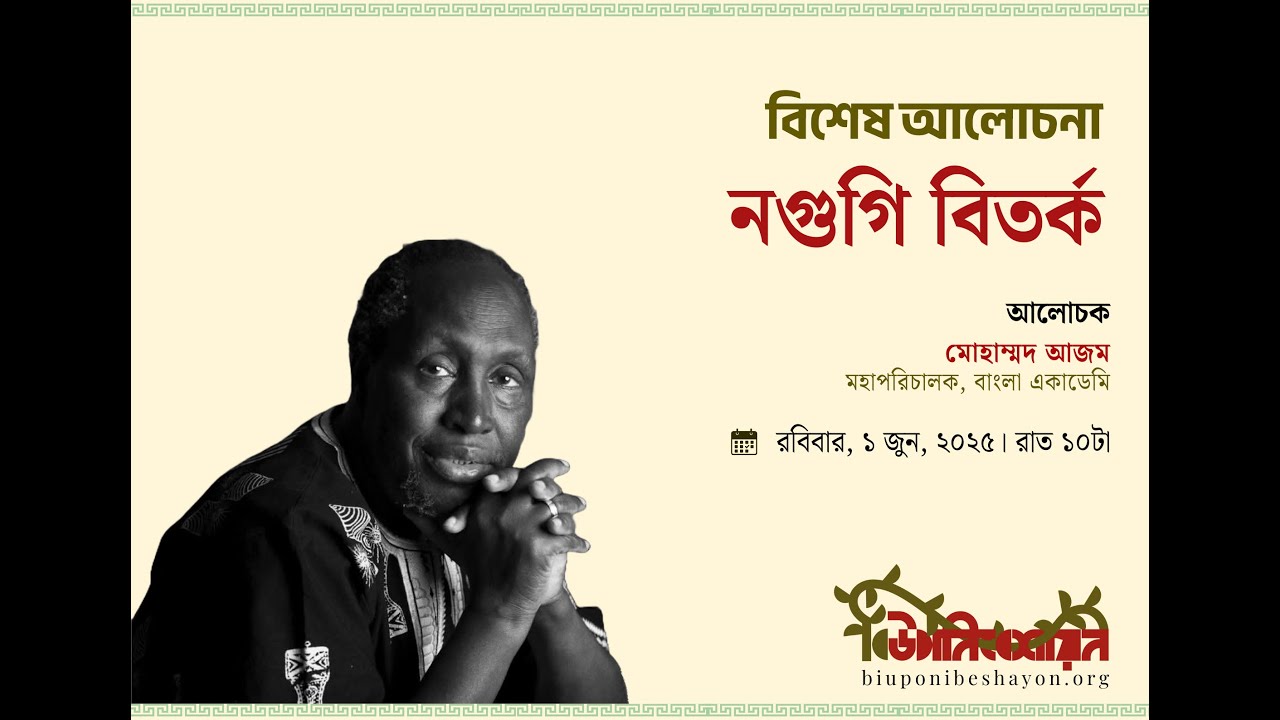
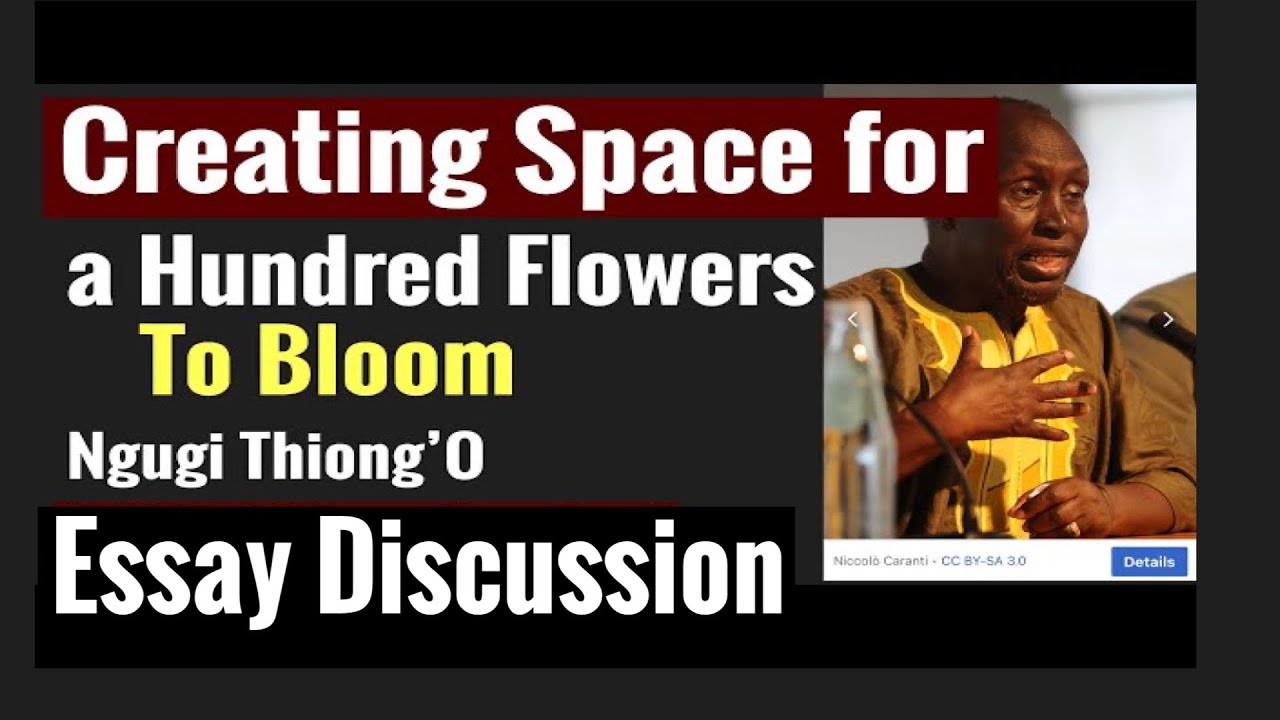
Ngũgĩ wa Thiong'o argues that African literature must be written in African languages rather than European colonial languages, as language is fundamental to cultural identity and intellectual production; he emphasizes that decolonization requires not just political independence but also decolonizing the mind, and that literature serves as a powerful tool for imagining alternative futures and challenging authoritarian regimes that suppress creative expression.
Ngũgĩ wa Thiong'o: Decolonising African Literature and the Mind
Added:Historical context of European colonialism in Africa and the subsequent establishment of colonial education systems designed to assimilate local populations.
The concept of cultural hegemony, particularly how dominant global powers use language, media, and education to reinforce their social and political superiority.
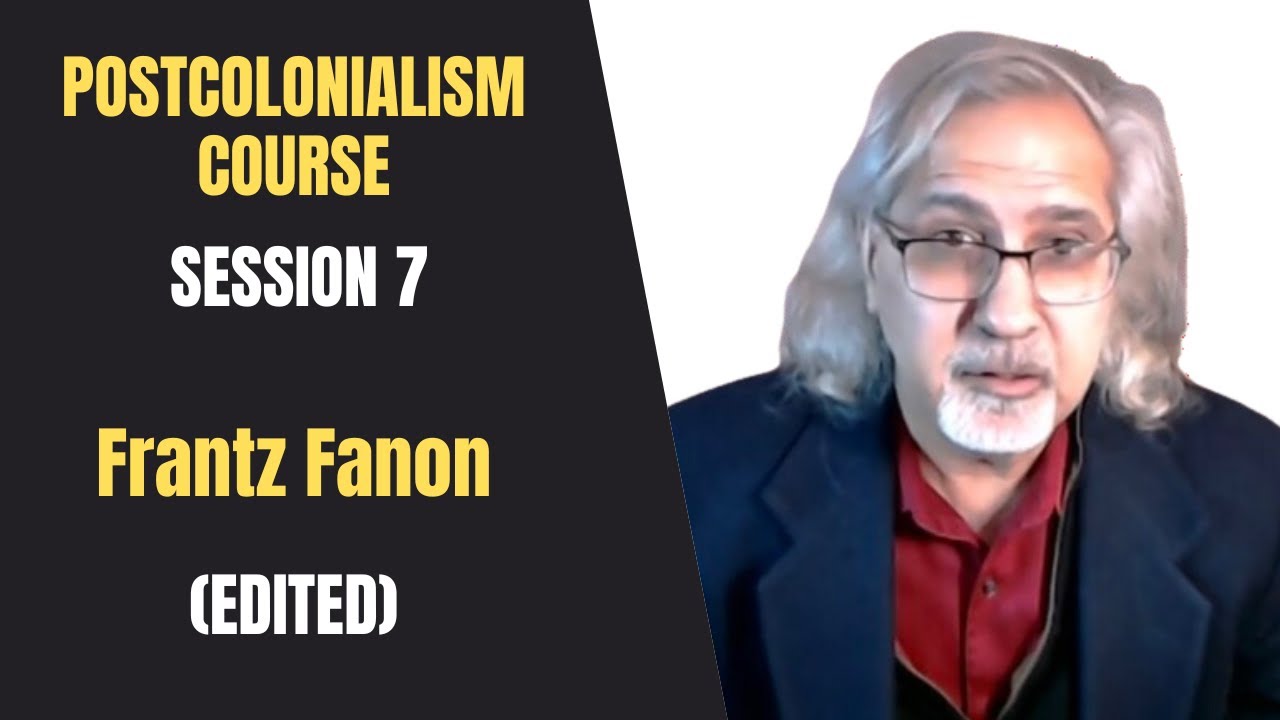
An introduction to foundational postcolonial theorists, such as Frantz Fanon, and their work on the psychological and cultural impacts of colonization on the colonized.
The historical development of modern African literature in the mid-20th century, specifically the debate over writing in colonial languages versus indigenous languages.
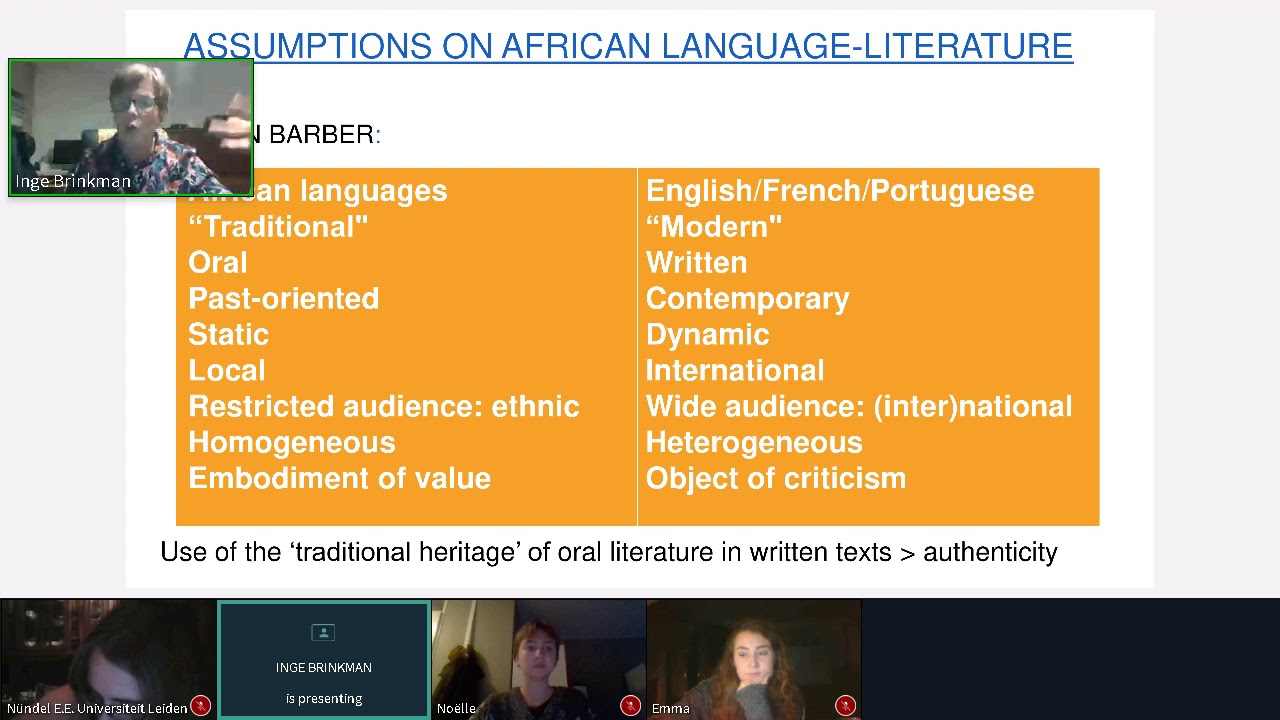
A comparative study of the differing views on language in African literature, specifically contrasting Ngũgĩ wa Thiong'o's stance with Chinua Achebe's embrace of a localized English.
Analysis of Ngũgĩ's transition to writing exclusively in his native tongue, Gĩkũyũ, and his subsequent theories on translation as a political and artistic act.
Researching real-world language revitalization efforts, mother-tongue education policy frameworks, and their socio-economic challenges in post-independence African nations.
Investigating 'epistemic decolonization' and how Ngũgĩ's theories are applied to decolonize university curricula, scientific research, and historical narratives globally.
68.1K views1.5Klikes14:08Original Release: 2019-09-10
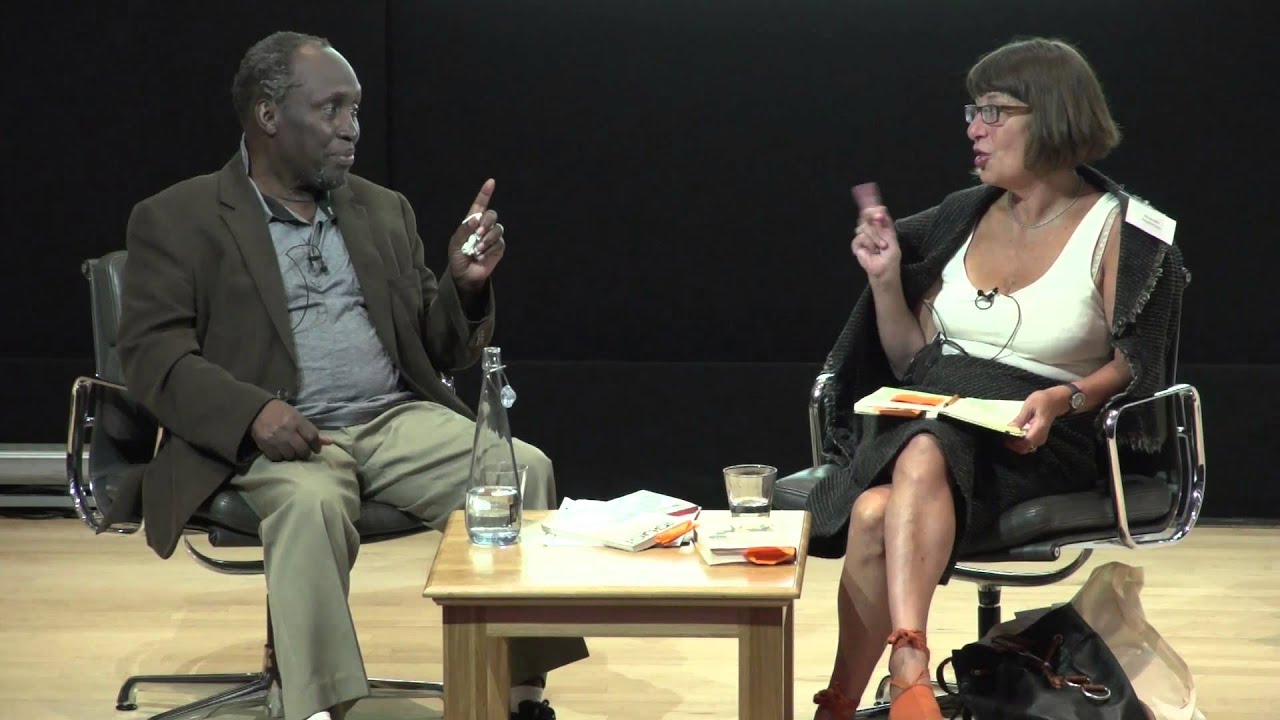
My name, my full name is Ngugi wa Thiong'o.
It simply means Ngugi son of Thiong.
So my name is Ngugi, but we ask which Ngugi, because there are many Ngugis.
Then is Ngugi wa Thiong'o, son of Thiong.
So Thiong is my father's name.
I began to write in 1960... Well, sixties, you know... There were really few african writers, you know.
But now there are very many, the younger generation: very many writers.
Including from my own family.
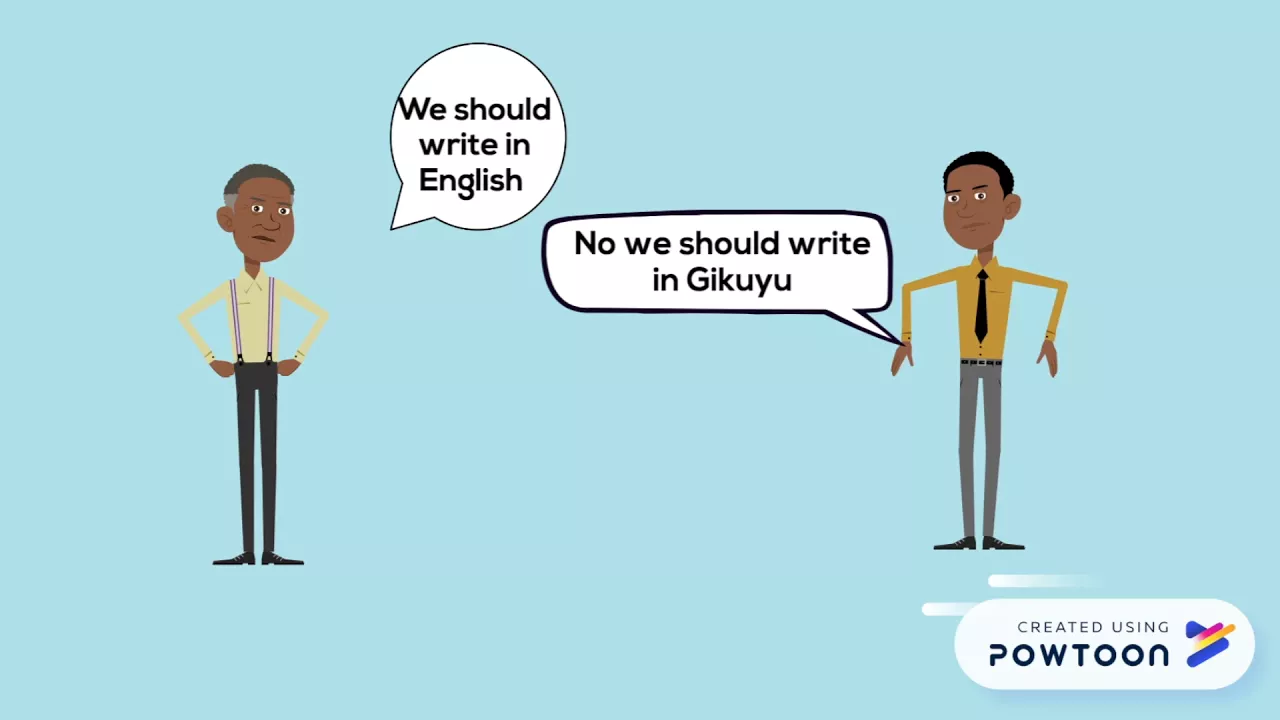
There is one problem right now in African literature: that this literature is written largely in European languages.
So even those writers of our generation: we wrote in English, French or Portuguese.
And that trend continues to the present.
So the struggle that there is now also is a struggle for African writing in African languages is trying to assert itself.
For me it is literature written by African people in African languages.
Just like Spanish literature is written in Spanish but you cannot tell me there is Spanish literature written in Zulu.
You can't say that Spanish literature is only that literature which is written in French, right?
Or French literature is written in Chinese.
I like to call it now europhone African literature.
Europhone, just like you talk about francophone, anglophone and so on.
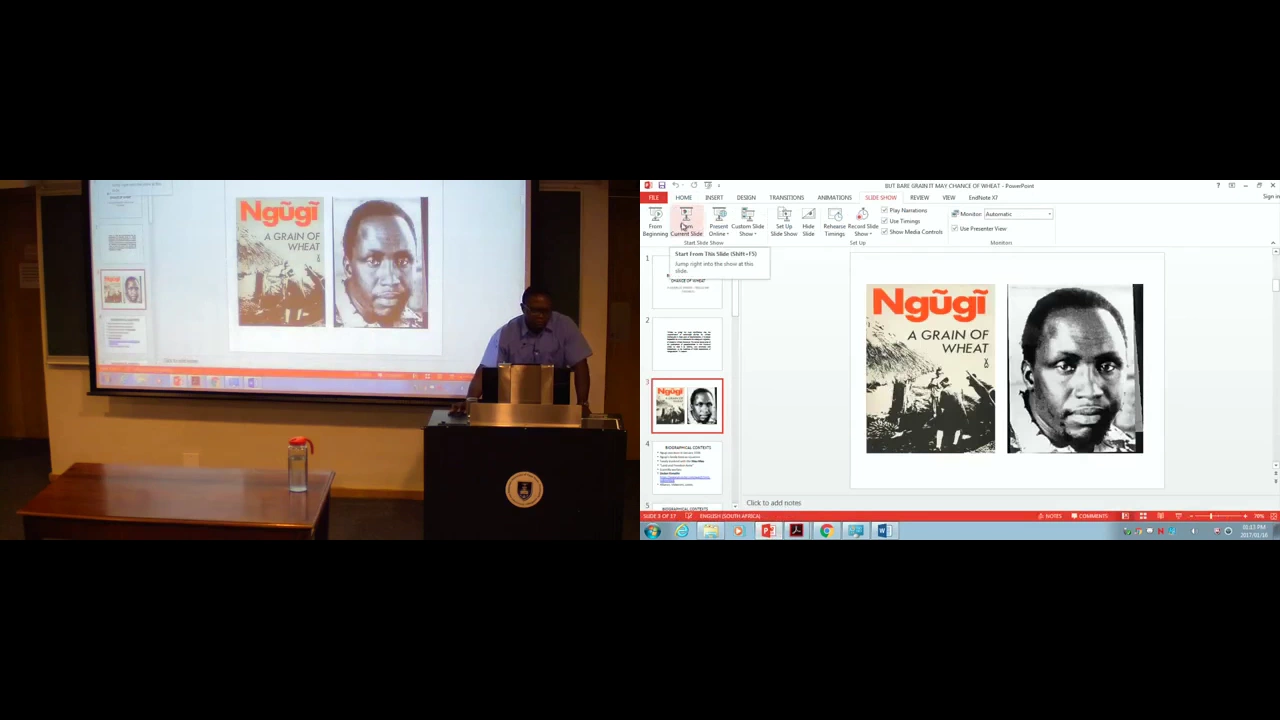
What I wrote in English: "A Grain of Wheat", "Petals of Blood", "Weep Not, Child", "The River Between", all those are part of europhone African literature.
But it is different from literature written by Africans in African languages.
Language is part of the identity of any given literature, ok?
The literature of African diaspora has been very important for the development of African literature on the continent, of the development of African writing on the continent.
For instance, when I went to study post-graduate work in England.
I chose to do the work not on European writers but on Caribbean writers on the work of George Lamming and other Caribbean writers who were writing at the time.
There is a very important thing for me to have been able to connect African literature, Caribbean literature and in the proccess also discover African American literature.
And collectively that literature became very vey important when in 1969, in 1968 I returned to Kenya to teach and began to challenge the dominance of English literature department as then organised.
Because in those days the study of our literature meant the study of English literature or the study of European literature and in Nairobi University we changed all that.
We said in Africa, African literature or literature written by African people must be at the center.
You start with the African literature at the center and then radiate outwards to other literatures, not as it was before where English is literature.
French literature is the center.
We said no, African literature is the center of our universe but then we can add other literatures to it.
In 1967... In 1977-78, for a year, I was put in a maximum security prison in Kenya for writing my first play in Kikuyu language That was... I was in a maximum security prison for a year.
And during that year of maximum security that's when I decided to stop, to be writing my novels and fiction and drama and poetry in Kikuyu language, my mother tongue.
And I wrote my first novel in Kikuyu called "Devil on the Cross" in Kikuyu, on toilet paper, in prison.
So I used literature as a way of connecting to the world outside.
So in the same way when I was now in exile I used my writing in Kikuyu as a way of connecting to Kenya, yes.
So my mother tongue, Kikuyu, was very very important for my survival in prison and it was very very important for my survival in exile.
Every person, whether in Africa or Europe, has a right to their mother tongue or to the language of their culture.
It doesn't matter if that language is spoken by only five people those five people have a right to their language and to the intellectual production of ideas in their language.
But those languages can then relate to other languages through translation or through adding other languages to what one already has.
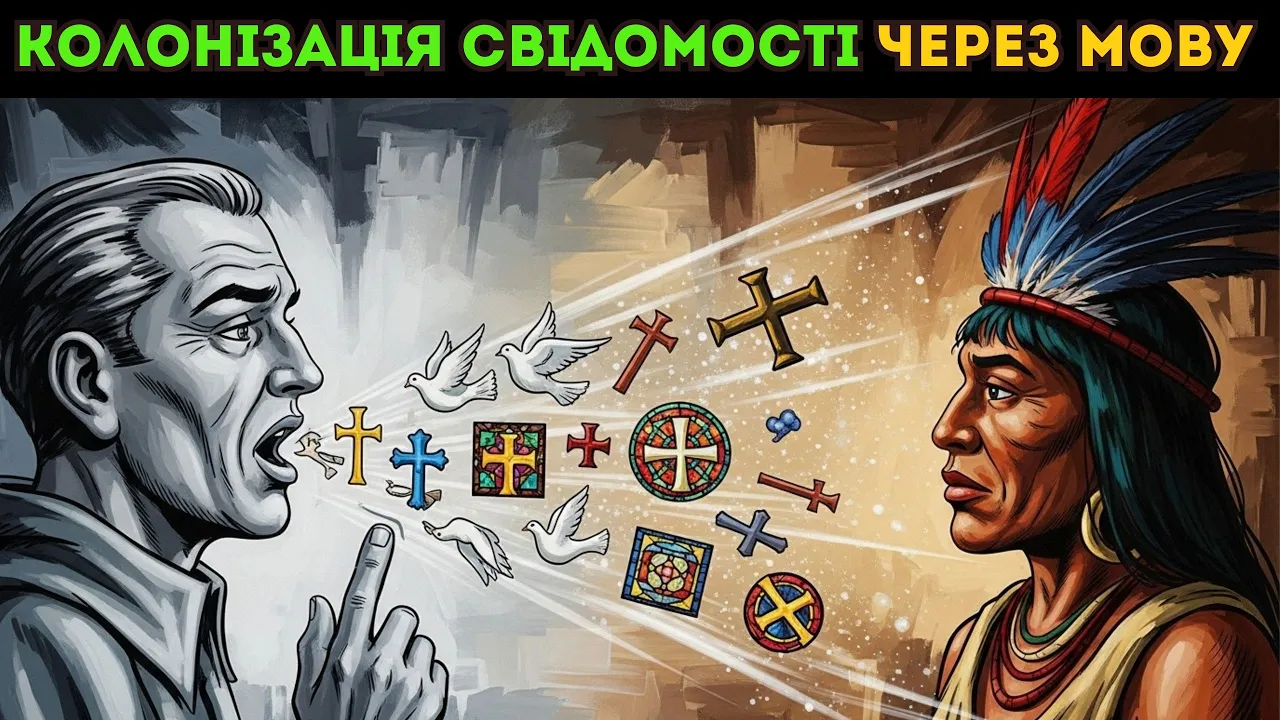
The problem with Africa and the former colonies as a whole is that the whole intellectual community operate within European languages and the entire intellectual production of ideas is in foreign languages or is in European languages.
And majority of African people, working people, the farmers, the majority speak African languages.
So African languages they are there.
African languages are spoken by the majority of the people but the intellectual production or rather the language of power are happened to be European languages.
"The Upright Revolution", I wrote it in Kikuyu first.
It is called "Ituika Ria Murungaru".
That story has now been translated into 83 languages in the world.
Most of them actually African.
So here is a story which written in one African language but now is available in several African languages, but also available in several European and Asian languages.
There were things which were beginning to happen in postindependent era that we could not really quite understand and it is Fanon who gave us a vocabulary by which to understand what was happening in the postcolonial era.
Before Fanon we saw things in kind of black and white.
Fanon made us understand about the connection between economic independence, political independence and cultural independence.
That you could actually become politically independent but no necessarily economically independent.
And even if you become independent there can also be economic class differences within the newly independent country.
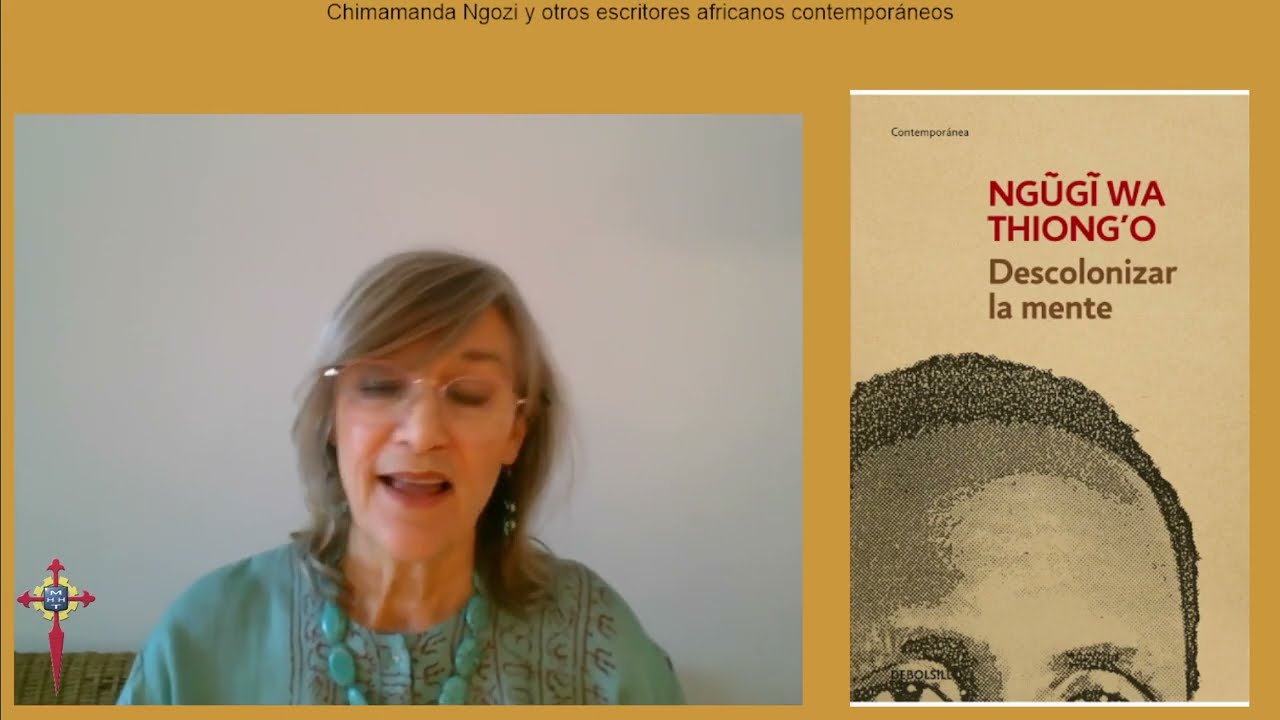
"Decolonising the mind" is very very important for any... for African and the formerly colonised world, very very important.
Or for anybody, for any matter, because even Europe needs to decolonise itself because Europe, the West we have is a Europe which grew out of slave trade, grew out of colonising other people and so on.
So Europe also and the West also need to decolonise.
Many European cities London, Paris, Madrid, Lisbon, were built on profits made out of the African body, out of the enslaved African.
The labour of the African people is what have built many of the modern European cities.
So Modernity in Europe is rooted in African enslavement.
That Euro... People of Europe have moved, have occupied more of other people's land than any other continent, right?
European people are in New Zealand, European people are in Australia, in America, in Latin America, everywhere.
So the European people are the ones who have moved more.
into other continents historically than people from any other continent, okay?
So if you compare that with the few immigrants from Africa and Asia and so on, they are minuscular by comparison, right?
Many governments, authoritarian governments supress writers because they want to suppress the capacity of people to imagine different futures.
Because imagination, the capacity to picture a different world the capacity to picture different possibilities is very very important for the human, right?
And literature is very important in that respect but authoritarian regimes want to limit the capacity of to imagine different futures So in that sense literature becomes very very important.
And not only literature, all works of art becomes very important because this capacity to fire the imagination and to see the present we can not just accept the present conditions.
So you need other energies that come and imagine a different world I think Africans have a chance to imagine that different world.
Africa, Asia, Latin America.
If you want to understand the present world, the literature you want to read is literature from Africa and from Asia and from Latin America.
That is really what... It is what captures really the reality of the world is the one which authors begin to imagine different possibilities here.
Up Next
12:17
Latin American History in 100 Years of Solitude | Crash Course Literature
@crashcourse
405.9K views•2016-08-18

13:43
Formalism in Literary Criticism: An Academic Lecture Overview
@mattalberhasky9952
39.1K views•2015-08-05

6:08
Point of View in Fiction: First Person vs. Third Person
@magicalthriftyteacher
153.8K views•2014-03-31

15:25
1984: Orwell's Dystopian World and the Mechanisms of Totalitarianism
@AlternateHistoryHub
7M views•2017-03-04
Related Study Plans & Knowledge Roadmaps
Structured learning paths in Literature
literature
Graphic Memoirs: Visual Art, Trauma & History
01Foundations of Sequential Art and Visual Language
02Autographics and Processing Historical Trauma
03Visualizing Personal Trauma, Grief, and Graphic Medicine
+ 2 more learning modules
14h5 modules
Explore Roadmap
literature
Campus Novels: Evolution, Themes & Critique
01Introduction to the Campus Novel Genre
02Mid-Century Satire and the Post-War Academy
03Dark Academia and the Critique of Privilege
+ 2 more learning modules
14h5 modules
Explore Roadmap
literature
Theater of the Absurd: Philosophy & Plays
01Postwar Existentialism & Historical Roots
02Dismantling Narrative: Esslin & Absurdist Conventions
03Samuel Beckett and Tragicomic Existentialism
+ 2 more learning modules
12h5 modules
Explore Roadmap
literature
Revenge Tragedy: Justice, Madness & State
01Foundations of Early Modern English Theatre
02Anatomy of Revenge: Structural Conventions
03Psychological Complexity: Madness and Melancholy
+ 2 more learning modules
15h5 modules
Explore Roadmap