





![[ Free For All - REVISED ] การหายใจระดับเซลล์ - Part 2 ( Kreb's Cycle )](https://i.ytimg.com/vi_webp/moBlqgOEN1I/maxresdefault.webp)








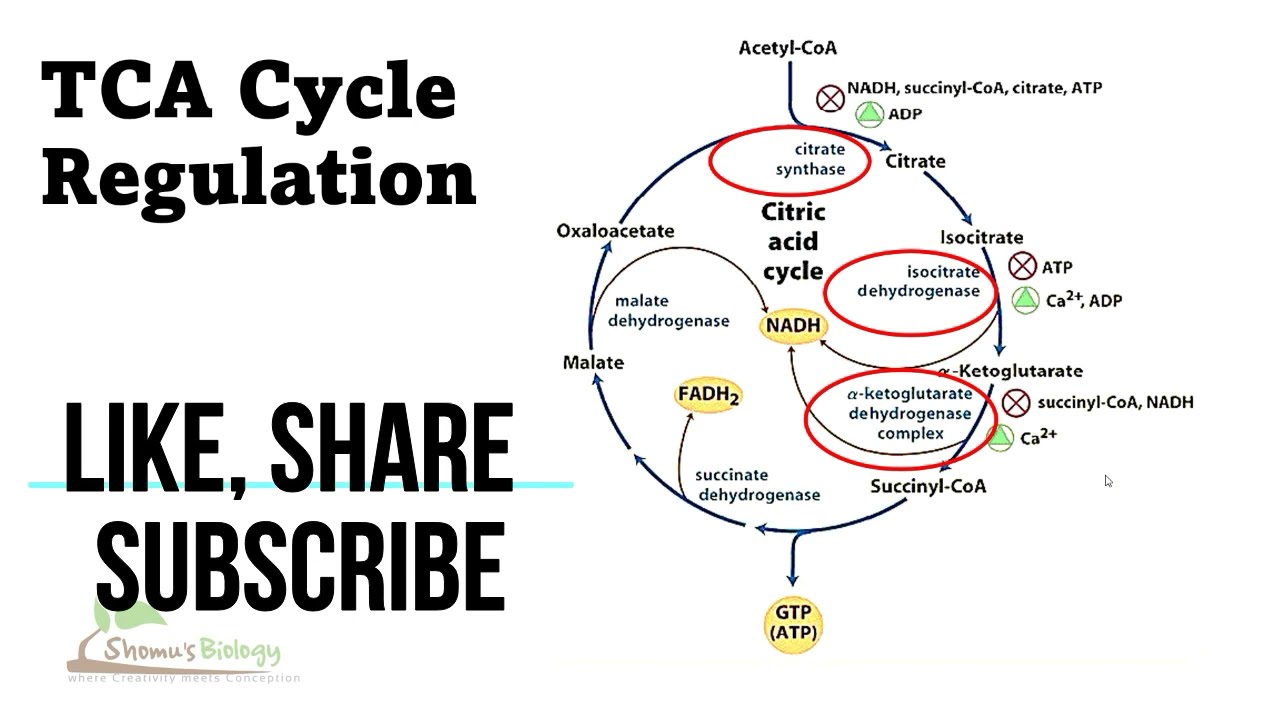
![Citric Acid Cycle Steps and Regulation [Metabolism 2 of 21]](https://i.ytimg.com/vi_webp/uUbk7D3YPes/maxresdefault.webp)








The citric acid cycle (Krebs cycle) is an eight-step metabolic pathway located in the mitochondrial matrix that processes acetyl-CoA derived from pyruvate to generate high-energy electron carriers (3 NADH, 1 FADH2) and one ATP per acetyl-CoA molecule, serving as a crucial link between glycolysis and oxidative phosphorylation in aerobic respiration.
Citric Acid Cycle Explained: Biochemistry of Cellular Respiration
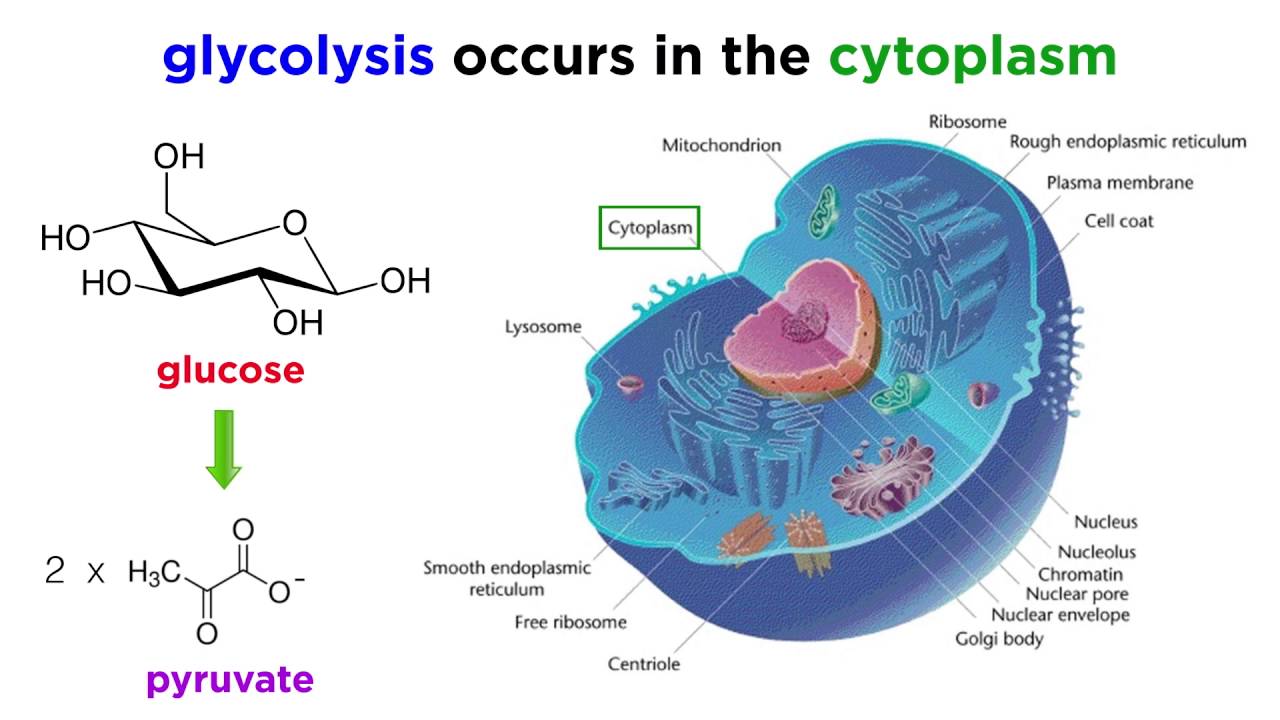
Added:Understanding of Glycolysis, including the breakdown of glucose into pyruvate in the cytosol.
Knowledge of pyruvate oxidation (the transition step) and how it generates Acetyl-CoA.
Familiarity with cellular anatomy, specifically the structure of the mitochondrion and the significance of the mitochondrial matrix.
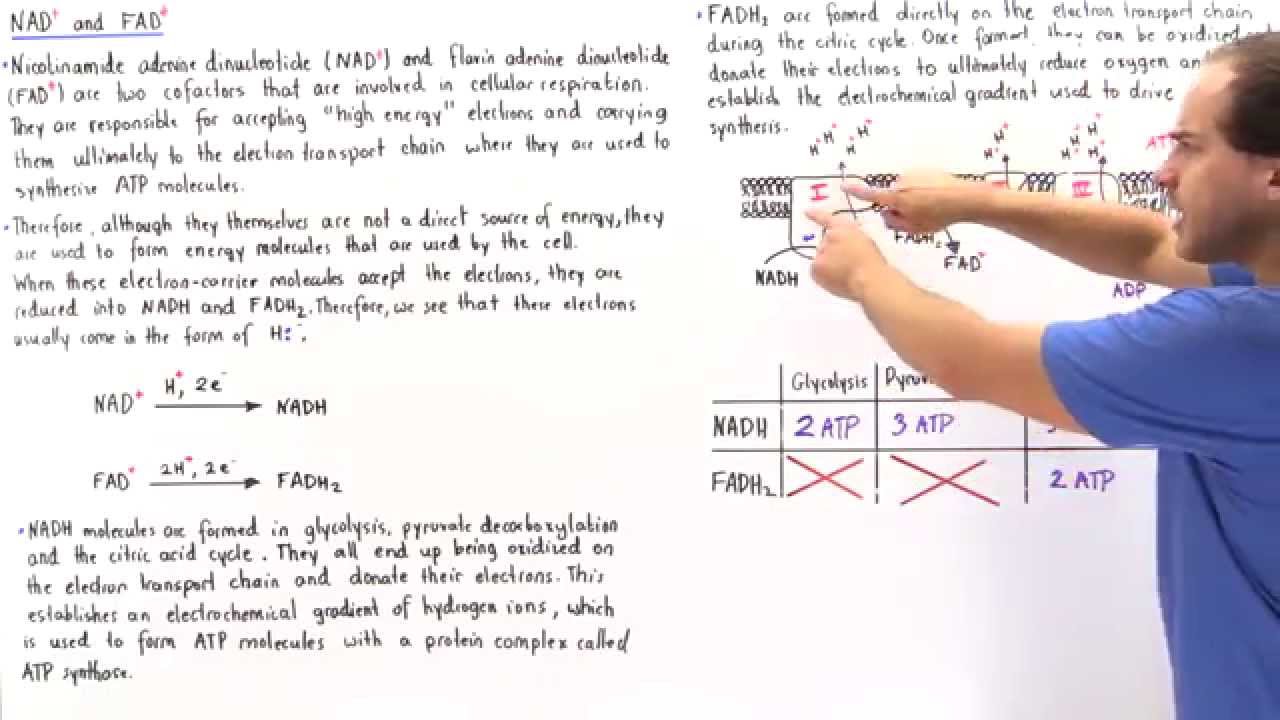
Basic understanding of metabolic coenzymes and electron carriers, such as NAD+/NADH, FAD/FADH2, and ATP.
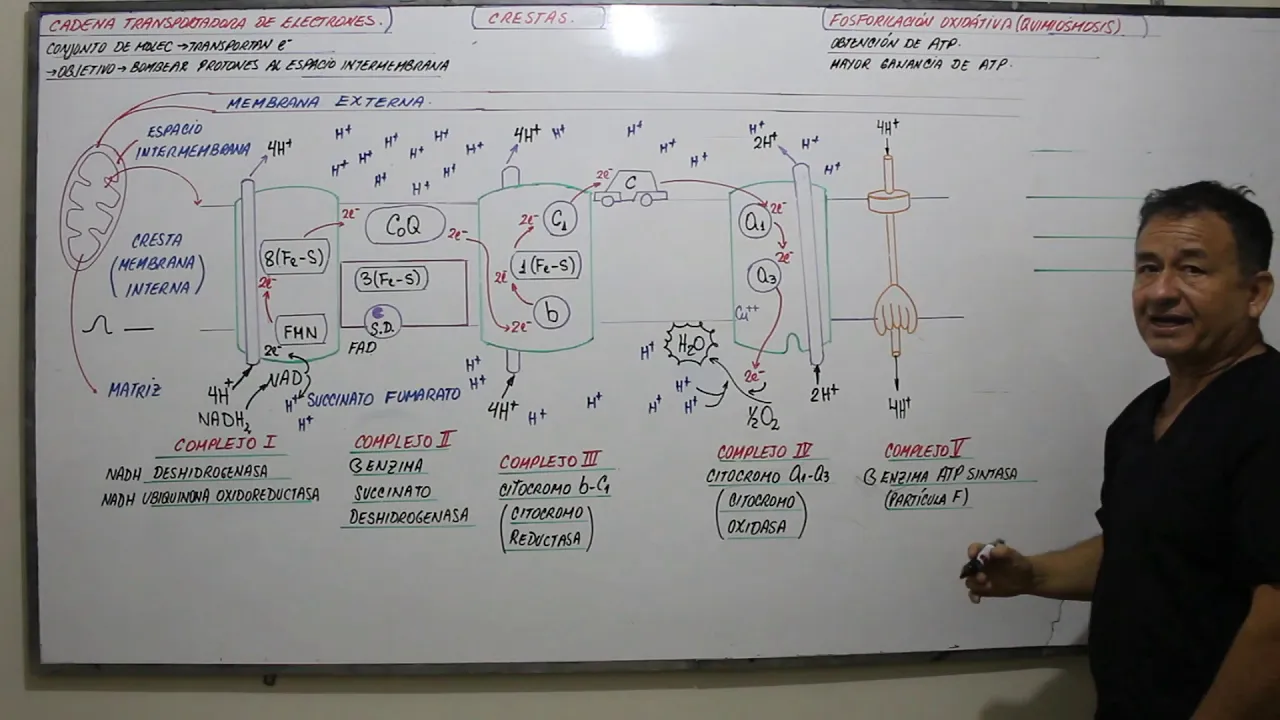
The Electron Transport Chain (ETC) and Oxidative Phosphorylation, where NADH and FADH2 are utilized to produce the majority of cellular ATP.
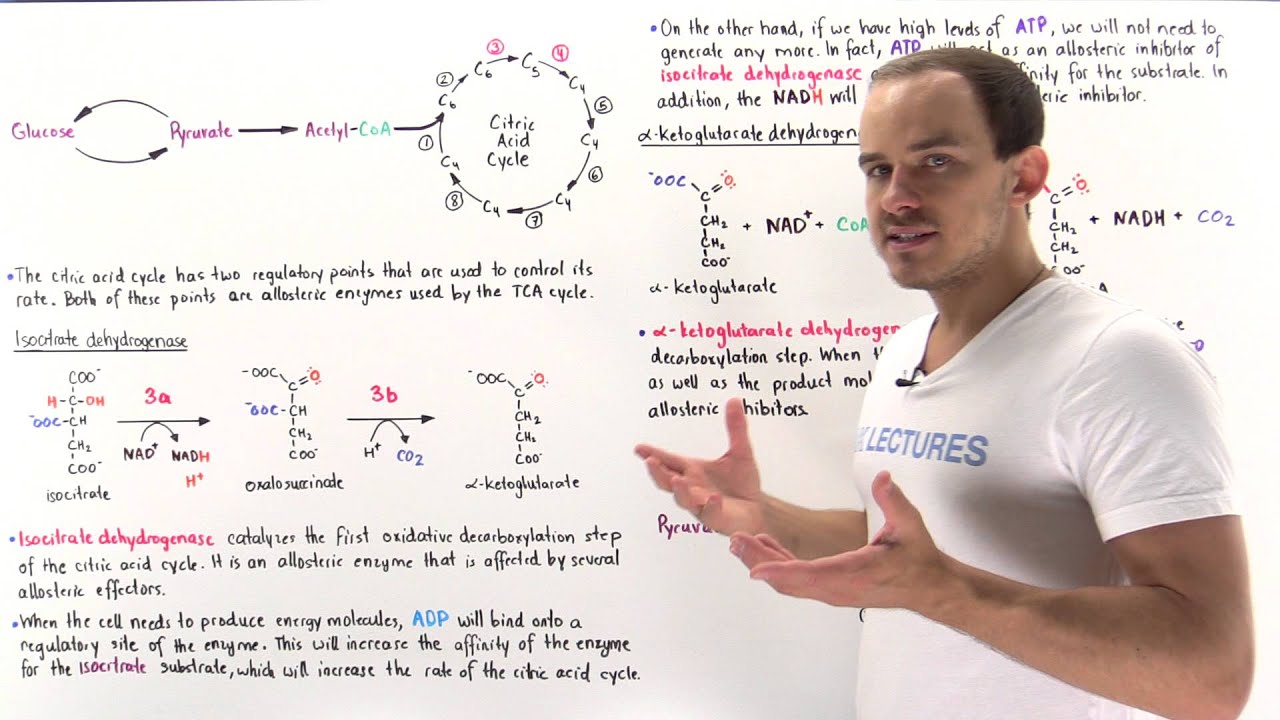
The regulatory mechanisms of the citric acid cycle, including feedback inhibition and activation by ATP, ADP, and NADH.
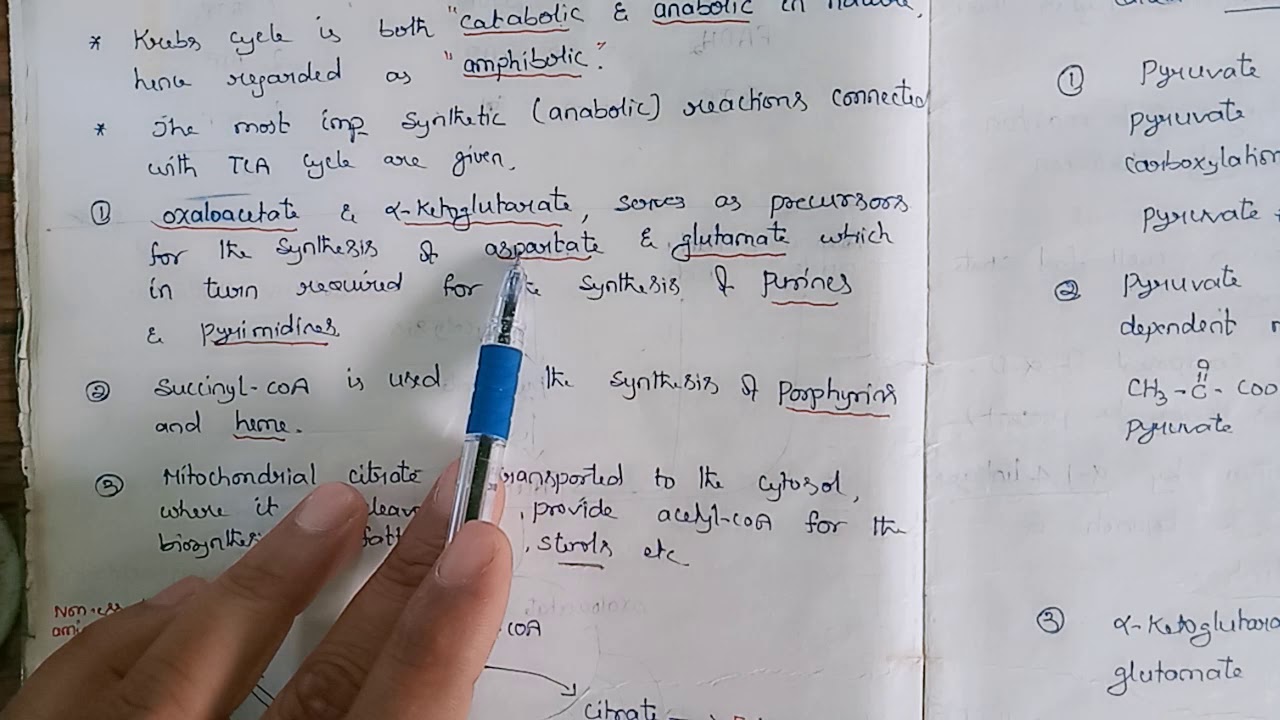
The amphibolic nature of the cycle, detailing how its intermediates act as precursors for the synthesis of amino acids, lipids, and heme.
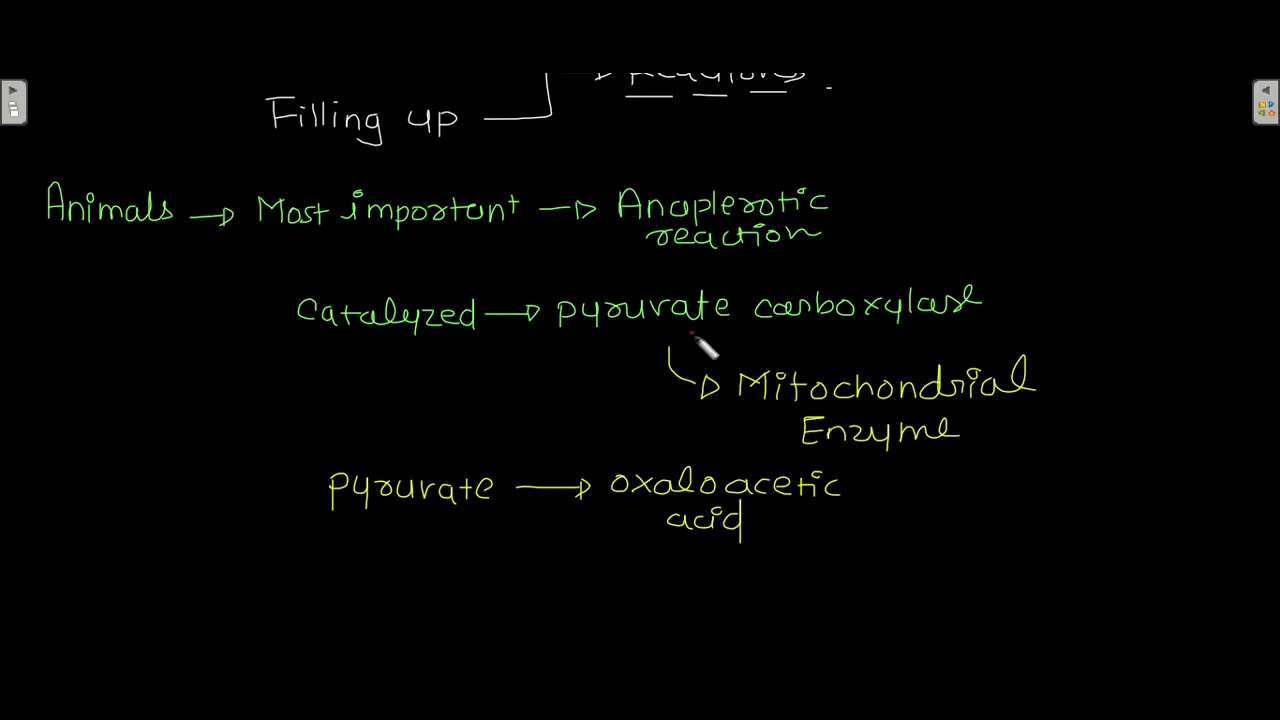
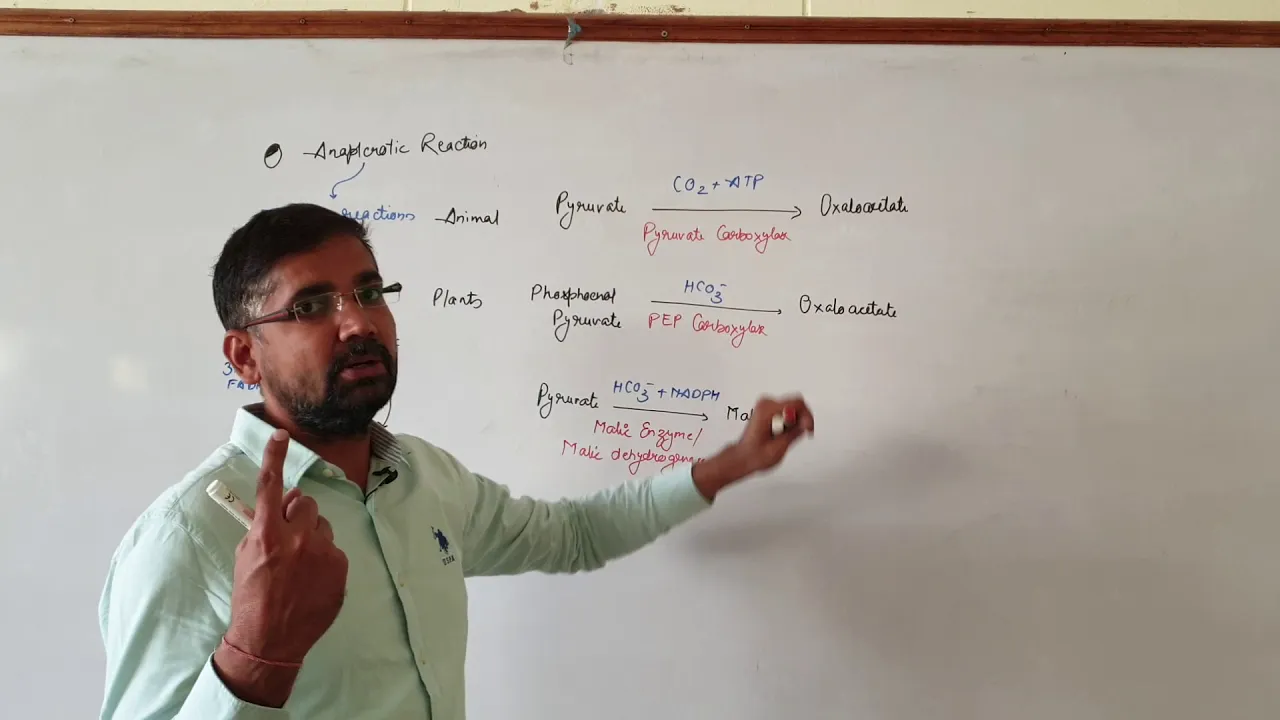
Anaplerotic reactions, which are pathways that replenish citric acid cycle intermediates to maintain metabolic equilibrium.
Clinical correlations and metabolic disorders associated with defects in citric acid cycle enzymes, such as fumarase deficiency or succinate dehydrogenase mutations.
573.1K views9.7Klikes4:52Original Release: 2016-09-15
Professor Dave again, let's talk about the citric acid cycle.
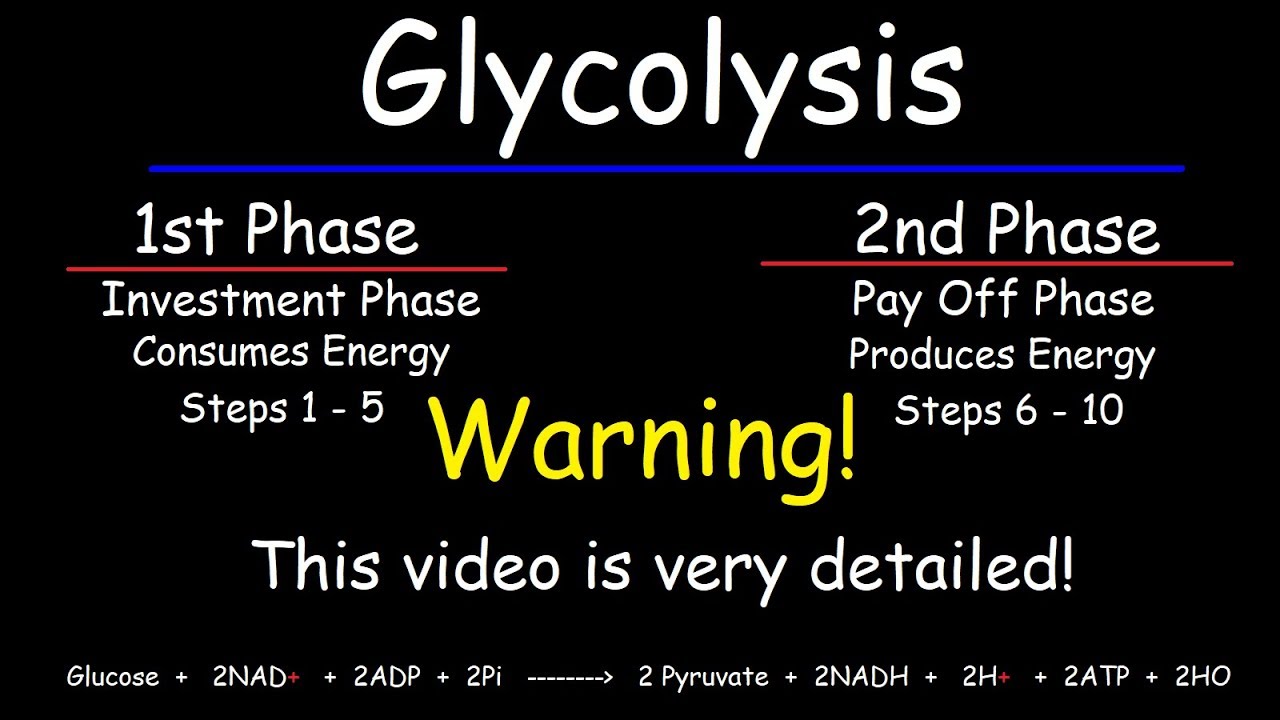
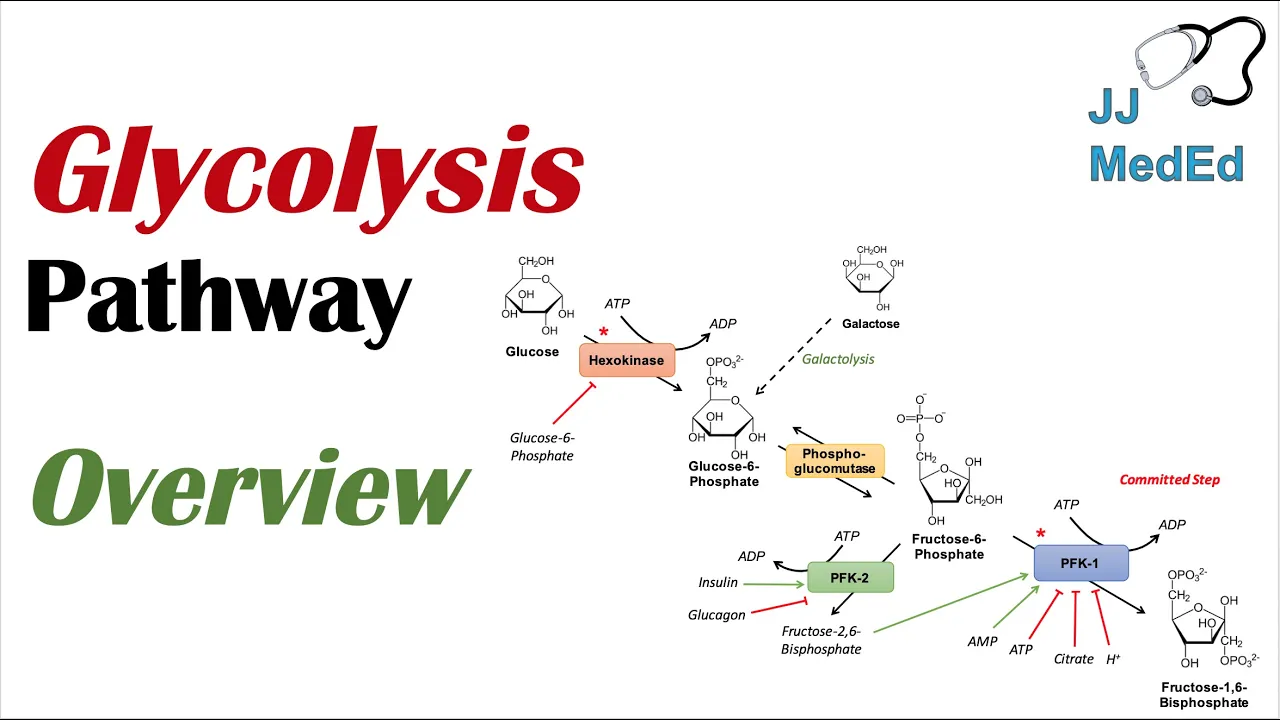
We learned about glycolysis, which is an anaerobic process, meaning it does not require oxygen to occur. Since oxygen is not necessary, the first simple organisms on earth were able to generate energy through glycolysis for millions of years. But two ATPs per glucose just isn't that much.
In order for higher organisms like animals to evolve that can run, and jump, and swim, they had to evolve additional metabolic pathways that generate far more energy than glycolysis. This became possible once plants covered the earth, thereby filling the atmosphere with oxygen, which is a product of photosynthesis, thus the possibility for large-scale oxygen dependent aerobic respiration was born.
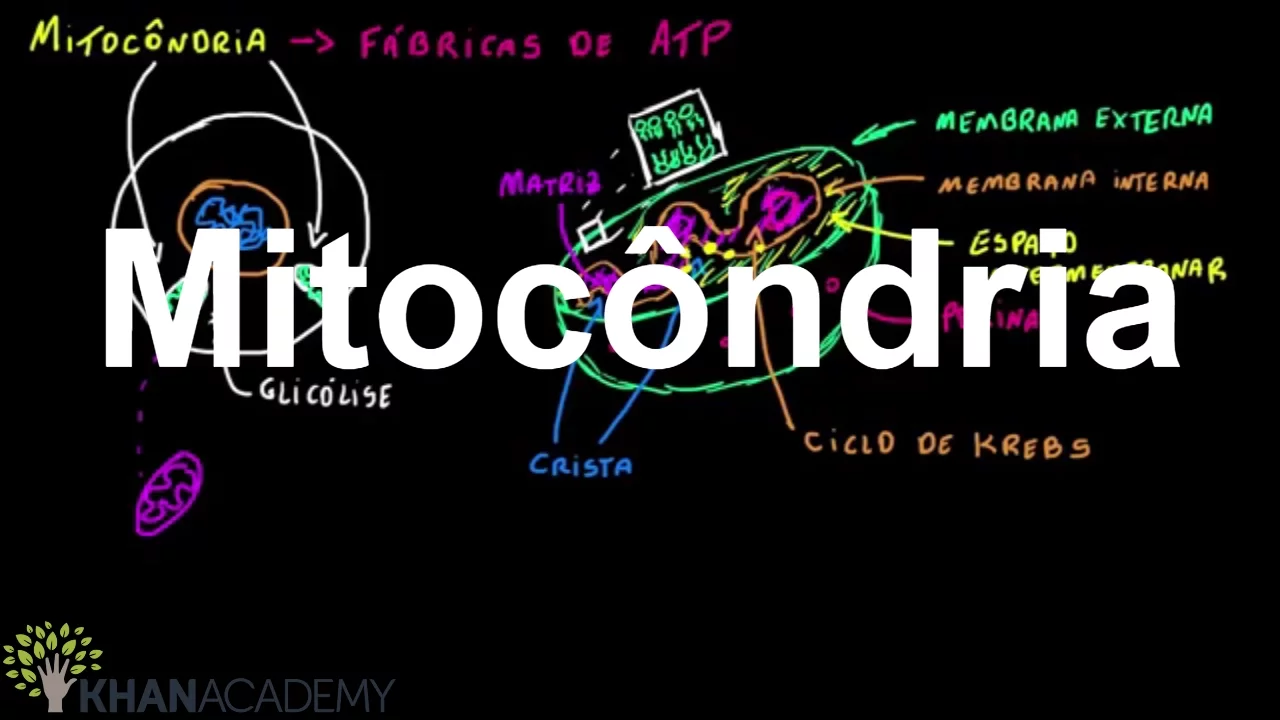
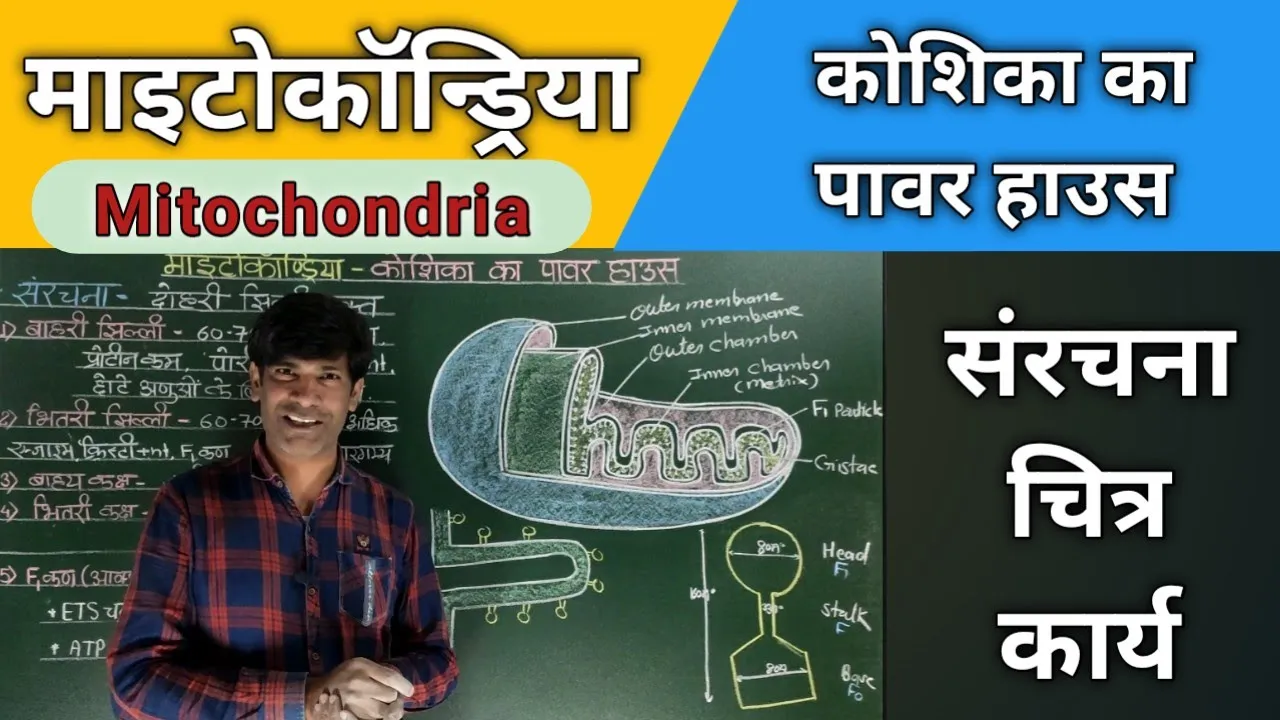
The location in the cell where this process occurs is the mitochondria, which are eukaryotic cell organelles. According to endosymbiotic theory, mitochondria seem to have been entirely separate organisms that were incorporated into eukaryotes specifically for the respiratory abilities they possessed.
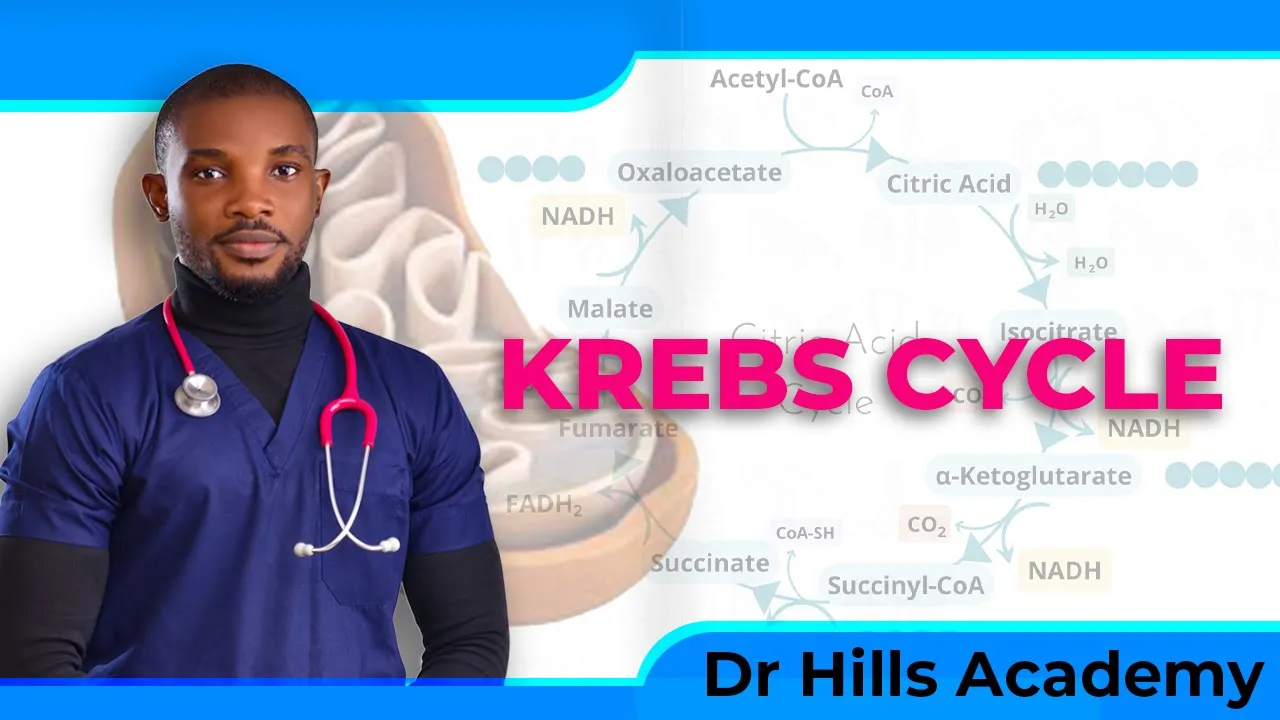
This activity begins with the pyruvate molecules that were generated in the cytoplasm during glycolysis. These pyruvates will enter the mitochondrial matrix to find Coenzyme A. In the presence of NAD+ pyruvate will undergo decarboxylation, oxidation by NAD+, and then attachment to Coenzyme A, generating acetyl CoA. Acetyl CoA will then enter the citric acid cycle, also known as the Krebs cycle, or the tricarboxylic acid cycle. This is an eight-step pathway requiring eight separate enzymes. In the first step, the enzyme citrate synthase removes the acetyl group and tacks it on to oxaloacetate to form citrate.
Next, with help from aconitase, a water molecule is removed and another one is added to generate a structural isomer of citrate called isocitrate. Then, catalyzed by isocitrate dehydrogenase, isocitrate is oxidized by NAD+ and then decarboxylates to form alpha-ketoglutarate. Next, another CO2 is lost and further oxidation by NAD+ takes place, with the help of ketoglutarate dehydrogenase. The resulting molecule will join with Coenzyme A once again to form succinyl-CoA. CoA is then displaced by a phosphate group to form succinate, which is catalyzed by succinyl-CoA synthetase. This will make one molecule of guanosine triphosphate, or GTP, in the process, which can be used to make one ATP. Then with the help of succinate dehydrogenase succinate is oxidized by a different molecule, FAD, which will result in fumarate and FADH2. Next, fumarase will catalyze hydration which results in malate, and lastly, one more oxidation by NAD+ takes place with the help of malate dehydrogenase to give oxaloacetate, which will restart the cycle, reacting with a new acetyl CoA. Overall, for every acetyl CoA that enters, this cycle will produce three NADHs, one FADH2, and one ATP. Since one glucose will produce two pyruvates in glycolysis and therefore two acetyl CoAs, we can double these numbers to get the amounts per glucose molecule. Once again, for the ease of memorization, here is a list of each step of the citric acid cycle with the names of the respective enzymes. We can see that there still hasn't been a huge payoff in terms of energy, but the products of the citric acid cycle will then move on to oxidative phosphorylation, which will generate the majority of the ATP produced in aerobic respiration.
Thanks for watching guys, subscribe to my channel for more tutorials, and as always, feel free to email me:
Up Next
8:11
Glycolysis Explained: Cellular Respiration Part 1 (Steps & Enzymes)
@ProfessorDaveExplains
950.9K views•2016-09-14
50:12
Bacterial Communication: Quorum Sensing and Biofilm Formation Explained
@JHUAAP
12.6K views•2011-06-28

10:50
Protein Structure Explained: Primary to Quaternary | Biochemistry
@ProfessorDaveExplains
1.4M views•2016-08-27
7:08
Bacteriophages: Earth's Deadliest Killers and Future Antibiotics
@kurzgesagt
34.6M views•2018-05-13
Related Study Plans & Knowledge Roadmaps
Structured learning paths in Biology
biology
RNAi: Biogenesis, RISC & Gene Silencing
01Molecular Biology Foundations: DNA to Protein
02Introduction to RNA Interference (RNAi)
03Molecular Biogenesis of miRNA and siRNA
+ 2 more learning modules
10h5 modules
Explore Roadmap
biology
Mycorrhizae: Signaling, Biophysics & Ecology
01Foundations of Mycorrhizal Symbiosis
02Molecular Signaling and Root Colonization
03Biophysics and Bioenergetics of Nutrient Exchange
+ 1 more learning modules
11h4 modules
Explore Roadmap
biology
Circadian Clocks: TTFL, SCN & Periphery
01Foundations of Molecular Biology & Gene Expression
02Introduction to Chronobiology and Actograms
03The Core TTFL: Molecular Architecture of the Clock
+ 3 more learning modules
14h6 modules
Explore Roadmap
biology
Population Genetics: Math, Drift & Selection
01Genetic & Probability Foundations
02The Hardy-Weinberg Principle and Baseline Models
03Mathematical Modeling of Natural Selection
+ 3 more learning modules
18h6 modules
Explore Roadmap