
![The best marketing rules. Ever. [6/10]](https://i.ytimg.com/vi_webp/6s6wuitoIrI/maxresdefault.webp)












![The Truth About SteveWillDoIt - BANNED on Youtube Permanently (& Why) - [UNTOLD STORY] !!!](https://i.ytimg.com/vi_webp/B-PulfkpZxA/maxresdefault.webp)




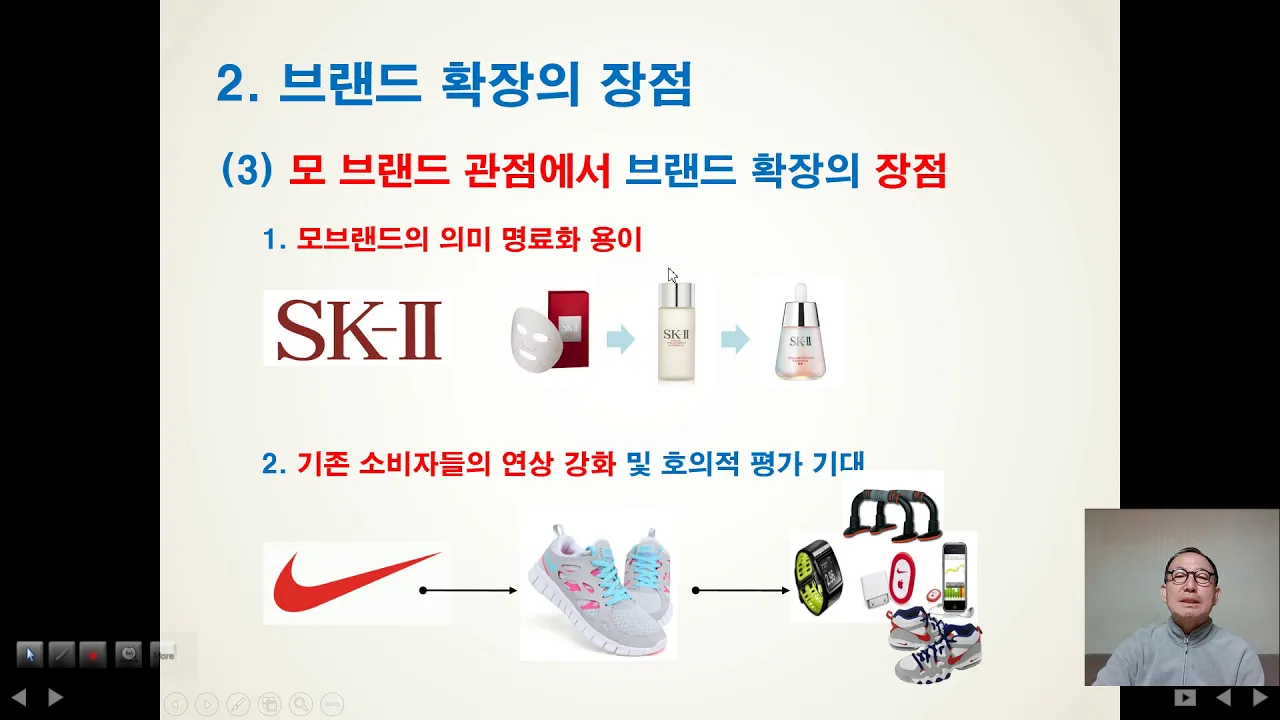





Brand equity represents the total value a brand brings to a company, encompassing four main components: brand awareness (how well consumers know and recognize the brand), perceived value (the quality and status associations consumers attribute to the brand), brand associations (the mental connections consumers make between the brand and specific attributes or experiences), and brand loyalty (customer commitment that allows companies to charge premium prices). These qualitative factors collectively determine why consumers are willing to pay more for branded products over generic alternatives, creating significant financial value that can be measured through market value versus book value comparisons.
Understanding Brand Equity: Measuring Brand Value in Marketing
Added:Basic Marketing Principles: Understanding the core marketing mix (4 Ps) and how branding functions as a key element of product and promotion strategy.
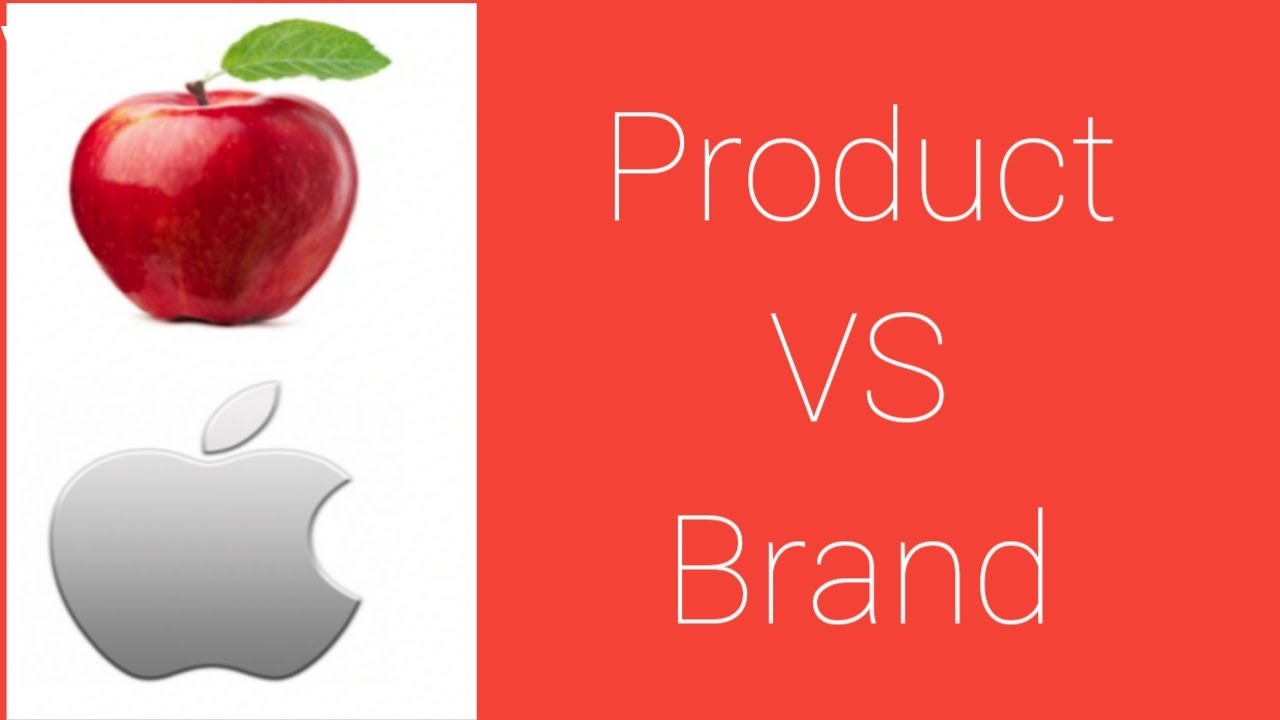
Brand vs. Product Distinction: Knowing the difference between a physical product or service and the intangible concept of a brand.
Introduction to Consumer Behavior: Familiarity with how consumers perceive, evaluate, and form psychological associations with products.
Concept of Business Assets: A basic understanding of how intangible assets, such as reputation and goodwill, contribute to a company's overall business value.
Financial Brand Valuation: Exploring quantitative methodologies (e.g., the Interbrand model or cost-based approaches) to put a concrete monetary value on a brand for balance sheets.
Brand Portfolios and Extensions: Learning how to leverage existing brand equity to successfully launch new products or manage a house of brands.
Strategic Brand Management: Developing long-term marketing campaigns and brand positioning strategies designed to actively build and defend brand equity.
Brand Tracking and Metrics Analytics: Designing consumer surveys and market research trackers to continuously measure and analyze brand health and customer lifetime value.
29.2K views811likes4:48Original Release: 2019-10-23
Hey there fellow marketers, Professor Wolters here, and today we're here in Savannah, Georgia.
And today we're going to talk about brand equity, or the value that a brand has.
There's a lot of different ways you can calculate brand equity.
There's a lot of financial ways to do it.
You know, you can look at the, the book value versus the market value kind of stuff.
You have those things.
But what I want to do is kind of focus on the overall qualitative equity that a brand can actually bring to a company.
And probably the biggest things you want to look at in terms of brand equity is actually what's called brand awareness.
How much do people know about your brand?
When you say Coca Cola, what comes to people's minds?
What do they think of?
Do they know it?
These kinds of things.
But that has value.
Being known means something.
There's a reason why those celebrities, when they don't get into parties, they go, "Don't, you know who I am?
Oh, you're Ryan Seacrest?
Oh yeah, I know you come on in!", 'cause it helps them to get into the party.
But also that brand awareness, if you know what a brand is, it's also helping them get into your shopping bag because you know this.
So, just the fact that a brand is known, that awareness factor, really brings value to the actual product.
Because people, if they're familiar with something, they're more likely to buy.
That's why you have so many Instagram travel influencers or, or YouTube influencers out there.
'Cause those brands call them up and say, "Hey, what would you- would you come to Savannah and show Savannah so people can see it?
So they might want to come here.
They get familiar with it.
Or, or could you talk about our shampoo?
So they knew about our new Herbal Essence extra thick regrowing hair formula, they might buy it?"
That's why they're paying things.
Cause they know if people just hear about our brands and they see it, that brand awareness will grow, and there's a better chance they're going to buy, and so that brings some brand equity in there.
Another thing that brands can help you with is what's called the perceived value.
I mean, think about it.
There are certain brands you've seen here go, "Oh, that must be good."
Like if I see a Gucci shirt, I'm like, "Oh, that must be fancy."
If I see a BMW car, I'm like, "Oh, that must be a pretty nice, you know, German engineered car."
You have these certain perceived values that go along with certain brands, with certain things.
And so it can kind of build up a relationship between the perceived benefits, the perceived costs, all of these kinds of things, that people then relate to that product.
And that kind of relates to another thing that actually brand equity can be built up with, and that is actually the brand associations.
What do we associate with that brand?
You know for example, a few years ago, I got my youngest son some tennis shoes, but they had a Ferrari logo on the side.
So he's like, "These must be really fast cause they have a horse on it."
Well the thing is, that's a really good brand association.
The horse, the stallion its means fast, wild, powerful, right?
And so he saw that like, "Oh, so these shoes must be fast and powerful", and he's running around the store and I'm like, "are those fast shoes?"
He's like, "Yeah, they're really fast shoes."
And so that brand, the-the the Ferrari brand, that logo, really associated speed and power to my son.
But the thing is, you also kind of see with those brands, what do we associate with it?
You know, certain universities you associate, "Oh, that's a good engineering school.
That's a good accounting school.
That's a good marketing school.
Oh, that's a good teaching place.
You, that-that's a good party school."
You have these certain associations people put with that brand.
And we need to know is, what do people associate with our brand?
Okay.
Do they associate quality?
Do they associate cheap?
Do they associate fast?
Do they associate cool?
What is that?
So that can add value as well to our company.
Another factor of brand equity is what we call brand loyalty.
Like the fact that people become loyal to our brands, that means even if our products are more expensive than the competitors, they're more likely to buy from us.
So if you like Delta and you fly with Delta and you're willing to spend $200 more to fly with Delta than United, well there's value right there.
That loyalty to get those points, to get that upgrade, to get whatever, that got me to spend more money for it.
And right there, that's a lot of brand equity too.
Could you think about what does this do?
And that's why companies will spend so much money to build relationships with clients, because they know it's a lot cheaper to actually keep a client, to have them buy with you more often, than they go out and find a new client.
So man, that brand loyalty brings a lot of value into the company.
And then of course, you have the financial side of it which I kind of alluded to with that, "How much more are they willing to pay than the, the competition prices?"
But you know, also you look at it in terms of the book value of, of a, of a publicly traded company versus the market value of it.
A lot of people say, "Is that difference there?"
That's how much the brand is worth.
And, and if you're not sure if brand, you know, there's a financial advantage to brands, ask yourself, why did you spend two bucks on that Coca Cola when you could've spent 50 cents and got an RC?
Right there, that brand makes you willing to pay more money for it.
And there's a financial side of it there.
So, we'll do some quick little easy ways where you can see where brand equity really comes about.
I hope that helps you out.
If you want to learn more about branding, and brands, and marketing, hit that subscribe button.
We put out marketing videos every week.
And if you like YouTube stuff, we put out a little bonus YouTube video every Friday.
Bye from Savannah.
Up Next

7:34
Creating a Risk Matrix: Impact and Likelihood Assessment Guide
@optimizedriskmanagement867
2.7K views•2021-11-06
46:36
Retention Habits of Top DTC Ecommerce Brands Revealed
@SendItPodcast
44K views•2026-03-03

15:23
Decoy Effect: How Pricing Psychology Influences Consumer Spending
@bobinvestsUS
90K views•2026-01-05

17:30
The Planned Obsolescence of Light Bulbs and Tech
@veritasium
25.3M views•2021-03-26
Related Study Plans & Knowledge Roadmaps
Structured learning paths in Business
business
Pop-Up Retail: Strategy, Design & Execution
01Introduction to Pop-Up Retail & Strategic Goal Setting
02Budgeting, Site Selection, and Legal Essentials
03Experiential Retail Design & Visual Merchandising
+ 2 more learning modules
15h5 modules
Explore Roadmap
business
Reg CF: Startup Funding, Marketing & Launch
01Introduction to Equity Crowdfunding & Reg CF
02Platform Selection & Legal Preparation
03Crafting High-Converting Campaign Assets
+ 2 more learning modules
14h5 modules
Explore Roadmap
business
Productized Services: Scaling Solo Freelance
01Foundations of Productized Services
02Packaging and Scope Definition
03Pricing and Subscription Models
+ 2 more learning modules
15h5 modules
Explore Roadmap
business
Gov Procurement: Find, Bid & Win Contracts
01Introduction to Government Procurement & Business Setup
02Small Business Certifications & Set-Asides
03Finding and Analyzing Contract Opportunities
+ 2 more learning modules
14h5 modules
Explore Roadmap