



















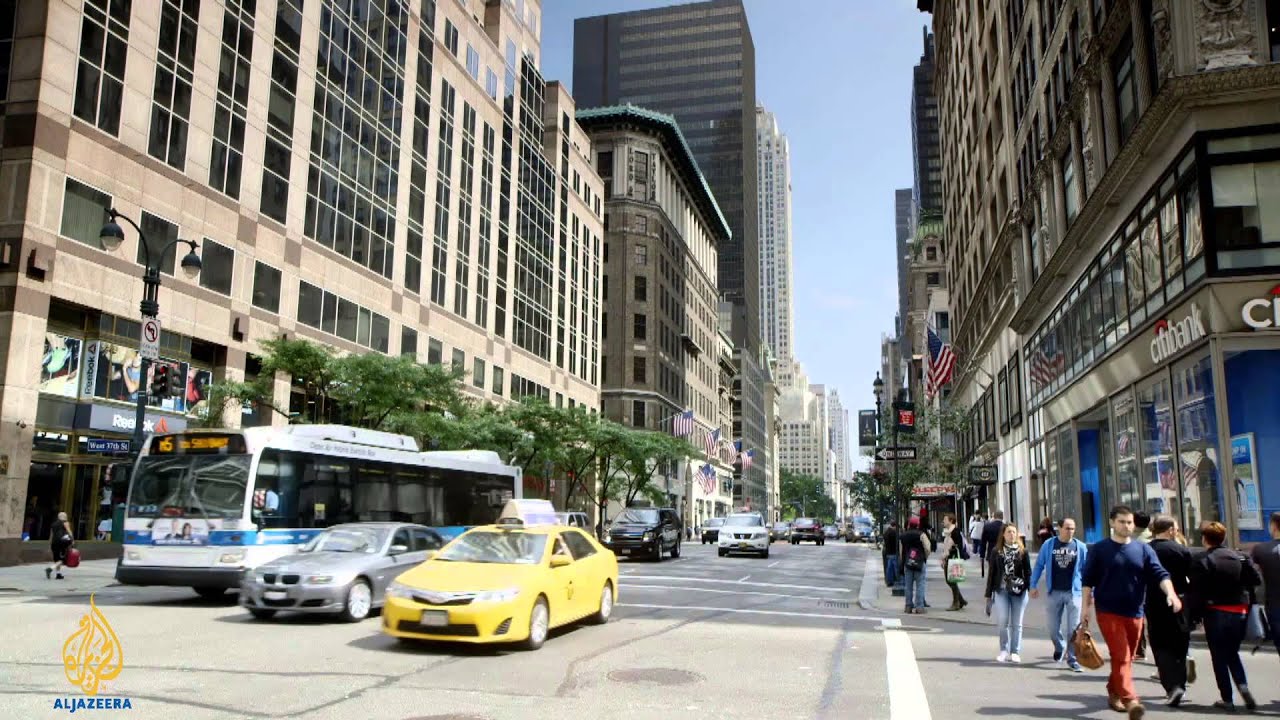




Many transformative technologies that shape modern economies are not dramatic breakthroughs but rather humble innovations that became so cheap and ubiquitous that they are taken for granted, such as elevators (enabling skyscrapers and urban density), shipping containers (revolutionizing global trade efficiency), and paper (enabling mass literacy and communication). These innovations often require significant organizational and societal adjustments to fully realize their benefits, and many were originally developed through government-funded research before being commercialized by private entrepreneurs.
Tim Harford: Fifty Inventions That Shaped the Modern Economy (EconTalk) | Tim Harford on Economic Lessons from Key Inventions - EconTalk Podcast
Added:Basic microeconomic principles, specifically how supply, demand, and market equilibrium shift in response to technological change.
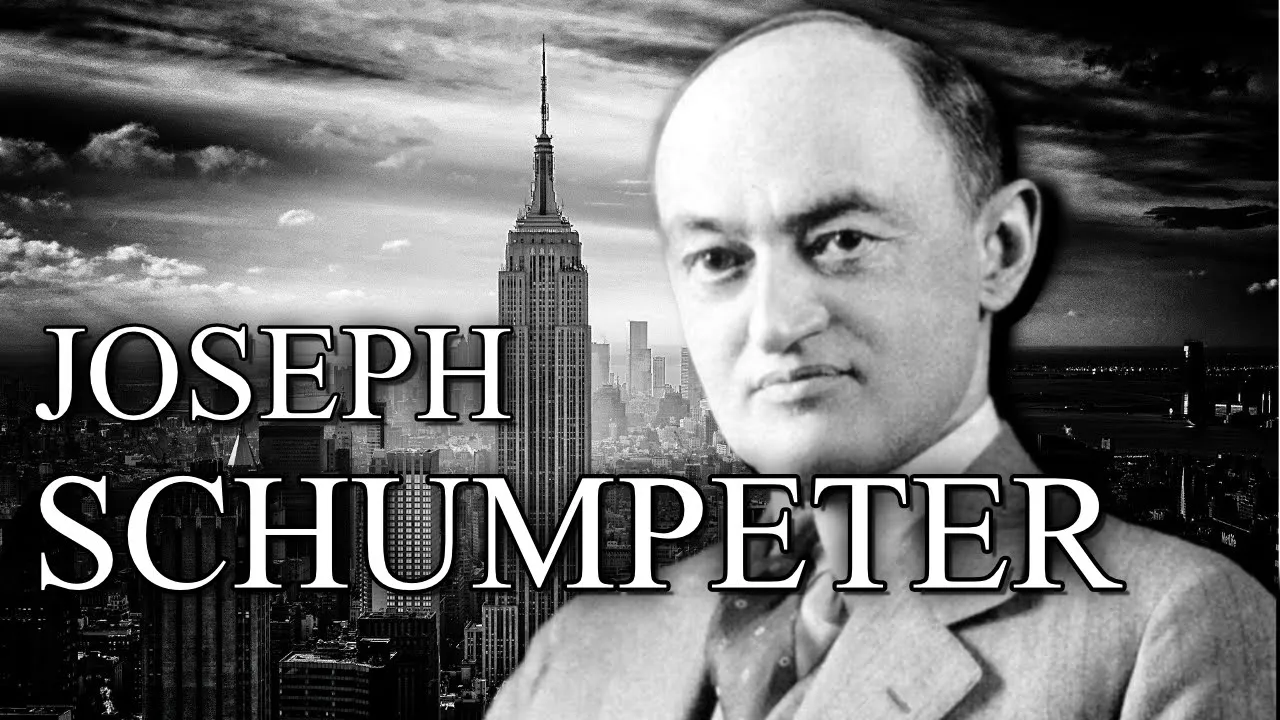
The concept of 'Creative Destruction' formulated by Joseph Schumpeter, explaining how old industries are continuously swept away by new ones.
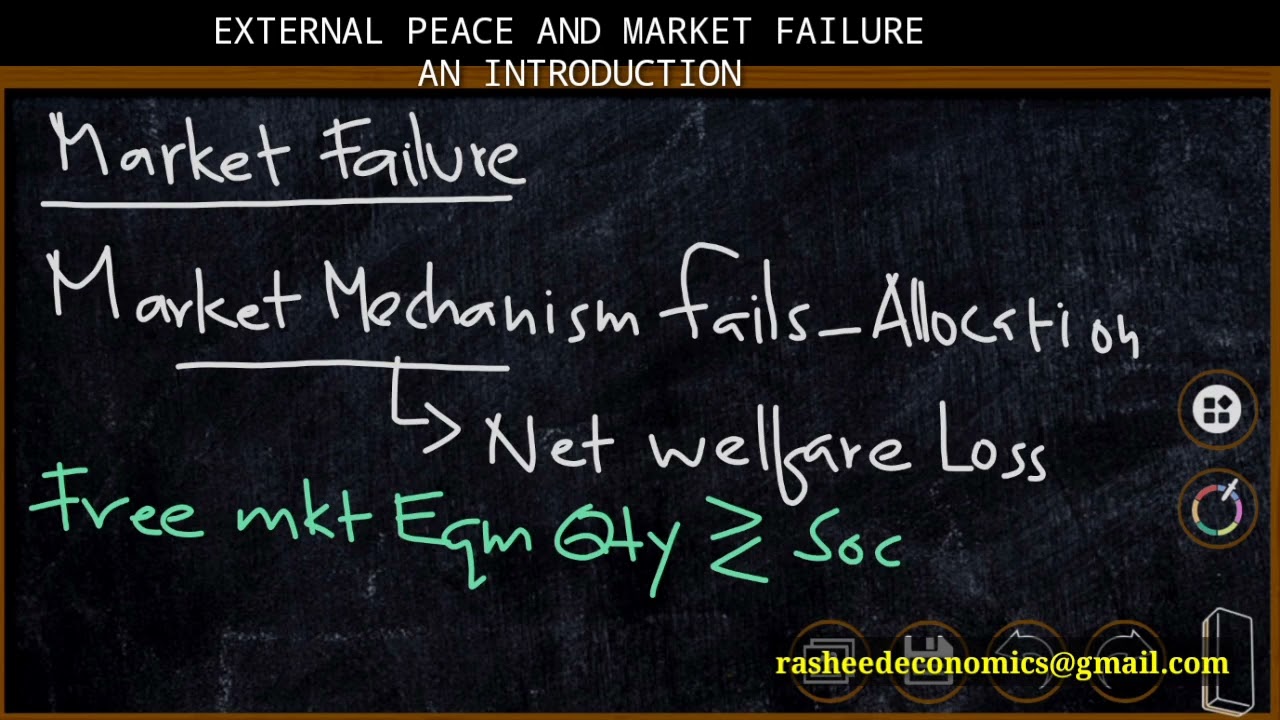
The economic concept of externalities, particularly how technologies create unintended positive or negative spillover effects for society.
The role of network effects, where the value of an invention (like credit cards or paper money) increases as more people adopt it.
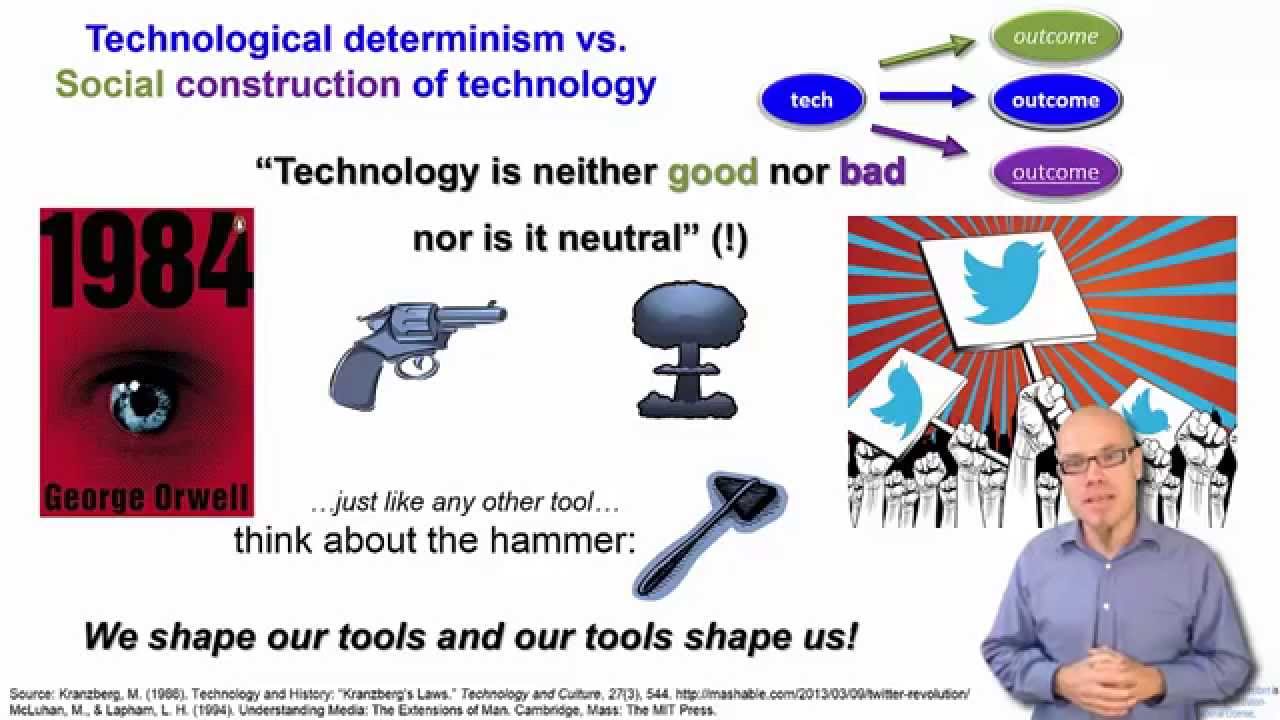
The study of Technological Determinism versus Social Construction of Technology to understand how societies and tools co-evolve.
Advanced topics in Intellectual Property (IP) law and how patents balance the incentive to innovate with the need for market competition.
Urban Economics, specifically analyzing how structural innovations like the elevator and modern transport shaped global megacities and real estate markets.
The Economics of Platforms and Multi-sided Markets, exploring the modern scaling of financial innovations like credit cards and digital payment systems.
676 views8likes1:09:15Original Release: 2020-04-13
welcome to econ talk part of the library of economics and liberty I'm your host Russ Roberts at Stanford University's Hoover Institution our website is econ talk org or you can subscribe comment on this podcast and find links and other information related to today's conversation you'll also find our archives where you can listen to every episode we've ever done going back to 2006 our email address is melody Conte org we'd love to hear from you [Music] today is November 3rd 2017 I my guest is journalist and author or Tim Harford he first appeared on econ talk in 2011 a long time ago talking about his book adapt and he was a guest a year ago talking about his book messy his latest book which is the subject of today's conversation is 50 inventions that shape the modern economy Tim welcome back to econ talk it's great to be back Russ I want to start you did a podcast series on these ideas correct yes it was it simultaneously a book and podcast series for the BBC and the name of the series it's very slightly different to the book the books 50 inventions that shape the modern economy and the podcast series was 50 things that made the modern economy and it ran for a year one ten minute episode a week and they're all still available if econ talk listeners might enjoy them they're all free of course as many podcasts are so check them out glorious only 10 minutes though per episode that's you know that's short shrift for some of these ideas of course well that's true and that works out is about 1200 words so they're you know they're short chapters but I think I found that to be a very good discipline for me because 10 minutes 1200 words it's obviously not enough to say everything it's not close to being enough to say everything but it is enough to say something and the discipline of trying to figure out what it is that you want to say do you want to focus on the origin story do you want to focus on the unintended consequences do you want to as I often did do you want to convey an economic less and then almost a parable about the way I cannot the economy works you just have to make different choices and that variety was a lot of fun I think it's what makes the book enjoyable as well as as educational it's a each chapter is quite short and you have as you said you have to decide what to emphasize and some things there's a lot of thing I learned a lot from the book that I didn't expect to learn and some of those things were just facts about the world that were fascinating and some of them were implications of these ideas that I had never thought of so that was fun now we're gonna we can't talk about all 50 even even if we spent one minute apiece on each one which wouldn't be enough I wouldn't want to do that so but I we're gonna talk about a few of them in specific but before we do that I want to ask you how you planned this how did you how did you choose the 50 that you explicitly say in the book they're not the 50 most important inventions so no what did you how did you decide no I mean there are a lot of obvious ones missing so but the automobile isn't there the steam engine isn't there the computer isn't there the telephone oh there are lots of things that would be in anybody's top 20 so I was looking for interesting stories surprises some of them are clearly very important like the the diesel engine or the plow some of them are obviously not super important the IKEA Billy bookcases there but in each case the idea was can I teach people a lesson about the way the world economy works through the medium of one of these inventions is there an interesting story to tell is there a surprise so so that was the basic mission now she Russ I know you're very interested in communication of economic ideas that's what one of you're one of the things that fascinates you it's all a duplication that did some more than three minutes true but I know it's one of the things you're interested in and and obviously I'm interested in it as well and something that I came to discover in working on the book is it is amazing to be able to focus on a specific thing a specific time or place or person that obviously that comes from telling these stories and then starting with something interesting and specific and maybe surprising too then and convey a lesson about you know winner-takes-all markets or externalities or something like that so it was a great lesson for me in economic communication we come back to the question of how I chose the 50 well apart from just looking for interesting things I wanted to arrange I wanted a geographical range I wanted a historical range so some of the inventions are many thousands of years old some of them are pretty new like seller feedback mechanisms or Google's search algorithm I wanted a range of industries has summer transport some are used in the home some are consumer focused some are very financial and that was the basic idea I talked a lot of friends and to people historians and technologists that I respect and then I just started writing and by the time I got through about 35 or 40 you could then go okay we've only got a dozen left hmm what's what's missing and fill in the gaps and at the end of the series the BBC suggested that we crowdsource one more idea so I asked people to send in their suggestions and there were literally hundreds of suggestions many of them were very good I would say at least 40 or 50 I would be glad to put in a second book great ideas so I chose six for a short list and got people to vote on on the final one so there's really no shortage there it could easily been a hundred things rather than rather than fifty inventions do you can you tell me what the six words it made the isn't this extra list it was it was all a big yeah it's quite recent it was all a big secret but last week we we published the winner so the shortlist was I chose the shortlist based on what I thought was interesting in people's suggestions I what the one thing I didn't put on the shortlist was pornography somebody had suggested that several people suggested pornography was a major driver well it people say these things that hit drove credit cards on the internet video on the internet before that VHS I I don't know if it's true but I thought it was interesting I would have loved to have that in the book I couldn't quite face up to putting it on the shortlist of six because inevitably it would have worn and then I would have had to go to my colleagues at BBC and I think sorry we asked the public and they say the most important figure the economy is porn so so we didn't do the Hat though the the six that I chose were the credit card the digital spreadsheet GPS the global positioning system glass telescopes microscopes spectacles and glass fibre the pencil as a nod to fans of Leonard read is great essay I pencil and irrigation so those were the six that I suggested and what would you voted for us well they're all fantastic what were the first two again the credit card GPS glass yeah and so I was a spreadsheet when irrigation when you said the credit card I thought all the credit card of course and then the other sort of filtered into my brain and I thinking both are important too it's kind of what you said before there's so many things you could put on the list the credit card is an extraordinary extraordinary thing and what I like about the book is you don't just extol the virtues of these extraordinary great innovations and the people who invented them you talk about all some of the side effects which are often not so good for everybody and sometimes not so good at all so I think I'd go with on that list I think I'd go with the credit card but GPS you know makes so many things possible and what were I'm gonna come back we'll talk about GPS and ask you a broader question I should tell you before you ask me the question I can tell you which one one and it tells you are very much in tune with the BBC audience first because they chose the credit card and it's a good it's a good suggestion because it's there's a deep point about trust and who is trusted because credit itself Jones trust and this is a technology that broadened out who gets trusted and what they get trusted to do the technology is also interesting and just this instantaneous verification of you are who you say you are and your shop your bank balance is what you say it is and of course there's some very interesting behavioural economics and psychology of this is a very tiring financial tool and yeah I mean it does seem that weak you know we can misuse this - yeah one little detail I loved is when you survey Americans with credit cards and you ask them how strongly do you agree with this statement credit card companies give far too much credit to too many people 90% of them 95% of them agree oh yes but when you ask them are you happy with the way the credit card companies treat you eighty or eighty-five percent of people are very happy they think they've got a great service they're very satisfied so we where we think it's fine for us but we do worry about what other people might be doing with the technology yeah the thing I thought that I missed in the book by sort of pet favorite invention that doesn't get enough credit is cardboard in the Box now you do have the container and maybe we'll talk about the container but cardboard anything yeah we talk about paper yeah but I focus I don't focus on cardboard like we're we're in sympathy I have to say paper is perhaps my favorite invention in the book in terms of being underrated and there is I mean cardboard corrugated cardboard very very important invention and of course it's a subset of paper but also everybody said as I was working on the book or you must do the rittenberg press it's a revolutionary gave us the Reformation gave us textbooks and newspapers and mass literacy and all it and of course all of that is true but the interesting thing is if we're focused on the economics it is technologically possible to print using a good invoke press movable type printing press on animal skin parchment but it is very expensive and the in order to justify mass producing writing you need a way to mass produce a writing surface and that writing surface is paper so if we if this is a about the economics of printing you've got to give some respect to paper as well well I just gonna say one thing about paper because you mentioned winner breeds I pencil on one of the themes of eye pencil his essay on the pencils that no one knows how to make a pencil that the amount of knowledge embodied in this incredibly simple seemingly technological product actually has quite a bit of technology underlying it obviously but it's it requires resources from around the world technology and knowledge that is not in any one person's head and it's an example of the cooperation that occurs in a market system so it's it's a lovely idea but if you said to me you have a year to make a pencil and I couldn't make a very good one and I'd struggled to make any one at all but I'd have some vague idea of what didn't what needed to be done the graph I would be challenging right obviously Graphite's a tricky thing that that I wouldn't know where to get it's in the ground and has to be refined in certain ways in the process of making the lead for the pencil but you can find something I could use something like it exactly I could probably leave a mark it's a charcoal but paper you know I don't have the faintest if someone give any take a piece of paper and say look here's one see if you can double the supply I'll give you I'll give you 20 years with the idea that you would make that from a tree and I'll give you a clue it's from a tree oh that's a big help what would I possibly do how did that how did that come about who has the idea of of taking a tree and turning it into this paper thin if I pardon the expression writing surface that's it's absurd it is an amazing originally it wasn't as fresh I mean breads were worthless - because right you have this grain this wheat that is nothing like bread it's impossible to imagine turning it into bread but we figured that out over time but paper how would you get there yeah no paper isn't amazing and we actually do know who who thought of the idea of doing it from trees it was a French scientist called Dario more if I remember his surname and he observed wasps and he thought how wasps are chewing up tree pulp and they're producing nests which are basically made of paper so we must be able to do the same thing but that was only maybe about 300 years ago or maybe even more recently he made that observation on paper is 2,000 years old that came from China but they weren't initially using wood they were using cotton racks but it's miraculous you basically have to mash up if people are listening to this over a meal I apologize because you basically to mash up this stuff in in urine because the ammonia breaks down the the fibers in the cotton or in the would you pulp it away it was arguably Europe's first industrial process making paper and the paper mills absolutely stank Fabriano in italy is where it first came to europe and you've got these fast flowing mountain streams driving these drop hammers which are just macerating these soiled cotton used garments in in a bath of human urine and then you spread it all out and and it dries and it forms paper I'm simply simplifying a little because I'm an economist not a paper engineer but that's where it came from and yeah it's it is a miraculous invention these are and I assume I assume that in modern technology ammonia is used and directly in place of human urine putting a lot of people out of work which yeah that's where progress is sometimes yeah and there's a lot of recycling destruction yeah I mean including of cardboard boxes so there's a there's a great description of this in Mark Collins keys book he has a whole book on on paper and he describes the way you can you throw a cardboard box and a recycling bin in Seattle and they will across the Pacific Ocean and be pulped and broken down and turned into another cardboard box in China and then they'll pack some new Chinese product and they'll ship it back across the Pacific and the cycle it can't repeat indefinitely because the fibre starts to get brittle but um you can do it about six or seven times incredible um again before we get we've already gotten some products because we just did but the ones that are in the book I would ask you a general question well let me tell you one thing I learned in the book that I don't think you wrote about which is not about the particular products it's about the process of invention itself which is that it's strike it was striking to me reading about invention after invention that we don't commonly know the names of the people who invented these transformative products and I'll pick one and randomly the barcode the barcode is an incredible thing you write it you have a chapter on it it's it's an amazing way to keep track of inventory to deal with pricing at the cash register and then on the shelf it makes it cheaper to readjust the price it's an incredible idea and again it's not something you would just sort of think about oh let's have this these lines just it's really absurd I don't know who don't remember even having read even a memory book who developed that these people are not our heroes maybe they shouldn't be I don't know but you know it's interesting how few after Edison and say Steve Jobs in the modern era it's remarkable how few of the people who transform their lives are famous does did you think about that and and do you think it's a good thing or a bad thing gee should we try to honor these people more more publicly well perhaps we should I mean the I can tell you who did him invent the barcode it was a gentleman called Joseph woodland and he had been set the task of trying to improve the efficiency of scanners this is in the late nineteen forties and he went to visit his grandparents who lived by the seaside and he was just he was reflecting on his experience in the Boy Scouts and Morse code and he as he sat idly on the beach he dragged his fingers in a circle and then looked down and he observed the pattern of grooves that his fingers had had drawn and thought hang on a minute though there's an analogy there with Morse code I can use thick and thin lines to to signify information so he was the first person to come up with the idea but but of course it was developed it was reinvented several times it was developed and refined by others Woodlands original barcode looked like a bull's-eye and it wasn't particularly practical you didn't have the computing power you didn't have Lazer's you need it so let's forget about him he doesn't deserve to be robbed kidding well but he wasn't who does but actually the interesting thing about the barcode though is yes we should recognize Joseph woodland and he had an obituary in The New York Times I seem to remember so he wasn't celebrated like Steve Jobs but he was he was recognized but you could also when you're telling that story focus on the fact that all the committee meetings that were required to get the bar code standard approved and it was a bunch I mean we all talked about the bureaucracy in the government but there's a bureaucracy in the private sector as well and this was the basically the retailer's Association and the grocery Goods Manufacturers Association arguing over the format of this barcode so on the one hand there are these joseph woodland and his successors who created this fantastic invention but then you've got all these bureaucrats haggling over exactly how it's going to look and they were right to haggle about how it was going to look because actually different codes suited different people and while it was in everyone's interest to agree on something they they know everybody wanted the one that suited exactly their requirements is there anything in particular you learned about invention and innovation from the process of thinking about all these besides the fact that I'm sure made you a more entertaining dinner party guest but is there anything overarching that struck you and when you'd gone through all this these different tales well a couple of things so one thing I I sort of didn't learn but I thought it was notable that I didn't learn is I didn't learn you're the one secret to where ideas come from what I learned is it's an incredibly varied there are many inventions that we have no idea who originally came up with them or they've probably been invented many times in many parts of the world there are these aha moments of inspiration in the shower and then there's stuff where you can just track a very very long process of refinement and development and patient engineer so I mean there's there's no obvious pattern to the process of invention I think about in itself is is interesting yeah but one thing I learned is I think that we we do have a tendency to focus on the spectacular so we'd want to talk about the Gutenberg press rather than paper we want to talk about artificial intelligence robots flying cars rather than the shipping container and the cardboard box and the billy bookcase and of course artificial intelligence is important and the more sophisticated it becomes the more important is going to become but let's not take our eye off the humble stuff so right now for instance just just the fact that it's so cheap to make sensors and put sensors everywhere we're becoming aware of that as as an issue as an opportunity you potentially as a threat but it's it's because the sensors becoming quite a big cheap you can just put it in absolutely anything rather than because it's reached some untold Heights of sophistication so that's one thing I learned is is not to undervalue innovations that are important simply because they become very very cheap and so they become ubiquitous the other thing I learned was not to forget the the way that inventions reshape organizations reshape the way we live reshape societies often in order to use an invention take advantage of an invention you need an awful lot of adjustment the classic example which will be well known I think to some econ talk listeners is Paul David's essay on the Dynamo on the computer reflecting on how long it took electric motors to be adopted in manufacturing in the late 19th early 20th century because people had to completely readjust reconfigure the factories retrain the workers I mean just everything had to change in order to take advantage of this new technology and initially when it was used they tried a direct replacement of the steam engine we just rip out a big steam engine replace it with a big electric motor and that should be fine and of course that doesn't realize the games so to really take advantage these technologies we often have to change and adjust the way we do things the way we work the way we live otherwise we don't enjoy the benefits and sometimes those changes can be well they're very hard to predict but they're also occasionally quite wrenching it's a great example I it's the part of our adjustment is it's just everywhere and we don't we don't think about it it could determine the size of our kitchen it could change the kind of clothes we wear it could change where we live all those things ripple through our culture and emerge obviously without any top-down direction sometimes top-down direction like a standard might help it a decision like that but so often you know we've talked recently about autonomous vehicles in the 'quran tastic and are so interesting but one of the things it forced you to start thinking about is if if you can enjoy being in a car as opposed to minimizing the pain of it right you minimize right now someone I like to think more than one person is listening to this conversation in their car through their smartphone and using the technology of the car and that is made commuting I hope a little more pleasant and if it's not this podcast somebody else's but if you can sit around with your friends and eat and drink and chat and and not work or sleep it changes so many things that you don't think about other than just oh I won't have to be driving and your first thought is I won't have to be driving those second third fourth and fifth thoughts are what emerged from the technology that you haven't originally thought about so let's move to some of the examples I think you give one of the ones that fascinated me was TV dinner I am old enough to remember what a TV dinner actually looked like it really for those who were not old enough or for the original ones they look a lot like really bad airplane food it's a it's a tray that had this pre cooked food just had to heat it up it's a hard case to make that that's an important invention but well what I found fast about the chapter is that you the one point listed all the things that are like a TV dinner that are pre-prepared so that I don't have to do the all the work of cooking which is we've had Rachel Law done the program talking about the challenge of converting food into added I forgot how The Fray she is but but stuff into something you'd actually eat a lot of things are edible but to put them into a form that you can eat them you often have to cook them you have to do you have to chop up you have to you have to turn them into flour into dough and into bread and I'd thoughtfully until I saw your chapter on this of how many things that we have in the store that in our tech modern world that that make eating easier yeah and the huge time savings and of course given the history of the way society has worked for well for a long time the the people whose time was most saved tends to be women and housewives who were expected to to go through all this preparation to literally put food on the table for their family isn't that that would involve plucking chickens and you know planting vegetables and and plucking them from the front of that garden cleaning all the earth off and and all these countless pieces of preparation that needed to be done and what was interesting about the TV dinner was it was originally not going to be about the TV dinner at all it was going to be about the washing machine because again everybody said when I told them I was going to do this project write this book about these 50 inventions people said oh you must do the washing machine because the washing machine was such an amazing force for liberating liberating women from the home they could get out and they could instead of been working unpaid in households they would work for money in the market and that was liberating and empowering in all kinds of ways and then when I looked into it I really wanted to write this story I thought great story it turns out it's not true and so but my source was Allison Wolf's book the double x-factor although there were there are other scholars who've who've done the same sort of work Allisyn wolf looked at the time use diaries and she said yeah actually we know how much time women spent doing laundry in 1913 and in 1960s and today and it hasn't changed what's changed is we do a lot more laundry and it's still mostly women although I have to say I do the laundry in in our home but we you know we just wash our clothes every day rather than my my mother-in-law told me that when she was a school girl in the 1930s they would change their uniforms once per term and they'd have changed changeable collars and in these of primary school kids so hopefully not quite as smelly as as adults but you know they changed the collars they changed the the cuffs and they had pads that they wore in their armpits and there they could wash the pads but the actual clothes would be laundered roughly once every two or three months and which which makes you think and now of course you just wash them every day and you don't think about it but it means the washing machine didn't actually save time it just increased the amount of washing and we all smell better TV dinners so and not just TV dinners but the freezer the fridge pre chopped salad pre plucked chicken takeaway pizza sandwiches burritos the whole thing the whole kind of industrialization and millions for spaghetti so all of these things so many it's so many so many that really did save time because you had to eat two or three meals a day you just had to eat and in the time when all of this stuff had to be prepared that task fell on women and Eve even fairly recently so in the 1960s and even quite educated women and prosperous families who we would perhaps naively think offers oh yeah they would have had a lot of choices they would had a lot of freedom they're spending hours just preparing food and the industrialization of food the outsourcing of food preparation either to factories or to restaurants saved a tremendous amount of time but it's a lot less I think about the washing machine is this beautiful sleek cubic robot that sits in your kitchen or in your in your bathroom and does all this work and it's super clean whereas when we think about the industrial age though industrialization of food we think about it's too much salt there's too much sugar there are additives snack food makes us fat and so we have much more complicated feelings about it we don't want to acknowledge that it was this transformative innovation yeah I was gonna make the observation that processed food has such a bad name but if making everything from scratch and my son makes his own mayonnaise god bless him and and homemade mayonnaise I want to recommend it's not easy to do but they're easier than hard ways to do it and when you've had real mayonnaise it's shocking experience of it it tastes nothing like what is in that jar so some of these things you say there's some are not so healthy or the quality is not so good but there's so many things we enjoy like clean vegetables this is an interesting example that we don't typically have to watch our vegetable wash our vegetables very much is is really quite extraordinary and yeah bagged salads I remember when backed salads were in many hands that ago and it just seemed crazy like why would you say and now of course that's yeah so why buy yeah me too ashamed to say or not let's say container because it's another example for me when I read the book I thought I had a pretty good understanding what was good about the shipping container it's we've talked a little bit about this before in the program that it's very hard to appreciate what round Square does rather than oddly shaped and what the should one of the things that the shipping container does is it it makes it easier to pack the ship that's coming across the Pacific or the railcar or whatever it is more effectively but it's not the only things talk about some of the benefits of the shipping container it's really quite unbelievable yeah and I should say by the way people who are really interested in this topic Mark Levinson wrote a wonderful an entire book on the shipping container called the box which is a great a great source but yeah so one of the things that it did was to save time because this huge amount of effort was spent every every time there was a transition between a mode of transport on the docks at the at the freight depot loading onto trucks loading onto trains every time there was a change in mode of transport everything needed to be unpacked and then repacked needed to keep track of where everything was hugely complex and just a vast amount of labor quite dangerous labor I mean this is really it was much more dangerous job than construction for example so so you save time you save lives and injuries except it's much safer you also had a much more reliable experience so you really understood how long something was going to take to get from one part of the world to another part of the world so I mean that those are these three major benefits the the the time-saving the predictability and the the safety the implication of all this of course is that the costs went way way down so for the price of you know shipping a ton of goods in say the nineteen fifties just before the shipping containers came in you could no inflation-adjusted for the same price you could you could ship an entire container in a container might be 40 tons rather than one ton so you've got a 40 fold fall at the price a increase in the speed from something that might take some 2 or 3 months all told to two or three weeks you've saved a lot of jobs you've saved a lot of lives and the whole thing's much more predictable which makes just-in-time supply chains possible so did I miss anything there's a lot going on but no I think that's the high point I would to me what's so striking that I hadn't thought about was the speed I always think about but it saves space it makes space weren't used more effectively in the example I like it's it's not quite the same example but it's it's such an interesting application of a similar principle is that it can be environmentally better to ship juice boxes rather than oranges so the oranges you do put them in a box the child spit but one way to think about this is if one extreme you'd fill up the truck with oranges and then unpacking them you know is tricky you've got a how do you I didn't grab the oranges I move them into a new container as you point out new mode of transport so pretty min a box is a huge improvement but even in a box an orange has lots of spaces between them whereas in the juice box if you pulp the and juice the oranges at the orchard or near the orchard you can get a you can carry a lot more oranges effectively in a in the form of of juice boxes even though there's quite waste involved it's always waste it's always got to be ways so in one case the waste is this space on the truck he had these more trucks that's not good for the environment either so I've always loved the fact that the geometry of round and square make a difference but I didn't think about the unpacking and I sort of think about you know when you pack your suitcase if you think about packing a backpack if you start throwing things down into the bottom and you start piling things on top and then getting them out that way versus say packing cubes which is another innovation we you could written probably more than one chapter on they're so marvelous but another really interesting lesson in the shipping container we which is I think would appeal to your room the way you tend to look at the world is that government was a big problem and needed to be circumvented in order to introduce this system so the thing about the shipping container it's not like it's an amazing invention it's 1850s technology wasn't introduced to the 1950s lots of people had thought maybe we should stick the stuff in a box maybe that would help if we don't just move the box and it was just trying to get the whole thing coordinated it needed to be adopted by the shipping companies and the trucking companies and the railroads and internationally and you need to overcome some objections from the unions because they rightly feared that a lot of jobs would be lost but what if the problems was that transport in the u.s. at the time the 1950s was so heavily regulated in principle to avoid violations of antitrust and we know we don't want consumers to be exploited but in practice what was happening was the regulators seemed to have been completely captured by the industry and so they were or you're not allowed to open up a new route unless you can prove that there's a need this ties into that you had a recent interview with with Mike Munger on permissionless innovation nothing could be done and nothing could change in the shipping industry the trucking industry and the railroad industry without regulatory permission and Malcolm MacLean who is the entrepreneur who came up with the shipping container system was a master at getting around these regulations so one rule was well you can't own a trucking company and a shipping company because that might be anti-competitive it might be on the other hand if you're trying to introduce an integrated system and I'd be kind of Handy to own both and he just pulled off this audacious piece of legal and financial engineering where he basically ended up controlling both at the same time despite the fact that was against the law and he somehow managed to not violate any rules in doing that so and he was a very savvy operator he got he got the regulator's on his side and at one point he was supplying logistical services to the US Department of Defense which is obviously a very useful customer to have so he was he was good at playing that game and that's that's why we have shipping containers now it wasn't just or someone came up with a good idea it's someone managed to navigate the political and regulatory thicket and take some you know big bold business risks too and make it all work so let's play against my worldview and let's talk about the iPhone which you have a very interesting chapter where you point out I think based on Mariana Matt sakata's work that a huge portion of the key technology inside a smartphone today was started by the government yeah explain it's a it's a really interesting example so lots of stories in the book about private sector entrepreneurs doing cool things and I wanted to make the point that it's not always like that well that's certainly not always the whole story and in the case of the iPhone when Mariana motsek r2 just looked the key technologies in that phone so what is it that makes it an iPhone okay the touchscreen well touchscreen has been refined by the private sector but was originally developed by the Royal radar Institute in the UK GPS GPS is a US Department of Defense development it's a military technology the fast fourier transform algorithms that basically take sound waves which are analog and convert them into digital signals or any analog signal to digital and back that mathematical algorithm was developed by mathematicians working for the US Department of Defense the hard drive technology again subsidized by the US military computers themselves originally developed as a code-breaking technology the internet funded famously funded by our per again defense so you invention after invention that is making this iPhone an iPhone rather than a toy they come from government the fundamental inventions were funded subsidized by governments often by the US government often by the US military now of course at the end of the process along come Steve Jobs and say even Siri by the way it was originally designed for fighter pilots so at the end of the process along comes Steve Jobs and says we have these amazing technologies I'm gonna put them all together in a brilliantly designed package now no government took that step and I think there's a fair case to be made that no government has ever likely to take that step Steve Jobs took that step and he deserves the plaudits but he wouldn't have had any more materials to work with without government backed innovation so what do you think I'd say that that how do you think what do you think my response I'm put you on the spot here how do you think someone with my worldview which I think you understand pretty well actually what do you think I'll what's my response to that well I was wondering I thought we'd end up discussing this I was I was looking forward to your your take on it so I mean there a couple comes out the question if you I'm not sure what you would say and I look forward to hearing responses a couple of possible responses people have complained about this chapter and said oh you're diminishing private sector innovation and to them I generally say well if you read the rest of the book lots of examples of preservation I'm sorry yeah but but so one one response is actually Steve Jobs took the critical step and and all of these basic innovations were not that significant I think that's hard to defend but another another response would be well is this these inventions the GPS the fast fourier transform the hard drive they could have been developed by the private sector even without government subsidy and maybe it would have happened just as quickly or there would have been a better way to do it well you could say that the government role in developing something like the hard drive is exaggerated yeah they they gave it a push at the start but it would it would have happened anyway so all you might say well that that's just the way the world works things are complicated governments do do some good things and and in this particular case they they did some important stuff and we have the iPhone and what's the problem so their various responses but I'm intrigued as to what your thoughts are so my first response those are very good by the way and I think you passed the ideological Turing test as a result because I know you're not as for I suspect I'm pretty sure you're not as free-market as I am and as interventionist non-interventionist as I am but my first response was she hadn't know that so that's interesting right I learned something I'm assuming it's true I obviously there ways to describe things that over-exaggerated or understate which came from the private which came from the public but but I think it's I think it's what I think is true is that a number of really really important technologies came from the military's research efforts to stay ahead of people seen as enemies you know and to do things better and that's what fascinates me I don't think the reason I the reason I didn't have any any visceral negative reaction to the chapter is that as you say first of all there's lots of the book extols human creativity which is what I really care about but I think the heart or challenge is it's a little bit alarming almost the finding because it's not and this is this is what I meant to say a second ago I lost my train of thought you're not claiming oh there and therefore the government should be we should spend it we should quadruple or tenfold increase the government research budget so that we can get the next generation of human communication technology beyond the iPhone because that's not the implication I don't think and you don't make that claim what's alarming about it is the implication that the defense spending has these wonderful positive externalities and I don't you know people have made the same claims about the space program we used to talk about this on the program in the past I don't remember what we talked about exactly but a long time ago and and so what the question is the way I took that chapter is saying you know it's shocking how many silver linings there are for them the billions dollars we spent on defense that either protected us which is better which is good or did nothing it was money that would just look it could have been wasted but it turned out to have this beneficial side effect of private improvement and I I'm not sure what the implications of it are for public policy but it would it made me think a lot because I've heard these claims about defense spending and is it just maybe a silver lining is it I don't think people would argue oh therefore we should spend more on defense so anyway I just may be thinking oh oh you could claim that it's it's a fluke it's a one-off these are all kind of I know there are lots of different exact aces but they're all basically tangled up with information technology and maybe it's just the the early computer just happened to come along in the 1940s and yeah maybe so maybe it's just coincidence I think it is worth thinking about the policy implications I'm not sure what they are the one thing that I have seen argued and I tend to sympathize with is the idea that we don't seem to do as much fundamental research as we used to and in particular the private sector doesn't seem to do as much fundamental research as it used to if you look at what seemed to be the glory days of Fundamental Research in the private sector so say from the 1920s to the 1970s a lot of Nobel Prizes given to people working in corporate labs Bell is the most famous case but Claude Shannon worked there and he didn't he didn't even get a Nobel Prize but he was perhaps the most brilliant of the lot and but Shockley Brattain and Bardeen for semiconductors there's a gentleman whose name I forget who developed fiber optics he was in the private sector there's ESO I think his name was who was working at Sony and then IBM who did I think superconductors honor he did the tunneling electron microscope and the guy Texas Instruments a lot of Nobel Prizes going for what a were basically corporate inventions there there's some evidence that I find well I you know maybe it's not that convincing I'm convinced by it but maybe that says more about me some evidence that corporations don't do as much of that anymore there's some fundamental research google's alphago yeah maybe is an example but not much and I mean you look at Apple which is seem the most profitable company in the world it's hard to say hard to justify the claim that they're doing anything really fundamental and the great company and their problem you know producing great products but is anyone gonna win a Nobel Prize thank you seems likely yeah they're not so transformer I think the Bell example is a great example Bell Labs because Bell Labs was a supreme company but it's kind of a private company created by a government monopoly that allowed them to be a lot more profitable and they should have been allowed them to indulge that exists the the very existence of Bell Labs is a crazy thing and I do think in today's world the only equivalent we'd probably be what's going on at Google right now and if he was a place is highly profitable enormous margins at least in the short run we don't know if they're gonna persist or to be talked about that soon with with guests down the road but you know they can indulge in a section of their of their corporation that that has you know what we would call pie-in-the-sky crazy ideas many of which will not work not come to fruition and hire really creative really smart people and I think Google does that some of them are my friends and it's wonderful with that that's opportunities there they're doing well I would call academic research but with the idea of doing something practical in some dimension funding in a way that's unimaginable at the academic level yeah I mean Claude Shannon at Bell Labs I mean he he produced two of the greatest research papers of the 20th century in information theory one that basically said you know basically everything could be zeros and ones that's that first amazing breakthrough you the idea that you can create thinking machines with zeros and ones yeah yeah amazing and then and the second page break through the basically connected information theory to the physics of entropy these are huge and then for the rest of his life I think that was all done by the time he was about 30 unless his life he mostly seemed to spend you know cycling while juggling around Bell Labs I mean he was just they just had him on the payroll because he's Claude Shannon and who wouldn't call channeled on the payroll but he didn't do that much afterwards and maybe with that in mind it's not surprising that companies these days and say well no we we actually want more practical stuff we what we want inventions that are going to improve the consumer products we sell next year or the year after not stuff that might come to fruition in well in the case of prime number research that came to fruition about 200 years after the original breakthrough and you can see why a company would want to fund that kind of thing yeah so it's it's tricky there are possible policy solutions I discuss some of them much you way back in adapt which is a book we discuss six years ago as he mentioned but I don't think it's I don't think it's obvious what conclusion one draws from this is but it's some thing to pay attention to I'm gonna I'm gonna make a plug here for the billy bookcase chapter I don't I have shopped at IKEA but I haven't in a while and I did not know about the billy bookcase for those who you have them I want to put a plug in for the book that that chapters is very very interesting in which I which way exceeded my expectations Tim I had that the billy bookcase chapter was going to be a good one buddy but it is but the point just very briefly the point I wanted to make there is a lot of innovation in the modern world is not iPhones and alphago it's just making stuff a little bit cheaper improving the logistics cutting the other materials so you could have nice well-designed stuff in your home for less money and let's not overlook that it that that's not other yeah Bravo but I want to talk about a one of my one of my favorite topics and it was discussed at length in my econ talk interview with Jason bar we're talking about skyscrapers and and that's the the elevator which you point out is a form of mass transportation and once we had the technology of the elevator buttons rather than the elevator operator I never realized that I'm not sure you mentioned this its autonomous it's it's it's really a driverless car now it's it's got a narrow track but it's it's grossly underappreciated yeah I think James Besson who who is an interesting thing on technology thinks that the elevator operator is the only the only job category ever to have been eliminated by technological progress so so yeah elevators are fascinating they wanted I got to mention in the book is that they now have elevators that you have two elevators running separately in the same elevator shaft yeah just mind-blowing so the idea to imagine a double-decker elevator so this is quite standard in some big buildings now so you if you're going to an odd-numbered floor you you get in on floor one and if you're going to an even-numbered floor you take an escalator up to the mezzanine and you get it on floor two and then the the double-decker elevator then drops people off at the odd numbered and even numbered forces heinous and they even have triple decker elevators in some places but the the next step is just to say well hang on you just have two separate elevators the first one they're both stored in the basement one of them comes up grabs a whole load of people in the morning and off it goes stopping a various floors as it goes up the building while that's going up the second one comes up to the ground floor people get on and it follows up the first elevator and the computer just makes sure they don't hit each other and then when it reaches the top of the building the top elevator just disappears into the roof and waits the elevator beneath it gets to the top of the building pick some people up and then starts on the way back down and then it's followed by the second elevator you think about that you can Wow people are clever and you would just you would never even know that the importance of that this just have existed the importance of that what came out in the bar episode is that as buildings get taller you have to devote more more space to elevator shafts and I said oh we need to get better at this yeah this is really a hugely important innovation this idea of double decking or of multi multi-car tracking it's just a fantastic fantastically important and again as an example something you don't even notice it saves gonna save a save money it's about you think about you think about the environmental impact of of the whole complex of public transport or mass transit the elevator and the technologies that go into the skyscraper like concrete steel and air conditioning you can't really have skyscrapers without without those there's a point that David Owen makes it a wonderful essay in The New Yorker called green Manhattan where he points out Manhattan has lower energy consumption and it's it's it's an incredibly green place by the standards of most of America and that's partly because of the density that density is made possible by the elevator and if you imagine taking a big building like the the Sears Tower in Chicago now that now called the Willis Tower take a building like that which is enormous and just slice it into one or two story chunks and imagine just placing them in an in an office park or an industrial park out in Virginia and the outskirts of Washington DC and and the amount of car parking space that will be needed to accommodate all of that it's just a huge huge area and you you may you get actually get a better higher rent building that is more useable that more people want to actually live in or work in with vastly less environmental impacts by using the elevator as a mass transit system but nobody thinks of the elevators mass transit system we just take it week we take it for granted so yeah that's really my always I've always tried to champion the the inventions that you know that don't get enough laughs and the elevators definitely one of them yeah I think I interviewed David on I think on that topic the green nature of cities and how we don't appreciate herb and nck I'm pretty sure that was the focus of that they didn't think about enough until I read your chapter on this is the Otis an event invention of the safety brake which made elevators safer it didn't correct me if I'm wrong it didn't just make them safer it made them safe so it didn't just reduce the probability or am I wrong is it was it close to foolproof foolproof oh it's close to foolproof so I don't think we have really good statistics on the number of elevator accidents but they are properly close to zero except for the people who work on elevator repair so a small number of people are killed fixing elevators because it's incredibly rare me it does happen was incredibly rare but wheels by the elevator the autonomous car makes people nervous right because no one's in charge of it which I understand that uneasiness and and that's totally human and over time if it does prove to be as safe as people hope ever expect it will be then people won't be afraid of them anymore they'll just think of it as toe normal but we think about the elevators that where cable snapped and people died in the early days or you just even proposed the idea of riding up and down a 20 or 40 storey building in a box people wouldn't want to get in them the evolution to thinking what's I mean no one Sun elevated these days with unease and a few people are claustrophobic but yeah I think even even they would acknowledge that it's it's not a rational fear yeah but Otis understood this so we've had elevators for centuries Industrial over elevators in in minds but also occasionally residential elevators so one of the one of the French king's one of the King Louis of France had an elevator for his mistress there was all concealed in and behind a chimney breast so he had this you know the secret love lifts but but nobody in their right mind is going to get in an elevator that goes to five storeys unless there's some proof against the rope snapping and if if you you're only gonna get into an elevator that will go to a height of six feet or eight feet there's it's there's a limited use for the technology so Otis realized you need some kind of break you need some kind of safety mechanism and he he realized that you needed to demonstrate this very publicly so he had this demonstration at the World's Fair I think it was in Chicago around about 1850 I forget the exact details but it was it was wasn't one of these big kind of exhibitions of great exhibitions of the 19th century and he had a an executioner with an axe standing behind him so the the the there was must have been this hole it must have been reminiscent of a of a gallows or a guillotine so he's on this platform and it's raised up above the crowd and behind him the executioner swings the axe and cuts the rope and there's this gasp from the crowd and the elevator just shudders and drops half an inch and then he yells out all safe gentlemen all safe and that's his demonstration he's he's cracked the problem and it's that that's required for the elevator to take off and it does to measure how many YouTube views they would have had they would have had if we dared YouTube then I mean that that thing would have gone viral for sure he was a showman anyone dressed up that executioner really well I'm sure he already did he did he probably did it just for the crowd your last number 50 is an epilogue and it's it's a beautiful chapter for lots of reasons it's on light so talk about light yeah so I start with an experiment that the great economist Bill Nordhaus did he went into the back garden he chopped wood he assembled the wood in the fireplace and set fire to the wood and then sat there with a Minolta light meter measuring the light being given off by the flicker of the firewood and at how much light there was how strong it was and how long it lasted and then another day he did something similar only he had an antique oil lamp allegedly from Rome itself I'm not sure that really was but he had this antique oil lamp he filled it with olive oil he lit the lamp and what again watched it burn measured how long it burned for and the power of the flame was a much cleaner stronger brighter flame for much longer just for you know an eggcup full of oil and he went through all of these experiments because he was trying to understand how much labor was required to produce the given output of light his interest was in inflation measures and we try and measure how the price of things changes through time but it's always difficult to adjust for quality but in the case of light he said well you know there is a measure of light the amount of light being produced I can measure how much effort it takes to produce enough fire lights to read a book by or to produce enough candle light to read a book by or to produce enough light from an oil lamp to read a book by and so he went to this it's this exhaustive process and it produced a wonderful paper tracking the price of light in hours of work required from prehistoric times to I think he went through to about 1990 and there's the conclusion he reached was that the no inflation measure that does any justice to how rapidly the price of light has fallen it just many many many orders of magnitude from like being such an expensive luxury that when the Sun went down that was it forget it there's nothing there was nothing you could do to create light so nothing practical you could do to create light through to the situation we have today where we we think nothing of it we flick on a light switch we have all the light we want and it's it's so cheap that for most households they can think of it as being free so I wanted to write about Nordhaus his work but also to ask us to reflect on the the privilege it is to be alive today many problems in the world but we burn many good things as well and we are living off the inventiveness of all of our forebears who produced all of these technological improvements that we get to enjoy and of course so quickly we take granted you say beautifully in the chapter you say man made light was once a thing that was too precious to use you have some great information about candles which was really I didn't know anything about really interesting and and of course once light could be shared in dramatic and effective ways it made possible public entertainment mass entertainment mass audiences for concerts sports it's added we've just changed the world and so many and let you read at night without hurting her eyes or just glorious you say man-made light was once the thing that was too precious to use now it is too cheap to notice and you use it to talk about an example from Tim Taylor former econ talk cast it's a variation of an exercise that I think about and and talk about which is you have seventy thousand dollars today or would you rather have seventy thousand dollars in nineteen hundred because you'd think well nineteen hundred things were so cheap that inflation has been so large over the last century seventy thousand dollars will go a lot farther I think how much farther would go in 1900 but of course not the case yeah I love that Tim Taylor thought experiment and yes the more you think about it the more you think yeah I would I would rather be middle-income in 2017 then fabulously wet rich in 1917 or 1907 so I would have people fawning over me to people taking me very seriously in terms of actual physical goods that I could buy you know I couldn't have a good car forget cell phones computers obviously none of that but now antibiotics very limited air-conditioning hot showers as so much of what we take for granted today even on a quite modest income what do we know available well I think it is worth reflecting on that I don't I don't want to suggest no just everything's great we have no problems but there are several chapters in the book where I discuss you know errors and abuses and and technologies that have had serious negative consequences and side effects there's a lot of that but ultimately we are very lucky to be living in 2017 rather than in 1817 or for that matter in AD 17 so the overwhelming majority of people the opportunities and the comforts that are afforded to us in large part by these technological inventions they're great and it's human nature to forget them and we shouldn't fire on question it just came to me as I was we've been talking I said crossed my mind is there any economic idea meaning an idea from the field of economics that would rate as important for daily life so you know there's a famous example I think it's Paul Samuelson has said it that I hope I got that right that the idea of comparative advantage from David Ricardo in 1817 we're on the 200th anniversary of it which is nice to think about the idea of compared to advantages is he claimed I'm also wondering if it's Paul Krugman but I'll get it's well we'll get it straight but Samuelson yeah I think it's good it's terrible to confuse the two says he may be one of these people like Kay she just gets Marcus way you know right yeah some people get credit for things they didn't say but I'm pretty sure it was sunless and most people get credit for inventions they didn't actually invent as you point out many many times in the book or that were prevented at the same time by others but he said computer Vantage is the one idea in economics that's both an obvious and true there are ideas in the economics that are obvious which and there are ones that are not obvious but maybe there were false but but that's one that it's it's really not obvious it's very contrarian the problem with it is is it it wasn't like once Ricardo came up with it people said oh we can trade now I don't have to be good at something I can trade because I have a comparative advantage I'm an absolute advantage it's just a description now understanding it could help it could help make the case for free trade though Adam Smith made a very powerful case for free trade in 1776 without it if you had to list one economic idea that has been important in human affairs what would you pick not sure I have my own favor but it's I'm not sure it's a good answer there there were there were a lot you could pick and there's a difference between the one that's the most important economic idea for understanding economics and the more important idea of practicality yeah but there is what there is one in the book so I'm going to pick the one in the book and that is the idea of the efficient markets hypothesis which led to the development of the index fund and and it was Paul Samuelson so it links in with with what you said a moment ago so Paul Samuelson pointed out he was one of several people developing this idea of efficient markets and no there has various forms but basically you know why would you expect there to be obvious bargains shouldn't the price of assets already basically reflect where everybody knows if if there's some something that's obviously cheap surely the price should rise and it won't be obviously cheap anymore the implication of that idea is that if you just produced financial assets that tracked the prices of everything else track today all the prior all the shares on the stock market and you could do that cheaply then that financial asset would be a very straightforward and accessible way to invest you don't need to pay lots of money to stock pickers who can't really pick stocks so Samuelson published this idea in the mid-1970s under the title a challenge to judgment Jack Bogle who'd been thinking along the same lines for some time read Samuelson's challenge to judgment he had just decided to set up a low-cost investment fund which is now called Vanguard and he said I'm just gonna do that I will take up Samuelson's challenge so this is perhaps one of the only examples in the history of economic thought we're an academic economist said something and almost immediately someone said yeah we'll do just that and of course now Fang Vanguard index funds are are huge just trillions of dollars they've saved an enormous amount of money for investors and they're one of the most successful companies around but and it came from Jack bogles initiative and Paul Samuelson's challenge I impress your calm Jack his given name is John so just to make sure people don't google it incorrectly and and I we do a video and talk episode with him but you're not a personal you have a close personal relationship with him you don't have a personal relationship with him when big admirer phone but I do I think that he is often referred to as Jack if he is if he is not then I think ties for him for being over familiar I guess it has been to Harvard Tim his book is called 50 inventions that shape the modern economy Tim thanks for being part of econ talk Thank You Russ [Music] this is econ talk part of the library of economics and liberty former econ talk Cody can talk org where you can also comment on today's podcasts and find links and readings for latest as a day's conversation the sound engineer for econ talk is rich go yet I'm your host Russ Roberts thanks for listening talk to you on Monday [Music] you
Up Next

67:20
Globalisation and the 21st Century Enlightenment | Joseph Stiglitz
@EdinburghUniversity
44.8K views•2009-02-10

77:16
Mechanism Design for Pandemics | Eric Maskin | Jerusalem School
@iashuji
671 views•2021-07-01
69:05
Alex Tabarrok on Innovation Barriers and Policies | EconTalk
@econtalkwithruss
164 views•2019-11-11

113:18
The Age of Easy Money: Fed & Inflation | Full Documentary
@frontline
21.2M views•2023-03-15
Related Study Plans & Knowledge Roadmaps
Structured learning paths in Economics
economics
Intellectual Property: Innovation vs Monopoly
01Foundations of Market Power: Monopolies & Deadweight Loss
02The Economic Trade-Off of Intellectual Property
03Patents: R&D Incentives vs. Market Monopolization
+ 3 more learning modules
12h6 modules
Explore Roadmap
economics
Sovereign Debt: Defaults, IMF & Restructuring
01Introduction to Sovereign Debt & Government Bonds
02Debt Sustainability & Credit Ratings
03Anatomy and History of Debt Crises
+ 2 more learning modules
12h5 modules
Explore Roadmap
economics
Market Design: Matching Theory & Gale-Shapley
01Introduction to Market Design and Price-Free Markets
02Two-Sided Matching & The Gale-Shapley Algorithm
03School Choice Systems and Mechanism Design
+ 2 more learning modules
10h5 modules
Explore Roadmap
economics
Impossible Trinity: Forex, Capital & Policy
01Introduction to Monetary Policy and Central Banking
02Exchange Rates and International Capital Flows
03The Mundell-Fleming Model
+ 2 more learning modules
8h5 modules
Explore Roadmap