























Globalization requires applying Enlightenment values of tolerance, rationality, and moral pragmatism rather than rigid free-market ideology; markets alone cannot solve all problems and need appropriate government intervention to address issues like imperfect information, externalities, and unequal power dynamics between developed and developing nations.
Globalisation and the 21st Century Enlightenment | Joseph Stiglitz
Added:Core concepts of globalization, including international trade, capital flows, and the role of global institutions like the IMF and World Bank.
The historical context of the Age of Enlightenment, specifically its emphasis on reason, empirical science, and human progress.
Fundamental theories of economic inequality, market failures, and the concept of 'asymmetric information' (for which Stiglitz won his Nobel Prize).
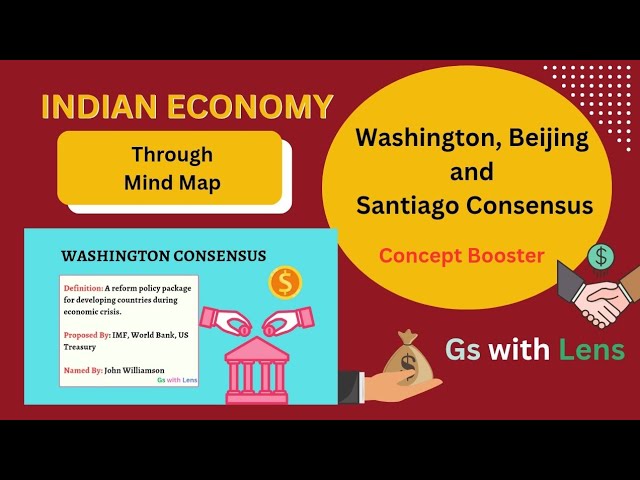
The basic principles of the 'Washington Consensus' and its neoliberal approach to global economic policy.
The 'Post-Washington Consensus' and alternative frameworks for sustainable and inclusive global economic development.
Methods for reforming global governance institutions to ensure fairer representation and equitable distribution of trade benefits.
Alternative economic metrics that align with human well-being and ecological sustainability, such as the Genuine Progress Indicator (GPI).
Comparative analysis of national policies (e.g., the Nordic model) that successfully integrate globalization with strong social safety nets.
44.8K views164likes1:07:20Original Release: 2009-02-10
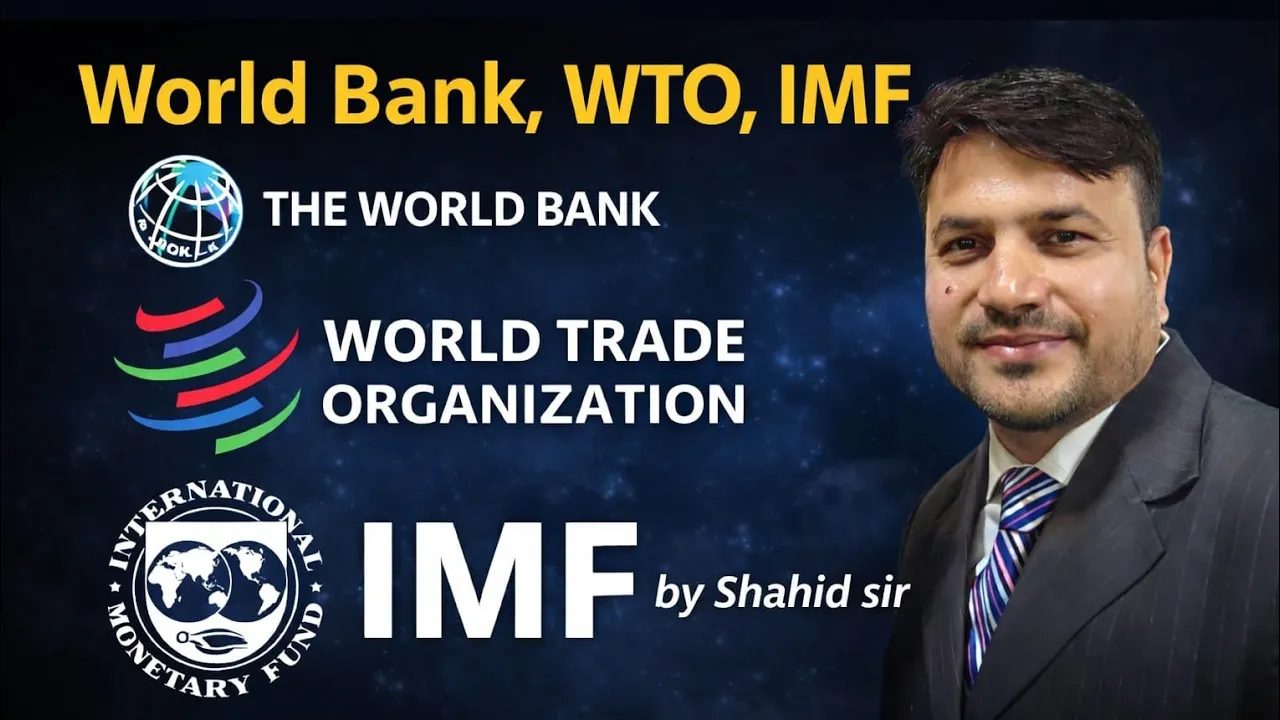
[Applause] um good evening I'm Tim OA principal of the University of Edinburgh I would like you to give you the warmest of welcomes to the university uh McAn hall for this second lecture in our Enlightenment lecture series sponsored by Scottish Power this lecture follows the very successful and thought-provoking lecture given in February by Irene Khan Secretary General of Amnesty International the series aims to consider how Enlightenment as an ongoing process of Social and cultural development continues to shape the times in which we live we acknowledge the great debt owed to the scholars and philosophers of the Scottish Enlightenment individuals such as William Robertson David Hume and Adam Smith Who challenged and changed the prevailing Notions of the tong the series provides an opportunity for the people of modern Scotland to hear what world leading politicians philosophers scientists and economists understand their Enlightenment in the 21st century there can be no doubt that our speaker this evening is of the world leading category Professor Joseph stiglets is one of the most influential and well-respected economists in the world born in Gary Indiana in 1943 he studied first at Amherst College and then at MIT for his final year of undergraduate studies and later his PhD he has held professorships at the universities of Yale Stanford Oxford and Princeton and he is now professor of economics and finance at Columbia University in New York uh in New York City where he taught since 2003 at the University's business school he is also chair of Colombia's committee on global thought and chair of the management board and director of The Graduate summer programs at the Brooks World poverty Institute hosted at the University of Manchester Professor stiglets has made outstanding contributions both to economic policy and economics Theory from 1995 to 97 he chaired President Bill Clinton's Council of economic advisers he then served from 97 to 2000 as senior vice president and chief Economist of the World Bank in 2001 Professor stiglets was awarded the Nobel prize in economics for his analysis of markets with asymmetric information he is widely credited with helping to define a new economic philosophy a third way which recognizes the important but limited role of government which recognizes that unfettered markets often do not work well but the government governments are not always able to correct the limitations of markets Professor stiglets is well known for questioning the reigning International economic policies and the institutions which govern them in recent times he has had a particular interest in issues relating to fair trade and globalization his 2001 book globalization and its discontents looks at the functions and powers of the main institu that govern globalization such as the international monetary fund the World Bank and the World Trade Organization and considers the impact their policies have had on the global economy that book has been very influential and translated into 35 languages he has just published a new book making globalization work which looks at the changes to the global economy in recent years and considers how we might deal with the problems of our age including addressing the crippling debts of developing countries ladies and gentlemen it is an honor to welcome Professor Joseph sticklets to the stage to address us this evening on the subject of the Scottish Enlightenment and globalization [Applause] what it's a real pleasure to be here to talk to you about this important subject actually the subject of of the Enlightenment has been a subject of uh increasing concern interest in the United States because there are increasing worries about retrogression that the values the mentality the sense of Tolerance that symbolized that so important in the enlightment are being lost at least by some people within the United States and it will be an important challenge I think to try to bring back these values the concern about rationality science moral morals back into the United States and into our government the writers of the Enlightenment have left I believe an indelible impression on Humanity uh that we all need to take into account the subject of my talk today however is a little bit less political or maybe more political uh but more somewhat narrower it's globalization and the Enlightenment and one might think that you know what is the connection between these two quite different ideas a set of philosophical ideas almost uh more than 200 years ago h on the one hand and a political and economic movement globalization that has come to the for so strongly within the last 15 years but there are actually a large number of connections the first is uh the fact that uh even 200 years ago the precursors of modern globalization we're having a very large impact here in Scotland uh I just spent a little time in in uh Adam Smith's Library here in the library and uh what what is very clear uh is that he was influenced a great deal by ideas coming from outside and act true of many of the other writers of the Enlightenment ideas moved across borders then perhaps not quite as much as they do today but clearly ideas moved across the world of that time but perhaps even more important was the fact that this was relative to what had happened in the centuries before there was an enormous opening up of the world the colonies were being established the colonies were challenging the home country and there were enormous challenges coming to terms with what was going on with issues of colonialism slave trade uh even the issues of privatization of government and in many ways what is remarkable is how many of the issues that people like Adam Smiths and Stewart faced at that time or Hume are not dissimilar to the issues that are faced today uh policy issues that they faced were similar to some of those that we face today and even the nature of the debate that they engaged in have remarkable similarities for instance consider one issue the issue of trade international trade on the one side there was an argument for government intervention on the other arguments that Smith put forward for free trade there are arguments including by others here in in in in Scotland and this part of the Scottish Enlightenment of Stewart that argue that for the infant industry argument the fact that the development of uh Industries in less developed countries and parks of Scotland were then viewed as less developed uh that and they were ConEd with the highlands and and uh uh uh that that in order for these less developed Park Europe to develop there might have to be active government policies so that the Notions of leay fair that have been become associated with Smith in fact were questioned uh and even if you read read Smith more carefully and and look at what some of the arguments that he put forward he put forward uh Iden ified what we would in modern language call it an externality a link recognition that the development of the Cities would have impacts on the less developed parts of the country uh would have impact on the rural sector uh I was particularly attracted to that idea because I recently published a paper which I called the infin economy argument which I uh uh realize now that uh Adam Smith anticip ated and um in this world of academics you often have to look for for uh an ancient uh you might not you'll say whether he he lur to have the idea gives it authenticity that somebody 200 years ago really understood this this idea well the idea that that uh development doesn't happen automatically that one has to have government policies to promote it um is an idea that I'm going to come back to in a few minutes of course the language and some of the the the models they used were were marketly different uh Smith hadn't quite developed the theory of information asymmetries um perhaps if he had I would not have gotten the Nobel Prize in that but about two decades ago after I did my work in information asymmetries I I was curious whether Smith had anticipated this idea and whether one by pouring through this stuff one could find some some inklings of an idea that that reflected awareness of the fact of of what we would today call the problems of adverse selection or moral hazard and in fact in Smith's writing one can see these ideas very clearly articulated since then they got lost in the in what happened I'll come back to that in a second but clearly Smith was far more aware of these Market imperfections than many of his followers while he was aware of some of the market imperfections of course he was also aware and very concerned about the limitations of the government and these unfortunately played out a lot in what happened in the subsequent uh uh period um after it was it Smith's emphasis on the limitations of government that got so much attention uh in the Years Later the focus of my remarks uh this afternoon though is rather different it's not on The View that that the issues of globalization in the in that particular period had enormous influence in the development of their ideas but rather I want to talk about how the ideas of the Enlightenment how the values of the Enlightenment help us to think about the problems posed today by globalization ideas like tolerance moral values rational Al ity pragmatism that we've come to associate so so closely with with the Scottish Enlightenment the confrontation of of in of different societies that modern globalization has resulted in the fact that that people of very different cultures have come face to face that there are these encounters a result of increased migration Mobility uh as I say the globalization of the world forces us to think to address the problems of how we deal with people who are whose worldview often differs markedly from our own and here I think the enlightenment values of Tolerance become absolutely necessary they are necessary if we are to live together hopefully in harmony if not at least without intolerable conflict it forces us to think carefully about the role of the state for instance in formuling and uh establishing standards by which all countries or all individuals to which all individuals have to conform uh and what to what extent do we force people who have ways of living that are different from our own conform to those of our own uh what is clear is that there are a core set of values of of beliefs a core set of of regulations that we do need to agree to if we are to live together as a global Community uh and internationally we are have been engaged for the last 60 years of trying to establish what those core standards are uh we cannot live together if we don't believe for instance in a certain set of basic human rights and that was why it was so important to have the human uh the the Declaration of of Human Rights core labor standards which the international labor organization has helped establish a rule of law uh conventions which have been agreed to by all the countries of the world about uh the treatment of children about torture uh these really help Define what we mean by civilization and these I think Define the basic minimum of the rules the regulations the the framework that we have to agree to which we have to agree if we are going to live together as a global Community the problem is that too often there's an attempt on the one hand to go beyond these particular narrow confines and the other hand there's too often a tendency to try to ignore these basic values in areas where it's absolutely essential that they have to be uh obeyed in the second category for instance President Bush's rejection of torture uh a rejection of the convention of effective rejection of the Convention of torture is an example of trying to undermine the international rule of law and the International Convention about how we treat each other and has an absolutely inating effect on the way we as society as a global society live together um it's not just a question of the treatment of the prisoners of War under the Geneva Convention but it's the convention of torture which for which there is no exception uh that is being abrogated by the Bush Administration while the Bush Administration is not living up to what I view as the basic standards that form a core basis of civilization there is an attempt to go beyond that enforcing standards market economy standards I'll come back to that uh like intellectual property that are are not necessary for us as a global Community to live together in fact make it more difficult uh the view that I've been very critical of the IMF in trying to impose a one- siiz fix all is another example of trying to impose a common standard of what is a good economics on all countries of the world so the notion that I'm trying to put forward is that there are some basic standards and that too often unfortunately we have not been living up to those but on the other hand that the Notions of Tolerance must lead us lead us to a view uh that uh we have to allow in a large variety of areas different economic systems different ways of conducting uh the economy and Society the second major concern I have is that the rules that have been set up uh the rules of the game the the uh that that that have been that International institutions have tried to fo and impose on too many of the developing countries are not based on the sex of values that we have come to associate with the enlightenment values as I say like rationality pragmatism moral values I think Adam Smith would have uh uh the the interesting thing is that that uh Adam Smith while he he was uh uh would have rejected this kind of uh ideology Blind Faith in fact which which was the rejection of ideology and Blind Faith was at the heart of the Enlightenment it it was a u an unfortunate consequence that he himself unintentionally became the father of a new religion the god of a new religion of a new ideology which was the free market ideology uh an ideology which his ideas helped play such a large role in establishing but anybody who has read his Works would realize that he himself would probably be turning over in his grave uh if he recognized what was being done in in his name and I want to spend the next few minutes talking about some examples of of what I mean by this uh and the first issue I want to talk about is is the broader moral issue obviously Smith and and most of the other writers of the Enlightenment were very concerned with moral issues Smith was a professor of moral philosophy it was a concern with which they have were preoccupied and yet in a way Smith's argument formed the basis of letting people not think about moral issues the argument that as commonly interpreted was that individuals by the pursuit of their self-interest are LED as if by an invisible hand uh to the general well-being and economists after 200 years have found out exactly what that means the conditions under which it's true it's been one of the major uh uh uh issues with which economic science has been concerned well if that result were true it would mean that the only immoral thing to do would be not to follow your self-interest so the only accusation of being immoralist that you weren't selfish enough because if you were selfish you would be pursuing the well being of society as a whole that makes life very easy the CEOs that stole all that money from their companies during the 1990s could look at themselves and saying look I was just doing what Adam Smith told me to I was just pursuing my self-interest and I know the self-interest leads to the well-being of society and what would you have me do anything different and they actually constructed a they actually felt good about themselves I mean I talked to a lot of them and they feel that they were bringing enormous benefits of which uh they work working hard to get a system that led them to work even harder after all you know if you're firing uh lots of workers you need a lot of pay you need to get $100 million to compensate you for the pain of firing people so uh and then after all after you pay yourself $100 million you have to fire them because the company has no money so this is the moral system that is now attributed to Adam Smith of course economic science in the last uh 50 years has made it clear that often uh it is not the case uh that the uh Market the pursuit of self-interest automatically leads uh to uh economic efficiency well-being and general well-being in fact one of the results uh that my own work focusing on imperfect information show that whenever there is imperfect information or imperfect risk markets which is always then the reason that the Invisible Hand often seems invisible is that it's not there that is that the pursuit of self-interest does not lead to economic efficiency and the good news is that it provides now an argument for why people to think once again about what is moral that if you steal if you if you do what a lot of these Executives did design executive compensation packages that were designed in the way you are not engaged in what might be called a moral activity internationally when companies go into developing countries and devastate their environment bribe government officials take out their natural resources not paying them FL market value it may have the result of increasing their stock market value and those who say that's the that's what firms should do after all it increases their profits the higher the profits the higher stock market value and that is what we teach them in business school they're supposed to do but again I would argue that that is not moral and increasingly companies are realizing that it may not even be in their long run interest and there's an important movement called business social responsibility so the first point I want to raise is that that that there are a set of moral issues which modern economics have restored to economics but unfortunately too often The Advocates of simplistic market economics have forgotten about what makes it even worse is that too often this ideology that I talked to sometimes call Market fundamentalism the version of this that is pushed on developing countries is more extreme than that which has been adopted by any developing countries that within most developed countries Notions of pragmatism Notions of the fact that we have democracies have succe succeeded in tempering the market economy in the 19th century 18th century uh industrial revolution had some very negative effects uh on on people particularly in working classes all over the world uh we we see data where uh life expectancy was reduced hikes were reduced we can look at medical records and see that actually living standards and much among large fractions of the population actually went down but eventually we passed legislation about working conditions and eventually uh uh we circumscribe some of the worst kinds of of behavior we eventually in the 20 20th century we put regulations that uh imposed better environmental conditions and so some of the damage was reversed and that we have made the market economy work in ways that the benefits of it are at least far more widely shared than they were a 100 years ago the problem is twofold one that on that the IMF and and the intern ideology that has been foed on the developing countries has been pushing a version of the market economy that is more extreme that we will find anywhere for instance uh at the period uh when uh even when the period when I was in the Clinton Administration uh the uh while the Clinton Administration was fighting very hard to make sure that there was access to health for everybody body and that uh there was uh within the United States and while they were fighting uh very hard uh to make sure that the social security system which had been so effective and reducing poverty among the agent in the United States was kept internationally the IMF was pushing privatization of Social Security it was pushing uh the the United States was actually pushing within the WTO to reduce access to life-saving medicines I'll come back to that in a minute and the IMF while the United States was very much aware of the importance of uh a monetary policy that focused on not just on inflation but on employment and on growth there was one of the senators in the United States who tried to change the charter the Federal Reserve to focus just on inflation the president said we we'll go to the American people we ask them do they care about jobs or not and as soon as he said that uh the response was yes uh we didn't really mean to change the uh that was just an idea that somebody had but meanwhile uh at the IMF uh it was pushing country after country to change their Federal their their central banks ma mission to focus just on inflation and here in Europe you have a European Central Bank that went along with this movement of having a central bank that focuses just on inflation added enormous cost to employment so what has happened is that rather than having an economic policy that was based on rationality on trying to understand really what makes a market economy work that under based on on a broader sense of moral values what was pushed was was an ideology a new religion I saw that so clearly for instance when I watched what the IMF tried to do in 1997 when it tried to change the regulations tried to push this idea of Capital Market liberalization that's opening up markets to the free flow of uh spective Capital across boundaries you can't build factories on money that can go in and out of a country overnight when the IMF started to try to push this I asked I was at the time Chief Economist of the World Bank I asked where is there evidence that this is going to help developing countries grow the World Bank we had done some research which showed that it was bad for economic stability and we had done some preliminary work that showed that it wasn't good for economic growth and so we asked the IMF where is your evidence before you make this fun Al change that it would bring benefits to the developing countries and bring benefits to most of the people in these developing countries and the response was you know they have a large research group they had done no research on this why because they didn't need to have evidence they knew it was true it was a religion free markets are better than unfree markets and who can be against Freedom un liberalization all they wanted is to free up Capital markets so it was about freedom and so in this particular perspective it was a really it was nothing more than a religious Doctrine interestingly uh after uh I and others had pushed very hard on this finally the the chief Economist of the IMF finally in 2003 did a study and they came up with only answer that they could come up with which was Capital Market liberalization wasn't as good as they had thought meanwhile there have been enormous damage uh a lot of countries had a crisis but then they finally came up with the right answer and at least uh it seemed to suggest they were going in the right direction but even then they said economic theory could not explain why it wasn't having the benefits that it was supposed to have but again it was a almost a religious mindset well their Theory economic theory but their economic theory was based on perfect information perfect markets but in developing countries in fact in developed countries there is not perfect information there are not perfect markets and the kinds of theories of imperfect information had explained why it was that quite often opening up markets to these specular Capital flows can be destabilizing interestingly a lot of these ideas this was an ideology which in some ways seemed to serve a particular group it seemed to serve the interest of financial markets but because they didn't really understand the underlying economics the policies which they pushed led to such instability that actually many people in the financial markets were hurt so it was an interesting example while the ideology may have when they may have been a comfortable ideology because it helped promote their self-interest the ideology worked that together in fact because they hadn't done the careful thinking that they should have done or because they hadn't had the pragmatic approach that they should have had it actually did not always serve their interest uh there are other examples but I I I want to go on and have some time for for questions um the other example I was going to talk about was the this issue of the infant industry argument um where again the ideology was very strong opening up markets free markets would lead to economic growth trade liberalization would lead to economic growth well if you look at it carefully sometimes it does and sometimes it doesn't Haiti took away all its tariffs Haiti has not done very well economically there are lots of other reasons for the problems of Haiti but the point was if you look across all the countries in the world there has been no relationship between economic liberalization trade liberalization and economic growth the reason is that in many cases what's happened is that when you liberalize you lose jobs many of the poor countries of the world have high unemployment the theory was that that liberalization was supposed to allow people to move from unproductive proteced sectors into more productive export sectors but if the economy isn't working well if you don't have good Capital markets if you can't borrow money to start new Enterprises what happens is that when you take away the tariffs people move from low productivity protected sectors into unemployment so you get more poor people more unemployment and you don't get more growth so the lesson of this is that liberalization can work but it has to be accompanied by other policies and too often what happen to the ideology people who believe in the ideology is they just assumed that the supply of labor would create its own demand and they assume you throw people out of the jobs and there will all of a sudden be a demand for that job we know it's not true we've known it for 75 years unfortunately people who believe in this religion wouldn't look at the reality of what was going on the issue of looking at these issues of looking at the questions from the point of view of self-interest I already discussed that how that doesn't work in general when there's imperfect information in leading to economic efficiency but there's a more fundamental problem when it comes to writing down the rules of the game the question is what should be the rules that guide International Trade which should be the rules that guide um that that guide uh International financial markets and in answering that rule that those questions one can't be guided by self-interest uh one has to be guided by principles of moral values and again even Smith recognized that he talked for instance about the proclivity of businessmen Tradesmen when they get together to try to create monopolies well it's in the self-interest of monopolies to maintain their Monopoly power you can't ask a monopolist you can't ask Bill Gates do you think a monopoly is a good thing his answer is self-interest says yes it's a good thing it Maxes my much my profit look at how well I've done but it doesn't maximize the well-being of society as a whole and unfortunately one of the problems in the rules of the game as they've been set is that the advanced industrial countries have been following the idea that Lex have rules that pursue our self-interest at the expense of the developing countries and the most dramatic example of that perhaps or at least one dramatic is is related to intellectual property which has been so important in maintaining some of these Global monopolies everybody recognizes the importance of intellectual property in Pro providing incentives for Innovation you know I I've just written a book uh my publisher would certainly not be interested in the fact uh if if any body could just steal it uh I might you know not be so worried as long as he gave me uh his advance and uh so long I would actually like it if the ideas got widely disseminated uh the u a number of years ago about 20 years ago I got a letter from uh a Chinese uh publisher who wanted to uh me to write a forward to a pirated a version of a Chinese pirated version of my textbook and I was I was quite enthusiastic I thought you know even if not all billion people in China read the book um if even a small fraction of that you know I've already written the book it doesn't cost me it's not a good affect my incentives at all uh I'd rather have the ideas disseminated but my publisher was very very unhappy about this uh this idea but that illustrates the story I've just said illustrates the back the conflict that we have a conflict between the fact that knowledge is a public good there's enormous value of disseminated knowledge the whole university is based on this uh view that we want ideas to get out uh that the free flow of ideas uh and and economists talk about this in a technical term they say knowledge is a is a public good and restricting the use of a public good is a bad uh it is an inefficiency it we to an economic inefficiency so in a way we are always facing this you might call pragmatic trade-off between Dynamic incentives incentives to engage in Innovation but the inefficiency of not allowing the ideas to be used as widely as they could unfortunately the intellectual property regime that was included in the last round of trade of trade discussions and there were great around that was completed in 1994 did not represent the right balance I was again in the Council of economic advisers at the time and both we and the office of Science and Technology policy opposed the intellectual property provision that's in the ugue round we said it was bad for American Science it was bad for Global Science and it was bad for the developing countries it was bad both for their development and even more important for a moral issue for their right to life because one of the areas that is extremely important where access to knowledge is important is access to life-saving medicines so when the trade ministers in April 15th 1994 signed in maresh the Oru round they were in effect condemning to death hundreds of thousands of people in subsaharian Africa and other developing countries drugs that were affordable before that were no longer affordable and you might say well there was a tradeoff if they didn't have intellectual property rights the drugs the medicines wouldn't be there but that's simply wrong the fact of it is that the drug companies are not doing any significant research on the diseases of the developing countries they spend more on marketing than they do on Research they spend more on research on lifestyle drugs like hair and other things than they do on life-saving drugs they spend of the MTH they spend on life saving drugs essentially none goes to the diseases concerning developing countries so that's a case where the way the international regime has been played out has not been balanced uh it has been not based on rational principles not been based on pragmatism and not been based on moral value values well I better conclude because I I'm I I have some more things I wanted to talk about but I I I I I want to have a chance for for questions so let me just conclude that by saying that looking at globalization from the perspectives of the Enlightenment thinking about how these great moral philosophers and social scientists would have tried to come to terms with the issues the important policy issues that globalization confronts Society Global society today I think is very instructive and I think if we follow if we try to think about how they would have approached it I think we will wind up with a form of globalization Which is far better than the kinds of globalization that we've been having Smith was right in seeing the powerful forces of marxs like so many that claimed to be his followers he realized the limits of markets in our democracies we have learned how to make markets work we have seen the benefits of well functioning markets be shared more widely with the perspectives of Tolerance pragmatism and a concern for moral values social justice we can learn from the Scottish Enlightenment we can make globalization work so the potential benefits which globalization can bring will be enjoyed not just by the rich in the well-off country but by the vast majority of citizens in all the countries rich and poor thank you that was really um so now professor stiglet has agreed to take questions if you would like uh to pose a question please indicate on a microphone should come to you looking for the microphones could you bring the microphone to the questioner could you be so kind as to introduce yourself and keep the question short Professor stigl Hue care representing today red pepper magazine but I have a confession to make as a former member of the European Parliament I once virt to ratify the WTO and I guess my question to you is after listening to you and your critique of the international institutions is did I make a mistake because we argued then I recall that all the things that you said that International institutions need the uh abolition of child labor labor rights and so on were not present in the WTO and indeed China has been admitted to it despite the fact that Trade union rights are not respected that they're occupying Tibet that uh you know the human rights are not uh respected in China so I guess my question is are these International institutions which you have been a part of the World Bank the IMF the WTO actually reformable through a system of global governance or maybe we just need to abolish them all and start again maybe the problem is that actually capitalism is immoral okay I I actually think that maybe I'm an veteran optimist uh and I think that they are are reformable and there's one more important Point uh to raise that the WTO did one important uh the Oru round had one important provision that it began the it was the beginnings of an international rule of law and trade and that itself is very important and the the reason it's important it can be you know brought up in the absence of a rule of law the powerful dictates to every any other country since then the United States uh for instance has been brought up to the WTO for imposing steel tariffs and it lost it was brought up uh for uh uh particular provision it has with respect to dumping and lost uh export subsidies against Europe and lost and most importantly in the context of the development round which is clearly not almost surely dead one of the big issues in in in the development real was Agriculture and America's refusal and and Europe's to do anything about uh their subsidies but actually what made the whole whole debate a little bit surrealistic was that Brazil had already brought a case against the United States for the cotton subsidies and the WTO ruled against the United States so the cotton subsidies will almost surely disappear not through negotiation but because of this International rule of law now in one of the chapters of my book I argue that this International rule of law can be used to force the United States to conform with the principles of global warming in the Kyoto uh there was a very important case that uh United States brought without fully thinking through the consequences uh it was called called the uh Thai shrimp Turtle case the United States said that uh the the the uh shrimp from Thailand were being caught in necks that were Turtle unfriendly and hurting and danger uh species of endangered uh uh T endangered species of turtle and the United States said we will not import shrimp from turtle that are caught in shrimp from Thailand that are caught in this in these neets and the WTO sustained that now one of the clear implications is that the the United States has been engaged in producing all variety of goods using Production Technologies that are unfriendly to our atmosphere that United States is the largest polluter the consequences is enormous it is doing damage you know a third of Bangladesh will be underwater moldies will be underwater our own 21st century mold uh uh Atlantis um and yet the United States continues to go ahead engaging this damage well it's an unfair trade act and I've actually talked to one of the people that was in the appet uh panel and they were even aware of some of the implications so what I would argue is yes everything has its ups and downs but this particular beginnings of the rule of law which I think is very important can be used if there's pressure from Civil Society to help make a fair globalization and one which which allows us to advance certain other uh goals like uh an environment that we can live with very good there's a question there you can pass the microphone along I am a lay person with an interest in economics um is there a direct relationship between the current rigid application of free market ideology and the rather repugnant concept of the failed country or the failed State yes um the question in case you didn't here is is there a relationship between uh the free market ideology which I descri tribe is being pushed and a concern increasingly about the failed State uh and the and and the answer is yes that in a way for a while the ideology was very much Market solve everything and if you believe that markets solve everything you don't need a government and unfortunately they took this ideology too seriously circumscribed what the government did did didn't worry about undermining the government one of the things that the international institutions did when they provided money they put all kinds of conditions those conditions effectively undermine democracy because it said we will determine what your government does not your citizens so they help weaken the democracies within these countries and it is not surprising that today we recognize that a in a very large fraction of the country countries the problem isn't too much government it's too weak government it's a failed state that can't provide the bare necessities of what it means for a civilized society to to live together okay next question there lady at the front here hello I'm Antonia Swinson business writer and sorry bad Thro chief executive of the Scottish social Enterprise Coalition I'd like to ask Professor stiglets on his opinion on the potential and future power of the nonprofit business sector um earlier this year I attended the S skull World Forum on social entrepreneurship and Jeff skull said that in fact the nonprofit sector social Enterprise could actually begin to take on In Time Business in terms of research and development for uh medical cures in developing world in microcredit the growth microcredit not just for small businesses bigger businesses and indeed um one of the speakers there was a a social entrepreneur from Latin America who'd set up a social Entre Enterprise Stock Exchange I'd like your opinion on on the potential of this sector one one of the criticisms I think of of the of of the set of ideas that uh of the Washington consensus uh and the market fundamentalism that I described before was that it divided the world into two institutions markets profit making firms on the one hand and government markets and profit making organizations in case you didn't understand from what I already said are good and governments are bad so that was this very simplistic ideology but in fact there are a very large third sector that has a whole whole variety of different forms uh NOS Civil Society Coop cooperatives that anybody who's understood the market economy or understand the evolution of of a successful economies realized that these institutions have long played a very important role in many parts of many societies uh I I teach at Columbia it's a private university it's not a profit making University it's it's a nonprofit uh in the United States the most important uh company uh companies the most important largest producer of butter is a co-op um and a co-ops have played a very important role in in the rural sector in a large number of sectors orange oranges raisins um and also providing credit uh most of the buildings in New York City are are are cooperatives so cooperatives are a viable very strong set of Alternatives in developing countries they are particularly important and some very interesting research has been done in India where there are parts of India where the sugar Mills have been owned cooperatively in other parks where the sugar Mills have have been owned by a monopolist by by by and those parts where that's been cooperatively have grown have done much much better so the answer is the the broad answer is yes cooperatives have a very important role the big revolution in Bangladesh the gramine bank uh bra uh micr credit was all done by these noos but they're not small like they are in many countries the are involving each of these organizations involved 5 million individuals and are having macroeconomic effects uh and and and that they have been successful I think because they lie in this third area the government's not being very effective and the criticism of the government there are very valid but the private sector has also not worked very well and they've come in and filled the Gap it's not a Panacea however it doesn't work everywhere and and but I I do think uh it has a larger role to play than it has often been given credit for there's a question there Thomas B from University of Edinburgh here um I was wondering to what extent do you think globalization is above all Western ideas being expanded transferred to all part of the world or are there any non-european or kind of non-western traditions that you think could be very valuable and the West would learn from yeah uh that that's a really good question and it's it's a very important question because it's it's part really of of the debate about globalization and there are two parts of that question I want to I want to take up uh the first part is that uh in fact one of the big controversies during the East Asia crisis was that the view in Asia that the IMF and the US Treasury did not really understand the Asian economies and they didn't understand many aspects of Asian Society so that for instance they have better stronger social Protections in some of these countries they had better job guarantees than America particularly has and uh and and they were being told you have to give up your system your system clearly is not working look at the crisis and uh that was one of the big sources of resentment a sense that that these guys that that they were uh being that a a economic system that was not theirs they had evolved their own Asian model which was enormously successful remember for 25 years 30 years these countries grew at a race of 5 six 7 8% China's grown at 30% for 9 uh gr grown at 9.7% for 30 years so these are are are are unprecedented growth so their view is look at we've been enormously successful with our model which is marketly different from the market fundamentalist model and how can you come and then tell us what to do in fact I was in uh not very long ago I was in one of the crisis countries where the Prime Minister described himself he says we we were in the class of 97 we learned the hard way their view was the reason that they had a crisis was that they had listened to the IMF had done this Capital Market liberalization and their view was never again would they do that they have one of the chapters in my book is devoted to one of the consequences of that is they've accumulated enormous amount of reserves so that wouldn't have these alternative views projected on them foed on them that they would have more more Independence to pursue their own economic model what is important to realize that even within Europe there are many economic models there's the anglo-american model but Scandinavia has a very different model as well so sometimes we I think oversimplify and say there is a western model there are actually many models Scandinavia has very high tax rates but it has grown just as fast and has just as much of a new economy as any of the advanced any of the other countries in fact in terms of what I would say is a more relevant metric of success people always say look at us is growing very rapidly relative to much of Europe but that growth is all about GDP it doesn't ask how does the representative American what's happening to the typical American the median American household income today is lower than it was 5 years ago we've had no growth Bill Gates is better off a few other people at the top are better off but the median the person in the middle is worse off than he was 5 years ago and what has happened in the United States over the last 30 years at the bottom is even worse the people the real wages at the bottom 20% are down by about 30% over 30 years so it's just not not just that there's stagnation the people at the bottom in terms of real wages are getting worse off they're making up for it a little bit by working longer and having a very negative effect on family life but but in terms of the most important metric real wages it's going down so the answer in in some ways is that there are many forms of capitalism not just Asian but also within Europe and that we we should recognize and one of the problems is we've tried to push one particular version on developing countries the other issue that I just want to just mention very very very briefly which again I talk about in my book is that one of the concerns about globalization is that it has not paid attention to the cultures of different countries and cultures are very important in not only a sense of identity uh uh in in even in terms of Economic Development maintaining the social fabric uh in a way if you one of the one of the important uh aspects of the people in the enlightenment was they had a well they had a culture that was developing all these ideas and and and I think one of the things all of the sudden the United States vuler raised the interest rates to levels that had never been they went up to 20% it had been at 5 6 7% and all of a sudden they were up to 20% well the countries could manage it when they were at 5 6 7 8% but they couldn't manage the decks at 20% and they had to Bear the risk of interest rate fluctuations that's not the way markets well functioning markets should work the Rick should be burying the risk but we make the poor bear the risk so Latin America went through a crisis one country after another defaulted on their debt there was no restructuring no system of dealing with with a problem of of debt we used to have a system in the 19th century British and French armies would go in and take over the country well we can't do that today we send in the IMF but uh it didn't solve uh it it didn't solve the problem the countries went through a decade a lost decade of essentially zero growth I was in mova in early the early last few years uh about 20012 2002 mdova is a small former Soviet Union countries were supposed to after they went from communism to a market economy it was supposed to go from an inefficient system to a efficient system and what was predicted they would grow in an unprecedented way well the only through only thing that grew in an unprecedented way was poverty GDP in Moldova fell by 70% and when I went there 75% of the government's budget which was shrunk because the country was was was had had GDP had declined so much 75% of the country's budget was being used to service the foreign debt so they had almost nothing to spend on anything else and you could see the process of De development you could see people going back to using horses and Buggies Rogues filled with potholes and it was it was a very dramatic uh moment for me a very one of the people in our team had a friend that that whose daughter had to go to the hospital while while we were there was put on oxygen in the night and in the middle of the night the country ran out of oxygen and she died and there just was no oxygen anywhere in the country they couldn't afford it they couldn't afford it so what we take for granted we assume we go to a hospital we need oxygen it will be there this was an affordable luxury and it was caused by the debt they they had to spend all their money abroad how did that happen well it happened because they had borrow at the beginning of the transition they had no debt at all in 1990 they had no debt and what happened was that in the process transition they had borrowed a moderate amount but it was denominated in Euros in mark at the time but their currency was linked to the Russian Ruble Russia had a crisis in 1998 the ruble went down and all of the sudden the value of their debt in their own currency went up by about four to sixfold well what was a manageable debt became unmanageable again it was a problem was they are left to Bear the burden of interest rate and exchange rate fle situations well there are ways of solving this problem we can to make sure it's less likely to happen get that I tried to describe in my book of how we can enable markets to shift the risk to work the way they're supposed to to shift the risks from the poor to the rich but the other fundamental problem is the overall level of volatility this enormous volatility in Global Financial markets and that has to do with in part with our Global Reserve System this very funny system where people hold dollars poor countries are lending money to the United States at low interest rates and meanwhile borrowing from the United States at high interest rates and it's a system that is already fraying and again in the book I propose a an alternative way an alternative to the current uh system uh uh the dollar Reserve System a way that would actually lead to more stability a stronger global economy and one which was much more Equitable so before I move the formal vote of thanks to Professor stiglets let me just tell you that the next lecture in the enlightenment series will take place here on Saturday the 7th of October it'll be delivered by Professor Tom Divine the Sir William Fraser professor of Scottish history and paleography and he will speak on a puzzle from the past why the Scottish Enlightenment happened and the lecture will be followed by a panel discussion on the subject could the enlightenment happen again and you may get tickets from the website so now I would really want to offer the warmest thanks I would want to offer deep thanks to Scottish Power and to Ian Russell for initiating this and supporting this series I would want to have thank my colleagues in um Communications and marketing and in development for the organization but most particularly I want to thank Professor stiglets that was an inspiring lecture I think it is wonderful that somebody associated with something apparently so dry and boring as economics could for to my mind Professor stiglets did two things one he spoke in an incredibly clear and interesting way about economics itself but more importantly than that with our great compassion and Authority he used his analysis to address uh really vital issues of world poverty so thank you very much Professor sens [Applause] [Music] [Applause]
Up Next

77:16
Mechanism Design for Pandemics | Eric Maskin | Jerusalem School
@iashuji
671 views•2021-07-01

56:43
Optimal Patent Length in Polluting Industries | Environmental Economics
@researchcentreoneconomicsa9979
162 views•2023-05-17
10:33
Behavioral Economics Explained: Rationality, Nudges, and Risk
@crashcourse
1.1M views•2016-03-12

113:18
The Age of Easy Money: Fed & Inflation | Full Documentary
@frontline
21.2M views•2023-03-15
Related Study Plans & Knowledge Roadmaps
Structured learning paths in Economics
economics
Intellectual Property: Innovation vs Monopoly
01Foundations of Market Power: Monopolies & Deadweight Loss
02The Economic Trade-Off of Intellectual Property
03Patents: R&D Incentives vs. Market Monopolization
+ 3 more learning modules
12h6 modules
Explore Roadmap
economics
Sovereign Debt: Defaults, IMF & Restructuring
01Introduction to Sovereign Debt & Government Bonds
02Debt Sustainability & Credit Ratings
03Anatomy and History of Debt Crises
+ 2 more learning modules
12h5 modules
Explore Roadmap
economics
Market Design: Matching Theory & Gale-Shapley
01Introduction to Market Design and Price-Free Markets
02Two-Sided Matching & The Gale-Shapley Algorithm
03School Choice Systems and Mechanism Design
+ 2 more learning modules
10h5 modules
Explore Roadmap
economics
Impossible Trinity: Forex, Capital & Policy
01Introduction to Monetary Policy and Central Banking
02Exchange Rates and International Capital Flows
03The Mundell-Fleming Model
+ 2 more learning modules
8h5 modules
Explore Roadmap