The school-to-prison pipeline refers to how schools, particularly through zero-tolerance policies and increased police presence, funnel students—especially Black students—into the criminal justice system; this occurs because Black students are suspended or expelled three times more frequently than white students, often for subjective reasons like talking back rather than provable offenses, creating a cycle that leads to higher dropout and arrest rates.
The School-to-Prison Pipeline: Racial Disparities Explained
Added:Deep Dive
Understanding the difference between individual prejudice and systemic/institutional racism within public systems.
White man gives a BONE CHILLING Revelation about the treatment of Blacks in Jails.Must watch.
51K
Systemic racism refers to institutional and structural patterns of discrimination embedded within societal systems, while individual prejudice refers to personal biases. Black communities experience systemic racism not only within prison systems but also in everyday life, including fair housing, healthcare, and employment opportunities. These experiences occur even among law-abiding citizens who have not broken any laws.
Click to watch →

We have to accept that we are all racist - Dr. Robin DiAngelo
981
Many people are socialized to view racism as individual acts of discrimination, believing that if they are good people, they cannot be racist. This individualistic framework prevents recognition of systemic racism. Racism is actually a deeply embedded system founded on the country's origins, with all institutions reinforcing it. The key difference between individual prejudice and systemic racism is institutional power—groups without institutional power cannot systematically deny rights to others, even if individuals can discriminate. After the Civil Rights Movement, racism became socially unacceptable, which paradoxically made it impossible for white people to examine racism because they would have to admit they were bad people, transforming racism from a structural issue into a moral issue.
Click to watch →

Racism - Destiny Discusses
83.6K
There is a distinction between individual racism (personal prejudice held by individuals) and institutional racism (systemic discrimination built into laws, policies, and practices). Some people deny institutional racism exists while acknowledging individual racism. However, empirical data shows patterns of disproportionate harm to Black people across multiple systems (criminal justice, housing, employment) that cannot be explained solely by individual prejudice. Addressing systemic issues requires understanding how institutions perpetuate inequality regardless of individual intentions.
Click to watch →
Episode 175: King of Entertainment
101
Racism is a systematic form of oppression built into the structure of society, while individual prejudice or discrimination may not constitute racism. Racism involves institutional and structural elements that perpetuate inequality. Understanding the distinction between individual prejudice and systemic racism is important for recognizing and addressing racial injustice.
Click to watch →

Sean McGettigan | Public Yemeni No.1 w/ Mike Eshaq Ep.6
657
Racism is defined as a system put in place by those in power centered around racist ideas, while prejudice is when someone has an idea about you based purely on appearance. The distinction matters because white people may experience prejudice (being called offensive names) but never face the systemic targeting that marginalized communities endure. Examples include Black Americans being incarcerated at three times higher rates, shot by police at three times higher rates, and receiving callbacks five times less frequently for jobs with traditional Black names. Systemic racism affects entire communities through institutions like criminal justice, employment, and housing, while prejudice remains individual-level bias.
Click to watch →
Deep Dive
The historical context of zero-tolerance policies, including their origins in the late-20th-century 'War on Drugs' and federal education acts.
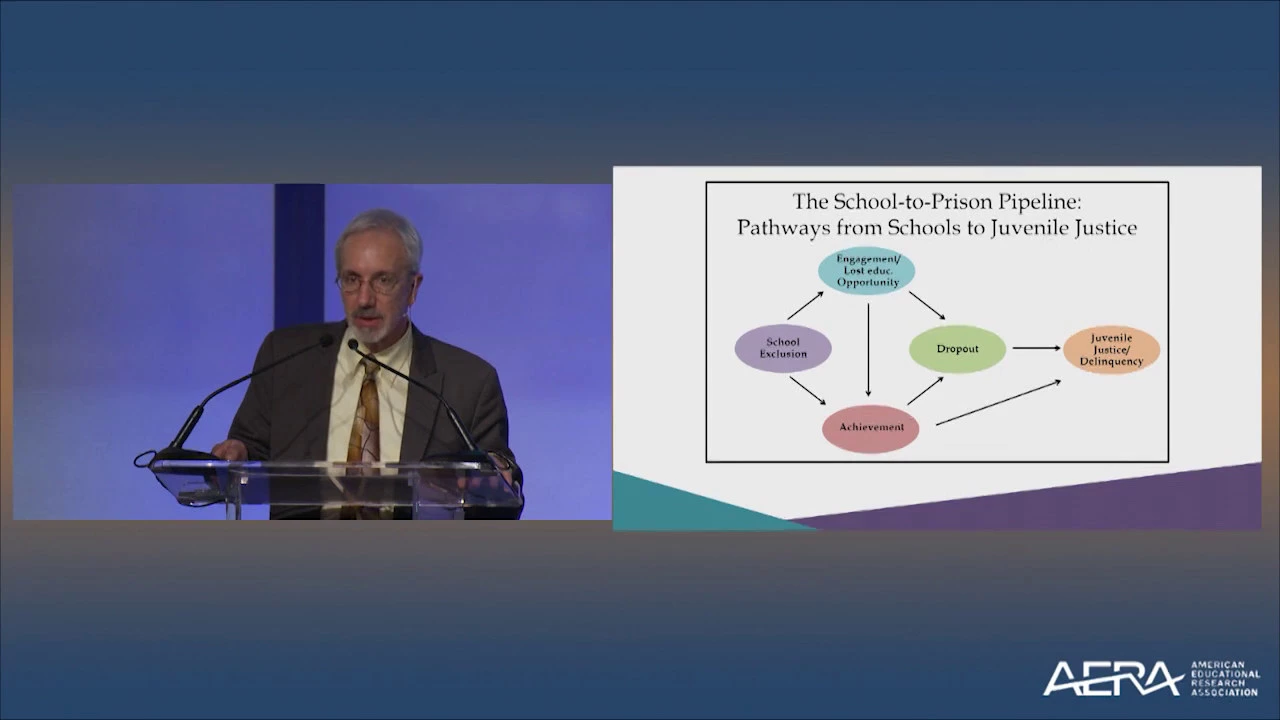
School Discipline: Issues of Equity and Effectiveness
5.6K
Zero-tolerance grew out of the war on drugs, beginning as early as 1982 when sailors were suspended for having trace amounts of marijuana. The Reagan administration used it as a soundbite for politicians facing criticism. Schools adopted it because it provided an easy response to fear of violence without requiring schools to develop their own approaches. The Columbine shooting led to increased use of police presence and zero-tolerance, though it also began movements pushing back against these policies.
Click to watch →

Public Policy Program Fall 2021 Capstone Presentations
484
Zero tolerance policies mandate predetermined severe punitive consequences (out-of-school suspension, expulsion) for specific types of student misbehavior regardless of context or rationale. These policies originated from Nixon's 1971 War on Drugs, which tripled incarceration rates targeting Black and Latino peoples, and enforced zero tolerance in schools, leading to increased law enforcement presence in educational settings.
Click to watch →
A Talk w/Michelle Alexander- How the US Gov, Prisons, Banks & CIA Profit From The War on Drugs
8.3K
Alexander explains that zero tolerance policies originated with the drug war, referring to zones around schools meant to be drug-free with harsh mandatory minimum sentences. This language and war mentality has now infiltrated schools, where young people are treated with the same punitive approach used in criminal justice. She argues that young people are fallible, not infallible, and that schools should respond with care, compassion, and treatment rather than zero tolerance, which shoves kids out onto the street where we know where they're going.
Click to watch →

BPRG - 1/10/2021 - Bob Jesse
158
The War on Drugs intensified in the mid-1980s with zero tolerance policies that allowed car confiscation for minor drug offenses with minimal due process. In December 1989, a federal law required schools and colleges to have drug-free policies, making federal funding contingent on enforcement. This created an environment of fear and paranoia around drug use, with people fearing phone taps and mail monitoring. The speaker moved to San Francisco in December 1989, right in the middle of this period.
Click to watch →
![War on Kids (Война против детей) [Русские субтитры]](https://i.ytimg.com/vi/dFBxEcIk9K4/hqdefault.jpg?sqp=-oaymwEmCOADEOgC8quKqQMa8AEB-AH-BIAC5AKKAgwIABABGE8gVihlMA8=&rs=AOn4CLAQ4fHE9ts28g3EiTWYMRPXfGAZiw)
War on Kids (Война против детей) [Русские субтитры]
16.6K
Zero Tolerance policies originated from the drug war and initially focused on preventing firearms in schools. The policies evolved from targeting weapons to broader categories including butter knives, then violence, and eventually became highly discretionary and subjective. This expansion reflects a growing fear of children and sociological concepts like 'super predators' who needed to be controlled before becoming criminals. The policies have eliminated principal discretion, replacing it with rigid formulas where items like cuticle removers and nail clippers are classified as weapons, resulting in automatic expulsion. A 10-year-old Florida student who stole $2 was charged with armed robbery, a felony, and spent two weeks in jail. Schools are now referring students directly to police and adding enforcement officers who arrest children for minor violations, creating a school-to-prison pipeline that removes students from democratic participation. Students retain constitutional rights under the 14th Amendment, including due process, but these rights are not being honored in school settings. When a child is brought to the principal's office for a fight, the principal asks questions and has the student write a statement, which is then handed to police and used against the child. Students do not receive Miranda warnings when questioned by police in school settings, even when they know they will be turned over to police. Zero Tolerance policies alienate students from schools and from democracy by not respecting their voice, concerns, and interests. The policies represent a loss of freedoms that Americans have fought for over 200 years. There is no research supporting that Zero Tolerance makes schools safer or that students benefit from these policies; in fact, research shows a high correlation between low achievement and high suspension rates. Schools have transformed into extensions of the police force, resembling prison-like complexes with police walking halls, dogs, and drug sniffing dogs. The main entry building processes everyone through security checkpoints, with cameras monitoring all doors and hallways. Students are required to remove all jewelry and empty pockets before entering, pass through metal detectors, and check in with security officers. This infrastructure represents a security-first approach to education, where the primary focus is control rather than learning. Media coverage of school shootings created a ground swell of support for Zero Tolerance policies, with parents fearing similar incidents could happen in their schools. This fear led to the placement of police officers in schools to enforce laws and lock up children. The result is that 11-year-olds and 12-year-olds appear in juvenile courtrooms in orange jumpsuits, shackled, for non-violent behaviors. School officials and police conducted raids on students, with officers telling students to put hands on heads, get on the ground, and being put in flexi-cuffs while guns were pointed at them. This treatment was described as horrendous and frightening, with students feeling like they were in Birmingham or Selma during civil rights era. School officials stated that the intentions of the raid were pure—trying to stop drug addiction and prevent students from getting involved. However, the methods used created a police state atmosphere in schools. Drug sniffing dogs create a police state atmosphere in schools and teach the wrong lesson—that students are guilty until proven innocent. Instead of requiring reasonable suspicion that a particular student has broken rules, schools assume all students have drugs and bring in dogs to search everyone. Drug sniffing dogs have high false positive rates, often alerting to items like baloney sandwiches. When dogs alert, students are subjected to intrusive searches—emptying pockets, searching backpacks, and sometimes searching cars—when in fact the dog was responding to something innocent. Programs like D.A.R.E. (Drug Abuse Resistance Education) have been shown repeatedly not to work—they do not reduce drug use among participants and do not create more negative attitudes toward drugs compared to those who don't participate. Students often focus on the candy rewards rather than the educational content, and the programs fail to address the real issues of drug abuse.
Click to watch →
Deep Dive
The role of School Resource Officers (SROs) and the history of law enforcement integration into K-12 educational settings.

How Public Schools And YOUR Local Police Conspire To Criminalize YOUR Children!
2.7K
School Resource Officers (SROs) were virtually non-existent in the 1970s, with no police officers in schools. Today, approximately 40% of public schools have SROs. This shift was driven by federal incentives like the COPS program, which provided hundreds of millions of dollars over decades, and by schools' liability concerns. Schools prefer police to handle disciplinary matters to avoid lawsuits, creating systemic pressure to use criminal justice for school discipline. This has led to minor student disputes being escalated to criminal charges, fundamentally changing how schools approach safety and discipline.
Click to watch →
SRCS Regular Board Meeting - February 14, 2024
271
School Resource Officers (SROs) are law enforcement personnel stationed in schools who enforce criminal codes such as drug and weapons offenses. SROs have additional authority to intervene when non-criminal school rules are broken, which has raised concerns about the widening role of the justice system in schools. The historical context of school policing dates back to slavery-era slave patrols in the Carolinas in the 1700s, and SRO programs became widespread around the 1990s following school shootings and the War on Drugs.
Click to watch →

Disrupting the School to Prison Pipeline
143
School resource officers (SROs) were first placed in a Michigan high school in 1938, with expansion correlating to school shootings. By 1990, there was a national association for SROs. SROs have broad responsibilities including mentoring and counseling, but when called upon for misbehavior, they tend to over-police schools. Data from Harford County shows five high schools had the most recent arrest data in 2015, indicating a direct correlation between SRO presence and student arrests. The expansion of SROs has created a system where certain students are more vulnerable to being funneled into the criminal justice system.
Click to watch →

School Talk February 2018
211
School districts partner with local law enforcement agencies (police departments and sheriff's offices) to place School Resource Officers in schools. SROs work for law enforcement agencies rather than the school district but participate in joint hiring processes and collaborative training with administrators. The primary role of SROs is relationship-building with students to proactively identify and address issues before they escalate, with law enforcement duties being secondary. Schools train SROs alongside administrators, family court judges, Department of Social Services, and mental health professionals.
Click to watch →
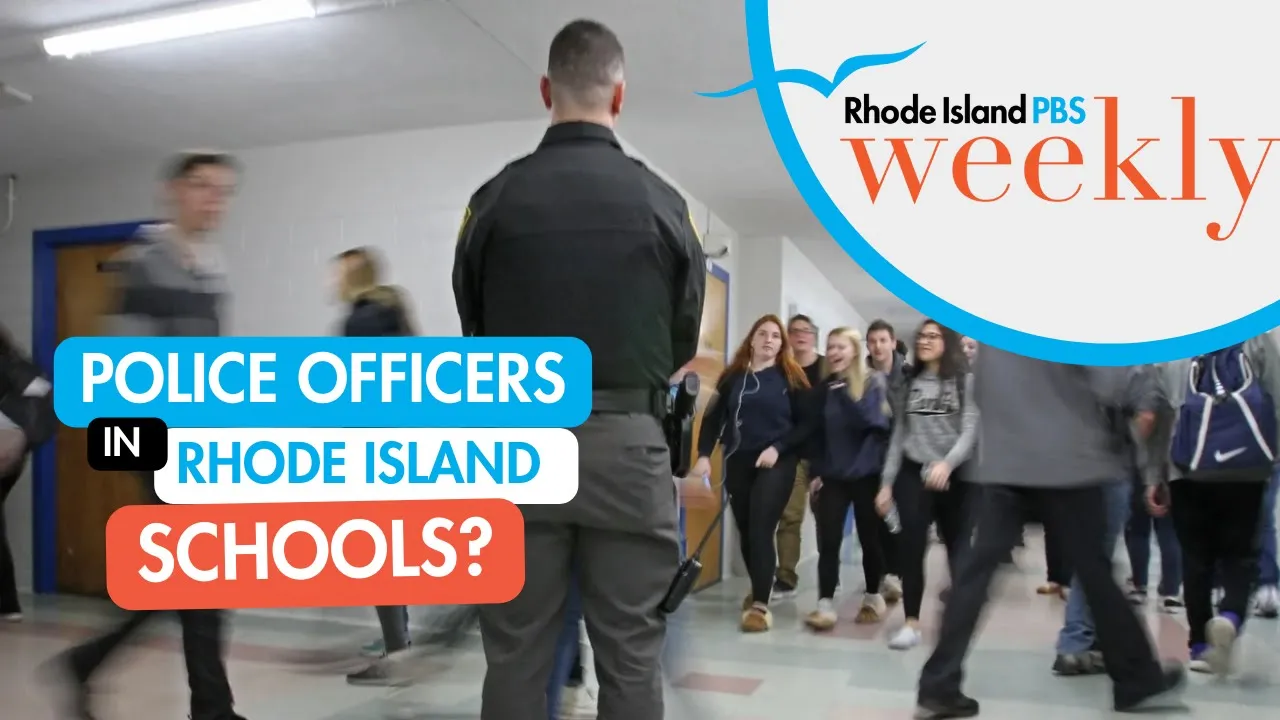
The evolving role of police officers in RI public schools | Rhode Island PBS Weekly
19.4K
School resource officers (SROs) have evolved from primarily security-focused roles to more supportive positions that include mental health intervention, with debates continuing about their appropriate scope, particularly regarding armed presence versus unarmed support staff, and the balance between law enforcement and educational responsibilities in schools.
Click to watch →
Deep Dive
Basic knowledge of school disciplinary structures, specifically the distinction between in-school suspension, out-of-school suspension, and expulsion.
ASK an Expert: Removals from School and School Discipline
145
Schools have three main disciplinary removals: in-school suspension (removal from classroom but remaining in building), out-of-school suspension (removal from school grounds), and expulsion (removal from school grounds including extracurricular activities). Under IDEA and Section 504, students with disabilities cannot be excluded from education for more than 10 days. In-school suspension does not count toward this limit if the student has access to both general education work and special education services. Red flags for informal removals include: being told to pick up a child without it being a parent choice, being told a child cannot return until they take medication or complete an evaluation, and being told to keep a child home from field trips when other students can attend. These situations should be clarified with the school to determine if they count as suspensions or changes of placement.
Click to watch →
HE HIT THE TEACHER
204K
In-school suspension is a disciplinary measure where students remain at school but are removed from regular classes. Students sit in a designated room for the entire six-hour school day and complete homework assignments. The narrator explains that ISS is essentially suspension but conducted within the school building, with students supervised by an ISS teacher who monitors their work and behavior.
Click to watch →

ImDOntai Cant Belive Memes For ImDOntai V156
920.7K
School suspension and In-School Suspension (ISS) are different disciplinary measures. Suspension removes students from school entirely, while ISS keeps students under school supervision but removes them from regular classes. The speaker distinguishes between these two approaches, noting that ISS is essentially 'suspended from your classes but not suspended from school.'
Click to watch →

Know Your Rights: School Discipline, Suspensions and Expulsions, Special Education
709
Schools use various types of suspensions with different requirements. In-school suspension removes students from their classroom for more than one hour but doesn't send them home. Short-term suspensions (1-3 days) require written notice with reason and return date, and students must be allowed to make up missed work without penalty. Long-term suspensions (4-10 days) require daily assignments and weekly check-ins with a staff member. Extended suspensions (11-44 days) require district investigation and a conference within 10 days. Expulsion (45+ days) is permanent removal requiring district determination. Each type has specific procedural requirements that schools must follow.
Click to watch →

SOFI IN CASTIGO PERCHÉ È STATA ESPULSA DA SCUOLA: PAPI ANDY LA SCOPRE, SI ARRABBIA E MI PUNISCE!!!
270.1K
Suspension means a student is temporarily not allowed to attend school for a certain number of days, while expulsion is a permanent removal from the school system. The distinction is important because suspension allows for eventual return, whereas expulsion requires finding a new school or alternative education.
Click to watch →
Prerequisite Knowledge
- Concept 01Understanding the difference between individual prejudice and systemic/institutional racism within public systems.
- Concept 02The historical context of zero-tolerance policies, including their origins in the late-20th-century 'War on Drugs' and federal education acts.
- Concept 03The role of School Resource Officers (SROs) and the history of law enforcement integration into K-12 educational settings.
- Concept 04Basic knowledge of school disciplinary structures, specifically the distinction between in-school suspension, out-of-school suspension, and expulsion.
Subsequent Learning
- Step 01Practical implementation models of Restorative Justice Practices (RJP) as alternatives to punitive discipline in schools.
- Step 02The principles of trauma-informed pedagogy and how childhood adverse experiences (ACEs) manifest as behavioral issues.
- Step 03Analysis of legislative policy reforms and advocacy campaigns aimed at removing police from schools or limiting their arrest powers.
- Step 04The broader economic and social dynamics of the Prison-Industrial Complex and mass incarceration in the United States.
- Step 05The study of implicit bias in teacher-student interactions and its impact on subjective disciplinary referrals (e.g., 'willful defiance').
Pipeline Origins
Reform Paths
Pipeline Origins
0:00Playing Section
- 1
Zero-tolerance policies since the 90s doubled suspensions.
- 2
In-school police increased arrests and racial gaps.
- 3
Black students face disproportionate discipline rates.
School Safety, Behavior Accountability, and the Limits of Restorative Justice
While critics of the school-to-prison pipeline advocate for restorative justice, an alternative perspective emphasizes the necessity of school safety, behavioral accountability, and strict disciplinary standards. Proponents of this view argue that School Resource Officers (SROs) and firm disciplinary policies are vital tools for maintaining order, deterring violence, and protecting the majority of students and staff. They contend that replacing traditional consequences with restorative practices can lead to chronically disrupted classrooms, underreported safety incidents, and a lack of accountability. From this viewpoint, disciplinary disparities may reflect underlying behavioral infractions rather than systemic bias. Therefore, maintaining firm, consistent consequences is seen as essential for preserving a secure, focused, and equitable learning environment, particularly for well-behaved students in disadvantaged areas who suffer most when school order breaks down.
Deep Dive
Practical implementation models of Restorative Justice Practices (RJP) as alternatives to punitive discipline in schools.

Dissertation Showcase Presenter: Virginia Diaz Mendoza
136
Restorative justice offers an alternative to punitive school discipline by focusing on healing, relationship-building, and dialogue rather than punishment; effective implementation requires educators to understand how poverty, trauma, and racialized bias impact student behavior and discipline practices, and it has been shown to reduce reliance on suspensions and expulsions while improving school culture and climate.
Click to watch →

Introducing Restorative Justice for Oakland Youth
80.9K
Restorative justice is an educational approach that replaces punitive disciplinary measures with processes that allow students who cause harm to directly connect with those they harmed, fostering empathy, accountability, and reconciliation; this method has been shown to dramatically reduce recidivism and school conflicts, with one Oakland program reporting an 87% decline in suspensions after implementation.
Click to watch →

Introduction to RJP Pause and Play
154
Restorative justice practices represent a shift from punitive discipline to relationship-building approaches that address root causes of behavior rather than just symptoms, using a three-tiered model (universal Tier 1 practices like community building circles, targeted Tier 2 interventions, and intensive Tier 3 support) to help students understand the impact of their actions, take responsibility, and repair harm while building a supportive school community.
Click to watch →
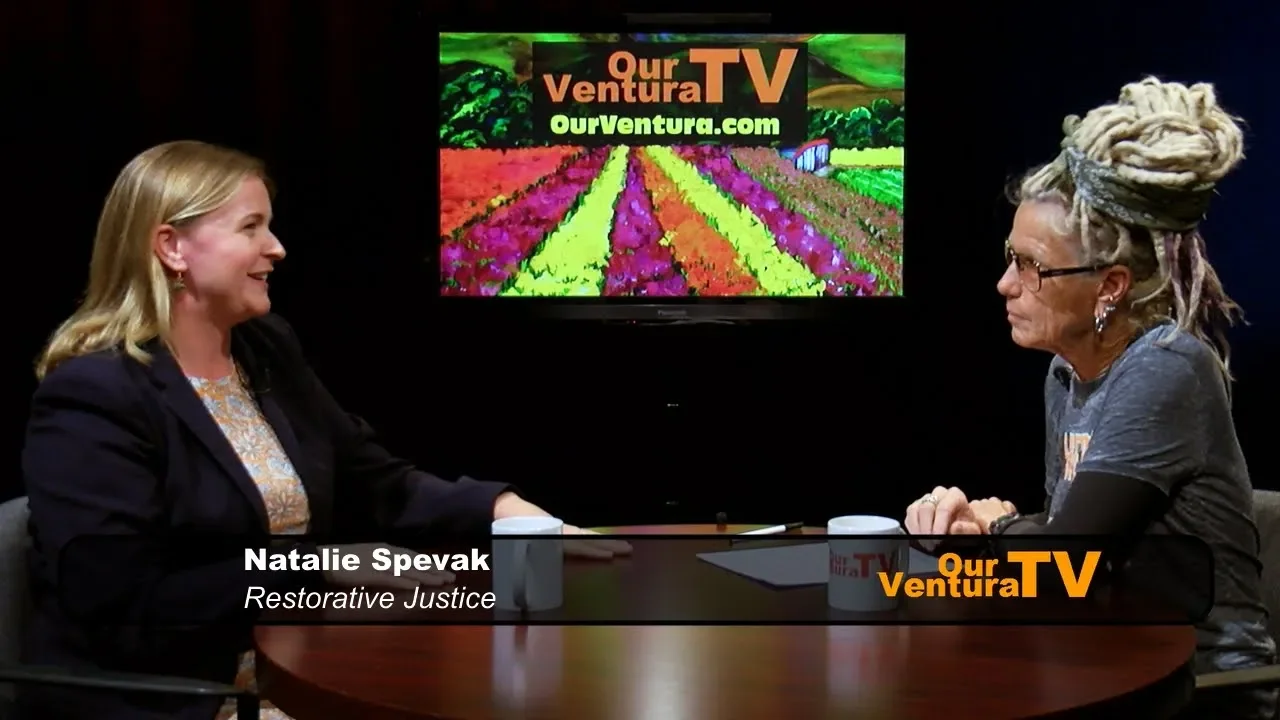
Restorative Justice in Schools
100
Restorative justice in schools is an alternative to punitive discipline that focuses on repairing harm through structured dialogue between offenders and victims, involving investigation, guided questions about what happened and its impact, and collaborative problem-solving to restore relationships and community, thereby reducing the school-to-prison pipeline while teaching accountability and empathy.
Click to watch →

A Customizable Approach to Restorative Justice School Discipline
315
Restorative justice in schools replaces ineffective punitive discipline with a human-centered approach that focuses on four key understandings: educators cannot manage others' behavior but can manage conditions, misbehavior should be depersonalized, chronic misbehavior is a symptom of unmet needs, and educators must keep their eyes on the prize for the long game; this approach follows four phases—personal responsibility, recognizing impact, repairing damage, and developing better coping strategies—making it portable and customizable for individual educators to implement without requiring major structural changes.
Click to watch →
Deep Dive
The principles of trauma-informed pedagogy and how childhood adverse experiences (ACEs) manifest as behavioral issues.

Ignite Presentations from the 2021 Conference on Engaged Learning
166
Individual trauma is caused from events or circumstances with lasting adverse effects on functioning, impacting mental, physical, social, emotional, or spiritual well-being. The ACE study found 64 percent of adults reported at least one adverse childhood experience, with one in five reporting three or more. Higher ACE scores correlate with issues in cognitive development, emotional development, at-risk behaviors, disease, disability, and social problems. Expanded understanding now recognizes poverty, peer victimization, peer isolation, and exposure to community violence as childhood trauma. In college classrooms, trauma may manifest as attendance issues, failure to submit assignments, or withdrawn behavior. Faculty can implement trauma-informed practices by: committing to awareness of environmental and pedagogical impacts; creating welcoming environments with attention to noise, colors, and lighting; developing de-escalation and anti-bullying practices; establishing rituals and routines; building relationships with students; and creating brain-friendly, culturally responsive practices.
Click to watch →
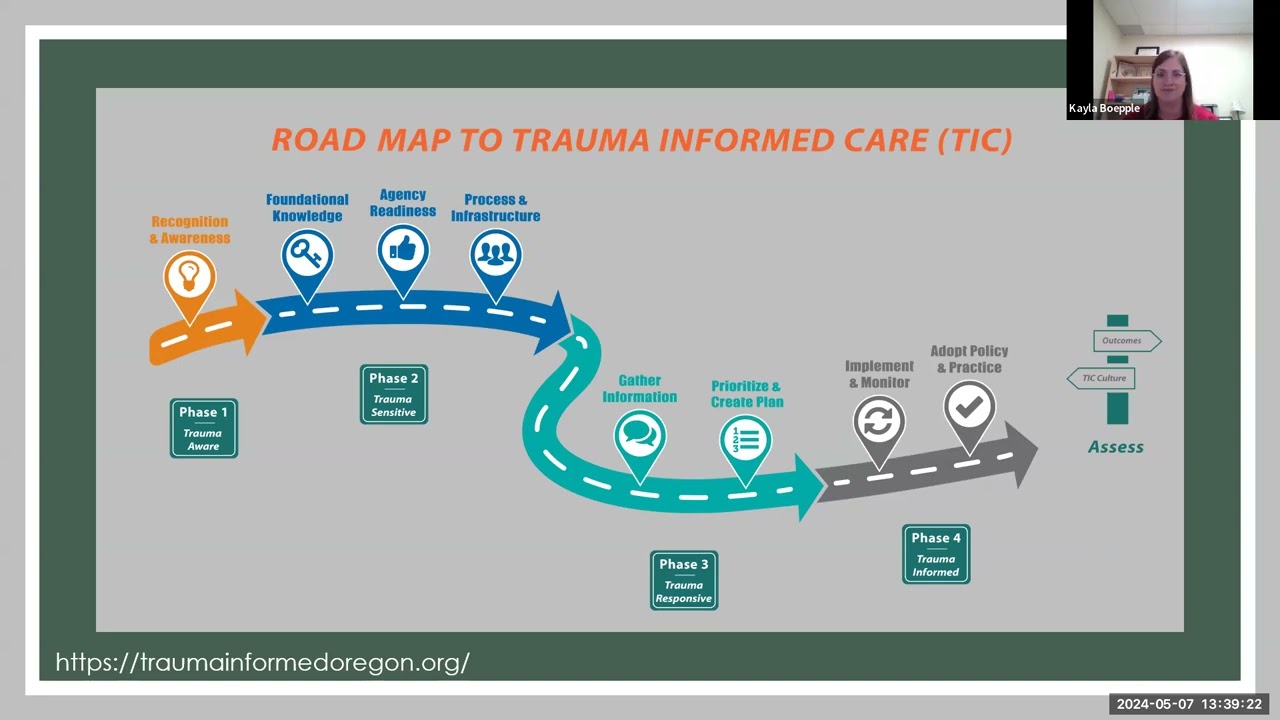
Virtual Trainings with MFP - Trauma Response By Kayla Boepple, University of Mary
104
Trauma-informed care is an organizational approach based on four key assumptions (recognizing trauma's impact, recognizing trauma symptoms, integrating trauma knowledge into policies, and resisting retraumatization) and six core principles (safety, empowerment, collaboration, trustworthiness, diversity, and peer support). Adverse Childhood Experiences (ACEs) are 10 types of childhood adversity (including abuse, neglect, and household dysfunction) that significantly impact long-term health outcomes, with research showing that higher ACE scores correlate with increased risk of chronic diseases, mental health issues, and earlier mortality. Trauma responses can manifest as anxiety, irritability, withdrawal, and somatic symptoms, and understanding these responses helps providers avoid misdiagnosing trauma-related behaviors as other conditions like ADHD. Effective trauma-informed practice involves maintaining routines, providing choices, setting clear boundaries, and shifting the conversation from 'what is wrong with you' to 'what happened to you.'
Click to watch →

Trauma-Informed Care (K-12 focus)
287
Adverse Childhood Experiences (ACEs) create chronic toxic stress that disrupts normal brain development, particularly affecting the amygdala (fight-flight-freeze response), hippocampus (memory), and cerebellum (emotional regulation), which can manifest in classrooms as behaviors that appear to be attention deficits or defiance but are actually trauma responses; research shows that children with four or more ACEs are three times more likely to take ADHD medication and face significantly higher risks for depression, substance use, and other health problems, making it essential for educators to recognize these behaviors as trauma adaptations rather than willful disobedience and respond with trauma-informed approaches that build protective factors like capabilities, attachment, and belonging.
Click to watch →
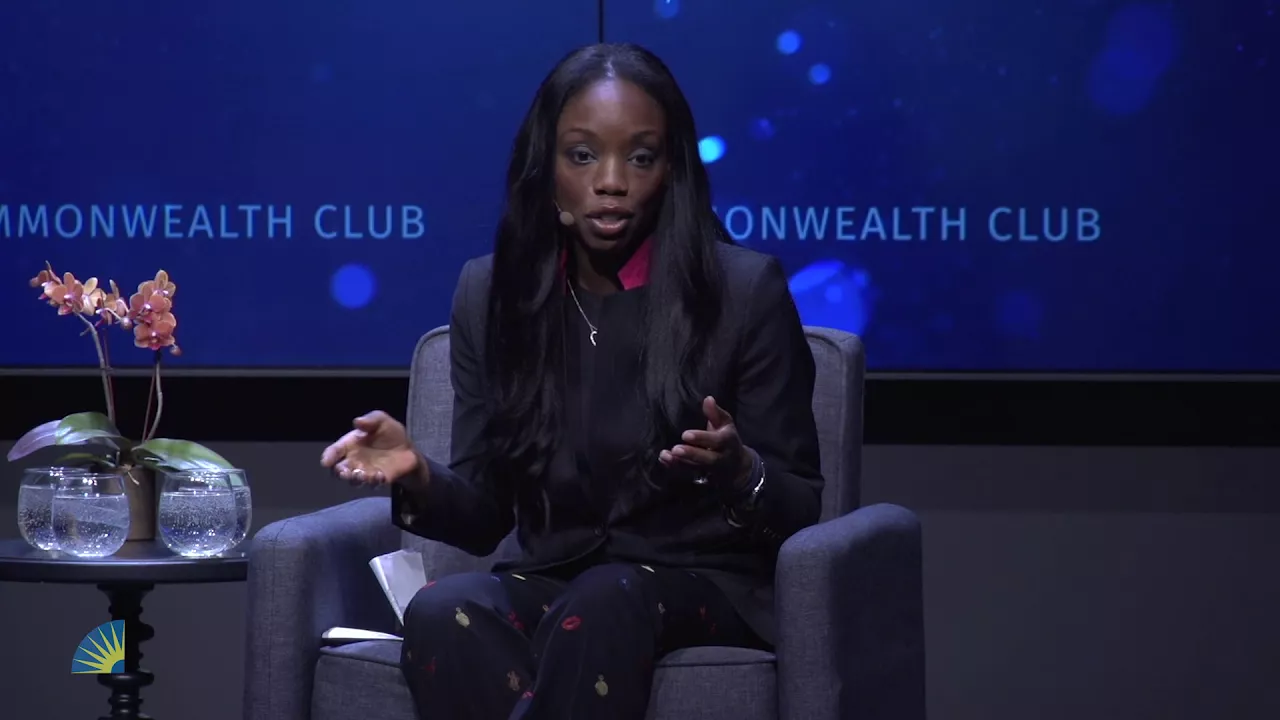
DR. NADINE BURKE HARRIS: HEALING THE LONG-TERM EFFECTS OF CHILDHOOD ADVERSITY
102K
Research demonstrates a powerful connection between ACEs and educational outcomes. In a study of children in Bayview Hunters Point, kids with four or more ACEs were 32.6 times more likely to have learning and behavior problems in school compared to peers without such experiences. Teachers often misinterpret these symptoms as behavioral issues rather than recognizing them as health problems requiring medical intervention. The proposed solution includes requiring ACE screening on kindergarten entry forms (similar to immunization requirements), ensuring every child is screened by age four. This would enable early multidisciplinary interventions addressing the neurotoxic effects of toxic stress rather than teachers attempting to manage these challenges alone. Trauma-informed education approaches recognize that children with high ACE scores may require different instructional strategies and support systems to succeed academically.
Click to watch →
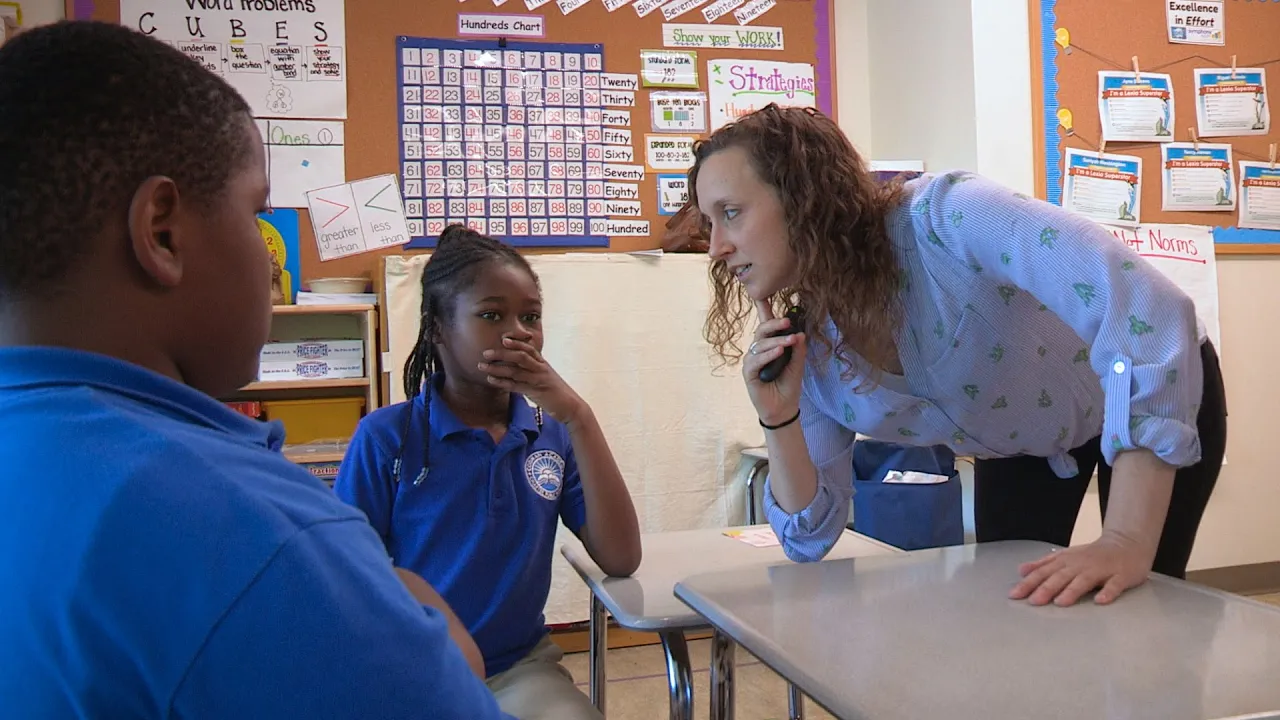
Getting Started With Trauma-Informed Practices
268.1K
Trauma-informed teaching recognizes that adverse childhood experiences like poverty, neglect, and violence create overwhelming stress that impairs children's developing brains, affecting self-regulation, executive function, and relationship skills; effective trauma-informed practices involve shifting from asking 'are they doing the right thing?' to understanding behavioral origins, providing social-emotional tools such as emotion identification and calming techniques, and creating supportive classroom environments where human relationships and trust serve as powerful antidotes to stress, ultimately benefiting all students.
Click to watch →
Deep Dive
Analysis of legislative policy reforms and advocacy campaigns aimed at removing police from schools or limiting their arrest powers.
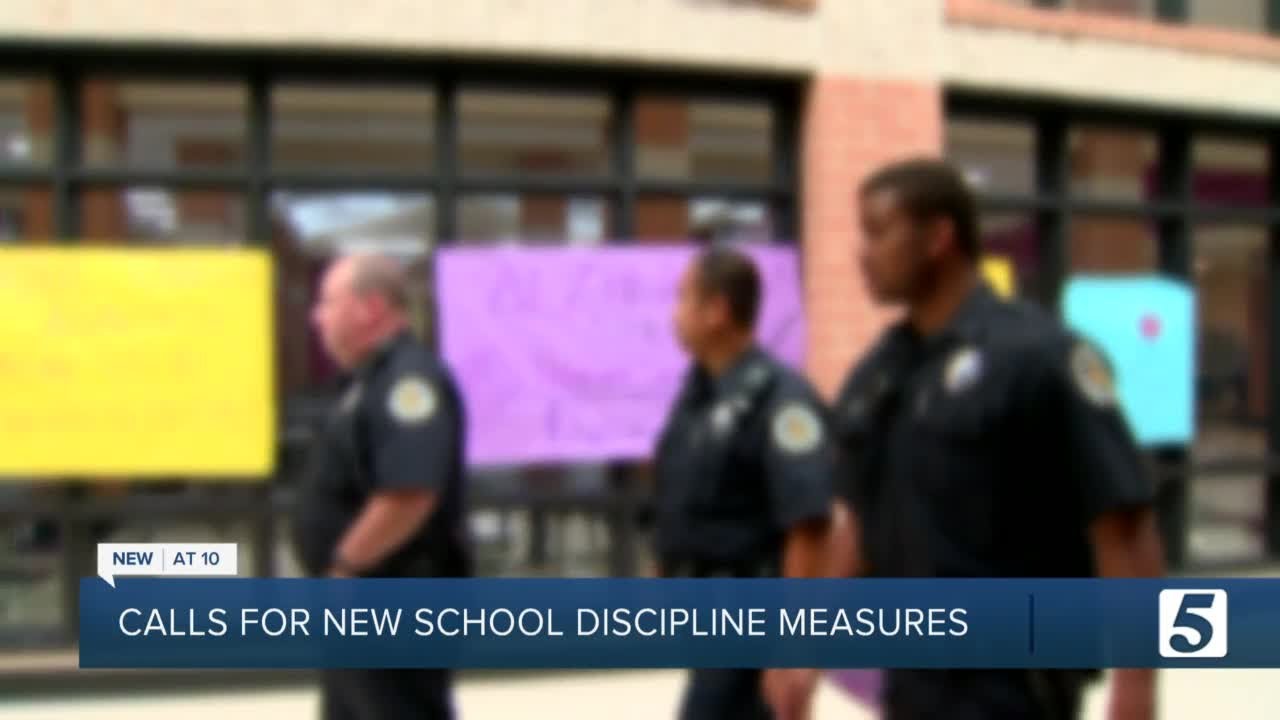
Community group wants to eliminate school resource officers
127
Safer Schools Nashville helped create legislation to eliminate SROs and implement non-punitive interventions, but the bill failed in Metro Council. The organization continues advocating through other channels, including presenting findings to the Metro Human Relations Commission and the Metro Nashville Public School Board, demonstrating the ongoing nature of policy reform efforts.
Click to watch →
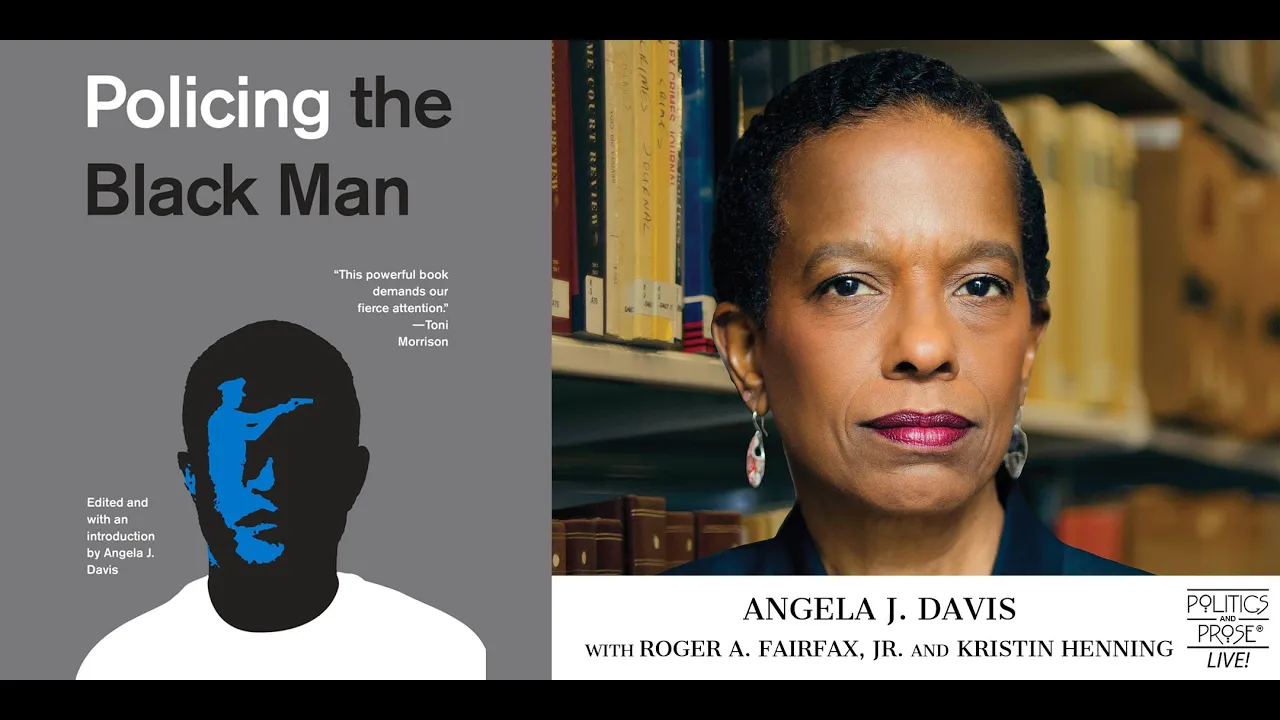
Angela J. Davis with Kris Henning and Roger Fairfax, "Policing the Black Man"
12.1K
A key reform strategy is removing police officers from schools and replacing them with counselors, mental health professionals, and social workers. This is part of a broader movement to decriminalize normal adolescent behaviors that trap black youth in the juvenile and criminal justice system. The Minneapolis School District voted to terminate its contract with the local police department on June 2nd, thereby terminating school resource officers and giving the superintendent until August 18 to develop an alternative strategy. Surveys showed that 90% of students did not want police in schools anymore, and the Minneapolis Teachers Union supported this decision. This represents a radical rethinking of how to keep students safe without police officers.
Click to watch →

Do We Need Police in Schools? Creating Safety for All Students
273
Effective advocacy requires analyzing school safety data proportionally, comparing school-based arrests to overall community arrests. Most school-based arrests are for minor violations like breach of peace or threatening behavior that should not involve police. Breaking down data by demographics reveals disparities and helps make compelling cases for reform to stakeholders.
Click to watch →

The School-to-Prison Pipeline Understanding its Impact and the Need for Change
178
Research demonstrates that suspension, expulsion, and school policing do not improve student behavior or address root causes. Effective alternatives include trauma-sensitive schools that identify and respond to trauma using mental health services and community partnerships, and restorative justice approaches that develop positive relationships among students and staff. Baltimore City schools that comprehensively adopted restorative approaches saw a 44% decline in suspensions. Reform efforts include House Bill 1089 (Police Free Schools Act) and House Bill 496 (Counselors Not Cops Act) in Maryland, which would prohibit schools from contracting with law enforcement and redirect funding toward mental health and restorative justice. Local campaigns in Prince George's, Howard, and Montgomery counties are gaining momentum, with students, parents, and educators leading the movement for police-free schools. Effective advocacy includes having conversations with family about how you would want your child treated if they committed minor offenses, educating others about research showing school police do not stop shootings but funnel kids into the pipeline, and teaming with organizations to change legislation and public perceptions.
Click to watch →
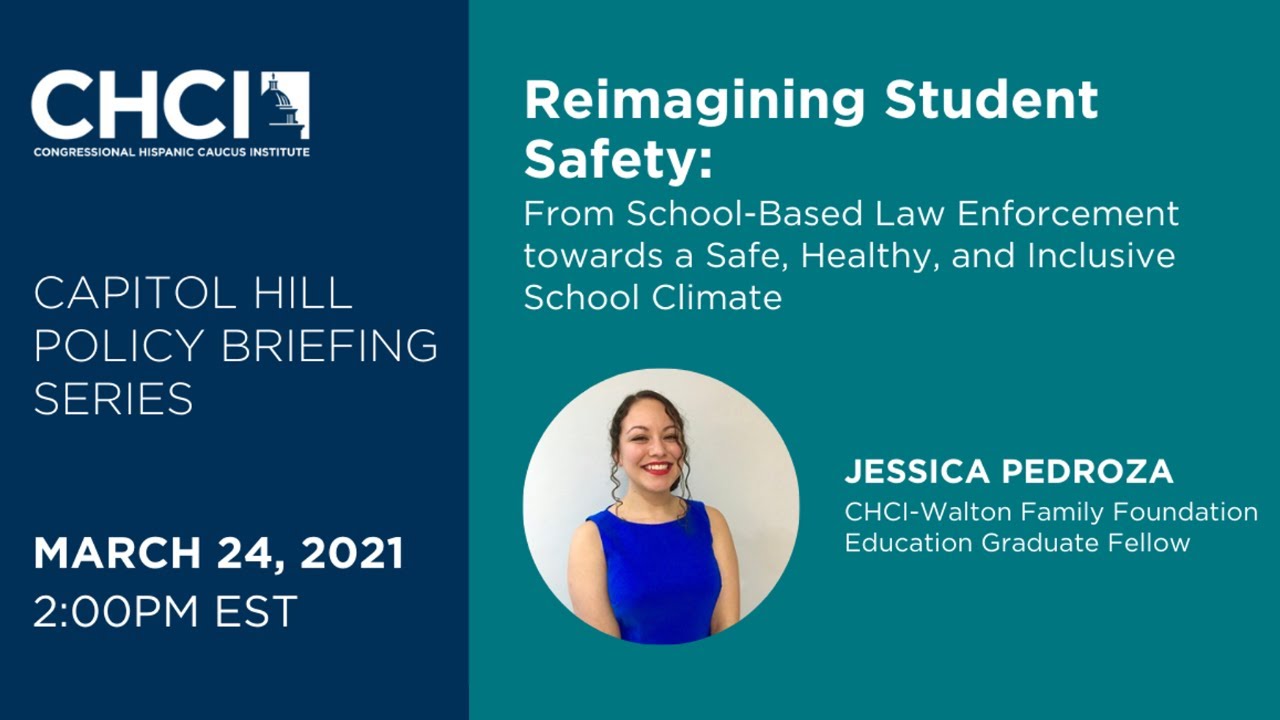
CHCI CAPITOL HILL BRIEFING SERIES: Student Safety
156
Student advocacy groups like Students Deserve and Black Lives Matter have driven successful campaigns to defund school police. In LA, surveys of 5,000 students revealed Black students are three times more likely to report being followed by police and four times more likely to report racial profiling. California data shows Black students (6% enrollment) represent 15% of arrests and 26% of stops, while Latino boys (28% enrollment) represent 44% of arrests. Despite most 911 calls relating to counseling needs, districts invested $20 million in police while decreasing enrollment. These efforts achieved $25 million in LA police budget cuts and Oakland's complete elimination of school police, demonstrating the power of student-led organizing combined with empirical data analysis.
Click to watch →
Deep Dive
The broader economic and social dynamics of the Prison-Industrial Complex and mass incarceration in the United States.

Holes & The Prison-Industrial Complex
446.9K
The prison industrial complex is a system at the intersection of government and private interests that uses prisons to solve social, political, and economic problems, encompassing human rights violations, the death penalty, slave labor, policing, courts, media, political prisoners, and elimination of dissent. Before Nixon declared drugs America's public enemy, prisons were nearly closing. His 1973 war on drugs, combined with Rockefeller's 1973 mandatory sentencing laws, triggered mass incarceration. By the 1980s, prison populations doubled; by the 2000s, they doubled again. Meanwhile, violent crime fell 20% since 1991 while incarceration rose 50%, revealing incarceration is driven by political and economic factors rather than crime rates. Private companies regard corrections as a $35 billion lucrative market, while politicians gain political capital through fear-mongering about crime.
Click to watch →

The Economy of Incarceration: Ruth Wilson Gilmore
41.7K
The prison-industrial complex operates through bipartisan coalitions that may achieve incremental reforms while maintaining systemic oppression. Mass incarceration correlates directly with economic inequality and capital's suppression of worker organizing, as seen in the US leading globally in incarceration rates. True reform requires redirecting resources from prisons to wages and social services. Non-reformist reforms like decriminalizing drugs or compassionate release maintain the prison-industrial complex's structure. Prison abolition imagines a world where harm, economic need, and social vulnerability are addressed without criminalization, requiring consciousness of how fear energy can be redirected toward transformative social change rather than punitive responses.
Click to watch →
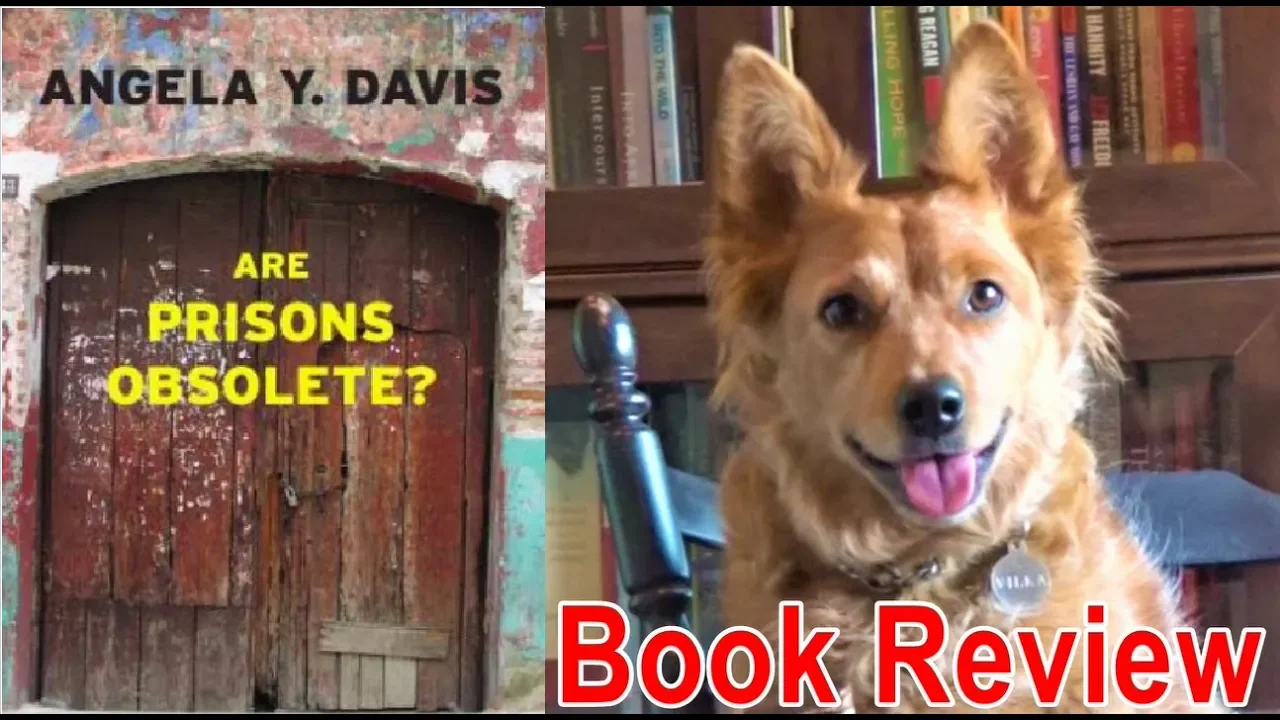
Are Prisons Obsolete? by Angela Davis - Review
11K
The U.S. has over 2 million incarcerated people, a dramatic increase from previous decades and far higher than other countries. This system demonstrates racist bias, with disproportionate incarceration of certain racial groups. The National Advisory Commission found prisons create rather than prevent crime. Corporate migration destroys communities economically, destroying job bases and turning residents into prison candidates. Mass imprisonment generates profit while devouring social wealth, reproducing conditions that lead people to prison in a self-perpetuating cycle. This economic logic transforms devastated communities into profitable assets for the prison industrial complex.
Click to watch →
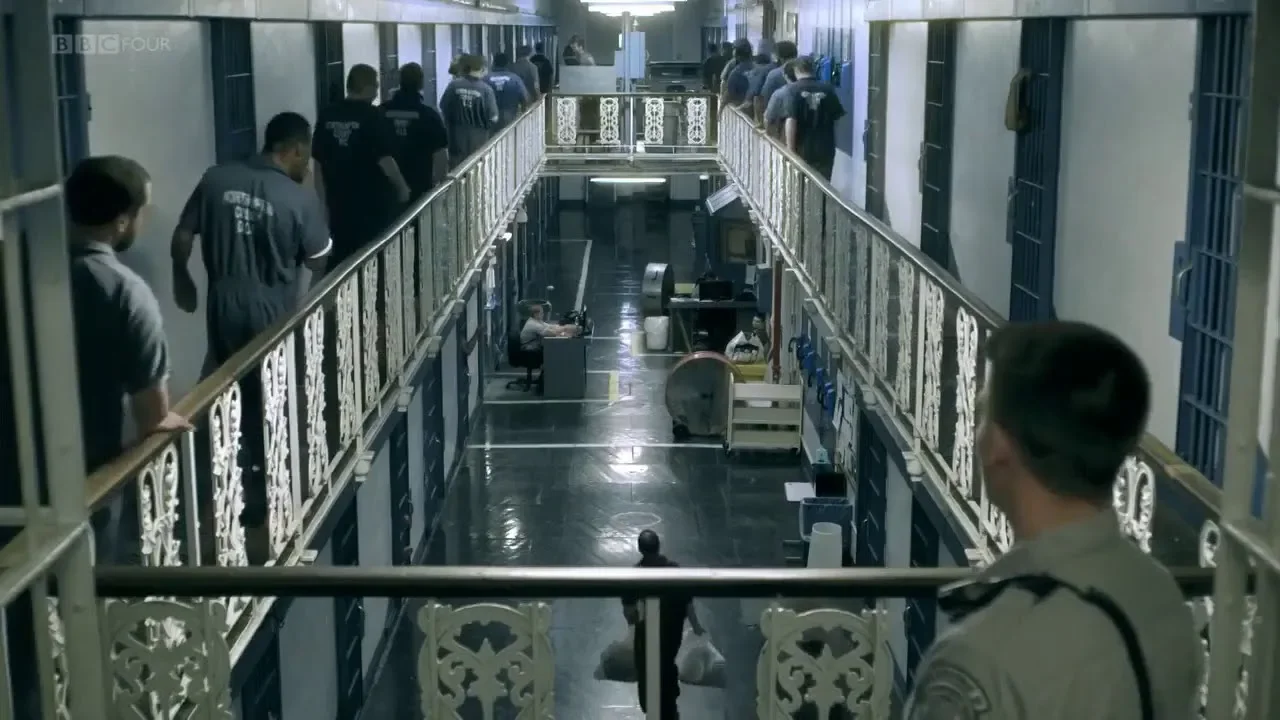
世界のドキュメンタリー「アメリカ刑務所産業」
200.8K
This comprehensive analysis reveals how mass incarceration devastates communities and functions as a self-sustaining economic system. Personal narratives from Easton, Pennsylvania show nearly every family has someone incarcerated, with young people like Tommie becoming trapped despite previously being model students. The 13th Amendment's exception for criminal punishment created legal foundations for slavery-like conditions for over 150 years, disproportionately affecting Black and poor populations. The U.S. has the world's highest incarceration rate, with most prisoners from poor communities and people of color. Mass incarceration began under Nixon as political strategy, linking hippies to marijuana and Black people to heroin to target minority communities. The prison population grew from 120,000 to over 2 million, not due to increased crime but intensified enforcement. Black defendants face prosecution rates 75% higher than whites. The system reflects broader social problems including income inequality and racial segregation. The prison system functions as an industrial complex requiring continuous incarceration to sustain itself, with police, prosecutors, and probation officers generating arrests that feed the system. Incarcerated individuals work for minimal wages (95 cents to 65 cents per hour) producing goods like road signs and mattresses, with state average wages at 20 cents per hour. The bail system creates economic barriers to justice, with average bail of $55,000 exceeding most people's annual income. Bail bond companies charge 10% upfront, creating powerful lobbying groups that maintain high bail amounts. The industry extracts over $14 billion annually from arrested individuals, with over $10 billion going to poor people. Families face devastating consequences, with children witnessing arrests and losing primary caregivers.
Click to watch →
TRUMP Y EL FIN DEL SUEÑO AMERICANO; ¿POR QUÉ ¨LLORA¨ SALINAS PLIEGO?
79.7K
The American Dream has become a prison-industry business model. The United States incarcerates more people than any other country, with private prisons profiting from poor, Black, Latino, and migrant populations. Incarceration has become profitable, punishment has become industry, and justice has become a commodity. Violence in America no longer scandalizes because it is administered systematically—mass shootings, police killings, suicides, and overdoses become normalized parts of the landscape. A country armed to its teeth is not free but a society that distrusts itself.
Click to watch →
Deep Dive
The study of implicit bias in teacher-student interactions and its impact on subjective disciplinary referrals (e.g., 'willful defiance').
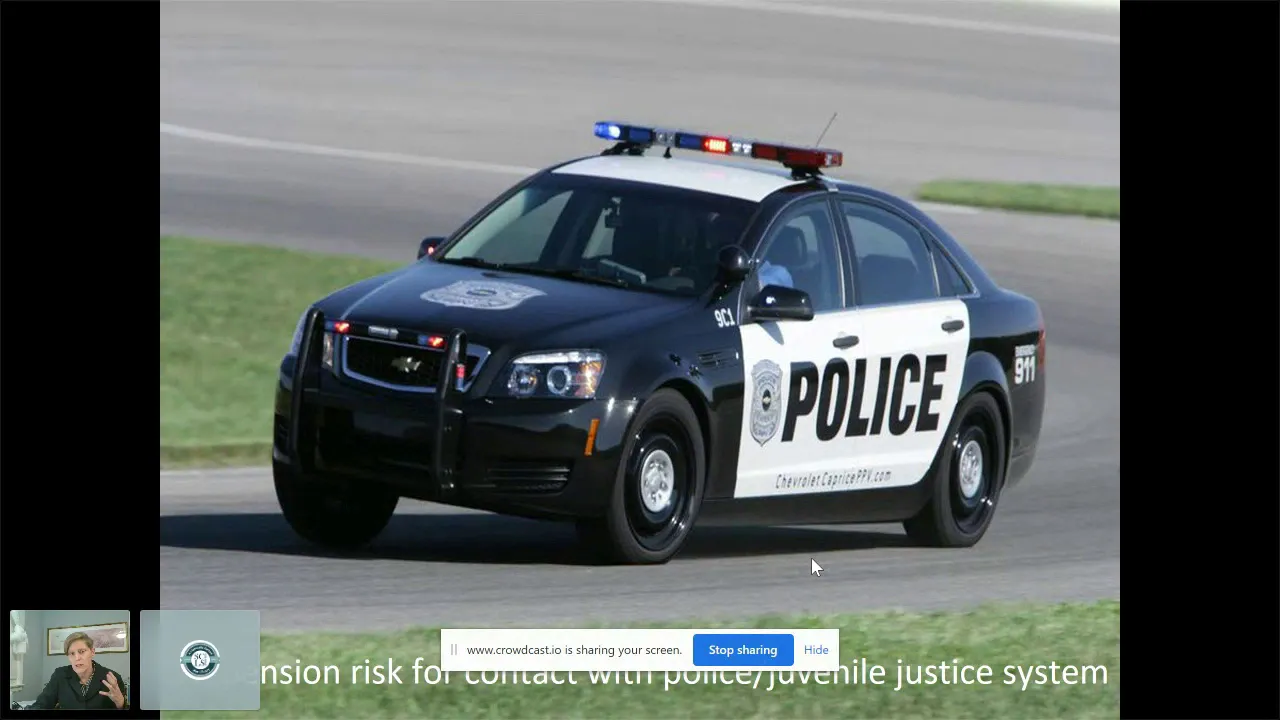
Implicit Bias in Education
127
Disruption, defiance, insubordination, and disrespect account for most racial disparities in school discipline referrals. This category involves subjective teacher decision-making about whether student behavior is disruptive. Factors contributing to disparities include predominantly white teaching forces lacking cultural competence in traversing racial divides, and negative appraisals of expressive modes of Black students that reflect different cultural norms.
Click to watch →
Urban Education | The Regular People Podcast Ep. 1
178
Since approximately 80% of teachers are white females, and many black girls experience discipline from teachers who look like them (white), implicit biases based on race and gender can influence disciplinary decisions. Teachers may unconsciously apply stereotypes about black girls being defiant or problematic, leading to harsher punishments even when behaviors are similar across racial groups.
Click to watch →
Jennifer L Eberhardt, "Biased"
4K
Research reveals that teachers unconsciously respond differently to student misbehavior based on race. When teachers read identical descriptions of misbehavior from students, they initially showed no differences in response. However, when a second incident occurred, teachers began viewing Black students' repeated misbehavior as connected and patterned (indicating troublemaking), while seeing white students' repeated misbehavior as isolated incidents. This led teachers to view Black students as needing punishment and being less likely to succeed, demonstrating how implicit bias affects educational outcomes through disciplinary practices.
Click to watch →
Mapping the School to Prison Pipeline
5.9K
Research from Stanford University demonstrated that teachers perceive identical misbehavior differently based on student names associated with race. When the same behavioral scenario was presented with a Black-sounding name versus a white-sounding name, teachers perceived the Black-named student's behavior as more serious, more disruptive, and more likely to warrant harsher discipline. This pattern emerged regardless of the teacher's own race, showing that implicit biases significantly influence which students receive office referrals and subsequent disciplinary action.
Click to watch →

COE Conference-hiphoped & restorative justice (Part 3)
209
Research by Russell Skiba at Indiana University found that the subjectivity and implicit bias between counselors and teachers are highly aligned depending on race, gender, and other characteristics. This means that the same behavior might result in different disciplinary outcomes based on who is involved. These findings were consistent across communities, schools, and age groups from elementary to community college, demonstrating the pervasive nature of implicit bias in school discipline.
Click to watch →
Pipeline Origins
Reform Paths
Pipeline Origins
0:00- 1
Zero-tolerance policies since the 90s doubled suspensions.
- 2
In-school police increased arrests and racial gaps.
- 3
Black students face disproportionate discipline rates.
School Safety, Behavior Accountability, and the Limits of Restorative Justice
While critics of the school-to-prison pipeline advocate for restorative justice, an alternative perspective emphasizes the necessity of school safety, behavioral accountability, and strict disciplinary standards. Proponents of this view argue that School Resource Officers (SROs) and firm disciplinary policies are vital tools for maintaining order, deterring violence, and protecting the majority of students and staff. They contend that replacing traditional consequences with restorative practices can lead to chronically disrupted classrooms, underreported safety incidents, and a lack of accountability. From this viewpoint, disciplinary disparities may reflect underlying behavioral infractions rather than systemic bias. Therefore, maintaining firm, consistent consequences is seen as essential for preserving a secure, focused, and equitable learning environment, particularly for well-behaved students in disadvantaged areas who suffer most when school order breaks down.
Understanding the difference between individual prejudice and systemic/institutional racism within public systems.
The historical context of zero-tolerance policies, including their origins in the late-20th-century 'War on Drugs' and federal education acts.
The role of School Resource Officers (SROs) and the history of law enforcement integration into K-12 educational settings.
Basic knowledge of school disciplinary structures, specifically the distinction between in-school suspension, out-of-school suspension, and expulsion.
Practical implementation models of Restorative Justice Practices (RJP) as alternatives to punitive discipline in schools.
The principles of trauma-informed pedagogy and how childhood adverse experiences (ACEs) manifest as behavioral issues.
Analysis of legislative policy reforms and advocacy campaigns aimed at removing police from schools or limiting their arrest powers.
The broader economic and social dynamics of the Prison-Industrial Complex and mass incarceration in the United States.
The study of implicit bias in teacher-student interactions and its impact on subjective disciplinary referrals (e.g., 'willful defiance').
1.2M views20.5Klikes3:16@VoxOriginal Release: 2016-01-11
There’s this phrase you hear in the news sometimes: the school-to-prison pipeline.
It’s shorthand for how schools are funneling students — especially black students — into the criminal justice system.
It started in the 90s, when schools responded to fears about crime with zero tolerance policies, which mandated suspensions and expulsions for certain violations.
They also cracked down on little things like talking back or uniform violations.
But as a result, out-of-school suspensions have doubled since the 1970s, and keep increasing even though juvenile crime rates have now been dropping for years.
Around the same time, the number of police officers stationed full-time inside schools has increased — by a third between 1997 and 2007.
Ostensibly, they were there to prevent mass school shootings like the one at Columbine.
But they end up being a way for schools to basically outsource discipline to the police.
Schools with officers have five times as many arrests for "disorderly conduct" as schools without them.
Sometimes the results are shocking.
But the less visible effect is that schools are feeding the racial disparities in the criminal justice system.
Consider the fact that schools are more likely to have an officer on their campus if their student population is more than 50% black.
You might assume that’s because there’s more crime at these schools.
But although students at policed schools are more likely to be arrested, they’re not actually more likely to be charged in court for weapons, drugs, alcohol, or assault, at least according to one study.
During the 2010-2011 school year, one in six public school students in the U.S. were black, but they accounted for one in three arrests at school.
Same goes for other forms of school discipline.
Black students are suspended or expelled three times more frequently than white students.
It actually begins in preschool. 18% of preschoolers are black, but of all preschoolers suspended more than once, 48% are black.
Studies show that differences in behavior can’t fully account for these disparities.
Black students and white students are sent to the principal's office at similar rates, but black students are more likely to end up with a serious punishment.
One study found that white students are more likely to be suspended for provable offenses like smoking or vandalism, while black students are more likely to be suspended for subjective reasons like talking back or insubordination.
Students who are suspended in school are more likely to later drop out or get arrested, so the federal government is asking schools to make suspension and expulsion the absolute last resort.
In Oakland, California, public schools are trying something called restorative justice, where both parties to a conflict talk it out with a counselor, instead of relying on punishment.
The results are pretty encouraging— in the past ten years, chronic absenteeism is down and graduation rate are up in the schools that have tried it.
Other cities and districts are also trying new policies — so that if their students end up in the criminal justice system, it won’t be because the schools pushed them there.
Up Next
11:53
Education for At-Risk vs At-Promise Students: Victor Rios on Transforming School Systems
@TED
195.4K views•2016-12-12
54:57
Contemporary Sociological Theory: Micro, Macro, Integrative
@NaSESYNC
45.7K views•2016-02-17
19:23
How to Analyze Conversations Scientifically | Elizabeth Stokoe | TEDx
@TEDx
1M views•2014-12-04
9:41
What is Sociology? The Sociological Perspective Explained
@crashcourse
4.6M views•2017-03-13
Related Study Plans & Knowledge Roadmaps
Structured learning paths in Sociology
sociology
Celebrity Culture: From Hollywood to TikTok
01Foundations of Celebrity Sociology
02The Rise of Micro-Celebrity & Digital Platforms
03Parasocial Relationships & Algorithmic Intimacy
+ 2 more learning modules
12h5 modules
Explore Roadmap
sociology
Hostile Architecture: Space, Power & Control
01Introduction to the Sociology of Space
02Social Control and Surveillance in the City
03Hostile Architecture and Defensive Design
+ 2 more learning modules
12h5 modules
Explore Roadmap
sociology
Loneliness Epidemic: Third Places & Isolation
01Foundations of Social Capital and Community Cohesion
02The Death of Third Places and Urban Space Erosion
03The Privatization of Leisure and Atomization
+ 2 more learning modules
12h5 modules
Explore Roadmap
sociology
Sociology of Tourism: Gaze, Power & Heritage
01Foundations of the Sociology of Travel and Leisure
02John Urry and the 'Tourist Gaze'
03Staged Authenticity and Cultural Commodification
+ 2 more learning modules
14h5 modules
Explore Roadmap