


















Feminist narrative theory emerged in the 1980s as a response to classical narratology's universalizing structuralist approach, which erased differences among readers, authors, and national experiences; this framework argues that identity positioning—particularly regarding gender, sexuality, race, and class—profoundly shapes both how people write and how they read, and that effective literary analysis must bring historical and contextual factors to bear on texts rather than treating narrative form as context-independent. The approach extends beyond gender studies to examine how evaluative criticism maps onto social hierarchies, and emphasizes the embodied nature of reading, including emotional and physical responses, as legitimate objects of scholarly inquiry.
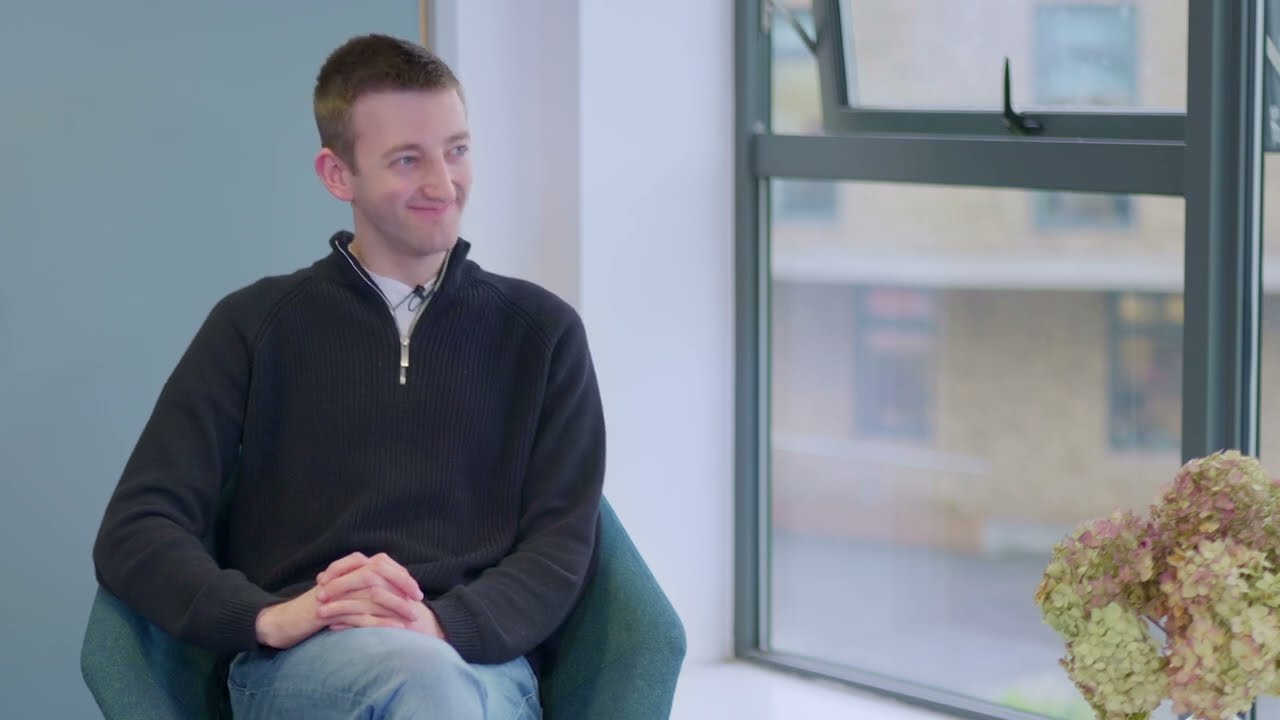
Feminist Narrative Theory: A Conversation with Robyn Warhol
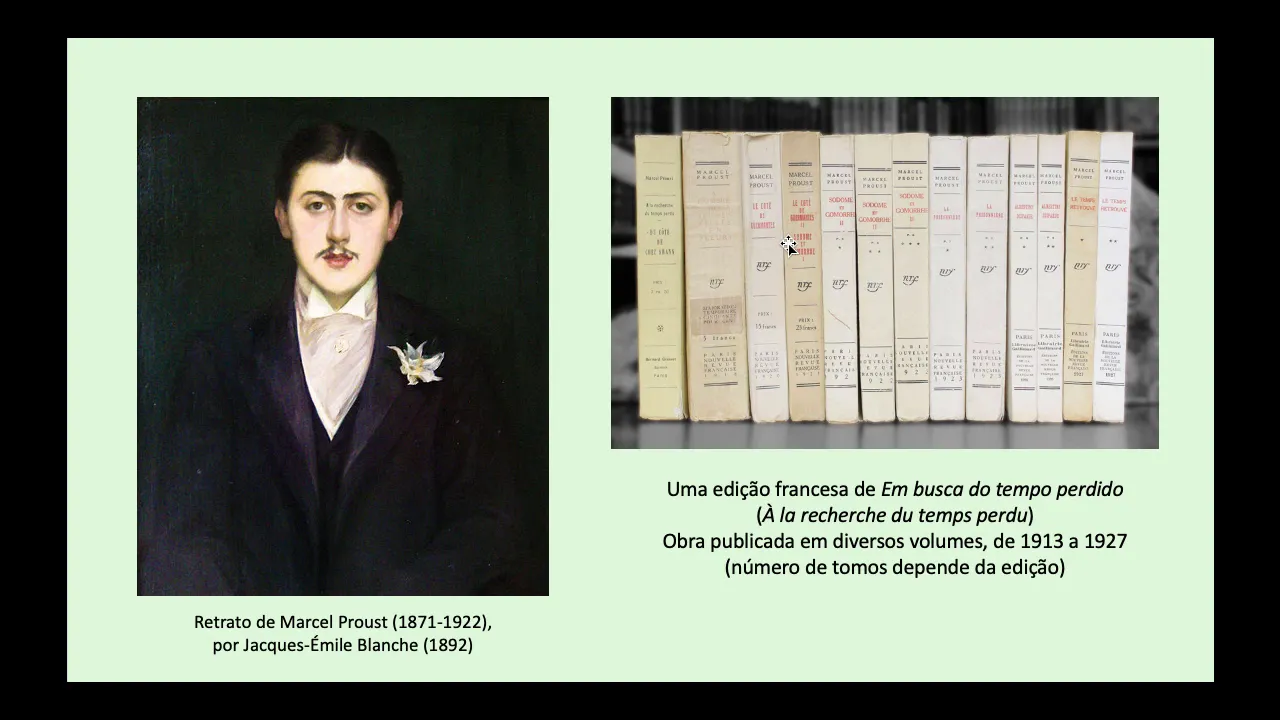
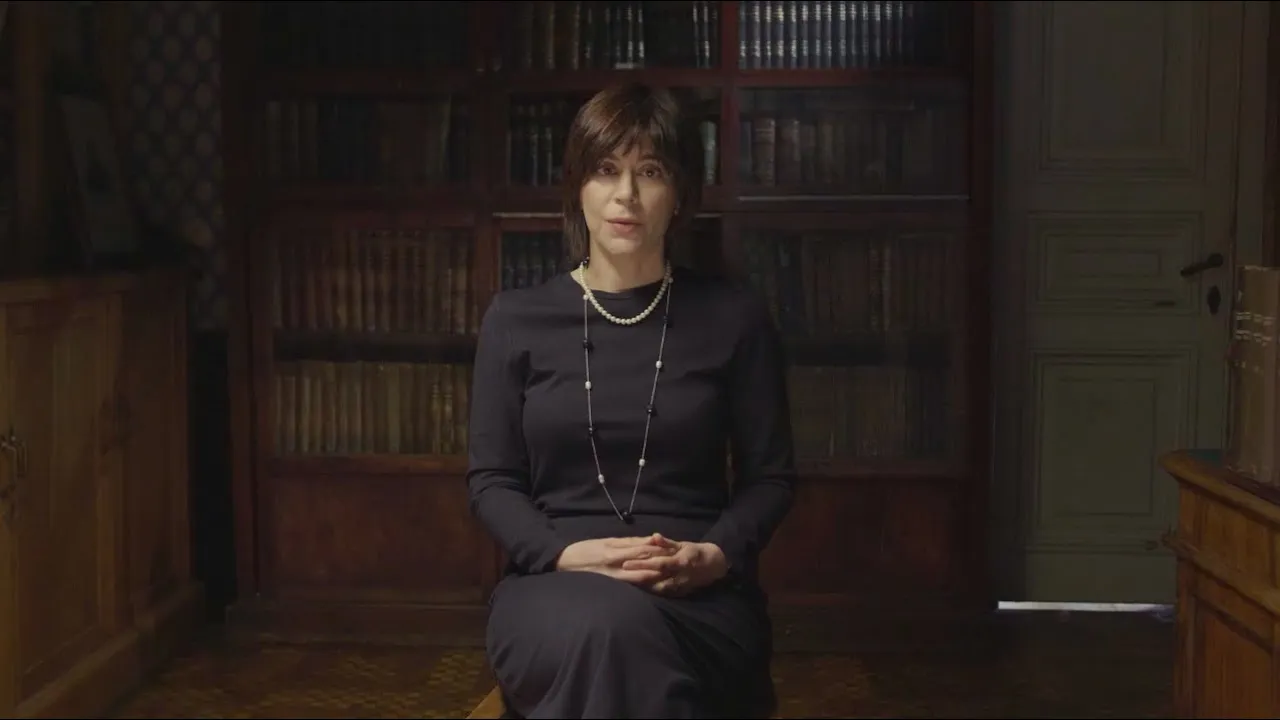
Added:[Music] welcome Robyn Warhol department chair of English at the Ohio State University as well as College of Arts and Sciences distinguished professor of English welcome Robyn Thank You Frederick so Robyn you are one of the really like the founders of feminist narrative Theory feminist narratology UN Susan Lancer really kind of held up as the the main figures here but why research write and teach using a feminist narrative theory and framework why is this important why does it matter well I guess it's maybe two different questions why it mattered in the 1980s when su Lancer and I first started talking and writing about this and proposed that there ought to be such a thing as a feminist and ultimately a queer and feminist narratology that might be a different question from why it matters now on so let me know which way you'd like me to take that well you know why is it possible to mention briefly like why it mattered then and why it Matt continues to matter now sure the reason that it mattered then was that narrative Theory based as it was in structuralism that was deeply a contextual right that was meant to be universalizing and true for all humans in all times in all places the narratology theoretical roots were so deeply grounded in that approach that it meant that differences among people's experiences got erased and differences for instance among different kinds of readers different kinds of authors different kinds of national experiences different kinds of sexualities all those differences in the original narratology were just outside the boundaries of what was interesting or what was considered and so as a graduate student actually when i started thinking in a narrative logical way about the 19th century women writers that I was studying I kept noticing narrative patterns and specifically my interest was narration patterns that couldn't be accounted for within the narratology that was universalizing in general and you know when I started thinking about why is that for instance I looked at the the index of Jeanette's narrative discourse and essay in method and found that I don't know I don't remember the exact number he cites maybe two hundred sixty novelists in that index the books ostensibly about Proust but he's constantly giving examples from other authors and fewer than six of them are women and I thought well we know because feminist history has taught us that women's experience in every way and indeed the experience of women writers in their careers as writers and their approach to their writing and the subject matter they're writing about has been different from men's particularly in the 19th century and wouldn't that mean that they might write in a different way and wouldn't that mean that their audiences might have different expectations and different experiences when they're reading women's writing so Sewell answer was asking similar questions about female or feminine texts and basically are both in our separate work and in our collaborations we have come to the conclusion that there's a profound impact that identity positioning has on the way that people write and on the way that people read and so that's what we study and I would say it's still important now because you know the difference is that gender and sexuality and race and class make are as profound today as they ever were 150 years ago they manifest themselves perhaps in different ways and we flatter ourselves as a culture and having made progress in terms of the disadvantaging of people who don't fit the straight white male norm but in fact the the problem of marginalization of literature's by women by people of color by working-class people like where people is almost I would say almost as pronounced now as it was when I was a graduate student certainly syllabi have changed what bookstores sell has changed there's there's a much wider availability of varieties of kinds of writers but I think if we really look at for instance the proportion of women and people of color who are represented in a big survey class or the proportion who are represented if you were to put all the syllabi together in the aggregate for a big department like ours it would be shocking how white male dominated straight dominated the Canon still is even the expanded canon so what what feminists and career narratology is try to do is by drawing a reader's eye to those writers who are coming from these other identity positions getting people to see what the difference is in form and the differences in narrative approach can be when you're coming from a different identity thank you Robin for sharing that journey and the comparison and the in many ways discouraging kind of you know look back and then to look at today you know in your I know that post classical neurology is really where kind of a lot of our worked has been kind of excavating and clearing these spaces to you what for you what what did what was put what does post classical neurology and what is it I guess yeah what does post classical narratology well that's not something that I defined it's a it's a definition that when it was coined included queer and feminist and race centered narrative approaches in its sort of under its umbrella and my understanding of what's intended by it is that what I was describing as a universalizing and structuralist based narratology is classical narratology that is narratology that tries to look at narrative form outside of any kind of historical or cultural context and to make generalizations that cross all contexts and postal narratology insists on a context and indeed a synonym I think among theorists for post-classical has been contextual or contextual astrology Sewell answer and I have been seeing in more recent years and I believe we use this term in narrative theory unbound situated narratology that is today safe to be really thinking about what the classical neurologist would have called the situation of enunciation and think about what are the marks of gender class race etc that that are defining factors in that situation and and to ask the same kinds of questions about the situation of the reader so um so for me the post in the post classical is about context and about bringing history to bear whether we're talking about history of the past or history of the present moment but historical factors to bear in our analysis of texts so important that the situatedness in narrative theory if you were to step back from your kind of career your amazing career and clearing all of these spaces for us to really think critically about stories narrative what would you say is the kind of vision the research program drive that's a really good question Frederick and thank you for seeing seeing such kind words about my contribution when I think about that question now I have to think about how does a a situated approach to narrative extend beyond the study of gender and sexuality for me so I mean if I if I think about my my whole career what I've always been the most interested in is narrative voice and narration and that that carries over into the work that I do on the Victorian novel for instance or on contemporary TV programmes where I'm not specifically addressing gender and sexuality say-so so you wouldn't call it a cell feminists narratology but I'm interested in narrative point of view in their voice that's an old-fashioned way of saying it but that's where the interest started and and I'm I would also say that part of my research program has been to try to kind of unweave the the warp and weft of of evaluative criticism that says this way of writing a novel is great and this way of writing a novel is trash because of the way that that divide has first first-century is basically mapped on categories of race and gender in class so so one of the things I'm constantly trying to do at whatever my individual specific project happens to be I'm always asking not is this a good text but what does this text good for like whose interest does it serve and and that to me that's a really important question always to ask so yeah I'd say that that both am i teaching and in my writing that's something that is is always framing my research the very important seminal groundbreaking in many ways having a good cry so important and one of the reasons I think that it's so significant not only because of the lens and the direction you're pointing us but also putting the body and feelings and the emotions back into this space where it's not something just to be dismissed but actually center stage maybe you can talk a little bit about that and kind of you know maybe how this works its way into your classroom but yeah really important yeah it's interesting that you that you refer to it as seminal I have a feeling that outside of the the community of neurologists this book did not circulate very widely and you know the the effective turn that occurred in the last I don't know 15 years or so in literary criticism and it's still actually quite a vital area of inquiry among literary theorists and critics they don't cite this book on somehow it was not on the map it was it was very early to be writing about effect and and literature when I did write about it and it there's um I think the fact that I took a very distinctly critical position on the psychoanalytic accounts of emotion and reading me has something to do with why it kind of got bracketed or sidelined because it's not in the mainstream conversation that's so psychoanalytically driven about bodies and feeling and reading or viewing and I understood that when I was writing it uh and I and I think it's quite explicitly saying well what if what if psychoanalysis doesn't happen to be true what if that's just a model that we've been used to using for such a long time that we are in certain patterns and habits of thinking when we talk about emotion and text what if we talked about it in a way that just just put that aside and by doing that I got myself put aside so I don't think of it as a seminal book in the sense that it actually had an impact on on later work in effect and the body and reading I think when I was working on the book you know I'm not an ethnographer and but I didn't want just to be talking about how I felt about books and so what I did it for years and years was work with students and very carefully track with them the feelings that they felt both emotional feelings and physical feelings while reading and I would teach courses on having a good cry and we would do court we would do text movies or novels that are famous for making people cry and I would ask the students to observe themselves very closely and to write about it and when I look back at the book now part of what I liked the best about it are the examples of people talking about what it felt like to read some of them are friends and colleagues most of them are students and I still do that in class I mean I still think that you know reading is a very physical act it's certainly a very emotional act and I like to ask my students to be more self conscious about what they are experiencing when they read in their bodies in their throats in their their eyes their faces as well as in their brains and this I think is what makes this approach very different from for instance or rhetorical narratology which you know it's it the very effect exists somewhere in rhetorical neurology but it's not really a an object of inquiry and I think that I mean students do find it interesting and I hope that they that it helps them understand better what the relationship is between the culture that they're participating in and the way that they personally feel Robin um speaking of your students in the classroom I know that you also bring graphic novels memoirs narrative fiction and nonfiction into you into that space I wonder how something like fun home might be taught in your classroom as a kind of narrative theory in action well fun home is the climax of the course that I teach in graphic memoir in fact fun home is the reason that I got so fascinated with the genre no more and I'm so grateful to Alice Mitchell for doing that because it is a fantastic genre and there's there's something about the the intersection of as Hilary chute talks about the physicality of the cartoonist drawing right the the presence of the artists hand in the line on the page which I absolutely think that shoot is right about that that there's there's somehow more presence in comics of the of the artist when the artist is doing the drawing of course they don't always do their own um but especially when what we're looking at is autobiography and the representation of the artist self the the intersection between what the medium makes possible and the project of trying to bring up life into being textually to me is just so fascinating and endlessly varied in the ways that different comics artists with different kinds of agendas do it um fun home for me I don't know once I I was conversing with Alison Bechdel and I said to her having read fun home you're such an English major she was like but I mean it's full of literary criticism right it's very much a kind of a meta book in the ways that that Bechtel draws on so many different literary sources as comparisons to her father's experience or her father's self-image or her own writing so that it it it presents itself as literary at the same time that it is graphic art and that makes it even even more inviting to teach in a literature class because you can see the ways in which the the author the artist is thinking about where this project fits in a larger picture of literary history I think that's fantastic and yeah as far as um using it as a kind of embodiment of narrative theory it's perfect because it does everything that an experimental approach to narrative can do right it messes with temporalities it's very explicit in its in its manifestations of space right whether they're very carefully drawn individual rooms that the text boxes comment on whether it is or isn't actually accurate to what Alison's actual living room looked like when she was a kid on to maps and and drawings of the larger world there's a particular panel in New York City that I love where she points out what every little corner of that big big picture smells like like all these waves of you using the visual and the verbal to narrate in a way that that just plain prose can't do it goes so far beyond what prose can do and that's that's what I love about it yeah it is extraordinary fun home and I know you and I could name many others but where you really feel that not just the kind of beauty of the story and even the sort of the drama and the tragedy but also the work like the real like work that it takes to make something like this and put it out in the world is amazing you where other scholarly hats I know and you advise students in other you know well in your area of say your field could you tell us a little bit about those scholarly hats that you wear well sure I mean I didn't train as a victorious my my graduate training was in history and theory of the novel 18th 19th 20th British and American so so I had a very eclectic training in terms of period and location and it happened that the first job I got at the University of Vermont they needed someone to teach Victorian novel it could have been 18th century novel it could have been modern American novel I was equally qualified to do any of those but Victorian was where I landed and I'm so grateful of course my dissertation and my first book is focused right in 1850 and so I I did have a broader expertise in the novelists of that period but I've never been much of a victorious historian that said it's been great collaborating with Helena Mickey who is a bonafide and a very very accomplished Victorian nest on a project like the the biography that were the sort of meta biography that we wrote of Sir George sharp the Victorian bachelor if you think about it though that book is a kind of work of narrative Theory each of the chapters we we had all this material that was his life and we had could do anything we wanted in terms of how we would tell that story that no one had ever told before because the guy had become so obscure and we ended up writing chapters that are themselves based on the plot dynamics of particular kinds of Victorian novels so the first chapter well the first chapter is theoretical but it but it also follows Marriage Plot the second chapter is a kind of a failed bildungsroman and the third chapter is an inheritance plot and so that we're we're demonstrating the plot shapes of these various types of Victorian novels at the same time that we're telling the story of this Victorian man who's in no way heroic and in no way does his experience live up to the expectations of those of those genres so you know we we thought of it as an experiment in narrative theory um rather than bringing theoretical models to something already written and then identifying these plot points we brought them the models of the plot points to the material and then organized it that way and then comment all the way through on what we're doing and why we're doing it that way that's why I call it a meta biography so yeah it's very it's very deep I mean we we actually made some discoveries it's the first detailed biography that's ever been written of a queer Victorian man who was middle-class there are scholarly works on aristocrats who are queer and on like Street queers but this is just a regular upper-middle class guy right who happened to be living a gay lifestyle in Victorian London and it's so we could make a contribution to history at the same time that we're really getting having a lot of fun with the different ways that you could frame his story no creative yeah so creative right that I'm kind of the confluence of the scholarly the archival and then yeah the creative I love it it was so fun Fredrik and I know that you know that the creative part it's kind of like you earn the right at some point in your career to start being creative and I know that that's what you've been doing the last few years - and I love the directions that you've been taking with that I don't have the kind of imagination you do where I could like makeup people and and make fictions about them but I certainly I certainly do have the the archive fever right where you you find all these traces of a person and then you know it does take an actor creativity to put it together and to write a book that was not like any other book ever had been we were so thrilled when the book won the Best Book of the Year award for NAFTA the North American Victorian Studies Association because it's such a weird book we thought you know nobody's gonna like this book again it hasn't circulated very broadly but but everybody I know who's read it so it was really fun to read so so that was that was definitely I think the best work that I'll ever do I loved it and that it was Co co-authored co-created a little bit and then Helena and I were working on for I don't know 17 years together it was it was a blast Wow Robin I know you have been kind of steering the big tanker that is the English department at OSU and continuing in your sort of path of scholarship along with all of that work what's next for you what are you thinking is around the corner what are you excited about well um well I've been chair I've been working on building my website project I saw you had the little logo from the old version reading like a Victorian and really what that is is a infrastructure for what I want to do next with my projects in a situated Victorian is narrative theory it's a website that links readers to installments of serialized Victorian novels in the order in which they were published so that the idea of reading like a Victorian is that you could say I want to look at January of 1859 and you go to that place on the timeline it shows you all the chapters of all the novels that were in print in January of 1859 that appeared that month then you go to February then you go to March then you go to April I've taught a couple of classes on this principle and my idea is that if you read the novels that way so that you're reading four different novels simultaneously as it were month two months months that you start seeing things in those novels that you didn't see when you read that the novel's independently cover to cover you see formal things you see thematic things you see cultural things and I haven't gotten very far yet I mean Helen and I actually have written an essay that were that we're just finishing now where we talk in some detail about I think three or four Victorian novels to say okay if you read them this way here are things you see that she never saw before but my larger thought about this is that the form of the novel the Victorian novel is actually something quite different from what narrative theory has conceived it as being you think about like reading for the plot right when Peter Brooks does that beautiful reading of Great Expectations but it's all about the drive to get from the beginning to the end right but that's not how you read it you know it came out once a week and then in between those installments you have you have reading other stuff the same way we watch TV serials now and that other stuff starts to interact in your mind with what's going on in the in in you know the plot that you just can't wait to get back to and so I'm interested in that as a concept or what does that mean for our understanding of the form of the Victorian novel and I'm also interested of course in in what it means for specific novels specific favorites of mine that I've been reading and teaching and loving my whole career well I'm so excited about that and it has so many kind of resonances with the way comics are you know continue to be sorted into the world and the serialized form and exactly the scene and in fact the software that we've been developing at OSU for this website which in the in this the new version of the website should be posted sometime this summer this software is actually transferable so that if somebody had a digital archive of comic books they could use my software to organize it on a timeline and be able to read comic books serially in the same way and reconstruct a particular moment and comics looks history which I think would be fantastic and it also puts the body and all of the things that we do into that moment I love it Robin it's like so powerful and generative gosh Robin chair of English College of Arts and Sciences distinguished professor thank you for joining me for this kind of brief journey moment in your life always a pleasure Fredrick thank you [Music] [Applause] [Music]
Up Next

Formalism in Literary Criticism: An Academic Lecture Overview
@mattalberhasky9952
39.1K views•2015-08-05

The Best We Could Do: A Graphic Memoir of Family & Vietnamese Refugee Experience | Thi Bui Book Review
@LiterallyGraphic
1.5K views•2022-05-14

Point of View in Fiction: First Person vs. Third Person
@magicalthriftyteacher
153.8K views•2014-03-31

1984: Orwell's Dystopian World and the Mechanisms of Totalitarianism
@AlternateHistoryHub
7M views•2017-03-04
Related Study Plans & Knowledge Roadmaps
Structured learning paths in Literature