















![[東京外国語大学]サンフランシスコ州立大学南雅彦教授招聘講演会「ことばはなぜ揺れるのか? ―言語変異とアイデンティティーを考える―」](https://i.ytimg.com/vi/5v6EWorMy94/maxresdefault.jpg)






The structures of particular languages can shape how speakers perceive, encode, remember, and reason about the world, as demonstrated by cross-linguistic differences in color perception, spatial orientation, temporal reasoning, and event description that affect cognitive processes at both early perceptual levels and broader conceptual frameworks.
How Language Shapes Thought: Lera Boroditsky's Cognitive Research
Added:The Sapir-Whorf Hypothesis (Linguistic Relativity): The foundational theory suggesting that the structure of a language influences its speakers' cognition and world view.
Basic Cognitive Psychology: Understanding the fundamental mechanisms of how the human brain processes sensory perception, memory encoding, and categorization.
Introductory Linguistics: Familiarity with basic grammatical differences across language families, such as grammatical gender, syntax, and spatial orientation terms.
Empirical Research Methods: Knowledge of how cognitive scientists design controlled experiments to measure behavioral responses, reaction times, and memory recall.
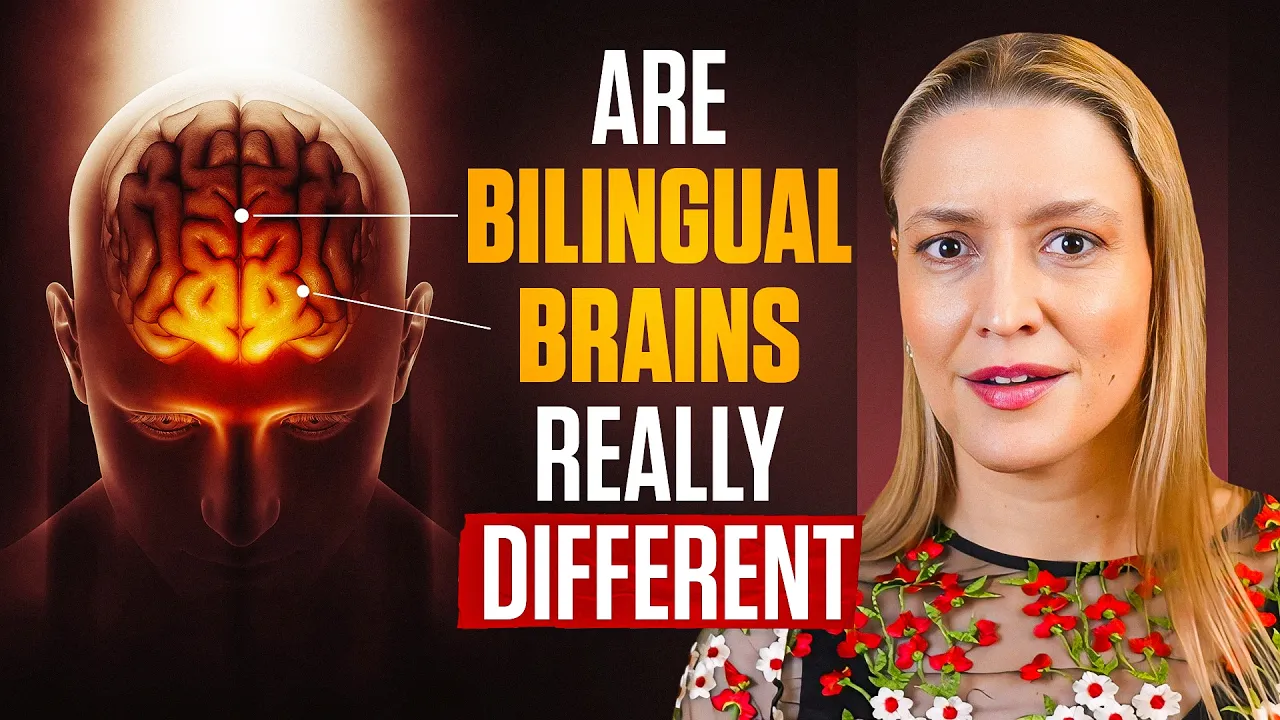
Cognitive Effects of Bilingualism: Exploring how speaking multiple languages affects executive function, decision-making, and emotional processing.
Applied Sociolinguistics and Policy: Analyzing how linguistic framing and grammatical structures influence legal testimonies, political discourse, and gender equality initiatives.
Neurolinguistics: Investigating the specific neural pathways and brain regions that mediate the relationship between language processing and visual/spatial perception.
Cross-Cultural Psycholinguistics: Studying advanced case studies of indigenous languages (e.g., Guugu Yimithirr absolute cardinal directions) to understand non-Western cognitive frameworks.
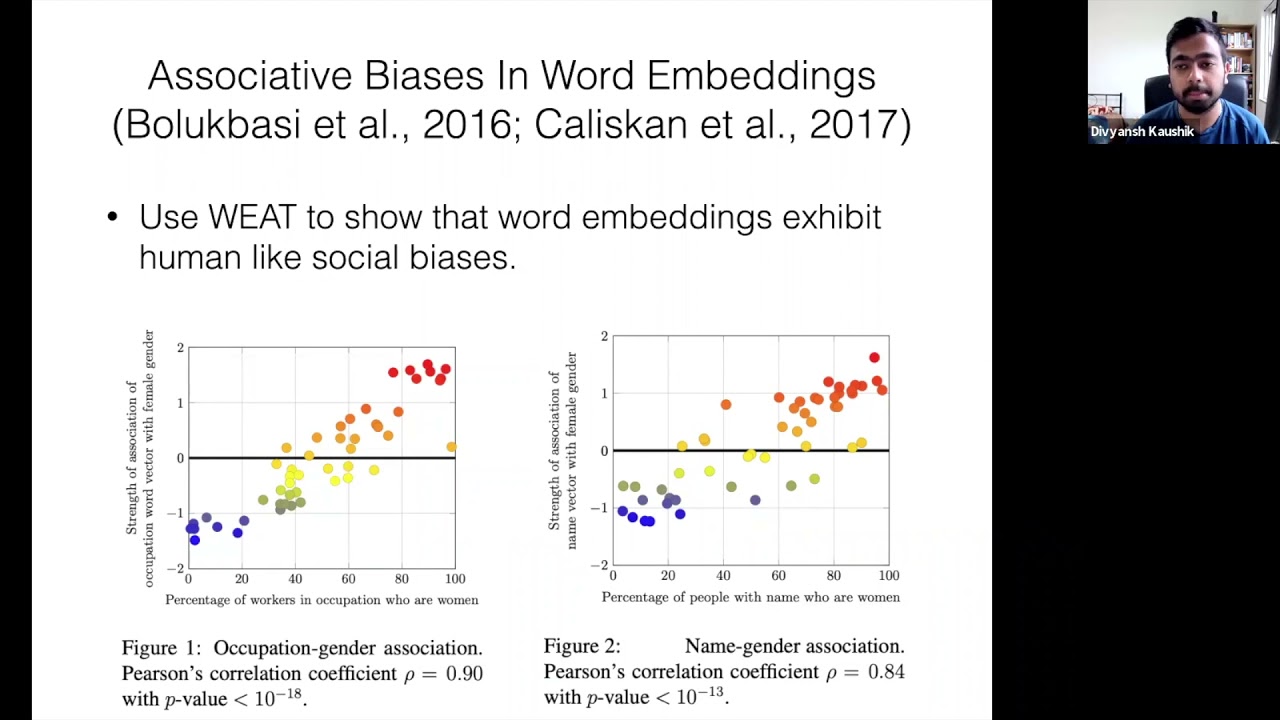
Computational Linguistics and AI Bias: Examining how linguistic relativity concepts apply to Natural Language Processing (NLP) and how the datasets used to train AI shape machine 'thought'.
197.2K views3.6Klikes1:41:11Original Release: 2020-06-11
good evening I'm Alexander Rose I'm the executive director at the long now foundation thank you all for making it out tonight and squeezing in looks like I think we let everybody in from the outside line thank you as many of you know that before we do these talks we have a tradition called the long short a short film that exemplifies long-term thinking we try and theme these four the evenings talk and for this evening Austin and our office found this wonderful one that was done for a radio lab episode called words and it is about the interpretation of words and it has no words in it enjoy [Music] here in the pension [Music] [Music] [Music] [Music] [Music] I'll run away I'm serious I'm gonna run away [Music] that's not gonna fly [Music] light as a feather come on light as a feather like [Music] [Applause] [Music] you you good evening I'm Stu brand from the long now foundation long now was surprised by getting interested in languages our rosetta project really was just a idea to figure out something would be fun to show in a non digital preservation format but once we discovered that nobody had actually collected all of the documented languages in the world in one place we started to get into it and now person in charge of rosetta is laura welter linguist by training and we are finding ourselves keep getting involved with with language we had Dan ever head up here a couple of months ago who had spent time with the pair AHA and Amazon and he threw out Noam Chomsky's approach to linguistics because it didn't fit with what he saw on the field our next speaker says that all anthropologists have this experience please welcome someone coming from psychology to linguistics leverage its key thank you very much for having me it's a real pleasure to be able to speak to this crowd the home the home crowd I study how the languages that we speak shape the way we think and all discussion of this question starts with a basic observation that languages really differ from one another in what they require of their speakers so let's start with a hypothetical example suppose you want to say this you know it's hypothetical let's just focus on the verb if you were to say this in English and this is something that happened in the past then you have to mark that on the verb so you have to say red instead of will read or reads or is reading and so on so you have to include information about tense now in some languages you wouldn't change the verb in fact you couldn't change the verb to mark tense so in Indonesian for example the verb would always say the same in some languages not only would you have to change the verb to mark tense but you'd have to figure out how long ago in the past the event happens so for example in me on Papua New Guinean language there are five different past tenses so depending on whether something happened just now or within the last two weeks or within a month or within a year and so on you would have to use a different past tense in some languages like in Russian my native language you'd have to mark tense but you'd also have to include on the verb the gender of the reader so if it was Todd Palin that did the reading you'd use a different form of the verb than if it was Sara in Russian also you have to change the verb depending on whether the event was completed or not in some sense so if Sara read the whole thing from cover to cover assiduously that would be one form of the verb but if she skimmed it or if she just started it and put it down that would be a different form of the verb in Russian you also have to do this in the future tense which is very inconvenient when you're say to someone oh I'll read your thesis tomorrow you really have to commit to whether you're gonna read the whole thing in some languages like in Turkish you have to change the verb depending on how you came to know about this information so if you witness this miraculous event with your own eyes that would be one form of the verb but if you just heard about it from someone or maybe it's something you inferred from something that she said that would be a different form of the verb and again some languages make many such distinctions that if you know something from hearing as opposed to from sight as opposed to inferring it from hearing as opposed to inferring it from sight you'd use all these different forms of the verb so on the one hand when people have looked at such differences they said wow languages really require very different things of their speakers it must be the case that speakers of different languages see the world differently just in order to be able to speak the language grammatically they have to pay attention to very different things on the other side people have argued you know not so fast just because people talk differently doesn't necessarily mean they think differently maybe everyone notices all of these different things and just depending on the language that you speak you happen to include one bit of information or another bit of information but it doesn't really mean that you don't know all the other stuff yep linguistic expressions are always very sparse only we are only ever saying a very small proportion to what we actually know so it could be that everyone actually knows and pays attention to all this stuff logically that would mean that all speakers of all languages would have to pay attention to an encode all of the distinctions that are encoded in all of the world's languages that's a big potentially very big set of stuff but it's not impossible so that's the debate and the question of whether language shapes thought is not really just one question it's lots of interesting questions that we can ask for example you could ask do people who speak different languages think differently does learning new languages shape the way you think so if you take a French class or a Japanese class are you just learning a new way of talking are you actually learning a new way of thinking a new way of seeing the world do polyglots people who speak lots of languages do they think differently depending on the language that they're speaking in the moment some people some bilingual is a report that they're actually they feel like they're different people so they say when I'm speaking Spanish I feel like I have a different personality like I'm a different person than when I'm speaking English are some thoughts unthinkable without language if your language doesn't have a particular property or if you haven't learned that particular property yet would are there some things that are impossible for you to conceive and ultimately what is basic what is universal in human cognition how do languages and cultures allow us to become as smart and as sophisticated as we are and is there intrinsic value in all this linguistic diversity they're about 7,000 languages in the world and they all differ from one another in innumerable ways is there value in that okay now people have been expressing opinions on this topic for a very very long time so here for example Charlotte Hmong Holy Roman Emperor he says to have a second language is to have a second soul that's a very strong statement about the value of a language one of his successors says a man who knows four languages is fourth is worth four men again another very strong statement another successor Frederick the Great of Prussia had a more specific set of hypotheses he says I speak English to my accountants French to my ambassador's Italian to my mistress Latin to my god in German to my horse not sure how he came up with this particular set but these are the kinds of things that people have been positing for a long time maybe German is better for reason or maybe French is better for love or maybe Hebrews better for oratory there isn't any empirical evidence for any of these huge overarching hypotheses but we'll talk about more specific hypotheses now of course these guys had a lot of clout not not everyone has been in love with this idea so here is Jerry Fodor he's a philosopher of mind and he says I hate relativism more than I hate anything else excepting maybe fiberglass powerboats he's a sailor so he doesn't he doesn't like all the noise and wake of those boats but beyond those boats the real bane of his existence is this idea that language might shape the way people think and his view really expresses what cognitive science and philosophy of mind and linguistics had come around to over the last few decades people really became disenchanted with this idea that language might shape the way we think and partially because there's so little evidence of these kinds of effects so what I want to do today is show you some of the new evidence that we have okay so the question we have is do the structures of particular languages shape the way we attend to encode represent remember and reason about the world okay and here's the outline for the talk I'll talk about roughly four different ways that language can shape thought these are four ways that I think are interesting the first one is whether language can have deeper early effects on cognition the next one is whether language can have broad or pervasive effects I'll explain these later whether they're big differences as a function of cross linguistic differences and whether they're important real-world consequences so start let's start with deep early effects what do I mean by this what I mean is there are some cross linguistic differences that can change how you perceive the world so even the very basics of perceptual processing things processes that are very very early in the cognitive stream might be affected by language now if you can show that something like that takes place that means that everything down downstream everything past that early perceptual process will be affected as well and that's very exciting right because we're getting a huge amount of information from the world and we can't possibly process all of it so we have to throw a lot of information away and so if it's the case that speakers of different languages are throwing out different parts of their perceptual information once you throw out information early on in the perceptual processing stream it's gone you can't get it back so that's one reason that people have been very excited to look for early effects in cognition and one classic domain to look is in the perception of color so languages divide up the color spectrum in many many different ways some languages have only two words for colors some have lots and lots of words and here's an example these colors don't look exactly right but just take my word for it so in English there's a category blue that covers let's pretend all of the colors on the screen there are here but in Russian there isn't a single word for blue there are instead two different words you have to make a distinction between light blues gala boy and dark blues see me so that means that Russian speakers have to call these two colors by different names does that mean that Russian speakers actually see those colors as being more different from one another would it be easier for them to distinguish these two colors so here's a really simple task people are showing three patches of color the color on top is identical to one of the colors on the bottom can you all tell which one left right and so in the task that's all you'd have to do is you'd have to press a button either on the left or on the right to say which one is identical very simple task you don't have to be very smart to do this task if you were a pidgin you could do this task right this is so you don't need language for this task the question is does does the fact that you make a distinction in your language actually change how quickly and how well you can do this task so the task is set up this way on some trials the distractor color the color that you're not going to choose comes from a different linguistic category in Russian then the two colors they're identical and on other trials it comes from the same linguistic category so for a Russian speaker this kind of trial on your left should be easier than the trial on the right for an English speaker of course they're all blue right there's no distinction so both kinds of trial should be equally equally fast of course the words never appear on the colors they're just there for your your convenience now when we started doing this study we did it because I thought it wasn't going to work and I thought it would be a really good way to place some limits on how far a language can reach into the cognitive system but there are two surprises coming my way the first surprise is there is actually a difference between Russian and English speakers in how they were able to do this task Russian speakers were faster on these kinds of trials than on these kinds of trials whereas English speakers showed no difference even though they were looking at all the same colors that the Russian speakers were looking at there's nothing in the nature of the colors that was different they actually were performing the task differently the second surprise was that when we took people's ability to use language in the task away so as people were doing this task we made them repeat numbers to themselves and this kind of wipes out your ability to to access your linguistic knowledge fluently when we did that that took away the cross linguistic difference now Russian speakers and English speakers look the same now that suggested to us that it was really language meddling in this very low-level perceptual task that we never would have thought language would be reaching into and now that was a big surprise so that suggests that language can actually reach in into these very early perceptual processes and change how we how we process even the perceptual world okay so that's color what about something more broad something something that applies to maybe more more different categories in the world here here's an example the broader pervasive kinds of effects usually come from grammatical differences so in lots of languages there are grammatical gender systems where all nouns are assigned into one gender another so masculine or feminine for example in Spanish how many people here speak a line which of grammatical genders just so I have a sense okay so Oh almost all of you know what I'm talking about okay and it can be really frustrate you know you it can be really frustrating to learn in a language with grammatical gender David Sedaris has this wonderful essay about how he was frustrated by learning French grammatical gender so much so that he decided to refer to everything in the plural so he would get two toasters and two tomatoes and two blenders and because then he wouldn't have to remember the grammatical genders of anything so one thing that's very convenient about about grammatical genders is they differ from language to language so for example the word for the Sun is feminine and German masculine in Spanish the word for the moon is masculine in German feminine in Spanish does that mean that people actually German speakers actually think of the Sun as being more feminine somehow whereas Spanish speakers think of it as being more masculine could people actually take meaning from these grammatical genders let me just show you an example of how pervasive grammatical gender marking can be in a language that has a grammatical gender so this is an example from Russian so in Russian words that have different grammatical genders have different phonological properties they'll sound different you use different number words so the word for one will be different depending on whether it's one masculine something or feminine something you get different adjective endings different pronouns and possessive and even different verb endings so circled in red there is one example if you want to say in Russian my chair was white the word for chair is masculine so you use the masculine form of my then you have the word chair which is has a masculine sound then you use the masculine form of was and the masculine form of white so you've just marked the masculinity of a chair four times in four words you don't have a lot of opportunity to forget what grammatical gender things are in Russian a very pervasive feature of language now what would an effective grammatical gender actually look like what does it mean if I say to you do you think of a chair as masculine or feminine clearly you're not thinking it has you know biological properties that are masculine or feminine what what could it possibly mean so here's an example this is Andriy McKean describing an experience that he had as he was switching between Russian and in French spending summers with his grandmother he says as a child that absorbed all the sounds of Charlotte's language French I swam in them without wondering why that glint in the grass that colored scented living brilliance sometimes existed in the masculine and had a crunchy fragile crystalline identity imposed it seemed by one of its names so it took that's the Russian word for flour and it's masculine and was sometimes undeveloped in a velvety felt like in feminine aura becoming in flu which is French for flower and it's feminine so that's the kind of effective grammatical gender on semantics that we're looking for that something takes on a different kind a different shape a different shading a different connotation depending on the grammatical features that it has in a language now do normal people have these kinds of associations or just sensitive young men learning French from their grandmother's so here are some examples from the empirical literature people people who are not poets showing this kind of effect Russian speakers this is a study done in 1915 an old study Russian speakers at Moscow State University were asked to personify days of the week so act like Monday or act like Wednesday or act like Tuesday now these days of the week have different grammatical genders so Monday is masculine but Wednesday is feminine and what the researchers noticed this is a study by Roman Jakob s'en when he noticed that was people were acting out as if these days of the week actually had genders they act like a man for Monday but like a woman for Wednesday in another study young kids spanish-speaking kids were asked we're making an animated movie and here all the characters and there might have been a clock and there might have been a fox and there might have been a pencil or something like that what voices should we give to these characters and they had to choose voices and even very young kids were starting to pick voices that were congruent with Kermit gender so the voice they wanted a clock to have depended on the grammatical gender in their language in another set of studies people are asked to describe objects so you just come into the lab and you you're told give me three adjectives that describe a bridge and people have to give you some adjectives and the kinds of adjectives people came up with again we're congruent with grammatical gender so if you if it's feminine your language you're more likely to say beautiful or elegant or extended whereas if it's masculine in your language you're more likely to say things like long and towering and big enormous and you can even see these effects with your own eyes if you go to an art gallery and ask how do artists decide how to personify abstract entities in their art so we did this we looked through a art store which is a giant art database about 600 years of artworks that we concentrated on and we asked for all the personifications that exist in this art database can we predict whether time or death or victory will be masculine or feminine depending on the grammatical gender in the artists native language the answer is 78 percent of the time we can make a prediction so you know if you want to make a bet it's a pretty good bet to to place and these are the kinds of things you can see for yourself so for example the Statue of Liberty right why is Liberty a lady well she's French she comes and in French Liberty is feminine or here you see john ashcroft and behind him is the statue of justice that he tried to cover up because she was so indecent and again you could ask why is justice a woman well justice is feminine in Latin that's where that's where it comes from here are some of my favorite examples this is Michelangelo sculpting different parts of the day so the dawn the day the dusk and the night and you might ask well why is the dawn a woman and the day a man and the dusk a man and the night a woman well those are the grammatical genders and this is a wonderful way in which this little quirk of grammar that we don't even you know when you speak a language like this as a native speaker you don't even notice but it's making its way even into the physical world that we that we then live in right and it gets passed down in these physical ideas that other other people inherit okay now one reason to be interested in this funny quirk of grammatical gender is that the grammatical gender is so pervasive in language gender goes on all nouns so if you can show the grammatical gender affects how people think that means that this is a feature of language that is affecting how people think about anything that can be named by noun now think about what are all the things that can be named by nouns it's a lot of stuff right so as you look around the world that's a very very pervasive affective language okay are there big differences so grammatical gender maybe these are small alternations widely spread but are there any really big differences for the big differences I think we need to turn to those parts of cognition where we really need to construct the world where the world doesn't have the structure to give to us we have to bring the structure to it and one really good place to look for that are abstract ideas so take time time is one of my favorite examples because it's on the one hand it's extremely popular so the word time is the most frequent now and in English and other temporal words like year and day are also in the top 10 at least in english-speaking culture we're obsessed with time but even though it's so frequent it's uh it's hard to get your hands on right its forms the very fabric of our experience but you can't see it time you can't touch time you can't smell time why don't we come up with a mental representation of this abstract entity now this idea this question of how do you come up with mental representations of abstract things has haunting people for a really long time it frustrated Plato for example it frustrated him so much that he came up with a very famous philosophical argument it's called an argument from the poverty of the stimulus what that argument was is that information available in the environment is simply not enough not structured enough not complex enough not available enough to be able to create abstract thought and so he says I can't see how we could possibly learn these things and so his solution is we recall them from past incarnations of our souls now you may think ok you know what that's Plato that's a long time ago what did the Greeks know anyway Aristotle thought the brain was a radiator so they didn't even know thinking happened in the brain why why should we care well actually quite modern ideas about where concepts come from share some of these very properties so here for example is Noam Chomsky from 2000 he says even words such as carburetor and bureaucrat in fact pose the familiar problem of poverty of the stimulus however surprising the conclusion may be that nature has provided us with an innate stock of concepts and that the child's task is to discover their labels there appear to be few other possibilities now I'd like to think that there must be another possibility not this is a very wouldn't it be a really exciting though if you actually were born with the idea of carburetor or a bureaucrat already in that would be awesome right but given that I don't know what a carburetor is now that seems unlikely so let's let's look for some other answers so what would be another answer well here's a story how do we come up with an idea like time travel that's a fancy notion that we have it's probably not through personal experience through time travel right it's not because you actually went and traveled to another time and came back and you stored away that experience but here's a story across languages people use spatial language spatial words to talk about time so say things like we're approaching the holidays we're coming up on Christmas we're coming up to the deadline and so on now that metaphor lays out a metaphor and analogy where time is a path and you're traveling on it right well once you have that analogy in place so time is a path and you're traveling on it well on a regular path you can travel in any direction you want and whatever speed you want so once you have that analogy in place it allows the possibility of time travel you can now create that idea very easily so what's what kind of evidence could we have that this kind of way of building knowledge actually is possible or something that people do well so one question you could ask is it the case that people build knowledge of time out of knowledge of space and the other is do patterns and language and culture actually encourage how people encourage different ways of using space for thinking about time those are the two ingredients of the time travel story I just gave you one is you have to have patterns and language that encourage an analogy and the other is that you are reusing spatial knowledge some how to think about time let me give you just a couple of brief data points I'm gonna pick the coolest ones that I that I have but if you have more detailed questions I'd love to hear them okay now one way this is a good demonstration of how I stay oriented one way to test the idea that the way people think about time is based on how they think about space is to find cultures that have different ways of thinking about space and see if they also have different ways of thinking about time so to demonstrate the difference why don't we all do this one thing what I'm going to ask all of you to close your eyes and I can sort of see you so I can tell whether or not you've closed your eyes okay now everyone points southeast okay no no cheating okay you can open your eyes I see points there there there there there I don't know which way it is you guys are gonna have to figure it out later let me make a few observations about what you did is a cognitive psychologist first there's a really low compliance rate a lot of you just did not point we would we would have to throw you out of the subject pool second there is a really long reaction time for a lot of you took a long time to point and perhaps most importantly the accuracy wasn't very high now I don't need to know which way it is to know that because you guys pointed in every possible direction now there are some places where asking a question like that would yield immediate correct responses from everyone including people who are five years old right so I don't feel bad you don't want to ask folks at Stanford or Harvard or MIT they do exactly the same thing that you guys did it's just not something that we keep track of so what are these cultures that keep track of where they are all the time so here's an example of a culture I had a chance to work with these are the cooked I or they're an aboriginal group in Australia and what's cool about their language is they don't use words like left and right to divide up space instead everything is expressed in terms of north south east and west and by everything I mean everything at all scales so you say things like there's a dog trying to bite your east leg can you move your cub to the north-northwest a little bit the boy standing south of Mary is my brother at every scale in order to speak a language like this you must stay oriented because your don't just have to stay oriented to describe your experiences in the moment you have to remember also which way are you oriented to be able to describe any past experiences right so you have to be able to say things like oh I must have left my glasses to the west of the telephone how silly of me right or after a dinner party you come home you say oh they set their salad forks to the southeast of the dinner forks the Philistines right so even to even to say hello so the way you say hello and Kruk Tyler is in English we say how are you fine in cook tyre you say which way are you going and the answer should be something like north-northeast and the far distance how about you that is literally to get past hello you have to know which way you're going so imagine in your normal daily lives as you're walking around your office or you're walking around wherever it is you are every person who says hi to you you have to report your heading direction right you'd get oriented pretty quick right otherwise you'd be excluded out of all social interactions as you couldn't say hello to people properly so people who speak languages like this there are a lot of languages like this around the world people who speak languages like this do have a great sense of direction they are able to perform feats of navigation that we used to think were beyond human ability so we knew for a long time that animals different kinds of animals had orientation abilities that seemed to surpass human orientation abilities so for example we'd say oh ants they stay oriented pretty well they can Det reckon but they use a trick they count steps so it doesn't count or birds you know they stay oriented but they have magnets in their beaks so you know takes us off the hook well turns out there are people in the world who just stay oriented by paying attention to where they're going at all times because they have to in order to be able to speak their language grammatically so we don't have any excuses you don't need to have them magnets in your beaks to do it and this great sense of direction is seen in all kinds of cultural practices in art so the art that people produce in these cultures is always done from a bird's eye view it's laid out on the ground and the appropriate orientation and so on so what I wanted to find out is remember we're thinking about how people think about time and the question is if you think about space differently do does that also mean you think about other things differently like do you also think about time differently so here's a task I give people a set of pictures like this these happen to be pictures of my grandfather in different ages scramble them up I give them to you and I say lay these out on the ground so that they're in the correct order well here they're displayed in the correct order as as English speakers perceive the correct order from left to right that's the way time goes for us now of course this left-to-right order relates to writing direction right there's nothing intrinsically left to write about time and there are wonderful examples from the history of advertising where Nestle for example have this logo this is part of their nutritional supplement for Kids program and whenever they tried this out and say an arabic-speaking country they ran into some problems because if you read this from right to left it's not clear what this product does for your child so they had to they had to rethink their approach and indeed when people are asked to lay out think things in temporal order English speakers will lay things out like this whereas Hebrew speakers will go in the other direction and there's even a really fun finding where for any sentence you ask people imagine Bill is giving flowers to Susie draw that out well English speakers will draw that out with Bill on the left and Susie on the right but Arabic speakers will draw it out with Bill on the right and Susie on the left so why is it that when we imagine an action it seems to go in the direction of writing it's kind of a cool cool finding that all the actions that you imagine have this perceptual order to them okay so back to time the cook tie or don't use words like left and right so how will they arrange time English speakers do it from left to right Hebrew from right to left what will they do here's an example person sorry for my messy field notes here so here's a person there's a seated facing south and these numbers represent the temporal order and these are a bunch of different picture sets that they laid out so here everything goes from left to right here's the same person on a different day this time they're facing north and now everything goes from right to left here's another person they're facing east and now everything comes towards them what's the order the Sun from east to west right now at first when you look at this pattern you could you might think wow there's no order they're just doing it any which way they don't care if it's left-to-right right-to-left or whatever but actually another way to put it is that it's the English speakers that are doing it with no order right why don't we think that time always travels with us with respect to my body orientation in the moment time is going this way but now it's going this way but now it's going this way very egocentric openness alright that time it has to turn around every time I turn around for them time stays with respect to the landscape perhaps as it should okay now one reason to be interested in these kinds of examples is that they demonstrate a really big difference in cognitive cognitive ability between two cultures most of the English speakers that we tested on these tasks could not have done what the cook tyre did because they simply didn't know which way it was which so even if they wanted to layout time from east to west they had no idea which way East and West were so they couldn't do it and those who didn't know which way East and West were would never have thought to do it this way it's just not the way we organize our world we organized it with respect to us as opposed to with respect to the landscape and I think this shows that there are some cross linguistic differences that are not just a matter of degree that one group does it more or less this way or another way they're just qualitatively different ways of organizing the world that people have and that for me this is the very exciting thing is discovering these other ways that you could organize the world other ways that you could see the world it's right there and it's almost like you get to inhabit another universe another parallel universe just by discovering a different way of seeing the world okay so we've been talking about how people think about time and I've given you two examples so far of what makes a difference and how people think about time one is how people think about space so if you find groups that think about space differently they'll think about time different things but the other one was about cultural artifacts like writing direction that also seems to matter what about patterns and language metaphors and language for time let me give you a few examples from here it's time horizontal or is it vertical well here's a study comparing English and Mandarin speakers in both English and Mandarin you can use horizontal terms to organize time but in Mandarin vertical terms are also quite frequent so in Mandarin the past is up and the future is down so the up month is the last month and the down month is the next month so does that mean that Mandarin speakers actually think about time vertically more more so than English speakers do so here's a simple task stand next to someone and you say if I tell you that this here is today where would you put yesterday and where would you put tomorrow a person just has to point so let me show you an example this is a dramatic reenactment what month is this this is May suppose I said this is May where would you put April and where are you good June there's another Mandarin speaker so if I were to tell you that lunch is right here hmm where would you say that breakfast is okay right there and where would you say that dinner is okay so let me show you another another way to test this that's a little bit more implicit this is a task you can you can try for yourself so you're going to see a picture like this and then you're going to see another picture that will represent either an earlier or later time point so starting from this is it earlier later later very good good all right okay some of these are tricky okay now instead of responding verbally as I was just asking to do we asked our participants to respond by pressing buttons and the buttons could have been arranged like this where the earlier buttons on the left and the later buttons on the right or they could have been reversed in the opposite direction from what English speakers like or they could have been arranged vertically either with the earlier button on top or the earlier button on the bottom and the question was will there be some mapping that's more natural that English and Mandarin speakers liked better than others I feel like we know each other well enough I can show you a graph first graph of the talk so on the y axis is reaction time so up is slower and here we have English speakers on on the left and English speakers indeed are considerably faster when the earlier button is on the left then when it's on the right they don't like it when the earlier buttons on the right but when the buttons are arranged vertically they don't care they don't care if the earlier button is on top or on the bottom but the Mandarin speakers they also prefer the earlier button on the left to on the right but unlike the English speakers they also have a preference on the vertical axis they want the earlier button to be on top passed earlier past is up they don't want the earlier baat button to be on the bottom and let me just point out that there is an overall difference the Mandarin speakers in our sample are a little bit slower than the English speakers and that's just because this our English speakers always Stanford students right so they're selected to be able to perform arbitrary tasks very very efficiently it's very hard to find other people who are equally selected for especially this purpose so that's why there's always going to be a difference like this in the sample okay now here's another interesting question what about bilinguals so for another set of metaphors rather than asking is time horizontal or vertical now let's ask what's moving are you moving in time or is time coming towards you so in English both of these things are there both of these metaphors are available you can say we're approaching the holidays or you can say the holidays are approaching and I'll I'll skip the the full story that shows that people actually think of those two scenarios as being very different even though it's against the laws of physics to think of them as very different because in time it shouldn't there's no fixed ground against which you're moving so that those two things shouldn't be different but we treat time as if it were space as if it had this extra dimensionality to it but nonetheless so English speakers use both of these metaphors quite frequently in Mandarin most of the time people talk about time is moving much more rarely do people talk about themselves as moving in time and what we find is that so here this is a an abstracted graph over many studies what we find is that Mandarin speakers what I'm showing up is here up is more likely to think of time as moving Mandarin monolinguals are more likely to think of time as moving than English monolinguals but look at the groups of bilinguals in the middle so the Mandarin English bilinguals who were tested in Mandarin look more like Mandarin speakers and the ones that are tested in English so that shows you that the language that you're being tested in matters so that gets it that bilingual question if you're bilingual and you're thinking for one language or another does that make a difference the answer is yes but look neither of those two groups are actually looking like the monolinguals of either language and what that suggests is that the bilinguals the ones that are tested in mandarin they're being affected by having learned English even though they're not speaking English at the time and the bilinguals that are tested in English they're being affected by having learned Mandarin even though they're not speaking Mandarin in the moment so there's both this long-term effectively having learned a language that it's affecting you even when you're not using that language but also this immediate effect of switching between two languages where depending on which language you're speaking you're going to think a little bit differently that's kind of a cool way to test it and here is just another example this is an example from the Aymara in South America in I Amara so in English the future is ahead of us right all best is ahead of us the worst is behind us we're looking forward to the next year and so on in Amara the future is behind and the past is in front and in this wonderful study you Sweetzer and Rafael Nunez looked at how people gesture when they talk about time and the Aymara when they're talking about the past they gesture towards the front and when they talk about the future they gesture towards the back cool reversal okay so I think in that domain of time you've seen some pretty big differences in how people think the time can completely reverse direction it can acquire an extra dimension it can go from east to west as opposed to from left to right those are some pretty big differences okay are there are differences in real-world constant with real-world consequences now of course in a in the real world people really care about what things are called and the way you know that is that people are constantly arguing about what things should be called and they're constantly trying to change the names of things right if that didn't if people didn't think that what things were called mattered you would never have that kind of behavior and there's some pretty striking examples right do you call someone anti-abortion or pro-life do you call a government structure regime or in a ministration do we call people freedom fighters or insurgents or terrorists those are taking very different perspectives does the US government sponsor torture or is it just enhanced interrogation techniques again very serious consequences is the is it a government rescue plan or is it a bailout turns out many more people support the same program if you call it a rescue plan than if you call it a bailout or an older example that bill and Monica have sex the case for impeachment stemmed on the definition of this word in English that's a pretty serious consequence here's a sillier example but one I think one that rings true at some point maybe 10 years ago the prune board the California prune Board petitioned the FDA to allow them to change the name of their product from prunes to dried plums now just to be clear prunes and dried plums are the same thing it's just in case you're unaware um now why would they want to do that obviously it's a good idea because prunes the word prune they live in a terrible linguistic neighborhood right what are prunes neighbors with old age laxatives right there they remind you of all kinds of things that young healthy Californians may not want to be reminded of when they are shopping for snacks where's dried plums live in a perfectly lovely linguistic neighborhood their neighbors are dried apricots and dried mangoes and dried kiwi fruits all kinds of tasty things things you could take on a hike right so they they figured that it would be the case that young Californians would be more interested in buying dried plums and they were interested in buying prunes so they cost the millions of dollars to get get this change approved and it paid off dried plums do sell better than prunes eventually they had to sell prunes and dried plums side-by-side because some people actually wanted the laxative properties of prunes whereas others wanted the healthy delicious snack of dried plums and of course anyone who's travelled knows that their bizarrely named products being sold around the world so for example Pocari sweat is a very popular soft drink so all around Asia the buyers there aren't concerned by the connotations of the word sweat and something that you drink and there is a reason I think you can all guess why this drink hasn't taken off as a big seller in America and that's because perhaps advertisers understand that something named sweat might not taste as sweet back to more serious matters in events in the world you know language requires us to construe events in the world and even the the the smallest the shortest instantaneous physical events require us to come up with some way to make sense of them so take this example Dick Cheney goes out hunting he has a quail quail hunting accident he accidentally shoots his hunting partner Whittington in the face now that said that's a split second event and there are many many different ways that we could possibly construe it so this is one this is from the European Herald and they said Jane eBags lawyer so Cheney went out hunting for lawyers and he got one now um you could say straightforwardly share Cheney shot Harry Whittington you could say Harry Whittington got shot by Cheney you could say Harry Whittington got shot leave out Cheney altogether you don't need to mention it here's what Cheney said this is when he was taking full responsibility for the event he said well ultimately I'm the guy who pulled the trigger that fired the round that hit Harry and you can talk about the other conditions that existed at the time but that's the bottom line and there's no it was not Harry's fault but look it's very kind of him right but look at that first sentence ultimately I'm the guy who pulled the trigger that fired the round that hit Harry a split second event but now therefore actually it's a chain of four events and he just happens to be on one end of those events are Bush actually did one better look what he did said he said he heard a bird flush and he turned and pulled the trigger and saw his friend get wounded that is a masterful exculpation Janey transforms from agent to mere witness within one sentence of course the onion always has the best headlines they say Whitehouse had prior knowledge of Cheney threat August briefing warned Cheney determined to shoot old man a face with these descriptions differ on is how much agent ivities how much cause of power does Cheney have in the event do we describe him as the person who caused the outcome or was he just one end of a long chain of events that created the outcome was he even at all involved and languages give us many many tools to construe events every event needs to be construed in some way so in English you could say John broke the vase or the vase broke I'm going to call this kind of construction agentive and the other not agentive now in Spanish for example you can also say something like John broke the vase or the vase broke but in English it's this kind of construction the John broke the vase the agentive construction it's more canonical when you use non agentive language it sounds evasive it's a sort of thing that politicians do or young kids do when they're trying to get out of having done something so you know mistakes were made all of us have favorite non agentive usages that we've seen in politicians wears in Spanish it's the not urgent of construction that's more canonical that if it was that if something was an accident you wouldn't say he broke the vase you would say the vase broke he would use this clinic say here to market and there's this old joke comedian American comedian and Mexico says oh nothing in this country's ever anybody's fault it's all stays fault because you know whenever whenever something goes wrong it say something or other say did it now this property of Spanish actually is quite common in the world's languages and English seems to be kind of an outlier in terms of how agentive we want our descriptions to be so in English you can even say things like I broke my arm a lot lots of languages you can't say something like I broke my arm unless you're crazy unless you specifically went out looking to break your arm and then you broke it alright it just that would just be a really bizarre thing to say so do these kinds of differences in how languages tend to describe events actually matter for for example how people assign blame or how they punish the agents of events or maybe even for eyewitness memory here's an example I'm sorry that's so dark I'll narrate we showed people videos and the videos either contained intentional actions or accidental actions so here's someone popping a balloon intentionally okay maybe you were able to see that and hear the same action also popping a balloon but this time it's an accident okay so he happens to move his arm recoils and surprise first we wanted to find out do English and Spanish speakers actually describe these events differently so here's what English speakers said about the accidents they said a guy broke his pencil while trying to write with it he put his hand down and picked up a sticky note or he lost a balloon I like this one a man opens an automatically opening umbrella the umbrella is already automatically opening why does someone have to open it but in English someone has to open even an automatically opening umbrella or or they made personality attributions the klutzy guy knocked a box off a table in Spanish the cases looked quite different so people said things like an egg that fell on him broke on him or the pencil broke or he was going to put something away and the drawer closed itself the papers stayed itself stuck to his hand some keys through themselves or out of nowhere a pencil split itself in two it's not the sort of thing that ever happens in English so here's just showing you the differences in descriptions in graph form for intentional actions everyone describes the events agentive ly but for accidental actions there's a difference English speakers are producing more agentive descriptions than our Spanish speakers so what about in memory to people if you're not describing who did it if you're not paying attention to who did it maybe you also don't remember who did it maybe that wasn't an important part of the event to pay attention to so we showed people now a third so at some point in the task people might have seen these two guys performing different actions now we introduce a third character and he does the action in this case popping the balloon there he goes and we ask which of these guys did it the first time so it's kind of like a lineup you just have to say can you can you remember who done it and here's what we find for intentional actions everyone remembers who did it pretty well but for accidental actions well English speakers still remember who did it really well where's Spanish speakers remember less well that's a less important thing to pay attention to when it's an accident importantly it's very specific to the kind to the kinds of descriptions that you would produce for that event but very important potential consequences right and this is just a replication in Japanese and skip let me give you another example does it matter for how much we blame or punish people in one study we looked at a whole bunch of court cases so about two hundred thousand court cases are heard in London central court and we asked a simple question if your trial contains an agentive expression like broke it are you more likely to be found guilty than if your trial contains a non-agenda expression like it broke and the answer is yes if if there's a gentle language in your in the transcript of your court case you're going to be more likely to be found guilty we also wanted to find out how much does it matter how much do the linguistic descriptions actually matter so what we did was we showed people Janet Jackson's wardrobe malfunction so if you guys probably I won't show it now because I don't want to upset the censors but this was an event where Justin Timberlake and Janet Jackson were performing at the Superbowl halftime and for 9/16 of a second Janet Jackson's breasts was sort of displayed on national television was a big deal and Justin Timberlake actually coined the term wardrobe malfunction as part of his apology that term didn't exist until he apologized for the wardrobe malfunction and now people are having wardrobe malfunctions all the time so we showed people the video they saw the video and we gave them either an agenda we phrased news report about it or non agentive ly phrase news report they're actually the identical report except for a couple of transitive constructions in there so and the question is how much extra do you have to pay for a transitive right so if you get it if you got it if you got nailed with the transitive construction how much will that cost you well in Justin Timberlake's case people wanted 53% more in fines if we said he ripped the costume as opposed to the costume ripped that's a pretty hefty fine for a simple transitive okay so this is where if you've been let me just review some of the reasons that I think the examples I'm showing you are really about language so you could ask is that really that language shapes thought or is it the other way around maybe people who live in different places think differently and because of that they talk differently how do you know which way the direction of causality goes well here are some ways that we've tried to find that out one has been in language training studies so the idea is this if language really shapes thought then you should be able to teach people a new way of talking and that should change the way they think right and that's exactly what these studies have done and that's exactly what you find you teach people a new way of talking and that inadvertently also changes the way they think another is in language priming studies so in the case of eyewitness memory for example what if you took English speakers and you just bombarded them with not agentive language so you kept saying things like the toast burned and the necklace unfastened and the paint splattered and then they had to remember a bunch of actions would they actually be worse at remembering who did it after hearing that kind of Nod agentive language the answer is yes that if you're surrounded in the even within an experiment with non agentive language that changes what you pay attention to another one is verbal interference studies so I talked about this at the very beginning of the talk when the case of color if you wipe out people's ability to use language in in the tasks that often changes how they think that often changes what they can do it actually makes us quite stupid to not be able to use language we don't realize that we're solving a lot of tasks linguistically but that's what we're doing and there are lots of studies showing that if you wipe out language in the moment that really changes what we're capable of and a final case is bilingual studies so you take bilinguals and you system when one language or another to see if the linguistic context that the immediate linguistic context makes a difference and you saw an example of that that it matters whether you're tested in one language or another and the other way to find out is to compare the bilinguals to monolinguals and see if having learned another language at some point in your past makes a difference and the answer to that is also yes so these are some of the ways to establish that causality that language actually plays a causal role it is of course the case that the influence also goes the other way languages are tools that we create for our purposes right they're tools that suit our cognitive needs so it isn't just that language shapes thought it's also that differences in thought differences in language goes both ways okay so some things we've learned people who speak different languages think differently there are many different aspects of language that can shape thinking from grammar and lexical differences even to orthography how language is written language metals and even low-level perceptual decisions this was quite surprising to me learning new languages can change the way you think and we see this in the bilingual studies people who've learned another language aren't just learning a new way of expressing their thoughts they're inadvertently actually changing what thoughts they wish to express based on based on the languages that they're learning sometimes people do think differently depending on the language that they're being tested in in bilingual as both languages or however many languages you know are active to some extent when you're thinking even when you're not using that language so there's a long term effect of having learned a language one example I didn't get to show you is that learning a new language can even change the way you speak your native language so we saw this with Indonesian English bilinguals in Indonesian you don't have to mark tense or aspect you don't have to put temporal information in sentences if you don't want to it's optional but Indonesians who have learned English English requires this it enforces it in every sentence Indonesians have learned English start putting more temporal information in there Indonesian so they're actually changing the way they speak their native language based on this other language that they've learned and finally each language provides us with its own cognitive toolkit it encapsulates the knowledge and worldview that's been developed over thousands of years in a culture an incredibly rich knowledge system that lives within each linguistic system ok so I hope I've shown you at least a little bit of evidence suggesting that languages really shape how we construct reality and they help make us as smart and sophisticated as we are there's one thing that I do agree with Noam Chomsky on he says when we study human language we're approaching what some might call the human essence the distinctive qualities of mind that so far as we know unique to men what I'd like to suggest is that if we take this idea that languages really differ from one another seriously then each of those languages is creating a somewhat different human essence a somewhat different way of being human at some a different way of seeing the world and engaging with the world and that could be a potentially very exciting insight now you might think okay language profoundly funny you were telling us it profoundly fundamentally shapes how we think but sometimes it just doesn't seem to work so here's an example people try to change to effect some linguistic change and it's just silly right so here US Congress decides to rename french fries into freedom fries this is when France refused to go into the war in Iraq didn't want to join our Coalition of the Willing and so this was their way of getting back at them right well and that that seems stupid right but this is not new so during World War one for example everything that had a German sounding name became Liberty something or other there's a reason that these kinds of substitutions don't work and it's because they're based on a wrong theory about how cognition and language relate to one another so words that you can simply replace one for the other in the language are synonyms right so if two words can equally go well into any phrase that means they're they have the same meaning they're synonyms and so when you make that kind of replacement what you're saying is French is synonymous with freedom right so french fries are freedom fries french toast is freedom toast french poodles are freedom poodles french kissing his freedom kissing and then you have freedom manicures well what should we call France then freedom land and French would be the language of freedom it's setting up the wrong kind of mapping so what I want to suggest is if we understand really how language and thought interact in the mind we can even be nationalistic in a more effective manner so if we really want to annoy the French I say take all the things that the French hate and call them French that will really annoy them for example ketchup becomes French sauce McDonald's will be the French cafe shorts will be French pants mimosas will be French cocktails Disneyland will be France Americans will be French people the English language will be called French that'll get him thanks very much and these are the folks in my lab who helped make this all possible and our funding sources that also very much help thank you bring your wondering um let's see let's put you here okay I'm very excited for your questions because I've heard my talk before so this is the new part well I've got a quick question you made so much of piling well bilingual whatever the word is the being bilingual lingual ISM it's a belief system yes a religion possibly anyway you learned Russian first as a child and then English when you were how old 12 okay that's still pretty young I guess the question I would have people learn language a certain way when they're very young and then a different way in school or by traveling as an adult does it matter which comes first in how they manage their by a linguist I like the word bilingual it's because I can't invite lingua ality without falling off my chair so it definitely does get harder to learn new languages as you get older and this is true for a lot of different reasons that a lot of people use that as an excuse to not learn new languages but I have a different way for you guys to think about it and that is it's going to be a lot easier to learn a new language now than it will be in ten years so you should start now whenever you it's no it's not too late it's never too late but it's definitely a lot easier now than it ever will be in the future so you should do it now there definitely there definitely seems to be differences in languages that you learn early on languages that you learn that you use the most and languages that have you've just been using are the things that have the most sway over cognition and this is actually quite an old set of principles and cognition so there are kind of three three things that best predict behavior and its primacy the thing you learn first frequency the thing you do most often and Rhys see the thing you were just doing and language seems to be no different from that that the things you learned first the things you do most frequently in the things you were just doing are the things that hold more sway you're doing some gestures as you're saying that and even Tomlinson has a question and where does gesture come in she wonders if there have been studies that look at how the use of hands emphasized a spoken word is that you know play out in these different languages and does it affect how we thinking stuff like that so speakers of different languages do gesture differently and the study of gesture has just come on the scene in the last couple of decades it's it's a it's something that people didn't use to look at in language at all and there's a incredibly rich source it's impossible to talk about with gesture without paying attention to your own gestures it's I don't know how gesture researchers give talks at all and it must be very hard but one thing that's interesting about gestures is that we gesture we of course gesture communicatively for other people but if you've ever seen someone talk on the phone they still gesture right which means that we're also gesturing for ourselves that it's it's actually helping you think and so it has both of those functions it's not only to explain something to someone else it's also helps it helps you retrieve a word if you ask people to sit on their hands while they're doing lots of cognitive tasks for example even saying what words or words if they slow down we want we want to be able to have to have our our hands to gesture if that's what you're used to doing we have a question from Holly hello out there you could raise your hand to take up that theme how about languages which are primarily gestural sign languages have you done any studies of maybe spatial systems in sign languages know how they get represented in the physical 3-dimensional space my lab hasn't done Studies on sign language but other people have and they're very they're very interesting so there are many different sign languages in the world and of course sign language is facial in its nature and that things are represented actually in space as opposed to in time the way of spoken languages and so there are all kinds of cool decisions that sign languages also have to make like am I going to represent left and right with respect to myself or with respect to the addressee things like that and how does that play out well different sign languages solve that problem problem differently and that's huge you have to you have to figure that out yeah two versions one version of this question is Rick bond asks what experiment would you love to do but can't and my version that question would be what ask what questions are you asking yourself these days in this subject area so the experiment that everyone in psychology wants to do but can't is you get a desert island or a collection of desert islands and you perfectly control all the conditions on these islands and you raise different groups of children with different exposure to information either raise them only with exposure to German or Spanish or you raise them with information about their gender or not or any you can any question that's about the origins is it nature is it nurture that's the question that that's the experiment that everyone wants to do obviously for silly ethical reasons can't just go around buying islands and raising groups of children in which era which way you want so we have to come up with other proxies for getting at that causal story but or finding natural cases where groups cultural groups differ and comparing them obviously I don't actually want to raise children and controlled conditions on Islands just to be clear but the kinds of things that I'm thinking about now are how we construe internal experience I think that's the next set of next set of really interesting issues because internal experience how you feel how you think you know what does it mean to have an idea when does an idea begin and when does it end or when you have a thought how long does a thought last or what does it mean to understand all of these internal experiences they're so important to us and how we construe ourselves and how we act and very little is known about what how we come up with those ideas just that one I think versus I have a thought which suggests it was there before versus I created you have do you have glimmerings on that hundred different languages doing internal events differently well if you have a thought then a thought is is a noun for one thing right something you can have other languages would be male or female itself that's right or it might be a process it might be something you do as opposed to something you have it might be a property of you mm-hmm I am thinking I'm a thinking person and there are some really interesting differences that people have found in property attribution so here's a study by one of my colleagues at Stanford Greg Walton he he and others noticed that if you express something in terms in terms of a noun category so you say I am a carrot eater or I am a chocolate lover that seems more permanent than if you say I love carrots or I eat carrots or I love chocolate and so he thought could we actually shift people on how much they think about themselves that they love carrots or chocolate just by getting them to write I'm a carrot lover as opposed to I love carrots so they brought people in and they told them this is a handwriting recognition study just write down this phrase five times and so people write down this phrase they think it's a totally arbitrary phrase half the people are writing I'm a chocolate lover and half the people are writing I love chocolate and the people who are writing I'm a chocolate lover then later report loving chocolate more and wanting to buy more chocolate and eat more chocolate wanting to eat chocolate at more times in the future regardless of consequence of circumstances and so on so these kinds of little grammatical differences can have an effect even on how you think of yourself and so language is certainly differ and how they describe personalities for example so some languages have marvelous noun categories for personalities Yiddish is famous for this there's a term in Yiddish for every personality type you could imagine and a lot actually a lot of personality terms in English are borrowed so you can say someone's a schmuck or their immense sure there are clucks or a putz and so on and all of these things are and so question is is that a more permanent ascription of personality than you would have if you used an adjective or if you used a verb description the interesting to see whether people who speak different languages actually think personalities can change or not depending on how they express them I see why you study advertising a lot well advertise you provide some of the best examples they're smart folks who are thinking about how you how you actually solve that problem people who work in advertising or never surprise that language is important for how people can see the things they think it's bizarre that anyone would think otherwise are they reading your stuff and inviting you to their conferences and things like it I think they already know it I think they need me to tell them Lera I have a question I have a number of questions here people wondering about gender they seem oddly attracted to the subject of gender but here's a good one from Jeff Jonker who is asking about languages whether languages have more systems than just dividing up the categories of nouns into male and female or some languages that do male-female and and neuter so have you looked at languages that are multi gender or have different other other ways of construing gender yeah so lots of languages have the the system that we talked about masculine feminine neuter that's a really boring case lots of languages have much more exciting ways of dividing up nouns into gender so some have as many 16 genders there might be a gender for hunting weapons or shiny things or all males except canines or something like that alright there are all kinds of different categorizations that languages make my favorite one is what I studied in college the yaki language and they have a category four realms squishy things around squishy things and humans fall into that category as George Lakoff famously made one grammatical gender famous there's an Aboriginal language in Australia that has a gender for women fire and dangerous things those are one one gender most people remember it's a title of his book but most people remember that title is women fire and other dangerous things but in fact that's not the case it's just women fire and dangerous things together yet English used to call hurricanes by female names now he was a psychologist was was it a loss or a gain when we went away from them just female names for hurricanes I don't I don't care to speculate but there aren't there are streaks like that there are streaks like that in languages so for example in Hebrew all diseases are feminine so when a new disease is discovered it's always going to be feminine why do you think languages need these categories hmm well it categories I mean categories are useful so every word is really a category right so chair a word like chair very prosaic word but there are all these different things that are chairs they look different they feel different they smell different all right and so that word chair is a category and all all the other words in any language are two languages in addition to those word categories also have these grammatical categories some people study for example with grammatical gender it's useful for keeping track of what's related to what in a sentence so in a language like Russian you might have you know dependencies between words that are seven words apart and it's really hard to know if this adjective is modifying this down or that known and if you have three grammatical genders that ups the probability that it will be not so ambiguous that you'll be able to track what goes with what so that's one one useful case but really we just love to categorize humans love love putting things in categories and organizing our world and you look at you guys are all sitting in these organized chairs and I've been saying spatially segregated from you and you're parked and these wonderfully organized parking spots outside and our streets are organized into blocks of it you know that's that's what we do were wonderful organizers and language is just as a masterful case of that trying to create structure in the world arbitrary or not arbitrary structure some structure I think is arbitrary but a lot of it isn't right so our chairs and tables arbitrarily masculine or feminine or are they masculine or feminine in languages for a particular reason one thing that we one way we tried to get at that question was first we compared grammatical genders across a whole bunch of different languages European languages and what we found was there is a correlation for animal genders so cats are feminine dogs are masculine everywhere not everywhere it's just a correlation but for artifacts we found no no correlation so it seemed pretty arbitrary we also asked English speakers who hadn't learned any grammatical gender languages to predict we say you know chair table can masculine or feminine and for animals again they were able to predict but for artifacts they weren't so there seems to be a whole lot of arbitrariness one one way to see that is to see how language how languages assigned genders to new words that come into a language borrowed words so my favorite example is the word giraffe so Russian and German didn't have a word for giraffe until relatively recently for obvious reasons there weren't any giraffes to talk about and so then the French go into Africa they see giraffes they come back with this wonderful new word giraffe for this mythical creature in the and the Germans want to talk about giraffes too so they borrow the French word dref now in German it's using the same spelling of the same alphabet system as the French there's an e at the end of the word and so anything within me at the end is likely to become feminine in German so giraffe becomes a feminine word in German Russian uses a different alphabet system in anything with a consonant sound and ending gets a masculine grammatical gender so it becomes a masculine noun in Russian so the same word adopted about the same time into two different languages and assigned based on these principles of convenience which was it in French anybody know lose your ass of course these I got a question Michael Lyons could you please speak about relative vocabularies for example they Eskimos having 57 words for snow or one I feel deal with in California Spanish is a really straightforward relatively simple language in the sense of one word one thing and English seems to be just full of all kinds of workarounds and if I was going to have Alzheimer's I'd rather have it in English than in Spanish because you can always figure out something that's sort of like what you're trying to say well so languages do grow vocabularies when when a language is spoken in lots of different locations when a language is written down when lots of different professions speak the same language that's when languages end up with bigger and bigger vocabularies so you can you can use those factors to predict how big a vocabulary language is going to have Spanish is a very rich language ok sorry you frown when I said it was simple well I wouldn't have characterized it that way um but in in all cases where we acquire expertise we also acquire vocabulary right so even and we were talking about left and right and do we do it respect to the speaker or the addressee in some cases you just have to know so for example if you're a sailor you don't use left and right on a boat you use port and starboard because if you have to say oh wait you're right or am i right it might be too late right so you want to avoid any kind of ambiguity like that so you develop new new vocabulary to solve that problem Aboriginal sailors would use the cardinal points yes they would and sailors also you know they'd they orient usually with respect to the wind so the wind direction is the thing that sets a lot of things I think so that that's their kind of richness there's a Co Co development if you develop vocabulary for things that you want to talk about or things you want to think about in more fine detail but also once that vocabulary is developed if you're a child born until language that has that vocabulary you have to learn it you have to learn those distinctions and so it there's kind of this reciprocal set of relationships people develop more vocabulary then the next group of folks who learn the language have to learn those distinctions and the next the next group may even refine the vocabulary and so on but it doesn't go to infinity it seems like different cultures have a kind of a that's enough words thanks women or is that not the case I don't know we know a lot of words how many well I don't know how many you know all right but there's probably some number English you know the sort of a college-educated English person will have X number of words there there are numbers like that I don't think actually numbers of words are that meaningful to count because and in lots of languages there's even this question of what what counts as a word so if you speak an agglutinative language and you can put lots of different pieces together you can create what would be a word that's like you know the eskimo example you can say snow that's been peed on you know that's a new word because you can put all those bits together and it's a 58 words for snow away having that's a really important category don't boil that snow there there aren't 58 words but I think it raises a really the case of Eskimo snow words I think raises a very interesting question of what you count as a word and what makes us say that one language has a word for anything so how many words for snow does English have does it have one word snow or do we also count slush and sleet and powder and freshy and skiers have more words for smell skiers have a lot of words for snow yeah many different categories so I have a question about vocabulary and categories this is this is prompted by question by Erin Mills who is asking whether the the orientation to cardinal directions that you that you saw among Australian Aboriginal Australian Aboriginal languages do you think or do you have any evidence that that might we know that a lot of these languages are rapidly disappearing because people are shifting to dominant languages there I guess English so the idea is do these categorizations survive a shift to another language it's a it's an interesting question so what I saw in Pompeii raw in this community people a lot of people there speak English but the whole time I was there I only ever heard one use of the word right and never left so when people are giving directions in English in pond Parral instead of using left and right they also don't use north south east and west but what they do instead is they point to the correct direction and gesturing in general in correct directions is very important people do this all the time so if someone says oh what are you doing today you might say oh I'm going to Melbourne and they might say Oh Melbourne and they point in a direction of Melbourne even though it might be 2,000 miles away but that's an important part of the communication when I first got there this is something I had this is a really hard problem I had to solve I wasn't prepared for which was people asked where are you from and so somewhat unusual in there because I'm speaking with an American accent and that's the way the television speaks so it wasn't clear if I had come from the television or what where where I'd arrived from but people would say I would say I'm from California but that's insufficient you have to point in the direction from which you've come and so I had exactly when I had this problem which way do you point to California from Cape York do you go around the way fight went or do you want go the you know as the bird as the crow flies or do you go through the earth and so the first few times I was asked this question and I was required to point I I pointed inconsistently and I think people thought it was quite a shifty character because I was clearly trying to hide from them where was it either either I didn't know which would be very weird or I was actually not being straight with them and so they took a little while for me to settle on a on a simple simple way of pointing so do you think this this use of gesture is kind of an interim strategy and what do you think their children would do do you think that they would retain those gestures or do you think that they would maybe adopt the English system altogether or I mean do you see that as a stage of language and cultural shift or do you think that those hang on for a while it's hard to predict I mean there are lots of things that we do in gesture that we don't do in language so for example in English English speakers will gesture from left to right for time so you say first we did this then we did this then we did that but we never say Tuesday's left of Wednesday you know I still have lots of things to do left of the party everything so we don't use terms left and right to talk about time but yet in gesture that's the pattern that we have so it's conceivable that a pattern could be very strong injection and gesture but not exist in in the language and that would be a way that interpersonal years in the culture because long as something else keeps it alive I've got a couple of limitation questions Jeremy Faludi says clearly language shapes thought but what overrules language for example hungarian has no gender and pronouns but hungarians are just as sexist as anyone else and you nodding your head jason sbar says do you have any examples of thoughts or experiences that cannot be expressed in language and so in a sense we're leaving for what's the horizon of this continent that you're exploring so clearly there are lots of there's lots of structure in the world that we can discover even if language doesn't hold those categories so the case of Hungarian or Finnish languages that don't have gender you know it isn't the case that Finnish speakers are only able to reproduce by randomly bumping into each other once in a while an accident occurs and a new Finnish speaker is born clearly figured out that there are these two biological genders all right even though it's not in the language but even in cases like that if you look at kids acquiring these languages this is a study by Alexandre gora it he did this study in the 80s I loved this study he asked kids who are learning Finnish English and Hebrew the same question he asked them are you a boy or a girl at different ages now this is something kids have to figure out and he had all kinds of clever ways of asking this that didn't require using the terms boy and girl in language so he would have piles of pictures of boys and girls and he would you know take all the girls and put them in one pile and all the boys and put them in another pile and then he would take a Polaroid of the kid and say and here's here's your picture with pile do you go in and so on what he found was Hebrew is a very very highly gendered which even the word for you is gendered English is kind of an intermediate case and then Finnish has no gender marking so what he finds is the hebrew kids get it first they discover first whether they themselves are a boy or girl and then the english kids and then the finnish case now eventually they all figure it out more or less right but there is there is this developmental difference that it takes you longer to discover a category if it's if it's not available in your language so i think that's that that's kind of a lovely example of how language can change the developmental timeline for things that are not expressible in language there are lots of things language is really bad for any kind of spacial things so if you've ever been at a cake shop and you want that one no no that one over there you're keep pointing it's very very hard to specify exactly which one you want Aborigines would be cool with that they just put to the southeast that's right but there are also lots of quality of Lake experiences that are hard to express in language so Vikram Stein had this wonderful example he says you can it's very easy to express the height of Mount Kilimanjaro in language but it's very hard to express the sound that a clarinet makes in language how would you describe the sound of a clarinet that's a lot harder and so there's some kinds of things that seem to be much more suitable for linguistic framing than other kinds but we have other ways of representing those we do indeed one more question from you and one for me and I think we'll call it a night so I'm gonna I'm gonna take the project of sitting in this chair and interject my own question so this is a follow-up sort of to the question about what experiment would you love to do but you can't do and this is going back to John Brockman's ed question of 2006 what do you believe that you cannot prove because you've proven right or at least tried to prove or experimented at a number of different things but what do you believe about human language that you cannot prove well I think what I would like to see my goodness what's very hard to capture in any one experiment is the set of relationships between all the different subsystems of the language so it's one thing to go in and say well the spatial system is like this and the temporal system is like this and the gender system is like this but all of these things are actually working together in any actual natural speaker of a language they are using all of these things and so what I would really love to be able to do is actually start putting those pieces together and my sense is that when you're not looking at just one one little bit at a time but when you're actually putting a whole system together much more complex differences emerge that we right now can't measure yet but it'll be really exciting to see what it will take to be able to measure those system level differences as opposed to individual experimental example differences so that's what I'm looking forward to I don't know how we're gonna do it but we're gonna try quick follow-up question do you see the field of linguistics moving in that direction a lot of linguistics is turned experimental in the last 10 years and also a lot of linguistics has turned computational in the last 10 years and that's really exciting because it is it's just becoming a much more empirical discipline and I think partially its that the technology is improving and our understanding of linguistic differences is improving and so if you have data to mine and you know how to mine the data that it opens up all kinds of questions you couldn't ask before my question relates to how as a scientist you sort of blend and manage your curiosity and your performance apparatus and so I guess I would ask you you've gone to Burning Man several times together and how did your curiosity and performance aspects play out and going to Burning Man and what happened there well it's I talked I alluded earlier to learning another languages like exploring another world finding a new way seeing seeing the world of course another way of exploring another world is to go to another world so you can think of you know going to another country or going even to you don't have to go to another country you could go to a neighborhood that's of a different socioeconomic status than you and see see a totally different world and I think Burning Man has that same flavor of experience for a lot of people where they feel like they travel to a world that has a different set of social rules and a different set of aesthetic criteria when you go to North Australia or to Indonesia you don't usually drive a car shaped like a banana so see a little about your performance aspects of Burning Man you know what was that about and it was it was really just for fun so in many years ago when I was this tall some friends and I built this giant banana vehicle that it was meant to be a Trojan banana so you would we would all climb inside and we would go in and invade another camp and no one would hurt the banana was such an attractive thing it was no one would refuse a giant yellow glowing banana in their camp but then we would all jump out and attempt to steal their beer I feel very confident about the future of science yeah [Music] you
Up Next

5:38
Standard vs Non-Standard English: David Crystal Lecture | Academic English
@CambridgeUPELT
199.2K views•2012-10-23
36:52
Constraint Interaction in Optimality Theory: Epenthesis & Deletion
@Vidyamitra
180 views•2018-08-20

8:59
Forensic Linguistics: How Language Solves Crimes | PBS
@pbsstoried
1M views•2024-01-25

21:32
Accent Expert Explains U.S. Regional Dialects | Part 1
@WIRED
9.3M views•2021-01-21
Related Study Plans & Knowledge Roadmaps
Structured learning paths in Linguistics
linguistics
Optimality Theory: Tableaux & Constraints
01Phonological Basics: Sounds, Syllables & Rules
02Foundations of Optimality Theory: GEN, CON, and EVAL
03The Constraint Inventory: Markedness vs. Faithfulness
+ 2 more learning modules
15h5 modules
Explore Roadmap
linguistics
Morphosyntactic Alignment: S, A & P Systems
01Foundations of Syntax: Transitivity and Arguments
02The Linguistic Variables: Mapping S, A, and P
03Nominative-Accusative Alignment
+ 3 more learning modules
12h6 modules
Explore Roadmap
linguistics
Analyzing Sign Language: Phonology & Syntax
01Foundations of Sign Language Linguistics
02Phonology: The Five Parameters of a Sign
03Morphology: Word Formation and Classifiers
+ 2 more learning modules
14h5 modules
Explore Roadmap
linguistics
Pragmatics: Speech Acts, Grice & Politeness
01Introduction to Pragmatics: Meaning in Context
02Grice’s Cooperative Principle & Implicature
03Speech Act Theory
+ 2 more learning modules
14h5 modules
Explore Roadmap