
















![[한민족방송 특별기획] K-컬처, 세계를 물들이다 1부 | KBS 260507 방송](https://i.ytimg.com/vi/Ksk4SmQzpbs/maxresdefault.jpg)


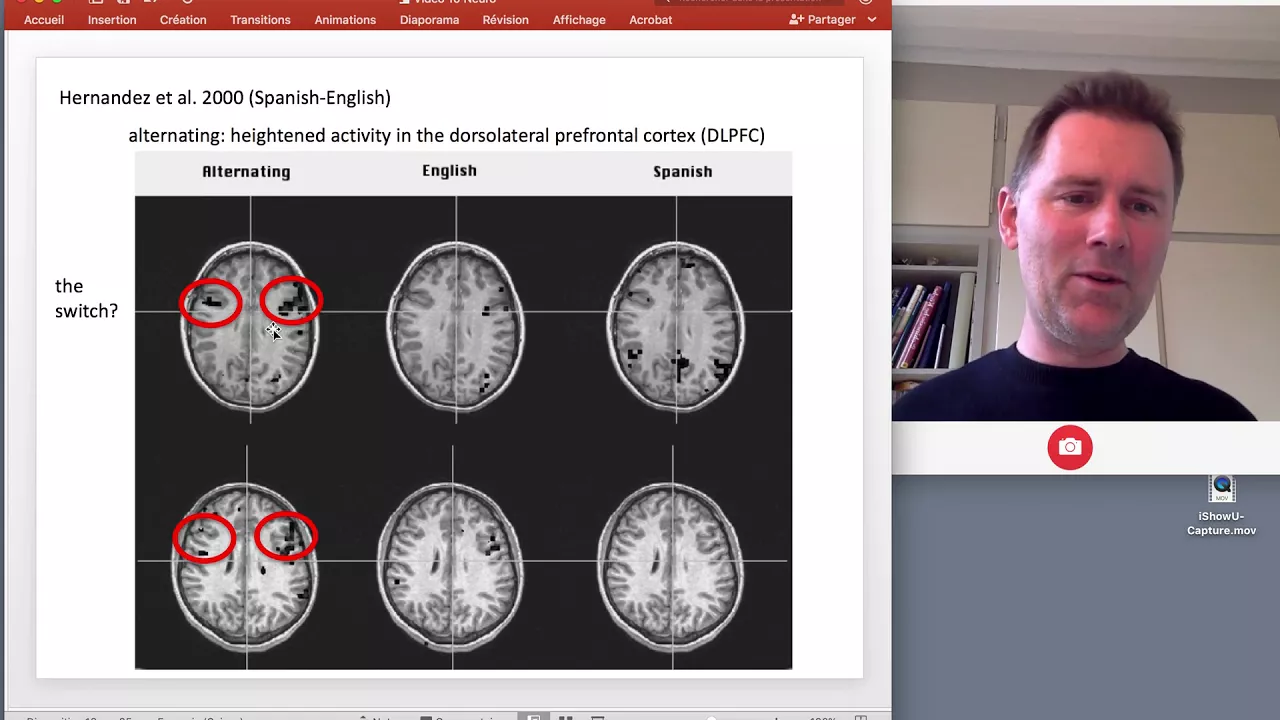
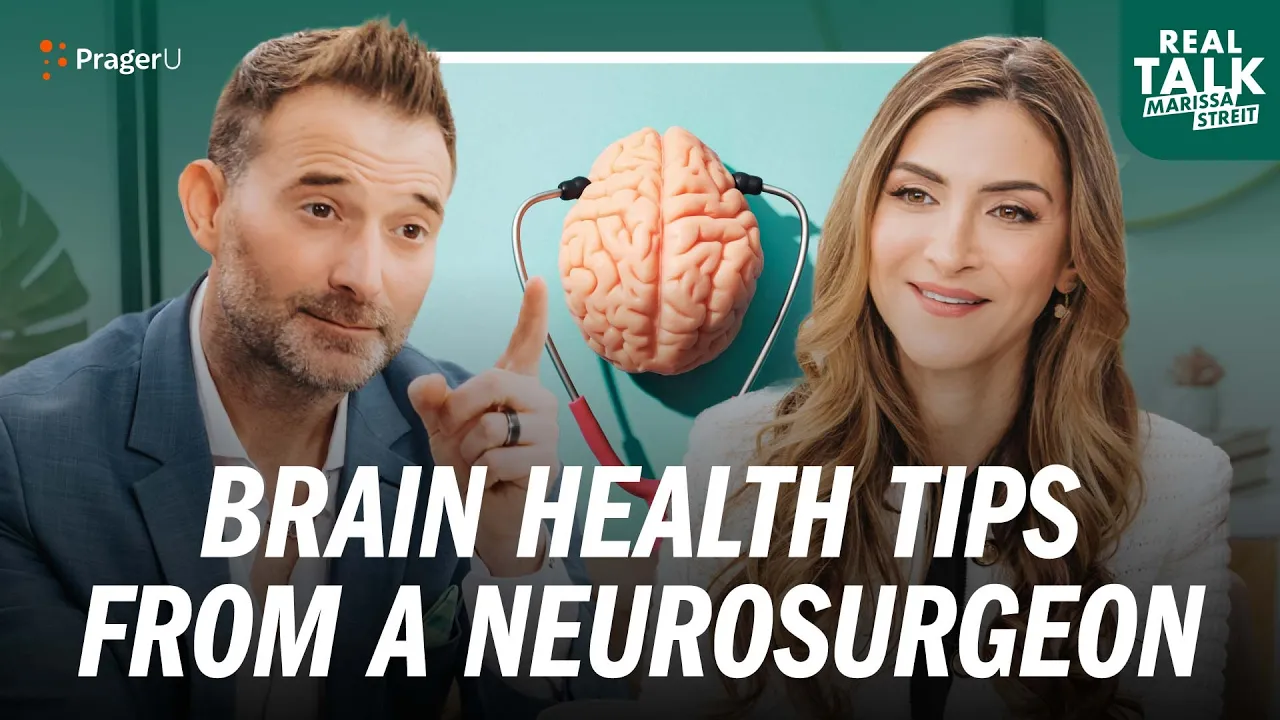




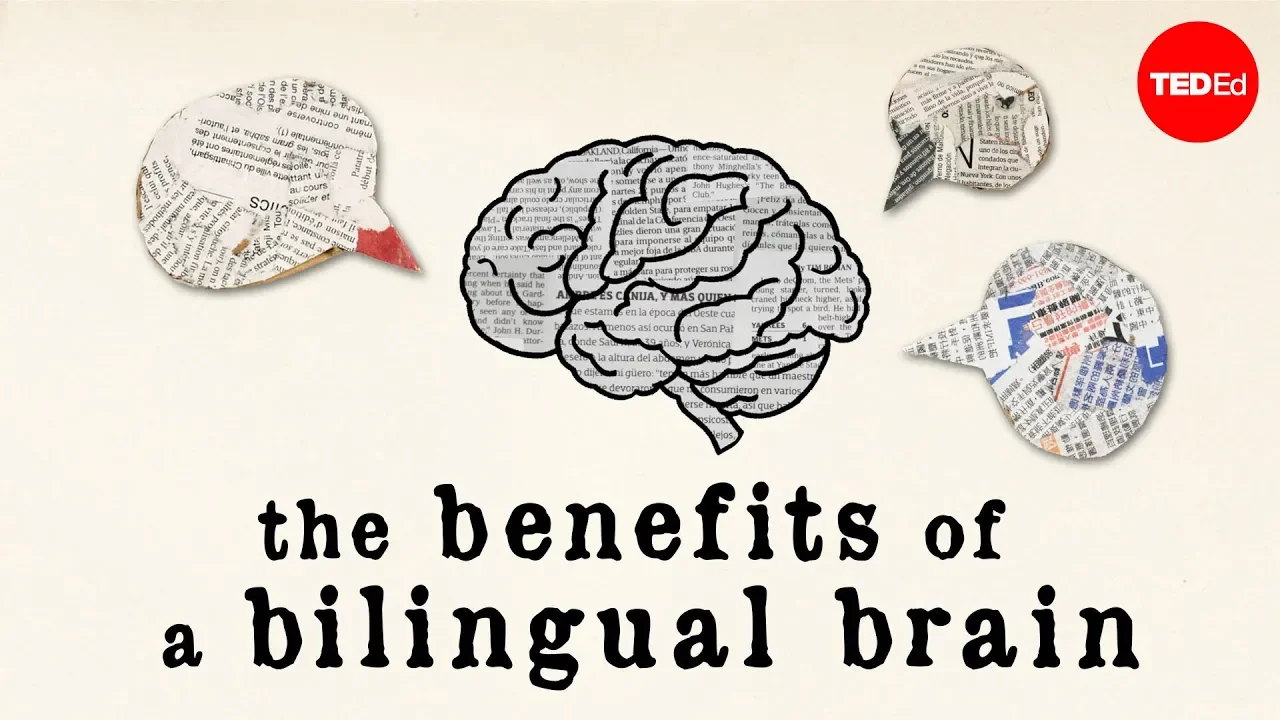
Bilingualism provides significant cognitive benefits, including enhanced executive function, improved voice recognition abilities, and potential protection against dementia. Research from Harvard and other institutions shows that bilingual children develop better cognitive control and multitasking skills, while lifelong bilinguals demonstrate more white matter in their frontal lobes and better-preserved temporal lobes, which are associated with delayed cognitive decline in aging.
Bilingualism Benefits: Cognitive Science Meets K-Pop Podcast Discussion
Added:Basic neuroanatomy and the concept of neuroplasticity (how the brain adapts and reorganizes itself in response to learning).
The definition and core components of executive function, including cognitive flexibility, working memory, and inhibitory control.
An introductory understanding of social cognition, particularly how communication styles and language acquisition influence empathy and interpersonal relationships.
The general concept of cognitive reserve and how environmental and mental stimulation can buffer the brain against age-related decline.
The clinical applications of bilingualism in delaying the onset of neurodegenerative symptoms, such as dementia and Alzheimer's disease.
Sociolinguistic theories surrounding code-switching, linguistic hybridity, and identity formation in globalized media (e.g., K-pop and multicultural broadcasting).
Advanced methodologies in neurolinguistics, such as utilizing fMRI and EEG to study the structural and functional changes in multilingual brains.
Educational policy design and pedagogical strategies for promoting dual-language immersion and lifelong second-language acquisition.
282.1K views16.5Klikes41:19Original Release: 2020-07-12
[Music] welcome back to the show everybody this is how did I get here also known as ludic uh for those of you who are not familiar we want to show is I just want to go over the guidelines real quick how did I get here's where we live our best lives on the Internet come out the other side knowing more but not feeling all that much smarter now what does that mean Alexa okay let me analyze this it means you gain some knowledge but not a lot exactly don't forget to subscribe to the podcast leave a review also check out our videos on youtube.com slash star studios and subscribe with notifications on jumping on into the meat of today the question that Diane has been pondering all week take responsibility Jay what are the benefits where are we we are we we have been pondering what are the benefits of bilingualism ah okay let's talk about it we are both I am bilingual you are basically well yeah don't you trilingual um I mean I don't think I know enough Spanish to say I'm Charlie oh really I thought your spine was really good cuz you always made fun of my special like you were really good at Spanish I think I'm at least here you're like here are you able to converse in Spanish like minimalistic ly minimalistic ly like I've seen you I've heard you speak Spanish you're like pretty pretty decent I wanna be better though oh really yeah okay the first time I came to dive studios and I was on Eric's show he said he found out that I was born Argentine he was like oh boy Quito and I was like what it was like so you don't speak Spanish and I was like what check out their cover and zany TV thank you thank you can you plug it in it's like my company plug it I like it I like it let's talk about it okay well languages do you speak then uh English my first language and now I speak Korean I had Spanish from when I was little all the way till I was like eleven it was like a mandatory class in my school whoa I failed Spanish great Spanish was so hard really yeah but it's crazy that it was so hard because my parents they used to work in Argentina and my sister is trilingual she speaks fluent Spanish so when they're talking smack about me in front of me they're always speaking Spanish so that's why I learned how to nunchi in life you know in order to debut in JYP there used to be a lot of standards used to have to have certification in at least one foreign language and you have to pass Keeble namu I wasn't dancing class for three months and then they became to me one day and they were like we think that's enough okay so what languages you speak Spanish somewhat somebody I speak some Chinese stop Mandarin and you speak English sort of yeah okay and you're also really hip too so you can't speak like the slang it's I mean if you count that as a language in the other language of the internet so to say them yeah it's that's a legitimate language nowadays like I've come to an age where I've realised that I can't keep up with young people anymore it's really hard okay and I agree I'm on the same boat as Eric we're getting older and we do end up becoming a little bit cringe because we can't keep up with the times you're just throwing Eric under the bus I mean guys let's come on so me and Eric you know what's interesting though Pablo's not cringy tobol is not cringy but he's older than both of us he's gonna turn 40 this year really international age 40 anyway so yeah we've come to an age and every time I meet you I learned these new words and I learn all these new expressions like what's hip for the young uns these days that's the thing see I'm stuck in like what was hip in late 2015 and that's kind of where I stopped because I think it's like you know like how Noah days are like different trends going on a speed like that yeah I'm not like hip to the hospice what's going on with the kids see I still say things like that I'm like I don't know what's like only by 1990 I literally say funky-fresh like I say groovy I say tubular like like really grew up with that stuff back then you weren't even born when tubular was popular yeah I say gnarly stuff people look for new people say gnarly gnarly gnarly when'd you come to Korea this is interesting all right so like wouldn't it like move here like what was the first time I came here mm-hmm or like let's talk about the whole process how did alexa debut in Korea as an artist yeah so that's kind of a long story but I'll try to condense it down into little segments of time here so before all of this started like I was a kpop fan starting way back in the late she doesn't eat and so uh like my senior year of high school I did like dance covers and everything on social media mm-hmm and through that I participated in this online contest called rising legends which was held between this one was eight Soompi oh I remember that yeah it was between soup being like each year was a different company so I participated both years I won the dance categories in both years but the second competition I've got the most overall votes so I got a chance to come to Korea 2017 mmm I filmed a mini reality series with Jerry Oh Trey yeah and then through that my current say yes say oh say yeah I wanted to say tip chundan but also CEOs okay must hate you say yeah CEO found me through that and then they signed me and then I started doing auditions for that program in January 2018 yeah it's kind of all that started and then you were training your training period and then you debuted yes what was that training period like it must've been hard yes so for several months I had vocal training I had dance training and not only like just me learning covers and everything for like weekly evaluation but I also studied like dancehall style and afro beat style dancing which is a very diverse style it's not commonly seen here so it was really interesting and a very fun opportunity to train that way so yeah interesting I don't know anything about dancing so I have a couple questions mm-hmm so it's training in a different genre of dancing colic training in a different genre vocals yeah I mean like it's cuz like let's see help with this if you're doing jazz dance for example and then you're going to go straight into something like dance holler afro beats it's like taking a pop singer and trying to teach them how to sing opera oh it's like just like how for a singer like their throat it's like their instrument for a dancer your body's your instrument Oh like the groove and like the in a way they do their movements placements very important grounding like oh yeah what's your forte my forte that's like I don't know my forte is cuz like when I was a kid up until I was 14 I did ballet hundun wheel hmm interesting yeah and then you moved on to I did like I didn't really touch much I couldn't but like I did like tap when I was younger I did hip hop and in jazz and then I did like the dance team at my school was competitive dance team mm-hmm how did you end up doing like these hardcore like choreo popping like ah yeah that um we decided that that's interesting the company think of this and because you know I also I'm grateful that I get to contribute to say in what we do for like our concepts of what not I really like hard-hitting stuff and so our company and myself thought it would be a good idea to like go forward with this kind of like hard concept female debut so yeah Oh interesting so like do you guys get in a meeting together then yeah we have meetings together for these things woah okay so going back to another topic that we were talking about before you are stuck in 2015 what's the year that you came to Korea 2018 wait why are you sucking 2015 then I don't know my brains just stuck galas gonna make a point but that just ruined everything well what were you gonna say I am stuck in 2010 mm-hmm - like 2012 2012 - like 2013 14 ish because of America right and that happened with my parents as well see everyone was like why are you so cringy why are your date so why are your joke so outdated because my jokes are all still from twelve and twenty thirteen and one was poppin then now why does this phenomena occur let me go to another example my parents my parents went to America or they started moving in the late 80s to early 90s right you get when they came back to Korea there was a big cultural shift that had happened that they weren't aware of why because they are still stuck in the time period and all their memories and cultural knowledge of how things are supposed to be are stuck in that time frame once you leave a place it gets really hard to go back and that's why you have a shift period about a year to two years after you leave that you could stay hip with the current modern culture but then after that you can't just lose touch with everybody stop talking to people let's get into the topic of today Jing the first point and once again our question was what are the benefits of bilingualism in case you forgotten that long ramble of information first point bilingualism as a life experience what we're learning about the lasting cognitive effects of speaking two languages hmm and this is from Harvard edu Harvard I may not understand this article can you read this sure um how about I read it and then you help dissect it okay sure of his word you don't know I will tell you yes what Sam and Zhanna ladies suggest it says Apple on the card the man's and it's Manzana it's always Spanish sana Manzana Lebanon Oh with the little it's why is that here that's Nara oh okay what do we know about bilingualism much of what we once thought we knew that's speaking two languages confusing for children that opposes cognitive challenges best avoided is now known to be inaccurate completely 100% agree today bilingualism is often seen as a brain sharpening benefit a condition that can protect and preserve cognitive function well into old age summary um basically being bilingual is good for you it helps keep your brain active in the old age because as soon as your brain starts dying on you your body's gonna start dying down on you keep your brain active bilingualism and executive function as bilingual children toggle between two languages they use cognitive resources beyond those required for simple simple simple language acquisition example Luke writes in a forthcoming edition of the Cambridge encyclopedia of child development just kidding wasn't an example so what this is saying is that a bilingual child has to constantly tap into his cognitive resources what are cognitive resources else what I was gonna say they tap into the brain and keep having to use these brain functions which keep them ready and sharpened and alive a lot of it is social cues like being much more aware of who they're talking to sometimes like little kids when they're bilingual multilingual mm-hmm they start figuring out who they're talking to what language that person speaks so they'll you know I don't know if code-switching is the correct word but they adjust so you learn how to adjust to certain people in the way you speak to them which is probably a skill that is better developed from being well to adaptation yeah your data you mean like when I talk to mom I speaking Korean but when I speak to my teacher at school I speak English and it's just like you know such as you said social nunchi or whatever yeah of like being aware of who you're speaking to and what the best way to communicate with that person right so what you're saying is bilingualism we're speaking more than one language eventually leads to you having better social cues yeah I think it helps for sure at an earlier age interesting more aware that makes me wonder what would I have been without Korean my cues are a mess already so like if I did is be creative be even worse can you even fathom yeah let's just be thankful for your life Ben thank you because you curb speaking Korean right I did it was kind of like one of those things where like I think all Korean kids in South California Southern California they go to church for a Korean class and when you go to church everyone speaks Korean except the kids who only speak English and on Saturdays you go to Korean school and you feel me yeah it's just it's just a thing yeah where did you grow up let's talk about it hold up that's so interesting Thanks what's what's different from Southern California in there so I will say Southern California usually you know I think it's like all of the cities when your boy kick you with friends you go to the mall you go you go to the beach a lot bonfires happen a lot um what's another thing that's specific to LA well I'm not as much Southern California I was mostly in Northern California but if it was like for Korean friends most of my Korean friends were church friends mmm and it would be like so how was Oklahoma how was it different from LA you think I mean cuz I've been to LA like once or twice but like you know not enough to like you know absorb the city really but I mean right it's certainly bigger than Tulsa Oklahoma Lee Tulsa's like one of the bigger cities in the States but I think like maybe like I don't know how many Tulsa's could fit inside la Lee it's still a small city and like you know we know we go to the mall to to hang we do that but there's no beach it's a landlocked state we have some rivers we have some like ponds you know fishings a thing like think of like the stereotypical country aspect about tone it down a bit that's what's Hulse is like like there's like you go on the highway you see cow as you see horses you see farmland that's so cool really you have a horse no but I've ridden horses before is that like a is that like normal activity that you guys don't worry spec writing um I mean I guess when you're a kid I mean some people like some kids I knew growing up like their families had horses and ranches and stuff so like know what we were like how like parties like that but there's a horse riding parties yeah occasionally and like different Lake I mean that is so this one church camp I went to there was like a trail like a horse trail thing that we would do sometimes as kids like a pony trail yeah but I actually horses horses I don't know I like horses they're cool oh the bane of my existence my number two allergy is horses my allergies picked them up from a mile away I literally sniffed their hairs floating through the way did not know J of basics was allergic to horses why did you have to specify that one my my best from one of my best friends he's from Norman Oklahoma really he loves horses and we went to chas Udo together for a trip and we saw horses and he like leaned half his body out he was like horses horses you and other parts in Korea to check it out but and then what was like the Korean community like well there really wasn't one that I knew of there might have been one but the thing is I didn't really know many Korean people like my mom and these two kids in school were the only Korean people I knew growing up mm-hmm and as it is my mom didn't speak Korean so we weren't very much involved in that kind of community mm-hmm but there really weren't many Korean people granted like my family moved to Dallas now and there's a big green community down in Dallas Texas but in Tulsa Oklahoma there's like nobody so it's kind of hard to realize who I was and be in touch with that at a young age so wait if you weren't hanging out with Koreans so how did you segue into kpop my best friend we were in Chinese class together and she okay so this kind of long story short but our teacher said do a project over Chinese pop culture hmm and my best friend was like have you heard of this guy named Henry from super junior and I was like what and so she introduced me to super junior through the Chinese member and then that kind of got me into k-pop and all that jazz whoa who was your first to stand group my first stand group I mean granted my friend introduced me through Super Junior but SHINee it was my first group that I liked I think that was my first like oh yeah yeah no am I just kidding yeah I really like shiny as well it was your first and no because I like g.od and GIP okay yeah yeah oh and like Judy and GIP and then like after I got a little bit older and the first influent the first group that I really began to listen to that wasn't influenced by my sister was shiny as well I really liked their music very nice didn't we also talk about how you stuff like a big Creek in the backyard yes I like a creek at my back you heard that's a really common thing and your parents would trap like squirrels and stuff so fascinating no but granted there were a lot of squirrels in the area so my mom would built like cages around her guardian and so that like squirrels couldn't get in because my mom is yeah my mom is a green thumb like she can grow anything so we had these really big gardens in our backyard but she built kay just with chicken wire over everything so that you know squirrels couldn't get in and steal our food resourceful love you mom let's go back to the topic we went away from a little bit legalism lingual isn't coming back bilingualism and the aging brain so obviously we're talking about how it's better for your cognitive skills as you age older and as you go because they seemed to dim and fade but Luke and her researchers are looking at the neuroscience of bilingualism at how bilingualism may affect the physical structure of the brain in its different regions well so what they found so far was that older adults for a lifelong bilinguals have more white matter in their frontal lobes what is white matter gotcha lifelong bilinguals having more white matter in their frontal lobes then monolinguals and that their temporal lobes are better preserved temporal lobes they're saying in quotations is important to language function and the frontal lobe is important to executive function what's executive function the executive decisions I would assume that's what it means like yes I'm going to go to school today yes I would assume that's what that means gotcha white white matter is the part of the brain that's connected to nerves all right duh Oh half your brain is made up of white matter and the other half is made up of gray matter yeah right so motor skills kind of yes so let function so gray matter is the nerve cells and then white matter is kind of like what connects everything together hmm okay interesting yeah I still do not understand it's what transmits the signals between everything explained okay so neurotransmitters you know they go through like the synapse and everything and then plane in English your brain does a thing yeah god sure yeah he got it okay okay the results support that other evidence that persist by language ape brain function of structures a growing body of evidence suggests that lifelong bilingualism is associated with the delayed diagnosis of dementia true like we're saying a keys cognitive skills sharp therefore keeping your brain functions sharp not giving them the time or or the space to really wither away touch be right in 2015 a paper shin or colleagues began to look at the functional brain networks in monolinguals and bilinguals the findings support the idea that a language experience begun in childhood and continued throughout adulthood influences brain networks in ways that may provide benefits far later in life so it's beneficial to be bilingual contrary you know I think we mentioned it before but before these kinds of this kind of research was done they used to say that being bilingual is actually bad for your brain really yeah because it makes you think it makes you confuse that's what they used to say I was confused when I just spoke English something true wait let's look at this let's look this up who are they and why do they say this this was like common knowledge only so how people used to think Bai Ling is that right he's filled it right yeah there's a little red squiggly Otto Craig has ruined us Auto Craigslist how people used to think that bilingualism was bad could have been that look for decades some psychologists have claimed that bilinguals have better mental control wait what since the 1960s wait what wait wait there used to be people that wrote that okay here it is here it is people believe that if children grew up with two languages rattling around their heads they would become so confused that their intellectual and spiritual growth would not thereby be doubled but halved this was written by a professor in 1898 yes but the use of foreign language in the home is one of the chief factors in producing mental illness yeah interesting and then recently since the 1960 studies have shown that being bilingual is actually fruitful hmm interesting do you guys agree with that either agree bilingual being bilingual definitely a beneficial thing for the brain yeah well actually I kind of have trouble sometimes cuz I do get their sentiment from the earlier studies in confusing yeah cuz I do get really confused let me clarify I don't think it's good for social your social interaction to be bilingual if you're half adequate at one language if you're J exactly you know my problem is my problem is my Korean sounds good but it's not actually good so I go to like a radio yeah like right when I debuted I would go to a radio and they'd be like oh that's J cuz you know you don't go and you're just like hi I'm Jay the foreigner from America that doesn't speak good Korean you're just like any other Taemin I'm Jay and then they would ask me these really hard questions and then imperfect pronunciation I'd be saying really weird things and they'd be like yeah well like it's weird you know and then my members would have to somehow explain that my pronunciation is just good but they wouldn't believe it so it just becomes really awkward like I had a lot of those moments debuted that's why I stopped talking on Korean programs a lot yeah with your first lady does not talk have you been on any Korean programs yes I have not I mean I've had some interviews and like recently if it's one music show I did there was like a brief like taking gear like interview thing that happened but like other than that I haven't really had like any exposure so to say but how was how's the technical interview it was good it was simple it was just good I'm so curious I'm how's your Korean though I mean it's not bad but don't put me on the spot chai okay I will pass will pass I'll pass but what happens when you have to go to like there's like shows like music programs where you have to go on stage and like to the tab ones yeah memorize them be like a key guy oh like and all that stuff I'm not there yet but as long as there's like a table I'm fine really you can raise everything dude I can't memorize that stuff for the life really I really my memorization skills are terrible I'm a goldfish I don't remember anything okay yeah memorizing things is not super difficult for me first like as long as you're like a table and for something I'm fine what's your IQ uh actually is not that fire from genius actually thank you baby like this thing I remember my parents told Mike he was like not too shy of genie so that's a thing which is really weird wait and my brother has a hierarchy than I do oh hey sorry going off topic but I'm curious over 140 oh you're so you might be near once so 150 area maybe oh oh I thought I was really smart what's your IQ like 120 something but I'm like whatever I mean you're above average though I mean but above average is a c-plus I'm misses most people fall with an 85 to 114 if you're 120 than you're above average yeah okay as we want to another article then the benefits of being bilingual well we already talked about that cognitive skills constantly sharpening your abilities they're less prone to dementia you know what I also heard about why bilingualism is actually good for you it's because your brain gets used constantly filtering two streams of information interesting so whenever you're talking to someone you're thinking of it in Korean and English which I read yesterday but does not apply to me because I only think in one language English at a time okay at a time so if I'm like doing something that has to do with Korean I'll be thinking in Korean I don't have like the multitasking ability to switch in between do you do both it depends on the situation but yeah six and Korean why six and Korean the number six in Korean you eyes in English wait what being bilingual makes you better and non-linguistic tasks let's go in a small study bilingual people we're about a half second faster than monolinguals true I have very fast motor skills so fast three point five versus four seconds executing novel instructions does that add 1 to X divide Y by 2 and sum the results okay so we're faster [Laughter] okay thank you that was very informational okay there's an interesting article that says is bilingualism really an advantage debating the bilingual advantage let's open it up okay de Bruin says I'm definitely not saying that there's no bilingual advantage but the advantage may be different from the way many researchers described it as a phenomenon that helps children develop their ability to switch between tasks and more broadly enhances their executive control functions oh so he's saying that it's not how people think they just automatically become generally smarter it just develops their ability to multitask I suck at multitasking what are you talking about your special case are you gonna multitasking yeah really so you can text while talking to someone yeah really and hold the fluid conversation you must be thank you I did I can't do that to save my life really I like Dan knows I can't text and talk at the same time I need to do one thing even when I'm eating food I need to focus on one food so I don't like having a bunch of things out it stresses me out let's pick a bunch of stresses you up with pick one I don't like that really cuz my mom she always likes having a lot of punch I know so it stresses me out when I eat at home because she has a bunch of things out there delicious they're great but I just hate having to focus on so many things at once are you just indecisive like no I just don't have the cognitive resources on all the content I want to focus on my pup and cool thank you it is a good day for me many modern language researchers agree with the premise not only the speaking multiple languages help us to communicate but bilingualism may actually confer distinct advantage is advantageous to developing the brain because a bilingual child switches between language the theory goes she does she develops enhanced executive good executive control or the ability to effectively manage what are called higher cognitive processes such as problem-solving memory and thought oh so that's the actual advantages of being bilingual and what did they think in the first half of the 20th century was that bilingualism puts a child a disadvantage and it was something that hurt his or IQ and verbal development if you're learning tooling which is being birthing will help you learn more languages in the future does it yeah as long as you learn one language it can help your like I like that kind of learning process opens up your brain for like further language development to become a polyglot in the future so then let's move on to like something like French that has nothing to do with Asian languages what that helps with French as well you think well because French is very similar to Spanish and those are rooted back in Latin my belief unless I'm wrong it's kind of easy to learn those together it's like when you go to school east where I'm from take Spanish but then you can learn something like French or German and those languages are kind of like you know all together in a little hot pot yeah uh so I guess the advice that Alexa has for you is that in order to become a polyglot which I totally knew before today in order to Cal Poly that you gotta extend your brain to like every consonant and that'll somehow help you envelop all the languages I mean you said that not me but I mean I would just suggest broadening your horizons to the depth that you can I guess and that's gonna help you later on with linguistic development in the brain yes sir sir yes sir well how many languages to speak again English Korean little bit Spanish Luba Chinese and I'm fluent in the Internet I like that last one yeah okay ah last point of today Oh bilingual children are better at recognizing voices oh wow that's interesting that would make sense though yeah why would it make sense well enlighten us well I feel okay so if you're being exposed a lot of languages at a young age are bilingual so two languages but you're constantly hearing different people say different things you need to start associating things and recognize things faster hmm that's like we're talk about like social cues earlier right multitasking so I feel like it make more sense if children could recognize voices easier when they're bilingual and you are correct yay bilingual children have a perceptual advantage when processing information about a talkers voice this advantage exists in the social aspect of speech perception where the focus is not on processing the linguistic information but instead on processing information about who is talking speech simultaneously carries information about what is being said and who is saying it you were correct all right so there was a study done right yes 41 children participate in the study a combination of 22 monolingual English speakers and 19 bilingual children the bilingual children all spoke English and either spoke or were exposed to a second language on a daily basis the children were divided by age the two groups nine years and younger and ten years and older and they all completed a series of tasks of listening the different voices and they also isn't a part of words in a language that they knew and also in an unfamiliar language which was German the children were then asked whether a pair of words were spoken by the same person or two different people interesting kind of like a test day in another test the children learn to identify the voice of three speakers represented by cartoon characters on a computer screen after listened to the cartoon character see a series of words the participants heard a word and would then have to decide which cartoon character spoke it okay were the results here they are yes the tests revealed that obviously all the children perform better than younger children confirming previous studies that information about who is talking improves with age but she also noticed that bilingual children performed better than monolingual children in recognizing and processing voices speaking both English and German well when listening to English bilingual children were better at discriminating and learning to identify voices they're also fast our learning voices when hearing German children were better I just got it all I know by the angle people rule the world is there a language that you guys would want to be like fluent fluent in outside of English and Korean uh yeah I'd like to be fluent in Portuguese if possible oh yeah Portuguese let's go Brazil Brazil yeah Oh true know what's a Brazil and like I just didn't know because I thought it was South America and everyone spoke Spanish yeah that's what I thought I was really uneducated stop wagging your yeah but the thing is there's also a difference between like Spanish regionally that's the thing true true true like like Argentinian Spanish and Mexico Spanish are different which I learned when I was younger but anyway I went to Brazil and I was looking around and I went up to them and I knew a little bit of Spanish sounds like using a string in the words I know together I was like done this the local bus and she looked at me like I was crazy and I realized that they speak Portuguese and that is the end of my story their language you wish you were flowing that outside of Korean and English like if you could be like magically just fluent in it in the snap of fingers like what would it be I think I'm happy with our tea I already have too many problems with English and Korean another language in my brain would stop like the way like your first language is second nature to you so how my brain works it's a bit different yeah it's a bit different if you had one wish in the world what would it be sorry there's something really random I don't know I'm a very empathetic person us let me specify to learn a skill to learn a skill okay um-hmm I think it would be hmm oh my god just to be able to learn conversational level of every language possible what does that mean like be able to communicate maybe not like in depth things like business and news talk stuff like but it's beyond the conversational level of like every language possible Oh polyglot yeah there you go okay that that's pretty normal you know what Diane's wish was her wish was to learn that learn the accents of the world yeah but the house of understanding things though that helps so you are not helping my case here that is the article for today and we have answered the question of what are the benefits of buying being bilingual well as a benefit just helps with your cognitive abilities help with your blade perception of things and that your destination destination discernment discernment between things yes it helps to fly it off Mentos up where mmm yep and then it keeps you sharp mm-hmm yes sir those are the benefits being bilingual yes yes learn a language today now that we've answered the meat of today we're gonna go on to some specific questions they may have had for us the first question is from Sky 4 6 mm-hmm yes uh yeah okay they asked have you ever eaten something you're allergic to because you really like the taste yeah Pizza ice cream man I might chaos on the inside yet how bad does it get everything hurts okay for those of you who are not lactose intolerant let me give you a rundown what happens there are two different routes that this could go your stomach could hurt or your head could hurt oh my head hurts okay so it's two different ways interesting the more you know there we go question two question two is from at Taste sunrise when you dream do you see it in color or in black and white also is it in the first-person perspective or that third person perspective uh I think I dream in color I think I do and it's typically a third-person perspective for me interesting yeah I don't see things from my own point of view a lot no she'll uh stream I don't remember I don't remember actually yeah I just know that it's typically like I see myself it's not so much like like in first person yeah that's interesting I think my dreams actually kind of changed sometimes black and white sometimes it's color sometimes third person sometimes first-person interesting what second person's perspective if they're yours next to you I don't think that's the thing either all righty that wraps up the show but today those were your questions thank you so much for coming on Alexa how have you enjoyed being on podcast today it was such a great honor to sit here right beside you friend thank you so much for having me No thank you though it's fun is that it thank you for coming on thank you for listening everybody before you go if you have more questions for us please send them to me with the hashtag good good and let us know what should be on our next question or big search you can send those on the platforms of Instagram and Twitter at di Studios also youtube.com slash star studios if you have any specific questions for me or a leg so or future guests please send it to my socials ad jaeyi underscore day ay6 and also don't forget to subscribe and review this podcast turn on notifications and we will see you next time goodbye but once again before we go I like so working people find out oh yeah yes I am Alexa you can find me on twitter at alexa underscore zeebee instagram Alexa underscore Z be official and is there anything cool that people should have look out for oh yes so uh you for those of you don't know I recently have my comeback with my second single do-or-die and the physical album it's coming out on April 1st which is not an April Fool's joke it's real yeah yeah fansigns ladies and gentleman did you enjoy that content if you did there is more please download the full podcast on spotify as well as apple podcast also don't forget to subscribe to our youtube channel at dive studios don't forget to turn notifications on to hear and see all your favorite clips as best possible
Up Next
42:34
Bonobo Apes: Rainforest Pharmacy and Medicinal Plants | DW Documentary
@DWDocumentary
118.9K views•2017-01-13
50:12
Bacterial Communication: Quorum Sensing and Biofilm Formation Explained
@JHUAAP
12.6K views•2011-06-28

5:35
Enteric Nervous System Explained: The Gut's Brain | Neurobiology Lecture
@alumniu6029
438 views•2018-09-12
7:08
Bacteriophages: Earth's Deadliest Killers and Future Antibiotics
@kurzgesagt
34.6M views•2018-05-13
Related Study Plans & Knowledge Roadmaps
Structured learning paths in Biology
biology
RNAi: Biogenesis, RISC & Gene Silencing
01Molecular Biology Foundations: DNA to Protein
02Introduction to RNA Interference (RNAi)
03Molecular Biogenesis of miRNA and siRNA
+ 2 more learning modules
10h5 modules
Explore Roadmap
biology
Mycorrhizae: Signaling, Biophysics & Ecology
01Foundations of Mycorrhizal Symbiosis
02Molecular Signaling and Root Colonization
03Biophysics and Bioenergetics of Nutrient Exchange
+ 1 more learning modules
11h4 modules
Explore Roadmap
biology
Circadian Clocks: TTFL, SCN & Periphery
01Foundations of Molecular Biology & Gene Expression
02Introduction to Chronobiology and Actograms
03The Core TTFL: Molecular Architecture of the Clock
+ 3 more learning modules
14h6 modules
Explore Roadmap
biology
Population Genetics: Math, Drift & Selection
01Genetic & Probability Foundations
02The Hardy-Weinberg Principle and Baseline Models
03Mathematical Modeling of Natural Selection
+ 3 more learning modules
18h6 modules
Explore Roadmap