Mandatory minimum sentencing laws, particularly the 100-to-1 disparity between crack and powder cocaine offenses established in 1986, were designed to combat drug crime but instead created racially disparate outcomes that disproportionately incarcerated Black Americans for low-level drug offenses, contributing significantly to mass incarceration despite their intended purpose of uniform punishment.
Mandatory Minimums: Unintended Consequences in Mass Incarceration
Added:Deep Dive
Understanding the basic structure of the US legal system, specifically the separation of powers between the legislature (which writes laws) and the judiciary (which interprets and applies them).

O tenente-coronel Mauro Cid revelou os planos para o suposto golpe de Estado / GAZETA DO POVO
12.6K
The legislature creates laws, while the judiciary interprets and applies them. When courts attempt to create new laws or substitute legislative decisions with their own interpretations, they violate the separation of powers doctrine. This principle ensures that elected representatives, not unelected judges, determine public policy. The legislature creates laws, while the judiciary interprets and applies them. When courts attempt to create new laws or substitute legislative decisions with their own interpretations, they violate the separation of powers doctrine.
Click to watch →

السلطات الثلاث�� السلطةالتشريعيةو القضائية التنفيذية والسلطة القضائية والفرق بينهم
24.6K
The legislative branch enacts laws and derives authority from the people. In the US, Congress consists of the Senate (100 members, 2 per state, 6-year terms) and House of Representatives (435 members, apportioned by population). Legislative bodies also approve taxes and government expenditures. The judicial branch ensures laws are applied correctly and consists of a hierarchy of courts including trial courts, appellate courts, and supreme courts. In the US, this includes the Supreme Court, appellate courts, and district courts. Supreme Court decisions are final and can only be modified through specific legal processes.
Click to watch →

Clueless government officials ADA compliance denied 1st amendment audit fail
32.7K
In the United States government system, the legislative branch (Congress and state legislatures) creates laws, while the judicial branch (courts) interprets and applies existing laws. Judges do not have the authority to create new laws or policies; they can only interpret and apply laws that have been enacted by the legislative branch. This separation of powers is a fundamental principle of American constitutional government.
Click to watch →

Law Unit 1 Past Paper 2018 Mdoule 2
193
This section covers the separation of powers doctrine: (1) Judiciary functions include law interpretation, dispute resolution, judicial review, and protection of rights; (2) Legislature functions include law-making, representation, and oversight of the executive; (3) The doctrine rests on two principles: checks and balances (each branch limits others) and independence of each branch. Hinds v. The Queen (1996) demonstrates how legislative acts can breach separation of powers by allowing members of one branch to exercise functions of another.
Click to watch →

सत्ता में साझेदारी की कार्यप्रणाली | Civics Class 10th Chapter 2 Bihar Board | 10th Civics Chapter 2
104.1K
In democratic systems, powers are horizontally divided among three branches: Legislature (makes laws), Executive (enforces laws), and Judiciary (punishes law violators). The Legislature (parliament/assembly) creates laws through discussion and voting. The Executive (police, administration) enforces these laws but cannot punish directly. The Judiciary determines appropriate punishments. This division prevents any single body from having total power and ensures checks and balances in governance.
Click to watch →
Deep Dive
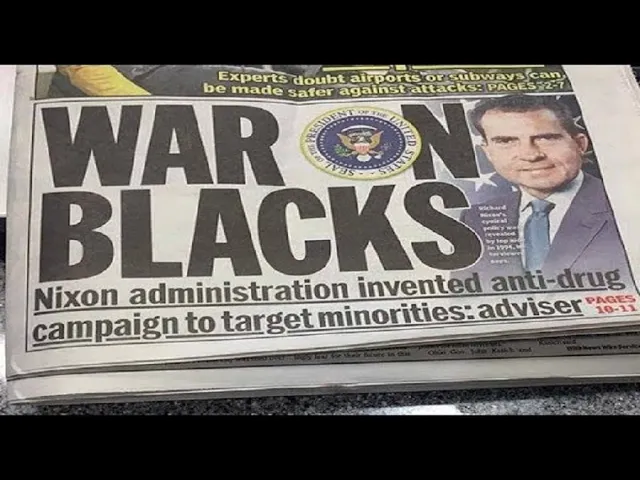
Familiarity with the history of the 'War on Drugs' in the United States, particularly during the 1970s and 1980s, which served as the political catalyst for strict sentencing laws.

The War on Drugs: Crash Course Black American History #42
266.1K
The War on Drugs began under Nixon in the 1970s, formalizing policies that originated from LBJ's 1965 'war on crime.' This initiative, promoted across multiple administrations, used severe prison sentences to combat drug use. The 1986 Anti-Drug Abuse Act imposed harsh mandatory minimums, with five grams of crack triggering a five-year sentence versus 500 grams of powder cocaine. The Clinton administration expanded incarceration through the Violent Crime Control Act, increasing non-violent drug incarceration from 50,000 to 400,000 between 1980-1997. Despite similar drug use rates across races, Black Americans faced 2.6 times higher arrest rates. The carceral state now represents billions in criminal justice spending disproportionately affecting communities of color, with the US holding 20% of global prisoners despite comprising only 5% of the world's population.
Click to watch →
The War on Drugs
31.5K
Sociologists observe that government punishment is primarily a tool of social control. The war on drugs was not launched in response to crack cocaine, but rather as a broader policy initiative. On October 14th, 1982, President Ronald Reagan officially declared the war on drugs, doubling down on Richard Nixon's 1971 initiative. Reagan declared illicit drugs a direct threat to US national security. Through legislation, this led to mandatory minimum sentencing laws of 1986, which tied judges' hands and forced harsh sentences for simple possession and low-level sales.
Click to watch →

The Hidden History of American Prisons
258
In the 1960s and 70s, civil rights, Vietnam, urban unrest, and drugs created fear among politicians who responded with promises of law and order. The War on Drugs was declared in 1971 by President Nixon, who named drug abuse public enemy number one. By the 1980s, mandatory minimum sentences, three strikes laws, and zero tolerance policies flooded the system. Black and brown communities were hit hardest, with entire generations locked away in the name of safety, punishment, and politics.
Click to watch →
The War On Drugs - Part One: Waging War
3.2K
The War on Drugs in the United States evolved from a series of racially motivated prohibition movements in the late 19th and early 20th centuries, when substances like opium, cocaine, and cannabis were criminalized based on racist associations with immigrant groups, culminating in Nixon's 1971 declaration of drugs as 'public enemy number one' and the 1986 Anti-Drug Abuse Act, which dramatically expanded mandatory minimum sentences and transformed drug enforcement into a system of mass incarceration that disproportionately affects Black Americans.
Click to watch →

The War on Drugs, with Ethan Nadelmann | STUFF THEY DON'T WANT YOU TO KNOW
547
The War on Drugs is a multi-generational conflict affecting everyone regardless of personal stance on politics or pharmaceutical companies. It is not a war on any specific country, person, or ideology, but rather a war on substances themselves. Drug prohibition in the United States originated not from evidence of drug harms but from public perceptions of who uses these substances. Cocaine, opiates, and cannabis were legal in the late 19th century. Prohibition began when these substances became associated with specific racial and ethnic groups—cocaine with Chinese migrants, cannabis with Mexican Americans. Richard Nixon declared drugs Public Enemy Number One in the 1970s, marking the modern War on Drugs. The crack cocaine crackdown in 1986 following Len Bias's death led to mass incarceration, with America's prison population growing from 500,000 in 1980 to 2.3 million by the early 2000s.
Click to watch →
Deep Dive
The distinction between determinate sentencing (fixed prison terms) and indeterminate sentencing (where judges have discretion and parole boards determine release).

Dawalt lectures Corrections 4 sentencing part 1
104
The criminal justice system employs two fundamental sentencing approaches. Indeterminate sentencing, developed by early 20th-century progressives, assigns offenders a range of years (e.g., 7-15 years) with actual release determined by parole boards assessing rehabilitation. Determinate sentencing, emerging in the 1970s, fixes sentences at specific terms with good-time credits for good behavior. The key distinction lies in parole board discretion versus fixed terms with earned reductions.
Click to watch →
Jake Haro Murders his son Baby Emmanuel Haro and gets 25 to Life
86.7K
Criminal sentences can be either determinate or indeterminate. A determinate sentence has a fixed term (e.g., 180 days and 6 years 8 months) that the defendant must serve. An indeterminate sentence (e.g., 25 years to life) has a minimum term and a maximum term, with release decisions made by a parole board. The court explained that the 180 days and 6 years 8 months would be determinate, while the 25 years to life would be indeterminate. This distinction affects when and how a defendant may be released from prison.
Click to watch →
LIVE: CA v. Jake Haro, Sentencing | Missing Baby Emmanuel Murder Case
100.3K
Determinate sentences are fixed terms of imprisonment with a specific release date, while indeterminate sentences have a minimum term followed by a maximum term (such as 25 years to life), allowing for parole eligibility after serving the minimum term. In this case, the court imposes both types: determinate terms (180 days, 6 years 8 months) and an indeterminate term (25 years to life).
Click to watch →

LIVE | FL v Sarah Boone -- Bold Appeal, but what does the State have to say?
72K
Second-degree murder in Florida allows for determinate sentencing (fixed number of years) rather than mandatory life imprisonment. The judge has discretion to choose between these options. First-degree murder has more fixed sentencing with less judicial discretion. This gives the judge more flexibility in second-degree cases.
Click to watch →

Sentencing Goals and Models
258
The United States uses two main sentencing models. Indeterminate sentences (e.g., 5-10 years) hold offenders until rehabilitated, then release on parole. Benefits include incentives for good behavior and rehabilitation participation through good time credits. Drawbacks include parole board discretion leading to inconsistency, bias, and uncertainty about release decisions. Determinate sentences are fixed terms offenders must serve in full. Wisconsin's Truth in Sentencing law requires serving entire sentences including extended supervision. Benefits include equal justice and victim confidence in sentence length. Drawbacks include lack of rehabilitation incentive and longer incarceration periods increasing costs.
Click to watch →
Deep Dive
Basic knowledge of systemic bias and how historical socio-economic disparities influence policing and arrest rates in minority communities.
PHI 240 - Racial Bias and Systematic Injustice
1.3K
This lecture analyzes a debate on racial bias in American policing, presenting arguments from both sides: one side argues that policing is racially biased based on statistical disparities (e.g., 85% of stop-and-frisk stops in NYC were Black/Latino despite comprising only 52% of the population), historical legal precedents (Floyd case, Thirteenth Amendment loopholes), and institutional patterns; the opposing side counters that policing is a response to higher crime rates in minority communities and that media coverage creates false narratives. The professor synthesizes these arguments by examining drug enforcement statistics showing Black individuals are 10 times more likely to be convicted for drug possession despite similar usage rates, and by explaining how historical policies like redlining and the GI Bill created lasting economic disparities that explain current policing patterns, arguing that systemic injustice operates through implicit rather than explicit mechanisms.
Click to watch →
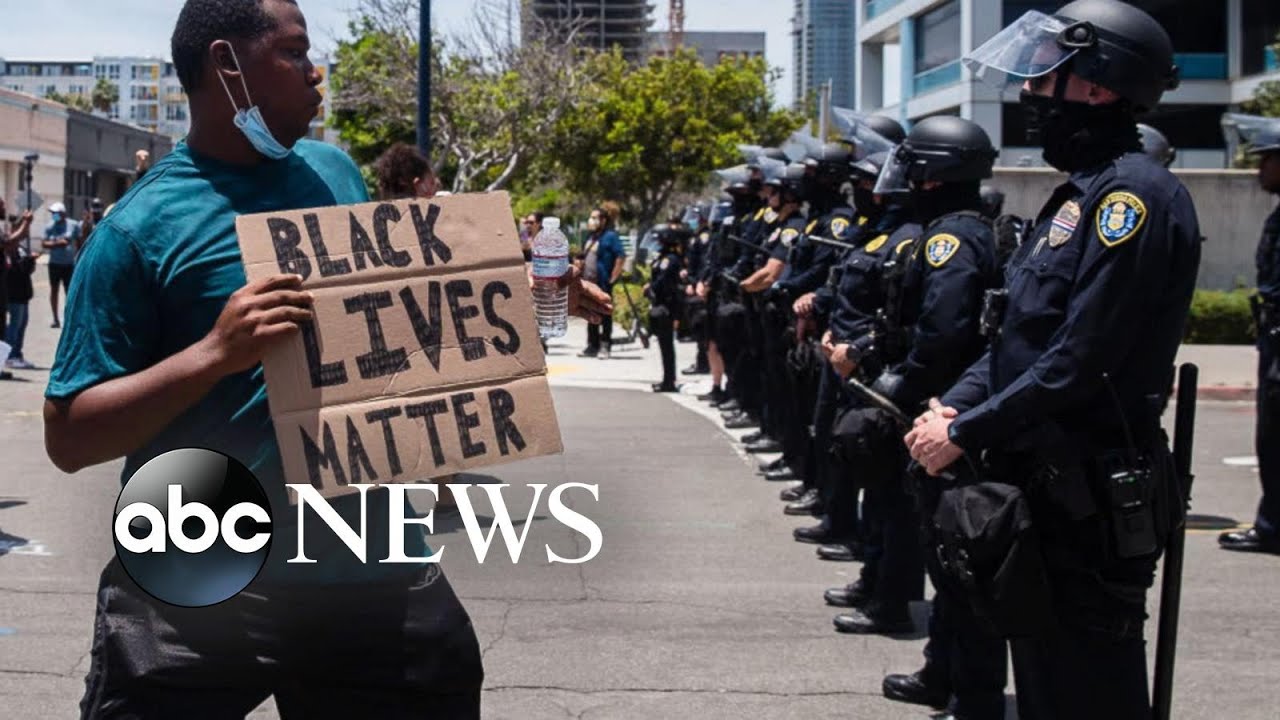
Examining racial disparities between police departments and their communities
4.9K
This segment examines how racial disparities manifest throughout American policing. Data shows that in 2019, metropolitan areas with only 10% minority officers had Black residents five times more likely to be arrested, while areas with 50%+ minority officers showed only twice the arrest rate. Research indicates policing has been biased against people of color for over 400 years. Only 10% of Black Americans believe police treat all races equally. In 99 of 100 largest metro areas, white officers exceed white residents, with some cities like Pittsburgh having 90% white officers despite diverse populations. These systemic issues create cycles of mistrust and unequal treatment affecting communities nationwide.
Click to watch →

Race and Crime
1.2K
Racial disparities in criminal justice are not merely a result of crime rate differences but stem from a historical arc beginning with slave patrols, pseudoscientific racial theories, and drug wars, which have created systemic biases in policing, arrests, and sentencing that persist today; empirical evidence shows that even when controlling for crime rates, African Americans face significantly higher rates of police stops, arrests, and harsher sentences compared to whites, with disparities increasing over time rather than decreasing.
Click to watch →
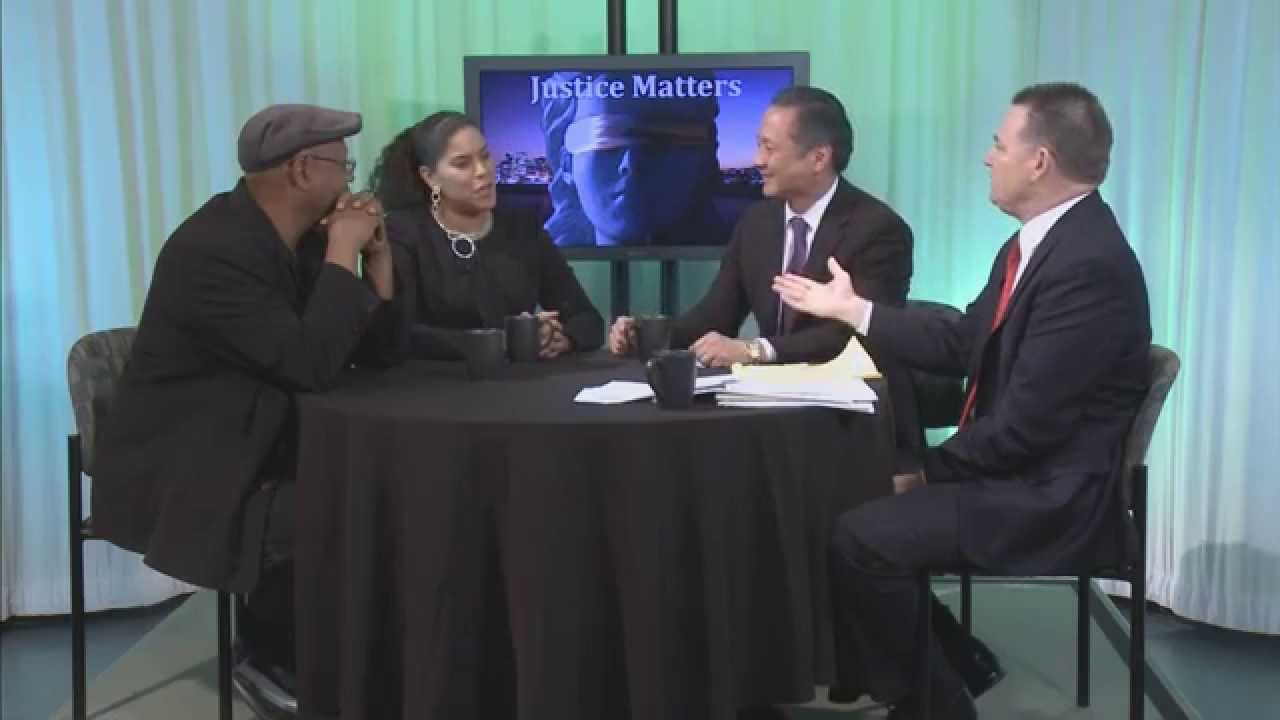
Justice Matters -- Race
1.7K
This extended segment examines the structural and historical roots of racial disparities in the criminal justice system. Discussion reveals how quota systems pressured police to meet arrest numbers regardless of validity, with government informants providing mass lists of names leading to widespread arrests. Political incentives drive prosecutors to generate high arrest numbers in disadvantaged neighborhoods where there is less political pushback. Research shows that self-reported crime data indicates comparable drug use rates between racial groups, yet African-Americans face dramatically higher arrest and prosecution rates. The conversation addresses how historical practices from Reconstruction through Jim Crow to modern neighborhood covenants created systemic inequalities embedded in current policing and prosecution practices. These structural factors create incentives for discriminatory enforcement while simultaneously failing to adequately protect minority communities from violent crime.
Click to watch →

America's Unfinished Work: Jack Glaser on the Causes and Consequences of Racial Profiling
232
In New York City's peak stop and frisk year (2011), Black people comprised about 25% of the population but 50% of stops. Whites were more likely to yield contraband during searches despite lower rates of outstanding warrants, demonstrating discriminatory judgments. Even without individual officer bias, differential deployment of police resources creates statistical disparities—if a minority group receives more police attention, arrest rates will appear higher purely as a function of policing decisions. The legal standard of 'reasonable suspicion' is inherently vague, with policies varying dramatically across departments. Systematic research across multiple labs found that while about half of implicit bias reduction strategies show statistically significant short-term effects, virtually all biases return to baseline within 24 hours. This occurs because implicit associations develop over a lifetime and serve adaptive functions for quick decision-making under ambiguity, making them resistant to change through brief interventions.
Click to watch →
Prerequisite Knowledge
- Concept 01Understanding the basic structure of the US legal system, specifically the separation of powers between the legislature (which writes laws) and the judiciary (which interprets and applies them).
- Concept 02Familiarity with the history of the 'War on Drugs' in the United States, particularly during the 1970s and 1980s, which served as the political catalyst for strict sentencing laws.
- Concept 03The distinction between determinate sentencing (fixed prison terms) and indeterminate sentencing (where judges have discretion and parole boards determine release).
- Concept 04Basic knowledge of systemic bias and how historical socio-economic disparities influence policing and arrest rates in minority communities.
Subsequent Learning
- Step 01Analysis of the 'First Step Act' (2018) and other bipartisan legislative efforts aimed at reforming federal sentencing guidelines and reducing recidivism.
- Step 02The concept of 'prosecutorial discretion' and how mandatory minimums shifted leverage from judges to prosecutors during plea bargaining.
- Step 03Comparative analysis of international justice systems, examining how countries with rehabilitation-focused models differ in incarceration rates and recidivism.
- Step 04The economic and social impacts of the 'prison-industrial complex,' including the privatization of prisons and the long-term societal costs of mass incarceration.
Policy Roots
Failed System
Policy Roots
0:00Playing Section
- 1
Highlights mandatory minimums origins in 1986 anti-drug bill.
- 2
Notes crack versus powder cocaine sentencing disparity.
- 3
Reveals minority leaders backed these harsh laws initially.
The Case for Uniformity, Deterrence, and Public Safety
Proponents of mandatory minimum sentencing argue that these laws serve as crucial tools for promoting justice, ensuring public safety, and maintaining systemic fairness. A primary justification is deterrence; clear, guaranteed penalties are believed to dissuade potential offenders from committing serious crimes, particularly drug trafficking and violent offenses. Additionally, proponents contend that mandatory minimums reduce judicial disparity, preventing situations where different judges issue vastly different sentences for the same crime, thereby fostering a more uniform and predictable legal system. Finally, these laws provide prosecutors with vital leverage to secure cooperation from lower-level offenders, helping law enforcement dismantle larger criminal networks. From this perspective, mandatory minimums are necessary measures to protect communities, hold offenders accountable, and eliminate subjective biases in judicial sentencing.
Deep Dive
Analysis of the 'First Step Act' (2018) and other bipartisan legislative efforts aimed at reforming federal sentencing guidelines and reducing recidivism.
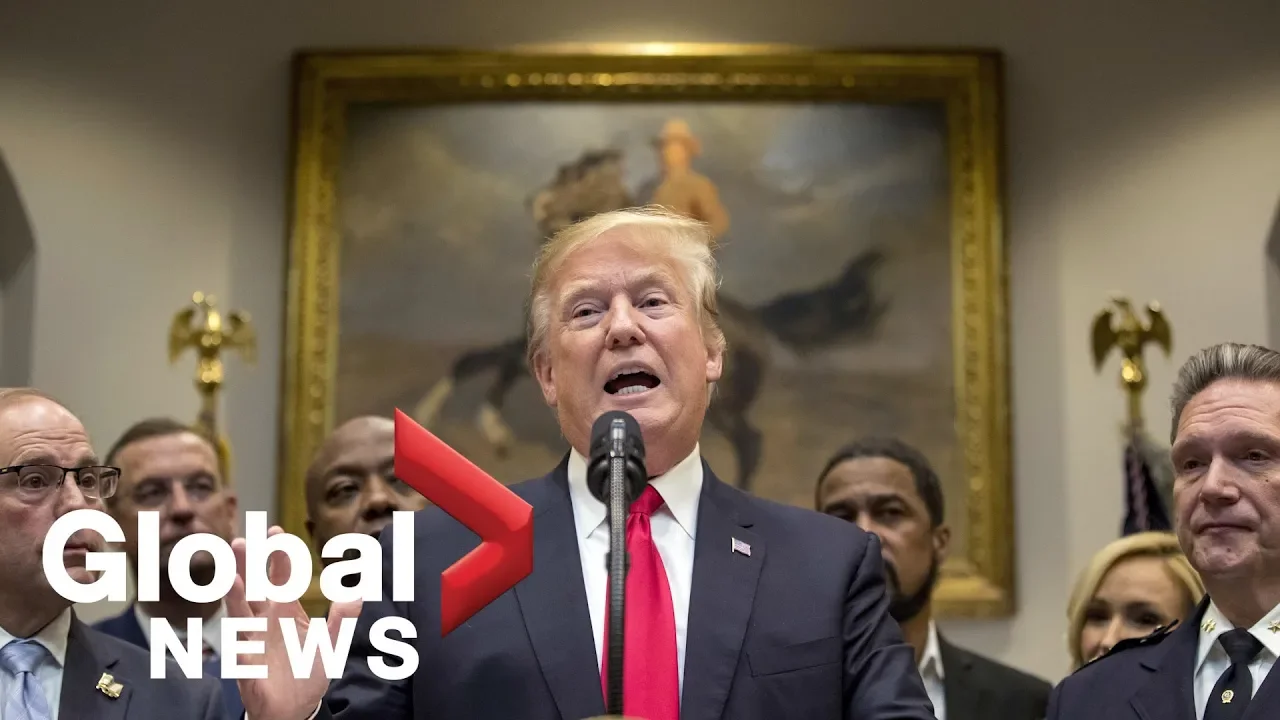
Trump announces bipartisan criminal justice bill
6.5K
The First Step Act is a bipartisan U.S. criminal justice reform bill signed into law in 2018 that aims to reduce prison overcrowding and recidivism by providing inmates with vocational training, educational programs, and faith-based rehabilitation opportunities; it also allows federal inmates to be housed closer to their home communities to facilitate family visitation and includes sentencing reforms that address disparities from the 1994 Clinton crime bill, particularly affecting African-American communities, while maintaining tough-on-crime provisions for violent offenders.
Click to watch →

Wars and Rumors of War in the Middle East | Faith Nation - January 17, 2024
73K
The First Step Act, passed in 2018, represents a significant bipartisan criminal justice reform that has helped curb recidivism. The Act accomplished two main things: it cut unnecessarily long federal sentences and improved conditions in federal prisons. Since 2018, nearly 30,000 people in federal prisons have received earlier release due to the Act's clarification of the Goodtime credit policy. The recidivism rate for returning citizens who benefit from the First Step Act is 12%, compared to 45% for those released without reduced sentences. The Act was supported by bipartisan figures including Jared Kushner and Lindsey Graham, with the goal of lowering crime and creating more beloved communities.
Click to watch →
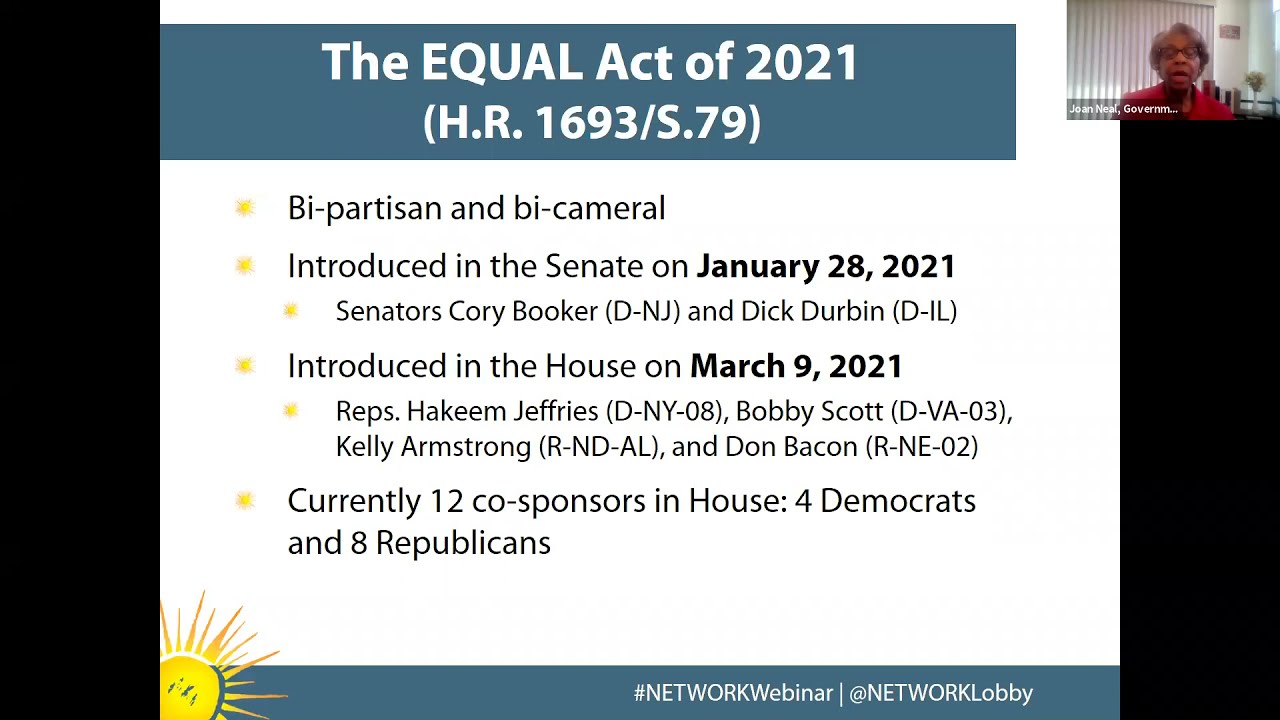
Justice Reform and EQUAL Act Webinar
168
Since 2015, two major bills have addressed federal sentencing reform. The Sentencing Reform and Corrections Act of 2015 would have significantly lowered mandatory minimum sentences for people with prior non-violent convictions and applied retroactively to the Fair Sentencing Act of 2010. It passed the House with bipartisan support and passed out of the Senate Judiciary Committee on a bipartisan basis, but died when Mitch McConnell failed to bring it to the floor. The First Step Act, passed in 2018 and signed by President Trump, reduced federal mandatory minimum sentences for certain low-level drug offenses and made reforms retroactively. This made approximately 2,600 federal inmates eligible for case review and re-sentencing. The Congressional Budget Office estimated the First Step Act will save the federal government nearly $80 billion over 10 years. The Equal Act (H.R. 1693 and S.79) seeks to eliminate the disparity in sentencing between crack and powder cocaine offenses, a major contributor to mass incarceration, and apply this change retroactively to those already convicted or sentenced.
Click to watch →

Promises Made Promises Kept Episode 9: Enacting Criminal Justice Reform
2.8K
The First Step Act, signed into law on December 21, 2018, represents a landmark bipartisan criminal justice reform that addresses systemic issues in the US federal prison system by easing mandatory sentences for nonviolent offenders, modifying the three strikes rule to 25 years instead of life, expanding goodtime credit from 47 to 54 days per year, extending the 2010 Fair Sentencing Act to reduce racial disparities in drug sentencing, and allocating over $500 million for inmate education, training, and reintegration programs to reduce recidivism rates.
Click to watch →
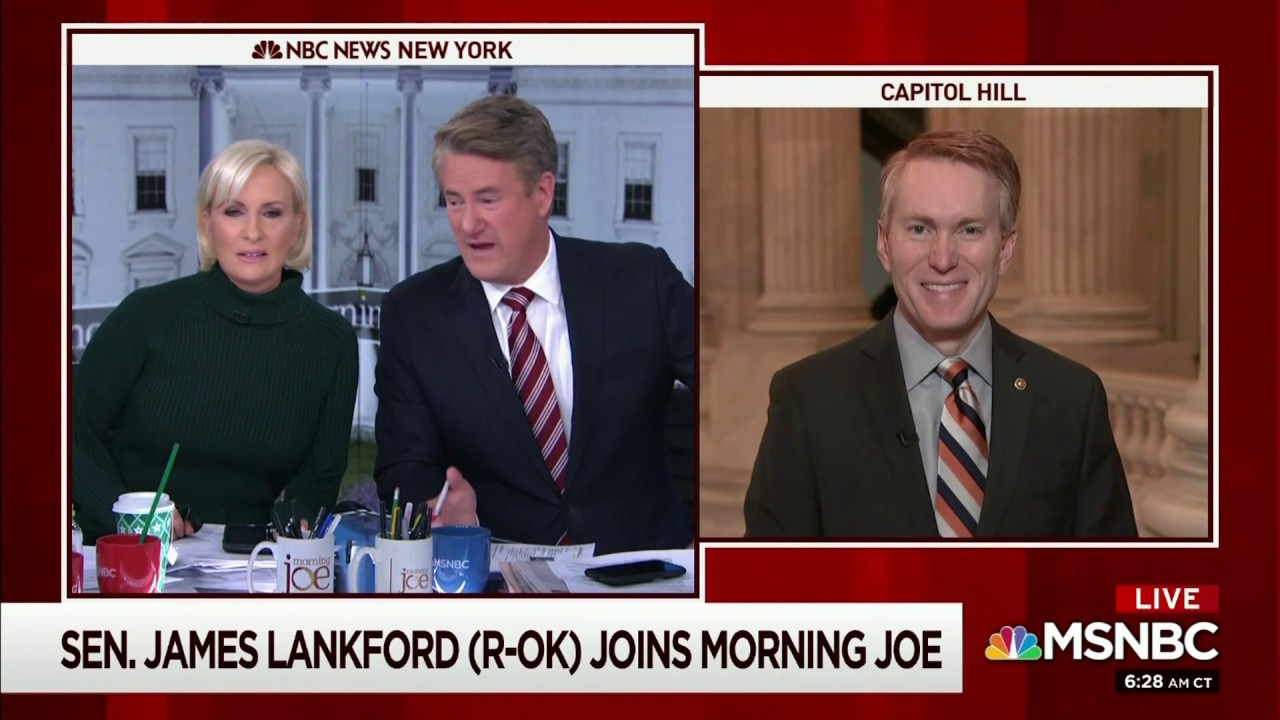
Senator Lankford Discusses the First Step Act on Morning Joe
336
The First Step Act represents an eight-year bipartisan effort to reform criminal justice, featuring key provisions including the Mercy Act for juvenile solitary confinement, addressing sentencing disparities between crack and powder cocaine, and shifting from pure punishment to rehabilitation through job training, family reconnection, and drug treatment programs to reduce recidivism.
Click to watch →
Deep Dive
The concept of 'prosecutorial discretion' and how mandatory minimums shifted leverage from judges to prosecutors during plea bargaining.
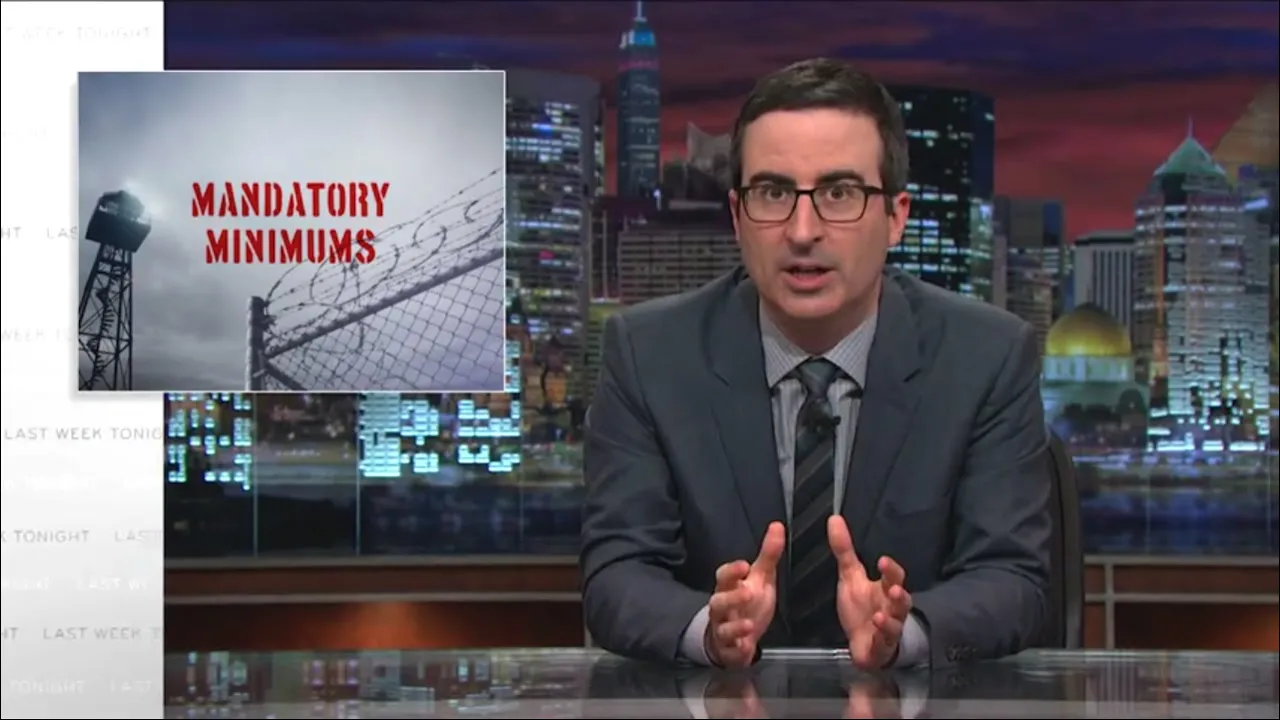
Mandatory Minimums: Last Week Tonight with John Oliver (HBO)
8.5M
Mandatory minimum laws transfer significant sentencing power from judges to prosecutors, who can use the threat of mandatory minimum sentences to pressure defendants into plea bargains or cooperation agreements. The video describes this dynamic through a typical television courtroom scene where prosecutors present evidence and offer defendants choices between mandatory minimum sentences and reduced sentences in exchange for cooperation. This creates incentives for plea bargaining regardless of actual guilt or innocence.
Click to watch →
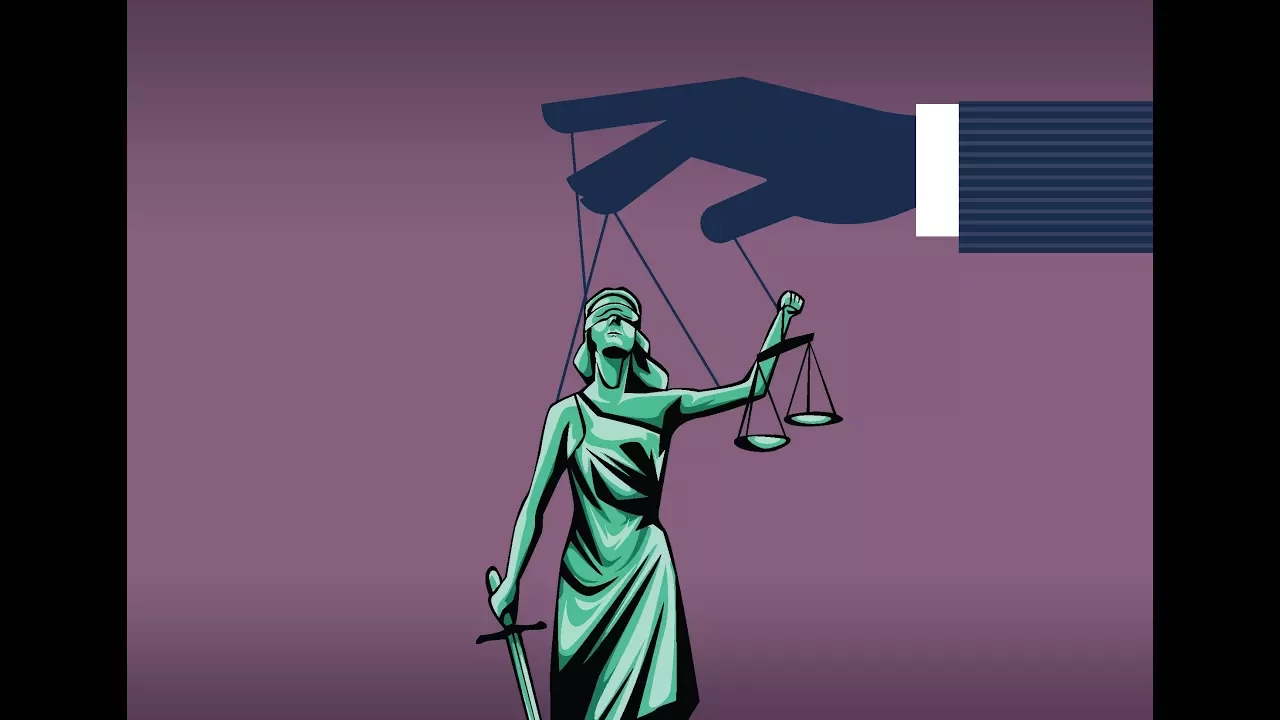
U.S. Prosecutors Have Too Much Power
17.5K
Mandatory minimum sentences remove judicial sentencing discretion but may increase prosecutorial leverage elsewhere. The 'discretion hydraulic theory' holds that when discretion is removed from one part of the system, it tends to increase in another. Corporate prosecutions differ from individual prosecutions—guidelines allow prosecutors to avoid prosecuting corporations if doing so harms shareholders, while individuals face mandatory minimums. Defense attorneys face resource challenges compared to prosecutors, contributing to plea bargaining dynamics where defendants accept unfavorable deals due to inability to mount effective defenses.
Click to watch →

Why Prosecutors Are the Most Powerful People in the Courtroom | Opinions | NowThis
88.1K
Prosecutors possess significant leverage in plea bargain negotiations because they control both the charges brought and the deal offers made. When prosecutors charge defendants with maximum possible penalties, they create strong incentives for defendants to accept plea deals rather than face potential lengthy prison sentences if convicted at trial. For example, a defendant facing 10-20 years at trial might accept a deal resulting in only one year in jail or no incarceration at all.
Click to watch →

Feddie Night Fights: Plea Bargain Punch Out!
2.4K
Over the last generation, criminal justice reduced crime by more than half—from 15 million serious crimes in 1991 to 8 million in 2019—through increased policing, sentencing guidelines, mandatory minimums, and incarceration. Two factors contributed: aging baby boomers (aging out of crime-prone years) and growth of private security. Prosecutors face millions of cases annually and must allocate resources, offering bargains to adjudicate cases efficiently. When defendants refuse pleas, that reflects their choice, not prosecutorial failure. The Brian Banks case resulted from a lying witness, not plea bargaining. Mandatory minimums ensure the rule of law prevents judges from imposing excessively light sentences. Federal prosecutors actively conceal mandatory minimums from jurors, revealing their true purpose as plea leverage tools.
Click to watch →

'You Specifically Said That!': Tom Cotton Relentlessly Hammers Attorney General Merrick Garland
584.1K
This segment analyzes the December 2020 memorandum directing prosecutors not to pursue the most serious readily provable offenses when mandatory minimums apply. The discussion covers prosecutorial discretion as a long-standing principle allowing prosecutors to choose charges within legal frameworks. The memorandum created exceptions for violent crimes and drug trafficking, raising questions about resource allocation and whether prosecutors should charge the most serious offenses to maximize prison time. The debate centers on whether this policy serves resource efficiency or undermines the principle of charging the most serious provable offenses.
Click to watch →
Deep Dive
Comparative analysis of international justice systems, examining how countries with rehabilitation-focused models differ in incarceration rates and recidivism.

RAFAEL SANTANDREU: Conferencia 'NADA ES TAN TERRIBLE'
126.3K
Countries with rehabilitation-focused prison systems (like Finland, Norway) have lower incarceration rates and lower recidivism than punishment-focused systems (like the US). Transforming people is more effective and cost-efficient than punishment.
Click to watch →

What Prison In Space Will Be Like
208.4K
Comparative analysis shows that rehabilitation-focused prison systems achieve dramatically lower recidivism rates than purely punitive approaches. European prisons that provide respect, good food, freedoms, education, and counseling have seen recidivism rates plummet. In contrast, the US approach focusing on punishment with minimal rehabilitation results in approximately 60% of prisoners returning to jail within one year.
Click to watch →

What can we learn from the world's "most humane" prison? | Ryan Cox | TEDxSanAntonio 2013
139.1K
Norway's Halden high-security prison demonstrates that rehabilitation-focused approaches—using humane environments, skill-building programs, and treating inmates as 'pupils' rather than criminals—can achieve dramatically lower recidivism rates (18%) compared to traditional punitive systems (60% in the U.S.), suggesting that preparing individuals for successful reintegration into society is more effective than punishment alone.
Click to watch →

【監獄】想像を絶する刑務所の裏側とは!? "刑務所の闇"まとめ「作業用/たっくー切り抜き」
25.1K
This segment compares different approaches to incarceration. Japan has 77 correctional facilities with 60,000 male and 5,000 female inmates. Despite low crime rates globally, Japan has one of the highest recidivism rates (49.1% in 2021). Norway's Halden Prison represents a rehabilitation-focused approach with minimal security—no fences, cameras, or armed guards. Inmates can leave for 7-8 hours daily. The philosophy is that the smaller the difference between prison and outside life, the easier the transition to society. Norway has a 20% recidivism rate (within 2 years), compared to 66% in the US within 1 year. The US has 68% recidivism within 3 years.
Click to watch →

世界で一番甘い刑務所の再犯率がヤバすぎた...
651.2K
This segment explores the fundamental debate between rehabilitation and punishment in criminal justice. Norway's Halden Prison faces criticism for being excessively lenient, with concerns that inmates may learn to 'perform good behavior' rather than develop genuine character. However, Norway's 20% recidivism rate (compared to Japan's 49% and America's 68%) suggests rehabilitation-focused approaches work. The segment examines how recidivism rates are measured differently across countries, with Japan measuring over the entire post-release period while Norway focuses on 2-year windows. This methodological difference affects international comparisons, with Japan's 2-year rate being 18.5% versus Norway's 10%. The evidence suggests that humane environments may be more effective at reducing recidivism than harsh punitive measures.
Click to watch →
Deep Dive
The economic and social impacts of the 'prison-industrial complex,' including the privatization of prisons and the long-term societal costs of mass incarceration.
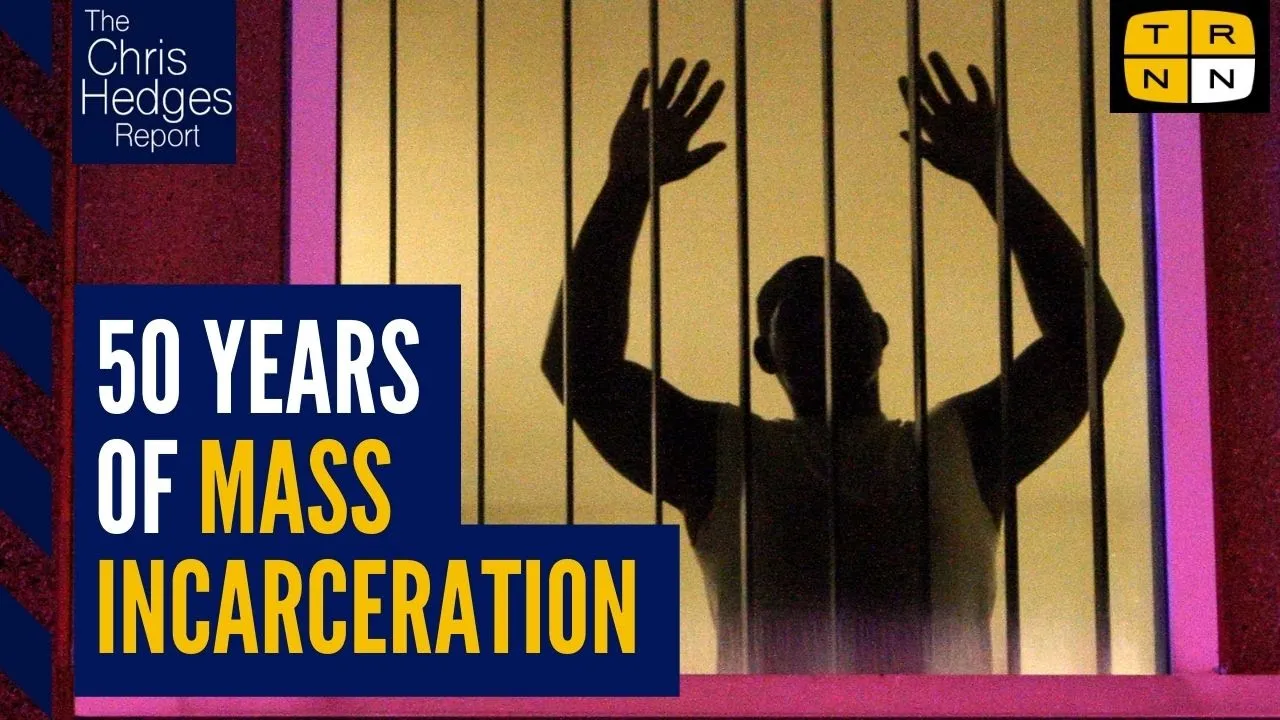
How 50 years of mass incarceration devastated American society | The Chris Hedges Report
33.8K
The prison industrial complex exploits incarcerated individuals through exploitative labor practices (producing $2B in goods for $0.22-$2/hour wages) while charging families excessive fees for basic necessities. Privatized services including commissaries, phone calls, and medical care extract wealth from families who must fund prisoner survival. Minor infractions escalate into thousands of dollars in debt leading to license suspensions and additional criminal charges. These practices criminalize poverty while generating billions in profits for private entities with political influence.
Click to watch →

Are Prisons Obsolete? by Angela Davis - Review
11K
The U.S. has over 2 million incarcerated people, a dramatic increase from previous decades and far higher than other countries. This system demonstrates racist bias, with disproportionate incarceration of certain racial groups. The National Advisory Commission found prisons create rather than prevent crime. Corporate migration destroys communities economically, destroying job bases and turning residents into prison candidates. Mass imprisonment generates profit while devouring social wealth, reproducing conditions that lead people to prison in a self-perpetuating cycle. This economic logic transforms devastated communities into profitable assets for the prison industrial complex.
Click to watch →

Holes & The Prison-Industrial Complex
446.9K
The prison industrial complex is a system at the intersection of government and private interests that uses prisons to solve social, political, and economic problems, encompassing human rights violations, the death penalty, slave labor, policing, courts, media, political prisoners, and elimination of dissent. Before Nixon declared drugs America's public enemy, prisons were nearly closing. His 1973 war on drugs, combined with Rockefeller's 1973 mandatory sentencing laws, triggered mass incarceration. By the 1980s, prison populations doubled; by the 2000s, they doubled again. Meanwhile, violent crime fell 20% since 1991 while incarceration rose 50%, revealing incarceration is driven by political and economic factors rather than crime rates. Private companies regard corrections as a $35 billion lucrative market, while politicians gain political capital through fear-mongering about crime.
Click to watch →

The Economy of Incarceration: Ruth Wilson Gilmore
41.7K
The prison-industrial complex operates through bipartisan coalitions that may achieve incremental reforms while maintaining systemic oppression. Mass incarceration correlates directly with economic inequality and capital's suppression of worker organizing, as seen in the US leading globally in incarceration rates. True reform requires redirecting resources from prisons to wages and social services. Non-reformist reforms like decriminalizing drugs or compassionate release maintain the prison-industrial complex's structure. Prison abolition imagines a world where harm, economic need, and social vulnerability are addressed without criminalization, requiring consciousness of how fear energy can be redirected toward transformative social change rather than punitive responses.
Click to watch →

JONES MANOEL MOSTRA PRIVATIZAÇÃO DE PRESÍDIOS DO GOVERNO LULA | Gustavo Gaiofato
37.5K
Neoliberalism represents a political project aimed at maximizing the mercantilization of all social spheres, including health, education, culture, leisure, environment, and infrastructure. While capitalism inherently involves universal mercantilization, the struggle of the working class historically imposed limits on this process. Neoliberalism seeks to remove these limits and expand mercantilization to its maximum extent. The state under neoliberalism is not zero but minimal, with the only area of strengthening being security apparatuses to guarantee free market operations. The United States has developed a prison-industrial complex where incarceration serves as a mechanism for cheap labor exploitation. Following the 13th Amendment, involuntary servitude became permissible as punishment for crime, enabling private companies to partner with prisons for cheap labor. Over 500,000 people are incarcerated, with approximately 1,000 working under conditions analogous to slavery. The drug war policy facilitates this process by creating pipelines into the prison system. This system represents a continuation of historical patterns of racial oppression and exploitation, where the profitability of incarceration drives policies that disproportionately affect marginalized communities.
Click to watch →
Policy Roots
Failed System
Policy Roots
0:00- 1
Highlights mandatory minimums origins in 1986 anti-drug bill.
- 2
Notes crack versus powder cocaine sentencing disparity.
- 3
Reveals minority leaders backed these harsh laws initially.
The Case for Uniformity, Deterrence, and Public Safety
Proponents of mandatory minimum sentencing argue that these laws serve as crucial tools for promoting justice, ensuring public safety, and maintaining systemic fairness. A primary justification is deterrence; clear, guaranteed penalties are believed to dissuade potential offenders from committing serious crimes, particularly drug trafficking and violent offenses. Additionally, proponents contend that mandatory minimums reduce judicial disparity, preventing situations where different judges issue vastly different sentences for the same crime, thereby fostering a more uniform and predictable legal system. Finally, these laws provide prosecutors with vital leverage to secure cooperation from lower-level offenders, helping law enforcement dismantle larger criminal networks. From this perspective, mandatory minimums are necessary measures to protect communities, hold offenders accountable, and eliminate subjective biases in judicial sentencing.
Understanding the basic structure of the US legal system, specifically the separation of powers between the legislature (which writes laws) and the judiciary (which interprets and applies them).
Familiarity with the history of the 'War on Drugs' in the United States, particularly during the 1970s and 1980s, which served as the political catalyst for strict sentencing laws.
The distinction between determinate sentencing (fixed prison terms) and indeterminate sentencing (where judges have discretion and parole boards determine release).
Basic knowledge of systemic bias and how historical socio-economic disparities influence policing and arrest rates in minority communities.
Analysis of the 'First Step Act' (2018) and other bipartisan legislative efforts aimed at reforming federal sentencing guidelines and reducing recidivism.
The concept of 'prosecutorial discretion' and how mandatory minimums shifted leverage from judges to prosecutors during plea bargaining.
Comparative analysis of international justice systems, examining how countries with rehabilitation-focused models differ in incarceration rates and recidivism.
The economic and social impacts of the 'prison-industrial complex,' including the privatization of prisons and the long-term societal costs of mass incarceration.
154.5K views2.1Klikes3:50@VoxOriginal Release: 2015-09-03
Barack Obama recently became the first sitting president to ever visit one of these: a federal prison.
And the president used the occasion to call out a particularly poorly designed policy at the heart of our criminal justice system.
Mandatory minimums require judges to hand out specific sentences for certain crimes deemed uniquely harmful to society.
So under federal law, using, say, a chemical weapon to kill someone automatically gets you life in prison.
Or, and this is true, tampering with a telegraph line will get you five years Federal minimums are supplemented by state laws.
Louisiana, for instance, requires a four year prison sentence for LSD possession.
But the species of minimums now being singled out for reform were birthed at the height of the drug war in the mid-80s.
In 1986, congress passed a sprawling anti-drug criminal justice bill, a central feature of which was a mandatory sentencing disparity punishing crack violations much more harshly than those for powder cocaine.
That difference has had catastrophically racially disparate effects.
These effects have prompted critics to decry excessive crack minimums as purely the products of reagan-era white supremacy But that narrative is ever so slightly complicated by this: Congressman Rangel, along with much of the black political leadership, was a key advocate for erecting these laws in the first place.
This minimum sentencing regime has proven to provide a grotesque case study in unintended consequences There are thousands of stories just like this Someone gets snapped up on a low-level, nonviolent drug offense.
And the presiding judge is forced to apply a devastating arithmetic in which minor violations exponentially add up to a gigantic prison term.
fortunately, the notion that harsh minimums could seriously dampen the drug trade has collapsed in light of the manifest failures of the drug war.
And that's opened up political space for serious bipartisan reform And the few remaining defenders of the status quo have been left to regurgitate magnificently unpersuasive talking points like this
Up Next
8:03
Omar Epps on Corruption and America's Criminal Justice Crisis
@RepresentUs
83.6K views•2020-06-16

4:27
US Secondary Sanctions Impact on EU Businesses and Blocking Legislation
@Bureauvandijk
1.6K views•2019-03-20

5:27
Forensic Phonetics: Speaker Identification in Legal Cases
@nptel-nociitm9240
539 views•2025-03-19

24:42
Police Interrogation Tactics: False Confessions & Legal Reform
@LastWeekTonight
7M views•2022-04-18
Related Study Plans & Knowledge Roadmaps
Structured learning paths in Law
law
Self-Defense Law: Imminence & Castle Doctrine
01Foundations of Self-Defense Law
02Imminent Threat & Reasonable Belief
03The Principle of Proportionality
+ 3 more learning modules
12h6 modules
Explore Roadmap
law
Defamation Law: First Amendment & Actual Malice
01Introduction to civil torts and the First Amendment
02Elements of Defamation: Libel and Slander
03Public Figures vs. Private Individuals
+ 2 more learning modules
8h5 modules
Explore Roadmap
law
Hearsay Rule: Trial Evidence & Exceptions
01Introduction to Trial Evidence & Courtroom Basics
02Demystifying Hearsay: The Core Definition
03Non-Hearsay: Exclusions Under FRE 801(d)
+ 3 more learning modules
14h6 modules
Explore Roadmap
law
Medical Malpractice: Law, Liability & Care
01Foundations of Tort Law and Civil Liability
02The Four Elements of Medical Malpractice
03Defining and Proving the Standard of Care
+ 2 more learning modules
12h5 modules
Explore Roadmap