






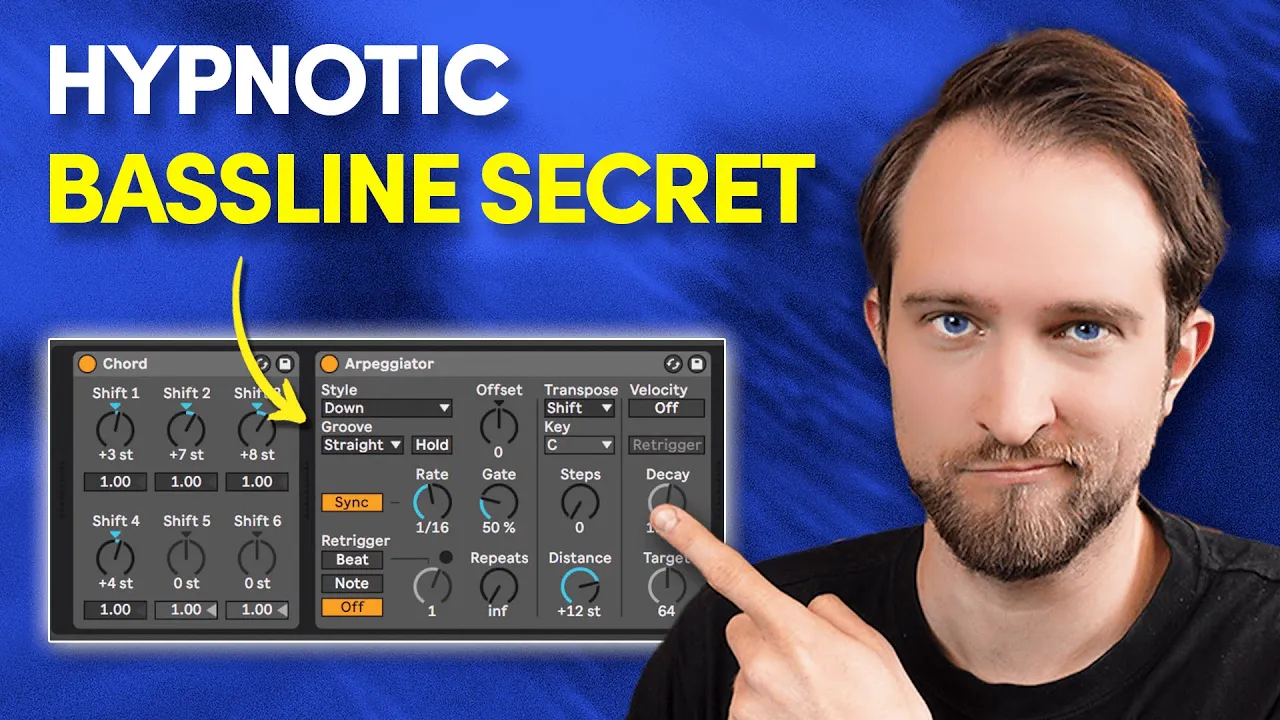

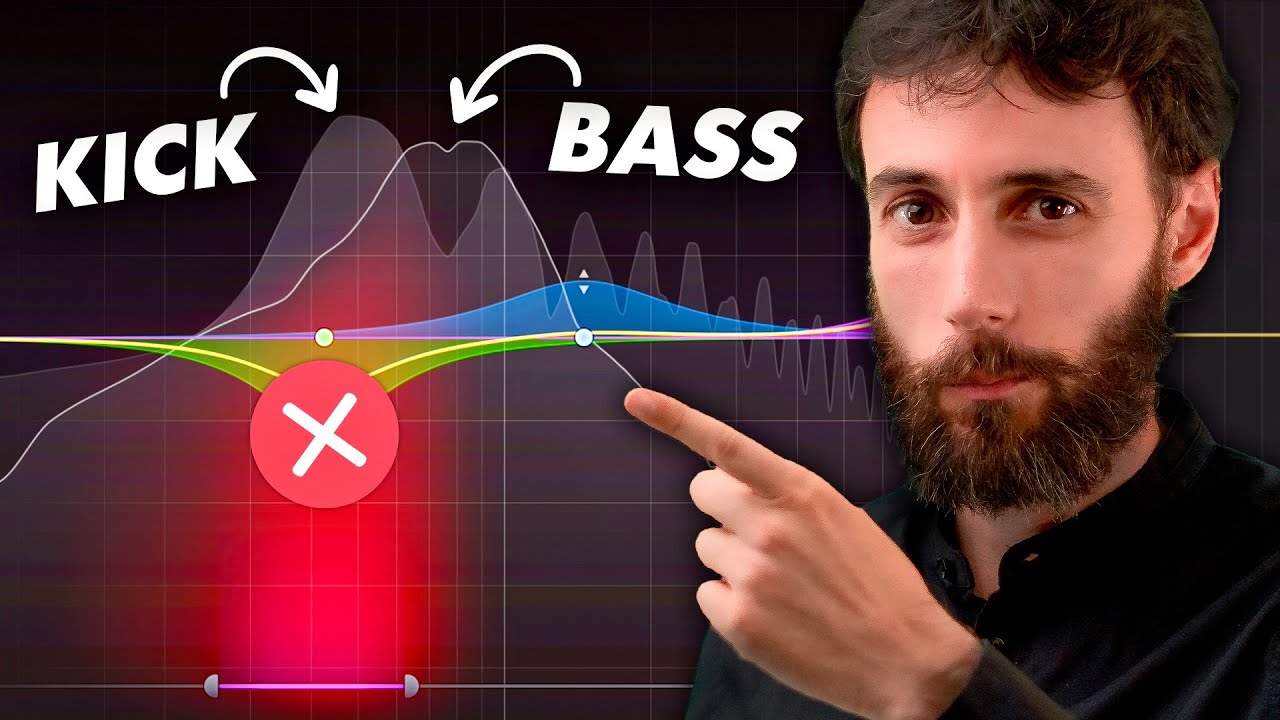







This tutorial demonstrates how to transform an Amelie Lens-style techno track into a Charlotte De Witte-style track by focusing on three key elements: (1) Kick and Rumble processing - layering multiple kick and rumble sounds with low-end enhancement, distortion, and sidechain compression to create a more aggressive low-end; (2) Lead sound design - using Analog Device for acid leads with filter cutoff manipulation and noise, plus layered Serum patches for big leads with multiple oscillators and harmonics; (3) Breakdown tension building - utilizing feedback delay effects with gradually increasing feedback and filter cutoff to create atmospheric tension. The key technique involves processing sounds together as groups and using sidechain compression to glue elements while maintaining dynamic movement.
Turn an Amelie Lens Track into Charlotte De Witte Style in Ableton
Added:hi and welcome to production music life my name is francois and in today's video we are going to hand it over to our guest tutor effort from sweden who will take the PML project file called Amelie in the style of Amelie lens and turn it into something that sounds more like Charlet divet so without further ado let's get started so we are taking this [Music] and turning into this Oh don't Oh [Music] hey guys welcome to production music live my name is FA some of you may know me by my artist name bisqui and I will be your guide for today's video I want to start video by thanking production music live for this kind invitation to make a themed tutorial where I take production music lives a meal and template and make a Charlotte with template instead if you don't know me I make a lot of artists remakes and label influenced tutorials in my channel if you want to take a look check my channel on the description below so let's take a look at the track and go through the bit different elements on the track and I think the first thing on the most one of the most important thing in this track is actually kick and Rumble I have this group over here which I actually do or which I actually process the kick and Rumble together I actually like the kick sound on the original template the body was really nice but what I want to do actually is beef up a little bit on the low end so that we have a bit more gritty a bit more aggressive low van and I want to also push it a bit on the high end so we can hear this distortion on the sound so I have here one low kick and one mid kick mid kick basically the original kink that we had on the template and then I have Rob humble mid Rumble so the low kick sounds like this so this is the addition that I made to the track I just took a 808 sample let me turn the effects like not really so different and an eye for the saturator only great so I really am interested in the low end of this sound not on the high end and then finally dramas and this was the kick that was present in the original template so I really liked the sound of this take a look what I did basically just cut off all the low end because we already have eight or eight sample over there so we want to glue them nicely together on the other hand I took this kind of nice mid area and slightly on high area as well the most of things are just effects from the original sample and the important thing here is actually I made two different rumbles as well so the row low Rumble and mid Rumble and low Rumble is something like this Midler mid-kick and Rumble is something like this so we have two different layers that actually we can control over so that we can actually make the kick and the rumble exactly the way you want to have and all together they sound like this extreme strong kick and Rumble sound but however I would like to add a little bit distortion sound on top of the kick and I had this one this one actually comes from the template as well I just cut it off a little bit and just get this super greedy high part and then I had this bustling that I made myself I just took a big sample and then put a reverb and then an amplifier make this really grating and then finally compressor [Music] and then another's compressor also this one is actually sidechain to me trample so I am trying to make this sound as consistent as possible with my ramble and then just another it gate here and all together they sound like this let me just turn really really big sound and a final thing that I had here is actually past transit but it's kind of almost percussive sound just giving this kind of I would say movement to the low end and actually it just sounds like this and of course it's compressed and sidechain to the mid kick so that we are talking when the kick hits and all together we end up with this super weak event and of course like I mentioned earlier I really wanted to process them together to glue them together basically but I did hear actually use the original effects chain here as well I just I think at the word Drive in the beginning so try a bit more in this like great area and some be queuing this one just give this gluey effect to the song and another EQ this one is a CLE make sure that if you can see here it's like mid/side eq so we are taking all this side information up to 200 Hertz because we don't want like stare your low-end in our sound and then a slightly cue make it the way we want it and a final punch this one is much that gap a slight compression again and this one is just game control so we end up with this super super tight big low end and the second most important thing in this track is actually the lead sound the acid lead and like you can hear it on the brake part and then there is a like a big huge lead on the lead part I will I just call it Charlotte lead the acid Lee is actually pretty simple you can get this sound with just you by using analog device in Ableton Live and it sounds like this let me find somebody [Music] I'm basically playing with the frequency or cutoff here so that I'm opening up and the sound gets a bit more aggressive and basically using analog one oscillator adding in noise and then I have like filter cutoff over here and this part the resonance is very important that you are like a cranking up a little bit so that you get this really as a sound and you can even make it a bit more drastic here by playing envelope amount here and here so it gets a bit more and more resonant if I take off the effects actually you can hear the origin sound so it may explain a little bit later the most of the magic comes from the effects that we are using here but I do basically just using this to cut off super lows here because we don't want that and then using a glue compressor making a bit more a bit less dynamic and here where the magic happens I will say we have a delay wreck so basically we have two chains the first chain is it dry change so the justice on the south 90s and the second part is the vet chain on the vet chain we have different type of things that is going on the first one is of course to delay itself or in this case I'm using the eye built-ins a co device like we are taking this mid area so that we get this kind of a dirty sound and the secondly we are using tidal giving this kind of distortion and grid to the sound itself and probably the important thing over here is the compressor actually sidechain to sound itself so when we hit the dry sound we are talking the vet signal so if I Drive or exaggerated a little bit so it really helps to hear the origin sound so that it doesn't get super mush with all this delay and finally we have one final diver over here just gluing everything together and giving this kind of nice ambience yeah that was armed for the acid lead and then we have this super interesting sound I am calling it to Charlie plate I think she has this sound in couple of different tracks so it is really nice actually and actually sounds like this it's like a super big lead song you would find this type of sound also even other type of darker main room techno tracks like ohmic or hidden Empire maybe they's have this kind of really big sound so what I did basically I used I basically have two different serum layered on top of each other the upper version is extra like the high end and the lower version is the body of the song and if you take a look at this one on the low end so I have these two oscillators and a sub and of course I noise to so I'm using a lot of things because I really want to bring it up all these harmonics the important thing over here is actually leaving the filter or the mix of the filter may be down so we are around like 9 to 5 person or something so we are letting it slide high-end passed through the filter even though we are putting a movement on the filter here so this gives a lot of nice harmonics to the song here in this knob there's a movement on the oscillators or the sounds slightly changes again on the effect size we have this distortion to give it a bit form to the sound phase it just makes this a little bit more unstable I will say and of course and finally another filter this one also have kind of let me see [Music] and then I will say the effects are also kind of important probably the first one is one of the most important one which is oddity it is basically a fact that I built myself so I basically used for different OTT put them on top of each other so each knob here actually process a part of the sounded I would like to process for example this one is like controlling this up and this one is the lobe and this one is too high and this one is the super high so you can basically exaggerate the part of the sound that you would like to have so in this case I'm exaggerating the high mid amount so that the song gets a bit third year and then we have delay rec we are doing exactly the same thing that we did before so this is the dry one this is the wet one and that we have another verb here really huge fun but again we are using a compressor sidechain to the dry sound so let me put the dry sound we would like to really have the body of the sound there were to some but them you would like to have this big ambient right afterwards if I saw this reverb something there's the reason that we also hear this big sound and and a big reverb right afterwards and then finally we have a tilt adjust the control or make against aging yeah and these are the lead sounds that I use for the track which brings us to the next chapter which is the breakdown I think the third most important part for this track is the Charlotte David breakdowns like it's really long building up this tension in the a break so that you get this really dark course right afterwards and there are a couple of things that you can utilize for that part but I did actually basically utilizing this art and be using it like on the background tension builder I think she has very similar thing in one of her tracks and actually sounds like this basically I'm playing an art like one first not the 5th and the 6th so giving this nice feeling but let me turn off all the effects so that you can actually hear the original song so we are using basic 2-0 for this one really simple one the sawtooth wave and a slight cut off the trick is using a slight delay so that this knot is a bit unstable and then we are using a gate cutting the super nose and echo and this part is extremely important so what is happening at this moment we are playing with the feedback so to start with we are like a regular feedback for and 49% and then we are opening up or increasing the feedback and then it starts to feedback itself so it's the sound gets louder and louder basically because you give a sound and then you feedback against itself so it's delaying again and speeding even more and feeling even more it's like a runaway effect and right before the next hit we are tucking it again or decreasing the feedback again so that it doesn't get out of the control but we are gradually also opening up the cutoff over here so the sum gets more and more and more aggressive so it builds this tension during the breakdown to make it more ambient we are having a very bad like 56% and an auto filter so if we are opening this one also in the meantime here and closing it down nobody get back again so giving this movement to the sound an igloo compressor this is basically controls the sound so you see if some gets louder it is knocking more so let me try to keep the balance of dynamic of the sound and then finally utility basically for gain staging or less and then of course we have this very interesting why supply sound I really enjoy making this one it's really really nice and it sounds like this so what we have done for this actually just simple trick we are using serum just a white noise right nothing else and then we have this LFO the trick is here is actually playing with LFO rate over here and we are increasing the rate more and more and more to get this more richer white noise though I have this noise over here and then I had all of effects on top of that just to make it a bit richer and I need here here but I think the trick is basically using vocoder this is the original sound actually we can utilize the vocoder to exaggerate and end up a little bit harmonics to the sound it basically adds like the noise harmonics to the any sound that you have it is like adding these harmonics basically and gives this sound a bit more organic feeling and another 88 and I find it literally and the final thing I will say here is actually these vocals that I took from the template it just gives it super nice glue and feeling to the track take a look without the vocals with the vocals it's just ten times better it just glues to the mix up all together unfortunately I don't have enough time to go through all different elements going through each one of these will take at least an hour but if you just play this track and I can briefly can show you to each element so that you can understand what's going on so let's play [Applause] Oh Oh um Oh Oh [Music] so I think that was it for today's video so if you like the template and if you want me to make a full track out of these as a template so that you can take a look afterwards there will be a link on the description below so that will be a poll so just go to the ball and just vote for TS and if you see that there is enough people voting for the s then we are going to make a full charlotte david template out of this one and again really big thanks to production music live before inviting me here i really really enjoyed making this video this was a lot of fun and if you want to see more of my videos go to my channels or if you want more of my videos in PML drop a comment and hope you the best around till next time goodbye [Music]
Up Next

Stell Ajero Sings All By Myself with David Foster | Live Vocal Performance
@reomart8058
2.2M views•2024-06-19

Walking in the City: Urban Rituals and the Flâneur in Contemporary India
@PSBTIndia
1.9K views•2016-08-02

FastAPI vs Flask vs Django: Choosing the Right Python Web Framework
@TechWithTim
302.5K views•2024-05-26

Game of Thrones Opening Credits: A Cinematic Analysis
@gameofthrones
46.3M views•2011-04-18
Related Study Plans & Knowledge Roadmaps
Structured learning paths in General & Interdisciplinary Studies