




![Биология поведения человека. Лекция #1. Введение [Роберт Сапольски, 2010. Стэнфорд]](https://i.ytimg.com/vi_webp/ik9t96SMtB0/maxresdefault.webp)











Metaphors are not merely linguistic devices but fundamental cognitive tools that shape how humans understand and experience reality; they allow us to comprehend abstract concepts by mapping them onto concrete, familiar experiences, thereby influencing our thinking patterns and daily lives.
Metaphors We Live By Summary | Cognitive Linguistics & Thought
Added:The distinction between literal and figurative language in classical rhetoric.
Basic principles of cognitive science, particularly how the human mind categorizes and processes concepts.
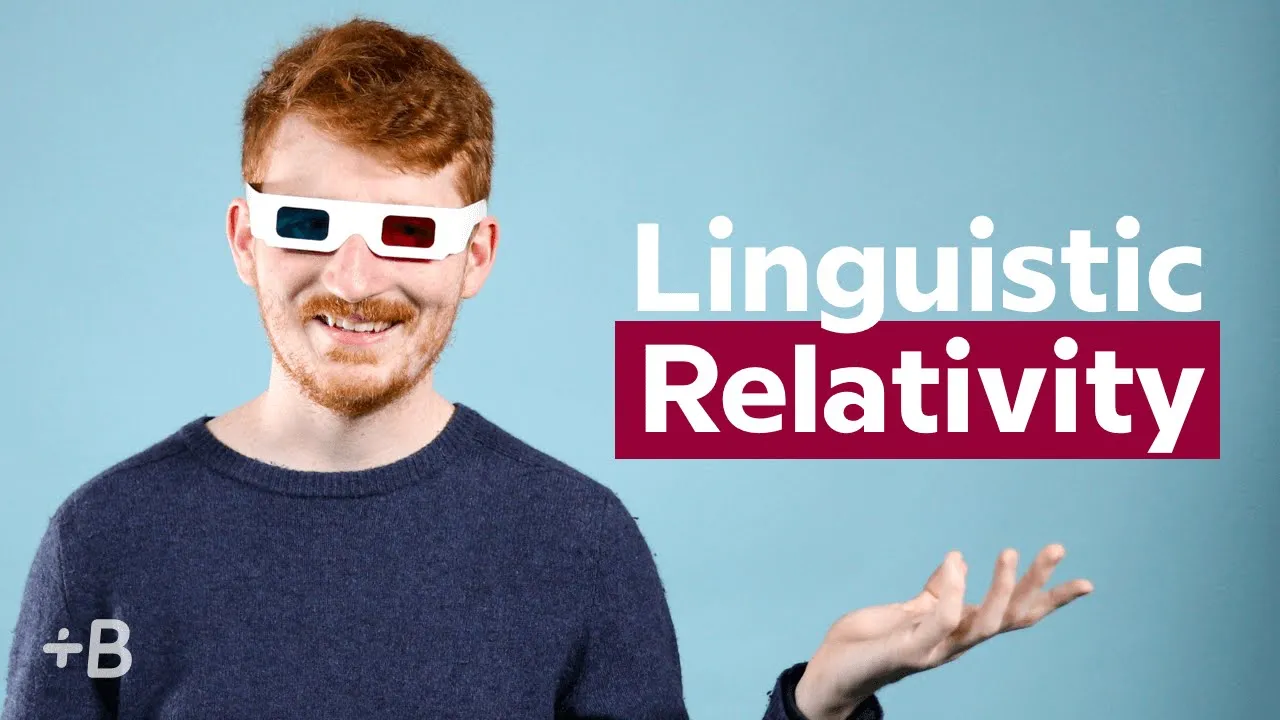
The concept of linguistic relativity (the Sapir-Whorf hypothesis) and how language influences perception.
The theory of Embodied Cognition, exploring how physical interactions with the environment shape abstract thought.
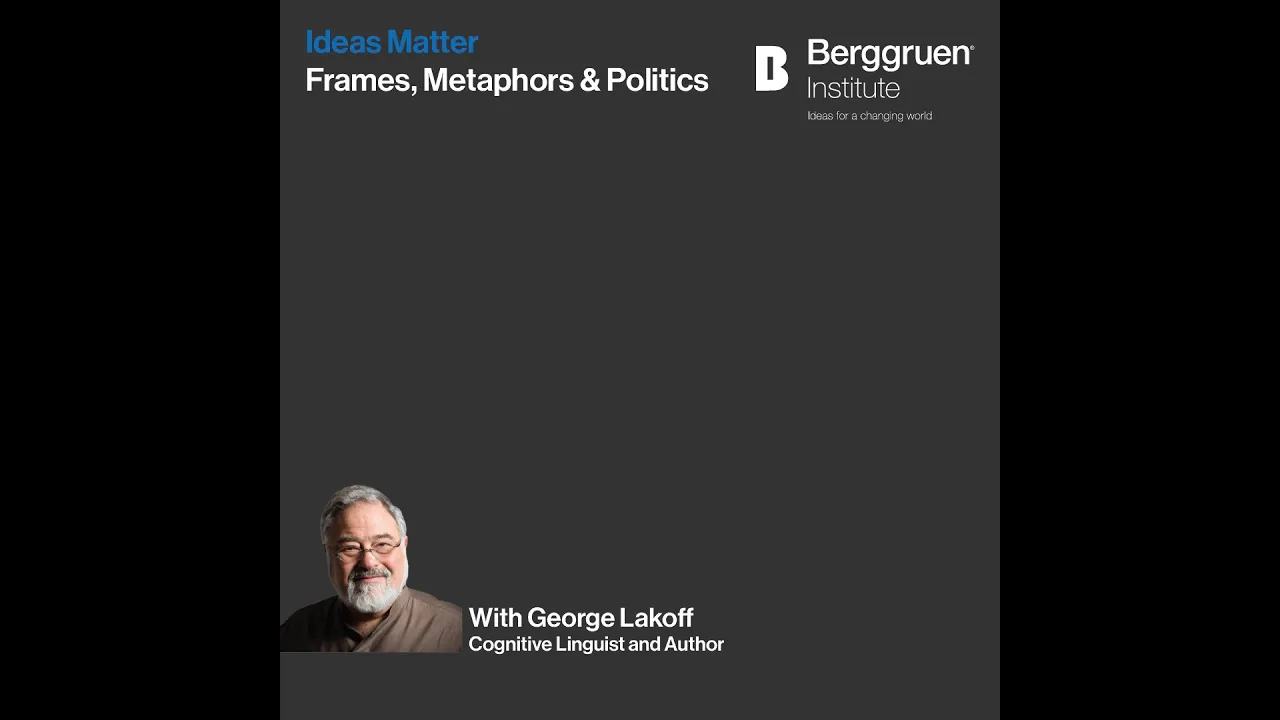
Application of conceptual metaphors in political discourse and framing (e.g., George Lakoff's work on political rhetoric).
Conceptual Blending Theory (Fauconnier and Turner) to understand how multiple mental spaces combine to create new meaning.
The role of metaphor in design, human-computer interaction (HCI), and user interface creation.
1.1K views5likes5:00Original Release: 2022-01-10
hi welcome to bookie today we will unlock the book metaphors we live by shakespeare once said all the world's a stage and all the men and women merely players in this sentence shakespeare compared the process of a drama with the process of a person's life lamenting that life is just like a drama the sentence is also a typical metaphor we view the world as a stage because these two concepts are related to each other therefore we can easily understand this metaphor why are there so many metaphors and how do they affect our lives george lakoth and mark johnson gave their answers to us in metaphors we live by a popular scholarly text that primarily relies on linguistic evidence in addition to linguistics the book also covers various areas including anthropology sociology psychology philosophy and more one author of this book george lakoff is known as the father of cognitive linguistics he is the chairman of the international cognitive linguistics association and a member of the council of cognitive science society when he was 24 he completed his phd in linguistics and began teaching at harvard university at the age of 32 he published his first cognitive linguistics thesis before becoming a professor at the university of california berkeley not only has he written quite a lot of books he was also a language coach for howard dean the former chairman of the democratic party at the united states when he ran for president the other author of this book mark johnson is a distinguished knight professor the head of the department of philosophy at the university of oregon and one of the founders of cognitive linguistics and philosophy in the flesh metaphors we live by has been translated into many languages and is a must read book for cognitive linguists in this book george lakoff and mark johnson argue that metaphors are omnipresent in everyday life they show that metaphors are everywhere in daily life not only in language but also in thought and action thus metaphors are not only in issues of vocabulary they are also an essential method to human cognitive processes and fundamental to the way we live metaphor is based on our daily life experiences if we use it effectively we can use metaphors to change our thinking and improve our lives in this bookie we will summarize the book in the following three parts for you part 1 metaphor structures how we know ourselves part two metaphor structures how we perceive the world part three metaphor is the bridge that connects our past and present reality george lakoff and mark johnson argue that metaphor is not just a linguistic concept it is also impacts human cognitive processes thus before we can explore the relationship between metaphor and ourselves we need to understand what metaphor is we often encounter strangeness in our lives when encountering something unfamiliar people tend to use things that they are more familiar with in order to represent and understand what is new or unfamiliar this is metaphor first let's look at how metaphors help us express our feelings by taking love as an example we've all heard the phrase i've fallen in love when people love each other the beautiful feeling of love is generated falling describes the action of moving from a high place to a lower place it seems impossible to connect the word falling with love is why do we often use this word in her ted talk what we don't talk about when we talk about love mandy love suggested that when she thinks of the word falling she imagines a person who walking along on the pavement and suddenly and unceremoniously falling through a manhole into a sewer what's interesting is that if a person falls into a sewer it must be very dangerous yet i've fallen in love sounds romantic this is a metaphor falling is the action of moving from a high place to a lower place often accidentally we use the action falling to describe the emotional change when a new romance happens in terms of the metaphor i've fallen in love falling changed from the domain of actions to the realm of expressing feelings making the invisible and intangible feeling of love more vivid and concrete indeed we may also wonder why haven't we heard of running into love or jumping into love since actions like running and jumping are similar to falling this is because according to our experience falling is unexpected uncontrollable and unauthorized which is just
Up Next

29:26
Academic vs Technical Vocabulary: Differences & Examples
@engwiki
300 views•2022-04-22
36:52
Constraint Interaction in Optimality Theory: Epenthesis & Deletion
@Vidyamitra
180 views•2018-08-20

8:59
Forensic Linguistics: How Language Solves Crimes | PBS
@pbsstoried
1M views•2024-01-25

21:32
Accent Expert Explains U.S. Regional Dialects | Part 1
@WIRED
9.3M views•2021-01-21
Related Study Plans & Knowledge Roadmaps
Structured learning paths in Linguistics
linguistics
Optimality Theory: Tableaux & Constraints
01Phonological Basics: Sounds, Syllables & Rules
02Foundations of Optimality Theory: GEN, CON, and EVAL
03The Constraint Inventory: Markedness vs. Faithfulness
+ 2 more learning modules
15h5 modules
Explore Roadmap
linguistics
Morphosyntactic Alignment: S, A & P Systems
01Foundations of Syntax: Transitivity and Arguments
02The Linguistic Variables: Mapping S, A, and P
03Nominative-Accusative Alignment
+ 3 more learning modules
12h6 modules
Explore Roadmap
linguistics
Analyzing Sign Language: Phonology & Syntax
01Foundations of Sign Language Linguistics
02Phonology: The Five Parameters of a Sign
03Morphology: Word Formation and Classifiers
+ 2 more learning modules
14h5 modules
Explore Roadmap
linguistics
Pragmatics: Speech Acts, Grice & Politeness
01Introduction to Pragmatics: Meaning in Context
02Grice’s Cooperative Principle & Implicature
03Speech Act Theory
+ 2 more learning modules
14h5 modules
Explore Roadmap