

![ЭФФЕКТ ЗЕММЕЛЬВЕЙСА и другие баги мышления [КОГНИТИВНЫЕ ИСКАЖЕНИЯ]](https://i.ytimg.com/vi_webp/wwuk5zfXWXI/maxresdefault.webp)













Language and metaphors profoundly shape how we perceive and respond to reality, as our brains are wired to think metaphorically, meaning the words we use physically influence our cognition, emotions, and decisions; therefore, understanding which metaphors are used in political discourse reveals the underlying frameworks that shape public opinion and policy debates.
How Metaphors Shape Political Thinking
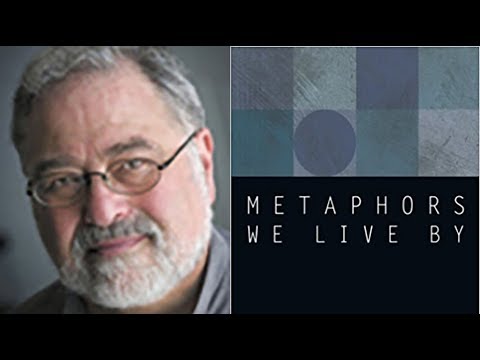
Added:Conceptual Metaphor Theory: Understanding how we conceptualize abstract ideas through concrete domains (e.g., Lakoff and Johnson's work).
The Framing Effect: How the presentation of information influences decision-making and judgment.
Basic Political Rhetoric: Familiarity with standard persuasive techniques and appeals (ethos, pathos, logos) used in political discourse.
Cognitive Bias Basics: Understanding confirmation bias and selective perception in how people process political news.
Critical Discourse Analysis (CDA): Learning methodological frameworks to analyze power dynamics and ideology in written and spoken texts.
Neuropolitics: Exploring how political language, metaphors, and framing physically affect neural pathways and emotional processing in the brain.
Strategic Reframing: Applying linguistic insights to design persuasive public health, environmental, or social policy campaigns.
Media Literacy and Propaganda Detection: Advanced techniques for identifying and deconstructing manipulative metaphorical frameworks in modern media.
362.8K views16.8Klikes1:09:39Original Release: 2024-10-27
most of us learned in school that metaphors are literary devices figures of speech used by Poets and writers to add color and depth to their work think at Shakespeare saying all the world's a stage or Emily Dickinson saying hope is a thing with feathers or Hell there's a whole Sylvia Plath poem called metaphors in which every line is a different metaphor for being pregnant but in reality metaphors are everywhere think about politics we talk about elections as fights we argue over who won debates and the news reports on who polling better in a republican stronghold these aren't just ways of making politics more dramatic and exciting these specific terms of phrase actually affect how we experience politics when we talk about an election like it's a war we think about it like it's a war we frame the entire process in terms of combat candidates attack one another's policies and defend their positions they target swing state voters and launch offensives in Battleground States even the term campaign itself originates from military strategy so when we talk about elections this way we're not just choosing colorful language we're choosing how to frame reality and the way we frame reality shapes how we think feel and act in response to it but it's easy to forget just how much these metaphors influence our understanding of the world their influence goes so much deeper than you think so let's explore metaphors let's investigate the intricacies of metaphor and how it affects our brains and bodies let's learn about the link between language and politics and let's search for a solution to our society-wide miscommunication and to bring an end to the language War but first metaphors shape how we think about the world around us and media Outlets can exacerbate this problem with biased reporting and sensationalism reinforcing simplistic narratives for instance take a look at this story on kamla Harris's call for immigration reform in Arizona that I found on ground news an app and website that pulls from over 50,000 sources worldwide to show political bias factual reliability and ownership of news outlets with ratings from independent monitors it gives you all the context you need to see how different sides report the same story and trust me the difference can be Stark which is why I am thrilled to have them sponsor this video as you can see over here the article has been covered by more than 100 100 sources with 31% leaning left 35% in the center and 33% leaning right you can also see how factual the sources are about half are highly factual and the rest have mixed or low factuality as well as the breakdown of who owns each Source where 19% of the sources come from independent news outlets and a whole 42% are owned by large media conglomerates but let's look at the language anguage that these articles use left leaning sources focus on Harris's push to project strength that challenges Trump which paints her as a fighter training to face her enemy in the election meanwhile right-leaning sources frame the story as a slap in the face that was completely staged highlighting how they view her stances as weak and even duplicitous these differences in framing shape how we perceive the issue and comparing headlines you can really get a sense of the differences in how the right and the left view comm's policies either as a show of strength needed to defeat an opponent or a weak and offensive faint one of my favorite features of ground news though is the blind spot feed which highlights stories underreported by one side of the political Spectrum news that one side isn't reporting can lead to a skewed perspective leaving you with only part of the truth so ground news helps you to get out of that Echo chamber by giving you stories that you might not otherwise see for instance a recent Gallop poll shows that confidence in the media has fallen to a record low with only 30 1% of Americans saying they trust the media to report news fully accurately and fairly and 36% expressing no trust at all what's Wild is that this story has been covered by more than 40 sources but 81% of those sources lean right I think that this could come down to the right's inherent distrust of mainstream media but in any case it is super interesting to me and I only know about it because of ground news's blind spot feature ground news has really helped me to slow down and pay more attention to which news stories I'm reading helping me to become a more critical consumer and if you are ready to gain a deeper understanding of the media landscape and Escape biased narratives ground news is the tool you need right now they are having their biggest sale of the year so head on over to ground. news/ zooe or use the QR code that's on screen over here to get 50% off their Vantage subscription this unlocks unlimited access to all of the features including the blind spot feed again that link is ground. news/ Zoe which is in the description and in the pin comment and using the QR code on screen and thank you again to ground news for sponsoring but with that let's get to the video metaphors shape how we think talk and make sense of the world even if we don't realize it we use metaphors constantly especially in English which is what I'll be focusing on throughout this video though this phenomenon exists in most languages in slightly different ways but if metaphors really are as powerful as I'm suggesting they are then it's worth figuring out the true extent to which they permeate our language on the surface there's the obvious metaphors or structural metaphors as they're called by the linguists who study this stuff with these metaphors we take something concrete that we already understand and use its structure to make sense of something else that's more abstract or complex so like when we say politics is war we're mapping the structure of War conflict strategy winning and losing onto the world of politics it helps us understand what's happening in political debates elections or legislation because we're thinking about those complex things in more familiar terms and we do this all the time think of any big important part of life and there is a metaphor for it love is complicated and messy and hard to wrap your head around but if you frame it as a journey it's a lot easier to understand relationships as traveling through life together if you hit some bumps in the road and don't stay the course you could reach a dead end or end up going in different directions but if you forge ahead as a team eventually you'll be able to look back and see how far you've come or think about time what even is time I don't [ __ ] know but if we talk about it in terms of money then time becomes something we can spend or waste or invest into things it has value and should be budgeted accordingly we also do this with history the actual events that make up human history are complex and unstructured and can often be hard to parse but when we conceive of history in terms of stories myths of heroes and villains that follow familiar plots these myths help us to make sense of historical events but the actual makers or agents of History can also consciously pattern their actions on that particular source domain so when politicians frame themselves as Heroes coming to save a nation or say that they want to turn the page they're using this metaphor of history is a story and applying a narrative structure to justify their actions in the minds of Voters there are also ontological metaphors which are basically the squishier more abstract version of structural metaphors and they mostly just help us grasp nebulous concepts by putting them in ground concrete terms like what I just said is an example of that we grasp Concepts not literally because they're not objects that can be touched but metaphorically we think of knowledge and ideas as little packages of information that we send off to the people we're communicating with if you grasp an idea that means that you have received and unpacked what someone sent to you the personification of emotional states is also a kind of ontological metaphor we talk about being filled with love or joy and haunted by guilt or fear we are struck by inspiration and weighed down by sadness and consumed by jealousy and anger without these metaphors it would be really hard to talk about something as intangible as emotions another example of ontological metaphor is the quantification of abstract Concepts and grades are one of the most glaring instances of this as I've talked about before one of the problems with quantita ative grading systems is that teachers are taking something as complex and interpretive as a students expression of their knowledge and just assigning it a number but we also do this with lots of other things too like those pain scales you see at the doctor's office where you have to somehow map your nebulous abstract experiences onto a concrete number line or how we talk about the very subjective concept of Beauty in terms of a 1 to 10 rating scale or hell even determining the quality of a product based on how many stars it has or the popularity of a YouTube channel by how many subscribers it has these numbers don't actually mean anything they're just standing in for the real if abstract concept that we're actually trying to understand there's also metonym or if someone asks a celebrity who they're wearing when they just want to know who designed their clothes now some metaphor Scholars don't classify matomy as technically the same thing as capital M metaphor but they are related Concepts there's also visual metaphors which take advantage of visual shorthand and symbolism we obviously see these most in visual media like films and advertisements and political cartoons where colors carry deeper meanings people stand in for Concepts or groups and animals represent ideologies Hitchcock famously used visual metaphors to imply sexual relationships when they couldn't be shown on screen a train entering a tunnel and fireworks going off are implicitly sexual even if on a purely concrete level they aren't unless you're into that I guess but metaphors go even deeper because there are also what are called orientational metaphors which pop up all over the place in language orientation metaphors enable speakers to make a set of Target Concepts coherent by means of some basic human spatial orientations such as up down inout Center periphery and the like essentially these are metaphors that give spatial qualities to abstract Concepts especially in binary terms the most common orientational metaphor is up versus down and we use it to describe abstract Concepts that don't really have anything to do with physical space like you can climb the corporate ladder or fall short of expectations and we often use this up versus down metaphor to frame good versus bad an upstanding citizen is better than a low life being upbeat is better than being down in the dumps it's better for your health to be on the up and up than in Decline you'd rather be on top of things than have a project go downhill also just as an aside this is part of why the phrase it's all downhill from here is so confusing to a lot of people because moving downward is easy rolling something down a hill is smooth sailing to mix my metaphors but because we're so used to down being bad the meaning of this metaphor isn't necessarily intuitive orientational metaphors aren't just directional though there are lots of qualities that fit this mold like whole versus part open versus closed and light versus dark and all of these fit that same basic schema of good versus bad think about the phrase he's half the man he used to be this is based on both the quantification of abstract Concepts that we talked about earlier and the orientational metaphor whole is good part is bad or if we talk about someone being closed off that's a bad thing and pretty much every story of good versus evil frames it in terms of light versus Darkness so clearly metaphors are all over the place in our language and their prevalence is important to keep in mind because there are actually tons of studies showing that the language we use when thinking doesn't stop at the linguistic level it's also conceptual in other words our metaphors aren't just fun little additions that we sprinkle onto our ideas they are our ideas and this has some pretty big implications now I know that this is all super abstract so let me give you an example you know how you can talk about objects being close to each other when they're a similar shape or size that's linguistic it's a metaphor dismond is eating a cardboard box come up here and sit with me and stay out of trouble don't you even hop up on there that's linguistic it's a metaphor but it's a metaphor that is so ingrained in the way we think that Studies have shown to our brains similarity and spatial closeness are connected Concepts or take this other study which showed that we don't just talk about power in terms of vertical position like referring to Executives as the higher-ups or calling the presidency the top office we actually organize groups in vertical orientations in our minds our brains take this totally abstract concept of power and map it onto the concrete physical dimension of vertical space so when we talk about power in terms of verticality that's not just a fun little language thing our brains literally think about power in those terms but it goes even deeper many cognitive scientists argue that because language is such an intrinsic part of thought and because thought is such an intrinsic part of being the language we use is actually connected to our physical experiences what's called embodied cognition for instance you know how we sometimes talk about friendly people as being warm or if someone ignores you they're giving you the cold shoulder according to one study this language is embodied in study one participants who briefly held a cup of hot versus iced coffee judged a Target person is having a warmer personality generous caring in study two participants holding a hot versus cold therapeutic pad were more likely to choose a gift for a friend instead of for themselves so we don't just talk about people in terms of warmth and we don't just think about people in terms of warmth but we have a real physical relationship between just the concept of people and the physical experience of warmth or the lack thereof other researchers found that people who held heavier objects rated issues as more serious or important than those who held lighter objects just like how we describe ideas as carrying weight the physical experience ience of weight affects our judgment and decisionmaking the abstract concept of importance is grounded in bodily experiences of weight experiencing weight influences judgments of importance because the concept of importance is linked to the experiences of weight so again when we talk about the weight of issues that's not just metaphorical it's physical there's another study that wanted to look at how our brain process the light equals good dark equals evil metaphors and so participants were asked to recall an ethical or unethical behavior from their past and then rate the brightness of a room or intensity of light they perceived in an image and the researchers found that people who recalled unethical actions were more likely to perceive their surroundings as darker and those who remembered moral Behavior perceived things as brighter the metaphor that goodness is light and evil is Darkness isn't just linguistic it's not just a common literary Trope it's how our brains work so metaphors aren't just all over the place they're also interwoven with how we experience the world both mentally and physically and this embodied cognition means that language has a real material influence on us most of us know that metaphors are useful rhetorical tools but the power that metaphors have to affect our decision Mak shouldn't be underestimated one study found that when talking to people about cancer framing it as a battle can actually make people less likely to engage in preventative behaviors like applying sunscreen or cutting back on alcohol others found that using the battle metaphor elicited more negative emotions and a more fatalistic attitude toward cancer compared to the journey metaphors the choice of metaphor influenced not only emotions but also behavioral in intentions such as a willingness to engage in preventive behaviors another study looked at metaphors for dealing with mental health struggles and found that either the battle or Journey metaphors could be useful in different circumstances but doctors should determine which to use on a caseby casee basis ultimately they argued we need to use metaphors to help us understand and work through such complex and important issues but because metaphors can affect our beh Behavior so directly doctors need to be careful about which ones to use and this isn't true just for health care either there's also been a lot of research concerning how best to talk about climate change and one study found that unsurprisingly framing climate change as a war was much better at inspiring action than framing it as a race others have investigated how the language surrounding crime affects our policy positions in their study researchers presented participants with a paragraph discussing the crime rates in a fictional city but the crime itself was framed either as a wild beast preing on a city or a virus infecting the city the participants were then asked about how that crime should be dealt with and the researchers found that suggestions differed systematically as a function of the metaphor used to frame the crime problem participants who read that crime was a virus were more likely to propose treating the crime Problem by investigating ating the root causes of the issue and instituting social reforms participants who read that crime was a beast were more likely to propose fighting back against the crime Problem by hiring police officers and building jails to catch and cage the criminals but what's even more interesting is that the participants weren't even aware of the influence of the metaphor on their choices despite the clear influence of the metaphor participants generally identified the crime statistics which were the same for both groups and not the metaphor as the most influential aspect of the report these findings suggest that metaphors can influence how people conceptualize and in turn approach solving an important social issue even if people don't explicitly perceive the metaphor as being especially influential this is fascinating metaphors are so powerful and their influence is constantly underestimated but it is important to note that metaphors aren't magic it's not mind control as NJ Enfield notes in his book language versus reality why language is good for lawyers and bad for scientists these kinds of metaphoric frames won't make you believe things you don't already believe like if you don't believe that climate change exists it's not going to matter whether someone talks about it in terms of a war versus a race those metaphors aren't going to suddenly make you rethink your entire worldview what metaphors are good for is tapping into the ways that our brains already think about stuff so if you do already believe climate change exists then the metaphors will help to nudge you in one direction or the other by changing how you think about it because again our brains are wired for metaphor metaphors are baked into everything we say everything we do even the way we think metaphors are inescapable and when something is that pervasive in how we talk and think and act fact it's powerful and that power can be taken advantage of see one of the flaws inherent in metaphors as a tool is that there's no such thing as a perfect metaphor the way most of our metaphors work is that they help us understand thing a by mapping properties of thing B onto it but those Maps cannot be perfect if thing B was exactly like thing a in every single regard then it would just be thing a if two things are the same in every way they're just the same thing so thing a is like thing B in only some ways and the ways that they're similar the features they have in common are the main components of the metaphor and those overlapping traits are what linguists call entailments essentially all the meaning and assumptions and baggage that gets carried inside the metaphor when when it's used now I know that this is abstract so let me give you an example one common metaphor is ideas are food we digest information chew over thoughts and refer to some Concepts as half baked or hard to swallow just as food nourishes the body ideas nourish the mind there are a lot of entailments here that work there is a ton of overlap between ideas and food as Concepts both are prepared and the more care and training the person preparing them has the better presented and usually more nutritious they are we can have cravings for certain kinds of food and certain kinds of mental stimulation on the most basic level both of them are things we take into our bodies whether through our mouth or through our eyes and ears but they don't map perfectly onto one another for one thing the physical act of using calories to fuel our bodies isn't really how ideas work in our brains ideas are useful but they're not not really fuel in the way that food is for our bodies eating food is also a lot more passive there are very few foods that are actively difficult to eat whereas many ideas are challenging to consume food is also finite where ideas are not one idea can feed an infinite number of brains the metaphor also implies that once you have an idea in your brain that's it you've consumed it and it's in there and you're getting the energy from it and that's that but the mental practices of holding on to an idea revisiting it and revising it are just not things we do with food people also don't have idea allergies though that is very funny to imagine but the point is that when you use the food metaphor for ideas you are purposefully highlighting the things that are common between the two that's I cannot concentrate with the cat let me show you what he is doing Dez why are you like this but the point is that when you use the food metaphor for ideas you're purposefully highlighting the things that are common between the two that's what the metaphor is for but if you wanted to highlight the missing traits the active nature of how we consume ideas or the infinite nature of them you would need to pick a different metaphor like ideas are plants to raise a plant you need to get a seed from somewhere but once you have that seed you can start to grow a plant and it takes Active Care and nourishment to thrive it's also not something you have to do alone anyone and really everyone can be a part of raising a garden and just like how people all learn differently so do different kinds of plants need different kinds of care this metaphor isn't perfect either but the point is not that it's necessarily better than the food met for it's that it highlights different parts of the concept and whichever part you want to prioritize determines which metaphor you use now like I brought up in the last section the metaphors that we choose to use and thus what we choose to highlight can make a Monumental difference in how we act the reason why talking about cancer as a battle affects people differently than talking about it as a journey is because of the different entailments that each metaphor brings with it the battle metaphor is going to highlight the difficulty of cancer treatment which could either Inspire bravery and action or result in Despair and fatigue if you're just not strong enough to win the fight the journey metaphor on the other hand highlights the nonlinear nature of recovery and places cancer into the larger narrative journey of life and this is true for every metaphor every metaphor comes with entailments and those entailments are going to determine the implications and effects of the metaphor consider argument is war if we conceptualize arguments this way we're more likely to approach disagreements as conflicts which might make us more aggressive in our communication less willing to compromise and more focused on winning than on finding the truth or the best solution it primes us for aggression making us see every interaction as a zero sum game where one side must come out Victor ious or think about time is money when we think about time this way we start treating it as a scarce resource something to be hoarded spent wisely and not wasted it makes us hyper efficient sure but it also makes us value productivity over Leisure turning every moment into something that needs to be optimized for maximum output now instead if we used something like time is a river we might start seeing time as something that flows Something That We're a part of rather than something that we need to control or manage this could invite a more relaxed patient attitude toward how we live helping us to focus more on the journey than how much we can squeeze out of every second or here's another example suits honor flowers Colonel those are all tile sets in maang God are they are they using a game to converse with their heptapods maybe why well let's say that I taught them chess instead of English every conversation would be a game every idea expressed through opposition Victory defeat you see the problem if all I ever gave you was a hammer everything's a nail these entailments are also why some metaphors can be problematic because even if there are some overlap collapse in features it's important to think about the extra implications of comparing two concepts for example there's a really important piece of writing advice about describing non-white characters don't describe their skin color using food sure it might technically be an accurate color but the problem with the metaphor isn't that it's weak it's that there are cultural and historical implications present in the entailments of the metaphor when you Compare black or brown skin to food you're framing the bodies of people of color in terms of consumption it reduces identity into a flavor category and perpetuates the view of people of color as objects and often exotic ones at that it's gross in fact this is why a lot of race allegories can be problematic because the entailments and implications of those extended metaphors are iffy at best for more about this topic specifically I really recommend Jack Saint's video on zootopia and Lindsay Ellis's video on bright both of which I will have Linked In the description my favorite problematic metaphor though is Mitt Romney's binder full of women and I went to my staff and I said how come all the people for these jobs are are all men they said well these are the people that have the qualifications and I said well gosh can't we can't we find some some women that are also qualified I went to a number of women's groups and said can you help us find folks and they brought us whole binders full of of women women I love this metaphor I love how he reduced women down to their resumés like literally objects created for the sole purpose of doing labor and just thought it was an okay thing to say it really reveals a lot about how he views women there are also so many issues with the way we talk about immigration in the United States there is of course the immigrants are a flood metaphor which Donald Trump loves to use and that one is bad for reasons that I'll get into a little later on but there's also some problematic undertones to our more common metaphors too like we sometimes refer to the nation as a Melting Pot but the entailments of that aren't necessarily good like you know what's melting in the Melting Pot people well people's identities like they're all melting together into goop it's kind of implicitly violent if you stop to think about it for more than 2 seconds so it might be time to think about a new metaphor for immigration I've heard of a salad metaphor being thrown around but I am partial to the metaphor of a mosaic because mosaics are pretty and I like that but what's equally as important as what metaphors highlight is what they hide because again by necessity there are only some areas of overlap between the two parts of a metaphor the areas that have overlaps are highlighted and everything else is hidden when you highlight how arguments are like Wars you hide the value of compromise that's just how it works this on its own is not good or bad hiding is just a necessary part of how metaphors work but highlighting and hiding can be taken advantage of for rhetorical purposes and we see this all the time in politics think about the war on terror this metaphor highlights a clear defined enemy something to be defeated with force and it suggests that Victory is achievable through aggression what it hides is the complexity of terrorism the sociopolitical roots that can't be bombed away and the long-term non-military strategies necessary to address the problem the focus on war distracts from diplomatic Solutions economic aid or addressing the Grievances that fuel radicalism in the first place or take tax burden this metaphor highlights taxes as a heavy load citizens have to bear framing them as something negative that weighs people down but it hides the essential role taxes play in funding Public Services like roads and schools it turns taxes into a problem to be alleviated making any discussion of the positive outcomes they produce seem secondary or IR relevant politicians and pundits know how powerful metaphors are for framing ideas for highlighting and hiding certain elements for controlling what we see and what we don't and as the saying goes out of sight out of mind when one particular metaphor dominates the conversation for so long it can be hard to remember that other metaphoric Frameworks even exist it might be useful to think of this in terms of a visual illusion when if you look at this you can only see one interpretation at a time it's either a trophy or it's two phases and while it's up to us to decide which one we see the context in which we're viewing it can have a large effect on how we see often for reversible images like this one construal dominates reversal is hard if a certain construal is Habitual normal and always labeled it's harder for us to entertain the Alternatives how I see an image is a private matter but how I label it is an imposition on others if I hang this picture on the wall with a title plate that says faces I'm inviting or instructing people as to how they should view the image just because the image is labeled faces doesn't mean that the trophy can't be seen it does mean that somebody with authority the artist in this case has claimed one one of the available construals as the correct one and this will create a bias toward that construal when you give a title to an artwork you publicly set the terms for interpretation you draw the map that you want us to coordinate around committing to one of a number of possible views and you are effectively instructing others to take just that one view of the thing and commit to that view over others this is framing when one side has dominated the conversation for so long and now we're so used to thinking about a concept in their terms with their metaphor it can be difficult to see their metaphor as anything other than reality they have given us a map and told us that is the territory and if we're never presented with another option eventually we'll believe them when we're told over and over and over about a War on Drugs drugs we start to believe that drugs can be defeated like an enemy and should be treated as such we start to forget where drugs come from or how addiction happens we start to forget to even ask about those things when we're told over and over and over that taxes are a burden we start to believe that they do weigh us down that we should minimize them we start to forget what taxes are for and what it even means to be citizens in a unified Nation we start to forget that tax es could be anything other than a burden we get so caught up in the metaphor so blinded by the rhetoric so focused on the maps they gave us that we can only see what they want us to see but it's important to remember metaphors aren't the thing they're describing metaphors are just tools that we use to help us better understand and interact with Concepts metaphors aren't reality in fact language in general isn't reality every time we try to describe the world around us we are using a tool language is just a tool and just like how metaphors can never perfectly map onto the concept they're helping to describe language can never map perfectly onto reality as Enfield puts it we always have options for how to present reality to ourselves and to others language provides those options when we choose certain words to frame a situation we're not just making a claim about what that situation is we are proposing to others that they coordinate with us around that Framing and not around other conceivable ones every Act of framing makes claims about what territory needs to be traversed and it foregrounds certain landmarks to be used for coordinating the journey when you're handed a map made of language remember that it is not the territory someone drew it someone chose what to include and what to Omit someone is directing your attention to certain details and away from all manner of others only by being mindful of this can we decide whether we're happy to accept that map and the terms that it sets on us yes language is collaborative and Cooperative even when it is competitive but there is always someone who de decides what game is being played it was sort of a bold move to drop the language isn't reality bombshell in the middle of the essay wasn't it oh well the reason I brought that up here is because we have to understand how squishy language is in order to better understand how it can be used to radically affect people's interactions with reality because language is our map of reality but no map is perfect there's a whole corner of the internet dedicated to cataloging terrible map projections and I love it we as humans just love making little graphs that help us organize and visualize information even if sometimes we're awful at it if language is our map of reality and Maps can never perfectly represent reality then we have to make decisions about how we want to use language to represent the parts of reality that that we want to highlight and what we choose to highlight is going to affect what kind of map we end up with all Maps show us part of the territory and give us features to orient ourselves with but they also hide whatever the Cartographer decides is irrelevant information for example if I frame taxation as a burden I'm giving you the subway stop map of New York City if I frame taxation as a useful investment I'm giving you a topographical map of New York City if I frame taxation as a civic duty I'm giving you a map of an NYC Landmark walking tour these are all different metaphors for the same concept they're all maps of the same place but they prioritize very different elements of the space but if all you've ever seen of New York City is a subway map you're going to start believing that New York City is just its subway system or at the very least you'll believe that its subway system is its most important feature this is why the way that media frames issues is so important if you only ever hear about tax burdens you're going to believe that taxes are burdens if you only ever hear about illegal immigrants you're going to believe that immigrants are illegal if you only ever hear stop the steel you're going to believe that there is a steel that needs stopping and if you have this subway map and it's all you've ever known and someone with a Landmark walking tour map comes up to you and starts trying to have a conversation about New York City's layout and infrastructure and prominent features it's going to feel like you're living in two totally different versions of the city right this is why sometimes political arguments can be so frustrating like the person you're arguing with is just working from a whole different reality from you because on a conceptual level they kind of are the map has become the terrain and their map is different from yours in moral politics George LOF argues that conservatives and progressives in the US aren't just coming from different political viewpoints they're operating from completely different metaphorical Frameworks the language maps in their brains which determine not just how they view issues but also which issues they even consider at all are just entirely different from one another and Loff argues that those cognitive Frameworks are built on two separate sets of values and those values can be categorized in terms of different family models conservatives he says tend to think in terms of what he calls the strict father model while progressives use his nurturant parent model the strict father model sees the world as a tough competitive and dangerous place in this view the children or Citizens need discipline and self-reliance to succeed people who do well in life have earned it through hard work this is the worldview that gives us policies emphasizing personal responsibility small government and Traditional Values because in this metaphor success comes from discipline on the other side is the nurturant parent model which is all about care and empathy The World Isn't just a scary competitive place it's something that we can make better together here nurturing fairness and helping others are Central in political terms ter this translates to support for things like social safety nets Environmental Protections and civil rights the goal is to take care of one another because we're all interconnected but these models are more than just metaphors they're Frameworks for how people actually see the world they shape how we interpret information which policies we support and even the facts we find convincing they are the maps take poverty for example someone using the strict father map might look at poverty and say well that's just due to personal failings people are just aren't working hard enough from this view poverty is something that individuals bring upon themselves and any government assistance whether it's welfare food stamps or housing aid just rewards laziness and dependence helping someone who isn't trying hard enough only makes the problem worse by encouraging them to stay in their situation rather than work their way out but someone using the nurturant parent map will see poverty as a result of systemic inequalities it's not that people aren't trying it's that the system is stacked against them from that perspective it's not about laziness it's about needing to create a fairer system and they'll support programs that address those inequalities understanding these Maps helps us to see why political debates can feel like people are just talking past one another if you asked someone with a subway map how to get from from one part of the city to another they are going to give you a totally different set of directions than the person with a topographical map would who would give you a totally different set of directions than the person with the walking tour map it's not just that they disagree on Solutions it's that they're looking at a totally different set of terrain now I know that there are some criticisms of this specific theory in part because it's a little Broad and it's a little bold and it's a little abstract but I'm not a linguist I'm a rhetorician so what I care about is the Practical applications of language and how we can use language to affect the world around us and in this case this Theory might feel like a little bit of a stretch but these family models show up all over political rhetoric conservatives talk about tough love in social policy and progressives talk about the government taking care of its citizens some pundits even use this kind of language outright in their analysis of the writing of right-wing commentator Rush limbo researchers found explicit government as parent metaphors in his work according to limau the liberal vision is to replace the capitalist system with a utopian socialist government that replaces Fathers as providers American society under liberal leadership is understood as a dysfunctional family of lazy and dependent pigs but rather than being the kind of parent who continually provides sustenance the government should play the role of a Stern but encouraging father who provides opportunity rather than continual sustenance in doing so the government is not usurping the role of the real father but is encouraging people to be self-sufficient individuals who strive to maximize their potential this shift in the government's role gets people out of the dependency cycle and into the capitalist system there's also an even more explicit and upto-date example of this from a Tucker Carlson speech at a trump rally that he gave the day before I finished editing this there has to be a point at which dad comes home and he's pissed dad is pissed he's not vengeful he loves his children disobedient as they may be he loves them but he's very disappointed in their behavior and he's going to have to let them know and when Dad gets home you know what he says you've been a bad girl you've been a bad little girl and you're getting a vigorous spanking right now I'm not going to lie it's going to hurt you a lot more than it hurts me and you earned this you're getting a vigorous spanking because you've been a bad girl and you're only going to get better when you take responsibility for what you did I put up with this crap for a long time I indulge your little fantasy it's like when your teenage girl becomes a vegetarian you're like okay that's you know okay it's fine but if that phase goes on for nine years and includes destroying your major cities and allowing your country to be invaded why shouldn't we feel threatened by that if they go out of their way to crush families if they do all of that they need to lose and at the end of all of it when they tell you they've won no you can look them straight in the face and say I'm sorry dad's home and he's pissed there's also that famous Dennis Prager clip I want Mommy I want milk I want to be held I want to be comforted for a more serious example take the famous goack memo written by new Gingrich gingrich's goack document was a training manual for Republican candidates written back in the 9s and it encouraged politicians to use emotionally charged language and metaphors to frame Democrats as enemies of American values it had a whole list of words that politicians should use to describe Republicans and their policies like Common Sense confident control family hard work Pioneer protect provide strength success and tough but there is also a whole list of words that should be used to describe Democrats and their policies like abuse compassion is not enough consequences excuses insecure permissive selfish spending Traders waste and Welfare there's a clear line between these two sets that falls along the strict father nurtur and parent dichotomy the Republican list is focused on strength and responsibility while the other takes aim at welfare and other policies that are seen as dangerously irresponsible this is why debates over terminology in politics aren't just semantic quibbles when politicians argue over whether to call Something Right to Work versus busting or enhanced interrogation versus torture or gender affirming care versus child abuse they're fighting over what kind of map to make because they know that the maps determine what we see as problems what we consider to be viable solution and even what facts we find relevant or convincing they determine how we experience the world this is also why just listing a bunch of facts doesn't do a good job of changing people's minds I talked about this at more length in my facts and feelings video but essentially these cognitive Frameworks that people are working from are sort of immune to facts when you present someone with evidence that contradicts their map they make the evidence fit or get rid of it if the facts don't fit the map the map stays and the facts bounce off if you tell someone with a subway map that there's heavy winds causing damage to infrastructure that fact has no bearing on their map so it just goes away it's not that they're stupid or willfully ignorant it's that the way they experience reality is fundamentally disconnected from the information you've provided them and this is actually part of why I like this theory of cognitive frames so much because I truly don't believe that the people who disagree with me ideologically are all stupid or evil people aren't irrational it's just that the rationality that they're following is subjective it comes down to the internal cognitive frames that they're working from within what makes this even harder is that while most of us follow our Maps rationally our Maps aren't being drawn based on rational experiences Neuroscience tells us that ideas are physically instantiated as part of our brains and that changes occur at the synapses such synaptic changes called long-term potentiation occur under two conditions trauma where there is especially strong neural firing and repetition where neural firing recurs September 11th was a national trauma and the war on terror was introduced under conditions of trauma and then repeated over and over for years the result was that the metaphoric idea became physically instantiated in the brains of most Americans so when there are big Paradigm shifting events that spark new kinds of language use that language sticks and political discussions often have to do with these big emotionally powerful issues like if you truly believe Trump won the 2020 election but that the election was rigged and stolen from him and if that was a traumatic event for you as many events were in 2020 and then you heard stop the steel repeated over and over and over and over and over then of course that would cement that framework in your mind and no amount of evidence is going to be able to change that so we're doomed from the start because before we even begin trying to talk we're already stuck in a cognitive rut formed by the collective trauma that is global politics which is reinforced by the attention economy that inundates us with particular language over and over and over trauma draws our maps and the maps become reality and we're all working with different Maps so we have no shared view of the world world and this all feels pretty bleak right I mean these Frameworks are so fundamentally different across the political spectrum that it feels like we're stuck arguing past each other forever and ever and ever but the good thing about these Frameworks is that understanding them can help us understand why so few of our arguments are actually fruitful because we're not actually arguing policy we're arguing about the very nature of reality the underlying assumptions and values that are invisibly attached to the language that we use to understand the world around us and that language matters thank you Desmond for meowing just at the at the time the same time as me this is why it's important to not allow one side to monopolize the conversation because if they get the opportunity to make their language the only way that a problem is framed then that metaphor will become the map that we all use to Traverse the terrain so when Donald Trump talks about immigrants as animals or Vermin or as an Unstoppable natural disaster like a flood he's not just making a provocative statement he's actively drawing the map that people use to navigate the issue of immigration where immigrants aren't human beings but threats to be dealt with and once that map becomes the dominant way people understand immigration it shapes policy public opinion and the solutions that seem possible or Justified now it is worth noting that the metaphors he's using aren't new this language isn't necessarily something unique to Trump himself but even if the metaphors he uses are conventional that doesn't make them less dangerous in fact it can even make them more dangerous when a metaphor has been used over and over and over again it becomes so ingrained that we stop questioning it accepting it as just the way things are and that's how dangerous ideas can sneak into our reality hidden in the everyday language we use so as Loff suggests in his little blue book we need to not fall into using the other side's language to talk about issues because doing so reinforces their language and communicates that their map is the one we should be using when Democrats talk about tax relief on the middle class the frame of relief still implies that taxes are a burden when Obama called his healthc care reform the Affordable Care Act and Justified it using the Commerce Clause of the Constitution he implied that healthc care is a product when politicians talk about investing in the country or needing to be competitive in global markets they're implying that the government should be run like a business but all of those metaphors have entailments that are more in line with conservative values than Progressive ones you should only see taxes as something that you need relief from if you view taxation the funding of the government to be able to provide for its citizens as a bad thing you should only see healthc care as a product if you value markets and profits above human rights and well-being you should only see the government as a business if you think the role of government is to turn a profit rather than to protect and provide for its citizens it's important to point out that these ideas aren't necessarily bad in a vacuum like I do think that some people should pay fewer taxes and I think that the Affordable Care Act did provide something that was absolutely lacking in this country the issue is that these Democrat talking points are framed using conservative langu language so if progressives shouldn't use conservative language what kind of language should we use well the first step is to understand where you are coming from what are the values that your beliefs stem from what are the forces that Drew the map you're using to orient yourself Community equality then work on reframing the way that you think about specific policies to fit those values taxes aren't a burden they're part of your civic duty to your community healthcare isn't a product it's something that should be available to all Americans regardless of wealth the government isn't a business it's a system whose job is to provide for all its citizens then if you want to change someone's mind you have to understand the framework that they are working from what values and beliefs underly the map they are using and then once you find out where your values over La AP you can use your language which has been built on those overlapping values to help them understand your positions like if someone is against Universal healthare because they see it as something that limits their freedoms then you won't get anywhere by talking about how it's a human right and every other country does it too instead focus on that idea of freedom our current system actually limits freedoms too our health insurance is tied to our l and so our decisions are being made for us by our employers and by for-profit insurance providers who can tell you which doctor you're allowed to see and which medications and procedures you're allowed to get and there are a ton of people who would love to start small businesses but can't because they're tied to the insurance provided by their jobs that's not Freedom now I know that it sounds obvious to say that you shouldn't frame your argument in terms that your opponent doesn't value but sometimes it's an important reminder just because something matters to you that doesn't mean it matters to the people you disagree with in fact it probably means that it does not matter to them liberals assume their own values are Universal values and then further assume that all they need to do is present the facts and offer policies that support these Universal values but values are not Universal a liberal will thus never persuade a thoroughgoing radical conservative because moral differences that determine personal identity are deep residing in brain circuitry that is long lasting or even permanent these sorts of disconnects are actually why a lot of us think that people on the other side of the political Isis are hypocrites conservatives say they want small government but then also want more military funding progressives say my body my choice but yet I have to get the covid vaccine the reality is that these aren't hypocrisies they're mistranslations what looks like hypocrisy to the other side is actually a fully consistent and coherent set of values to those who hold them it's just that both groups have different definitions of what small government and pro-choice mean and those definitions come down to the values underlying their positions the Frameworks that inform them so if we want to be able to actually have productive discussions with people of other political ideologies we need to not get caught up on the specific policies themselves and instead focus on the framework that they're working within the only way we can make sure we're giving someone useful directions to a shared location is if we know what kind of map they're using this little blue book is actually full of tips and tricks and even some scripts and examples that you can use to frame your arguments to be more persuasive it's a tiny bit outdated because that came out in 2012 which was just a whole lifetime ago but I still think that it's an interesting little rhetorical handbook if you want a guide for how to reach people who are working from different cognitive Frameworks I also recommend just all of lov's books especially don't think of an elephant and the political mind if you want practical applications of these framework theories and moral politics if you just want more of that underlying Theory I think that his work should honest be required reading for anyone especially progressives who are interested in better understanding how we think about politics but honestly these tools aren't just useful in terms of politics you can use an understanding of metaphor in all of your communication especially in interpersonal relationships the next time you're in an argument and trying to find a solution look at what kinds of metaphors are being used in your discussion and consider the entailments they bring along with them be mindful of the language you use to describe others and their actions and think about the implications of the metaphors that make their way into your speech if language is a map what landmarks are you guiding others around metaphors are powerful tools they can shape how we experience reality but it's also important to remember that metaphors and language in general are just tools for persuading not measuring objective reality language is a mass and no map is perfect so choices always have to be made it's our job to always ask which choices people have made and why when Trump says he wants to make America great again we need to ask when were we great when comma says she wants us to not just get by but get ahead we need to ask ahead of whom when politicians say the border is broken we need to ask if this is broken what does it mean to be fixed when the media says parents rights ask which parents when they say Traditional Values ask who tradition and whose values when they say pro-life who's life when they say trust us why should we in a world that desperately requires wisdom at all points we have a duty to know and understand how language works both on others and on ourselves we have a responsibility to be mindful of how our linguistic choices manipulate people's attention terminate their thinking and implicate them in joint commitments and when we hear the things that others say we need to be mindful of their goals and motivations which underly their choices of certain words and not others if their words invite us to coordinate around some linguistic construal of reality we must ask why this map and why those landmarks what are this person's reasons for saying that and for saying it like that how else could it have been said in the Mercurial craphy of language we need to remember there is a real terrain beyond the maps language is just a map and like any map it's not going to be able to perfectly capture the reality around us it can't so it's up to us to choose which features of the terrain we want to highlight and which we want to hide the metaphors we use to draw our maps are necessary they're a fundamental part of how we communicate and how we think but there is a Terrain beyond the maps I wanted to share this stuff because a decade ago when I first learned learned all about these conceptual metaphors and embodied cognition and political Frameworks it blew my mind this topic has shaped the way I think about things and it's honestly kind of obvious in the rest of my work throughout this video I kept having to stop myself from saying as I talked about in this other video because the fact is most of my other videos tie into this topic this topic is the through line across my entire Channel because it's the through line for me I think language is incredibly beautiful and interesting and powerful and we could all stand to be a little more aware of how it affects others because if you had the power to shape reality with your words what would you do with [Music] it thanks for sticking around until the end of the video this one was supposed to be short but it ended up I don't know what probably around an hour I I'm so sorry I don't know how this always happens this is just anyway this video meant a lot to me like I said at the end there this is something that I've been wanting to talk about for years and these ideas are pretty fundamental to how I think about things so I hope that you liked it and if you did then be sure to comment and like and subscribe and all the YouTube things as always I want to give a huge thank you to my patrons and channel members whose names are scrolling by over here and I want to give an extra special thanks to Hugh Sophia Jared S Justin Lowry Megan Lou andp Alderson thank you all so very much I truly would not be able to do any of this without you but now it is time for my Patron poem of the video for Eevee here is a little special Halloween themed poem yet not a nightmare I dreamed I was standing in a crowd in the dark hot with stares and choking on Words stuck in my throat like spped up crust I was trying to swallow my throat muscles Contracting folding in on themselves so I knelt and I reached into my mouth and I pulled and I pulled at the crust in my throat and I pulled and I pulled and in my hands were the ropes of my intestines all warm and moist and firm muscle slippery in the way that told me it was wrong and I pulled still trying to swallow around the cord still emerging now coiling on the ground my eyes watering and wide and in the wet of tears and sweat and fear I woke with a tightness in my throat and hands that remember and until next time stay be safe stay warm and I will see yall again soon I hope bye folks also here is my favorite clip from a PR Ru video I couldn't find a place to put it in the video but it is so funny to me for an economy is not like a battleship an economy is more like a human it makes choices you can't command an economy to grow the economy has to feel like growing I no it it's not a thing like we made it up the economy is not real money isn't real like I it's it is so funny to me and like I I don't understand it's so funny do you want to give the people what they want and what they want is kitty cat ASMR that is unacceptable that is unacceptable that is unacceptable what you were doing hi it is too early for you to be acting like this H do not bump the mic I don't even know why I try to no no please Desmond Desmond please you can cuddle with me you just can't stick your face in my teeth te natural disaster like a flood I don't know how I'm supposed to be able to speak when this cat does this hi I love you but you're a pain in the ass [Music] [Music] [Music]
Up Next
149:26
Rescuing the Commons for True Community Participation
@AIUvideos
220 views•2023-05-19

24:30
BRICS Pay and de-dollarization: A New Financial Order Emerges? | 55 chars
@DannyHaiphongYT
164.6K views•2024-10-22
7:33
Government Surveillance Methods: 10 Ways You May Be Watched
@BeAmazed
1.6M views•2017-04-09
10:19
Explaining the Saudi-Iranian Proxy Conflict in the Middle East
@Vox
18.2M views•2017-07-17
Related Study Plans & Knowledge Roadmaps
Structured learning paths in Political Science
political-science
Economic Statecraft: Sanctions & Chokepoints
01Foundations of Geoeconomics and Economic Statecraft
02The Mechanics of Weaponized Interdependence
03International Sanctions: Types, Implementation, and Efficacy
+ 2 more learning modules
12h5 modules
Explore Roadmap
political-science
Central Bank Independence: Politics & Policy
01Foundations of Central Banking and Monetary Policy
02The Time Inconsistency Problem & Inflation Bias
03The Delegation Model and Designing Independence
+ 2 more learning modules
12h5 modules
Explore Roadmap
political-science
Consociationalism: Power-Sharing & Stability
01Democratic Dilemmas in Divided Societies
02Introduction to Consociational Democracy
03The Four Pillars of Consociational Design
+ 2 more learning modules
12h5 modules
Explore Roadmap
political-science
Rebel Governance: Legitimacy, Economy & State
01Foundations of Rebel Governance and Statehood
02Establishing Political Legitimacy and the Rebel Social Contract
03Wartime Economies and Rebel Resource Management
+ 2 more learning modules
14h5 modules
Explore Roadmap