


![[Mankiw principles of economics 11] 11. 공공재와 공유자(공짜의 경제학)](https://i.ytimg.com/vi/tFS4Wa6QRU4/maxresdefault.jpg)

![[매경오피셜] 95회 매경TEST 문제풀이-1](https://i.ytimg.com/vi/D2jq_S765kQ/maxresdefault.jpg)







![[S7 Gobernanza de los Comunes] Elinor Ostrom y la gobernanza de los recursos de acceso común](https://i.ytimg.com/vi/qzdKlWeoJQM/maxresdefault.jpg)

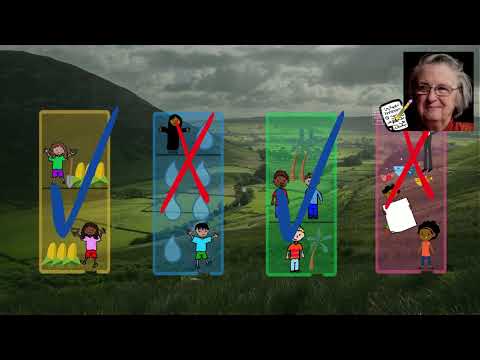





The commons refers to shared resources co-governed by communities through collective decision-making, offering an alternative to the traditional state-market dichotomy; successful commons management requires eight key principles including clear boundaries, fair benefit distribution, participatory decision-making, monitoring, graduated sanctions, conflict resolution, community autonomy, and inter-group coordination, as demonstrated by indigenous communities managing forests, water systems, and knowledge platforms like Wikipedia without relying on private ownership or government control.
Rescuing the Commons for True Community Participation
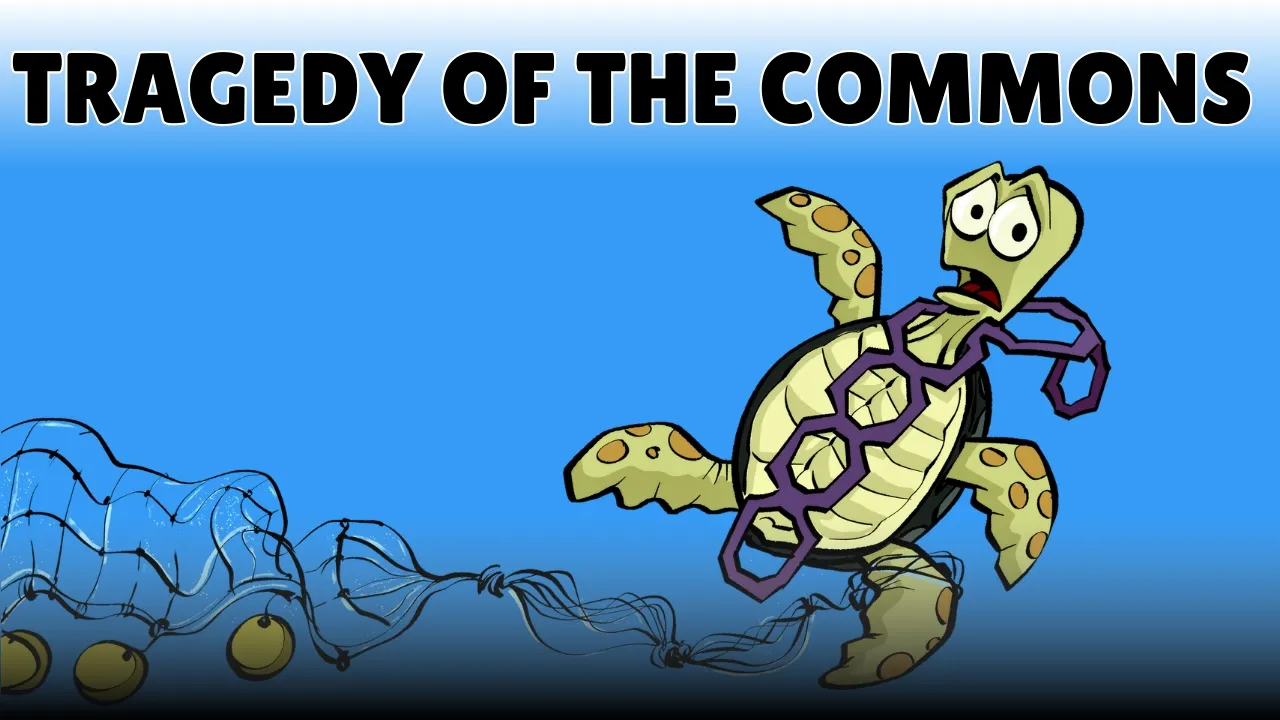
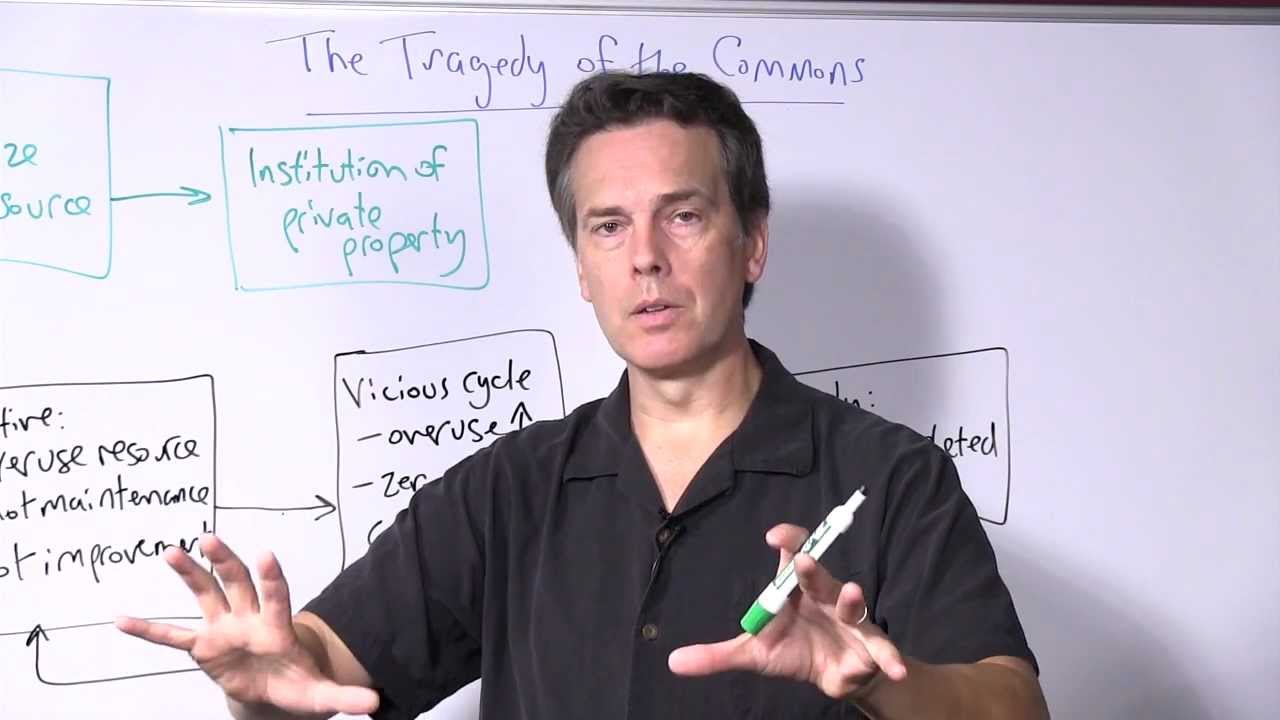
Added:The concept of the 'Tragedy of the Commons' (Garrett Hardin) and traditional arguments for privatization or state intervention.
The economic classification of goods, specifically distinguishing 'common-pool resources' (high subtractability, low excludability) from private and public goods.
The basic principles of Elinor Ostrom's research on how local communities can successfully self-organize to manage shared resources without top-down regulation.
The fundamental differences between market-driven allocation (private property rights) and state-driven resource management.
Ostrom's Eight Design Principles for analyzing the stability and sustainability of community-managed common-pool resources.
The expansion of commons theory into the 'Digital and Knowledge Commons,' including open-source software, Wikipedia, and creative commons licenses.
Urban Commons frameworks, looking at community land trusts, participatory budgeting, and cooperative housing in modern cities.
The challenges and strategies of scaling local commons governance to address 'Global Commons' issues like climate change, biodiversity loss, and ocean plastic pollution.
220 views1likes2:29:26Original Release: 2023-05-19
foreign I'll try and be brief to 45 minutes so we can so we can talk a little bit so yeah the my presentation this morning is called rescuing the comments um and the commons a lot of times is a word that some people aren't familiar with um even though I think we we do use the commons every day and I always start with the example of Wikipedia the online uh encyclopedia I'm sure that most of us in some time or another have have you know wanting to figure something out or wanted to research a person or a place or political movement or whatever it might be in you in you and you do a Google Search and you see that we can get it Wikipedia uh turns up so Wikipedia uh is an example of the commons uh it is something that is governed by a community uh it it isn't it doesn't belong to any government uh any governmental organization it doesn't belong to any individual but rather it's it's collectively governed by a group of people um in a free open source uh software I'm not a technology Guru um but is an example of a place where people come together to manage a resource in this case the resource could be knowledge or an encyclopedia in a way that um it it kind of transcends this idea that we generally have between there's either a strong State a strong government or a strong business or individual so between the place of individuals and government there is what's called The Commons and the commons have uh been a governance technique of small communities around the world and pretty much every continent for hundreds and hundreds of years uh but especially in recent in recent decades I would say it's kind of been shadowed or hidden so I want to talk a little about what is the commons uh I try to keep the text here to to a limit um will you I'll present a few short videos and things like that but let's start with the definition what is the commons uh there's a an author that I would if you all are interested in this subject I would definitely recommend his name is David bolier he's written several books about the commons and he defines the commons as a shared resource co-governed by its community of users in accordance with the rules and regulations of the community things that can be managed as the commons include natural resources such as land water air created assets like culture and knowledge we already mentioned the idea of Wikipedia and can be inherited or created by men and women but the commons refer to the process as a whole the Synergy between the elements of a community a resource in the rules for its co-governance and that's important uh because a lot of times we think oh uh for example the atmosphere is a Commons nobody owns the air we breathe um but the problem is that as a global Community we do not manage the the atmosphere as a Commons because there is not necessarily a set of rules that people adhere to that's why perhaps maybe global warming is such an issue today um a lot of times you might say the oceans are an example of the commons but no they're overfished because there is not a good example of uh of how these are governed so that when we talk about the commons we're talking about not just the resource in itself but how it is governed so again going back to Wikipedia I don't know exactly how Wikipedia works but there's a community of users and so anytime that somebody uploads uh an article so let's say I want to write an article about uh El petal Mountain which is the mountain where I live I can log in and create a Wikipedia account and write up uh you know a a description and things like that but that uh that description that entry into the encyclopedia has to be uh seen and respected by other by other users and people can change that and so there's this whole uh complex use of how the resource the collective resource which in this case is an encyclopedia or a body of knowledge is co-governed by a group of users right and the same thing can be said for every different types you know all different types of resources uh so yeah so one of the things that I mentioned earlier is that I think that the idea of the comments has been overshadowing especially recently it's kind of been lost upon us because especially since the Cold War you know when there is the whole fight between communism and capitalism left and right State and Market that's what that says in Spanish but there's this huge kind of dichotomy or this like there's only two options available and a lot of people have forgotten that the space of community is a space that exists between this dichotomy right uh and there I think there's a lot of limit limitations when we come to if we only see our options in the you know between the ideas of we have to choose between a strong State a socialist State a communist state or a capitalist state in free business free market um that dichotomy is very limiting So In traditional left and right politics which pretty much every country you have you know several different options but most of them try to identify between one of these two extremes uh you know a person or a group of people has two options for a party that promises to push for free trade uh freedom for com for companies to create job opportunities and deregulation of markets or you can vote for a party dedicated to strengthening the state and its ability to control the economic and social realities of a country is that the only options that are available so I want to show this picture this is a picture of a community I used to work in in Guatemala uh the community is called the loam to get to Elon you take the paved highway to the town of of Nevada it's about six or seven hours from the from the capitol from there you drive another three or four hours on these pretty horrible uh you know Back Country Roads unpaved roads and then you have to take a boat for about another hour and a half and then walk for another hour and a half so this community is very remote you can see it's not a great picture uh but it's surrounded by beautiful tropical forest and I asked the question what how does this debate between left and right politics between communism and capitalism what what does this really mean to a community like this this is a community that has been essentially abandoned by the Guatemalan state uh for hundreds and hundreds of years uh there's very very little uh any sort of State intervention very little uh money uh being invested by the state there is one Public School uh where classes are usually one or two days a week not always the the state very rarely has money to send teachers out there but at the same time there is no private investment there's no big companies uh that are creating jobs for these communities in in in in in this community um the only outside influence of recent is that there's these massive transnational hydroelectric companies who are wanting to come in and kind of take over the the rivers that run through these areas and create hydroelectric power which would be then shipped into the city uh which most of the community is very much against so I asked like a community this bit like like this that lives so far removed from this right left political debate is there another option right um and so we turn back to the commons uh the commons when we look back at this community that is how people manage themselves all of the the forest around there for example in all these mountains we see that's not private Forest there's not people don't have uh private landease to that for us it's not uh governed by uh the state it's not a state-run forest it's a it's a forest run by the community they have strict rules about uh you know where uh people can chop down wood how many trees they can uh cut down per year uh where um you know certain people can go to uh to forwards for medicinal plants and things like that um and so yeah so when we go back to this dichotomy between the state and the market uh it's kind of a rhetoric where communities um come together uh so yeah the commons is an alternative where communities come together to control and manage resources and relationships without relying on the market without relying on uh private companies and also without relying on the government on the state the commons has long been one of the most important social systems that has promoted long-term care and Resource Management from a community perspective the actual processes uh has strengthened Community identity uh and creates a set of shared values that in reinforce the state of community so if we go back to Elon the community in Guatemala the community understands for example that their water they have uh you know water in in their homes and that comes from Springs that are around that are um located in these mountains around there and they understand that in order to have this shared resource of water there has to be certain rules governing about who can use that water who has to participate in the protection of the forest uh and it has created a whole kind of set of values instead of practices where the community understands that the resources that they share uh are good for everybody and it increases participation it increases a sense of autonomy uh it increases uh definitely or or as an asset in struggling against poverty in the life um and then one other thing the commons where they're generally um where there is a strong community that understands that there are shared resources that need to be protected together uh there is always going to be uh perhaps more uh ecologically resilient Landscapes uh a couple years ago I did a consultancy job for an organization called FES that works in Asia and they focus their efforts on um sorry on trying to restore uh ecological Landscapes that have been devastated by over farming uh by big corporations that had come in um and had done monocultures of different types of uh especially palm oil and they came back and they said look how can we restore these Landscapes that have been so degraded that have been so ruined and the idea was to help communities restore traditional uh forms of land governance especially focusing on the commons and this is a picture of a of a landscape that used to be essentially a desert uh there was very little tree cover there was very little agriculture the community came together um it's not lamb that that has private ownership there are no private Deeds it's it's landscape owned by the community and over the course of 20 30 years uh that those places have have turned into Oasis you know if you look around the landscape it's not like that everywhere but the community where the community governs the land collectively generally the ecology uh and the environmental uh sanctity of that place has increased as well um so let me just let me just go back one more time to one more thing that uh David Bowie says uh the comments sorry I didn't translate that says the commons is a self-organized system through which communities manage resources both exhaustible and renewable with minimal or no dependence on the market private companies individuals or the state it is a sector of the economy and of life that generates value in ways that are often taken for granted and so a lot of times we look at a system like this and we'll see trees water soil a lot of these things that we take for granted when the when the community comes together to manage these resources together in in the management of the commons uh this creates an enormous value it's not necessarily economic value that can be sold and traded but it's a it's it's an important value for the community in itself um so before we go forward I also want to turn my attention to I see that there's some some things in the chat so if anybody wants to interrupt me um I'll ask Dr Lambeck to do that if not I'll just continue speaking and we can uh share at the end um so the next one I don't actually see any questions okay I just thought the I saw the number four at the chat so I wasn't sure no it's just that someone said an impressive topic it really is this is really important to understand how communities can come together and and manage their resources thank you okay so let me go back to that there's a thing called The Tragedy of the commons um I don't know if you all have heard of that maybe you have but back in I think it was 1968 there's an anthropologist uh an academic by the name of Garrett Hardin who wrote a paper that was extremely influential it was called the tragedy of the commons so before I go into I'm going to share a short video here I think I can do that um I hope you all can see it as a short video about a minute long but it it kind of gets at the the the basic uh principles of what this author Garrett Hardin called The Tragedy of the comments so let me let me see if I can get that started okay we actually can't hear anything so I think when you when you share your screen there's a little button down to the left that says share sound and you'll need to click that so you'll hit you'll need to stop the presentation okay let me go back on the sharing screen yes sorry about that share sound right so you'll need to you'll actually need to to close down this one and and re-initiate the sharing okay I'm gonna try one more time let me know if you hear it back in 1833 there you go okay sorry about that let me go back in 1833 William Foster Lloyd noticed something fascinating about the so-called common Pastors in other words pastors without an owner which can be used by everyone he noticed that these common pastors were inconsiderably worse shaped than those which had an owner why simply because the short-term self-interest of the people who were using those pastures made them consume too many resources and in the long run everyone suffered George asked himself should I buy another animal and decided that yes he'd make more money that way he knew he was overloading the pasture but didn't care he wanted the extra money the problem is that everyone did the same thing in the end the pasture was brutally overloaded and therefore became unusable some people made short-term profits but in the long run everyone lost as far as the pastures which had an owner were concerned this didn't happen because it was in the best interest of the owners to exploit their property sustainably today similar situations occur frequently for example with fishing grounds such as the grand Banks of Newfoundland which used to be home to a huge Cod population about 50 years ago however technology enabled people to catch a lot more fish than before the fish population and thereby the fishing industry collapsed by the 90s and might never recover the same way humans are doing everything from polluting their oceans and atmosphere to generating traffic jams during rush hour there we have it the tragedy of the comets back in 1833 William okay so that's a very short uh and perhaps simplified introduction to what is the commons yeah so Garrett Hardin said uh and he was a very big proponent of privatization of land and resources because he looked at he said yeah what the problem is is if there's not uh an owner of a any sort of resource uh then people are going to take advantage of it and and there are great examples of that you know around the world he used the the example of a pasture you could also use the example instead of a forest so if there's a uh you know huge force that no one uh you know owns uh individually or if it's not owned by the state then people will go in and say hey look I'm gonna I'm gonna cut down some trees so I can build a house or I can heat my home uh then another person who has maybe a truck will come in say I'm going to cut down those trees so I can uh you know take them to Market and sell them as Lumber and everybody's going to exploit that Resource as fastly as they can until the resource is gone um so that and so like Garrett Hudson we know that this is occurring and to do this we need to avoid this uh we either need a strong state to regulate the resources or we need private ownership of every resource um the problem with the tragedy of the commons uh so yeah before I go there other examples of that for example this is a little cartoon here at the less and it's a traffic jam uh probably typical to any large city in Latin America or any large city around the world and everybody is kind of think everybody who's sitting in this traffic jam I don't know if you can see it but they're all saying the same thing and they say if these idiots would just take the the bus I could be home by now and everybody's saying the same thing so in a sense the the use of of public roads uh you know by people not not choosing to use public transportation you have this breakdown of order uh and these massive traffic jams which which you know not only cause huge amounts of contamination but cause you know people to lose lose hours and hours of their day um so that's another example of the tragedy of the commons um however um I guess we could say that that those examples certainly do occur but they are not the only the the only example there are thousands and thousands of amp of examples around the world where there is a common shared resource where there is no one owner private property or where there is no government ownership of of the asset and it you know what Garrett Hardin theorized that that resource would be ruined in a short amount of time simply hasn't occurred uh so for example you can take the the largest rainforest ecosystem on the on the earth uh the Amazon a lot of times you have this idea if the Amazon rainforest is this unoccupied Place uh you know this beautiful uh landscape where no one where no one exists and nothing can be further from the truth um there are thousands and thousands of Amazonian tribes um uh in the past perhaps much more densely populated that we have uh than what we see today uh in the Amazon rainforest has not been destroyed despite the fact that these tribes do not have private property despite the fact that there is no uh large governance and it's because uh there were rules governing um you know how the forest was to be respected how it was to be uh used there was uh traditional forms of spirituality and religion uh that that people that people adhere to together um that essentially allowed that that resource to you know be what it is today one of the few remaining uh you know places where uh where where we see rainforest ecosystems and as that land has become privatized little by little around that you know the whole Contour of the of the Amazon rainforest what you see as soon as that land becomes privatized uh the rainforest gets chopped down because people want to make more money so they uh we'll chop down the rainforest sell the tropical Hardwoods and create cow pastures um another real quick example I think you could say is that um I used to live in a uh Miami Shield Community uh a Mayan community of the issue people no it's a small ethnic group in the northern part of Guatemala and it goes back to what you know Garrett hardin's uh you know the example he used um and so up in the you know above these communities there was this beautiful old growth forest uh and the forest opened up to these huge kind of prairies um you know all throughout the forest and uh every you know the everyone in the community had their their herd of goats and their herd of sheep and these were communal communal pasture lands um and for hundreds and perhaps thousands of years the community had used these communal pasture lands in a way where everyone had access um but when you went to these places uh they were not ecological uh kind of suicides or whatever they were probably the the most beautiful areas that I know of one of these you know very very ecologically intact Landscapes um and so that kind of contradicted this idea that if there is not private ownership or government ownership the resource itself is doomed to be ruined um and one of the reasons I think of that is because there is a huge difference between resources that are uh what some people call Open Access uh which means anybody can can use them anybody can take them and resources that are collectively governed uh and that's what the commons are when we go back to that first definition that we talked about uh David bolier he said that the commons is not just a resource in itself but it's the resource plus the community plus the the governance Norms the the practices the cultural aspects that allow that resource to be to be protected so yeah if we go back to that that communal Pastor I was speaking about Guatemala there were strict rules about how many uh sheep and goat herds uh could could be uh placed on each pastor at each time there were very very strict rules about uh rotating throughout the pasture so communities would use one Pastor for a couple weeks then rotate the next one there was all these really in-depth ecological knowledge about what had to be done to maintain that resource um the second author I want to introduce you to is Eleanor Ostrom she's an economist who actually won the Nobel Prize for economics back in the 90s and her entire uh body of work uh was focused on saying look the tragedy of the commons is happening but it there are also all these places around the world where it doesn't happen and why doesn't it happen what what is occurring you know what what practice occurs so that the tragedy of Commons does not happen and she worked with indigenous communities in every continent she worked with small farmers uh she worked with different groups to see how these communities collectively managed the common resources in a way that allowed them to to sustain itself um and over you know this this long long body of uh of of work of hers she came up with what she calls eight principles for managing her Commons and we're going to go through those real quick uh this is I'll read them real quick and then we're gonna uh kind of touch on those a little bit deeper but no number one is you have to have a strong group identity in an understanding of purpose right uh if there's not a strong group identity then anybody can come in and kind of take over that Resource number two there has to be a fair distribution of costs and benefits number three a fair and inclusive decision-making process number four monitoring agreed upon behaviors so you know you got to make sure that people are observing the rules that that they've adhered to uh number five graduated sanctions for misbehaviors when there are people who do Break The Rules who are taking advantage there has to be some sort of sanction you know some sort of teeth uh that that ensures that the rules are upheld uh number six there has to be fast and fair conflict resolution um you know when something does happen you can't just have it draw out into this long uh in unavoidable conflict uh number seven there has the community itself has to have the authority to self-govern you know as soon as you allow the government or private or individuals to come in and usurp the governing capabilities of the community then the commons uh management tends to break down and number eight appropriate relations with other groups so let me just touch on those a little bit a little bit more again let's go back to number one clearly Define boundaries the identity of the group and the boundaries have to be clearly delineated and many times these are geographical right so if we go back to a you know a shared natural resource it's generally going to be shared by the people who share uh in the community but for example if we go to the example of all these open software programs it's not necessarily a geographical Community uh but rather a group of communities who adhere to a shared set of rules who want access to open knowledge for example what what Wikipedia offers number two proportional equivalence uh or equality of benefits and costs the group members should negotiate a system that rewards members for their contributions right if you obey uh the rules around the pasture then you should continue to have access to to take your sheep and your goats to the pasture if you don't then there's going to be a problem right um and and the benefits and the cost the benefits are you're going to have uh you know free free free grass for your sheep uh free grass for your goats that translates into more meat into more dairy products for your for your family uh and for your group right number three Collective Choice agreements group members must be able to create at least some of their own rules and make their own decisions by consensus people generally hate being told what to do but they will work towards the group goals what they have agreed upon so again this is about you know you have to be able to say there has to be a space for debate right where you can say I like this I don't like this can we change this can we not change this when there is a set of rules that is pushed upon people people are generally not going to want to follow those rules right number four monitoring the management of a Commons is inherently vulnerable to active exploitation and that's what uh that's what Garrett Hardy said is like you know if you don't have clear rules if you don't have somebody monitoring those rules there's always going to be people who are kind of considered freeloaders right there's always going to be someone who thinks well I can sneak my sheep under the pasture on the communal pasture when no one's looking and maybe instead of if I'm only allowed 10 sheep maybe if I bring 12 no one's going to notice uh you know whatever it might be you have to have some some way of monitoring that to make sure that people are abiding by the rules and if they don't number five you have to have sanctions right you can't that doesn't have to be necessarily you know really strict and severe if somebody brings 12 sheep to the pasture when they're only allowed 10 that doesn't mean necessarily that you automatically cut off access and say well you go find your own Pastor because you're not allowed the communal Pastor no you have to have graduated sanctions and a lot of times in communities gossip or a gentleman reminder is more than enough you don't necessarily have to expel people right right away right number six you need to have conflict resolution mechanisms it must be possible to resolve conflicts quickly right and there needs to be a recognition of organizing rights groups must have the authority to conduct their own own Affairs and that's what we say this is where autonomy comes in right uh for example if uh saw if the US government wanted to say we're going to take over Wikipedia and we're gonna uh you know uh create a little governing Authority where every uh every every time somebody you know creates a Wikipedia page it first has to be uh sanctioned by the US government that's going to break down the the idea of Wikipedia as a Commons is gonna is gonna break down people are perhaps going to trust it less uh because there's a governing Authority it's not a community of users right so the fact that the that the Wikipedia Community uh has its own autonomy to manage this resource allows it a little bit more uh Authority right and lastly uh this is just uh you know resource management doesn't just happen uh or or Commons resource management doesn't just happen in a small scale can also happen you know on a larger scale so uh for groups that are part of larger social systems there has to be coordination uh and uh Eleanor Ostrom saw all these examples of how for example communities that managed uh watersheds uh you know a watershed doesn't just affect one Community but several communities the people who are Upstream uh are should not be allowed to pollute the water so that people Downstream have to have to suffer from that so there has to be coordination between these groups to make sure uh that the management of resource is beneficial uh to everyone involved right so let me just play one more video uh let me know if you hear it uh this is uh this is kind of a response to the tragedy of the commons a response to the idea that as soon as there is not private ownership one or government ownership everything's gonna kind of kind of be ruined really quickly so here's another video real quick that responds to that idea [Music] the tragedy of the commons says that self-interest and competition can cause people to ruin a shared resource in this case farmers who shared a pasture overgrazed the cows for a little more milk for themselves and ended up destroying the pasture for everyone is there anything that could have been done if people ruin what they share Sometimes the best Avenue is to have them not share each Farmer's self-interest will ensure that they protect their own property but not everyone is okay with making public land private property and some things like the oceans in the sky can't be made private anyway luckily people can cooperate to protect the commons especially if they feel like it's a shared sacrifice freeloaders though can make everyone else feel like suckers and sometimes it only takes a few cheaters to ruin the commons for everyone in those cases rules are required research supported by the National Science Foundation has shown that privatization cooperation and regulation can all work to protect Commons but only if proper enforcement exists resources come into multiple groups can be the hardest to protect and that's a challenging task for everyone okay so yeah that again goes back to the fact that cooperation rules uh privatization I would say is not necessarily a management of the commons that's a that's kind of uh the opposite of the commons is going back to the the left right uh dichotomy and saying well the only way to deal with it is to make sure everything individualized but no the comment says that there can be shared resources but there needs to be like we said rules uh sanctions uh and and you know that the eight principles that we had mentioned earlier um I want to also get back to you know go back to this uh the idea that the commons um is also an opportunity for a much healthier way of communities protecting especially their their environmental resources so here are two examples right of a forest so here on the right we have an example of pretty much any type of uh Forest managed by uh whether it be individuals trying to exploit the forest or large corporations who come in and have these huge Forest plantations generally there is just one set of trees uh one type of trees they're grown in strict lines undergrowth is either burned or getting rid of and the idea is to try and produce a resource as quickly as possible right um if you look on the left you see a different type of forest ecosystem one I guess one of the differences is that there are people in this forest ecosystem and the one on the right there are no people uh there are probably dozens of different types of species of trees in that forest ecosystem uh this is the picture I took here on the left is a group of is from that community in ilum in Guatemala that I had mentioned it's an example of the community uh that had come together to manage the collective resources of the forest and they had strict rules about how many trees could be cut down each year uh and whenever this is a a huge old growth Oak for uh oak tree uh that grew in in the community that was felt because there was a uh kind of like a young Furniture Cooperative of young people and they were learning how to turn uh you know their resources in this case uh high value tropical hardwood trees into high value products in this case furniture that could be sold uh you know that was taken to Guatemala City and sold there uh and so these are two different examples so if you look at the example on the right um this is probably what happens if you turn over a forest ecosystem to either a government or to an individual the idea which you know generally happens in uh whether it be state-run uh economic systems or capitalist uh private property uh Focus systems is that people are focused on maximizing output you know we live in a in a growth economy where everybody wants to get ahead and so when we come to the forest the best way to make money is to plant one source of trees Harvest it as quickly as possible uh clear-cut the forest and then plant again right um but there are enormous amounts of ecological studies say that this really isn't a forest this is a plantation this is uh you're not going to see animals there the the the forest ecosystem itself is is struggling it's probably very susceptible to all of these different types of uh infestations of insects and fungi and things like that uh the one on the left is a different example there might not this this type of force might not necessarily have the same amount of economic output as the one on the right but it has tremendous amounts of value both ecologically it's capturing carbon uh it's it's helping regulate water cycles but it also has tremendous value for the people that manage it so not only are young people are getting access to a high quality resource in tropical Hardwoods uh to create furniture that they can sell and and support their families but they also know that that force that diversity force uh you know has is uh habitat for all sorts of different types of animals uh old women and and uh would go into the forest and and collect medicinal plants uh uh to treat all sorts of different types of illnesses and health problems uh people are allowed to harvest their own firewood so they can cook cook for their families there's a there's an enormous amount of benefits that a lot oftentimes are not are not accounted right and this happens because it is a resource that is shared by the community and there are clear rules that Define it right okay I'm almost done I have just a few more uh slides to finish up uh kind of my conclusion so yeah I guess the question here is going back to the whole Community Development idea those of us who work in community or have worked or do work in Community Development why are the commons why is this idea important um and I would say oftentimes perhaps unfortunately non-government organizations uh Aid organizations developing organizations are usually seen as an extension of either the state of the market right so when you come into Community times a lot of times communities see uh non-profits is just another financing organization that either promote uh you know the state run or or or uh privatized management of resources uh and here's a good example I'm sorry here's a good example uh here in El Salvador where we live uh pretty much every year there's a huge Water Crisis especially in the city of San Salvador one of the problems is that we don't have uh you know the best best water system we have a long dry season so at the end of the dry season communities are always always talking about hey look all these urban communities don't have water and every time this happens there's always these huge protests uh and there's generally two different types of protests right there's there's one people at one type of group that goes out and say we we demand that the government respond to this issue the government needs to improve the the Water Systems we need to have better cap uh you know better management of the rivers in the in the springs and uh and update all the water Distribution Systems because water is a human right and the government has to provide it for us so that's one source and then there's always another group of communities usually uh those who are more inclined to the right politically who say no the state is not capable of doing this we need to privatize the water industry and so there's this who's push to privatize the water industry so that private companies uh can charge a little bit and have economic incentive to improve the whole distribution capacity right um and there's there's a lot of conflict around this issue because a lot of people are very much against the privatizing of the water industry yeah there's a very much in favor of it but in between that where my mother-in-law lives it's a small community on the on the outside of San Salvador and the community came together about seven years ago and every year in the months of March and April they would the committee would be left without water just because of the dry season and the lack of capacity for the state to have a decent water system and what they did is they they found some financing from uh NGO uh to create a pretty well organized uh water captation system so kind of like rooftop water everybody uh the funding that they received was that everybody could change the roof so they they changed the roof from uh whatever they used to have to the metal tin roofs uh they they all had this um Canal systems through gutters and things like that and they built these massive cisterns uh in the communities where all of the water during the rain system wouldn't be stored so every year since since that that program uh started about seven years ago when the dry season comes in in the mid of March and April while many many other communities around San Salvador are left without water the community where my mother-in-law lives always has their own water because it's a resource that is that is collectively governed right so when they're left without water when the public water no longer turns on they just turn off that switch and they have a series of pumps and things like that in these systems that uh delivers water to the rest of the community but the community understands that that water is limited uh so during those those worst dry months they have very very strict rules about how much water can be used people are not allowed to for example wash their cars because I know that that is not used to allowed to water their plants as much as they can uh because the idea is that that this is a resource that's shared and as soon as that water that we've collected and those systems is gone we're going to be left without anything else right and this is an example of how development organizations can help communities understand the value of the commons uh and understand that that this is an opportunity uh to address all sorts of different problems and like I said at the beginning where there's a management of the commons whatever the resource might be there's also a sense of Greater kind of community cohesion right so in this community where where my mother-in-law lives the community comes together they understand that this is a source of uh that this is important uh and you know that there's a water kind of like governing board uh in the governing board you know during the rainy season when you know water isn't an issue they come together and they and they organize other activities so the idea of like managing this crisis where they didn't have water has led to all other different you know different opportunities for the community to come together to find ways to participate together um yeah and to manage uh their livelihoods as best as they can right so the idea what is the idea I was saying in in an Ideal World or or a society uh communities should be able to come together to take control of their territories of their geographies their resources that support their livelihoods because that makes sense right um when we can supply our needs as closely geographically as possible that's generally the best idea so the practice of of community or uh or managing the commons collectively agreeing on Norms and standards of who and who who can and who cannot use a resource in what ways this creates a positive feedback loop uh where you know when we have this comments management it strengthens organization it strengthens the sense of community of autonomy of unity it it it it's helpful right it's something because people get to know one another once again it creates it creates a sense of community that is like I said at the beginning has been lost especially in the recent decades when uh we've kind of succumbed to this idea that it's either the state or the individual it's either the state or the market right um so yeah the reality is that many communities around the world um uh have abandoned Collective common Land Management practices uh you know the idea of the commons has been to bend non-profit organizations non-government organizations Aid organizations should consider different ways and projects and strategies to encourage and motivate communities to recreate the sense of commonality through different types of development projects in in community spaces uh there is no inventory of what is and what is not a common good like we said it's the comments can be any resource whether not just natural resources but also created resources like knowledge like the Wikipedia but any resource where communities come together and decide that a resource should be collectively governed for the common good uh so there's infinite amounts of possibilities to use this idea of the management of the commons for the the overall good of the community and I think that's an opportunity that development organizations have abandoned uh or that certainly do not do enough of right and like like I said I think that uh when the management of the commons occurs it is a great way not only to foster a sense of community but also to respond to the tragedy of the commons right um a lot of people talk about the chart like global warming is an example of the tragedy of the commons and maybe we can't come up with uh you know agreed upon rules that every nation is going to follow but we can't come upon you know communities smaller communities can agree to rules about uh about how to limit uh you know their carbon emissions in a way that is beneficial to everyone in the community it's just an example um so it's 8 40 it's uh 10 45 your time 8 45 my time I was told I had an hour uh so that's about 45 minutes I am going to shut up now and if anybody wants to interrupt me contradict me ask questions uh feel free all right Tobias Roberts thank you so much for this presentation um we don't have any questions yet but if I can I would like to ask some questions and everybody just jump in as you feel free to ask questions or make comments so really what we're talking about here is Community Management of resources correct now if we go to places like Nigeria where you have a lot of oil for decades but the people still live there's still like large pockets of underdeveloped infrastructure poverty things like that what happened why was all of that oil privately profitized and how come it wasn't changed what are your thoughts on that yeah um I would say uh obviously the exploitation of oil uh was an enormous Economic Opportunity um I don't know what you know specifically in the case of Nigeria who does it uh but I would imagine that there was uh an enormous amount of greed from uh the multinational oil corporations wanting it for themselves uh there was probably also government policies saying that you know this is this is a great way to generate income as a company as a country uh and so you know the idea of using these resources uh for uh for that for the country oftentimes uh being exploited just by uh you know Elites government Elites and things like that um also I would say that you know things like like oil extraction and refinery is it's pretty technical um you know in in most communities probably you know didn't have the idea of how can I do this in a way where I can then enter into the global market um at the same time you know there probably is uh different ways that communities could have taken advantage of this resource and say you know this is on our territory it's our ancestral territory a lot of indigenous peoples uh you know there's all these different uh International laws uh talking about how communities can manage the resources that are on on their Landscapes so for example I know in Canada where a lot of First Nations uh communities exist there's uh interesting agreements between uh massive mining companies companies who are mining for example uh gold or diamonds or perhaps other types of fossil fuels and to be able to do that they have to enter into agreements uh in contracts with the community regarding uh you know who is going to be in charge of these resources how much money is going to be reinvested in the in the community what what types of uh economic benefits is the community going to receive um and so yeah so if the community doesn't have necessarily the way to the means the economic means the technological means to exploit a certain resource uh one they should have the ability to say yes or no whether we want that or don't want that and if we do if we if we are going to have either the government come in and do that for us or a private Corporation come in uh there has to be a dialogue process where we can say we're going to allow you access these resources but it's going to be something that that we're going to get something back from it right uh and so in the case of Nigeria I don't know if that's happened I'm not an expert on Africa but there are there are interesting examples of that around the world where where communities say this is a resource that belongs to us we're either going to not exploit it uh because of some of the environmental problems that might ensue or we're going to do it in a responsible Way by entering into agreements uh with private companies with governments Etc right so that'll be my my two cents there yeah we have a recent graduate who is his his work is actually creating proper contracts between the oil companies in Nigeria and the communities so that when that money comes down in for developing communities the contracts are properly written and there's an accountability to make sure that money is is used for the projects because as he puts it the money comes in from the oil companies and somehow ends up in pockets of people in the government and so there's it's like the national resource of oil is creating income but it's not filtering down to the community level basically yeah 100 and Abby I guess we could say if we if we went back to the the famous example of the tragedy of the commons uh you know a lot of people say okay what are the examples what what are the the Alternatives and one alternative might be okay the government's going to come in and it's going to take over all the cows and it's going to say uh we're going to determine uh who who gets to have the cows how many cows can be on the pasture and we're going to be the ones that that micromanage uh you know and you can imagine the bureaucracy behind that right uh but probably what happens there is that the government is going to get a payback from some local landowner to say yeah I'll give you I'll give you half of my profits if you allow me to have a few more cows in my neighbor on that on that pasture land uh and so you know have all the the corruption that's involved in that uh the other alternative might be to say well no let's just let everybody have their you know have their cows uh on the pasture you know every individual but generally what happens with private property uh when it when it's exclusively private property is it it tends to concentrate you know one family might be a little bit wealthier and might purchase all of the cattle from from the rest of the family so that eventually it turns into a privatized a complete pasture while the rest of the communities are are essentially the rest of the families in the community are left without everything and without anything and so I think the commons is the idea is that look resources you know are given to us it's it's it's uh it's a gift from from nature you know the none of us make makes the grass grow none of us says put the oil in the ground uh none of us uh you know has allowed you know these massive force to be grown you know we can we can we can improve these resources through our through our labor but actually the resource itself is something that's that that's Collective to all of us and so because it's something that's shared the benefits need to be shared and there needs to be these agreements there needs to be you know opportunities for communities to dialogue whether amongst themselves uh whether with governments whether with uh big corporations want to come in to make sure that there is uh I would say you know benefits that that are appreciated by everyone in the community you brought up a good point that sometimes the knowledge of the technology that needs to be used is not within the community so they need to Outsource basically to other countries or corporations what kind of agreement would you suggest for that type of relationship yeah I mean that's always tricky right that's always tricky because uh I would say first of all one thing that is important to mention from the outset is that I think communities should have the right to say no uh to any type of project and that that sometimes is is not a debating Point um so where I lived in Guatemala there I mentioned that there was a lot of interest from International corporations and the Guatemalan government to exploit uh the hydrological resources to create essentially hydroelectric dams and the idea was that look we need to shift to a more renewable energy grid the Guatemalan government had all these ideas about it we we don't want to burn coal anymore uh to produce energy for the country you guys have these Great Rivers uh and so there's uh you know there was these interesting dialogue places but one thing that was never on the table was that the the big National transnational corporations and the Guatemalan government would never accept you know the community saying no from the beginning so I think there needs to be a place to recognize that if a community does not want if they don't see any benefit in that uh if that any sort of big development project does not fit with their ideals with their traditional land governance practices there needs to be an ability to say no if they do say yes and they often do because not I mean it's not that they're closed off to everything I think there needs to be a true space of of dialogue where they can say look we want some economic benefit from this you know we have growing communities of young people um we don't necessarily want to abandon our traditional ways of life or whatever it might be but we do want uh you know we do want to perhaps enter into some sort of modernity if that's what they choose and so in some senses maybe negotiating uh you know Revenue sharing uh negotiating job creation so it you know if you're going to bring in a fossil fuel company to mine oil or whatever it might be how many of those jobs are going to be available for local people as opposed to uh you know people being brought in from the outside uh I think the community needs to be able to negotiate on a fair basis so that they they feel that they're not just having the resource be exploited or taken from them but that in the sense that they are going to be receiving some sort of benefit right yeah another question I would have is looking at cooperatives because cooperatives bring kind of bring the community together people in the community into the same organization to manage something what are your thoughts about cooperatives do they work is there a problem with them how do you make them work what are your thoughts yeah no uh I I'm a big proponent of cooperatives I think I mentioned at the beginning we have a a little Echo tourism Cooperative with our neighbors um where we manage the resource of Tourism as as collectively as possible right and the idea that with our Cooperative what we feel is that uh people come to where we live because we have these beautiful mountains because it's a cool part of the country it's it's pleasantly cool and that's not anything that that I've done right you know I haven't created these beautiful mountains I haven't created this great climate uh so the tourism that comes in it should be available to everyone so the people who participate in a Cooperative have this idea that let's let's cooperate together let's create opportunities of Tourism where the opportunities are equally equally shared right it's not just whoever builds the nicest hotel you know captures the most tourists or whatever it might be um and I always say cooperatives are difficult because it requires creating rules it requires creating uh shared norms and that's not easy you know there's a lot of times there's going to be debates there's going to be people who are not in agreement with certain things but at the very least you know it creates these spaces where you have to talk right you have to talk about about how you're going to work together for whatever it might be whatever type of Cooperative you're trying to create right um and I think those spaces of debate are extremely important uh in Community Development uh in the management of resources because it allows more voices to be heard uh generally I think what happens you know when without a Cooperative model or the management of a Commons model is that many people's voices you know get lost those who do not have wealth those who do not have resources those who live in Hidden geographical areas you know are generally ignored uh and you know with with a Commons management model with cooperatives you at least create a space where more and more people can have their voices heard and and participate in their searches so if we're talking about the commons uh as a place for True Community participation it entails just that more people can have a space to talk right and to share their opinions and to have their voice heard and I think that that's always always valuable right despite the difficulties that that it includes okay another question would be that the United Nations has these goals for a sustainable development so that keyword is sustainable so when okay multinational comes in exploits the resource it's not sustainable in long term for the country so can you just speak to this idea of sustainability and what it means and the importance of it yeah no I mean sustainability is perhaps a word that's used by everyone it's kind of but I I would say probably one of the most overused and misunderstood words that I think it's most companies understand that consumers want uh to limit their environmental impact so anything that's you know you can you can claim anything sustainable it's an example of you know a lot of what we call green washing uh you know companies or governments or individuals even you know wanting to say you know I'm doing good for the environment even though you know whatever changes they're doing are makeup you know what is your vision for sustainability how would you how would you see it yeah so so I mean yeah but what is sustainable I think you know if we look at sustainability it has to be uh you know something that is continuable right and my vision of sustainability is generally the best people to teach us about sustainability are indigenous cultures that still exist around the world because you know you know whereas one company might say that we've been sustainably doing business in a certain part of the world for 10 years indigenous cultures can say we have sustainably lived in a certain place for thousands and thousands of years right so I think why I mean if you look at just on a Time basis I think we need to start looking to a lot of these rural agrarian indigenous communities who have developed practices that allow them to live decent lives in a certain place without destroying the ecological capacity of that place right and I guess that that would probably be a good definition of of sustainability right the ability to maintain the the ecological equilibrium maintain the the resource base while at the same time creating a lifestyle that is dignified for the for the people who are who live there the people who are actually there uh in a way that that you know you're not just looking at at your sustainable uh income returns for the next five years right you're looking taking a longer much longer look at things um and I would say the people who can teach us about that are those who generally don't have their voices heard right indigenous peoples Farmers uh small-scale librarian communities uh and I would say it would be fantastic right if the United Nations or big corporations could look at these communities and say let's try and learn from them let's try and take to take our our perspective sustainability not necessarily mimic that 100 Perhaps Perhaps take some of those values some of those ethics uh and yeah Incorporated that into our business practice into our policies for example from a governmental perspective right whatever it might be okay well the hour is up um I want to ask you what would you to come back and talk what topic would you talk about next time oh you're muted we can't hear you yeah no I mean uh I was actually gonna say I I have an upcoming class I'm not sure with which students um but it's on the the subject that I've given me bring it up here okay on the subject of agroecology uh and small farming um and and why that necessarily I I would say because uh one of the things that I think is possible is that we might not be able to for example uh create an airplane or or manage you know internet systems with community-based uh Commons management you might need bigger companies you might need uh International organizations to regulate that you might need private corporations but you don't need that to grow your own food uh in pretty much every area of the world every ecosystem every region uh you know people can produce healthy uh food in a way that protects the local ecosystem that restores ecological balance um and I think that that's an opportunity that is being overlooked I think unfortunately our our Global Food system is moving ever ever far farther away from places where where local production can be met for local communities in a way that is healthy and so I'm looking forward to sharing that uh with a group of AIU students sometime in the future about looking about look how can we recreate local uh food sheds is the word that's used not like like watersheds but the places where food can be grown locally healthy food in a way that uh protects the local ecosystem yeah okay amazing excellent information excellent topics so important for the long-term future of the world is creating Community Development to manage these resources so that there's not this tragedy of the commons it can be avoided so thank you so much Tobias Roberts I don't think oh Oscar says this topic has really helped me but how to have access to the presentation are you able to upload your presentation into chat yeah I think I can do that real quick okay so there's going to be a link to download the presentation in chat and you can use the presentation in your bibliography if you write an assignment on this and really everybody should write an assignment on how to use resources in their Community everybody should have an awareness of the resources in their community and how they're being used I was you know water Health Care infrastructure streets um security police what what what what do what services and products and resources are people sharing that they can draw from as a community so everybody should write an assignment about your community the resources available to your community and how they're being managed and who's benefiting from those resources and how are they benefiting these are all questions to to look at your own community and answer um Tobias Roberts do you want to add any more no I just say thank you to everyone I just uploaded the it's it's taking a little time it's kind of a heavy attachment but it'll be here in the chat I'll let it I'll stay online until it's uh uploaded but yeah thank you again for the opportunity uh to present and I wish you all the best and did did you um upload it to everyone sometimes the zoom tricks us into just sending messages to one person yeah it says you to everyone so I think so yeah okay it's it's still doing it I don't see it yet it'll be up there in a second I think it's a little bit of a heavy one I'll also send it to Claire um in on where I've been talking with her so she can share that as well okay since we have maybe a few maybe a minute left um it's it's this idea of sustainability um I think if you go to Northern Africa like Libya and places like that there's been oil and their populations have grown a lot and the oil has kind of allowed them to to import food for that growing population but as we look into the future and globalization is kind of de-globalizing right now and so in a sense their industry of oil is going to be diminishing through time and they're not going to have the agricultural base to support that that larger population now that was built upon the oil oil profits so I think what I'm trying to say here is that the next stage in all of this is agricultural Community Development like you're putting forth right that as as the As Time Goes By Community agricultural systems is going to be super important your thoughts on that yeah 100 uh I would say fossil fuels have been kind of this blip in human history uh we happened upon them uh it was great while it lasted but they don't last I mean it is an unrenewable resource and you know with all these debates about peak oil when it's gonna when it's gonna hit its Zenith and start down but what we do is it is uh there is not an unlimited supply of that stuff and when it's gone it's gonna cause huge huge uh huge problems and it's not just it's not just fossil fuels um you know a lot of times the the some people say that you know the alternatives are we just got to switch to renewable energies um but all of that stuff you know also requires inputs and any type of resource use where we're focused on unlimited demand is going to come up the problems right and one of the things about farming about localized economic systems uh whether it be you know anything whether it be uh you know local mines local farming whatever is that yeah you you can manage those resources in a circular manner right if you do farming well the soil doesn't necessarily deplete you can have a you know the Harvest that you have this year can be just as good next year uh in in 100 years a thousand years from now you can continue that um so that that there again there's an example of sustainability right um extracting oil no matter how you try to do it as well as possible is always going to come up to the fact that it's not it's not going to last forever right so I think that my presentation just uploaded uh so feel free to access that here in the chat yes you'll see a link to rescuing the commons in chat you can just click on it and it'll start to download and so so Toby Tobias Roberts if you want to go you are free to go but I'll have to say probably a little bit just so people have time to download okay well again thank you all very much uh and best of luck in your studies and I look forward to participating with AIU sometime in the future okay everybody you can now unmute your microphone so to say thank you and bye to Tobias Roberts thank you thank you yes best of luck thank you sir take care nice to meet you everybody have a nice weekend all right nice to meet you Dr Lambert thank you so is everybody did everybody get to download the presentation yes yes yes thank you yeah so think about a good assignment where you're looking at resources in your community how they're being used who's profiting from those resources and if there's something that can be improved and how those resources are being used yeah like it maybe improve the environment or maybe use the profits of those resources to help schools or health care to develop the community this is Community Development so that your community becomes stronger and as your community becomes stronger there's going to be more jobs um the the youth are going to be able to find jobs when they come out of school and that's really important because when the youth come out of high school or out of school and they don't have a job they end up causing trouble A lot of times and on finding trouble for themselves so Community Development is really important to get all of everybody involved in projects working so even if the the youth come out of school at least maybe there's a community farm for them to work on to make some money develop some skills work on the Machinery grow some food sell bring it to market sell it in the market so everybody's working this is Community Development and using the resources to make sure everybody has an opportunity right in the assignment about this so that you analyze your own community who's being left out who's who who's not finding opportunity how can they be brought in to this Community Development and what can be done do you need food do you need education do you need to build more buildings think about what your community needs and how the resources can support that okay we have a question from Gertrude you can you can unmute your microphone thank you Dr Lambert hello hello we can hear you go ahead yes look I have just one issue concerning maybe I can direct it to you or maybe to another person concerning the presentations that have been going on live and I've not been accessing those from this end Zambia lusata so I don't know what to do of course for today I don't know what I've downloaded whether it's free from the chat no well it's an assignment or the presentation itself because I've not checked yet thank you though so are you looking are you looking to find past present live sessions like classes [Music] this should be my 10th live session yes and I've never had the access to any of this in the chat and then when I go to my portal um I put up a let me see if I can put this up here again here I'm gonna put up a link to a YouTube channel this is the AIU YouTube channel if you click on that link you'll see a list of videos that you the AIU has posted to YouTube and you'll see those past you'll see all of the past um live sessions and there's a lot of them I'm not I'm not getting it so where can I click do you see I just posted it the eiu YouTube channel and there's a little link there for youtube.com do you see that is it in the chat's dock yes it is in the chat does everybody see the chat for the YouTube channel yes yes yeah I think you should now be able to receive certificates for your participation are you receiving certificates for your participation in these live sessions no no no no no no no no you see anything do you know you should be do you see it in an email do you see it on your student platform or a link that you can click and you'll be able to download a certificate no no no no nothing no check with your Twitter your tutor probably knows everybody write to your tutor and ask your tutor how you can do that okay your tutor probably has the most up-to-date information on that okay thank you all right thank you you all have the assignment template any other questions yes sir yes sir yeah so um I thought um we could get these live recordings on our portals but they are not available on our on our Student Portal sir they're not there let me go ahead and check real fast let's see if I can bring if I can see what is available right now on your student portals okay let me check so I'm going to go into just a random student portal and there's a link on the left that says AIU live classes rooms I'm going to click on there and they should I see live sessions going back to there's 119 of them and it looks like the one we just did we are preparing to post this video it's more than three days after date recorded please ask okay let me check another one I'm gonna go back in time check we are preparing to post this okay so I'm seeing I can't see it okay I can see that they're going back the ones in March the ones at the end of March have been posted the ones at the beginning of April have been posted let me do one from April 20th April 20th that's posted let me come back to May the second seat no okay from May the second let me try April 28th no so it looks like financial planning okay so it looks like around April 26th 28th they've been uploaded until April 20th 27th but since April 27th they have not been uploaded so you can go to the YouTube channel I would suggest going to the YouTube channel to see the most recent ones okay so my second question the live classes so um are we supposed to write um pieces on it and it forms uh some sort of credits to our um programs to do what they um so I'm trying to understand your question okay my question is okay so all these live classes the assignment template so you encourage us to go on and write something on the assignment template and I'm asking do they form Credit or some sort of scores recorded in our favor on our on our in our programs or we should write them for publishing you want to submit the essays for course credits yes I'm asking that do when we do when you arrive when we use the assignment template to write things on the live um about on the live um classes does it form some sort of does it attract credits of course I'm going to put into chat right now we can see this a little link there that says add new courses so if you if you write an assignment on rescuing the commons like today yes or cost accounting or some some new course that's not already in your curriculum on your on your page you can add the new course and that the guidelines to add the course okay and that guide will also show you how to submit the assignment for that new course okay okay okay thank you I think that's all you need to do once once you create an assignment you just and it's for a course you don't already have in your curriculum does just add the course it shows you how to do that and then just once it's added you'll be a click a link to submit okay and then you'll be able to just upload your file submit your your assignment okay thank you [Music] any more questions um remember everybody how many of you are using the chat GTP on your on your student portal I'm trying to use it but it says to me my My Talking is zero hi can you I tried to use it and it says I don't have available tokens I don't know what that meant so my my thought is to talk to my tutor to ask questions about it hey okay so you're I'm looking at your program right now I'm gonna log into your account yes sir I'm going to open up okay yeah you're gonna need to I think I think in your case it's just a matter of making a payment to reactivation so I already did okay then they need to process it so you can get working that's what they did also online but I'm not able to I'm not able to see any more like I'm because the the I mean because the page is kind of closed down right now yeah I see what how many tokens you have like me it's the who's talking is that Mumbai this is Mike beer ah my pure my food is not connected to me at all sir let me check your account okay okay I'm gonna check your my Let's uh political science yes I see you and even the subject I'm taking it yay I'm gonna so I'm gonna go into chat GTP open it up and you have I don't looks like you haven't used any of your tokens yet oh really yeah it looks like you have you have a lot of tokens so when you type in something and then search answer um do you mind me sharing your screen right now sharing your I don't think this will be a problem let me check let me get back to the zoom share okay so I think can you see that everybody yes yeah so over here on the quick menu there's the chat GTP so I click that and then click chat GTP and it comes up total tokens remaining twelve thousand five hundred total tokens used zero okay so if you if you come in here I'm not going to type anything but if you type in here something like um how can I learn cost accounting search answer it'll give you an answer I'll tell you how many tokens you used in asking that question and so you're you have direct access into chat GTB chat chat GPT and so let me check another thing here um I want to put up a link to a video that I found that is brilliant absolutely brilliant let me go ahead and find this most people have no clue that in 2023 the best way to make money let's see where are we going okay so in chat I'm gonna put a link to a video in YouTube and this is a lady who tells you you can learn anything in chat GPT and she'll tell you how to do it she'll show you how to write in in that text box your question to chat GPT and what you want okay say that again who's talking I said that I can't see the link that you sent in the chat do you see a YouTube link it ends with n94s do you see that in chat no no maybe it takes a while for it to reach you it should be instantaneous does anybody else see that link that I just put in yeah yeah I see yeah Emmanuel is saying that you need to scroll down to see it to the very end I can see is equal to 94 s so she'll she'll start you off she'll give you these six things that you need to do to set up your course first you want to start out by by doing uh this Pareto um question where it's going to give you 20 of everything you need to know about a subject and it's going to give you the core knowledge for any subject and then from there you're going to grow but it's gonna it's gonna give you a focused learning approach to any subject you want to learn and then it's going to tell you where to find materials well you can find materials in YouTube you can find materials um in the two AIU libraries and then she's also in chat GPT we'll also show you other places to find materials to study and then she's going to go through how to develop your courses and at the end she'll tell she she shows you how to use chat GPT to test your knowledge and help you develop critical thinking about the knowledge so it's a complete package that works perfectly for the AIU students so the chat GPT is like a teacher a mentor that is there helping you learn and then testing your knowledge and so the video that she put up is brilliant and that's all it has almost a million views in the past two weeks I think because I think people found it to just be brilliant and it is it's absolutely brilliant and it's it's perfect for AIU students you can go into your your student portal and use chat GPT right there using those six methods to study any course you want even political science and I can't see it's on mine it's room by speaking um I'm not sharing my screen on that right now but you don't see the link no I mean I don't see the uh GPT okay let me go check your let me see if it is available on your student portal so I do see it I go over on your student portal it's the you'll see at the very top personal information then document management then chat GPT if I click on that you'll get two options you'll see your logs logs is what you've already done and then you go back to your logs and actually you know copy and paste that information to to your computer if I click on the just chat GPT yeah you have total the total amount of tokens available you haven't used any yet oh okay do you see that link for chat GPT on your student portal no yes I'm searching for a it is there okay hi uh we use this um because for me I have almost 12 500. yes perfect so then that I think from what I see if you ask a good question and get a good answer I think it uses like 150 tokens so you should be able to you should be able to ask maybe a hundred questions you know that's just an estimate on my part okay and then you'll be able to ask like a hundred questions for free so use your questions very carefully so you don't lose questions uh-huh and that's why I give you that one video to YouTube it shows you precisely how to ask your questions to get the most benefit from your answers so that so actually the most benefit from your tokens so that if you say Okay I want to study political science and I want to study um international relations around the petroleum industry well then you use that method that that lady has in that YouTube channel and start out by saying okay give me a 20 Pareto focus in political science with a focus on international relations and petroleum relations something like that and you'll get a really good sophisticated answer so they won't you won't have to keep asking questions and using up your tokens you know you know you know what I'm saying right yeah so that that video is to show you how to ask really good questions so you don't use up a lot of tokens trying to figure out more and more information so basically from that video you might be able to ask six or ten questions and get everything you need to know about a certain course I got it and so if it's just 10 questions you've got everything you need to know to study a certain course and so you could have if you have a hundred questions that you can ask you'll probably have enough for like 10 courses free now if it takes you 50 questions trying to figure out one course you've used too many questions so I'm giving you a way to to to just focus in precisely on the questions you need to ask to use your tokens better okay no thank you because it's it really is powerful and you're gonna be You're Gonna Be Amazed by all the information you all of a sudden have available to you from chat GPT you're going to be crazy like all these questions you can ask but then you're going to run out of tokens so yeah he said it's mean that using a token it's uh asking a question during the lectures say that again you're using your tokens and you're it's asking you a question during the lectures is it the should I ask a question during the during the lectures time during the presentation that's the way of using the token um the the way you use your token is by asking a question what does it say in that one you open up the chat GPT and it says type here right and then over on the to the side to the right it says search as soon as you push in a search answer you're going to be using tokens imagine so every time you type in something and then search an answer it's going to be using tokens so you want to you want to use as many you want to have as many questions as possible so you have to make sure your questions are really good so you don't have to cat like ask two or three or four or five questions you can get all that into one question you're going to use less tokens so kind of prepare yourself on what kind of questions you want to ask chat GPT because this is freaky this is a free resource to you to really help you in your courses think about the questions think about what you want to know the questions you want to ask and then ask complete questions and then you'll get complete answers and use less tokens that's basically the strategy is that you this is me I want to add like uh anatomy and physiology so I like I'm busy with it already but then it was under nutrition course so but I don't need it in under nutrition so I want it like it's South like anatomian physiology itself not under uh and not under nutrition did you get me so you want to study anatomy and physiology yes so I've been doing I've been already doing that assignment some I'm almost actually done with that so I want when I'm going to stand it and like when I wanted to submit it I want to do it under itself like itself like creating my uh I want to create like a new course which is possible so that you can send me more of uh of like uh assignments I mean exams for that what did you did you download that guide or add new courses yes I have downloaded the the book I've got the book you sent me actually yeah then I only have one uh exam that's one so I don't know if you may send me another one how many chapters are in that book uh it's about um 15 yeah so I'm busy with free already so what finishes when you have a book that has like 15 chapters yes you can you can say maybe do one course per chapter if there's a certain because each chapter is going to cover a specific Topic in that yes yes yes so you can have one course that's that focuses it focuses on one chapter subject so let's say let's say chapter five is the as a chapter that you're really interested in you'll just do an assignment and a course for chapter five researching all of the material in that chapter and then present the course so you can have up to 15 courses with that one book if you want to research every single chapter in that book you also have the option of taking three chapters and incorporating three chapters into one assignment so maybe you take three chapters at a time then you have five assignments that you could do from one book so another one so when are we gonna write the things directly or only or this assignment that we're doing say that again I said these exams or only those assignments because some are assignments they're writing exam of this and maybe in that nutrition so it's that's the exams that we're doing already or this other other stuff yeah we don't we don't have exams for every book or every subject so you have you have to create your own assignments okay and one thing about anatomy and physiology book is you at the end of the chapters you may see a list of questions and you can just answer those questions in your assignment and you're done uh sometimes you'll see multiple choice questions sometimes you'll see short answer questions sometimes you'll see uh project questions that you need to develop like a project and then submit it you choose which questions you want to develop for your assignment and you're good oh thank you so much for that clarification so that my question is that how many students here are studying political science like I do well there's political science there's international relations there's government studies there's Community Development yes there's um there's there's a lot of different types of Majors around that same topic now yeah do you do you have exams for political science yet no I'm not getting anything sir that's what I said my Twitter is not connected me giving me the structure how I'm going to do and what is left for me what is not for me um again attending the classes every subject today just hold on right there just one second just one second I'm about to put three exams in chat for you here we go yes yeah here we go okay there we go I have to actually enter it okay do you see these links for exam number one exam number two and exam number three that I just put into chat you can when you download the exam on the exam you'll see a link on the exam to download a book from the AIU Library the book is free and you can keep it for us hey Google and I can also come over here into international relations and you're gonna see I just put an X I'll link to an Excel yeah you download that Excel I think there's like 30 or something like 30 exams on that Excel with links you just click the link off to the side and you'll get an exam and you'll have a book for all of these exams let me see um these exams cover everything from globalization to social constructivism to gender and international relations international law refugees terrorism proliferation of weapons human rights have a lot of issues that are international concerns so just from that link I just put up for exams for international relations you're going to find a lot of different topics that you can focus in on for each exam yes all right good but how can I get them into my email whatever you put in chat GDP now so if I log out later with an existing I'll miss them how can I get them back you mean the answers from Jack GPD yeah when you get when it kicks out an answer for you on your student page just grab it you know select it copy it and paste it to a Word document in your computer so you'll have a like a everything that that chat GPT says to you just copy it into a document so so you'll have like a record of everything that it tells you does that answer your question but you'll also it should also say the logs so when you when you click on chat GPT in your quick menu it gives you two options to go directly to chat GPT or to look at your logs and the logs will be the questions that you've asked in the past so you can either just keep track of your logs or just copy and paste the information to it like a Word document so you don't lose track of it does anybody else need exams for anything I can't hear you foreign I can't I can't hear you do you need exams for a course so you have resources you have exams that you can just download from the active learning section you can find those in your student portal you have chat GPT you have webinars you have the live sessions you have two AIU libraries so if you go to student resources one is the the online library you'll see online library hello okay for me where's that noise coming from yeah yeah okay so um if you go to your student portal on the left you're going to see student resources so I'm going to go there click the two libraries are you'll see online library that's obvious that's the ebscohost that has millions of books and sometimes you have limited accessibility to those books or you can only see like certain parts of the book you can't really download them but you can still study them you'll see and there's also additional resources this is like a book icon that says additional resources you click on there and it'll open up another library at AIU that has mostly textbooks so using the two libraries the online library and additional resources using those two libraries you have a lot of reading material to do your courses there's books on economics there's books on public health there's books on governments there's books on ethics there's books on everything may I ask you this question yeah yes uh I'm doing healthcare administration because I've chosen some subjects already but what is the main uh the main cause like the main subjects that I can do that's going to give me the input that the best of everything will health care administration to me one of the most important books is Healthcare economics have you seen that book no I haven't seen that's one okay let me see if I can bring that up and I can put the link down in then I'll grab it from the let me see if I can find this um Healthcare economics Health economics let me check this out make sure it's the right book before I give you the link yes yeah this this is this is a brilliant book lots of chapters you can study one chapter at a time and so that will take you directly into the additional resources Library and you can just download the book for free and it talks about it's really talking about the the economics of Health Care and how to make it more efficient Dr Lambert is also the uh uh exams over the uh in there already on or it's not are you saying are there any exams for Healthcare Management is that does that do I mean like in this link everything is inside already like exams or in assignments in net well on the link I'm gonna put up another link here so you can see all of the books on Health Care okay so that'll give you this health health services management statistics essential primary care and Health Care data driven Health Care Health Care Management pervasive Healthcare computing International scope of compassionate health care that all these books are in there Public Health Care in Africa data driven let's see observational studies and Healthcare Healthcare analytics management and Healthcare Healthcare financial management accounting for Health Care organizations so you're going to find all of the books you need right there now if I open up the healthcare economics book and I'm just going to go out to page 222 you'll see this is chapter I don't see the chapter name let me see it's ch I'm looking at the chapter at the end of chapter seven there are review questions and problems and I see a total of 16 review questions that you can just use those 16 or at least at least 10 if not 15 questions for an assignment so you read the chapter and you'll answer questions at the end of that that chapter where it says review questions and problems so you already have your questions already set you read the chapter and there's questions that will test you right there at the end of the chapter uh that's wonderful so I was looking for it long time ago you know it's just a matter of contacting us to make sure we get you the information you need yo oh man now you have like 12 books for free and all of your questions are there now you can study really fast and that's the purpose of AIU get you your YouTube material and let you do your assignments quickly but it's you don't you're doing it efficiently you did it quickly because you now control your time you have the book you can study in your own time if you want to stay up all night and study straight for three days without sleeping that that's you have that option and then writing an assignment on the fourth day you can complete a course in four days if if you don't want to sleep right yeah you now control your learning here hello okay so when I was when I was um running my my PhD program I had a bit of a challenge with getting um resources books from the online library so I had to go into other universities online libraries to get resources so I'm I'm currently running my post doctorate now I'm just looking I'm just it's just it looks to me as if you are performing magic here that you're just bringing out all the books but it's it was really difficult for me to bring those books and I'm just thinking I don't know whether it's going to be easy with my post doctor now I just I just put into chat another link to live again dot RS it's Library Genesis this is an online library that I always find books on here you'll find con you'll find conference reports what are you studying industrian industrial and organizational psychology and business development okay this let's bring that down let's say industrial psychology yes I'm Business Development yeah if you try to if you use too many words it's not going to give you many books okay okay let's see okay so it's like you know industrial psychology hold on a second here let me okay let me see I'm going to give you a link here so you can see what this looks like see that link I just put into yes I saw it you just click on that link and I think it's going to show you how many books yes yes I clicked on it wow there's 75 these are big books thank you yeah and you no just to download you just click on the title of a book okay it'll take you to another page I'm looking at the Encyclopedia of industrial and organizational psychology you see that involved this is huge and if you click on the image click on the image of the book it'll take you to another page and then up above you'll have to choose Cloud Fair ipfs Hinata or local Gateway one of those those gateways and then you can just download directly to your computer okay okay thank you so much I'm grateful thank you that that book is 1200 Pages thank you yeah and books there are free you just download them and it's yours this is great thank you I'm great so you have the you have the AIU Online ebscohost Library the additional resources Library you have the Genesis Library yes YouTube cat GPT amid you are set you have your assignment ready to run yes thank you have a grateful thank you okay I see Peter has to leave good care of Peter have a good weekend yeah no just one question before we leave [Laughter] you have a question yes yes no I'm getting interested in what is happening here in in my country we are just throwing out El Charro education and specifically of course we are done with the early childhood education and we are now looking at a specific like early childhood mathematics education so following the conversation that has been going on here I'm getting interested if at all we have links also leading to every childhood mathematics education yeah if you want to write in the chat exactly the topic that you're researching right here I think you're just saying early childhood education right Early Childhood mathematics okay I'm gonna go to that Genesis Library and type in I'm not going to say early I'm just going to say childhood everything mathematics yes you should say childhood mathematics keep the search simple I'm not going to say education yet okay it's going to bring back oh I don't see how many books are here 18 books well for childhood mathematics let me come back here and put the link in chat so there's a link to Childhood mathematics so if I said like childhood mathematics education it wouldn't have given me all of those books so I try and just limit it down to Childhood mathematics and then it will include I see a book on elementary mathematics I see a book on Elementary teachers Early Childhood mathematics Third Edition like that that doesn't say education in it so you went to the units you wouldn't have seen that book if you said childhood mathematics education you wouldn't have seen this one book hmm yeah biggest this book well do you want here hold on a second let me see I'm going to see if I can actually upload this book into the chat here so I'm right now I'm downloading a book from that Genesis Library I'm letting it download now I'm going to save it to my computer okay uh let's save it now I'm going to see if I can upload it into chat so you have direct access to the so you actually click on this link that I'm about to put into chat in the book itself oh hold on a second no that's not what I want to do putting up the link again I need to put up the actual file of the book here we go so I'm going to see if I can upload this book directly to yeah it's gonna work so you're going to see a book on Early Childhood mathematics coming it's uploading right now into chat and this is a book I just downloaded from the Genesis Library and it's free you know you just go there download these books many of the books are not current books they're books that are like older versions but they're still free and they're still good okay if you want the newer version of the book you probably have to pay for it or but actually some new books appear in that Library too okay even some books that have haven't even been published yet so yeah I found I found really really good books in that Library so and if we go to go to YouTube and I do a search on her childhood childhood in YouTube you can be a little more so it's loose with this year's search childhood mathematics education so you can be a little bit more specific in YouTube because there's just so much available in YouTube so I'm going to put another link and to chat so I'm showing you how to find study material so there's a link into chat you can where you can go to YouTube for childhood mathematics education and you'll see a lot of videos to get show you how it's being practiced in the classroom you can actually go up to the filters in YouTube and choose just playlists okay so now I just did that so now I'm going to go down back to us here in the zoom and I put up a new link this new link is going to show you all the Early Childhood mathematics education playlists so these are playlists that if you click on one you'll see a list of specific videos dedicated to Childhood mathematics some of them are classes some of them are just methods and techniques there's a whole variety of different people presenting information on this there's just so much information available in YouTube so remember that when you search for something on YouTube there's certain filters you can like there's playlists you can also filter for videos over 20 minutes okay if you filter for videos over 20 minutes there's uh a lot of times you're going to see classes documentaries in-depth studies about something you might even see like a zoom conference that people that people um recorded and then put up into in the YouTube okay okay you're gonna see a lot so if you really want to get in depth into something you can go for a video over 20 minutes if you want to see maybe little examples of how to apply it in the classroom and then you'll see videos under 20 minutes like I and I see some lecture series I see some interviews I see some conferences I see inaugural lecturers um so many videos yes okay so so if I go on YouTube now um for example if I'm looking for um Injustice ecology um conferences do I need to specify videos over 20 minutes you can you can you can specify give me the videos over 20 minutes okay look at them all come back and say now give me all the videos under 20 minutes look at them all and then say well just show me the playlists okay and you can say um what country are you in Nigeria just let me try this childhood mathematics education Nigeria whoa see what we get there we go there's there they're coming up right there young lady absolutely kills it Nigerian maths competition so that your children learn mathematics easily so yeah you have you have videos specifically for Nigeria too so it gives you it gives you more options and if you don't see videos about childhood education for mathematics in Nigeria if you don't see many you can actually create videos and earn income from your videos on YouTube I'm sorry so if you want to study um political science of Nigeria and there's a certain area of political science of Nigeria and you don't see many videos about that on YouTube you go ahead and create those videos use chat GPT to say okay chat gbt give me the script for a 10 minute video about Nigerian International relationships about such and such subject wow and then Jackie PT will give will actually write you out the script yeah you just read that script in your video and you're creating videos and you're create you're creating knowledge for other people to build upon yeah you have all of the tools you need to just explode your careers wow thank you so much thank you and so when people tell you oh artificial intelligence is going to take away jobs no it's creating work it's creating value it's creating a lot of value that needs to be filled efficiently and it just takes you everybody here grab the knowledge let let that chat GPT show you what to say in a video you create the video you upload it to YouTube the next thing you know is you say Okay I want to monetize this video so every time somebody visits your video you can earn money hmm so these are skills that you have all of the tools now you have the books you have the GPT to help you develop a script once you get that script you can edit it to certain things you want to say maybe there's certain things you want to say about your own experience things you've seen you just add that into the script and pretty soon you have a 10 minute video ready to go and so somebody somebody else comes in and says early childhood education mathematics in Nigeria and all of a sudden all of your videos start popping up at the at the front because you have more videos than everybody else and so people start looking at your videos and looking what you're doing and you start making money and they start learning and children start learning mathematics better it's a good thing it's all good in this is so nice yeah all of the tools you need are you have them now this the the addition of chat GTP chat GPT I keep saying it wrong the addition of that I think within the last two months this is you know how this the Au system went down for like a month yeah yeah it was this these updates that we were trying to do like adding chat GPT and some other things so now we have the updates now you have the information that you need now you are ready to go so that one question one last one for me so like now I got this full the tools now right now I got it so I should have been finishing in December for my my Pro my my program so as now I got this right now here if I can prologue it or I can can be a little bit longer or what must I do now you know you control your time you control your time if you if you see all of a sudden you have all these tools you can develop with artificial intelligence in libraries and you start putting together these YouTube videos and you really start really start developing your professional development yes you may want more time or you may think I'm ready I have everything I need right now I want to graduate as fast as I can to get moving on my new career or you can say I'm going to take out the time to really study these things you control your time to develop your career okay and so remember we always go back to this the key thing that you need to do is professional development developing your career and just remember AIU and your educational development is just a part of your professional development there are other parts there are other parts besides education networking in your community developing the tools to um publish your work through social media YouTube videos your own personal blog these are other parts of your professional development you have your educational development that feeds into how you what you publish in your professional development your educational development will feed into your networking so as you if you do a research project and you're out surveying and doing um questionnaires if you're going to meet a lot of people and you want to be able to meet people that are important to your career in the future so think about where you might want to work go interview those people for your research project they get to know you they begin to trust your research project and they begin to have pride in you and when you need a job in the future you might be able to go back to them and say okay I graduated or they might say to you when do you graduate let us know because we might have a job for you right yeah so as you're doing your educational development you're also networking your professional development thank you okay okay thank you so very much for that yeah you're opening up the world you're opening up your world so that you can create the life that really expresses Who You Are but you're gonna need the tools you're gonna need you're gonna need time to develop those tools and to develop your expression like you can have a you could have a Blog but everybody has to like make the blog their own what sort of pictures do you want colors would sort of ideas do you want to to present even the font what kind of font do you want to present do you want it to look scientific do you want it to look artistic do you want it to look professional do you want it to look educational you you're designing everything from you and and sometimes you know you think oh my God I have to go blog YouTube videos I have to study and read I don't know if I can do this all and find somebody to talk to yeah in in your family a friend and say what do you think what can I do here oh yeah I know I have a friend who works in uh developing web pages and blogs maybe that friend could come in and just help you set this up and show you how to set it up do it Network get other people involved in your projects and then that person will know about what you're doing and then they'll talk to somebody else and then that person will talk to somebody else and pretty soon you have a phone call I heard from somebody that you're working on a project what are you doing you know that yeah my name is such and such you don't know me it's just part of networking getting to know people so think about the projects and then get people involved in your projects yeah thank you like let's say let's say you're doing mathematics for your early childhood education in Nigeria can you develop a new system and now you need you want to write a book and that book is going to give exercises lessons and everything you need to teach mathematics well what do you need you need you need you're gonna need to sell that book to somebody so talk to those people talk to the schools talk to the government and ask and ask them okay I'm writing a really good book right now I'm on mathematics would you be interested in buying it how much would it cost well you give them the price okay they say okay that sounds good I think we I think that's an affordable book for us okay now you have your budget say okay now I need to publish the book I need to print it and I'll have somebody help me with the the artwork somebody with some pictures so maybe you have like one or two other people helping you design the book so that it looks real nice but keep the cost slow have them share in the profits because they're going to help you sell the book more with their artwork so you're getting more people involved in your project but you're going to be able to make more money for you because of their help and you'll be able to make money for them and you're going to be able to just make more money and you'll be able to create better projects because you have a team of people working for you this is a this is a kind of a model that is working for a lot of people right now who are called content creators so in education in different Industries you have content creators who are who are creating material for people to use they're called content creators and they're they're putting together teams of people to create content books videos whatever and it's becoming very profitable you actually end up making a lot more money when you have other people with other talents helping you okay and you'll have better energy people getting together and say okay what do we need we need some artwork okay let's find somebody to do the artwork that person comes in you say okay what kind of art do you do let's see an example looks perfect we need this this this and this this when can you have it done can you give me a month okay you have a month to create 50 pieces of Art Go and it just creates this energy of just creating and things that you can sell including YouTube videos have you seen have you seen those YouTube videos where people are showing how to like build a hut in the forest yeah have you seen how many views have you seen how many views those videos yeah yeah four million 10 million views do you know how much money that is when you have a video that has like four million views you could you could have a video showing how to build a school in Nigeria or or Mozambique Zambia South Sudan you show you show a series of videos of you building a school in Wherever You Are and you can start the video about how you found the money how you selected the site what kind of school you were going to build then you're talking about how you contracted out somebody to build the school how you paid them how it went and you can show videos from week to week how the school is developing do you have any idea how many people will watch your videos Millions no one I don't I've never seen a video of someone actually building a school we might be able to see one let's go on to YouTube and do it building a school in Zambia why not um um there's one here it doesn't show it doesn't actually show they're being built though there's one zombie and entrepreneur creates high school okay it's got like 2 000 views here's the one how to build a school in Africa one million views good how to build a school in Africa 1 million views we did it we raised enough to build the entire School thank you so much so they're they're basically saying thank you to somebody they they looked for money they found the money and now they're saying thank you because they built a school in Africa 1.1 million views do you know how much money you get per per view that that's that's you have to have a YouTube channel first before you do that oh it's easy are you not able to do a YouTube channel I am able to so I just looked there and I didn't actually see anybody actually showing a process of building the school and think about anything you're doing let's say you're you're working in healthcare and you're going around interviewing people in your community showing different issues and you're creating this like this um Journal like a Daily Journal about a certain issue in your community where you're interviewing people and giving your analysis you're gonna get known you're gonna have so many videos that you're going to start popping up on these search engines people in your community are going to find you people in your government are going to find you people and businesses are going to find you and they'll think you're doing some wonderful work how can we support you right and that's where YouTube comes in it's like you'll you will get known people will find you and they'll see the work that you're doing and they'll come to you and say what do you need what do you need how much money do you need what do you need any professional developers do you need technology do you need anybody who can come in and help you develop this technology or help you build or something so once you've once you start putting out on social media like a YouTube channel an issue that you're working on in your community your review your your you your videos are going to attract help support and you can use artificial intelligence to help you write the script for those videos you can say it's an artificial intelligence I'm going to do a video on mosquito control in my community to reduce malaria I need the video to be heartwarming emotional and attract donors to my project Financial donors be very specific be very honest I want to do a series of videos about mosquito control to attract Financial donors to this project give me a script to work with press search answer and all of a sudden artificial intelligence will say welcome everybody to this video about such and such and such we want we have a very important issue for us to bring to you today that we're working on in our community and that you'll have the whole script right there that you can start building upon there are both to create a video and you and so chat chat GPT will help you start the script then you edit it with the information that you want in there you create videos like that nope and then after you do a lot of videos you're going to attract donors you're going to attract donors to your project because your videos were designed by artificial intelligence to attract donors to to your project do you see how that works this is evolution this is the new thing happening and it just happened and we're giving you all the tools really fast so that you can just explode your careers you want Financial you want that donors to come in and fund you money for your projects tell artificial intelligence to create a video for donors who are going to give you money about your project it'll it'll give you three five ten minutes whatever you want you say give me five minutes give me eight minutes give me three minutes and it'll give you text from three minutes five minutes whatever you can build upon that text to create your video and then pretty soon you're you're interviewing people you're showing pictures of what's going on you create the videos and you're creating like a series of videos yeah you're gonna get known people are gonna see you it might start off with 50 views then 100 then all of a sudden someone clicks into it and starts sharing it and all this and all of a sudden you've got a thousand ten thousand once you click into the right people it just explodes and then you're in business and you keep producing these videos and the longer the long-term result you make money your project gets funded and your community is much better this is how it's done this is this is what you're doing you're you're you're improving life for you and your community use your tools okay I think we should probably call it the end I want to start a cement industry in my country South Sudan huh cement industry well first of all first of all if you go into Contracting like that I'm gonna I'm gonna take you to a YouTube channel I'm going to take you to a YouTube channel to as you do you uh it's called markup and profit by Michael Stone let me go back to zoom here I'm going to put up a link to that YouTube channel this markup and profit is a book for contractors it tells you exactly how to make money and not fail okay the book the book markup and profit by let me put up his name Michael Stone if you follow this book if you follow everything this guy says in the book you are going to succeed and make money there's a lot of videos I would I would really suggest getting the book I cannot find the book for free on the internet you're going to have to pay for it if the whatever the book costs buy it if you're going to start up a contracting business in the construction industry buy this book he says everything you need to do honestly and in a very practical way what you like what you need to do and how to do it he gives you the forms to develop everything he gives you the equations the formulas the principles everything you need to be success in the construction business I used this book about 25 years ago to save a business that was going out of business and they were the Landscaping it was part of construction they were they were they were losing they were they were making like a million dollars a year but they were losing like four hundred thousand dollars a year and so they couldn't pay so they were making they were making a lot of sales but they're actually losing money every year and so I went in there and said we're going to follow this book we're this we're going to do everything in this book to save your business within three months they were making money they're still in business today they were going out of business they contacted me they said we're going to be out of business in four months can you help us so I went in there within three months they were making money and they're still in business today because of this book and this book is this book now has gone through a couple of like updates so it's even better than when than when I used it to save a business so now you use this book if you're in you know you don't even have to be in construction to use this book even if you're doing contract work like if you're a counselor or even if you're you know cooking food and taking food to people to different organizations or even if you have a restaurant or even if you have um let's say you're in Geotech geotechnology where you're giving services to people trying to look for geothermal sources of energy or even if you're in wind power solar power this book will show you how to make money from your business even if you want to build a school and you're creating services this book has principles to help you charge the right amount of money to make the most money you can so you're not charging too much you're not charging too little this book is so simple and practical there's no other book I've ever seen that compares to this book in whatever the money costs to buy it is worth it because it will save your business and so you have the videos that you can go through on the site and there's you'll also if you look up Michael Stone on YouTube You'll see interviews where people are interviewing him or he's talking in front of a group you'll also find some good information there too so I want to make sure I want to make sure that you have the tools and the education that you need to be a success I mean a great success that's what we do here at AIU we want to make sure that you have everything you need to really be a great success so that you have all of the tools the knowledge that you're at your disposal to just use and if you if you need if you have let me just say there's like a graduate many graduates like two or three years after graduating they'll come back and talk to me and say look I need to go to a conference in another country and I need to prepare a PowerPoint presentation can you help me how to how to prepare a PowerPoint presentation and I'll show them some books online them for free I'll show them some videos on YouTube for free and then they prepare the PowerPoint with some transitions make it look all nice and good they have the pictures the right size the font the right size the and all of a sudden their presentation is a complete success and it's just a matter of saying where do I find the information that's going to help me do the best and you just start moving forward okay any other questions yeah I would suggest if you can find if you if you can't buy the book watch the videos and create a series of assignments about that information you know how how to make profit in in construction how to how to do change orders how to do um how to work with customers how to maintain quality how to maintain your reputation in the in the industry how to do marketing you you there are videos about all of that you can watch the videos and create assignments about that and just add a course construction marketing and then add that course write your assignment submit it and you've developed your ideas the the real strength of a university is anybody can learn but the real strength of a university is putting your learning onto paper and writing an assignment and having somebody look it over that's when that's when your knowledge becomes yours it becomes your knowledge because it comes through you and you write it down on a piece of paper and until you work with the knowledge it's just like somebody else's knowledge that's in your head but once you write an assignment and you actually have to think about the subject and write the assignment then it becomes yours and that's the real value of a university is that as you create your assignments for someone else to look at you're making that knowledge yours because the other way to do it is you could just learn get some books and learn but you're never actually applying it you're never actually writing an assignment you're you're never actually doing something with a knowledge it's not yours yet but the university will make you do something with that knowledge by writing an assignment and now it's yours and that's the critical step all right I think that's it everybody thank you very much Dr Lambert thank you so much God bless you thank you we are here to help all right get out there go to work lots to do thank you sir thank you sir thank you doc make your plans and then you know make a list of to-do's keep that list growing I always make a list of to-do's so you say I need to do this I need to do this oh I need to do that let's add it to the list and then keep working to your through your to-do list oh I need to check that out okay put that on your to-do list keep your to-do list moving growing and that becomes your plan your growing plan all right yeah all right everybody thank you very much thank you so much thank you so much
Up Next

96:35
Treaty Rights & Indigenous Fishery Conflict: Burnt Church, Canada
@vampiresearcher
13.2K views•2016-11-14

24:30
BRICS Pay and de-dollarization: A New Financial Order Emerges? | 55 chars
@DannyHaiphongYT
164.6K views•2024-10-22
7:33
Government Surveillance Methods: 10 Ways You May Be Watched
@BeAmazed
1.6M views•2017-04-09
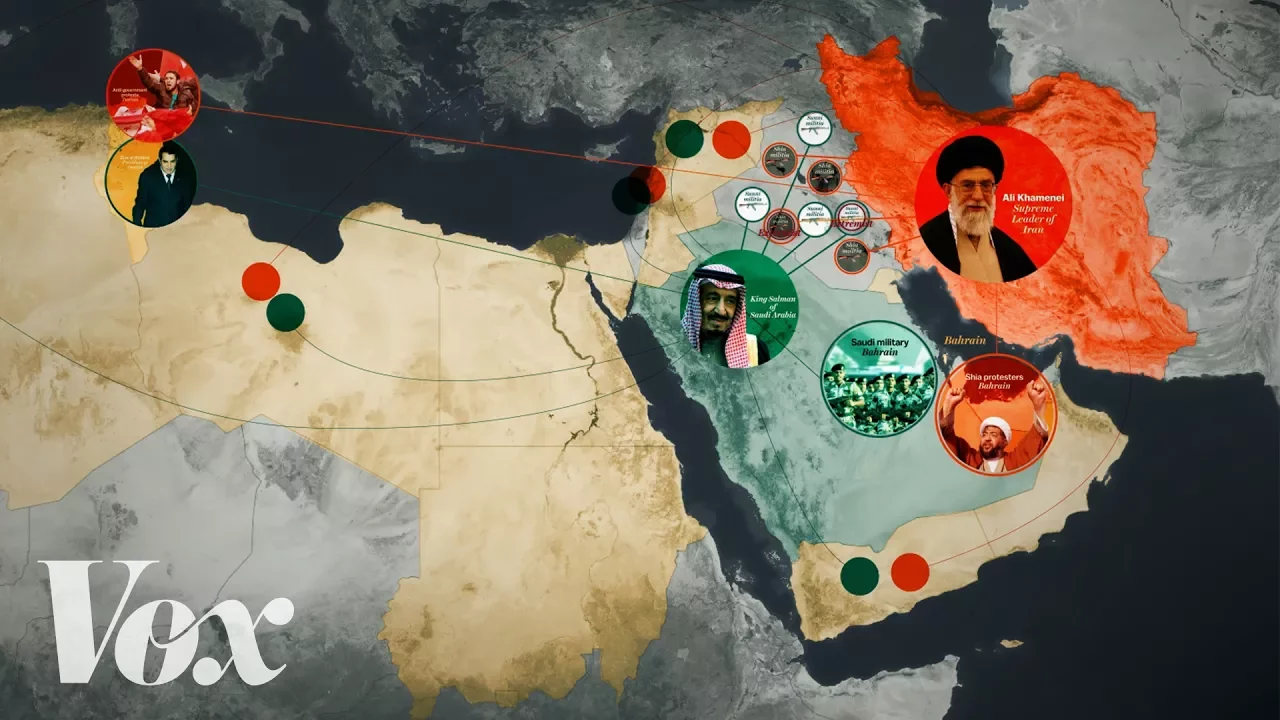
10:19
Explaining the Saudi-Iranian Proxy Conflict in the Middle East
@Vox
18.2M views•2017-07-17
Related Study Plans & Knowledge Roadmaps
Structured learning paths in Political Science
political-science
Economic Statecraft: Sanctions & Chokepoints
01Foundations of Geoeconomics and Economic Statecraft
02The Mechanics of Weaponized Interdependence
03International Sanctions: Types, Implementation, and Efficacy
+ 2 more learning modules
12h5 modules
Explore Roadmap
political-science
Central Bank Independence: Politics & Policy
01Foundations of Central Banking and Monetary Policy
02The Time Inconsistency Problem & Inflation Bias
03The Delegation Model and Designing Independence
+ 2 more learning modules
12h5 modules
Explore Roadmap
political-science
Consociationalism: Power-Sharing & Stability
01Democratic Dilemmas in Divided Societies
02Introduction to Consociational Democracy
03The Four Pillars of Consociational Design
+ 2 more learning modules
12h5 modules
Explore Roadmap
political-science
Rebel Governance: Legitimacy, Economy & State
01Foundations of Rebel Governance and Statehood
02Establishing Political Legitimacy and the Rebel Social Contract
03Wartime Economies and Rebel Resource Management
+ 2 more learning modules
14h5 modules
Explore Roadmap