





![Aula #1 - Instinto político [Descobrindo a Origem das Ideias Políticas Modernas]](https://i.ytimg.com/vi/2u7ho8vRfCw/maxresdefault.jpg)















![[거침없는 녀석들--세상모든문제 해결단_1회] 당신은 진보입니까, 보수입니까? | KBS 211124 방송](https://i.ytimg.com/vi/eNSuQK_7SRA/maxresdefault.jpg)
Conceptual frames are mental structures that organize how we understand and interpret words and experiences, and they fundamentally shape political discourse; two competing moral frames—the nurturing parent model (emphasizing empathy, care, and mutual support) and the strict father model (emphasizing discipline, self-reliance, and individual strength)—provide the underlying framework for understanding political ideologies, with empathy-based frames being essential for building flourishing and sustainable democratic societies.
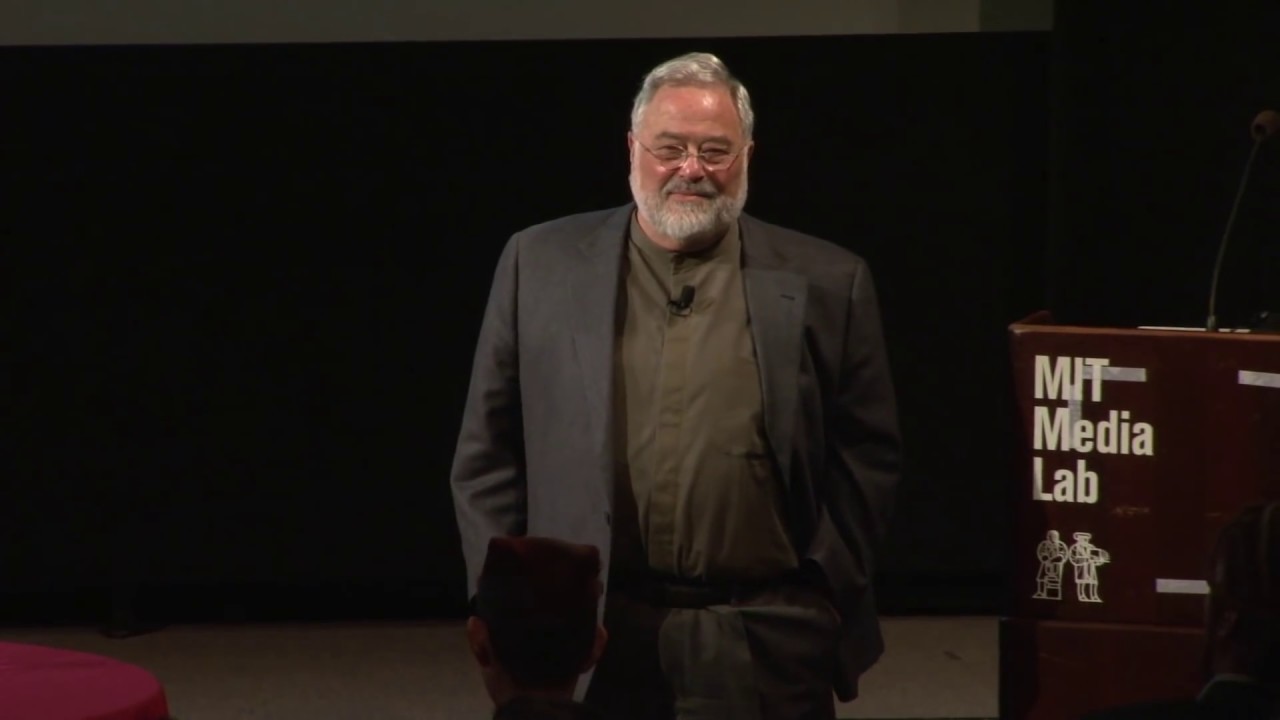
George Lakoff on Frames, Metaphors, and Political Discourse
Added:Basic principles of cognitive linguistics, particularly the concept that language actively shapes thought rather than just reflecting it.
The fundamentals of Conceptual Metaphor Theory, which explains how humans understand abstract domains (like politics or time) through concrete domains (like family or movement).
An introduction to the sociological concept of 'framing'—how information is structured to influence audience interpretation and decision-making.
A foundational understanding of political psychology and how individuals form moral systems and political identities.
Deep dive into Lakoff's 'Strict Father' versus 'Nurturant Parent' family models as the cognitive basis for conservative and progressive political ideologies.
Application of cognitive framing techniques to contemporary political campaigns, public relations, and speechwriting.
Advanced study of Critical Discourse Analysis (CDA) to deconstruct ideological messaging and power dynamics in media.
Exploration of Neuropolitics to understand the biological and neural pathways associated with political belief systems and cognitive metaphors.
Analysis of empirical critiques from political scientists regarding the efficacy and limitations of Lakoff's framing theories in actual voting behavior.
14.3K views272likes20:22Original Release: 2020-10-28
[Music] welcome to the ideas matter podcast my name is natalia ramos and i work here at the bergeron institute my name is max henning and i am a research assistant for antonio dimaggio at usc's brain and creativity institute often referred to as the father of framing professor george lakoff is a renowned cognitive linguist whose work has contributed to a new understanding of the ways that conceptual frames and metaphors shape our social and political lives we spoke with professor lakoff to get his take on the strategies that both democrats and republicans are using to frame this election and beyond that how developing new frames is key to reviving civil discourse in this country and building a flourishing and sustainable future i'd also like to make a clarification that this interview was recorded last week and in the discussion we are referring to the town hall debates that were held in separate locations this conversation could not come at a more crucial time and we encourage you to think about discuss and share these ideas please enjoy [Music] so hello dr lake off thank you so much for being here and speaking with us my pleasure so max and i have been thinking through your ideas a lot lately and i'd like to start the interview just by laying the foundation for this conversation simply put what are frames and why should we care about them well the history of frames goes back to 1975 and and uh my late colleague charles fillmore who was a lexicologist and who uh was trying to figure out um how words were related to each other and he came up with the idea they were related via a mental structure which he called a frame and he was trying to figure out how to relate words you know like meals breakfast lunch and dinner right they're fit a frame and the frame has a structure and i took it and said look the words have meaning and it's it's via the meanings of the words that you get them in a frame then i discovered this had to do with politics and the way that i found this out was through chuck fillmore who pointed out a case in boston where a doctor who had performed an abortion was on trial for murder this was way back in the mid 70s and the prosecuting attorney kept talking about the baby and the defense attorney kept talking about the fetus and chuck pointed out was that this was the issue in the case how do you frame it is it you frame it as a fetus or do you frame it as a baby and i realized at that instant that politics was all about this and that's where it gets really interesting that's where it gets interesting to this day so i'm a research assistant with dr antonio dimaggio who who you know and i've been familiar with your work for some time and and i love to tell people about it because you can see their eyes sort of widen you know as as they hear that there's this this substratum for their experience that they didn't know about before it puts words to something that i think most people know at some level but they they have no way of understanding or explaining explicitly i wonder if you had this insight when many years ago that politics was all about frames and i wonder if there's a if there are some examples of things that that you may notice in the political discourse as being a battle for framing that the layperson it may just go right over their head uh the book moral politics is all about that and it points out that you have different family structure frames merchant parent frames for the democrats mostly and liberals and for conservatives and republicans strict father frames and they metaphorically map onto the politics could you speak more generally to the strict father framing versus the nurture and parent model sure um the nurturing parent model as one with a parent empathizing with the child think about the answer to the question if your baby cries at night do you pick them up okay and then my answer is of course you pick them up you need to be made strong by being taken care of half of the people say no they say well the kids got to learn it's a tough world and they say you have to be made strong by not being taken care of right and that gives you a totally different view of what it means to be a person and what right and wrong is i mean it's at the basis of morality and if the if the democrats and the republicans have these these competing moral frames of a strict father and a nurture and parent you know we we can we've we've heard you talk and and plenty of people are aware of this the strengths of trump's framing and the weaknesses of the democrats framing are there strengths in the nurturant parent model relative to the strict father framing that may not have been utilized enough and are there weaknesses in the strict father framing that we may not have seen because trump has been so effective in dominating the headlines recently that's the right question to ask thank you the right question to ask there is plenty of strain possible in the democrats reigning and it's not used the strength that's possible once you understand that it's about empathy and nurturance i mean something that biden is very good at by the way in terms of empathy you know he makes clear that this is about empathy and caring and um that's something that people notice and and and obama was great at that uh i don't know if you remember the quote but obama when he first became prominent said empathy was the most important thing my mother taught me completely conscious about this you know i remember hearing that quote and i said the guy has it you know and this was before he got elected president when he was just beginning to run i listened to this and i said this guy has it he got it that's something that biden understands very well and projects and talks about and it's important to talk about it to point out that it exists and is central to our lives because most people don't notice you know they notice power but they don't notice a powerful rule of empathy empathy is a powerful idea because it changes people's lives and they don't notice that through that powerful idea people's lives get changed and that through that morality is defined right and wrong is defined and that's what has to be brought out the democrats need to really get at that point out why what they're saying is right not wrong not just that not just talk about policies we like this policy not that they tend to democrats don't talk about policies you know uh you know what is our health care plan and what is this plan and that point they don't talk about the fundamental morality behind them all you've tried over the years to help democrats with their messaging and and you often write about being frustrated that they don't seem to learn this line of thinking you know quickly enough or really take enough note of it but i wonder if you noticed that some of the signs lead that it might be paying off recently pete buddha judges freedom 2 instead of freedom from comes to mind and then joe biden and how he's been framing the mass so now that we're at the end of the election season i was just curious to know what your assessment of the democratic party would be funny you mentioned pete budojich i mean he's actually one of the most interesting people in getting out of the usual scriptures i mean he's he's he's very good at that what's interesting about biden is that he starts from the moral aspect from a nurturing morality that's the basis and he thinks of everything starting there and that's why it's so different whereas you know trump has no empathy at all the woodward uh interviews with with trump were very uh telling then they went to a military cemetery and you know and and trump said of these people who died in world war ii they were losers and suckers yeah and uh that's the way he thinks about about the world and it's you know kind of horrible but once you understand that that's the way he thinks about the world you know you can see why he is who he is that woodward interview was the most telling thing i've ever heard about trump and he had no empathy whatever this is a man without empathy period he thinks in terms of his own of people's own advantage that's it and that's why you have the kind of guy you have and you have to understand him that way you know he's the the things he claims and says are not accidental in any way he's very smart some people say he's dumb he's not dumb he's really smart maybe ignorant about certain many things but he's not done i remember just last week i was watching um the debate and it seemed to me that trump had kind of lost the mask framing battle and and i i definitely had you in mind when i was watching the debate but biden seemed so confident you know and he was holding the mask and like waving around and he was adamant and and strong and in supporting it and then trump just kind of gave up resisting and he was like oh yeah i have no problem like let's just move on and i was wondering if you would first agree with this but then also if you if you do is it because the binding campaign has more effectively framed the mass debate or is it simply just because trump got coveted and he has no legs to stand on biden has it right mass wearing is patriotic patriotism has to do with caring about your fellow citizens now i i think once you have separate debates then you you know trump cannot come in and dominate uh by by uh intruding on the space you know whenever someone else is talking so that if you have uh the thing uh separated uh in different locations and this different microphones and microphone control and so on he can't do that it took away the power of controlling the space and controlling the the discourse and being able to disrupt that's his game is that a weakness in the strict father morality that you you have to constantly be able to dominate and if you cannot then then you're sort of taken out of the knees that's right as long as the domination is taken away from you the means of domination is taken away from you you're done what people don't understand is that democracy is based on empathy that's the central idea really i mean people don't talk about democracy as based on empathy as based on caring about other people but that's what the idea is about it's not just about voting you know voting is a consequence of that but it's based on empathy and none of the the people in the democratic party ever say it or explain it or say why it's important and why it's vital but that's what it's about i have so many things that i want to ask you and i really want to stick to this empathy topic because i feel like it's so crucial we're living in an environment where we have a president who's kind of framing things as a zero-sum game and it's like you can only achieve something at the cost of someone else and it's that's what's just false let me go back a little to my freshman year of college i had a remarkable teacher in the second semester of my freshman year his name was john nash was my teacher oh my god unfortunately it was in the semester when he went crazy but that was another there's a there's a really interesting story about that you mean a beautiful mind a beautiful mind absolutely wow they missed the political dimension and why why he was kind of locked up and considered nuts john nash he's a game theorist and he pointed out that the usual theory in american politics and foreign policy was winning and losing and he he had invented another form of game theory in which you didn't have to win or lose but that people could both win and lose in the various ways and at there was a point at which in 1959 at the height of the cold war he went to the united nations security council and knocked on the door and said i have a mathematics that will save the world and he did yeah you know he was pointing out that at that time the assumption was you either you had a game theory where you won or look lost and he said you don't have to and he people thought he was nuts and they locked him up really yeah i was a student at that time but i mean this is this is what what's really remarkable that he was pointing out that our foreign policy was based on game theory and it was uh it was the wrong game theory why do you think that they didn't respond well to it what do you think he could have done differently that would have maybe uh reached them i'm sorry this is too good of a of a story to pass up i've never heard this before the point was people didn't even understand that they were applying a mathematical theory of the world when they used game theory why would you want that one when there is a better one but people even know they had a theory they just thought it was part and policy period they thought it was just political science not the application of a mathematics the political science they didn't even see that the meth that the mathematics was there much less that could be another form so you you you feel it was more ignorant than something more cynical like not wanting there to be two winners wanting to maintain dominance that's where my mind went well that then that too i mean you wanted to win people accepted traditional game theory and wanting to win and but the politics was defined in terms of we're winning the cold war and were you know losing the cold war or whatever as opposed to saying winning and losing is now not the point this is this is so fascinating for for so many reasons you know one one aspect just from my perspective why why i'm so interested in this is that you know i study feeling and for 2000 years we've ignored feeling we've ignored the possibility that my fear and my anger feel like your fear and your anger although we may have them in different situations you know and that totally changes the game if you know you really think about that and sit with it then it's hard to avoid the conclusion that there is a possibility of there being a cooperative model where there are there are universal goals and universal fears that people have and we can work towards them and away from the others and that's my angle so i do want to to jump to this this last question which is that if frames guide our experiences and behavior then they're also the gatekeepers of our future behavior and considering the huge and persistent challenges facing modern society it seems that our current frames are not working and that building a flourishing and sustainable future will require more effective frames what might these look like and could they be based in the new biological understanding of cognition and feeling that you and antonio dimasu and others have contributed to and and lastly when these new frames are developed how how do they change how do cultural frames change i wish i had an easy answer but i don't i mean i could take your question and go in many many directions but there it's not a short and simple answer the question of how frames change has to do with people's understandings changing remember that frames are reinforced by the language of a frame that is people don't realize that the words have meanings and the meanings fit some frames and not other frames so language has to change and that's not easy do you have a sense of if if we are to sort of rise to the occasion and resolve some of these pressing challenges before you know our generation you know suffers the brunt of the of the consequences of what we're looking at do you have a sense of of what those frames might look like is it as simple as the nurturing parent model winning out over the strict authoritarian system well it requires that the thing i love about biden is he really does get that uh he doesn't get it theoretically but he gets it politically and the way which is what's important and that is not part really of the political discussions that you hear on tv they are looking at policy discussions not moral basis discussions we don't have that discourse the country doesn't have a discourse on moral bases on right now and that's a shame uh well we were hoping that you were going to solve everything for us in this conversation sure right away look i i cannot tell you what an absolute delight this was and an honor we're so excited to share your work and and share these ideas because i feel like we've all we've always needed them but maybe now a little bit more than before well i'm i'm excited about what you guys are doing you know what you're doing is really important don't take yourselves lightly i mean what you're doing really matters and the questions you're asking are the right questions the discourse you you're starting is the right discourse and it should be taken in a lot of directions it's a a very important thing to do we're trying to learn from the best so that we can carry the torch terrific thank you thank you thank you george bye this has been great bye-bye thank you for listening to ideas matter a podcast by the begruin institute that explores some of the biggest challenges facing our societies and shaping who we are as humans during this time of great transformations we need new ideas and deep long-term thinking more than ever we invite you to join us in discovery you can find us on social media at the gruen institute and please subscribe to noema our new digital and print magazine at noemamag.com my name is max henning and
Up Next
10:34
Prisoner's Dilemma Explained | Rational Choice Theory
@WirelessPhilosophy
279.1K views•2015-07-03

164:01
John of Damascus on Holy Images: A Theological Defense
@BannedBooks
139 views•2026-04-25

68:32
Should We Destroy the Machines? Big Tech Surveillance Critique
@TheStoriesWeTell303
167.9K views•2025-11-30
4:57
The Myth of Sisyphus: A Greek Legend of Eternal Punishment
@TEDEd
8.6M views•2018-11-13
Related Study Plans & Knowledge Roadmaps
Structured learning paths in Philosophy
philosophy
Frankfurt School: Critical Theory & Culture
01Foundations of the Frankfurt School and Critical Theory
02Horkheimer & Adorno: The Critique of Instrumental Reason
03The Culture Industry and Mass Deception
+ 2 more learning modules
12h5 modules
Explore Roadmap
philosophy
Philosophy of Language: From Frege to Austin
01The Linguistic Turn: An Introduction to Language in Philosophy
02Gottlob Frege: Sense and Reference
03Early Wittgenstein: The Picture Theory of Meaning
+ 3 more learning modules
15h6 modules
Explore Roadmap
philosophy
Feminist Epistemology: Standpoint & Injustice
01Introduction to Epistemology and Feminist Critiques
02Sandra Harding and Standpoint Theory
03Donna Haraway and Situated Knowledges
+ 2 more learning modules
12h5 modules
Explore Roadmap
philosophy
Environmental Philosophy: Ethics & Deep Ecology
01Foundations of Environmental Ethics & Anthropocentrism
02Biocentric Individualism and Animal Liberation
03Ecocentric Holism and Deep Ecology
+ 1 more learning modules
10h4 modules
Explore Roadmap