




















Anaerobic digestion is a multi-stage biological process where microorganisms break down organic materials without oxygen through four stages: hydrolysis (complex organics to simple compounds), acidogenesis (producing volatile fatty acids, alcohols, H2, CO2), acetogenesis (forming acetic acid, CO2, H2), and methanogenesis (producing methane from acetate or H2+CO2). The process involves syntropic relationships between fermentative bacteria, acidogens, and methanogens, with interspecies hydrogen transfer maintaining thermodynamic balance. Fermentation is anaerobic respiration producing various end products including acetate, lactate, butyrate, ethanol, and methane through different pathways. Fermentation modes include batch, fed-batch, and continuous culture systems, with submerged and solid-state approaches depending on substrate moisture content.
Anaerobic Digestion & Fermentation Processes in Detail
Added:[Music] good morning students today's is lecture 2 under module 6.
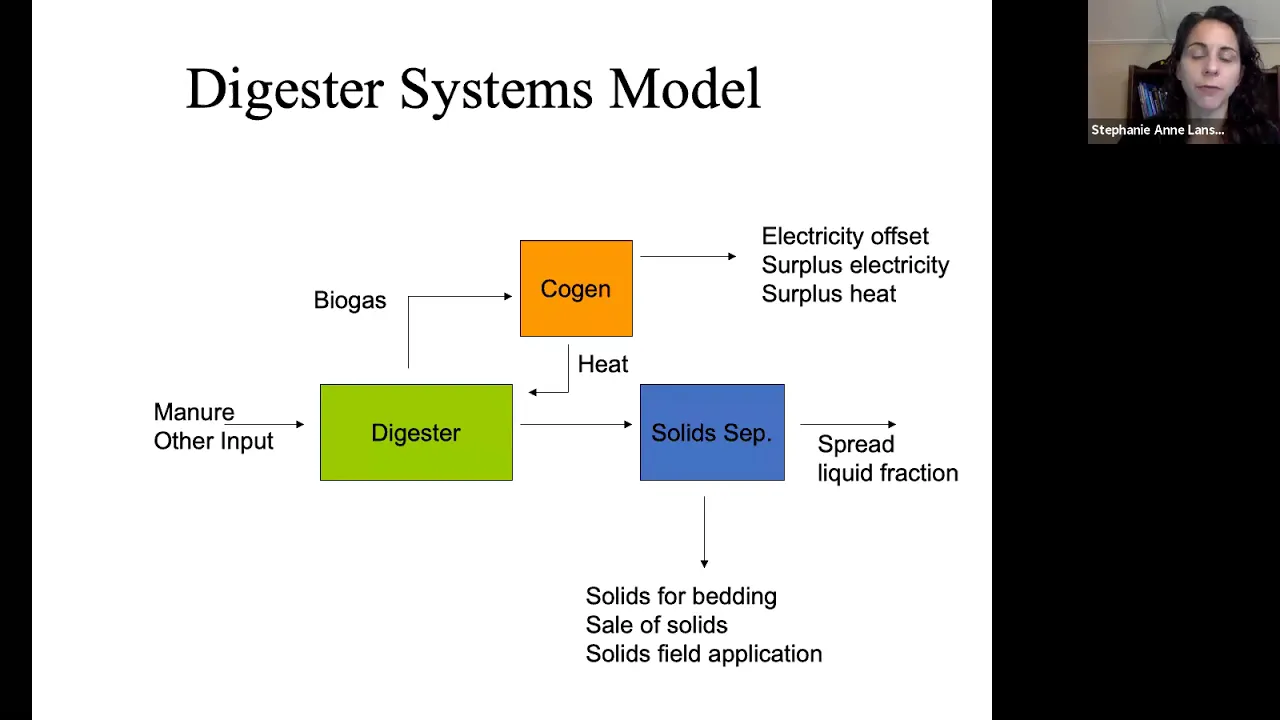
as you know that we are discussing various microbial conversion processes and in the last class we have discussed in a brief the different processes and different types of equipments um and the products uh under the that lecture so in today's class we will be basically discussing about the ah processes in little detail ah anaerobic digestion and ah fermentation so let us begin anaerobic digestion anaerobic digestion is a series of biological processes in which complex organic materials are broken down into their simpler chemical components by various microorganisms without the presence of oxygen it's a multi-step biological process that is useful uh not only for proper waste management but also for generating renewable energy like various types of biofuels ah it consists of four basic stages hydrolysis acidogenesis acetogenesis and methanogenesis during the entire process there are series of chemical reactions occurring through natural metabolic pathways enabled by microorganisms in an oxygen free environment now these reactions break down the organic macromolecules into simpler molecules leading to the generation of biogas ah which is a mixture of methane ah carbon monoxide and traces of other gases like hydrogen and carbon monoxide and apart from that the digested the solid part okay so the feedstocks that are commonly used in this type process include swiss lodge agricultural residues municipal solid residue animal manure and there can be ah many other feed stocks also now the process is ideal for organic waste with a moisture content ranging between 80 to 90 percent one of the advantages of the process lies in the potential of the final biogas to be used directly in ignition gas engines and gas turbines the overall conversion efficiency of this process is 21 residual heat from the engines and turbines can be recovered through an exchanger now the process can be summarized in four main stages first is hydrolysis uh so in hydrolysis the complex organic materials for example proteins lipids and carbohydrates they are broken down into low molecular weight compounds such as amino acids fatty acids and simple sugars under acidogenesis the acidic bacteria promote a process of fermentation producing the volatile fatty acids apart from volatile fatty acids there are alcohols hydrogen and carbon dioxide also get produced then acetogenesis here acetic acid carbon dioxide and hydrogen are formed from the volatile fatty acids by acid forming bacteria they are known as also acetogenes and in the last which is the most important step is the methanogenesis here the methanogenic bacteria continue the consumption of the volatile fatty acids and produce the methane gas ah we will try to see in a nutshell in the if you recall last class i have shown you one sketch here this is little in ah elaborate way it is being present so let us quickly glance through it so the first step is hydrolysis here the organic materials you can call them group them and from them as biopolymers they are getting ah converted under lipids carbohydrates and proteins to various roots if you look at the first root the lipids are getting converted to this one lcbp the lower carbon volatile fatty acids and glycerin ok now that can be converted to organic intermediates ok and alcohol's lactic acid further to acetic acid okay by the step two and step three so after this now a carbohydrates can be converted into mono and disaccharides and then they also can be converted either into organic intermediates or inorganic intermediates right similarly the proteins gets converted to polypeptides and again peptides and then again these peptides can be converted to either organic intermediates or inorganic intermediates now please understand that ah when i am telling that this conversion is happening it depends upon what type of microorganism is being present and what they are converting ok so that is the most important thing apart from other things ok now before you come to the last one which is called the methanogenesis okay so you can see that methanogenesis can happen either two different ah roots or higher two differences one is this acetate root okay acetic acid root another is the carbon dioxide and hydrogen root so either a stick acid ah can convert to methane and ah carbon dioxide via this reaction or the carbon dioxide plus hydrogen can be converted to methane plus water so please understand that the final reaction again proceeds by ah mostly by the methanogens by two different uh roots now uh if we use the acetotropic methanogenous methanogens so mostly uh this is for the 70 percent of the methane that is getting produced this is the root then we get the acetate root and if we are using the hydrotropic methanogen methanogens then the next 30 percent of the entire methane that is being produced is coming from this particular root so the entire scheme is again presented there in a very a brief way okay so now we will try to understand the microbiology of the entire uh anaerobic digestion process so let us first talk about the general scheme so three different forms of bacteria are active during the um eddy process so uh they are fermentative bacteria they are acidogens and methanogens so these are the main microflora which are responsible for the entire anaerobic digestion process for different reactions now the hydrolyzing and fermenting microorganisms are responsible for the initial attack on polymers and monomers found in the waste material and produce mainly acetate and hydrogen but also varying amounts of volatile fatty acids such as propionate and butyrate as well as some alcohols now the obligate hydrogen-producing acidogenic bacteria convert this propionate and butyrate into again acetate and hydrogen so two groups of methanogenic archaea produce methane from the acetate or hydrogen respectively so this is again we will try to understand ah this is a a schematic representation of how the carbon is flowing in the an anaerobic environment with methanogen so this is for the with methanogens ok and this is without methanogen so let us try to understand what is happening with the methanogens so when ah the complex organic materials are getting degraded in the presence of methanogens then three things will happen so usually if you see this particular route from this side okay the left side okay you can see 51 percent is getting converted into through this route so it is uh the organic materials are degraded to acetate acetate is degrading to methane so as i told you two slides before that the 70 percent of the methane that's produced from the anaerobic digestion comes by this root acetate okay apart from that 51 percent 30 percent is again converted to propionate and butyrate okay which are further again converted to either acetate or hydrogen and carbon dioxide depending upon the process condition as well as depending upon the type of microorganisms present and the next 19 percent is directly getting converted to hydrogen and carbon monoxide and this 30 percent of the entire ah methane that is get getting produced coming via hydrogen plus carbon dioxide reaction now this entire scheme is when the methanogens is present now when methanogens are not present then what what is happening to the carbon cycle ok so here the complex material are getting converted to acetate intermediates and hydrogen and carbon dioxide ok in various of course percentage and further processing is not happening because there are no methanogens available which will degrade this compounds into methane and carbon monoxide okay now this scheme we have understood now we will go ahead and try to understand and exist that ah what the scheme is all about so the major part of the carbon flow in a well operating anaerobic reactor occurs between the fermentative microorganisms and the methanogens only between 20 to 30 percent of the carbon is transferred into intermediary ah products before these are metabolized into methanol carbon so this is what i have shown you ah the ah intermediate uh products are this propionate butyrate and this now again these will be converted either to acetate or hydrogen ah and carbon dioxide root okay before the finally being get converted to methane now a balanced anaerobic digestion process demands that the products from the first two groups of microbes responsible for hydrolyzing and fermenting the material to hydrogen and acetate simultaneously are used by the third group of microbes for the production of methane and carbon dioxide so this is very important now the first group of microorganisms can survive without the presence of methanogens but will under these conditions form an increased amount of the reduced products such as volatile fatty acids the second group does however rely on the activity of methanogens for removing hydrogen to make their metabolism thermodynamically possible as their reactions are endogenic under standard conditions and only occurs when the hydrogen is kept below a certain concentration now endogenic endergonic reactions are such reactions which are actually in which reactions the heat is actually absorbed so the next change of free energy is always positive the relationship between the volatile fatty acid degrading bacteria and the hydrogen utilizing methanogens is defined as syntropic due to the dependent nature of this relationship and the process is called interspecies hydrogen transport now syntropic is a process or let us say we can say that it is a technique by which even the microorganisms especially in such anaerobic digestion process coexist so uh in this process let us say there are two uh uh different types of microorganisms are present in a synthropic relationship then basically uh they are synthropic because they are uh co-feeding each other so uh the products are generated by one ah microorganism is being consumed by the other microorganisms so they are interdependent in each other they are not actually parasite they are interdependent and both are actually feeding on the products of each other okay so the interspecies hydrogen transfer actually affects the entire carbon cycle i have mentioned here so methanogens can participate in the interspecies hydrogen transfer combining hydrogen and carbon dioxide to produce methane okay so besides uh methanogens acetogens and sulfate reducing bacteria can also participate in the ihd so the lower the hydrogen concentration so better are the thermodynamics of the volatile fatty acid degradation so the distance between the vfa degrader and the hydrogen utilizer that eventually affects the thermodynamics of the process therefore the conversion is improved in granules and flux compared to a situation where the microbes are distributed freely in liquid solution essentially what is it is meaning that so when you are growing microorganisms are grown in granules and flux okay and when they are suspended freely in the liquid solution without forming flux ok so there is the entire thermodynamics inside their process and the hydrogen utilization actually the ist is getting effective two partners have to share a very small amount of energy and the conditions for ensuring energy for both microbes is very strict and can only be met with a very within a narrow range of hydrogen concentrations so this is a schematic representation of the biomass anaerobic digestion scheme it's a general representation okay so you can see just will quickly glance okay so the biomass it has to be preprocessed so you you may have to sometimes chop it into mechanical preprocessing ok then you can go for some ah slight thermal preprocessing where you remove moisture and all okay bring them to a desired particle size and bring them to a desired moisture content before you fit them to the digester then they are made into slurry okay now you don't drop you don't dump the entire solid biomass under the digester okay so you usually make them into a slurry this slurry goes to the digester now here the anaerobic digestion is happening so you have to give inoculum you have to supply if you if require you have to supply certain other micro nutrients or nutrients okay and maintain the proper temperature inside the digester so that the anaerobic digestion happens and strictly anaerobic process dark fermentation okay now once the process starts happening uh slowly slowly you will see that day three day for day five and under um after that so biogas will start uh coming okay now this biogas whatever will come will be collected in a biogas storage vessel from here you can either convert it to liquid fuels by compressing it or you can ah send it to the gas turbine system where you can generate electricity directly okay and whatever left out here the digested semi solid type of with having ah some moisture in that it can goes to a separator where you get the filtrate liquid this also can be converted to some other ah this one ah evaluated products and then the fiber or solid again we can process it ah under thermo chemical ah conversion process or you can use this cattle feed and some other ah evaluated products okay the second thing is that so this is what we talked about with the general scheme now we are discussing about the syntropic acetate conversion process okay now the synthetic relationship have also been found to be important for the conversion of acetate when the acetate degrading methanogens are inhibited by concentrations of ammonia or sulfide so we discussed in tropic for the ist okay interspecies hydrogen transfer okay now we are discussing that ah syntropic relationship also having some importance when we talk about acetate conversion now under these conditions the acetate utilizing methanogens are inhibited and other groups of microbes replace them to obtain energy from the oxidation of acetate to hydrogen and carbon dioxide ah due to thermodynamic constants this reaction proceeds much better at increased temperatures and is the way of acetate transformation when the temperature is usually higher than the 60 degree centigrade so that is the upper limit of the thermophilic acid at utilizing methanogens okay so in accordance to this the population of methanosarcina species which is one of the methanogen species disappeared more or less instantaneously from a biogas reactor operated on manure when the temperature was increased from 55 to 65 degree centigrade now concurrently the acetate concentration first increased and then stabilized at a level somewhat higher than that found in the 60 degree centigrade so clearly mentioned ah telling us that beyond 60 degree centigrade okay so some of these thermophilic activities are happening and the acetate utilizing methanogens are inhibited so this coincided with the significant increase in the population of hydrogen utilizing methanogens indicating that this group had become dominant in the overall conversion so there will be more hydrogen production when the concentration of acetate is low syntropic acetate conversion is the major process for acidic transformation however when the concentration of acetate is above the threshold level ah for the specific population of acetate utilizing methanogens in the reactor this will be the major group active in the system the next is enzymatic ability to degrade substrate now bacteria degrade substrate through the use of enzymes enzymes are proteinases molecules that catalyze biochemical reactions two types of enzymes are involved in the substrate degradation endo enzymes and egg join enzymes now a large and diverse community of bacteria is needed to ensure that proper types of exoenzymes and endo enzymes are available for the degradation of the substance present the relative abundance of bacteria within an aerobic digester upon is greater than 10 to the power of 16 cells per milliliter this population consists of a saccharolitic bacteria a proteolytic bacteria lipolytic bacteria and methamphetamine bacteria so the table below gives an understanding about that substrates to be degraded ah different types of enzyme that is required ah and examples now we can see one case let us see the first one the polysaccharides so this is the substrate that is getting degraded and the enzyme you need to degrade this substrate is sacroiliac and um exogene okay an example is cellulose cellulose is that exactly it is the enzyme okay that will do the degradation and the bacteria that is bacterium that is required is the bacillus species the cellulum monospecies and the product will be the simple sugar right so similarly it is there for proteins and ah lipids which will be converted into amino acids and fatty acids by bacillus and myobacterium species next is acetate forming bacteria acetate forming ah bacteria or acetogenic bacteria grow in a symbiotic relationship with methane forming bacteria acetate subs as a substrate for methane forming bacteria for example when ethanol is converted to acetate carbon dioxide is used and acetate and hydrogen are produced so this is the reaction okay so ethanol ah plus carbon dioxide is getting converted to acetic acid plus two hydrogen when acetate forming bacteria produce acetate hydrogen is also produced okay if the hydrogen accumulates and significant hydrogen pressure occurs the pressure results in the termination of activity of acetate forming bacteria and loss of acetate production so this has to be controlled in the fermenters however methane forming bacteria utilize hydrogen in the production of methane and significant hydrogen pressure does not occur so carbon dioxide plus four hydrogen will give us methanol methane plus two water acetate forming bacteria are obligate hydrogen producers and survive only at very low concentrations of hydrogen in the environment they can only survive if their metabolic waste that is hydrogen is continuously removed or consumed by other ah microflora now this is achieved in that symbiotic relationship with hydrogen utilizing bacteria and or methane forming bacteria so the next is sulphate reducing bacteria so srb are also found in anaerobic digesters along with acetate forming bacteria and methane forming bacteria if sulphates are present then srb such as d sulfur vibrio disulfuric and multiplier so this is one type of sulphide reducing bacteria their multiplication or reproduction often requires the use of hydrogen and acetate the same substrates used by the methane forming bacteria methanogens when sulphate is used to degrade an organic compound sulphate is reduced to hydrogen sulfide hydrogen is needed to reduce sulphate to sulfide hydrogen sulfide the need for hydrogen results in competition for hydrogen between two bacterial groups srb and mfb when srb and mfb compete for hydrogen and acetate srb obtained hydrogen and acetate more easily than mfb under low acetate concentrations at substrate to sulfate ratios less than two srb outcompete mfb for acetate and at substrate to sulphate ratios between two and three competition is very intense between the two groups and when substrate to sulphate ratio is greater than three the methanogens are fabric okay so the hydrogen sulphide produced by srb has a greater inhibitory effect at low concentrations on mfb and acetate forming bacteria than acid forming bacteria this is one of the simple representation scheme that how the sulphate reducing bacteria and methane forming bacteria are surviving okay ah in a synergistic relationship between that symbiotic okay so you can see that the sulphate is being reduced by the sulphate reducing bacteria to hydrogen sulfide okay and they are also consuming the hydrogen okay and acetate that is getting produced from the methane forming bacteria as as we have understand then uh beyond certain limits of the hydrogen okay inside the fermenter on anaerobic digester the methane forming bacteria will cease to do their methanogenic activities so the hydrogen has to be continuously removed now in this symbiotic relationship the hydrogen is getting consumed by the sulphate reducing bacteria okay to hydrogen sulfide and the level of hydrogen ah is in is maintained in such a way that the methanogenesis reaction is getting ah favored okay so next is methane forming bacteria ah mfb are some of the oldest bacteria and are grouped in the domain archaea bacteria ah mfb are oxygen sensitive fastidious nervous and are free living terrestrial and aquatic uh organism coenzymes that are unique to mfb are coenzyme m and the nickel containing coenzymes f420 at f430 coenzyme m is used to reduce carbon dioxide to methane the nickel containing coenzymes are important hydrogen carriers in the methanogens so mfb obtain energy by reducing simplistic compounds or substrates such as carbon dioxide and acetate maybe grow as microbial consortia tolerate high concentrations of salt and are obligate anaerobes maybe grow well in aquatic environments in which strict anaerobic condition exists the anaerobic condition of an aquatic environment is expressed in terms of it orp or which is called the oxidant reduction potential maybe grow best in an environment with an rp of less than minus 300 millivolt most facultative anaerobes do well in aquatic environments with orp between plus 200 and minus 200 millivolt so facultative anaerobics are a group of microorganisms which do actually their metabolic activity in the presence of oxygen but when we ah deplete oxygen and they can also ah go for their metabolic activity okay in the without the presence of oxygens also okay so they are that is why called facultative anaerobes the reproductive times or generation times for mfb range from 3 days to 35 degree centigrade at 35 degree centigrade to 50 days at 10 degree centigrade because of the long generation time of mfb high retention times are required in an anaerobic digester to ensure the growth of a large population of mfb for the degradation of organic compounds at least 12 days are required to obtain a large population of mfp mfb obtain their energy for reproduction and cellular activity from the degradation of a relatively small number of small simple substrates including hydrogen 1 carbon compounds and acetate as the two carbon compound one carbon compounds include format methanol ah carbon dioxide carbon monoxide and methylamine other one carbon compounds that can be converted to substrate for m a b include dimethyl sulphide dimethylamine and trimethylamide several alcohols including two propanol and two butanol as well as propanol and butanol may be used in the reduction of carbon dioxide to methane the most familiar and frequently acknowledged substrates of mfb are acetate and hydrogen acetate is commonly split to form methane while hydrogen is combined with carbon dioxide to burn methane so this reactions we have seen many times again it has been just reported here for the easy understanding and to maintain the flow so each methane forming bacterium has a specific substrate or group of substrates that it can degrade so you can see here there are only five methanogens are being listed there are many others okay so if you see the first one the methanol bacterium for medium so what it does so its substrate is carbon dioxide format uh format and hydrogen if you talk about the last one methanosarcina baccari so ah for which the substrate is acetate carbon dioxide hydrogen methanol and methyl amine okay now there are three principal groups of methanol forming bacteria so these groups are hydrogen trophic methanogens acetotrophic methanogens and methylotrophic methanogens broadly grouped into three different types let us see the hydrogen trophic methanogens the hydrogen trophic methanogens use hydrogen to convert carbon dioxide to methane by converting carbon dioxide to methane these organisms help to maintain a low partial hydrogen pressure in an anaerobic digester that is required for the acetogenic bacteria to do this reaction carbon dioxide plus four hydrogen will give us methane plus two water now ah the acetotropic methodogens split ah acetate into methane and carbon dioxide the carbon dioxide produced from acetate may be converted by hydrogen tropic methanogens to methane some hydrogenotrophic methanogens use carbon monoxide also to produce methane so this is the reaction so for acetic acid will give us four carbon dioxide plus two hydrogen for carbon monoxide plus two water will react to give us methane and three carbon dioxide so the acetotropic methanogens reproduce more slowly than the hydrogen tropic methanogens and are adversely affected by the accumulation of hydrogen therefore the maintenance of a low partial hydrogen pressure in an anaerobic digester is favourable for the activity of not only acidic forming bacteria but also acetotropic methanogens under a relatively high hydrogen partial pressure acetate and methane production are reduced now let us talk about the methylotrophic methanogens the methylotrophic methodologies grow on substrates that contain the methyl group ch3 okay examples of these substrates include methanol and methyl amines group 1 and group 2 methanogens produce methane from carbon dioxide and hydrogen whereas group 3 methanogens produce methane directly from the methyl groups and not from the carbon dioxide so ah three ah methanol plus six hydrogen will give us three ah molecules of methane plus ah water three water and um uh these three the four molecules of c methanol ah three amine ah plus six water will give us nine molecules of ah methane plus three molecules of carbon dioxide plus four molecules of ammonia so the use of different substrates by mfb results in different energy gains by the bacteria for example hydrogen consuming methane production results in more energy gain for methane forming bacteria than acetyl degradation although ah methane production using hydrogen is the more effective process for energy captured by methane forming bacteria less than 30 percent of the methane produced in anaerobic digester is by this method only approximately 70 percent of the methane produced in an anaerobic digester is directly derived from the acetate pathway the reason for this is the limited supply of hydrogen in an anaerobic digester so the majority of the methane obtained from acetate is produced by two genera of acetotrophic methanogens ah that is methanosarcina and methanotrix now ah we will discuss about the fermentation process in a bit more detail than what we discussed in our last lecture so the term fermentation was first used by louis pasteur to define respiration in the absence of premolecular oxygen fermentation can be broadly defined as respiration that occurs in the dark and not involve the use of premolecular oxygen or nitrite ions as the final electron acceptors of the degraded organic compounds therefore respiration may occur through several fermentative pathways including sulfate reduction mixed acid production and methane production fermentation is a form of anaerobic respiration the bacteria that perform fermentation are facultative anaerobes so i have already explained what is facultative anaerobics fermentation involves the transformation of organic compounds to various inorganic and organic products during fermentation a portion of an organic compound may be oxidized while another person is reduced it is from this oxidant reduction of organic compounds that fermenting bacteria obtain their energy and produce numerous simplistic and soluble organic compounds fermentative bacteria are capable of performing a variety of oxidant reduction reactions the involving the organic carbon dioxide carbon monoxide molecular hydrogen and sulphur compounds fermentative bacteria include facultative anaerobes aero tolerant anaerobics and strict anaerobes some fermentative bacteria such as clostridia and esthersia coli produce a large variety of products whereas other fermentative bacteria such as acetobacterium produce a very small number of products as environmental and operational conditions change for example the ph and temperature the bacteria that are active and inactive also change because the environment has a huge effect on the different types of microorganisms these changes in activity are responsible for changes in the types and quantities of compounds that are produced through fermentation let us see these two small tables are listed here the first one is the fermentative products of clostridium species you can see that organic products like acetate acetone butanol inorganic carbon dioxide and hydrogen and that this one the second one is the fermentative products from e coli easter chicoli ah acetate ethanol format everything under organic and under inorganic carbon mono dioxide and hydrogen so we can have a look at the different types of fermentation this is presented in a nice scheme so ah different pathways are when you degrade hexages ok for example glucose and fructose through different fermentative pathways so these are the different paths okay so when you go for the lactate fermentation you get lactate ethanol and carbon dioxide when you go for the alcohol fermentation it is ethanol and carbon dioxide when you go for butyrate for fermentation you get bitarate butanol isopropanol ethanol carbon dioxide and when you go for this butane dial fermentation you get gluten oil and carbon dioxide similarly the propionate fermentation will give you propionate acetate and carbon dioxide aceta and mixed acid fermentation will give you acetate ethanol and ah carbon dioxide along with some ah format formic acid ok now there are several types of fermentation which are classified according to the major end products obtained in the fermentation process now these types of fermentation include acetate alcohol or basically ethanol butyrate lactate mixed acid and mixed cities in bhutan dial propulsion and succinate sulfide and methane so these are different types of fermentation pathways we will see one by one so the first is acetate fermentation acetate is produced in several fermentative pathways a large diversity of bacteria collectively known as acetogenic or acetate forming bacteria produces non gaseous acetate ah these organisms include bacteria in the genera acetobacterium clostridium and sporomusa some acetogenic bacteria are of course thermophilic but not all several biochemical reactions are used by acetogenic bacteria to produce acetate most acidogenic bacteria produce acetate from hydrogen and carbon monoxide while some produce acetate from ah water and carbon monoxide by ah this particular reaction ok some acidogenic bacteria produce acetate from carbon dioxide and methanol and open six carbon sugars or hexes are degraded to acetone even propionate is converted to acetate so these are the reactions uh four carbon monoxide plus two water will give us uh acetic acid plus two carbon dioxide then uh for uh ethanol plus carbon dioxide will give you three ah acetic acid plus two water and then your glucose okay ah will come fructose what about the hexa sugar also okay hydrogen sugar will give us a three acetic acid okay then we will talk about the butyrate fermentation butyrate is a major fermentative product of many bacteria strict anaerobics in the anaerobes in the genera of clostridium and uh butari vibrio ferment a variety of sugars to produce butadiene under low ph values almost less than 4.5 several clostridius species produce small amounts of acetone and and butanol now n butanol is highly toxic to bacteria because of its interference with the cellular membrane functions so the hexose that is getting converted to butyrate the next is lactate fermentation a common product of many fermentative reaction is lactate the production of lactate is achieved by the aerotolerant strictly fermentative lactate forming bacteria and they are highly saccharolytic ah there are three uh biochemical reactions for lactate production from sugar such as glucose so the glucose gets converted to two lactate glucose can be converted to lactase lactate plus ethanol plus carbon dioxide two glucose will again could be converted to two lactate plus three acetate depends what type of bacterial species it is being used so these are some of the bacterial species are being shown in the other side of the slide so in addition to the glucose other sugars fermented by lactate forming bacteria include fructose galactose mannose saccharos lactose maltose and some pentoses the next is propionate and succinate fermentation anaerobic propiony bacterium or propionate forming bacteria ferment glucose and lactose lactate lactate the measure and product of the lactate fermentation is the preferred substrate for the propionate forming bacteria although succinate usually is an intermediate product of the fermentation some succinate is produced as an end product one point five glucose can give us two propionate plus acid at cross carbon dioxide three lactate can directly give us two propionate plus acetate plus carbon dioxide depending upon which species is ah converting it or degrading it these are some of the species responsible for doing this conversion of glucose and lactate to propionate is being listed there so propionate is a major substrate for acid fermentation that can be converted to acetate and then used in methane production propionate increases the relatively high concentrations under adverse operational conditions then the next is mixed acid fermentation and it is sometimes combined with that of the butandale production now a large variety of bacteria in the genera enterobacter estersia arena salmonella cerasia and sigella are responsible for the mixed acid fermentation these organisms ferment sugars to a mixture of acids such as acetate format lactate and succinate carbon dioxide hydrogen and ethanol are also being produced ah the prevalence of acids among the products of mixed acid fermentation account for the name of the fermentation process ah bacteria in the general enterobacter and aruna also produce two three butane diol in addition to acids the production of butane dial increases when the uh ph is ah decrease that means less than six so in anaerobic digester acid production takes place simultaneously with methane production although several acids are produced during acid fermentation acetate is the primary substrate used for methane production in an anaerobic digester we'll see the next one which is the methane fermentation three types of methane farming bacteria achieve methane for production two groups of obligate chemo lithotropic methanogens and one group of methylotrophic methanogens chemolithotropic methanogens produce methane from carbon dioxide and hydrogen are formed by this reaction carbon dioxide plus four hydrogen gives us methane and two water two acetic acid will convert to methane plus carbon dioxide now carbon monoxide also may be used by some chemolithotropic methanogens in the production of methane by this reaction so four carbon monoxide plus water will give us methane plus three molecules of carbon dioxide now methylotrophic methanogens produce methane by using methyl group containing substrates such as methanol methylamine and acetic and these organisms produce methane directly from the methyl group and not via carbon dioxide by these two following reactions ok so ah one is methylene and one is methylamine okay then next is sulfide fermentation sulphate is reduced to sulfide by bacteria for two purposes the first is that bacteria use sulfate as the principal principle sulfur nutrient now this is done by enzyme systems that reduce sulphate to sulphide the reduction of sulfate to sulfide and its incorporation as a nutrient into cellular material is termed as a simulatory sulfate reduction second is that during sulphide fermentation or desulpurification sulphate is reduced to sulfide as organic compounds are oxidized because the sulfide produced through fermentation is released to the environment and not incorporated into the cellular material sulfide fermentation is also known as dissimulatory sulfate reduction there are two groups of sulphate reducing bacteria first group is called incomplete oxidizers and the second are complete oxidizers ah incomplete oxidizers degrade organic compounds to new bacterial cells carbon dioxide and acetate ethanol format lactate and propionate whereas complete oxidizers degrade organic compounds to new bacterial cells and carbon dioxide so you can see that the incomplete oxidizers actually produce so many different types of products so the table list actually generates sulfate reducing bacteria so you can see different genus of sulfite reducing bacteria there and it is mentioned whether they are the species of incomplete oxidizers or they fall under the species of complete oxidizer so the ah disalfo vector the first one this is a complete oxidizer the second one is dissolve of bulbus it is a incomplete oxidizer ok like similarly there are other salsa mentioned so the next fermentation type is the alcohol or ethanol fermentation though alcohol fermentation is the domain of yeast so mostly the saccharomyces alcohol is also produced by several species of bacteria in the genera of aruna sarsina and jaimo monas now these organisms produce ethanol from the anaerobic degradation of hexages such as glucose at relatively low ph value less than 4.5 alcohol is produced by the bacteria in the genera enterobacter and cerasia by this reaction so c6 s12 o6 is getting converted to two ah ethanol plus two carbon dioxide so now we will quickly understand and the different methods of fermentation now fermentation has been classified into liquid fermentation submerged fermentation or solid-state fermentation mainly based on the level of water used during the fermentation so smf which is the submerged fermentation exploits or utilizes free flowing liquid substrate broths and molasses the bioactive compounds are secreted into the fermentation growth the substrates are utilized quite rapidly and hence need to be constantly replaced or supplemented with nutrients ah this fermentation method is suitable for microorganisms such as a bacteria that need high moisture content an additional choice of this technique method is that purification and refining of products is easier smf is mainly used in the extraction of secondary metabolites that necessitate to be used in the liquid form in contrast to ssf utilizes the solid substrate like bran bragas and paper pulp the main interest and advantage of using this substrate is that nutrient trees waste materials can be easily or efficiently recycled as substrate in this fermentation method or technique the same substrate can be used for a long fermentation period and can be utilized very slowly and steadily hence what this technique supports controlled release of nutrients ssf is best suited or adapted fermentation techniques including fungi and microorganisms that depend on limited moisture content nevertheless it cannot be used in fermentation process involving organisms they require a very high aw value a w is the water activity value such as ah most of the bacterias so bacteria and yeasts are equally involved in smf and ssf whereas fungi are mostly constant with the ssa processes the roles of bacteria and yeast in smf are mostly related to food and beverage processing industries filamentous fungi are best suited for assessor owing to their physiological biochemical and enzymological properties and dominate in oriental foods and sealing and composting processes so this is a table which gives us information about the different factors ah the liquid substrate fermentation and the solid substrate fermentation so if you see the second one under aseptic condition ah so the liquid substrate fermentation ah there will be heat sterilization and aceptic control and the solid fermentation vapor treatment and non-sterile conditions so when you talk about let us say the inoculation here ok so easy inoculation and continuous process under the liquid substrate fermentation and this one under solid state ah fermentation spore inoculation and it is a batch process because mostly it is ah taking ah it is being done by the fungi ok so you can ah go through the ah table ah later on okay so ah i am moving ahead so we will try to understand uh what are the different fermentation modes how it can be done essentially there are three one is the batch one which is very much is being practiced in most of the lab scales then the fed base ok and then the continuous culture now what is based now here ah you can see nicely i have depleted this particular figure ok given this particular figure from here you can directly understand what is a batch what is the fed base and what is a continuous process from this ok there is a inlet there is outlet you can see that under base inlet and outlet both are ah strike down what does it mean so this means that ah no extra feeding is used from the beginning to the end of the process ah once the material is being the substrate is fed to the batch reactor and the ah micro organisms and other necessary things are being supplied it is being closed ok and reaction will proceed okay once the reaction stops the products are formed you will open the reactor so this is what is best now what is fed batch so you can see that outlet there is no outlet ok but there is intermittent inlet so once you supply the feed then you can intermittently also supply the feed what does it mean so fadbit is a process where feeding with substrate and supplements can extend the duration of a culture for higher cell densities or to switch metabolism to produce a recombinant protein for example ok so intermittently you are feeding the next is the continuous culture where inlet and outlet both are ah open ah throughout the process okay that's why it is a continuous process continuous feeding and continuous taking out of the ah reaction products so it's mostly adapted in the industries so continuous culture where either the feed rate of a growth limiting substance keeps cell density constant ah that that reactor is called a chemostat or cell density determines the fat rate of the substrate that reactor is called a torpedo stat now cell retention can offer another very productive option that is called perfusion the incoming feed rate matches the rate of the removal of the harvest okay the balance nature of the feeding allows a steady state to be achieved which can last for days to months this stat is good for studying microbial metabolism or long-term production now this is again described nicely under this particular schematic representation ah which tells us the silent features of various fermentative modes let us see the we will quickly go through it okay the base fed batch and continuous let us see the batch okay so uh it's commonly used relatively slow substrate utilization rate and low risk of contamination and strain mutation because it's a closed system okay there is no feeding there is no taking out of the products right in the fed batch it is best during substrate inhibition when there is substrate inhibition you feed little more again the dilution factor actually increases inside the fermentation okay and it will dilute the inhibitory products so that inhibitory products under dilution will not more will not more ah serve as inhibitory substances okay and it is prolonged ah log and stationary phase of the microorganisms growth phase we are talking about so when you compare ah fat waste we can say that it is effectiveness of headwash over batch due to concentrated substrate utilization and large metabolites production during stationary phase now this is the advantages of headways with batch respectively now let us talk about the continuous system now here less sterilization and ah in inoculation is required because we are continuously feeding ah the substrate as well as continuously taking out the substrate less maintenance cost and fastest substrate utilization rate now if you compare continuous with fat base we can or batch we can say that it is more effective due to high productivity and any produce product inhibition so this is all about fermentation and how we can ah do the fermentation via various types of reactors or the various types of mode so with this today i conclude my lecture and in our next lecture under this module ok we will be discussing about the various products of the microbial conversion processes and their utilities and some of the commercial success stories so thank you very much and if you have any query please register it under the swamp portal or drop a mail to me at cameron.itg.edu [Music] you
Up Next

Cell Growth Kinetics & Monod Equation in Bioreactors
@euiheonchung7767
487 views•2022-05-01
Bacterial Communication: Quorum Sensing and Biofilm Formation Explained
@JHUAAP
12.6K views•2011-06-28

Enteric Nervous System Explained: The Gut's Brain | Neurobiology Lecture
@alumniu6029
438 views•2018-09-12

Bacteriophages: Earth's Deadliest Killers and Future Antibiotics
@kurzgesagt
34.6M views•2018-05-13
Related Study Plans & Knowledge Roadmaps
Structured learning paths in Biology