


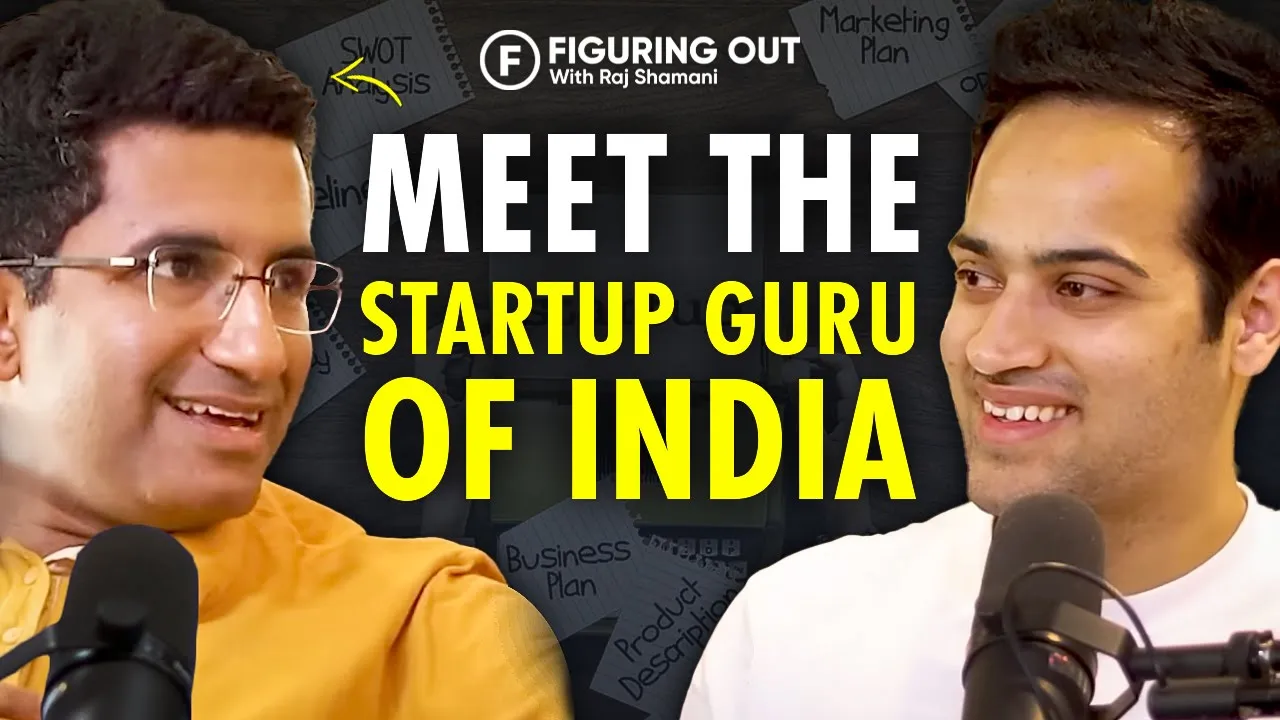







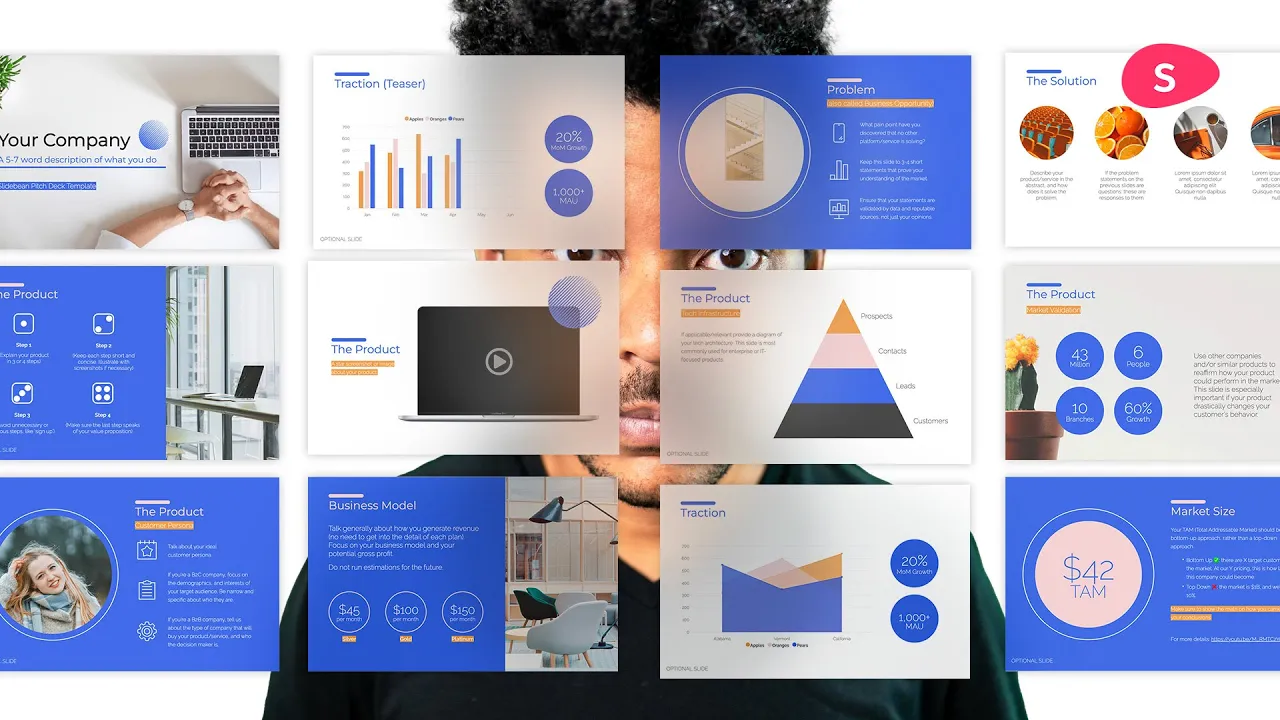











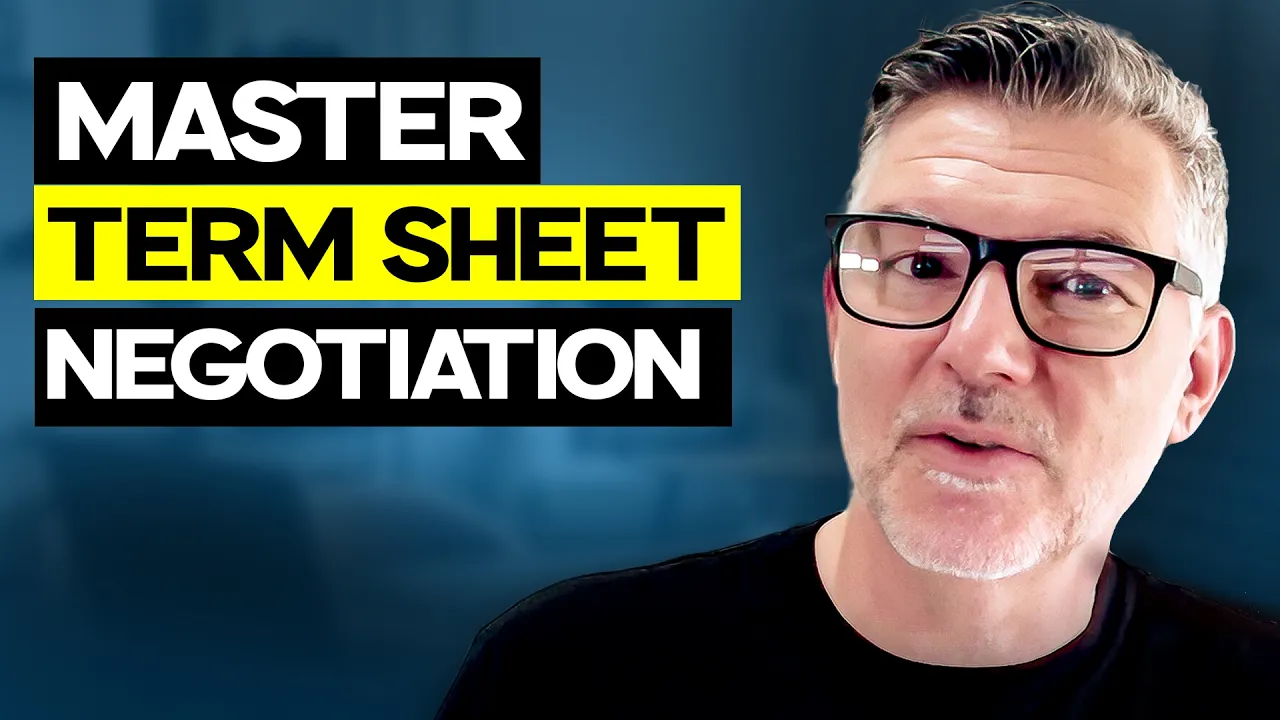

Successful pitch decks for VCs and angels should include 13 core slides: Introduction (what you're building and why), Problem (specific urgent examples with numbers), Solution (the underlying concept, not just your product), Solution Problem (addressing challenges within the solution), Product Demo (showing the product through user stories), Market (narrowed TAM analysis), Business Model (clear revenue explanation), Competition (demonstrating vast superiority), Go-to-Market (specific customer acquisition strategy), Team (highlighting execution capabilities), Ask (money tied to specific goals and timelines), Use of Funds (revealing priorities), and Vision (saved for last to avoid defensive posturing).
Core Pitch Deck Slides VCs & Angels Expect | Startup Fundraising Guide
Added:Understanding the distinction between Venture Capital (VC) firms and Angel Investors, including their different investment goals and risk tolerances.
Familiarity with foundational startup metrics and concepts, such as Product-Market Fit, TAM (Total Addressable Market), and unit economics.
Knowledge of the startup lifecycle and funding stages (e.g., Pre-seed, Seed, Series A) to understand the context of fundraising.
A clear grasp of your own business model and core value proposition prior to translating them into a slide format.
Developing advanced storytelling and verbal pitching techniques to deliver the deck compellingly and handle investor Q&A.
Building a robust financial model and pro-forma projections to back up the assertions made on the 'Financials' and 'Ask' slides.
Structuring and organizing a secure 'Data Room' for the due diligence phase that follows a successful pitch.
Understanding term sheets, valuation methodologies, and equity dilution to prepare for investment negotiations.
289 views8likes11:44Original Release: 2023-03-13
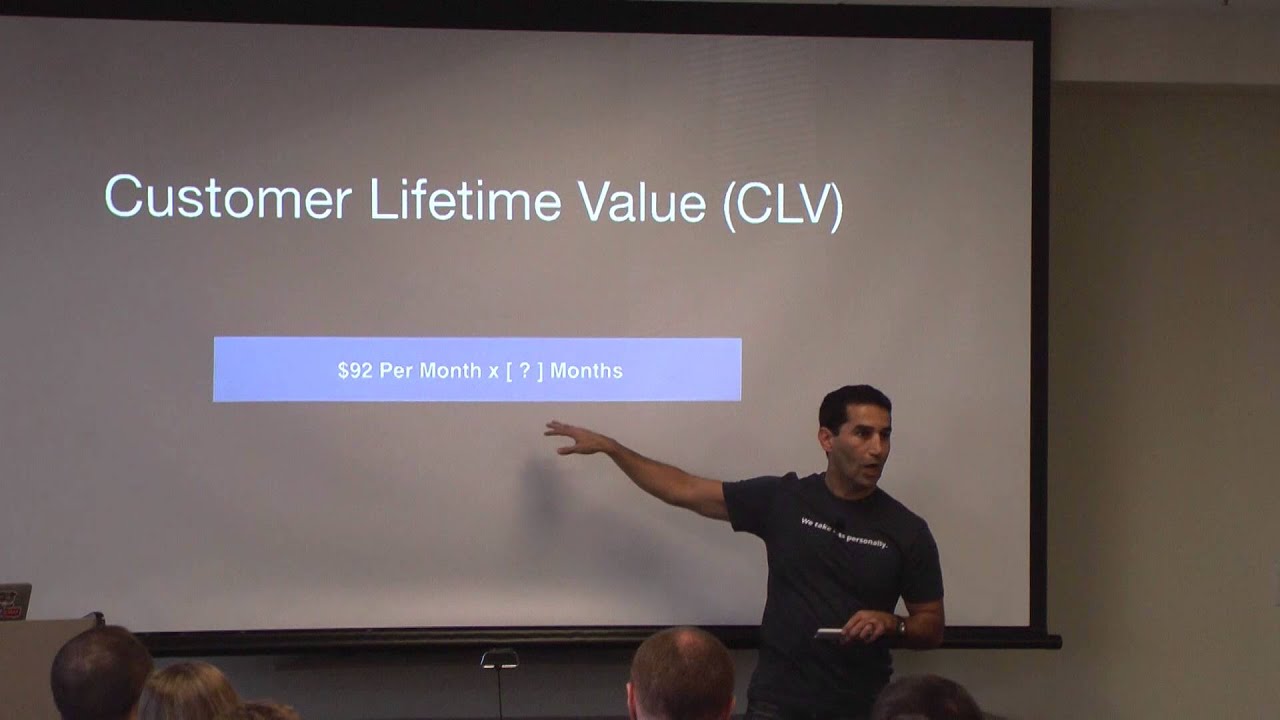
[Music] better now [Music] [Applause] [Music] here's a question from someone who is beginning their seed rays and they heard that different VCS have different preferred pitch deck structures and basically are saying like what are the core slides that all BCS want to see it's a great question I get asked that all the time it's something I've had to deal with in my own startups really comes down to about 13 slides give or take depending on your particular situation so I I will go through each one of these and just ask a question something that can go through your mind as you're creating these looking at hundreds of pitch decks reading a lot of Articles YouTube talking to VCS all these different things really comes down to these 13 slides and so what I say is you don't have to reinvent the wheel I think sometimes people try to get too creative on the structure itself really you can be creative within your product Your solution that sort of thing that's where you can get really clever inside of these it's really about they have a mental model of the structures that they're looking for and we don't they don't see those or they get confused or just like where are you what slide you on what what are we actually talking about here that's where you lose them as you're presenting to them as they're reading your pitch deck or however that situation is in the investment conversation so we're going to go down through each one of these slides and it's a question that you can ask yourself as you build that slide so on the intro slide what are you building and why and this is where you have your one sense in summary that hooks them right away boom go right in there I always say be be clear rather than clever just tell them what you do tell them what you make in YC applications it's just like what are you making what do you make so you don't have to be real clever there the problem slide is you know pretty self-explanatory what is the problem that you're solving make sure you're using big urgent and painful examples with specific numbers with specific people get them to really connect with the person behind the problem the person who's having the problem or the organization that's having the problem so make sure there's specific examples then we have the solution side which is how will this problem be solved a key thing to consider here is the solution is not your product if I'm Elon Musk and I'm selling Tesla cars the solution is electric vehicles right I just happen to be as the owner of Tesla the best position to deliver on that particular solution that way you're defending the concept solution not the actual product solution I'm not defending Tesla I'm defending electric cars and now I'm they're now open to hearing about my specific way that I can solve that with my specific brand the next one and this is an optional one which is interesting it's kind of a meta inside of that solution that that that problem or that solution saying okay well you know here's one way we could solve it or let's say you know electric vehicles we're solving you know we're solving renewable energy well what's the problem with creating electric vehicles there might be all of these things and problems inside of a solution that helps reinforce what the problem is with the solution why other people have tried to solve this and they couldn't and you can so you're really trying to solve the problem within the solution so it's a second level deep and that creates a lot of confidence and there's a lot less you have to be a lot less defensive saying look a lot of you have tried to solve this and this is how we're going to solve it next one is the product demo slide this is the kind of the peak this is the the very top of of your story is now it's like we'll show you what you're actually working on like what what is the actual thing that's going to solve this and so make sure you're not losing the story here I think a lot of times and I do this kind of nerd out on the details and going over specific pieces of code and infrastructure like nobody cares about that so don't lose the story and make it part make the product a part of the Continuing Story here's Jane she used to do this and this didn't work and then Jane got her solution this is the product and this is how Gene used it to solve their problems so do it Through The Eyes of the person who's actually going to be using this and then we get into the market slide basically saying how big is your Market how much money you can make and this is where you talk about the total addressable Market you don't have to make this you know a a business degree MBA sort of detailed analysis in there it's really about saying you know how how many of your Market is out there and what percentage you feel like you can capture in that particular market so let's say it's regional local grocery stores and you believe you can get two percent of that and they your conversion rate is two percent or whatever that conversion rate is and what's their lifetime value right so if each one of those grocery stores if there's there's only 32 in your area and they can each bring in a million dollars in in Revenue which is you know a bit absurd but let's say it's you know that's 32 million so that would be your total adjustable Market inside of there be specific pay attention to geographies pay attention to the specific type notice I said Regional local grocery stores I could even say local organic grocery stores because the investors are going to want to see that you're narrowing down a particular market and then we'll grow out from that instead of saying like our Market is you know it's tomatoes and it's every tomato seller in the entire world right that's much too big of a of a market you want to narrow down on one so it's it's it's uh it's believable and that way then you could say we're going to prove of it in this smaller market and we're going to go out here and our Tam's going to expand as we understand the market better and better then you get into your business model slide this one I think a lot of people can overthink use common mental models for quicker orientation like if your ad supported did you say your ad supported you don't have to make up some name about you know some fancy name for the fact that you run ads just say like this is how we're going to make money there's lots of companies that make money that way so just be clear on your business model and the business model metrics and how things break down just don't you don't need to be you don't need to be super complic complicated and complex on this slide then we have the competition slide how are you different and 10 times better this is where you can use a table rather than quadrants if you've ever seen people do these kind of four things over here and then the logos are kind of interspersed in different places and it's kind of hard to understand where they sit rather than just use a simple pricing table just be like look we're going to compare ourselves across these columns and that way then you can show hey we're much better across multiple different things rather than just four things right so that's the one thing that has to be clear that you're not just a little bit better you're not just a little bit of an improvement you're a vast Improvement and you want to make sure that you definitely have a competition slide because the worst thing to happen is that they ask you about your competition and you don't have an answer or they say hey how about this company and you're like oh no I don't even heard of them never even heard of them and this is embarrassing then we have to go to market slide which is who are your customers and how you're going to reach them right so this is where going back to the business or the market slide try not to be the trophy Fisher you know the the fisherman that goes out and tries to get the big trophy fish you know land Walmart right out of the Gator Amazon out of the gate as a customer that you're saying look we're gonna go here and we're gonna start we're gonna start small with these local Regional organic grocery stores and we'll expand into larger grocery stores but we're gonna reach them by local advertising basically going into these stores it's going to be uh you know sales sales people going in and actually having conversations how are you going to do it what's your kind of your launch strategy with these particular specific markets then we have the team Slide the team slide is very important because they're not just investing in the company a lot of investors are investing in the people behind them you could have a great idea but if you don't have the people to execute them this is the question that's going through uh going through their head is is this the right team to pull this off so talk about the Deep domain knowledge this is a chance to be like your grandma or Grandpa and just brag about yourself and brag about your team and anything that's relevant to why you have an unfair Advantage with this team that's what you're looking for so technical expertise Awards achievements exits any of those things any of those things can give more confidence to the investor that this is the right team to pull this off then we have the ask right we get to how much are you looking for and what type of investment so we're looking for this amount of money uh you know in a series a to reach this particular goal now notice I tied the money you tie the money to a particular goal in a specific time frame so you give us a million dollars right we will book x amount of business for this to reach x amount of goal in this in 60 days or 90 days or six months or one year that way then when you give them an update you give an investor update you know a year six months after they've given you the money you can say hey look we took this money we met this goal and we turned this this amount of money into this much value that's what they're looking for it's still a story don't lose the story here of like we want a million dollars and that's it it's really about saying we want a million dollars to do this particular thing in this amount of time then we have the use of fun slide which is basically if I give you this check how are you going to spend this money and the only specific thing about this is it gets you get to show them where your priorities are and this could raise some red flags in a lot of ways of like Hey we're going to spend 99 of our money on marketing and one percent on product development that could raise a red flag so make sure depending on your story and where you are in context that the investor understands where your priorities are and that you know make sure that that's accurate and you know if they have any questions that might be some way to adjust how you're spending that money but they have every right to ask because it's their money so make sure that they understand where your priorities are then at the very end this is where I save this for the very end if you start out by talking about your big hairy audacious goal is Jim Collins to say in good to great um there you're going to be on defensive the entire time because they're going to be rolling their eyes thinking oh my goodness like if you're Travis if you're Travis from Uber and you're pitching an investor and you right in the beginning you're one set in summaries you're going to disrupt the entire Transportation industry now they're like okay prove it right what are you gonna do how are you going to do this and now you're defending yourself the whole way instead of saying hey look we're ubering's one tap to get a ride it's very clear there's nothing emotional about that by the end with your team with your solution with the product all of these things add up to wow they actually can pull off this big audacious goal so this is where you save the vision slide for the very end so hopefully that gave you an overview of these of these slides and as you build your next your next pitch deck understand that that it's not it's not uncreative to stick within these structures you want to stay within these structures so that they can easily understand where you are where they are and you can Breeze through this this this conversation and this presentation by the end they have a pretty clear picture of what you do and that leads to a multiple of other conversations so hopefully that answered your question [Music] [Applause] [Music] [Applause] [Music]
Up Next

42:54
Seed Funding Explained: Preparing for a Successful Raise
@amazonwebservices
30.8K views•2018-04-23
46:36
Retention Habits of Top DTC Ecommerce Brands Revealed
@SendItPodcast
44K views•2026-03-03

15:23
Decoy Effect: How Pricing Psychology Influences Consumer Spending
@bobinvestsUS
90K views•2026-01-05

17:30
The Planned Obsolescence of Light Bulbs and Tech
@veritasium
25.3M views•2021-03-26
Related Study Plans & Knowledge Roadmaps
Structured learning paths in Business
business
Pop-Up Retail: Strategy, Design & Execution
01Introduction to Pop-Up Retail & Strategic Goal Setting
02Budgeting, Site Selection, and Legal Essentials
03Experiential Retail Design & Visual Merchandising
+ 2 more learning modules
15h5 modules
Explore Roadmap
business
Reg CF: Startup Funding, Marketing & Launch
01Introduction to Equity Crowdfunding & Reg CF
02Platform Selection & Legal Preparation
03Crafting High-Converting Campaign Assets
+ 2 more learning modules
14h5 modules
Explore Roadmap
business
Productized Services: Scaling Solo Freelance
01Foundations of Productized Services
02Packaging and Scope Definition
03Pricing and Subscription Models
+ 2 more learning modules
15h5 modules
Explore Roadmap
business
Gov Procurement: Find, Bid & Win Contracts
01Introduction to Government Procurement & Business Setup
02Small Business Certifications & Set-Asides
03Finding and Analyzing Contract Opportunities
+ 2 more learning modules
14h5 modules
Explore Roadmap