




















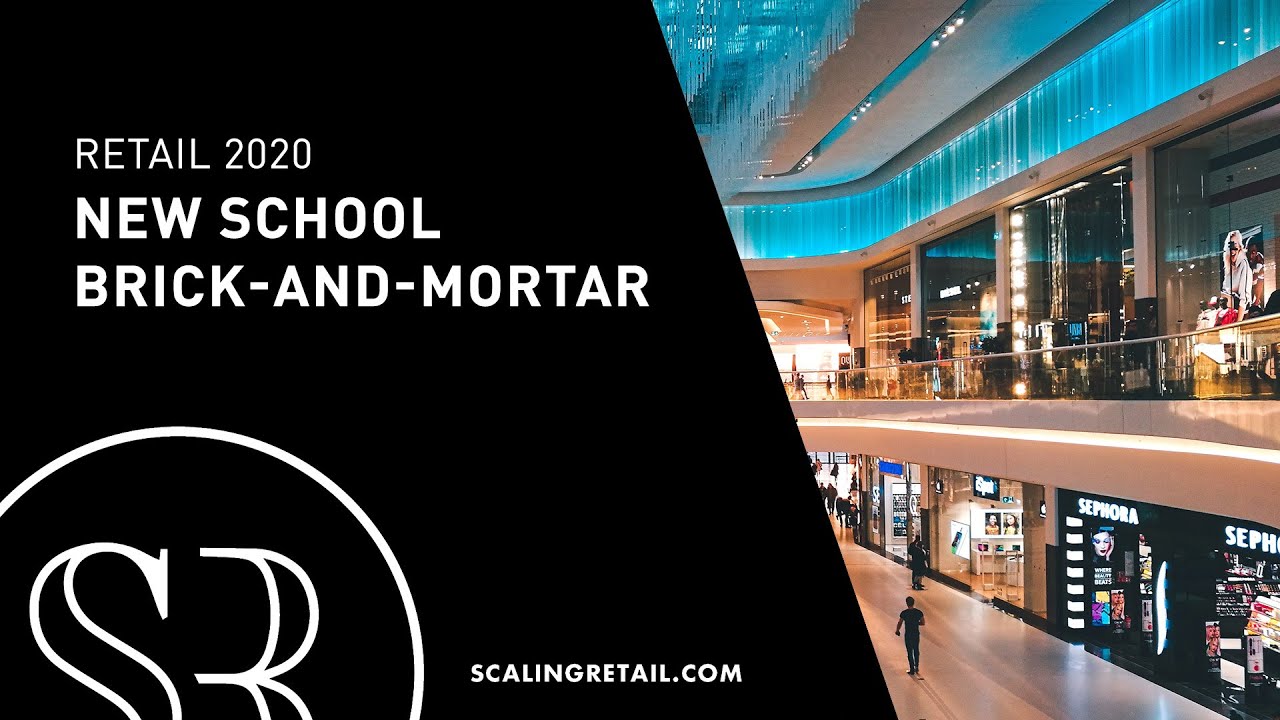


For consumer packaged goods (CPG) companies, securing retail distribution through major brick-and-mortar retailers is crucial because despite e-commerce growth (15.1% of total retail sales in Q1 2023), approximately 85% of shopping still occurs offline at physical stores; major retailers like Walmart and Target represent significantly larger sales volumes than combined e-commerce and DTC operations—for example, Procter & Gamble's sales to Walmart and affiliates accounted for 15% of total sales, while e-commerce represented only 14%, demonstrating that physical retail presence provides irreplaceable customer reach and sales volume that online channels alone cannot match.
Retail Distribution Channels: Why Brick-and-Mortar Matters
Added:Understanding the marketing mix (the 4 Ps), specifically the role of 'Place' (distribution) in product strategy.
The definition and characteristics of Consumer Packaged Goods (CPG), including high-volume, low-margin, and fast-moving dynamics.
Basic supply chain structures, including the roles of manufacturers, wholesalers, distributors, and retailers.
The fundamental differences between digital (e-commerce) and physical (brick-and-mortar) sales channels.
Omnichannel retail strategy: How to seamlessly integrate online and offline channels for a unified customer experience.
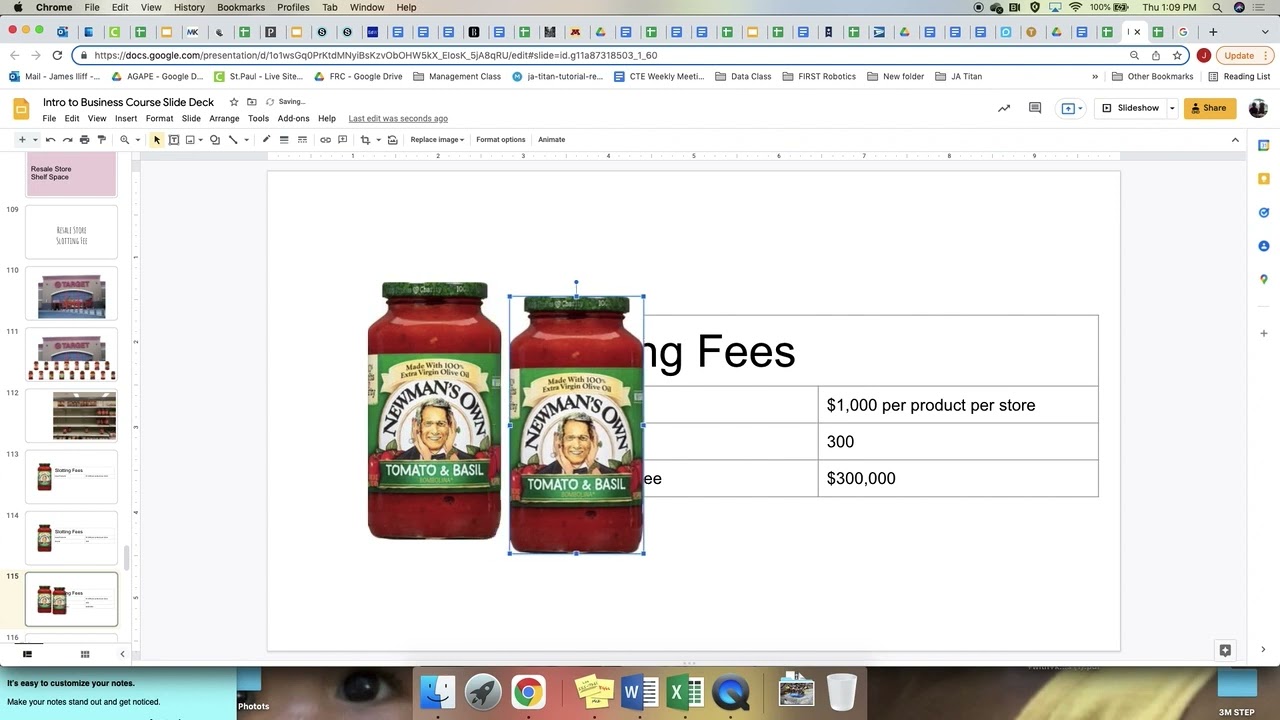
Retail logistics and shelf space negotiation, including slotting fees, category management, and planograms.
The transition of Direct-to-Consumer (DTC) brands into physical retail stores to scale customer acquisition.
Advanced brick-and-mortar concepts such as experiential retailing, micro-fulfillment centers, and in-store analytics.
4.8K views65likes4:15Original Release: 2023-06-08
Bloom nutrition is a food supplement company that started in 2019 creating and selling Health supplements in different forms and flavors the company was mainly selling directly to Consumers through their own website and on Amazon and was already getting good sales and reviews but in January 2023 the founders decided to do something unusual they decided to launch an advertising campaign and take over Amazon's homepage for 24 hours according to a recent interview with the co-founder this campaign almost cost him 1.5 million dollars but why would they do that he said the main objective of that campaign is to get the attention of the biggest retailers in order to be able to take shelf space and sell through those retailers before 2023 the founders were calling Walmart and Target and other retailers trying to get retail distribution in addition to their existing DTC distribution but no one was responding to their attempts and they couldn't get these retailers to stock their products but after this huge brand awareness campaign he started getting calls and now Bloom nutrition products are available at Walmart and Target but why was it so important for the brand to get retail distribution to the extent that they would go out of their way to secure this channel to understand this let's first talk about distribution channels when a cpg company comes up with a product idea this product then goes through a journey that has two main segments upstream and downstream the Upstream activities include all stages that get into making the product this includes sourcing raw materials Contracting manufacturers to make the product and package the product now that they have the finished product the downstream segment starts Downstream activities include distribution and selling the product to the end consumer for the distribution the company has many different options to choose from called distribution channels the company can sell this product directly to consumers or DTC for example through its own brand.com website or its store on popular marketplaces like Amazon and some Brands even open their own branded retail outlets the other option includes selling through third-party multi-brand retailers by either getting to them through wholesalers and distributors or dealing directly with them for cpg Brands this type of distribution is the bread and butter of the business and here's why according to the latest statistics from the U.S Department of Commerce total retail sales in the first quarter of 2023 came at 1.8 trillion dollars out of those 1.8 trillion dollars 253 billion dollars came through e-commerce that's 15.1 percent in other words almost 85 percent of shopping is still happening offline at Brick and Mortar stores so for the cpg company if it restricts itself on selling directly to Consumers through online channels it would be missing out on the vast majority of the potential market for its products although having a product sold online and on a popular Marketplace like Amazon theoretically means that you can sell these products to any geographic location in the U.S and even to most other countries it still does not give the same reach as having a product in the Isles of the biggest retailers on the ground where customers can see and touch the product and buy it on the spot according to 2022 annual report for Procter Gamble sales to Walmart and its Affiliates alone represented 15 of the company's total sales for the last three years while all the e-commerce sales for the company including its DTC operation represented 14 percent L'Oreal the biggest Cosmetics company in the world and the owner of many popular brands also sells its products through different distribution channels including direct to Consumer and indicated that in 2022 e-commerce represented 28 of Consolidated company sales in other words 72 percent of the company's business came from brick and mortar retailing
Up Next
23:29
FMCG Product P&L Calculation: A Step-by-Step Guide for Beginners
@FMCGAcademy
45.8K views•2015-10-08
46:36
Retention Habits of Top DTC Ecommerce Brands Revealed
@SendItPodcast
44K views•2026-03-03

15:23
Decoy Effect: How Pricing Psychology Influences Consumer Spending
@bobinvestsUS
90K views•2026-01-05

17:30
The Planned Obsolescence of Light Bulbs and Tech
@veritasium
25.3M views•2021-03-26
Related Study Plans & Knowledge Roadmaps
Structured learning paths in Business
business
Pop-Up Retail: Strategy, Design & Execution
01Introduction to Pop-Up Retail & Strategic Goal Setting
02Budgeting, Site Selection, and Legal Essentials
03Experiential Retail Design & Visual Merchandising
+ 2 more learning modules
15h5 modules
Explore Roadmap
business
Reg CF: Startup Funding, Marketing & Launch
01Introduction to Equity Crowdfunding & Reg CF
02Platform Selection & Legal Preparation
03Crafting High-Converting Campaign Assets
+ 2 more learning modules
14h5 modules
Explore Roadmap
business
Productized Services: Scaling Solo Freelance
01Foundations of Productized Services
02Packaging and Scope Definition
03Pricing and Subscription Models
+ 2 more learning modules
15h5 modules
Explore Roadmap
business
Gov Procurement: Find, Bid & Win Contracts
01Introduction to Government Procurement & Business Setup
02Small Business Certifications & Set-Asides
03Finding and Analyzing Contract Opportunities
+ 2 more learning modules
14h5 modules
Explore Roadmap