
















Metaphor is not merely a rhetorical device but a fundamental cognitive mechanism that structures all human thought and understanding, as our conceptual system is fundamentally metaphorical in nature—meaning we use neural connections across different brain regions to understand abstract concepts through concrete, embodied experiences, and these conceptual metaphors shape our perceptions, actions, and even political discourse without us consciously recognizing their influence.
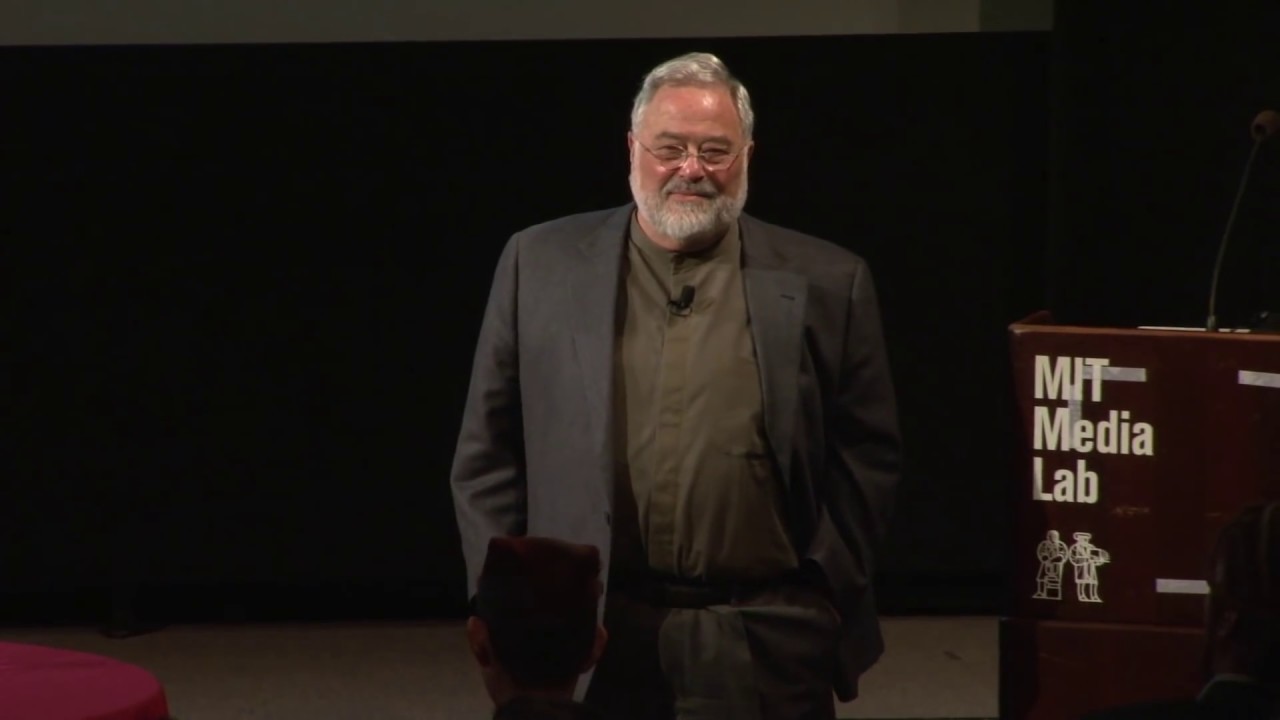
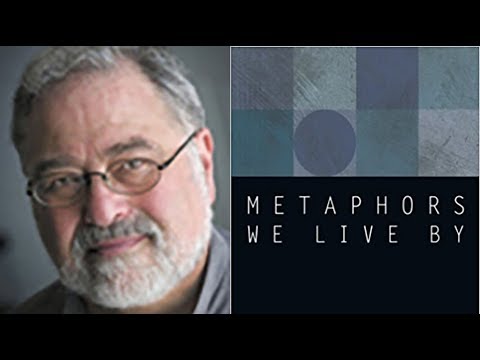
George Lakoff on Metaphors We Live By | Cognitive Linguistics
Added:The traditional, literary view of metaphor as a mere rhetorical ornament rather than a core cognitive mechanism.
Basic linguistic terminology, specifically the distinction between semantics (the study of meaning) and syntax (the study of structure).
The historical shift in linguistics from Chomsky's formalist, generative grammar to the functionally-oriented paradigm of cognitive linguistics.
The fundamental concept of mental representations and how the human mind categorizes the external world.
The application of Conceptual Metaphor Theory to political framing and public discourse, as explored in Lakoff's 'Don't Think of an Elephant!'
The concept of 'Embodied Cognition'—how our physical interactions with the environment shape our cognitive structures and abstract reasoning.
Conceptual Blending Theory (Fauconnier and Turner), which models how the mind dynamically integrates different conceptual domains.
The neurological basis of metaphor, studying how neural pathways map source domains onto target domains in the brain.
The role of metaphors in design, human-computer interaction (HCI), and the development of natural language processing (NLP) in artificial intelligence.
28.7K views541likes1:23:36Original Release: 2021-10-04
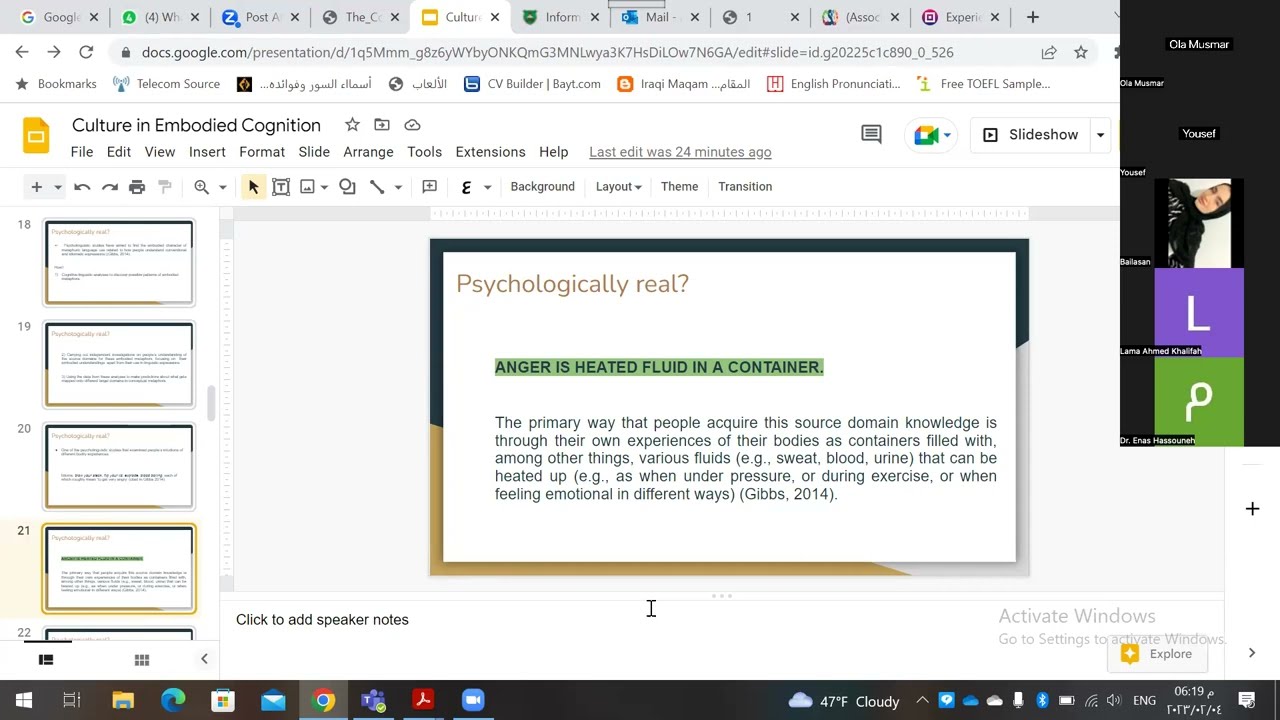
stay hungry stay foolish [Music] today's book is a classic it has changed our understanding of metaphor and its role in language and the mind metaphor our guest explains is a fundamental mechanism of mind one that allows us to use what we know about our physical and social experience to provide understanding of countless other subjects because such metaphors structure our most basic understandings of our experience they are as he says metaphors we live by metaphors that shape our perceptions and actions without our ever noticing them it is an immense honor and a real treat to welcome the author of a plethora of titles but the focus of today's show is his 1981 book metaphors we live by george lakoff welcome to the show what a pleasure to be here aiden it is so so good to have you i've had a lake off experience i was telling you i was down so many rabbit holes excuse the metaphor exploring so many of the thoughts neurons were firing all over my brain and it was just such a pleasure i'm gonna jump all over the place i'm gonna use as much as i can stick to the the journey metaphor and stick to the road but i will jump all over the place and before we even get into metaphors george i thought it was important to discuss some of your work on how the brain does language and thought your work resides at the intersections of cognitive linguistics neuroscience and experimental psychology and you live at the intersections which is a maxim of innovation i'd love to share your origin story where you came from how you got into all this work and all the dots that have connected in between where i came where i came from um well i was born in new jersey a town a little town named bayonne new jersey uh my parents uh have never made it to high school both very very smart people who had to go to work when they were 12 and 13 and um you know they insisted that i get an education which i then did i had an older brother by 10 years sandy lake off who was became professor at major universities he taught at harvard and uc san diego and so on started the political science department at uc san diego and um he's been an inspiration uh you know 10 years older and done great work in political science so i you know have a good model and it's it's interesting when you have parents who never made it to high school and were super smart and they said you're going to get an education you know whatever happens my mother said you're going to college whatever that is and she never understood it and um you know it was really almost funny the first i got my first job was a teaching at harvard and my mother didn't know what harvard was i had no idea but i got the first day i was teaching i got a call from my mother all right and she was last in grade school in 1911 if you can believe this okay and she yes um well how'd it go i said fine she said the kids did they behave i said well some smart alex but just fine he said that how did the principal did the principles sit in on your class right it had no conception of this that my wonderful mother very very brilliant woman who never had a chance to go to high school you know uh the uh it's really something to be able to uh you know my mother insisted that i learn things she taught me arithmetic when i was three you know when i was four she put me to work uh you know doing arithmetic in daily life you know namely uh at that point uh when she went shopping was before they had cash registers and they wrote things down on bags and added them up and my job was to check the addition to be sure she wasn't being cheated fantastic at the age of four yeah yeah it's uh you know it was a wonderful thing for her to do i mean you know to make sure that uh that i was going to get educated if if she wasn't uh my father was a brilliant man who um wound up taking a night school course in accounting and working for the general accounting office uh and then discovering scandals and the you know and in the government um and uh he was also a terrific writer and uh when he when he died uh my brother who was old you know 10 years older wrote an obituary for him and on a lark sent it to the new york times and they wrote back asking for his picture and they said he was their favorite letter writer we never know but you know i had a wonderful father and uh you know he did all sorts of good things in the world that's such a beautiful legacy to have and and for you to remember him so fondly and your mother yeah and my brother is 10 years older and you know he became a professor first at harvard now uc san diego now he's retired but he was an inspiration a terrific political scientist and you know i i've been fortunate amazing i i'll come back to then how you progress because you have so many different disciplines in your background mathematics uh arts etc where art smith maths and and all the great neurons that fired from there but there's something you said there that really jumped at me which was when you mentioned about your mother teaching arithmetic when you're only three because you tell us that the human brain is a hundred billion neurons and that we lose most of those by the time we're five and i thought this was interesting because of the importance of that early intervention and the importance of the love that your mother showed you for education and the seeds that she planted there are so vital in this age where many adults are just unaware of that impact that it has on children also one of the many bits of research i did you mentioned in 2013 there was an nyt article new york times article about african american children and how they were severely impacted by the lack of education in their younger age i grew up originally when you know my parents uh were poor and we lived in a tenement uh apartment house that was not not terribly uh upscale and it was next to an african-american apartment house and on the street we all played together my friends were african-american half of them you know and um on the street we're just friends you know there was no issue of racism it was just no nothing you know uh and um that was a wonderful thing to happen you know uh you know the uh you know they're perfectly the people there who were next door were perfectly smart interesting people uh one of them of my best friend anthony wound up he was very good at track and wound up going to arizona state university on this on a track uh scholarship but you know the the issue was not whether he was smart he was smart no question about that the question was is he going to get educated and how is he going to get educated luckily he got a traffic scholarship and went to college i haven't seen him since but uh you know i'm sure he's doing fine and um you know we you learn about people very early when you're in close contact and you realize that you know they're all just people george about the the neurons and the connections of those neurons and the the stimulation of those before the age of five i thought that was fascinating and and so unfor important for those people listening who have an influence over children that the the care and the the the time they give to children in those early early days are have such a massive impact on their futures it's all true all true and uh i would i actually was a single parent for many years um i got divorced and my wife at the time my first wife didn't didn't know how to deal with children so i became both mother and father and so i raised our son who is now professor at usc went into the family business uh you know uh the uh but it was wonderful to uh you know to be a parent from the age of four all the way up through high school i mean just uh i loved it there's a you know uh parenting parents matter which is a big deal you know who your parents are and how they you know raise you is very important and i i don't think parenting is given as much creditors as it needs to be yeah it's such a such a huge point and i know it's difficult for some people they feel they need to work and they can't afford to be at home but i just really took that from your work the importance of those of the interest that's shown by a parent in the child's learning but i i wanted to dig into this a little bit deeper excuse the the container metaphor there yeah i i just think in metaphors so it's so your book was such a joy to read um let's share your wonderful work on how a child creates metaphorical thought at such a young age because this will make sense to people where they can see that it's this frames that we build over time that becomes the lenses through which we experience the world and then the lenses through which we enjoy life or not as the case may be it's it's a matter of the neurosystem i mean what what is a metaphor a metaphor is a set of neural connections uh across parts of the brain that are concerned with different areas of life that's all it is that arises very early in your life happens all the time uh you think metaphorically you can't not think metaphorically you know i mean the simple thing you know prices rose they didn't go up there you know more is some metaphor more is up you use it all the time and uh there are other you know lots of other parts of the metaphor system that you use all the time you don't notice that you're using them uh but they're there and and they're very important another part of the conceptual system is framing the way that you structure things around a structure called a frame [Music] my late colleague charles fillmore worked out the structure of frames which called frame semantics and i took it after he died and i started applying it to politics so i there's a book called don't think of an elephant know your values and frame the debate that goes into framing in great detail um the it's uh it's very important to understanding understand how you're thinking about things uh and to notice that our politics is structured around metaphors and brains i thought this was fascinating that if i i'm a child and i'm observing so you talk about the subconscious and the conscious brain and you know 98 is is the subconscious brain but we're actually building it through observation what we what we see what our parents do where they bring us etc i'd love your thoughts on that because this again massively fascinating work it's a very imp as i said parenting is incredibly important it's very important to give children experiences that can build on that i lucked out you know simply because of necessity in my family as i said by the time i was four i was checking the addition on the bags you know to make sure my mother wasn't being cheated and when i was six i was sent out sunday mornings to do the sunday morning shopping and i you know knew the prices of everything and you know i would go down to the stores and i would order such and such and i'd tell them how much it was going to be before they could tell me you know to make sure i was a little the six-year-old wasn't going to get cheated and um yeah the idea of giving children things to do that developed their brains that are just everyday life things to do say look this six-year-old can learn things this five-year-old can learn things uh and it's a very important thing to see and i see you know um my son raising his his uh his daughters uh to um you know to be really smart interesting amazing people uh simply because he takes them seriously you know uh you know they're they're creative they can do learn all kinds of things you have them at a young age it's interesting i was telling my kids this whenever anytime i interject i won't say give out as a as a parent i i make sure they know it's because i care if i didn't care i wouldn't say anything if i didn't care i wouldn't persevere as they learn something when i can do it ten times faster and i think those even just a kid understanding that that this is an act of love it may not appear for like us but actually in an intervention like that comes from a really good place is really important but but i'll move on because there was something you said in in one of your talks and um i found this so great because i'm fascinated by so many things how so many things in our are unconscious and our environment influence our thinking and those shapes are reasoning as well and i'd love you to share this because you say how this happens how how the environment shapes our thinking how it shapes our reasoning but then how we can actually find out as well so how we can dig a little bit under the surface to go what is an impacting my reasoning and my thinking the idea of uh looking at your own mind is something a lot of people don't do i mean they just you just think and take it for granted and um it was something that um uh i started doing when i started working with the philosopher mark johnson uh i was fortunate that he happened to move to berkeley at a certain period and happened on his on his right here he had been at the university of chicago and ran into my close friend jim mccauley there who gave him my address and he looked me up when he got here and um you know he taught me that uh what philosophy is just the distillation of ordinary life it's trying to understand what it is to live and um you know it's not a highfalutin thing now it turns out to be abstract in many cases because it generalizes over so much but you know uh we wound up writing a book called philosophy in the flesh uh where we go and point out that philosophy isn't abstract that thought isn't abstract that it's part of your body thought is embodied and uh you know it uses the fact that you're you have a body and are functioning in the world uh and that's something that's not always understood in philosophy you know the assumption that there's an assumption that philosophy is a very you know difficult abstract platonic thing and it's actually an embodied thing and what mark did was he sort of distilled the metaphor is used by philosophers so in that book philosophy in the flesh he goes through in his part the part that he he worked out the metaphor is mostly used by philosophers they are they're everywhere uh you know philosophy is a metaphorical enterprise and philosophers think that they're just being rational abstract and you know not not metaphorical at all and so on uh that they're just literal and they're not uh so what mark did was work out the main metaphors used by philosophers and they're in that book and you can go through and say oh oh yes that's how philosophy is structured um and uh and as a result and what says philosophy is a human enterprise you know those metaphors are metaphors uh of everyday life they're not things that are abstract and quote philosophical unquote you know they come out of everyday life you know i really was inspired by that and it made me think about how many like i'm a collector of quotes of really old you know ancient greek work etc and there's a quote and a metaphor essentially by plutarch the mind is not a vessel to be filled but a fire to be kindled and i i sprung to mind because i wanted to share a piece of absolute gold that you talked about the idea of the conduit metaphor in teaching because i thought this was essential for those people who are the audience of this show people who work and change people who are parents teachers trying to inspire others maybe with a vision for an organization maybe they're going through massive change in those organizations that this metaphor this conduit metaphor is extremely important the way you position your language the way you inspire others and you're not just telling them becomes so important to how they learn that was worked out by a wonderful scholar named michael reddy uh who i met and um he taught me a lot about it uh in the conduit metaphor he had worked it out in very great detail and sufficient detail to convince me that other metaphors had to be able to be worked out in that much detail but he was the brilliant guy who figured that out and uh the conduit metaphor is extremely important in terms of understanding not just the way we understand what communication is but we actually communicate using our understanding of what communication is via that metaphor uh that's what he contributed uh that's his work not mine um and um very very very smart guy that's and it's so important and the thing you do say though is if i and we'll all will all have experienced this when somebody maybe has given a talk or has been asked to give come and give a keynote usually the speaker will go well what's the audience what where are they etcetera and they're trying to understand what do they already know and this and you you did teach me this is so important because knowing what they already know helps you build upon that if they don't have a frame already in place they're going to be lost and that's very important to understand what they know and how it's framed and how it's structured uh you know and the same is true when you're going to teach a class you know you yeah people in the classroom are not blank slates they think they're smart they're interesting people and the question is how do you build on how do you find out what they know and build on it um you know rather than you know sort of say they know nothing it's ridiculous you know yours your students know lots and lots of stuff and you are trying to find out what they know and build on you mentioned something there george about the embodiment of metaphors or embodiment of emotions and you tell us about this the the full range of emotions impact our metaphors and thus they impact how we think how we actually even express how we think i'd love you to share this you know i actually have a long study a very long study on anger and the metaphors for anger the structure of anger you know anger is uh not just a feeling it has a conceptual structure it has a metaphorical structure uh it has a logic you know there's a logic of anger and so on and um and that's true of other of other quote-unquote feelings as well i mean feelings are things you feel which is important right yes they're in the they're embodied they are emotional things that you feel but they also uh have a rational structure and most people don't understand that their emotions have uh entailments things that follow from them and so on uh you know emotions are really interesting things that way and i'd love to get digging a little bit deeper there george about stuff like you know what's happening inside the brain when i go to grasp for how do i feel right now and then actually how it impacts me so you know i'm i'm boiling i'm boiling with anger etc well um that takes a lot of insight you know the um to understand your own emotions is very difficult extremely difficult for everybody and to understand how your emotions impact how you're you know talking to people around you uh what you're doing what you're writing and so on it really matters um you have to be able to think about it and it's um you know when i was first discovering uh conceptual metaphor uh it happened in an undergraduate seminar in our dining room oddly enough at a table that's still there and um one of the undergraduate women in the class came in on a rainy february day a little bit late and we noticed that she was crying and she said that you know we try to discuss some uh philosophical stuff and she said i can't do this right now i've got a metaphor problem with my boyfriend and she and so and she looked and said maybe you guys can help and that turned out that in fact um uh we did um it was one of those things where um you know she was having she and her boyfriend were having difficulties and uh they were using different metaphors they were incompatible and you know the class figured that out it's wonderful let's share that because because you do and this is beautiful in in the book in metaphors we live by you give all these metaphors and then you go look look how they play out for example love is a journey so we're stuck we're at a crossroads etc let's dig into that a little bit deeper that was what was there um uh you know her boyfriend had said that that their relationship was a dead-end street you know well what does that mean you know you know you can't keep going the way you've been going you may have to turn back et cetera right uh and she said well i a woman said i wanted to go into another dimension you know i wanted to be about more than just what it had been about and so on uh and in fact we sat around the table and with her worked out her understanding of what she wanted out of that um you know it you know with with you know six people around six six uh very good berkeley undergraduates you know fee sitting around with smart people uh figuring figuring out um what was wrong with her relationship with her boyfriend and what and what problems she had uh by having a limiting a metaphor that limited her understanding i wanted to get it back to your background i said i'd come back there because i thought it was really interesting all the literature on innovation spells out how important it is that innovation lives at the intersection so it's almost like a load of colliding venn diagrams of different disciplines and different thinking different frames and you were a walking embodiment of that yourself so you you have um been educated in mit in mathematics but also arts is hugely important and i'm saying that for a couple of reasons because the appreciation of the arts the appreciation of music getting beyond the humdrum of everyday life is so important because it influences how we think and therefore it influences how we act and this is vital for innovation and change that's true and you know it's important to think about different disciplines my wife is an artist you know and she thinks in a very different way than i think and i respect it you know she can see things imagine things that i can't imagine you know uh and you know when she plans a garden you know she's some you know we have a beautiful garden you know or other things in the house she yeah she's a painter and can mix colors so she mixed all the colors of paint in our house it's beautiful colors all over you know the room you look you look at the yellow behind it's not really a yellow it's an ochre so the you know uh artists can do all kinds of interesting things uh that an art artist would never think of and that it's important to be able to think as various artists in different kinds of art and to respect it as a yeah an important part of our life and our society so yeah and it's important also to think in multiple disciplines you know uh the i was there was a point at which i was being interviewed by um a group of chinese scholars 50 of them you know it was quite wonderful because they couldn't understand how i could uh have written about lots of different fields they have to go in one field and stay in it and they they couldn't understand how you could do mathematics and literature and art and you know it's like and physics and so on and i said you know that's what the what the beauty of american education is you know you can you know and european education you know in ireland too i mean you know uh you study lots of things and they interact with each other your understanding of what one field affects your understanding of the next and that allows for the creation of new understandings it's not like knowledge stands still i love that and the idea of getting swimming outside your own swim lane you know that that whole idea in business before about oh no what are you doing aidan that's not your business and you're kind of going well it probably should be but how did that play out for you because because i mentioned that maths and arts and literature background because the arts is so important as a part of education as well because so many children i say children so many young adults coming out of college are trying to decide what to do and my my piece of advice is always do the arts learn learn to learn learn to expand your mind learn to feel what you're interested in because don't go unless you're certain of a discipline you love try to explore the arts i love your advice there george um my feeling is to explore lots of things you know you know what was interesting i grew up being interested in mathematics but also in literature so i had when i went to high school i went to not a very great high school but there were half a dozen excellent teachers my english teacher was brilliant she had gone to columbia university and studied with a great person there and wound up you know teaching in my high school of all things it's amazingly brilliant woman uh in english and so i got a very deep understanding of that but my mathematics teacher uh was great i mean he uh you know one of the great things he did was point out uh you know the equation e to the pi i plus one equals zero you know as e pi i one and zero in the same equation well it turns out that um i never forgot that and there's a book i did on mathematics with rafael nunez my colleague and uh we went into that looking at the metaphorical structure behind it because with all those things it had to be metaphors linking them and it turns out that uh the square root of minus one has a metaphorical structure believe it or not wow because what if we think about what a minor negative what minus 1 does minus 1 times a positive number flips it over makes it negative do it again it flips it back makes it positive you know minus 1 times minus 1 is plus 1 why why is minus 1 times minus 1 equal to plus 1 because minus 1 is a flip of 180 degrees you do two of them you come back to where you started that is there's a metaphorical structure to basic arithmetic that's beautiful and we figured that out you know and there's a lot there's a lot we in the book where mathematics comes from it's basically the metaphorical structure of mathematics wow and it's the metaphorical structure of mathematics is beautiful i mean it is um in mathematics you know i always love mathematics and i always liked both mathematics and poetry and i saw them as say so as the same love and in fact they are the mathematics as metaphorical and beautiful metaphors um you know people think mathematics and poetry couldn't be more different and they're not it's wonderful because i think that you know learning through metaphor is is such it's a much more joyful way to learn as well i was i was walking i i was walking my son who was eight home from school the other day and i was like you know the way kids are like what did you learn in school he's like can't remember and i was like try and he said oh we did subtraction and i was like oh tell me about subtraction and i started throwing them out and i said zero minus one and he's like minus one and i was like yeah and i said think about it like the ground the ground is zero ground zero and minus one is one underground and two and and then and he got it it just clicked with him when he could because he could see it in his mind and i wanted to get on to that because you say that metaphor is pervasive in everyday life not just in language but in thought and action our conceptual system in terms of which we both think and act is fundamentally metaphorical in nature and i wanted to see if i have this right to see if our audience gets this as well because this is a key point because i understood it to mean that metaphors can be akin to mental models and they influence our thought and therefore our action and therefore how we experience life and that negative number stuff is right what mine multiplying by -1 uh flips something by 180 degrees right so what about the square root of minus 1 it flips things by 90 degrees because if you do it twice you get a flip by 180 degrees right do it four times you come back yeah so it turns out that there's a reason why uh you know uh if you do do the uh the i plane why the why uh multiplying by minus uh by square root of minus 1 is a flip of 90 degrees that's there's a reason why that geometry fits the arithmetic beautiful it makes if a kid knows that they they can learn easier especially if they're neurodiverse and they see the world differently and they literally see it differently in their mind well it's something that can be taught early and that's you know my mother taught me that yeah my mother who never got past grade school my parents never made it to high school wonderful very really smart interesting people who just had to go to work when they were 12 and 13.
but my mother made sure i had an education and so did my father you know we you know very very smart people who just never had a chance they had to go to work early and um the um there is a lot of that you know um a lot of you know people who have just very smart and they need to be educated you know and can be and uh education is so vitally important uh you know if you're going to spend money in a society on anything start with education yeah change changes how people interact with the world but i i wanted to bring it back to something you said you mentioned about your wife and the art and your own experience in seeing through different disciplines because there's a lot of i'm going to call it espoused neurodiversity out there where organizations are saying yes we strive for diversity of thought in our organizations but it's not always exactly the case but one of the things you talked about in one of your books was and this goes to what you were saying about the colors so to me that's yellow but uh i don't know what the term of yellow you used at your wife ochre ochre so i didn't even know that color right and uh you talk about that actually even from a male female perspective man woman perspective we see colors differently and this is interesting because my other son he was now 11 he said to me dad you're listening so i i have a i drop him to school when i can and we listen to music on the way to school and it's just a lovely calming it's a great moment for me every morning but he said one day he goes imagine we hear the music differently and i said we do everybody hears it differently and i think that's just a beautiful way to think and we see colors differently we experience things differently but we assume we don't well it's it's really true and especially with color i mean uh you know uh you know we have men and women just are different in in these in in crucial ways for seeing color i mean and women will see color differently and there are some women who see a million more shades of color my wife probably does [Laughter] yeah they're which are they're called tetrachromates but anyway the uh but yeah uh the women and men see color differently because of you know genetic makeup and uh people don't realize that that makeup can be that different can lead to a color difference to a seeing difference because you know what's interesting about this is color is not there in the world there are no colors that are objectively out there in the world color is created by your body you know there's there are wavelengths in the world right but no colors but you see the world that's colored and how does that happen in the brain then george and and why well because we are physical beings because of the way that our our eyes are set up and connected to our brains uh that produces uh an experience uh of color and it's slightly different for men and women and um you know so we experienced the world as as if the colors were out there in the world and they're not they're not they're you know there are wavelengths of light out there and multiple wavelengths of light so every you know anything in the world is going to reflect some sort of light right and that you're going to have complex reflections but they're they're wavelengths right what's up there are no colors in the world we see the world as having colors because of the way our brains and eyes and bodies are set up and uh you know you know here i am looking out i look over san francisco bay it's beautiful blue it's so gray above the sky a little bit light above the mountain some green in the mountains green trees and so on you know i see the world as colored but those are not there their wavelengths i read before that uh birds for example see a multitude versions of green because they need to understand foliage but also then i thought this was interesting from artificial intelligence because they're training artificial intelligence to pick coffee beans but they need the artificial intelligence it's not just green they have to know all the different types of green to understand the ripeness of the different things as well so that probably maps a little bit to what you're saying there as well i had a friend who actually studied what birds saw they have many dimensions of color that we don't have and he found experimental ways to study that share a little bit of that man that'd be amazing well like two dimen two whole dimensions of color that birds have that we don't have because they've got an extra bit of oil or something in there well no their brains are set up in a different way they also have certain metals you know in their brains you know we all have iron and stuff around and they have whatever it is they have uh he had figured out what they had and he's he pointed out they had like two dimensions of color that we don't have we had the brilliant ian mcgillcrist on the show before and he was telling us he is a brilliant book on the divided brain and that and how the brain constructs the world and it's you know polar opposites and all this kind of thing and contrast something that you talk about as well but he he said something that was fascinating to me about pigeons that you know when a pigeon kind of like when a pigeon you see a pigeon they look at you at one side of their eye because they have one side that's for focusing and and like say for example they're trying to decipher a piece of grain in a load of stone on the ground they will use one side of the brain and then they have to turn the other side to see the bigger picture and it's like right on left brain because they don't have the they don't have the evolutionary capacity that we have the for the brain to be looking through bowed eyes at the same time to experience the world differently i found that fascinating just you sparked that to memory right now there's actually actually studies of people uh that show that if you look at one eye versus the other eye there are certain things you will you will see differently oh yeah i mean because there once again one eye is going on the opposite brain opposite part of the brain they go across and that's been studied um by some folks at berkeley some about 20 years ago and uh it turns out that the two temispheres that we have see differently and also uh there's an experiment because the left hemisphere has more for a language and it turns out that if you have a word for that for a color your left hemisphere is going to see the color and pick it out differently and pick and be able to distinguish one color from another better so if you say if you have uh you know a bunch of uh you know slides that you know sort of slowly go from one color to the next like in a rainbow right and it's slow the question is where do you pick out the differences yeah that was study it turns out that if you have a word for the color your left brain is going to pick out the the boundary in a different place than your right frame it's amazing may you've you've seen a lot of different layers on top of each other let's bring that back to when when we were saying about you know even the color and seeing things differently the importance of neurodiversity in organizations so one of the kind of driving forces behind this show is is helping those people who work in change initiatives to drive change and we're seeing in some ways a changing of the guard from an old style of leadership an autocratic one to a more democratic one and i wanted to just get your thoughts on that if you think about politics you work on politics and you go how is that applicable to an organization or a leader in an organization driving change maybe it's a new business model they need to introduce etc uh when i was seven years old my father gave me a two sentence account of democracy which is you're not better than anybody else and nobody else is better than you all right period you know something a seven-year-old can understand but it really gets to the the the heart of the matter you know that uh you know this is not a matter of uh one person being better than another person yeah and that's that's the heart and that has to do with empathy with caring and with caring about other people it's never really discussed democracy is based on empathy it's based on caring about other people and in fact a lot of our political disputes have to do with people who do and don't have empathy and a lot of the you know there are a lot of you know donald trump has no empathy for anybody else yeah none and people who see the world his way have no empathy that's something that came out and bob woodward interview them series of interviews but no we you know there's no empathy for anybody else and um you know and you and if you don't you can understand why he would have that worldview yeah yeah uh and uh the uh there was this uh point at which um they were at a graveyard for people who were killed in world war ii and trump said they're suckers you know i mean just psychopathic stuff yeah yeah i mean it's a different kind of brain yeah and i think that's important to understand as well and unfortunately the way the world has been structured is a lot of those a lot of psychopaths i've i've read once that you know one percent of the population is psychopathic in it they have no empathy half of that percentage point five percent are in prison and the other half run organizations yes exactly all countries yeah and it's it's just a it's a shame i hope i really really hope in my heart that that's changing it's it's gradually changing and it's one of the the reasons i i love doing the show and just sharing different thinking and hopefully introducing new frames by introducing new frames this is a very important one the idea that democracy is based on empathy is not out there and it needs to be and it really explains a lot of difference between the political parties in this country you know democrats largely are people who have empathy and republicans are largely people who don't and a lot of the political differences and the arguments and the great anger that you get in politics has to do with whether or not uh people have empathy uh it's something that is never discussed i mean it's amazing it's just like oh we give the name you know democrat republican there this is a par partisan difference they're they're in different parties well there's a reason for the way those parties are structured having to do with the way people think that is never discussed in any of the shows on you know you you turn on the the tv you have politics all the time you know never no discussion about the difference in empathy which is fundamental to our politics and you know and and no discussion about how it affects discussions that are made politically and um you know it's it's a there's a uh a word i made up for this situation it's called hypocognition the lack of ideas we need the idea that democracy is based on empathy is uh an idea we need and it isn't out there in ordinary discourse it's a real shame and and you know one of the biggest requests i have on the show is to make it shorter believe it or not do do less because of attention spans etc and i won't i won't seed because i'm i don't care about having extra listeners to shorten the show because you can't dig deep enough into things and to use the container the container metaphor again but one of the things i did want to go but deeper in is is you've you've raised it there i did think about this i i looked at the multiple through the multiple lenses you gave me you gifted me with through reading your work and listened to the many lectures on youtube and the one that jumped to me was the political landscape the left and right brain the lack of empathy but then you hit me with the sucker bunch which was the war argument is war metaphor because that container of argument is war actually is a huge problem and just to i'm going to help our audience here and i'm going to just call out some of these you you'll this will just make sense to you and then george perhaps you'll deconstruct it your claims are indefensible he attacked every weak point in my argument his criticisms are right on target i demolished her argument i've never won an argument with her you disagree okay shoot it's all language of war that's that's how it is and um it's very sad you know it's very important uh you know to get beyond that argument is war and uh to understand that uh it's there and uh you know and to not fight yeah to say okay um yeah what do what do we mean by an argument you know what you're doing is you have different views of the war either world views general world views or views of certain topics and you differ on those you know you have different opinions about them held very strongly okay but what do you make of that how do you live with people who have different opinions of these things and you need to have some notion of mutual respect to say and to understand that they're not bad they're different yeah there's a difference you know you know and um you know they're yeah people who have different politics are not necessarily bad people you know they may do bad things things that you consider immoral in certain respects but they also are you know they have families and uh you know love their children and uh you know are kind to people who are their neighbors and so on i you know you have to sort of remember that all the time and i loved your alternative and this is just beautiful and i'm going to share this with our audience so argument's not a war but it could be conceptualized as a dance the participants are seen as performers and the goal is to perform in a balanced and aesthetically pleasing way and you say in such a culture people would view arguments differently experience them differently carry them out differently and talk about them differently but we would probably not view them as arguing at all they would simply be doing something different and that is just such a wonderful alternative and um you know people have strong feelings about this but they also have strong feelings about what kind of dance they like [Laughter] do you like ballet or do you like modern dance or just or whatever but that helped as well because i thought about that when you when you introduced this concept and i was like oh okay well george may be a great tango master and i'm salsa but we we agree that first and kind of go how do you dance george and you go i'm i'm a tango guy and i go okay well i'll i'll try i'm a salsa guy but i might step on your toes a few times and then we agree and it just changes the conversa it changes it's no longer an argument it's a it's a dance and it's see the question is what are you how are you quote invested in in this argument and you know is there do you have a moral basis for this if so well what is your understanding of morality where does this come from um you know and you have arguments all the time you have differences of opinion all the time and it's it's not always obvious where they come from and what the consequences of them are yeah it's it's and and not only that it's hard when you're when it's about something you care about step to step back and say uh wait a minute someone else cares very much about something that's at odds with this uh why is that happening uh what can you do about it uh what do you make of it you know it's it's hard to do because it's so emotional so george i i'd love to introduce another one and i highly recommend the book because it's got so many here and we're only like on chapter 2 george by the way and there's 30 chapters they're short and they're they're snackable as well so you can read one each and let it sink in let it marinate but um i'm just full of the metaphors george sorry about that uh i i'll dig into this one because the idea of how metaphorical expressions in everyday language can structure our everyday activities and to do this you tell us to consider the metaphorical concept time is money and this one just absolutely jumped out to me because if we think about this and i'd let you expand on it it has absolutely structured how society is built how society is constructed mentally in our frames when i first wrote that a friend of mine read it uh he was a very literal-minded person and he said what do you mean it's a metaphor it's true if i hire somebody and it takes these he takes more time i have to pay him more money you know yeah and i said that's the point you're like boom mike he says it's not metaphorical it's true and i said yes metaphors can actually structure your life we live by them and they become true and he just couldn't get this i mean the very idea that a metaphor could structure his life and become true it was not something he could comprehend i'll just give our audience a couple of ones here so you're wasting my time this gadget will save you hours i don't have time to give you how do you spend your time these days the flat tire cost me an hour so it's built into all our language and the list goes on and on and then on but i wanted to jump to uh further further parts here because we're not going to have time to get through everything but i wanted to really share this one structural schemas george because here i'm going to ask our audience to just think about two sentences that i'm going to read out and then perhaps george you'll share what's going on here the first is the road runs through a forest and the second very similar but very different in the brain the road meanders through the forest so let's let them seep in and then you share what's gone on there for all of us in our brains our synapses our neurons firing what's going on uh those sentences uh came up from a brilliant linguist named leonard tell me who has studied not just those cases but lots of other cases relating to those and um the idea is that um you think about the rule that that you know uh lines things that are linear like a road can be seen as traveling along it so there's a metaphorical understanding of something that is a line of motion a line can be understood as a line of motion as a path of ocean and leonard tommy figured that out and he said look you know if it's if it's path of motion there are lots of kinds of motion fast motion slow motion motion where you're paying close attention motion where you're not you know etc and he found all these sentences that show these differences so the road meanders through the valley what does that mean you know if you think about it if you're traveling around the road you're not just trying to get somewhere fast fast as possible you're looking you know at what's nice around there you're looking at the scenery etc uh and you're you're doing it in a way that you're thinking slowly and paying attention to the scenery whereas runs through the valley you're thinking of getting from one end to the other right so your understanding of what's going on as you traverse that road is different and that's what len tell me noticed very smart guy yeah yeah and i said to you you're so generous with your your sharing of the knowledge of so many of your your colleagues and your fellow change makers i have the great good fortune of living in berkeley california and being at the university of california with an amazing number of incredible people and colleagues and students and um you know just great luck you make your look my friend i'm gonna keep going here because uh there was one thing that really really is so valuable for those ceos those leaders those innovators those heads of change who listen to the show and it's that a single sentence will mean different things to different people so think back to what george was mentioning about the colors and how we all see colors differently etc and how we hear a sentence depends on our context and here's an example you give us you say we need new alternative sources of energy very apt in the days that we're in considering the book was written in 1980 and this means something very different to the president of mobile oil from what it means to the president of friends of the earth i'd love you to expand on this because this is a key point in communication so the idea of sources of energy have to do with what you believe should be sources of energy what they legitimately are and what they ideally ought to be especially when you're talking about new ones so when you say new ones means new relative to your values it's not just new objectively because you're understanding the world through different value systems so if you're you know in friends of the earth you have uh an environmental value system uh if you're the president of mobile oil you have uh you know a different value system you're making money off of oil and gas right and um you don't you you see the world through your value systems you don't just and it's not just hearing the sentence it's understanding the world you understand the world through value systems and you know that happens all over the place and those value systems are taken for granted in some cases they're obvious and people know that there are these different value systems in many cases they're not obvious and people have arguments that where the value systems are kind of hidden not obvious um you know it's important to see what value systems lie behind what you're saying and what you believe and what you disbelieve and what you would argue against and george one final one we're not gonna have much time but uh to so what what i'm trying to do here with all this is to go i suppose is to go like you say understand how you think how your thoughts are built how the language you use is so important for one of the things for example i realized is i do a lot of speaking events etc and i never use the word argument i go i never go my argument is i'll use stuff like my opinion or my my thesis because i think the argument's it's an aggressive word you're using the argument as war metaphor yeah if you're doing that now you yeah now there are times when you want to you you want to use it there are times when you say hey uh there are some bad guys out there you know and i have an argument against the word against them right and yeah so there are times when it's appropriate other times when you know when you're saying what you believe period and you're not arguing against people and you don't say you know i have good values and they have values that i think are terrible right when in that case you're arguing against so so something you talked about was contrasts that the brain loves contrasts so that that would match what you're saying there like i want to express the contrast i'm arguing against them because they're bad i'm good and i want that to come across in a container of thought you want to distinguish them that means have a line and spatially say where are some people over there i'm over here you know and then what is that distinction you're you're s you know metaphorically spatializing these things and putting them in in different argument you know uh in different parts of the world yeah it's so important i i just think your your work is so important for like it should be essential reading in politics class if there's a politician school it's it's so so important but one of the things i wanted to talk about was your cascade of metaphors because this this theory of cascades is so important and a wonderful and very relevant uh example that you give is ben bernanke's fiscal cliff yeah it's uh it was very very interesting thing to see uh you know how you could possibly understand going off the fiscal cliff right right so first you have to understand the economy as moving from the past to the future along a path so if you look at graphs of the economy they will go left to right left this former right is future relative to that and they'll go up or down and so on right now uh when the economy when your graph of the economy is going up that's a quote a good thing good is up that is down and that means more people are earning more money which is a good thing they have more money to spend more there's more economic activity uh etc uh you know and when the economic the economy is down means people have less money to spend and engage in economic activity right so what is the fiscal cliff it's a disaster it means people are going to have so much less money they're not going to be able to get much their lives are going to be much worse etc okay and it means bad is down it is up you know the past is on the left the future is on the right right so you're structuring this thing metaphorically but you're saying something that is important economically and you can see why that that really resonated with people because they just got it and and i think that's one of the things that if you go off the cliff you get hurt you know disaster you get killed so i i want one thing that i think is so hyper important to share before we finish up is you tell us that the same part of your brain that we use to do something is also the same part of the brain we use to imagine it and this is vital for rehearsal if it's piano if it's shooting hoops like your friend that you grew up with perhaps and you tell us also this is the case for language reading and learning there's a lot in there because it involves back to empathy et cetera that work on mirror neurons and canonical neurons as well well uh in order to you know when you're thinking about stuff you're using uh the metaphor that action is motion very basic action you know so that acting is moving achieving a purpose is getting to a location you know uh you know starting an action is being at a place where you haven't started to move yet action is motion it's even the purpose is getting to a desired destination right that metaphor for acting is everywhere right so you can't not think about purpose purposeful action without using that metaphor there's no way you you can't you can't think about it at all no purposeful action can be thought about without that metaphor and um and it's important to understand that purposeful action is always going to be understood in terms of metaphors of that sort that having purposes is is going to metaphorically move you to act according to that metaphor now that may or may not be a good thing and it's hard to get out of the metaphor very hard to get out of the metaphor and say wait a minute you know what is my per do i have a purpose fear am i understanding purpose in terms of this metaphor what is implied by understanding it that way you know now you can there are different metaphors for purposes you can have one metaphor for purposes is reaching a destination another one is getting a desired object so you can and that's and and when you put them together you can get somewhere where both metaphors are there at once you know if i you know i i got to chicago why can you say get you know achieving a purpose is getting a desired object and it's getting to a certain purpose to a certain location you put those two metaphors together and you can get to chicago right so but you might be using one of them and not another and so the question is do are your actions and the way you structure your life and your desires and what your future is does that involve one or another of these two very different metaphors yeah you know now that could mean that you should live your purposeful life in terms of acquisition getting property getting money etc or in terms of the experience of moving somewhere exploring the world etc those are different modes of achievement in life and you can use both of them some of both some of one some of the other etc but it's important to understand the difference between them this is so useful for people who are struggling maybe with their lives and the journey they're on that to understand you know because you talk about this and you dedicate a lot of time to the idea that bigger is better but it it doesn't mean that it is it's just ingrained in our culture george i wanted to ask you one last thing because i think this one is is so key firstly that the language we use and change and innovation becomes so core especially if we're articulating it to people who are resistant to change which is most of the world but i think understanding ourselves is a step closer understanding ourselves as a step closer to understanding bias and understanding diversity and the importance of all those things but there was one thing that i thought was so amazing which is the whole idea of frames because it's really interesting from an innovation and business model perspective because if we construct something like you tell us like a restaurant through a series of frames or image schemas i thought then what if we unbundle those frames and image schemas and start to remix them because then we'll create different schemas and if that was me as a an organization we've seen this during covert our idea of a restaurant was was set but then it was actually forced apart because those organizations had to change and they actually changed their businesses as a result but i thought looking at that through image schemas and frames was an interesting perspective first the idea of frames was invented frame somatics invented by my late colleague charles fillmore who saw frames just as a matter of linguistics you know he just said look um you know uh your meals of the day are framed as breakfast lunch and dinner that's a frame right uh and so on and he gets lots and lots of examples of this uh you know modes of transportation etc and frames for all sorts of things you structure your life in terms of your understanding in terms of frames and frame structures are very simple structures uh there's they're what are called gestalt structures uh think of a single geometrically as a node with a number of other nodes that are form a single uh image or gestalt right and the nodes are alternatives choosing one another that's all it is right but they're related they're relationships between them so they're they're different and they're related in certain ways or you know and uh you know they might be mutually exclusive one may entail the other there might be other relationships between them so they're connected in that way that's what a frame is and you structure all sorts of things in your life and politics and every area of life in terms of these frames that's what fillmore figured out now fillmore saw this as just a matter of linguistics i looked at this and said my god our politics is set up that way our values in life are set up that way you know chuck fillmore didn't want to think about it that way he wanted to think about himself as just doing linguistics language period and i said you can't do that you know you your idea is so deep that it encompasses all this other stuff uh and i have a book on framing uh you know don't think of an elephant know your values frame the debate and it'll you know that book will explain all the stuff about what frames are and how they work and they're everywhere and they're especially there in politics they're extremely important in politics for you you know you can't set goals without framing things in one way or another it is the way to do it you have to frame things in one way or another and uh you can't decide what you're going to be doing without framing things in one way or another you know you can't set schedules without them and and so on and it's important to recognize the structure of framing so uh the book is don't think of an elephant know your values and frame the debate and it's a cheap book chelsea green press and um but uh the guy who figured this out this was charles fillmore great linguist i thought about the importance of that understand what a frame is in order to reframe it in order to innovate that's how you change things by reframing them so i thought it was so so vitally important with that in mind i wanted to ask you one final question and it is what metaphors we live by today do you think are dangerous and maybe we need to update them or retire them what would be your message to our audience we need to understand that democracy requires empathy and we don't have that right it means caring about other people and there are people who have no empathy and they will see democracy as just being able to make whatever choices here they want so but the whole idea that you have democracy doesn't make any sense without empathy without caring about other people that's why you know you have all sorts of autocrats showing up on the right you have right-wing autocrats who are you know doing things that are not for other people for themselves and it's important to understand that democracy is based on empathy autocracy doesn't happen right that's why you just you know autocrats are dangerous so and it's not said you know you watch all the political tv shows you want on you your favorite channel and it'll never be said but it needs to be you know it's it's sort of yeah it's sort of the basis of understanding democracy so that's that's one thing i would say is really important and george for people who want to find out more about your work your books frame labs where can they find you go to google he's everywhere a lot of books so you know uh they're look their metaphors to live by is a wonderful book and i recommend it uh and um and actually it's been um one of the 20 most cited books in all the social sciences ever wow it's uh amazing but it's been out there a lot of people have read it you know you can read it in the night bigger things like philosophy in the flesh are serious 600 page things there's if you're interested in mathematics where mathematics comes from which i wrote with raphael nunez is a wonderful book on how mathematics is metaphorically structured why does mathematics work the way it does you know people think mathematics is like objective out there in the world etc and the fact is it's metaphorically understood fundamentally you know it you know uh yeah i mean the simple thing is a line uh a sequence of points it's a metaphor line doesn't have to be a sequence of points just be a line but it's a metaphor that's there in our normal mathematics and they go through lots and lots of others they're all over the place uh and um the to understand mathematics metaphorically it makes the mathematics into poetry and mathematics is beautiful that's why it's beautiful people who teach mathematics don't generally teach the beauty of it i was fortunate i had a high school math teacher who actually taught some of the beauty of it i'm eternally grateful for that to him and i remember vividly his lecture on e to the pi i plus one equals zero and i said oh my god and eventually we came to understand that we have a study of the metaphorical structure behind that equation in where mathematics comes from uh it took a lot of work to figure that out and it's and it's a beautiful thing i mean mathematics is so beautiful so poetic i wish i had you as my maths teacher back in the day man i probably would have done a lot better george it's been an absolute absolute pleasure and an honor and i thank you for your time you're so generous and you've as i said you've sparked so many neurons for me i'm going to be going down rabbit holes for a very long time and to use one last metaphor to thank you thank you for all the gifts you have given society it's been a great pleasure speaking to you author of metaphors we live by george lakov thank you i want to thank you aiden because wonderful interviews like this are rare thank you very much thank you so much that's a lovely gift thank you man [Music]
Up Next
20:51
Metaphor and Metonymy: Semantic Concepts Explained
@tiyadewi4761
157 views•2020-06-12
36:52
Constraint Interaction in Optimality Theory: Epenthesis & Deletion
@Vidyamitra
180 views•2018-08-20

8:59
Forensic Linguistics: How Language Solves Crimes | PBS
@pbsstoried
1M views•2024-01-25

21:32
Accent Expert Explains U.S. Regional Dialects | Part 1
@WIRED
9.3M views•2021-01-21
Related Study Plans & Knowledge Roadmaps
Structured learning paths in Linguistics
linguistics
Optimality Theory: Tableaux & Constraints
01Phonological Basics: Sounds, Syllables & Rules
02Foundations of Optimality Theory: GEN, CON, and EVAL
03The Constraint Inventory: Markedness vs. Faithfulness
+ 2 more learning modules
15h5 modules
Explore Roadmap
linguistics
Morphosyntactic Alignment: S, A & P Systems
01Foundations of Syntax: Transitivity and Arguments
02The Linguistic Variables: Mapping S, A, and P
03Nominative-Accusative Alignment
+ 3 more learning modules
12h6 modules
Explore Roadmap
linguistics
Analyzing Sign Language: Phonology & Syntax
01Foundations of Sign Language Linguistics
02Phonology: The Five Parameters of a Sign
03Morphology: Word Formation and Classifiers
+ 2 more learning modules
14h5 modules
Explore Roadmap
linguistics
Pragmatics: Speech Acts, Grice & Politeness
01Introduction to Pragmatics: Meaning in Context
02Grice’s Cooperative Principle & Implicature
03Speech Act Theory
+ 2 more learning modules
14h5 modules
Explore Roadmap