

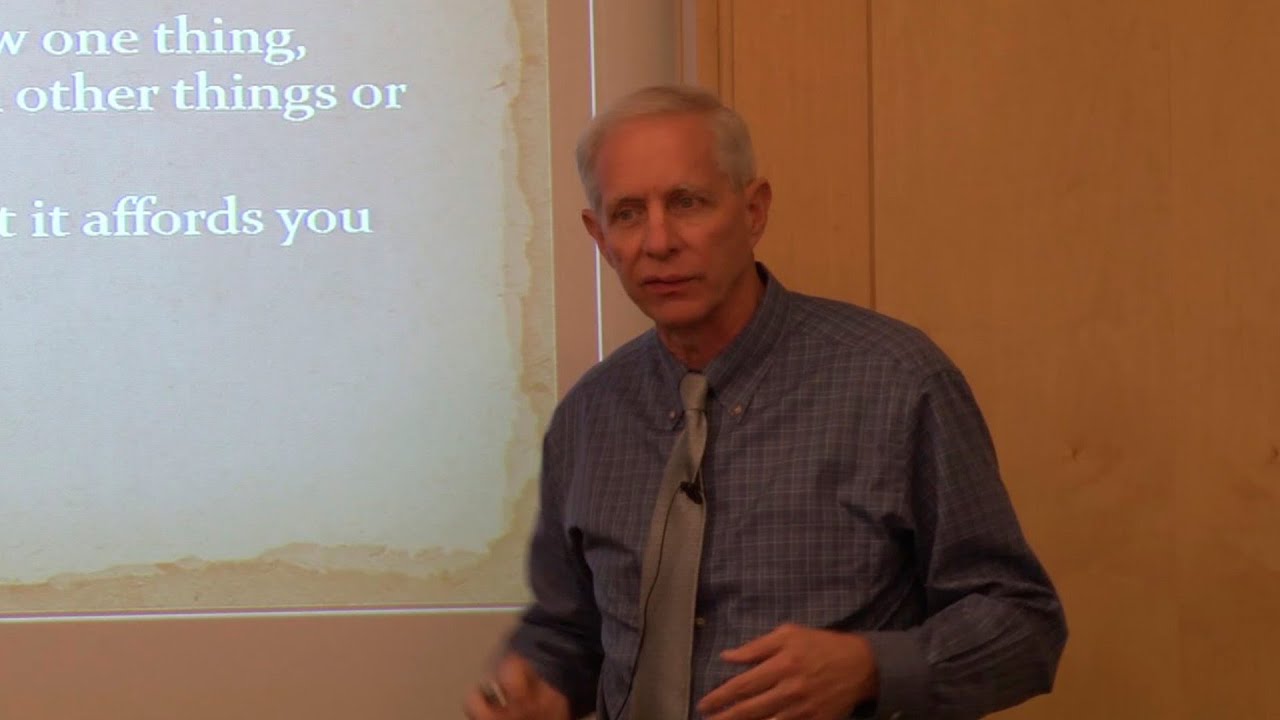









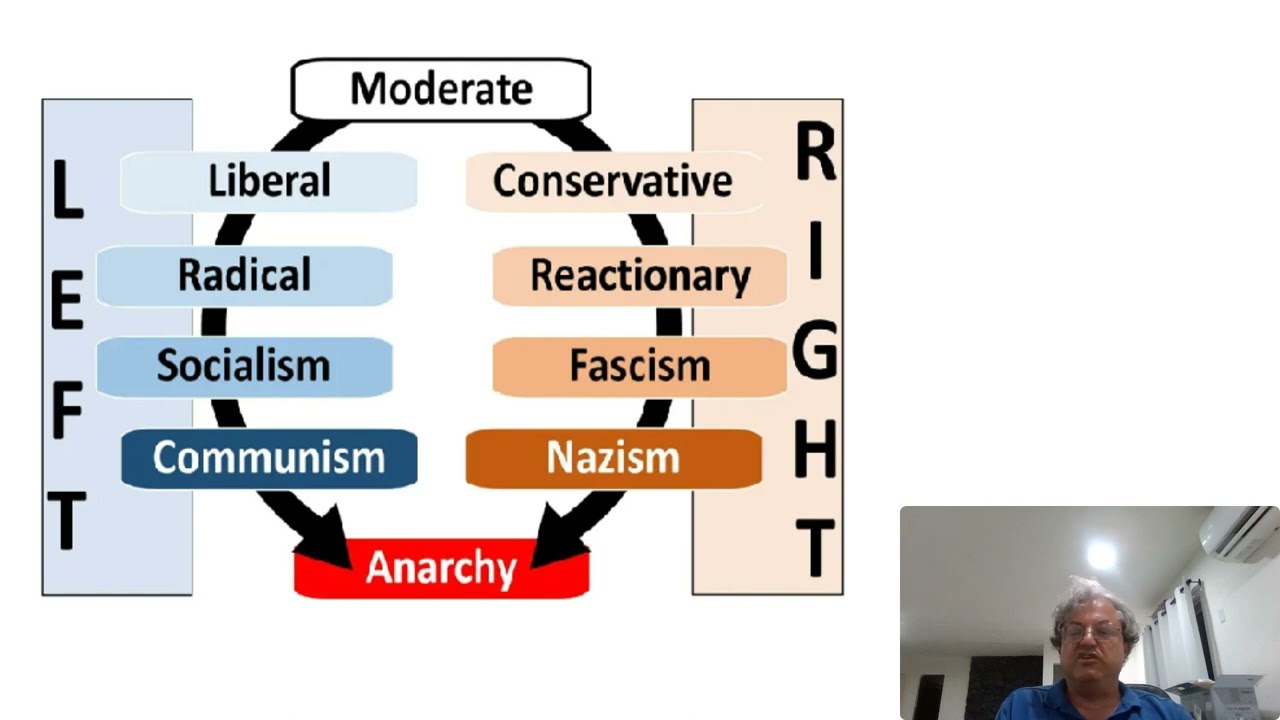


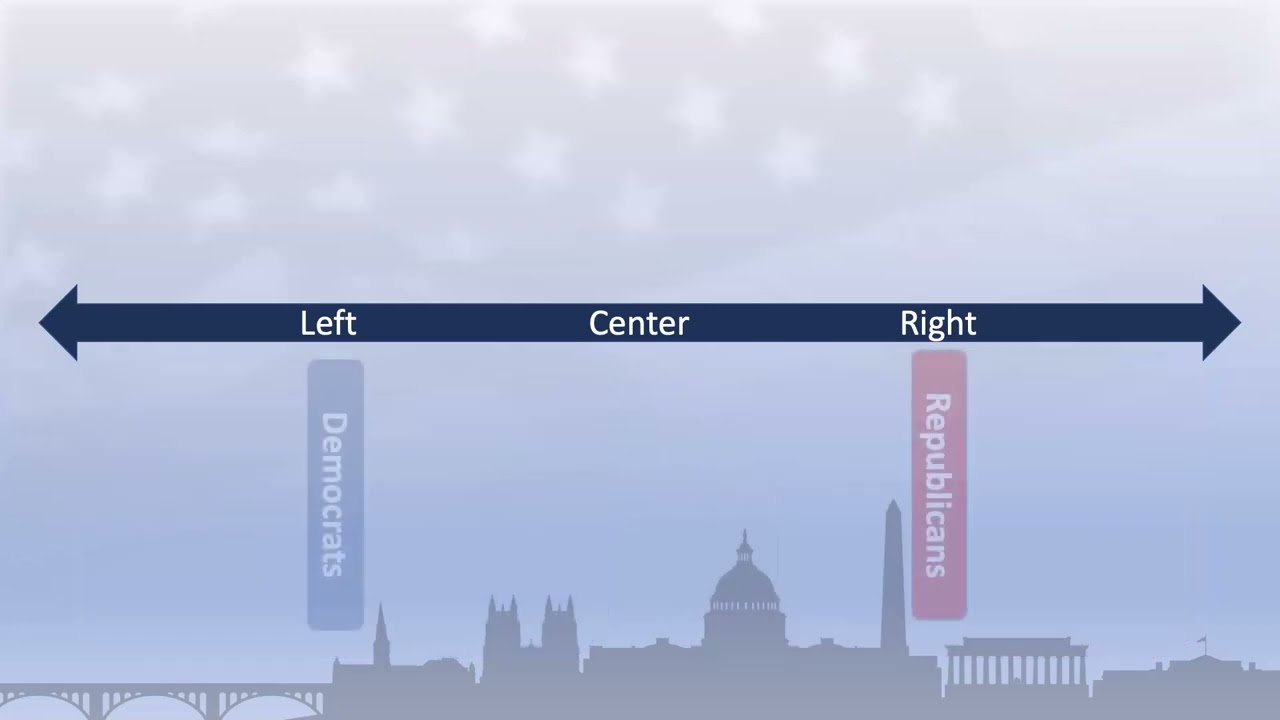







Political ideologies can be understood through two fundamental family models: the 'strict father model' (associated with conservative thought) emphasizes discipline, punishment, and self-reliance, viewing morality as stemming from internal discipline developed through punishment; and the 'nurturing parent model' (associated with progressive thought) emphasizes empathy, care, and community responsibility, viewing morality as stemming from caring relationships. These deep cognitive frameworks physically exist in the brain and shape how people unconsciously understand political issues, making effective political communication require appealing to these underlying conceptual structures rather than just presenting facts or policies.
George Lakoff: How to Frame the Debate | Cognitive Politics Explained
Added:Introduction to Cognitive Linguistics: Understanding how language structure relates to human cognition and conceptual systems.
The Concept of Conceptual Metaphor: Familiarity with the theory that metaphors shape our thought processes, not just our language.
Basic Communication Theory on Framing: Understanding how the presentation of information influences audience interpretation and decision-making.
Fundamentals of the American Political Spectrum: A basic grasp of progressive and conservative ideologies and their contrasting worldviews.
Lakoff's Moral Politics Model: Deep diving into the 'Strict Father' versus 'Nurturant Parent' family metaphors that underlie conservative and progressive moral systems.
Critical Discourse Analysis (CDA): Learning how to apply linguistic analysis techniques to modern political speeches, news media, and campaign advertisements.
Prospect Theory and Framing Effects: Exploring behavioral economics concepts regarding how choices are influenced by positive or negative framing.
Strategic Political Communication: Studying the practical application of moral framing in policy-making, public relations, and political campaign design.
47.9K views550likes59:35Original Release: 2012-07-18
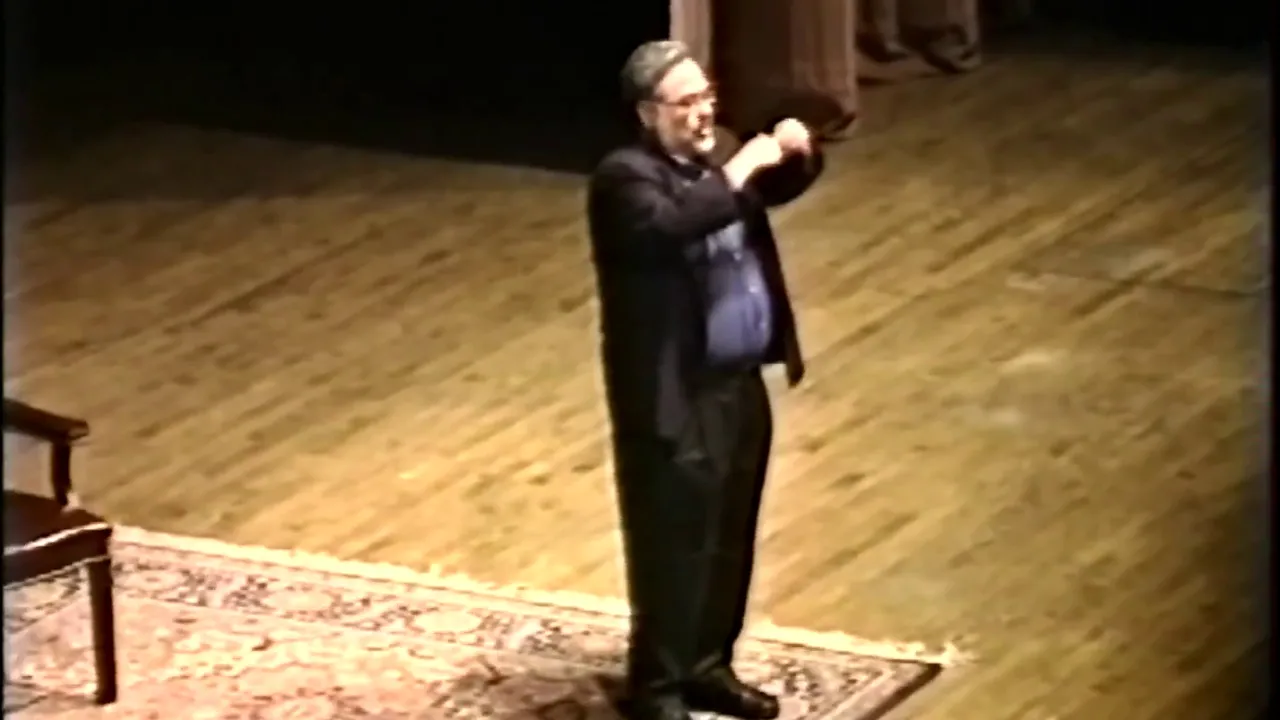
from Berkeley linguistics professor George Lake off he makes the case that conservatives are winning the language wars and maps out a guide for liberals on how they can improve their message thank you all for coming tonight the Commonwealth Club is an extraordinary institution and all the more important because we now have a crisis in public discourse in this country this crisis kind of began I would date it to 1971 when Lewis Powell just before he went on the Supreme Court nominated by Richard Nixon wrote a memo to the US Chamber of Commerce and in that memo he at the height of the Vietnam War said to the Chamber of Commerce we conservative businessmen have a problem the best and brightest of our students do not want to become conservative businessmen this is terrible we have to do something about it here's a plan we have to put our money together and endow professorships teaching our beliefs at major universities we have to start Institute's at major universities and support those that are there like the Hoover Institution at Stanford for example or the Olin Institute at Harvard but we can't depend on universities we have to start our own research institutions hence the Heritage Foundation and so on in addition he said what we need to do is fund these very well so that our scholars will have the best research facilities well-paid researchers and research assistants and in order to publish they're gonna have to have magazines journals and publishing companies that will publish their books and get them out there and we will also have to get media control because we're gonna have to get these ideas out there in the media and spend money on communications all right that was the plan he then went on the Supreme Court and the plan was taken up by William Simon Nixon secretary of the Treasury a father of the current William Simon and this plan has been carried out extraordinarily since then between 40 and 80 major think tanks have been built over the years on the right they have spent about three and a half billion dollars their current spending is about 400 million a year the spending ratio let's say of institutions on the right and institutions of a progressive nature is about 8 to 1 and the airtime they get is about 8 to 1 so money talks and about 80 percent of the talking heads on TV are conservatives that's not an accident there's a booking agency that books them there and the think tanks have facilities on the grounds where you can walk down the hall and go on TV or radio the booking agency knows every radio and TV station in America and has a list of experts on every issue and can get them on very quickly during the schiavo case they had 15 full time Booker's working 24/7 to get conservatives on TV you never saw any neuro scientists on TV at least I never saw any now what they've achieved is quite remarkable they have achieved the ability to frame public discourse their way and let me try to give you a sense of what framing is about let's take an issue coming up this week what is called lobbying reform quote-unquote there are a lot of in the Abramoff case there's a lot of responses we need to reform lobbying now mark Schmitt and his blog recently pointed out correctly that this is a frame that says the problem is lobbyists now lobbyists by themselves as he points out have no influence that is unless the legislators take the money from the lobbyists nothing happens right unless they do what the lobbyists want nothing happens all right so the lobby it's not the lobbyists who have to be reformed it's the Congress this is an issue of congressional integrity and the betrayal of public trust that is not discussed right now if you go on the airwaves you will hear as this develops lots about lobbying reform and nothing about congressional integrity yet that should be the issue discussed this is a simple case of framing what I'll call surface framing a case of one issue framed in one way where the consequences are given by the frame as soon as you say it's lobbying reform and are you for or against lobbying reform it doesn't matter if you're for or against I mean who would be against lobbying reform anyway you know it's the lobbyists who are the problem and that is what framing is about framing defines the problem framing limits what you can talk about it leaves out in this case the congressmen who take the money it leaves out what lobbying really is and which is has to do with campaigns and campaign contributions and so on all of that is not in there quite in the frame now how does this work how it is framing in general work how is it possible for public discourse to be framed particularly provide people from one political point of view it has to do with the way the brains work a frame is a conceptual structure and they're common they're not just about politics the notion of a bottle as a frame it's a small it's a container you can usually pick it up in your hand it usually contains liquid and a way to pour things in and pour things out and drink out of it and so on there's simple frame for an understanding of a bottle every word comes with a conceptual frame if you've learned the word then you know the frame and to know the frame means that it is physically in your brain you think with your brain how else well if you know something about neuroscience and neural computation and that's my job I'm a cognitive scientist that's part of what I do there are structures in the brain that characterize what these frames are and they get there through repetition by continual activation the synapses become stronger and stronger until they become permanent parts of your brain this is what has happened over the past 35 years and it's very important that we understand this it's not something that we will necessarily and a lot of the right-wing frames that have come about have become part of public not only public discourse but part of most people's brains physically let's take a common example from this week take the notion of strict constructionism which is going on in the alito trial right now there you have the idea of which is very interesting metaphors following the law as if the law was a path and you just go along it you have nothing to do with it you just go where the law tells you or Alito says he does what the law requires as if the law were an agent and he was not the law was requiring it not me he gives a narrow interpretation he does what the Constitution says now and it's almost as if the judge were a machine he applies the law the laws there he applies it he does what the law says just mechanically now this is a little strange after all he says he does what the law says but he wrote dissenting opinions opinions against what was taken to be the law you know it's very strange to say he would judge according to the law but he would presumably judge according to his dissenting opinions so there's a little bit funniness here but the funniness is in the very notion of a strict construction of the Constitution in order for any case to reach the Supreme Court it cannot fit normal categories if it's a straightforward case of theft a straightforward case of murder a straightforward case of embezzlement someone's caught they've got the evidence it never gets to the Supreme Court it fits the category no problem in order for a case to get to the Supreme Court it must not fit the categories that's the only way that can happen now when a judge gets a case that does not fit the categories the Supreme Court must extend or contract the categories to make it fit in some way whether they extend it in a broad interpretation or narrow it in a narrow interpretation they are changing the meaning of the words and when they change the meaning of the words they change the world because those are laws and they affect people and it doesn't matter whether they narrow it or broaden it they're going to change how the law applies and they will change what is legal and what is illegal there is no way that any Supreme Court of any kind can avoid doing that there is no such thing as the strict construction of the Constitution it is cognitively impossible ask any cognitive scientist now this is not out there in the public it is not discussed and it needs to be it definitely needs to be now let's take another issue Alito this week said he would not follow any agenda notice what you have is an agenda frame an agenda is a conscious list of of goals that you're trying to achieve it's consciously listed but agendas are not what's at issue here what's at issue is world view the question is how does this judge or any judge understand the world how is the world viewed by a gift a given person and world view is a rather remarkable thing a world view is something that again is part of your brain and it's usually unconscious you usually don't know you have one you think you're just using common sense but what cognitive scientists have realized is that there is no such thing as universal common sense since it doesn't exist everybody has frames and everybody has a worldview and they have different frames and it's the worldview which is in your brain and what's in your brain defines common sense let me tell you how I got on to this in the case of politics back in 1994 I out of public duty read the contract with America I think it's very important to read what people are writing who disagree with you which is why this this forum is so important and what I found was something that really befuddled me I had written a book on categorization and I found that I didn't understand the category conservative why well here was a list of positions here are people who are against abortion and for the flat tax what does abortion have to do with the flat tax therefore the flat tax and against environmental regulation what is one thing you have to do with another there against environmental regulation and for owning guns what is that do they have to do with each other and therefore tort reform what does that have to do with owning guns I didn't get it so I asked myself look I have the opposite views on all of these things what are my views have to do with each other and I got very embarrassed because I could not answer this question and this is my field I'm an academic I'm supposed to know about categories and so on and this was embarrassing I you know and I'm interested in politics I have strong views I couldn't explain my own views so however I realized that this was a problem in my discipline it's a cognitive science problem I study conceptual systems what conceptual system governs conservatives and what conceptual systems governs progresses I started doing research on it and the answer came from an interesting place from the conservative think tanks they knew the answer the answer was Family Values it turns out that we all have a metaphor that the nation is a family we speak of our founding fathers nobody says fathers why fathers right that's natural you speak of your founding founding fathers we send their sons and daughters to war they're our Daughters of the American Revolution we have a nation as family metaphor and we're not the only country that does theirs Mother Russia Mother India the fatherland it is normal to understand large social groups in terms of the most common social group the family so as a metaphor theorist what I did was i sat down and said okay what does this metaphor look like and I sat down worked it out in detail that's my job like we can write these down in informal terms and when I did what Amer I asked myself the question well if you have two different notions of the nation maybe there are two different notions of the family so I work backwards I took the different political positions and I said what notion of the family would map onto these and out popped two notions of the family and idealized notions a strict father family and a nurturing parent family and then later on I found out in fact that the strict father family was just what James Dobson was teaching as Chowdhury james dobson for those of you who aren't aware of it is the head of Focus on the Family he is the most popular columnist in America his column is in more newspapers than anyone he's on 3000 radio stations and so many people right away for his books and pamphlets that he needs his own zip code his classic book is dare to discipline now here's how it works there is an idealized model of the family and I want to say these are idealized it's not the case that every family works exactly this way these are this is an idealized model and it goes like this you need a strict father because there's evil out there in the world and he's got to protect you from evil he's got to be strong enough to do that you need a strict father because this competition in the world and there will always be winners and losers and in order to support the family he's got to be a winner not a loser you need a strict father because kids are born bad they just want to do it feels good not what's right you need a strict father who knows right and wrong who's a moral authority you can teach kids right from wrong and there's only one way to do that as Dobson points out punishment when they do wrong punishment painful enough so that they will have an incentive to do right and not wrong and develop internal discipline on the basis of physical discipline so that if they developed the internal discipline they will become moral beings and the assumption is that's the only way to create moral beings the in crude by the way he's a liberal on this and you have more than other folks in his in the Christian Coalition he believes that it is there's no reason whatever to ever hit a child below the age of fifteen months now if you develop the right discipline to be a moral being there's another part of the logic because that gives you the discipline to seek yourself interest and become prosperous so prosperity and morality are both tied to internal discipline and there's a logic here if you are not prosperous you don't have the discipline to be prosperous which means you don't have the discipline to be moral and so you deserve your poverty hey think about what this says about social programs it says social programs are immoral why they're immoral because they give people things they haven't earned if they give if you give someone something they have an earned that takes away the incentive to be disciplined and therefore the incentive to earn a living and to be moral and therefore all social programs are immoral and should be abolished and that is part of conservative social thought it's a very important part and there's a very important piece of this that is you're supposed to follow your self-interest and Dobson is clear about this this is connected to free-market capitalism what Adam Smith said was that if everybody seeks their own profit the profit of all will be maximized as a law of nature by the invisible ant and this is applied to self-interest here if everyone seeks their self-interest the self-interest of all will be maximized by the invisible hand is a law of nature and therefore it's good because when you see cure self-interest you're helping everybody else you're maximizing everybody else's self-interest and who's hurting people the people who get in the way of the good people seeking their self-interest the people who are not seeking their own self-interest but are trying to help others they are called do-gooders hey you know any do they're getting in the way of people seeking their self-interest now the logic applied to politics and economics is very clear what is it that allows what mechanism allows this the free market what interferes with it one government regulation two taxes which you know which would take away the incentive to you know make more money if you're going to pay a high tax rate well that takes away incentive so that interferes and three the civil justice system the ability to sue and to have civil suits against fake corporations that do harm to the public okay these are three mechanisms to be gotten rid of and that is central to conservative policy another part of the strict father model is that when a child learns this discipline they grow up they become adults then they are free they can go on to be on their own the strict father can no longer meddle in their lives they can maybe protect them or help them in some way but they can't meddle and tell them what to do because you become your own strict father's or your own strict mother's okay this is important and very important part of the whole idea of strict father morality and it works like that and it comes with certain other ideas one is the notion of a moral authority a moral authority is the father who knows right from wrong who has the power to punish and the power to tell you what to do and that's good because he's moral morality and power should go together and there's a hierarchy of that the way to tell who is most moral is to look at traditional forms of power so you have God above man man above nature man above nature very important adults above children Western culture above non Western culture America above other nations and that's part of general conservative and then you get a bigoted extension that is an extension to men above women whites above non-whites Christians above non-christians straights above gays and that is what I'll call the moral order and it's a very important part of conservative thought at least the first part of it is general conservative thought and then you get the not-so-nice extensions of it now the other model is what I'll call a nurturing parent model and it says that your job is to nurture your children and to raise your children to be nurturers of others and nurturance is two things empathy you have to know what your children need you have to feel what they feel and responsibility you have to take care of yourself you can't take care of anybody else if you're not taking care of yourself and you have to be responsible for the people you're responsible for you have to be responsible to raise children and you teach your children to empathize care about other people to be responsible for themselves and to have social responsibility responsibility for others that's the heart of a nurturer and parent family and it has consequences and those consequences define what progressive morality is the central ideas are empathy and responsibility and then protection you care about your child you want to protect your child and so we have in progressive thought notions like Environmental Protection worker protection consumer protection safety nets and then other ideas like fulfillment in life if you're going to be fulfilled in life then you need to be free so freedom is a value if you're going to be free you need opportunity and if it's in order to be opportunity there has to be general prosperity these are all progressive values you live in a community what kind you don't want a strict father community where somebody tells you what to do or else you want a community where you have leaders who care about people and people who care about each other and are responsible to each other serve the community right that's the kind of community you want to live in those are the progressive values and that's it they come directly out of a nurturing parent family so what you have are two very important models and what's interesting is we all have both of them if you live in this society you know of both models you may not actively live both of them so you might be nurturing in everything you do but if you can walk into an Arnold Schwarzenegger movie and understand it you have a strict father model and it's and the same thing goes for conservatives who might be conservative in everything they do if they can turn on the TV and watch a sitcom of the appropriate sort or watch Oprah and understand it not agree with it but understand it they at least have a passive model used for understanding what's interesting is what I call by conceptual people have both models in in different parts of their life Ronald Reagan realized that what he would have come to be called the Reagan Democrats were blue-collar workers who were strict fathers at home but nurturing in their union politics and what he did was use metaphors for the home from the home to talk about politics this is very important that he understood that and Republicans since then have understood that the people who are quote in the middle in this country in terms of voters are what are by conceptual and there is not a linear line they can be people who are nurturing about the environment and conservative about everything else or nurturing on social issues but you know conservative on financial issues or the reverse there are lots of combinations and you see them all around you but that's what their combinations of and it's important to understand that now these define your worldview they are part of your the way that you think and as Joe was saying earlier they things that appear to be logically contradictory are not contradictory within one of those frames so how can you be pro-life and for the death penalty very very clear in a strict father worldview punishment is required its moral you must punish accordingly someone kill somebody you have to punish them that's it pro-life is very interesting because they're not really pro-life and that's that's a very important thing to understand conservatives are not worried let's say about infant mortality they're not worried about infant healthcare or starvation or anything like that they're only concerned about issues of abortion or why well there are a couple of interesting reasons about that think of the strict father family who is Kineton abortion either a daughter or a wife who should be in control of that the father right and in fact we have you know Alito saying that there should be husbands agreeing to abortion and so on that this and there's parental notification which was on the ballot in California that is these are very clear cases where the issue is not just abortion per se abortion is symbolic of strict father morality which is the basis of all conservative thought what about what they would call gay marriage what I would call freedom to marry the issue that they call gay marriage why do they call it gay marriage because it evokes the image of gay sex hey that's why they call it that that's why they named it that issue anytime you use that word you're going to be helping them this is not it's important to talk about freedom to marry because this is a freedom issue but when they talk about quote-unquote gay marriage what are they doing they are appealing to people who have a strict father morality because this contradicts it in a strict father model of the family the parents can't be gay there has to be a father and there has to be a mommy who supports them who isn't able to to protect who isn't able to support who isn't strict enough to teach the kids right from wrong right so it is a gendered model and that's very very important to understand now framing is not framing is about ideas and ideas like that and by the way in the case of the Alito trial the issue is world view not agenda he is going to come to every decision from a conservative worldview unconscious he might even not know he has it but he says I will be open he can't be open because he's gonna be using his physical brain and his physical brain is structured along these lines that is the issue here not a particular political agenda or conscious list but the way that people think unconsciously deeply it's the deep issues that matter I want to say a couple of things one about Katrina the Democrats who said that this was a matter of failure of the Bush administration didn't really get it right it was a failure of the Bush administration but that wasn't the issue and of course that led to the idea that the the conservative said well this is just the failure of government that shows government doesn't work but really shows conservative government doesn't work what it shows is really that it was a failure of political philosophy if tragedy of Katrina could have been avoided why did the levees break they weren't fixed why weren't they fixed the money was taken away what did the money go to the war in Iraq and the tax cuts one what about hurricane warnings and preparedness people who study global warming pointed out that the temperature of the Gulf had risen considerably enough to produce many level four five plus four and five hurricanes and that they would be hitting around New Orleans because the administration doesn't want to admit the existence of global warming they're gonna lot look at the consequences of it third FEMA was taken out of the cabinet by Bush and he appointed to the head of FEMA first Joseph Alba who was one of his campaign officials and Alba went before the Appropriations Committee and asked to have his budget cut if you ever heard I've never heard this before right and what he said was that FEMA was an entitlement that should be gotten rid of that FEMA should be the last resort not the first resort that it was the community's responsibility individual responsibility right and that FEMA should come in later this had to do with a failure of political philosophy in general it was not just a failure of the Bush administration or of Michael Brown or any particular individual is a failure of a worldview that was never said and it's crucial that it be said I want to talk a little bit about freedom and in this I think it's important to recognize something about the history of the country and in this regard let me say one more thing about Katrina Katrina had to do with the deep frames behind the administration's positions and those deep frames include the idea that the government doesn't work that it's private industry and the free market unconstrained unrestricted that his good you should privatize as much as possible and that it's individual initiative that made the country great not public initiative that it's individual responsibility that matters it's the localities that should take bear the burden here not others and that everybody can pull themselves up by their bootstraps that you it's your money you know you can spend it better than the government can therefore they have a set of arguments which if part of people's brains can be used for private accounts privatization of Social Security and retirement it can be used against environmentalist positions it can be used in case after case after case it is not just one issue it's a set of things that goes across all issues there's an implicit idea on the progressive side that is not used and its idea that has everything to do with the notion of the Commonwealth Club it's the idea that we put our Commonwealth together for the common good to build an infrastructure that everybody can use that helps every individual achieve their goals for example highways you can't get it with your tax refund sorry you can't build your own highways he may be Bill Gates or somebody can but most people can the internet was developed with taxpayers money the courts you want to have contracts you have to have a court system paid for out of the Commonwealth the banking system is backed up by the government paid for by the Commonwealth the stock market has the SEC paid for by the Commonwealth the public education system paid for by the Commonwealth there was a reason why states used to be called Commonwealth's the Commonwealth of Massachusetts the Commonwealth of Virginia of Pennsylvania because they used the Commonwealth for the common good to build infrastructure that individuals couldn't do and that helped everybody now if someone makes a great deal of money off of that infrastructure they ever they should be paying back to it that's what taxes are about and that's what progressive taxation is about if you get great wealth out of using the Commonwealth you should pay that back and the person who has written most about this is Bill Gates senior and and Warren Warren Buffett said something interesting said if you drop me in the middle of Bangladesh 30 years ago I'd still be impoverished because they didn't have a banking system or stock market now let me finish up with something about freedom this has always been a progressive country and the way that you tell this is by looking at the way ideas have been extended over time and applauded because they've been extended that way take voting rights when this country was founded the only people who could vote was white male property owners then they slowly got rid of the property owning parts then they admitted slaves they admitted women etc the Voting Rights Act admitted other people we have gradually extended voting rights over a period of time and it's been hailed as wonderful what else public education started out with small school houses and extended to high schools colleges graduate schools etc civil rights have been extended further and further and further protections whether they are of any of all sorts worker protections we used to have slavery then we had sweatshops and then unions were able to get the five-day week the eight-hour day you know paid vacations parental leave and so on they have extended public health has been extended the media's be extended for free speech opportunity has been extended those are progressive values and they are the values that were there at the beginning and extended because they were there at the beginning and the activism was an activist public that's what extended those ideas now what conservatives are trying to do and the reason they concentrate the founding fathers is they want to go back and undo those they want to undo those and each of those things has to do with freedom voting rights is freedom from tyranny public education is freedom from ignorance and access to knowledge where knowledge is power civil rights freedom to participate in society protections freedom from fear opportunity freedom from want workers rights freedom from exploitation public health freedom from the ravages of disease media extension freedom of speech these are freedoms and they have been extended over time and that is what we stand to lose right now thank you [Applause] our thanks to Professor Lake off for his comments tonight and now it's time for the question and answer portion of our program as promised let me sort of give this disclaimer ahead of time I'm recognizing the same handwriting on several of these cards so I'm sure that some of you wrote more than one question which is great and I think it's wonderful I'm gonna apologize in advance we have a full house tonight we have a time limit that I have to stick to rigidly because we're also on the air on radio right now we have to just try and stay with that so I can't probably do everybody's questions but I have made an effort to group some of these where there are areas of similarity and if the questions were similar I'm trying to do that as much as possible but if we don't get to your question tonight I apologize for that and do the best that I can with this so professor Lake off I think I'll actually start with some questions because with from the biggest pile that it seemed to get which had to do with the Democrats yes since that was I think a topic of the last book about the don't think of an elephant and here are a couple of questions well we'll start with this one member of the audience wrote although Howard Dean wrote the foreword to this book I think on a leadership of the Democratic Party it has failed is consistently failed to offer articulate a compelling alternative vision to the country what's it going to take for the Democrats for example discontinuing the media fund after the 2002 election what will it take for Democrats to articulate a vision differently notice the framing of the question it assumes that is up to the Democrats and not up to you what it will take is the grassroots public progressives out there in front and it will take institutions like just as they have their think tanks we have institutions that we're developing Rockridge being one of them which is not about the Democrats but it's about progressives and moderate Republicans independents who are have progressive thoughts but the point is that the assumption is that is up to the political leaders if you look at what George Bush says he doesn't say anything that hasn't been said a thousand times before that is they have a system that gets the word out by other people first they see what gets accepted what works and then which comes out and says what he has to say it is wrong to assume that the politic political leaders are going to be able to come into a linguistic vacuum and a conceptual vacuum and just say some thought that you've never thought of before and that people won't quite understand it's got to be said over and over and that means that we need an informed progressive public and saying these things one of the reasons that we are working at at Rock Ridge as a progressive think tank is to get this out we're going to be putting out a progressive handbook and an online manual to help think through these issues and to help provide language and to help organize such groups but it's important to say that it is not just up to the party now the party has constraints and there are problems their first constraint the people who are your people in Congress and in the Senate who I think I've now met many of them and I like them I think they're better than their votes in many cases that is in there are cases where they vote out of expediency and compromise and so on and I think they're afraid they're afraid because there isn't a voice out there behind them that when they say something there's no echo chamber saying yes they need that and they need a voice out there they don't want to be hung out alone and they shouldn't be okay in addition they are under pressure Newt Gingrich did something very smart he had a bill that cut congressional staffs as saving saving the public's money right well what that meant was he was really cutting the Democratic staffs because the Republicans had forty think tanks at the time for their staffs and lobbyists helping them to write legislation right so here what happened what you have and then they change the rules so when they present legislation they can do it you know they don't have to show the Democrats anything they just put it out in the morning and there's no staff there to go through it every day the Democrats are fighting a defensive battle and this which is terrible now the other thing is that they they have a war room but it's always on the defensive it is not a war room that says we're gonna say positive things over the next three months that this this this and this stages it's on the defense they don't have big because they're going from election to election and issue to issue they don't have that sort of thing there because they depend on pollsters pollsters go issue by issue and therefore what happens is they think issue by issue they don't think over the full range of issues and over there deep values then there's another problem when they come up with they say we want to come up with a democratic agenda a democratic vision they have to have something that everyone will agree with instead of people sort of going up a level and looking at the general values what happens is everybody comes in and says well I don't believe that you got to change it this way this way and what you get is something written by committee and that it sounds blah if you go and look at what the War Room and the DNC was putting out is America can do better was their slogan I mean it's like you know yeah we're not quite as bad as the other guys well George if you if I may can I jump in on another question in off that last point one of our audience members asked maybe because it speaks to your major point tonight about framing this question since you're on now talking about the message of the party how does the concept of framing in your mind differ from those of the idea of message in the battle for public opinion issues that the Democratic Party has longed by your own admission struggled with how its framing different from the message utterly different the strict father and nurturing parent models frame your values they framed the way you understand what what it is to be governed they understand your moral values the idea of using the Commonwealth for the common good is a political principle that is a deep frame as opposed to a surface frame a surface frame goes along with words and slogans words and slogans don't help by themselves they have to be hung upon the deep frames and the deep values what you have to change are those and those are the things you have to get out there so framing is not just messaging I mean messaging requires surface frames but they are of no use unless you get the deep frames out right okay bridging from broader labels and Democrats I suppose and Republicans to labels like conservatives progressives and liberals this question from the audience conservatives who are in this person's opinion more accurately called radicals it appeared to have very focused messages that support a largely common agenda while progressives are all over the map and tried to address the complexity of our world how can progressives I guess this will speak to your point about framing touch the hearts and minds with a broader public without an exponentially greater degree of focus and and passion they need that exponentially greater degree of focus and the way to do it is by focusing on the moral values on empathy responsibility you know and what follows from that protection opportunity community and all those values that is what is crucial focus on the moral values now there are if you ask what kinds of progressives are there there are six modes of progressive thought one socio-economic progressives who think that everything is a matter of money and class and a lot of things are by the way they're all correct all modes of thought are correct it's just that there's special cases there's the there are identity politics progressives who say are oppressed group should get its chance now and they're right you should in addition there are green progressives who say this is a matter of sustainability and sacredness of the earth their right to the civil libertarian progressives who say we have to protect our civil liberties their right the spiritual progressives spiritual progressives who view God not as a strict father but as a nurturer and parent who is out there giving unconditional love and offering grace to people that and and where spiritual practices community service their right to and the anti-authoritarian progressives who say we have to fight against illegitimate uses of authority throughout our society they're all right and they're all special cases of nurture and morality that's what they don't see each of them thinks they are the true progressives and that the other guys are wrong that's a disaster and we have to learn to overcome it okay staying with that for a moment and now not thinking in terms of how liberals or progressives might communicate with the general public but rather how they might talk to people who share opposite points of view apropos of your point about that this question this is probably a fairly liberal audience tonight what's the best way for you and us to effectively communicate with others who are more conservative for example professor lake off what would you sound like tonight if you were giving your speech in front of James Dobson I give the same speech and I'd tell him exactly what I thought but I wouldn't try to convince him of anything because I don't think he's convincing however the people who are convinced about are those who are what I'll call the by conceptual hsihu are who have strict father views in some parts of their lives and nurturance views and others and this is a very very deep point the way that people identify themselves has to do with certain views that they have and many people who are conservative on a lot of issues actually identify themselves in a deep way with progressive positions for example throughout the Midwest I lived in the Midwest for some years one of the things that struck me is that conservatives in the Midwest tend to like progressive communities they want nurturing communities they they don't want leaders who tell them what to do and you know or else they want leaders who care about them who are responsible they want to live in a community where people care about each other are responsible for each other who do community service they want nurturing communities you can talk to people about that since there are a lot of people who conservative many things but love the land they're basically environmentalist that they wouldn't call themselves that but who aren't they they're hunters they're fishermen who would like to be able to eat their fish but in 48 states they now can't and there are people who like to take their kids camping and take their families hiking in the national parks who want to preserve land who want to conserve resources these are people who love the land in this country and that is a nurturing position and there are people who are concerned about their children's education and public education in the same way and public health who identify with their bodies and their health and their children's health there are many things that you can talk to conservatives about because most conservatives are not total conservatives what we have for the first time in this country is an attempt to make every everybody a total conservative on every issue but it's not their what you want to do is find out where their progressive heart is and you ask a conservative what do you care about how do you do service toward that why do you care what are you proud of in doing that and so on and you get a conversation going about the part of their lives where they share your values if I make George a quick question on that now I've noticed in our discussion this evening that you've tended to refer to that side of the this side of the audience is progressive and you I haven't heard you use the word liberal very often which seem to become a bad word in the 88 campaign when President Bush's father made it into a three syllable word I guess liberal but yeah was that a frame as well and has that an intentional non use of a frame on your part yes very intentional first of all the Center for American Progress did a survey before it chose its name and it found that people were in favor of progressives and most people didn't like liberals all right now what's interesting of course is that liberals have been branded by the far-right but they've also been branded by the far left so what you find for example on the far right is limousine liberals and latte liberals namely this has to do with populism and right-wing populism that Thomas Frank wrote about and what's the matter with Kansas on the far left you have neoliberal economics which has to do with globalization and you have the so-called liberal foreign policy that occurred with the Johnson administration during the Vietnam War right so many people on the far left see themselves as anti liberal at all and the word liberal has been to come associated with those things so until there is an attempt a serious attempt to revive liberalism in some way which would take a lot of work the word progressive is is usually favorable so favorable that there are conservatives who want to call themselves Progressive Conservatives alright bridging from this sort of the broader discussion about the groups a contemporary sort of question out of the news from today since you used this example about judge Alito and and the nomination hearings in the Senate this question from a listener and by the way for those of you in the radio audience you're listening to the Commonwealth Club of California radio program tonight's speakers UC Berkeley linguistics professor that's the University of California we don't have to Berkeley in there that's the only true one linguistic professor George lay cough sorry for those of you from Stanford alright the question is this what one question would you have asked Sam Alito given your points about worldview if you were in the hearing today to elicit his worldview that's a very very interesting question I think I would ask him the following question there are many questions I could ask I mean do you really believe that everyone can pull themselves up by their bootstraps and what about the forty-five million people who have no health care right now what about those people who do work for which they're not paid very much but support the lifestyles of the top three quarters of this country those forty five million people cannot just all of a sudden pull themselves up by the bootstraps all at once no way some can but not all because who would do those jobs at those wages we have an economy that drives down the cost of labor and that economy has created a cheap labor trap you know how do you think about the cheap labor trap what do you think about it and do you really think that those 45 million people can all pull themselves up by the bootstraps and who would do those jobs at those wages okay staying with judge Alito just for a moment but now bridging perhaps into essential issue in the confirmation hearings and that of course being the question about abortion reproductive rights question of choice as well this question from one of them audience members can you recommend a better way of framing or a frame on the question of abortion the abortion issue other than pro-choice and if so what would that be absolutely we cannot let them have life life is a progressive value it's our value how do you start we start with infant mortality we have one of the highest rates of infant mortality in the industrialized the world the highest rate in the industrialized world why because of conservative politics because there are no funds for the things that other countries provide funds for prenatal care postnatal care health insurance for children making sure all children are well fed it's conservatives who are killing babies one two you should think about the number 25,000 because that is the number of women who get pregnant from rape each year 25,000 all over America should they be forced to bear the children of their rapists and if the answer is no there's a consequence you have to have facilities for them everywhere in the country with trained doctors and easy accessibility right that's another thing also what about unwanted pregnancies nobody wants unwanted pregnancies that's why they're called unwanted and how do they get there they get there because of a lack of sex education and they get there because of a lack of facilities and a lack of family planning facilities and we need to provide those in our schools and throughout the country right that's how I would answer it okay I'm afraid that that's all the time we have for questions tonight my apologies for not doing more but again our special thanks to George Lake off if you're listening on the radio this is the Commonwealth Club our guest tonight has been the University of California professor of linguistics and the senior fellow at the rock which Institute George lay cough he is the author by the way of don't think of an elephant here's a copy of the book we'd also like to thank our audiences here live and on the radio and my name is Joe Tumen and now on behalf of the Commonwealth Club of California celebrating more than a century of enlightened discussion like this tonight I thank you all and I join the meeting [Applause] thank you all for coming we'll be doing a book signing and we'll have mr. Laycock dr. Leacock sitting right here if you want your book sign please line up through that aisle that George Lake off is a linguistics professor at the University of California Berkeley don't think of an elephant is published by Chelsea Greene visit Chelsea green.com for more information
Up Next

63:19
The Political Mind: George Lakoff on Cognitive Science and Politics
@talksatgoogle
37.1K views•2008-06-13

24:30
BRICS Pay and de-dollarization: A New Financial Order Emerges? | 55 chars
@DannyHaiphongYT
164.6K views•2024-10-22
7:33
Government Surveillance Methods: 10 Ways You May Be Watched
@BeAmazed
1.6M views•2017-04-09
10:19
Explaining the Saudi-Iranian Proxy Conflict in the Middle East
@Vox
18.2M views•2017-07-17
Related Study Plans & Knowledge Roadmaps
Structured learning paths in Political Science
political-science
Economic Statecraft: Sanctions & Chokepoints
01Foundations of Geoeconomics and Economic Statecraft
02The Mechanics of Weaponized Interdependence
03International Sanctions: Types, Implementation, and Efficacy
+ 2 more learning modules
12h5 modules
Explore Roadmap
political-science
Central Bank Independence: Politics & Policy
01Foundations of Central Banking and Monetary Policy
02The Time Inconsistency Problem & Inflation Bias
03The Delegation Model and Designing Independence
+ 2 more learning modules
12h5 modules
Explore Roadmap
political-science
Consociationalism: Power-Sharing & Stability
01Democratic Dilemmas in Divided Societies
02Introduction to Consociational Democracy
03The Four Pillars of Consociational Design
+ 2 more learning modules
12h5 modules
Explore Roadmap
political-science
Rebel Governance: Legitimacy, Economy & State
01Foundations of Rebel Governance and Statehood
02Establishing Political Legitimacy and the Rebel Social Contract
03Wartime Economies and Rebel Resource Management
+ 2 more learning modules
14h5 modules
Explore Roadmap