













![[황장수의 주말진단]수꼴·개딸 좌우 정치 맹종 집단 / 의학적 동일한 뇌 반응, 최면 정신병?(2025.08.31)](https://i.ytimg.com/vi/OqKl9m2xYkE/maxresdefault.jpg)



George Lakoff explains that American politics cannot be understood through Enlightenment-era rationalism because modern political reasoning operates through cognitive frames and metaphors rooted in family models. He identifies two primary political worldviews: the 'strict father' model (emphasizing discipline, self-reliance, and limited government) and the 'nurturing parent' model (emphasizing care, protection, and collective welfare). These mental frameworks, shaped by early childhood experiences and neural development, explain why people vote against their own economic interests and why political discourse often fails to communicate across ideological lines.
The Political Mind: George Lakoff on Cognitive Science and Politics
Added:The basic principles of Enlightenment philosophy, particularly the concept of 'Rational Choice Theory' which posits that humans make logical, conscious decisions based on objective facts.
Introduction to cognitive linguistics and Conceptual Metaphor Theory, specifically how metaphors are cognitive structures that shape our everyday understanding of the world.
An understanding of basic political ideologies in modern American politics, specifically the general divides between progressive (liberal) and conservative views.
Fundamental psychological concepts related to cognitive bias, such as confirmation bias and how pre-existing mental schemas influence information processing.
Analyzing George Lakoff's 'Strict Father' versus 'Nurturing Parent' family models to explain the moral differences between conservative and progressive political worldview structures.
The practical application of strategic framing in political campaigns, media manipulation, and public relations (e.g., analyzing terms like 'tax relief' versus 'social investment').
Exploring neuropolitics and advanced cognitive science research, such as how fMRI scans reveal different neural responses to political stimuli in partisans.
Examining academic critiques of Lakoff's theories, such as Steven Pinker's criticisms of cognitive metaphor theory or political scientists who argue that material interests override linguistic framing.
37.1K views400likes1:03:19Original Release: 2008-06-13
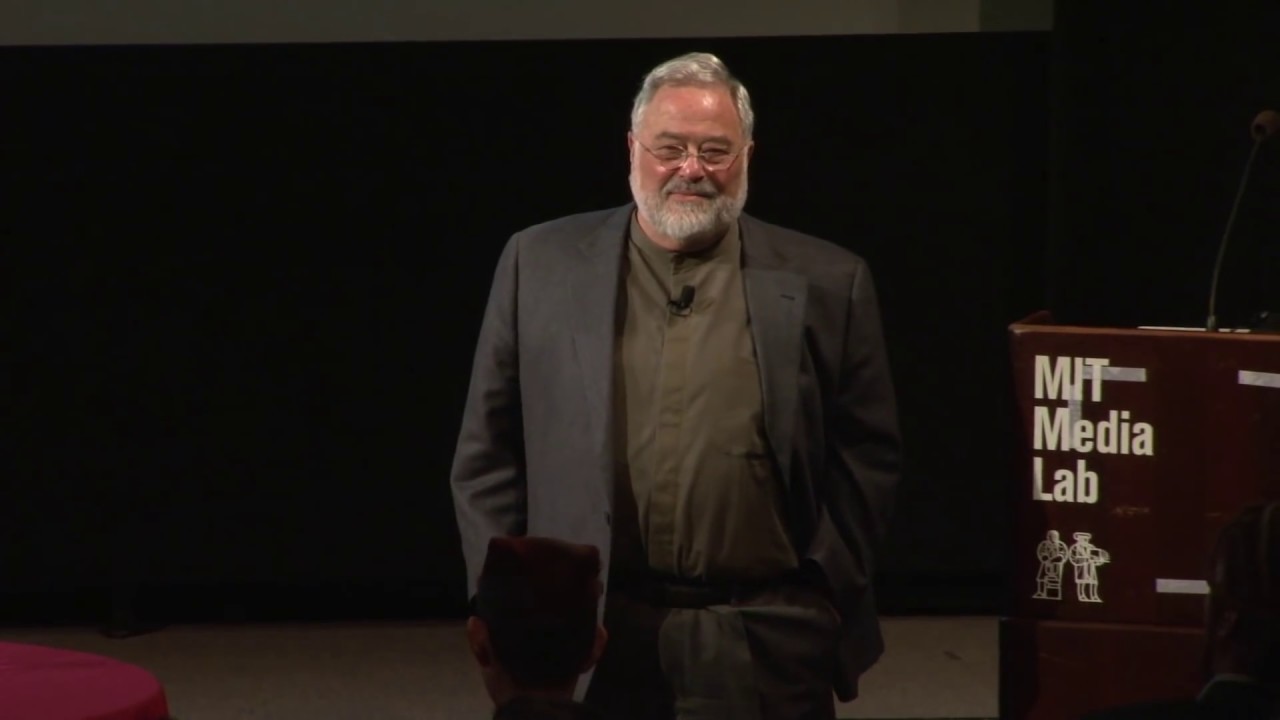
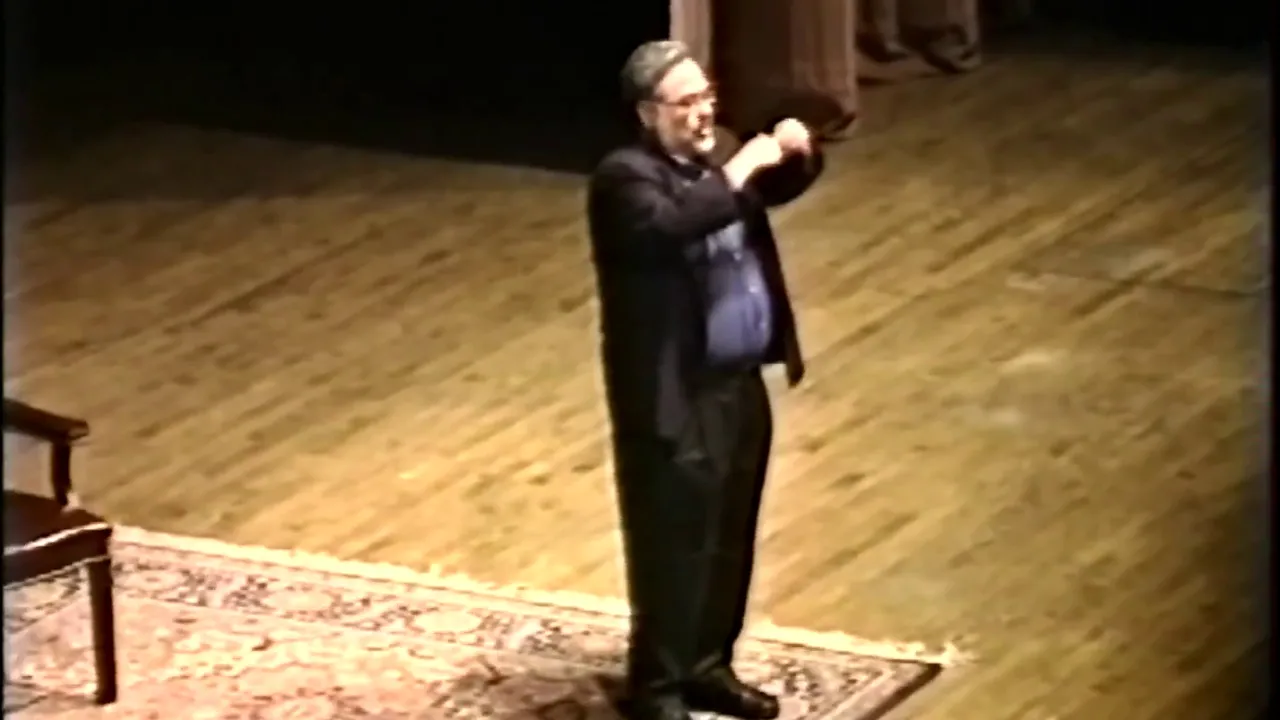
hi welcome to another authors at Google Talk here in New York City it's my great pleasure today to introduce you to Professor George Lakoff whose new book the political mind why you can't understand 21st century politics with an 18th century brain has just been published I'm assuming it's not because the 18th century brain is in a jar somewhere professor lake offers an MIT graduate which I'm sure will please some people here he's applied his work in cognitive linguistics to literature philosophy mathematics and most famously to politics in publishing moral politics don't think of an elephant and whose freedom the battle over America's most important idea in his new book he discusses why Americans vote against their best interests and here to tell us something about that professor George Lakoff I thank you all for coming and hi to everybody wherever you are out there and to friends in California I want to tell you something first a little bit about the title of the book why the discussion of the 18th century brain this country was founded on the basis of enlightenment principles in politics enlightenment principles like freedom equality democracy and so on along with those principles came a theory of mind which at the time was really great it came out of Descartes and it was displaced of sort of more superstitious theories of mind however that theory of mind doesn't work as well in real life as Descartes thought but it's still around and let me go over the properties of the Enlightenment mind which is still there in for many people according to Enlightenment reason the reason they're supposed to be conscious you're supposed to know what you're thinking I think therefore I am right it's supposed to be dispassionate emotion is supposed to get in the way of reason it's supposed to be literal applying directly to the world it's supposed to be logical if you give someone in the facts they should be able to reason to the right conclusion it's supposed to be disembodied it's supposed to be based on self-interest that is the reason you have reason is to pursue your self-interest and it's supposed to be universal everybody's supposed to reason in the same way after 30 years of neuroscience and cognitive science we know that every one of those is false every single one the conscious part first turns out that about 98% of your thought of your reason is unconscious it's what your brain is doing that is below the level of consciousness and there's a lot that your brain is doing below the level of consciousness and your conscious reason your conscious thinking is actually based on what's unconscious and we found lots of ways of studying what's called the cognitive unconscious in great detail let's take the dispassionate part emotions supposed to get in the way of reason according to enlightenment thinking and sometimes it does but actually a lot of other things have been discovered in neuroscience there's a marvelous book called des cartes error by Antonio Damasio Tony DiMaggio is one of our great neuroscientists what he discovered was that there are certain patients with strokes and other brain damage who lose the ability to feel emotion that that part of their brain is gone what happens when you lose the ability to feel emotion do you become like mr. Spock super rational it turns out the opposite is true you can't be rational at all what happens is this and you can see why suppose you had such brain damage you couldn't feel any emotion how would you know what to want oh you know would you feel happy or bad about getting what you want or nothing how would other people feel if you couldn't tell other people's emotions you wouldn't know if they'd be angry at you or happy with you and it turns out that people who have such brain injuries have a terrible time making decisions and they have a terrible time functioning in the world they can't function rationally at all and there's a very good reason for this it also has to do with something about the nature of the brain amazingly enough you think with your brains not with your computers but with your brains and anything you understand about your computers has to come through your brain you don't just think about the world directly it's got to go through some neural connections not just connections it's got to go through the neural circuitry of a very complicated kind and that's what we study at the neural computation group at Berkeley which I've been co-director of for now 20 years what we've been able to figure out is the nature of the circuitry needed for various kinds of thought and language and we now have some understanding of how that works and it's quite remarkable when you actually figure it out one thing you see immediately is this if you're thinking about the world and reasoning about it in terms of what you're going to do you're going to be using narratives it turns out that your personality has everything to do with the narratives that you are living out and the ones you're avoiding living out as you see around here there are certain narratives you're living out and and very different ones that are being lived out say at IBM in particular these narratives there are lots of them have a structure that have emotions built in so for example suppose you have a hero villain narrative the villain does something horrible to some victim and you get angry the hero encounters the villain and you don't know if he's gonna win there is anxiety perhaps fear the hero wins you get satisfaction joy etc now what that means is that the intellectual part having to do with the roles hero villain victim and with the the sequence of actions is tied to the emotional parts how by a neural circuitry which has now been largely worked out by various neuroscience labs there are two major pathways for your emotions the pathway is a positive pathway with a neurotransmitter dopamine the negative pathway with norepinephrine as neurotransmitter and what happens is those pathways go by various parts of the brain sort of lower down and as depending upon what's activated you will feel in the positive pathway happy or satisfied or or in the negative pathway and anxiety fear anger those pathways are connected to other regions and you get structures that are both emotional and intellectual at once seamlessly via neural binding right this is extremely important there isn't this separation it's not reason versus emotion it's not rationality they are inevitably part and parcel of the same structures and you live and understand your daily life in terms of these structures so you don't just understand the world directly in its own terms you're understanding it through those structures through what are called frames and you probably have studied that here I'll talk a little bit about framing and through metaphor we think metaphorically now that's something that is very to understand and very deep by the time you're 6 or 7 you have learned hundreds of conceptual metaphors hundreds without even knowing you've learned them and then they later show up in language what happens is this take metaphors like Moore's up unless it's down prices rise for they don't literally go up or take the idea that you have a warm person a cold person who is affectionate or non affectionate right what why should you have those metaphors they're not arbitrary they're same in culture after culture why do you have those how did you learn them how did you get them well think for a moment about how neural learning works suppose your child you're being held by your parents you feel affection and you feel warmth temperature to different parts of your brain are active a temperature center and a center for emotions suppose you're watching water being poured into a glass as a child or books or something else being piled onto a table you have two parts of your brain active every time you see it one for quantity and one for verticality when different parts of your brain in different places are Co active over and over and over and over day after day after day what happens the you get spreading activation from these centers each neuron is connected to 10,000 others you have lots and lots of activation spreading out along existing pathways as they spread out and this happens over and over again day after day you strengthen the synapses along those pathways and then you spread further and you strengthen those and spread further until a minimal pathway is found and you connect and then spreading continues until you form a circuit that is it gets reinforced as every time that that you experience these two things occurring together that circuit physically is a metaphor that circle circuit neroli computes the metaphor wars up or affection is warmth or other metaphors by the hundred by the time you're six or seven your brain has been shaped to think very metaphorically without your even knowing it so what does this have to do with politics well it turns out that frames narratives and metaphors are the way we understand the world including politics and including morality let's take politics for a minute the and then we'll come back and do it for many minutes the earliest experience that we all have with governance is in your family that's where you're governed you're governed by your family and as a result what you learn is a metaphor that a governing institution is a family and that can be a church could be a little league team it could be a business or it can be a government now and you so you have by the time everybody seven years old they understand that George Washington is the father of our country and they don't confuse him with Daddy and they learn it not just here but in Mother India Mother Russia the fatherland and so on we understand this implicitly unconsciously it's there we just use it we understand it when Barack Obama in his Philadelphia speech went and said they're not their children they're our children they're America's kids everybody knew what he meant right nobody said what does that mean right he was using that metaphor now that metaphor the nation is family happens to interact with metaphors for morality that and we have lots of them and they to arise in the same way and that's how moral systems come about what morality is about is well-being your well-being and the well-being of other and you can see this yeah if you setup a sentence like it's B you're better off if blank and then you say under what circumstance is when you're growing up as a child are you better off if Mike so you're better off if you're eating pure food than rotten food so morality is purity immorality is rottenness he's that's a rotten thing to do hey you're better off if you can stand erect then if you have to crawl on the ground so morality is uprightness immorality is being a low-down snake you're better off if your pin if you listen to your parents assuming that they're trying to help you bless most parents generally are then if you're not so it turns out there's a metaphor that immorality is obedience you're better off if you're being nurtured by your parents then if you're not morality is nurturance and on and on and on there are about two dozen at least metaphors like this that arise spontaneously not just here but in many cultures their purification rituals everywhere around the world now what does this have to do with politics in this country we have to idealized models of the family based on two of those metaphors namely that morality is obedience and immorality is nurturance and they give rise to conservative thought and progressive thought through strict father families and nurture and parent families and what I do in the book is go through exactly how those things work and you can see this they work metaphorically not literally it's not about your literal family necessarily it's about an idealized version and they each have a mode of thought a mode of reasoning that goes with it so for example the strict father family which is taught by James Dobson it was a major figure on the right says this you need a strict father why he's got to protect the family he's got to support the family by winning competitions kids are born bad they just do what they want to do we've got to teach them right from wrong the strict father knows right from wrong he teaches them right from wrong by punishing and when they do bad it's got to be painful enough so that they will avoid doing bad do what's right and then they get internal discipline to become moral people and that's the only way that that works and not only that if they are disciplined they can go out in the market and become prosperous so what if we're not prosperous that means you're not this upon if you're not disciplined you can't be moral so you deserve your poverty what are social programs social programs are programs that give people things they have not earned well what does that do from that point of view in that model it turns out if you haven't earned something you don't have an incentive to be disciplined if you don't have an incentive to be disciplined you'll lose your discipline you won't be able to take care of yourself and you won't be moral so there are very good reasons not to have social programs they're doubly immoral this is part of conservative reasoning it comes out of the strict farther model and then applies metaphorically not literally but metaphorically to social issues similarly suppose you take the other view the nurture and parent view what does that say it says nurturance is empathy you care about your children children you identify with them and it's responsibility you set limits you have to protect them you have to make sure they're educated and so on ok that's what it is to be in there transparent and you raise them to be nurturers of others that is you want them to care about other people to be responsible for themselves and be responsible for others as well sort of the opposite of indulgence now what does that have to do with politics when you map that onto politics it says that a government a democratic government is one where where people care about each other where empathy is at the heart of it and when that's the case what is that impose on the structure of a government it says the structure of a government has to moral missions protection and empowerment protection is not just military protection it's it's consumer protection its worker protection its environmental protection its safety nets it's health care what about empowerment it's not just building roads and communication systems in educational systems it's also upholding the banking system having a stock market having a court system having an energy system in this country nobody can make a dime in business without government empowerment without all of those things being provided and what is taxation on this view taxation is what you pay to live in America instead of living say in Chad or long adesh or places that don't have all of these things Warren Buffett said that if you dropped me in Bangladesh 30 years ago I'd still be impoverished because they didn't have a a banking system and they didn't have a stock market now that is a view of government that's very very different from a conservative view of government it's a view of what a person is that's very very different and it is showing up in this campaign and it's showing up for an interesting reason and the brain has something to do with it and is something you should know 12 years ago in Parma Italy an amazing discovery was made this was in Ritz alati slab they were studying macaque monkeys and they were looking at how the premotor cortex works the premotor cortex coordinates complex actions like this like taking a drink which I'm going to do if you looked at that I had to open my hand move my hand out raise it open the elbow close the elbow the motor cortex could only do those in those individual things the premotor cortex has connections to the motor cortex that controls and coordinates those included choreographs actions so they were looking at the premotor cortex of the monkey and they had a probe in there with a lot of pins that would go down that are very very small and could measure the activation of individual neurons so that when the monkey was grabbing a ring or appealing a banana or pressing a bar they could tell exactly which neurons were firing and how much and they could register it on their computer and every time a neuron fired the computer would go blip and the monkey would press the bar and you give lip lip lip lip lip and so on the experimenter one day it being Italy said okay time for lunch bye went out for lunch came back saw a pile of bananas they went up peeled it and heard fix it click click click but the machine was hooked to the monkey not him turns out that the pre those neurons and the premotor cortex fire when either the monkey it in action or saw someone else through the same action they're called mirror neurons this wasn't a miracle supporting that the idea it was is that there are connections you're born with between the pre motor and parietal cortex which integrates perception and that these attuned as you develop so that exactly when you perform an action you can the same neurons will fire as when you see someone perform the same action this has been found in people as well by different techniques they don't you don't go down and put the probes in there unless with certain operations they actually have but that's but not in the same place now it turns out that those neurons are connected to the emotional pathways and that is why you can see somebody who is sad or happy or angry and tell what they're feeling that is why you can feel someone else's pain that is what empathy is about empathy is physical empathy is something we are physically set up to experience and those neurons fire more when we cooperate even than when we imitate now what that means is we are creatures who not just are there for self-interest we naturally connect with other people that's one we're running the reasons we cooperate with people we form societies and so on now this has everything to do with progressive politics because empathy is the heart of progressive politics as we just saw now what does that have to do with the present campaign what's particularly interesting about this campaign there are a number of remarkable things what is really remarkable to me is what is not discussed the most interesting parts to me are never discussed by the by the pundits and let me tell you some of what those things are empathy is the heart of the Obama campaign and Obama talks about it he's never asked about it after he says it but because they don't know what to do with it but but he actually says it for example if you go go online Google the Selma speech you can do that here Google the Selma speech and you will hear the expression the empathy deficit over and over if you go and listen to the Philadelphia speech on race this is called a more perfect union and Obama there talks about how the ideals of the country were imperfectly realized and how they should be more perfectly realized why we need quote more freedom more fairness more caring more opportunity more caring right in the middle of that the next day he was asked by Anderson Cooper on 360 what his view of patriotism was and he said patriotism begins with people caring about each other that is why we have the principles of freedom and fairness they come out of caring a week later or so he's interviewed by Ann Curry of NBC and she asks him what was the most important thing your mother taught you his instant response empathy putting yourself in someone else's shoes that's the most important thing that a leader could have it's the basis of human kindness and if you listen to Obama's speeches what you hear in the stories in each of those narratives is a story about empathy about caring and if you actually go and read is the policy statements there is a democratic policy magazine called the American Prospect and in there a couple of months ago there was a story called the Obama doctrine and the Obama doctrine about foreign policy is based on not just the national interest not just diplomacy between states remember what the national interest is the national interest says that every nation maximizes military might the GDP that is economic health and political influence that that's what you should do in diplomacy you should always seek to maximize the national and just because everybody else is trying to maximize theirs that's the assumption he says that really the major problems in the world are not just at the level of the state they're at the level of the person and the center of the Obama doctrine is empathy it is human dignity it has to do with problems that are real in the world that are not now considered part of foreign policy but should be namely hunger poverty public health around the world in an act local ecology women's rights children's rights labor issues and so on what he's saying is foreign policy has everything to do with empathy what's interesting is how this is not discussed by any of the correspondents even if he says it even if it's in the policy drums no one has mentioned it it's incredible but let's take some other things that he actually says that are not discussed take the question of bipartisanship it turns out that he and Hillary Clinton both talked about being bipartisan and he talks about uniting the country in that way what does he mean and what is Hillary me it turns out they mean opposite things when Hillary Clinton talks about bipartisanship it means she's gonna move to the right that it were what she calls the center that is she's gonna say I'm going to adopt some conservative principles in this case in order to get what I want to get enough votes to put some legislation through that is bipartisanship with her means adopting some conservative principles and giving up progressive principles Obama means the very opposite Obama recognizes that if you everybody that there are these two modes of thought of strict and nurturing but that we all learn both them now everybody is what I'll call a bi conceptual that we're conservative about some things and progressive about other things and you can be progressive about everything in your active life but if you can go into an order Swartz Integra movie to understand it then you have a strict father understanding of the world somewhere in your brain and most people are mixtures and the mixtures are not left to right along a line but all kinds of mixtures there are people who are progressive on foreign policy and conservative on economic policy and the reverse so take two people like Joe Lieberman and Chuck Hagel Hagel anti-war very conservative Lieberman pro-war relatively liberal they agree on almost nothing they are both called moderates there is no ideology of the moderate a moderate is somebody who has who has not have all of his views on using one mode of thought but as some here and some there but they can be mixed all over the place it's not just left to right and that's an important thing to know politically now how does Obama use this Obama uses it in two very interesting ways first he understands that many people who call themselves conservatives actually have a lot of progressive views they may for example love the land as much as any environmentalist they may want to have a solid economy they may care about really good educational systems they may care about living in a progressive community they may be have progressive Christianity for example or some other form of progressive religion even though they identify themselves they socially as conservatives now what he then does with this is find the places where they agree with him and talk to them on that basis that's bipartisanship from his point of view and it's not understood by the Conservatives conservatives saying he's not a real bipartisan he doesn't go to the bipartisan caucus and come over to our side and that's right he doesn't he's a different view but there's another very important thing that Obama understands which is that this country was formed on the basis of empathy and that's an important thing that is not widely taught or widely known there's a an important book on this subject by a historian at UCLA named Lynn hunt called inventing human rights what Lynn hunt did was this she took a look at the Declaration of Independence and she said AHA it says we hold these truths to be self-evident that all men are created equal that they are endowed by their creator with certain inalienable rights that thought that okay and she says when did it become self-evident she's a historian that's her job so she says okay let's find out did it become self-evident with Descartes that is with an Enlightenment values you go back to the 1600s in France England America not self-evident not at all you go back you didn't say okay well what about 1700 to 1725 sorry not self-evident didn't have him there it wasn't until 1750 that these truths became self-evident why what she found out was they came about through novels and art depicting the suffering and the horrors of poor people at the hands of people who had power over them that is through empathy through the development of empathy and you find this at the beginning of our country and that is what Obama understands that those principles are not just liberal principles they're American principles he never identifies himself as a liberal or progressive he identifies himself as an American and that is how he sees wants to unify the country not discussed by the pundits now why why isn't any of this understood enlightenment reason which every journalist learns if you I occasionally go and give lectures in the to the graduate students in journalism at Berkeley and I get maybe 10 or 15 minutes into the talk when somebody says stop you're contradicting everything we're being taught here we're being taught it's who what when where why it's objective the language is objective the ideas are objective we're supposed to be objective and you say wait a minute that's not how minds really work that's not how language really worked works each word is defined with respect to some conceptual frame that conceptual frame is in your brain physically it's a neural control circuitry and different people have different understandings of those words I've written a book called whose freedom on the word freedom 250 pages why because when I heard George Bush give his second inaugural address he used the words freedom free and liberty 49 times in 20 minutes and I said what did he mean by that half of them were common half of them were really weird to me and to many other liberals but not the conservatives what I did was I went and I looked at these things and I knew very well that there was a theory of what are called contested concepts and we had been working on this for some time a contested concept is one like freedom democracy art etc where different people have different versions of it but there's a common version that everybody agrees on and then because people of different values the versions split and go in different directions and that's true of freedom the common version of freedom is very simple it comes out of the metaphor of physical freedom physical freedom has to do with freedom of motion to move to a place to move your body around to get objects and that has to do with the metaphor that achieving a purpose is reaching a destination or getting something that you're trying to that you want to get very common metaphors used all over the world and freedom of action is seen as as freedom of motion freedom to move and know nothing bothers a kid more than being held down physically than being held you know keep kept from moving the way they want to move and not just the kid me too all right and part of freedom is the freedom to move freely but not interfere with the freedom of others we are free to walk down the street we're not free to jump on somebody and tie them up hey this is important and then this applies not just to motion but the anything you're trying to achieve that's what freedom is about and political freedom is having a government that promotes those forms of freedom freedom from harm freedom to achieve your purposes in life now if you start there that's in common and then you apply strict father and nurture and parent morality to the politics of it to the market to religions and so on you get complete bifurcation to utterly different views of freedom that's what the book whose freedom is about I'm this I won't go through the 250 pages worth here in fact what I think I'll do is stop because I think that you probably have some questions thank you like so that we can be heard remotely and um camera mm-hmm hello hi so um if I remember correctly well I do remember that we had Steven Pinker here a little while ago Oh God and I wrote his book and if I remember correctly he has a sort of a critique where he accuses you he seems to like your work but accuses you of taking it a bit too far um so I mean I unfortunately I just remember this on the way here so I can't exactly remember his critique even but can you just comment on it I'd be delighted to thank you for asking always a pleasure to contradict Steven thinker thinker hasn't really I don't think he's really read the books the one that he needs to read or that should be rid of metaphor is a book called philosophy in the flesh which goes through the neural theory of metaphor the earlier book of metaphors we lived by back in 1980 was the bare beginnings of an understanding of metaphorical thought and language and that's the one that Pinker likes and you know it was fine it said that there are math cross-domain mappings and things like that and that metaphors were in ideas and they show up in language and so on what happened after that as we started finding that metaphor was showing up very early in wind children that the same metaphors were showing up around the world not all of them but what are called primary metaphors simple ones like more resolvable like purposes or destinations and so on and we started doing field work on and find them and find those simple ones in culture after culture after culture and we didn't understand why finally in 1997 we got a neural theory of line of metaphor that came out of three dissertations at Berkeley one by Jo Grady on primary metaphors sort of describing their structures and what they were one on child language acquisition of metaphor by Chris Johnson and the major one by Serena Narayan who showed what the what a neural computational theory of metaphor would be like and once you had that you could see that neural Learning Theory given the theory of the understanding of how neural computation works could talk talk about the learning of metaphor before all of these things what that said is that as a consequence that metaphor is structuring your whole conceptual system early and that you know that as you and that complex metaphors are combinations that is neural bindings of simple ones that's the part that Pinker I don't think has gotten yet I don't even know if he's read that part of the book or that book at all but certainly he's missing that and once you see that you have metaphors like a governing institution is a family and metaphors for morality you know such as morality is obedience morality is purity morality as nurturance morality is uprightness it's and many others you can see where they come from why they're there you have an explanatory theory of it but you also have an explanatory theory of how people think politically and that it's not just all one and all the other but mixtures and what does that explain it explains political discourse how people are reasoning how you understand what people are saying if you do and sometimes you don't very often liberals don't understand conservative arguments and vice versa but if you do this explains how you do and the data is everywhere the data is in every speech you hear the data is in every article you read the data is every time anybody discusses anything about politics and gives an argument that's data anytime they use language in it that's data that is the data that all this stuff is based on Steve doesn't know this and by the way it seems a smart guy I'm not putting him down it's just this is not his thing have you looked into the different metaphors that are in use between what we would consider a common Western thought and that fueling the religious Fundamentalist in the Middle East that cause terrorism well first of all what's interesting is a lot of them are the same that is if you look at the fun fundamentalism around the world it's largely radical strict father reasoning without corresponding nurturing reasoning so it's all has to do with obeying ultimate authority that is unquestioned with the use of power and the idea that that morality should be backed up with power that is very common in conservative what I call conservative thought that is radical conservative thought and the same mode of thought is actually used in the pin fundamentalist Islam in radical conservatism in fundamentalist Judaism and so on and you get nurturing thought similarly in in nurturance Islam there's a most most Muslims in the world are not radicals they're not fundamentalist most of them are nurturance when they're trend people they're very sweet folks and have you thought about in is what can we how can we use this to try to bridge the gap would be more interesting and important event question well there's a number of interesting things going on right now there's a movement in America to try to explain to Americans what nurture and Islam is that most people who are Muslims are not fundamentalist at all but it's important let's say to understand what's going on in Israel and among the Palestinians you have both strict and nurturance versions of both religions there and the strict ones are screwing things up now I feel like say I'm a huge fan of you work I think I've been reading newspapers for 20 years and not really understanding half of what I was reading and until I read your book moral politics and was finally able to have a mental model of how the other side thought in the the last chapter of that book you discuss the having been very sort of even-handed all the way up to describe you talk about how those theories apply to actual child-raising yeah have there been any more developments in their area since then or if you've got even more more comments on that area ah the developments are pretty much in the same direction what I did in that chapter was simply go into the child development literature Berkeley has a very large Institute for human development and I went over there talked to the people there got all the literature I could find on this it turns out there are three major traditions one of them having to do with attachment one having to do with socialization and one having to do with abuse and all of them reach pretty much the same conclusions that the worst way to raise a child is to neglect them or to beat them the second worst way is to have a strict strict father family a really strict father family not in any way cushioned by a nurtured and mother and so on the next Worst way is to have an indulgent family we let the kids do what they want and the best way is a what's called an authoritative or nurturing family where you nurture your children and you're responsible and you said appropriate limits that protect and empower them right what happens under those conditions is that if take values that most parents want they want their kids to have their own view of what morality is to understand it on their own without without having to ask somebody else turns out that if you're raised in a nurturing family that you do most if you're the reason a strict father family you're most likely to want to depend upon what other people tell you it's part of authoritarian culture ah it turns out that most parents want their children to be respectful of others and not aggressive toward them that is mostly comes from being raised in a nurturing family much less likely in a strict father family they want their children to be able to be socially functional to be able to get along with people very well to be leaders much better if you're raised in a nurturing family family then it's been a strict father family they want their children to grow up and not abuse other people not abuse their children not abuse their spouses ah much like more likely in a nurturing parent family quite bad in the strict father families in short being raised in a strict father family is a dangerous thing even even by the strict father yeah it's it's not food for kids um on a completely different tack all this stuff is very much based in the physical model of how our brains work how much of you work do you think would apply also how much of this is is a key to actually how you think how much was also apply to artificial intelligences as opposed to being some expected to humans well one of the things that we're doing at Berkeley is computational modeling of neural computation there's a fair amount of it going on it's making some progress that's very very impressive and language processing it would be very nice to be able to have a way to begin to do that in a serious fashion but I wouldn't hold my breath the brain is large it's complicated you know absolutely huge and it's not just size it very very complicated you know I again I wouldn't hold my breath two hours telling ya hey there can i unless you're in your oh sorry oh yes please hi just just I was actually gonna tail off the last question the different types of families initially when you're talking you're talking about two main types of families authoritative and nurturing so with these the more diverse kinds of families I guess that's what as first wondering what kinds of families are there in all societies like what what are the major categories but you kind of address that but then kind of how does that apply to the social organizations that were then kind of ready for like are there examples of like like a totalitarian dictatorial society is that kind of a society that's gonna come from a lot of kids who have been grown up and very stern families or and then on the other end of the spectrum a Germany for example okay and then on the other end of the spectrum is there anything besides kind of the kind of simplistic yeah democratic progressive society is there I don't know like do you have any kind of good historical examples of really excellent societies that kind of would be a target for so shoot for in the progressive mode well you get it in religious communities historians in England are now trying to apply this to the difference between Quakers and other strict father Protestant groups and it turns out it fits reasonably well it is not the case that those four models I gave are the same around the world China works quite differently than America does the traditional Chinese family which is changing right now because of the constraints on children but it's still there it's an extended family where some elder is in charge of what goes on and where the children the goals life goals of the children are to help the family not for themselves but for the elder isn't for other people and when the elders get to older to be taken care of and then somebody else becomes the reigning elder but the idea there is that the if you're a child in one of these families your job is not to take care of yourself but to do what is necessary to help the family this maps on to something in Chinese culture where citizens of China are seen as loyal if they take care of if they obey the leadership and they're seen as disloyal and not really Chinese if they argue against the leadership the notion of human rights in China is therefore really different from the notion that you have in America yeah when you're talking about politics you're talking about sort of a continuum which would make sense if you were talking in the different kind of families you've got but what if you and you're assuming your think that people's models of politics are based on good on good families but aren't there models of politics based on bad families for instance couldn't couldn't you say that libertarian is based on looking at really rotten families and trying and not trusting the not trusting the government in such a way I mean libertarianism is a version of conservatism on the whole by the way there are let me just say there are liberal libertarians and let's talk about both kinds the Kahn Cato Institute types have to do with a very important part of the strict family model I didn't get to talk about in a strict father family the father is in charge and until the child is mature and if the child becomes a mature moral adult they can then go off and be their own strict fathers or strict mothers they can take care of themselves however if they're not able to do that then the parents are you know supposed to you know you tough love right not help them you know send them off but once the child is mature and off on their own the parents are not allowed to meddle in their lives and you see this in conservative discourse all the time there's a marvelous example that came up during the Clinton administration where the Conservatives were trying to put a push through a balanced budget amendment and the Democrats defeated it by one vote and Bob Dole who was majority leader of the Senate gone on TV and started railing against people who think that Washington knows best now think about Washington knows best Mike knows best is from father knows best everybody in the country heard this immediately understood it that is these are people who's saying you know we should be on our own we shouldn't have this strict father telling us what to do etc which is a lot to do with conservative antipathy toward the government that's what the conservative libertarians are largely about progressive libertarians are focusing on empowerment and fulfillment in life very much as part of what they're doing and in some cases they happen to overlap and they also focus on responsibility which is part of what nurturing says so you get that as possible you also get people who are partly conservative and partly liberal in service of some things so you're going to get a number of different versions of this sort of thing hi hi thank you for coming a big fan of your books so four years ago or four years in six months ago Howard Dean was often saying I want my country back and it would get huge applause and then I was one of the people applauding but then so as I then when I went home I would hear neighbors say things like what do you mean he wants our country back where did it go it's still between Canada and Mexico I totally don't understand this and the big catchphrase now is talking about change and I'm wondering what it is changed what metaphors do does change evoke and also is is it a positive or a negative thing I mean I think a lot of people fear change well when he puts change and hope together it's positive okay there's a reason why they go together to get it rid of the fear part hope is the antidote to fear it's the part it activates the positive neural pathways fear activates the negative there all pathways and that's the whole idea of what hope is about it does that when he's referring to change he's referring to all of the not very nice conservative things that have been done in the past eight years and more than eight years and I think people intuitively know what they are and it's changed because he's so much talking about empathy or arousing it it's change in that direction it's change in a government that cares about its people about its children about its future and so on very very different idea than you would have otherwise do you think that carries over in a sound bite it it doesn't carry over by itself and and this is very important sound bites and slogans mean nothing by themselves it's only in the context of everything else in his body language in his voice and the actual unconscious things that are coming out of the speeches in the the way empathy is used for example that carries the content of what the change is when people say yes we can doesn't have any meaning I was called up at one point by CBS News and they said why should people be cheering on yes we can when it doesn't mean a damn thing and I said have you listened to what was said before yes we can right he would give a list of all the horrible things that were done and things that could not be done with you know old ideas in Washington and with conservative ideas and even old liberal ideas and then at the end of that when he said yes we can he's contrasting with those and then everybody knows what it means that's why they're cheering the words in themselves don't mean anything it's what they referred to in context and through the cognitive unconscious oh yes I just wanted to ask you given the context of everything we've just heard maybe just your thoughts about what happened with Obama and his pastor that to me is like one of the most confusing things about how did how did Obama and his pastor kind of seemingly he was in that church for a long time but they come out of it and they're on totally different sides okay let me first talk about the word pastor first of all how often did you hear the word pastor before two months ago I grew up in the south so hard okay you got more pastors down there right well most of America you know the word pastor has been showing up on TV and radio and going much more than it used to what does the word pastor mean it's based on a metaphor and it's the metaphor of shepherd and sheep and the assumption is that a pastor who is a religious leader has a flock to lead and they're sheep that is they do what he tells them so if somebody is in the church and has a pastor the implication is that they're going to believe what the pastor believes right now this needn't be true at all as Obama has said that is it could be that you're a very independent thinker like most people probably sit in church and don't believe half the things that the pastor says right but we have that metaphor and when that metaphor is there and it's taken hold of the context and you're thinking in terms of that metaphor and you don't even know that you're doing it that's how you get the inference that Obama would expect you'd expect Obama to believe what the pastor believes that's part one then there's a question of what has the past have been saying it's been so offensive have you heard the entire speech not just the sound bites I finish I have and it's Berkeley KPFA recording a broadcast the entire thing and it's actually a fairly interesting speech the speech was about oppression in America from the beginning the oppression of the Native Americans how originally only white property owners white male property owners could vote the history of slavery you know the history of how women didn't have the vote and had a fight for it most of the talk is about that and it's very punitive that is it's about was wrong been wrong was America from the beginning and how it's gotten better but how it's still bad but it's it's it has to do with just being wrong from the beginning that's piece number one but he recognizes that and the parts they've been wrong or true and Obama has probably heard lots of that in addition to that do you know what the church does his church specifically yeah I guess I just assumed that it does but most churches does which is just sort of activate their community and they have specific social programs social programs to work with victims of AIDS social programs for poor people for people you know who don't have food and so on the reason that Obama found that church was that he was a community organizer and he was working with churches to get them to do community organization and they had one of the best set of social programs so his reason for being in the church had to do with their social programs yes II heard things that were bad now when Obama gave the speech called a more perfect union what he said was this country has great ideals it didn't live up to them all but it's getting better he did in fact the fact that I'm here shows it's getting better Hey but his pastor didn't believe it's getting there his pastor kept focusing on all the negatives which is not what he does so although that you can see how he could be in that church perfectly well for a long time find it okay he didn't happen to be there for that speech and and there's a lot of people are thousands of people in that church not just him and 12 other people so it's important to understand the details of this if you're going to understand what happened there and and I think he did have to quit for a various reasons me anything else in it just sort of the I mean if it just I guess dia has to leave the church because there's on a surface level he can't be seen on the political stage is agreeing with these things that any disagrees with them in fact you know as president you know because people have that logic of what a pastor is and actually use it he can't have that interfering with his campaign or with his presidency and it interferes with the church and interferes with those thousands of people worrying about what reporters are going to show up this week I guess it's not so much that I I don't disagree with how Obama handled the situation it's more like I don't understand that the pastor kind of deliberately or not deliberately undermining like what happened there the pastor has as a bi conceptual he has nurturing goals and strict father means he was a marine so fortunately all we have time for I'd like to thank professor Lake off again for coming and thank you all for coming and enjoy the book
Up Next

69:39
How Metaphors Shape Political Thinking
@zoe_bee
362.8K views•2024-10-27

24:30
BRICS Pay and de-dollarization: A New Financial Order Emerges? | 55 chars
@DannyHaiphongYT
164.6K views•2024-10-22
7:33
Government Surveillance Methods: 10 Ways You May Be Watched
@BeAmazed
1.6M views•2017-04-09
10:19
Explaining the Saudi-Iranian Proxy Conflict in the Middle East
@Vox
18.2M views•2017-07-17
Related Study Plans & Knowledge Roadmaps
Structured learning paths in Political Science
political-science
Economic Statecraft: Sanctions & Chokepoints
01Foundations of Geoeconomics and Economic Statecraft
02The Mechanics of Weaponized Interdependence
03International Sanctions: Types, Implementation, and Efficacy
+ 2 more learning modules
12h5 modules
Explore Roadmap
political-science
Central Bank Independence: Politics & Policy
01Foundations of Central Banking and Monetary Policy
02The Time Inconsistency Problem & Inflation Bias
03The Delegation Model and Designing Independence
+ 2 more learning modules
12h5 modules
Explore Roadmap
political-science
Consociationalism: Power-Sharing & Stability
01Democratic Dilemmas in Divided Societies
02Introduction to Consociational Democracy
03The Four Pillars of Consociational Design
+ 2 more learning modules
12h5 modules
Explore Roadmap
political-science
Rebel Governance: Legitimacy, Economy & State
01Foundations of Rebel Governance and Statehood
02Establishing Political Legitimacy and the Rebel Social Contract
03Wartime Economies and Rebel Resource Management
+ 2 more learning modules
14h5 modules
Explore Roadmap