











![[eSVT] La chromatographie et les pigments photosynthétiques](https://i.ytimg.com/vi/s5k8ZjRH-9M/maxresdefault.jpg)
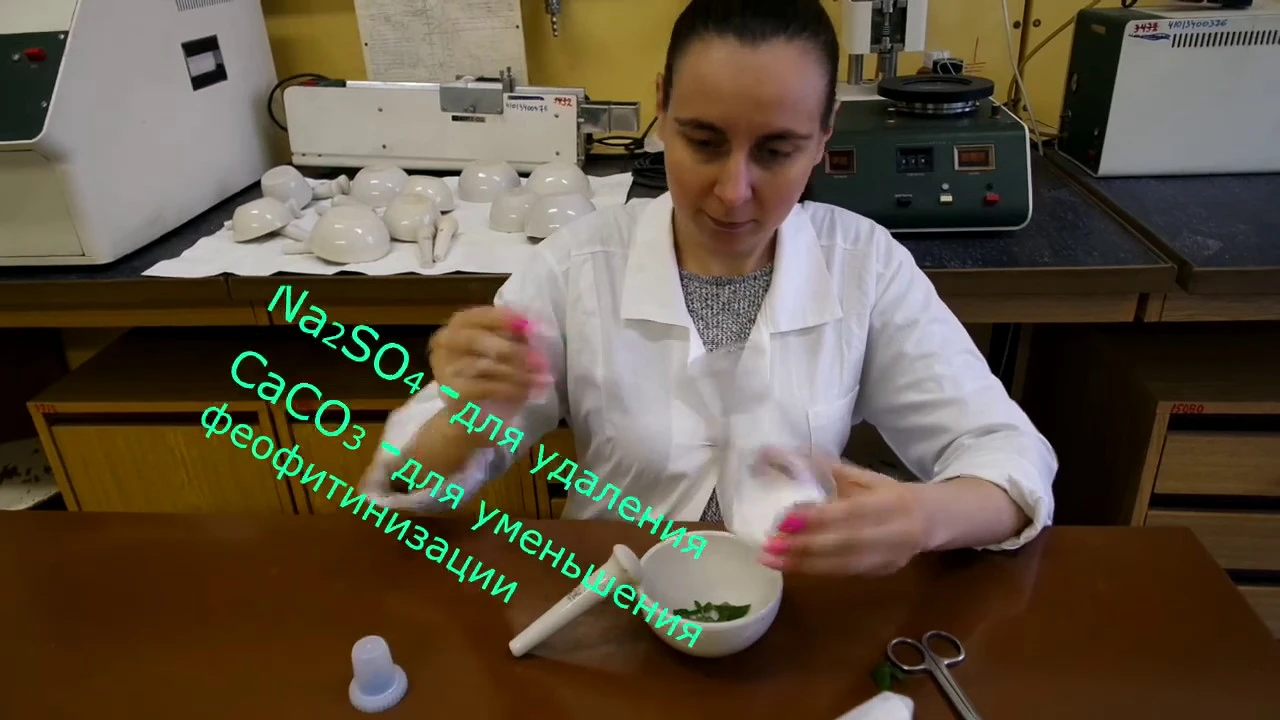





Chlorophyll extraction from plant samples involves macerating 50 mg of leaf tissue with 80% acetone, centrifuging at 3000 RPM for 10 minutes, and measuring absorbance at 663 nm (chlorophyll a), 640 nm (chlorophyll b), and 652 nm (total chlorophyll) using a spectrophotometer; concentrations are calculated using specific formulas: C_a = 12.7A663 - 2.69A640, C_b = 22.9A640 - 4.69A663, and CT = A652/34.5, where A represents absorbance, V is the final volume, and W is the fresh weight of the sample.
Chlorophyll Extraction and Estimation Using 80% Acetone Method
Added:The chemical structure and biological role of chlorophyll a, chlorophyll b, and carotenoids in plant photosynthesis.
The principles of UV-Visible Spectrophotometry, including the Beer-Lambert Law and the relationship between light absorbance and concentration.
Basic laboratory safety and preparation techniques, including solvent dilution calculations (e.g., preparing an 80% acetone solution) and handling volatile organic compounds.
The concept of differential solubility and why organic solvents are required to disrupt plant cell membranes to extract lipid-soluble pigments.
Applying specific mathematical formulas (such as Arnon's or Lichtenthaler's equations) to calculate exact chlorophyll concentration from spectrophotometric absorbance data.
Exploring advanced separation and quantification techniques such as High-Performance Liquid Chromatography (HPLC) and Thin-Layer Chromatography (TLC) for plant pigments.
Using chlorophyll estimation as a biomarker to evaluate plant health, senescence, and physiological response to environmental stressors like drought, heavy metals, or UV radiation.
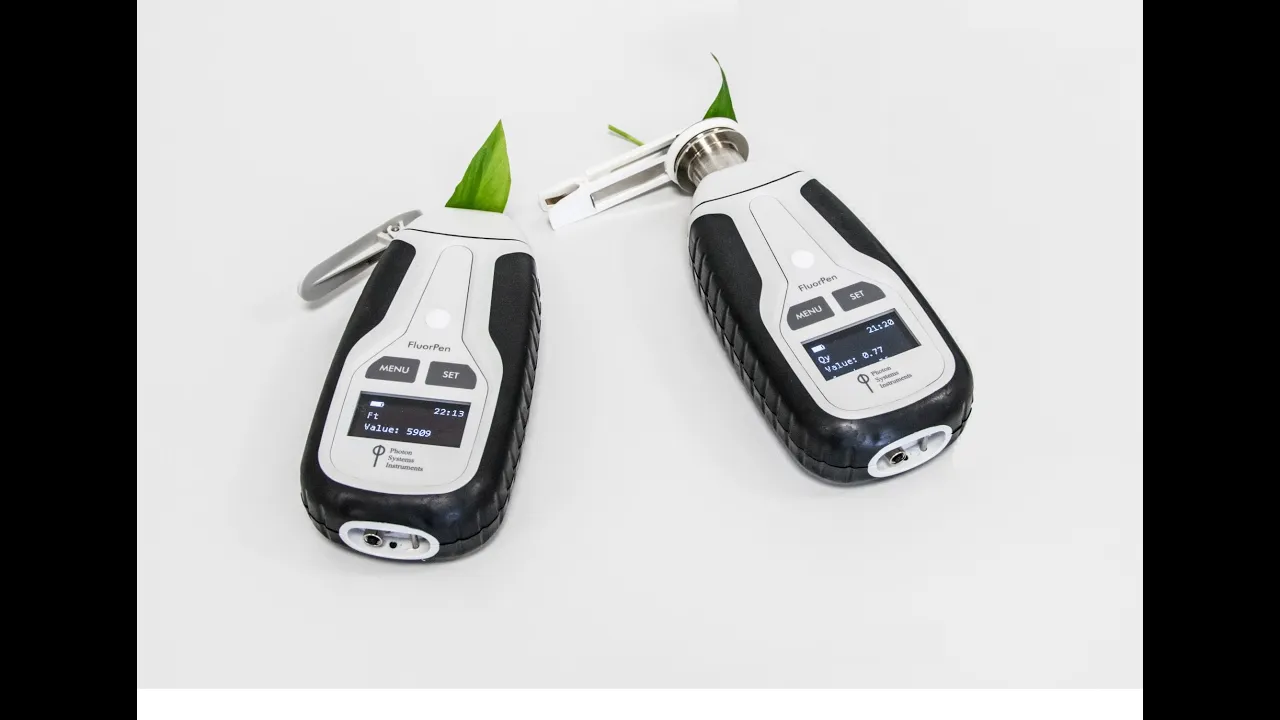
Studying non-destructive methods of photosynthesis assessment, such as PAM (Pulse-Amplitude-Modulated) chlorophyll fluorescence.
67.7K views981likes5:08Original Release: 2020-07-08
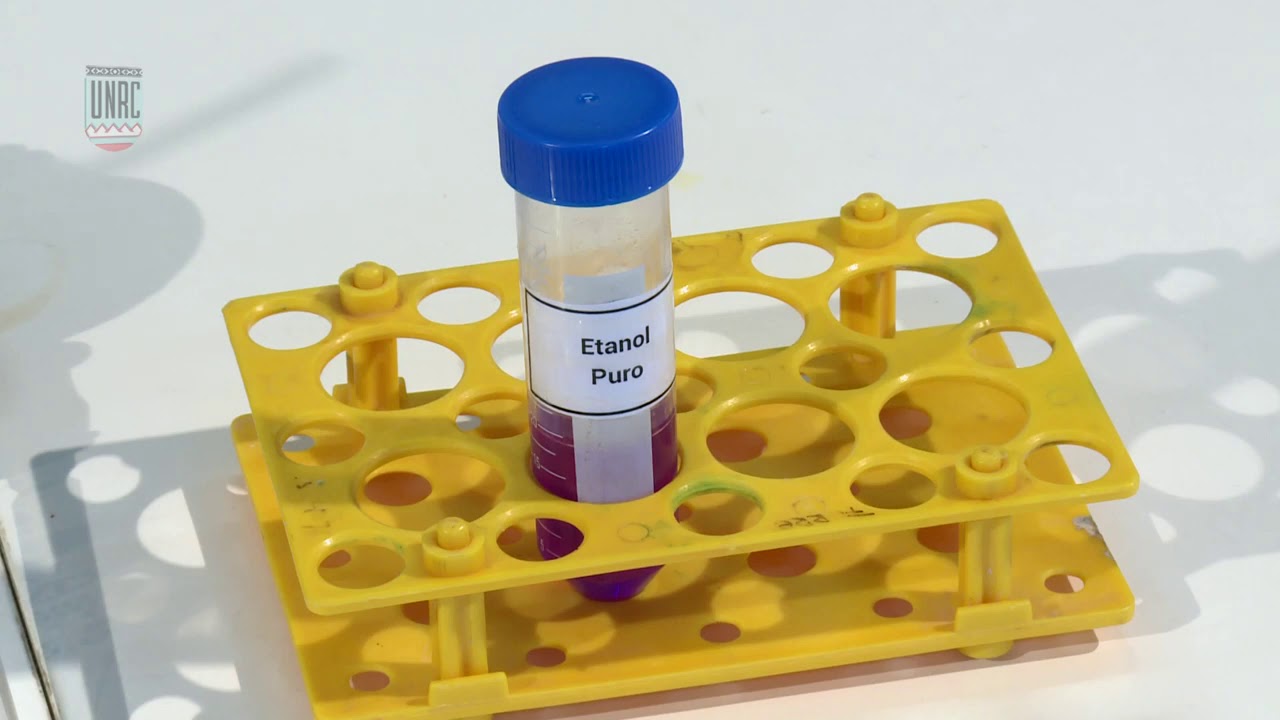
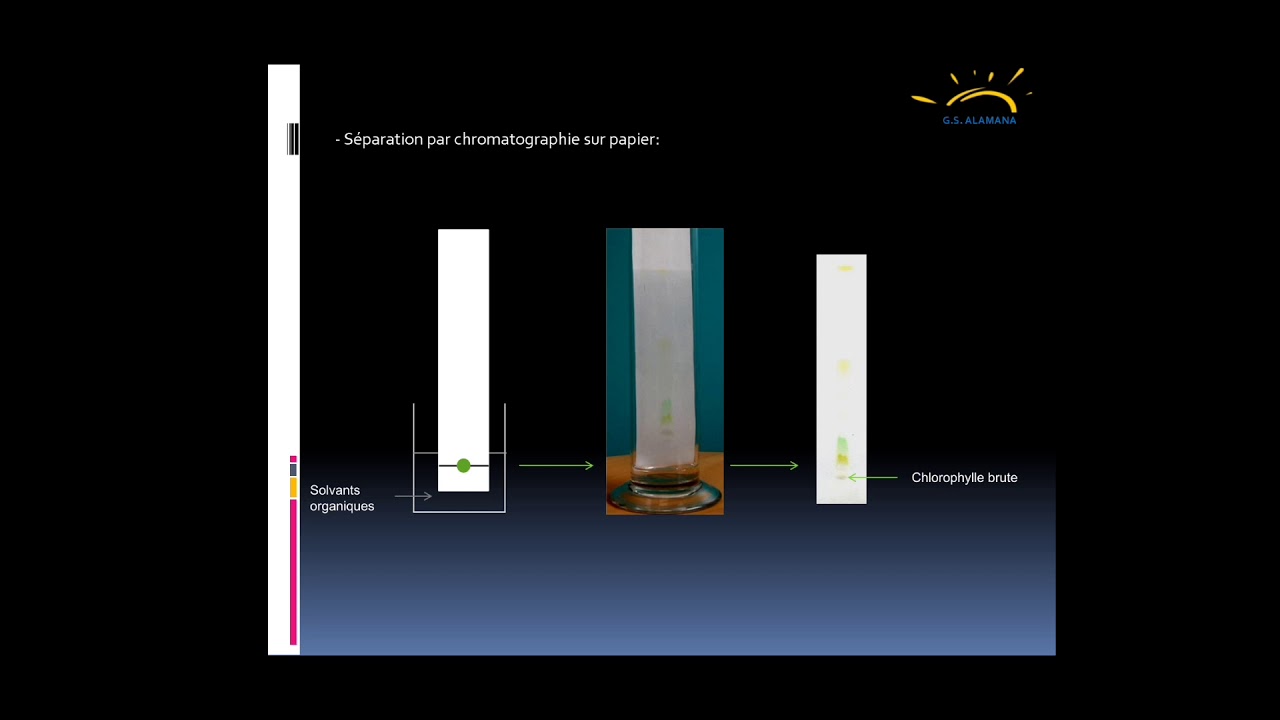
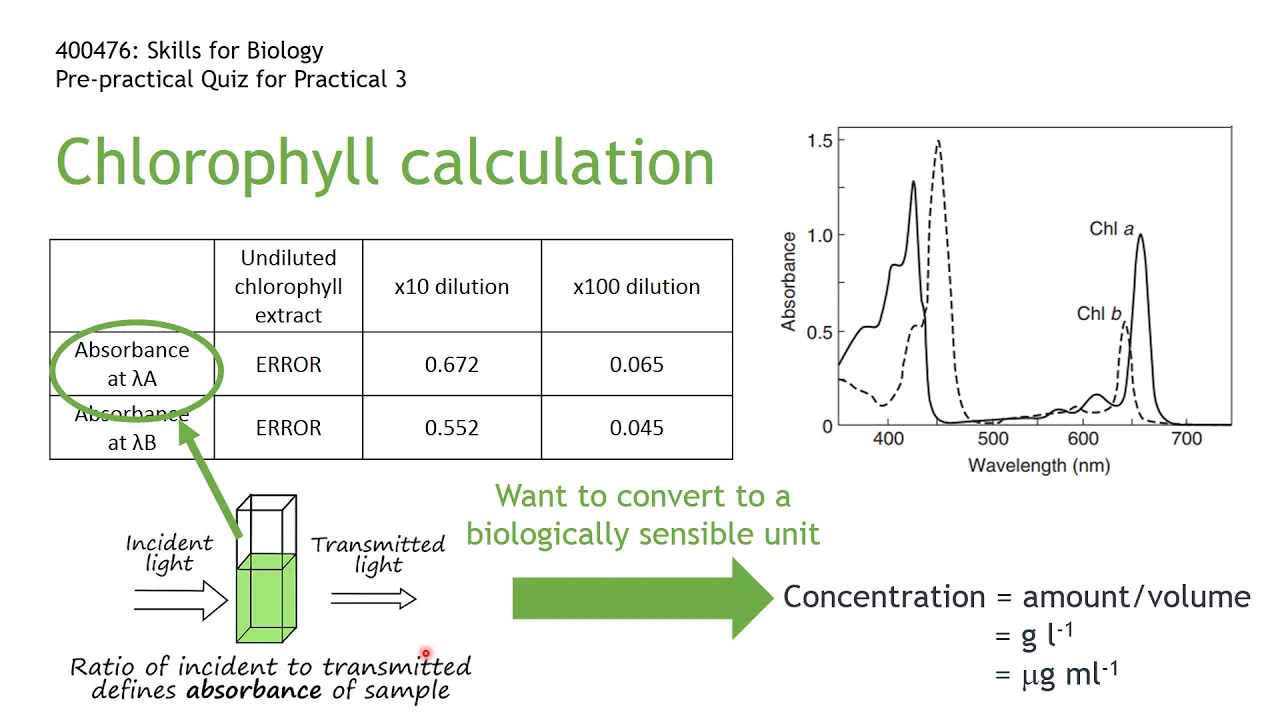
our next practical is on extraction and estimation of chlorophyll implants in those cases the plant productivity is limited by availability of photos and date and its utilization production of photos on dates depends on photosynthesis which is regulated by rate of light and our creations then availability of of carbon dioxide moisture and chloroplast ik pigment etc all green colored plants parts contain pigments which are so light and play important role in photosynthesis and for to damage these are chlorophyll a chlorophyll b Sando fills and carotenoids estimation of beautiful using acetone leaf pigments are more soluble in organic solvents efficiency of organic solvent is increased if it is mixed with water thus aquas organic solvents are not only specific in extracting chlorophylls and related pigments other low molecular weight substances like carbohydrates amino acids and free nodes extra are also extracted acetone that is 80 percent has been widely used in the extraction of leaf pigments and let's see the principle behind the chlorophyll estimation the plant pigments present in the chloroplast are responsible for light reaction these have very poor solubility in water numerous water miscible organic solvents are used in use to extract the chlorophyll from various types of plant materials iron on in 1949 developed a simple method to extract chlorophyll from the leaf pig tissues by extracting it with 80 percent acetone and calculating the amount of chlorophyll using the extinction coefficient at 664 and 647 nanometer this method has been widely used for the estimation of chlorophyll a and chlorophyll b from various types of plant tissues what are the materials record for the extraction of chlorophyll there is leaf sample there is 250 milligram of leaf sample is mainly used for the extraction of the chlorophyll then acetone which is 80% volumetric flask funnel filter paper pestle and mortar centrifuge and spectrophotometer let's see the procedure of chlorophyll extraction using 80 percent acetone to 50 milligram of leaf sample is macerated with 10 ml of 80 percent acetone using pestle and mortar and the extract is centrifuged at 3000 RPM for 10 minutes the super agent solution is transferred into a 25 ml a volumetric flask and made up to 25 ml using 80% acetone the color intensity of the green pigment is read at 6:45 663 and 652 nanometers for chlorophyll a chlorophyll b and total ROFL content respectively using instrument corn spectrophotometer in this picture two cubits also shown for taking the chlorophyll extracted chlorophyll content ok beginning the spectrophotometer and these are the formula used for calculating the chlorophyll a being as well as total chlorophyll content narubu a can be estimated by using the formula 12.7 that is multiplied with absorbance at 663 minus 2 point 6 9 this is multiplied with absorbance at 640 file which is multiplied with v that is a final volume of the supernatant divided by thousand uw-w is a fresh weight of the sample taken in crumbs that is 0.25 grams and chlorophyll b can be estimated by using the formula 22.9 it is multiplied by absorbance at 640 file which is minus four point six nine it is multiplied by absorbance at 663 it is multiplied by the final volume V that is 25 ml divided by thousand into W and the total chlorophyll content can be estimated by using the formula taps opens at 6:52 divided by 34 point five it is multiplied with thousand V divided by thousand W
Up Next

21:47
Transcription Factors in Eukaryotes: Structure, Types, and Mechanism of Gene Regulation
@shomusbiologyofficial
67.1K views•2014-01-22

50:12
Bacterial Communication: Quorum Sensing and Biofilm Formation Explained
@JHUAAP
12.6K views•2011-06-28

5:35
Enteric Nervous System Explained: The Gut's Brain | Neurobiology Lecture
@alumniu6029
438 views•2018-09-12

7:08
Bacteriophages: Earth's Deadliest Killers and Future Antibiotics
@kurzgesagt
34.6M views•2018-05-13
Related Study Plans & Knowledge Roadmaps
Structured learning paths in Biology
biology
RNAi: Biogenesis, RISC & Gene Silencing
01Molecular Biology Foundations: DNA to Protein
02Introduction to RNA Interference (RNAi)
03Molecular Biogenesis of miRNA and siRNA
+ 2 more learning modules
10h5 modules
Explore Roadmap
biology
Mycorrhizae: Signaling, Biophysics & Ecology
01Foundations of Mycorrhizal Symbiosis
02Molecular Signaling and Root Colonization
03Biophysics and Bioenergetics of Nutrient Exchange
+ 1 more learning modules
11h4 modules
Explore Roadmap
biology
Circadian Clocks: TTFL, SCN & Periphery
01Foundations of Molecular Biology & Gene Expression
02Introduction to Chronobiology and Actograms
03The Core TTFL: Molecular Architecture of the Clock
+ 3 more learning modules
14h6 modules
Explore Roadmap
biology
Population Genetics: Math, Drift & Selection
01Genetic & Probability Foundations
02The Hardy-Weinberg Principle and Baseline Models
03Mathematical Modeling of Natural Selection
+ 3 more learning modules
18h6 modules
Explore Roadmap