





![Amino Acids, Protein Structure, and Protein Functions [Molecular Biology 4 of 11]](https://i.ytimg.com/vi_webp/YIUsocBJVIo/maxresdefault.webp)






![DNA-Methylierung + Histonmodifikation [Epigenetische Regulation von Genen] - (Biologie, Oberstufe)](https://i.ytimg.com/vi/c6o7Z1qOXcc/sddefault.jpg)




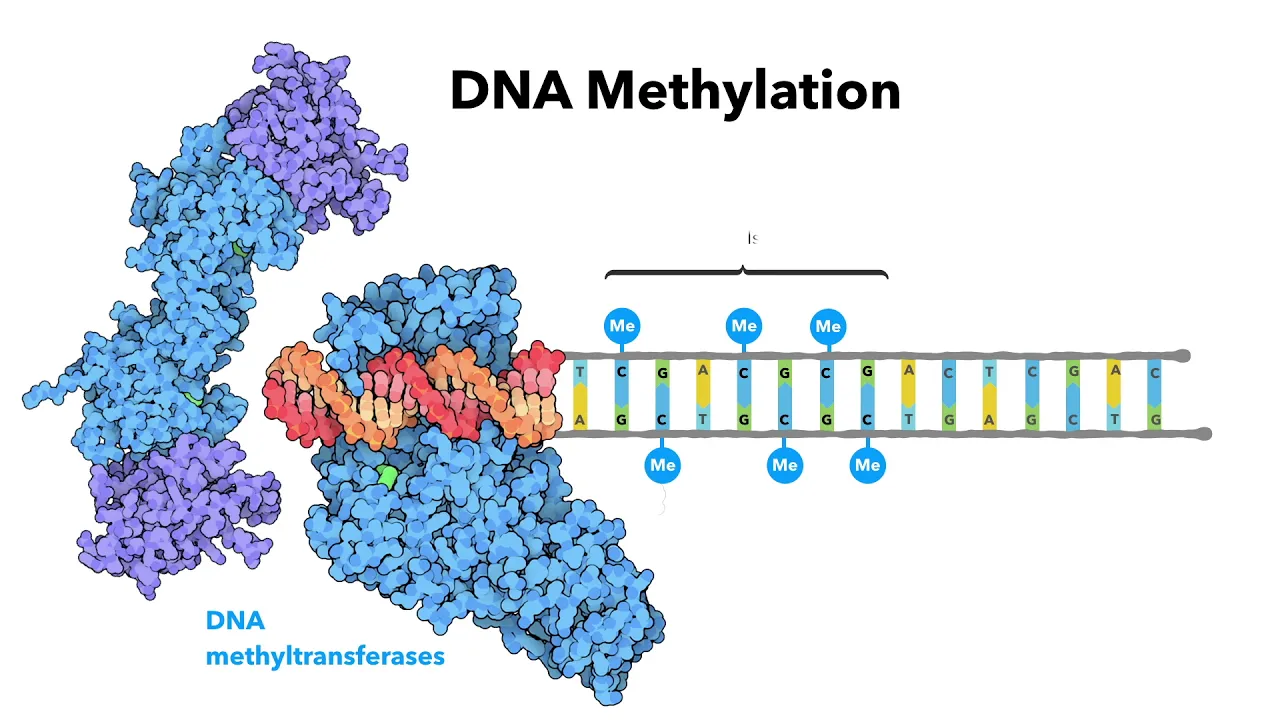



Transcription factors are protein molecules that regulate gene expression in eukaryotic cells by binding to specific DNA sequences (promoters and upstream control elements) and recruiting RNA polymerase to initiate transcription; they are classified into generalized transcription factors (always present for housekeeping genes) and specialized transcription factors (activated under specific conditions like heat shock), and can function as activators to enhance transcription or deactivators to inhibit it, often requiring mediator proteins and histone-modifying enzymes to achieve their effects.
Transcription Factors in Eukaryotes: Structure, Types, and Mechanism of Gene Regulation
Added:The Central Dogma of Molecular Biology, specifically the step-by-step mechanism of DNA transcription into RNA by RNA polymerase.
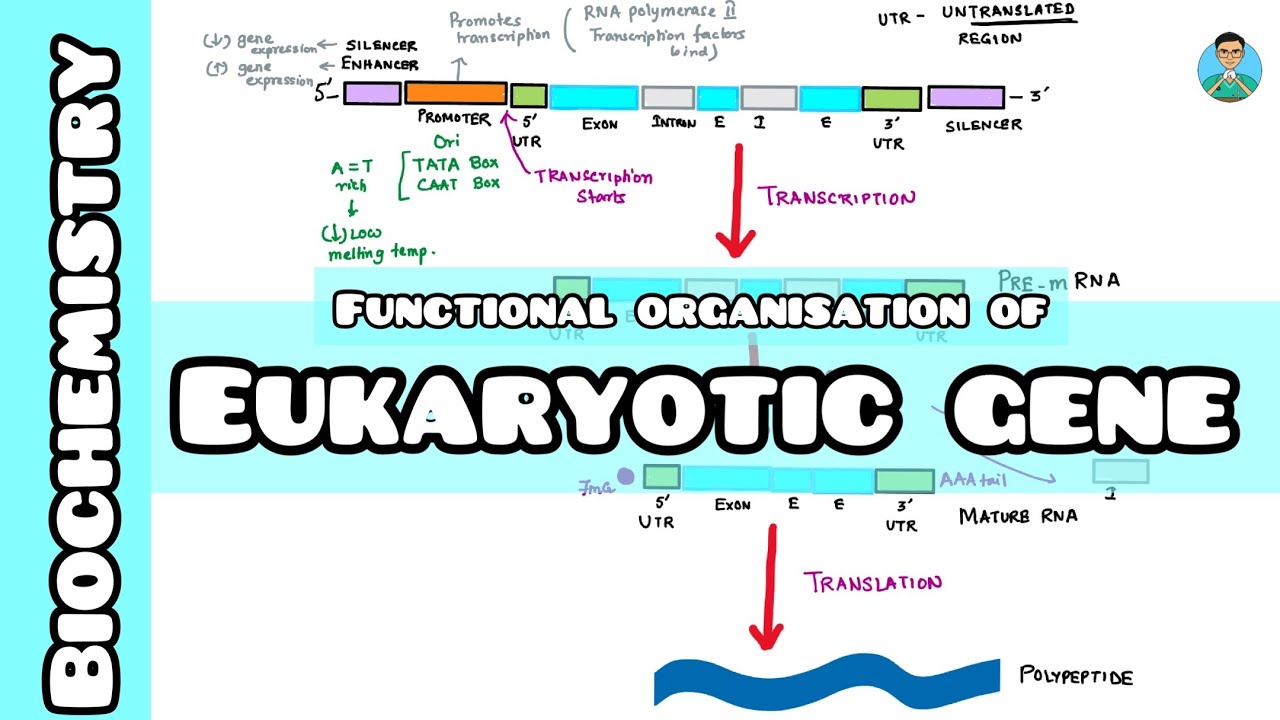
The basic structure of eukaryotic genes, including the organization of promoters, enhancers, silencers, exons, and introns.
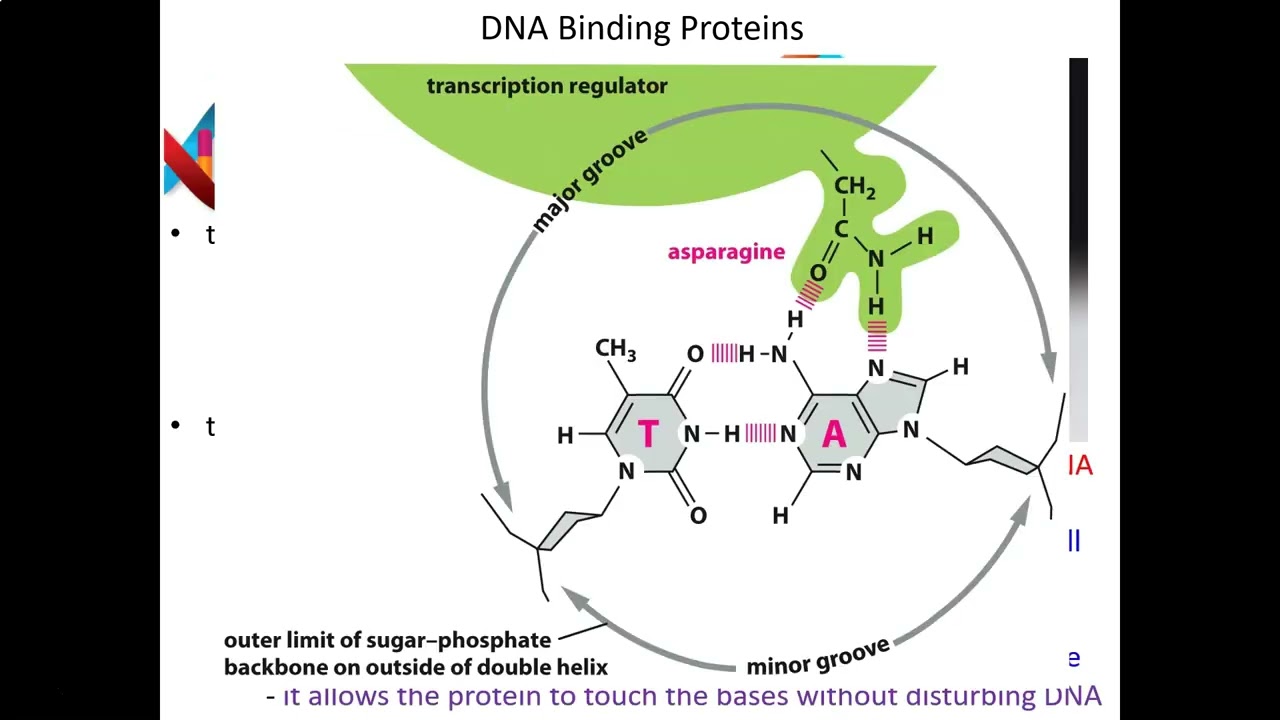
Fundamental protein biochemistry, particularly how polypeptide chains fold into functional domains and structural motifs.
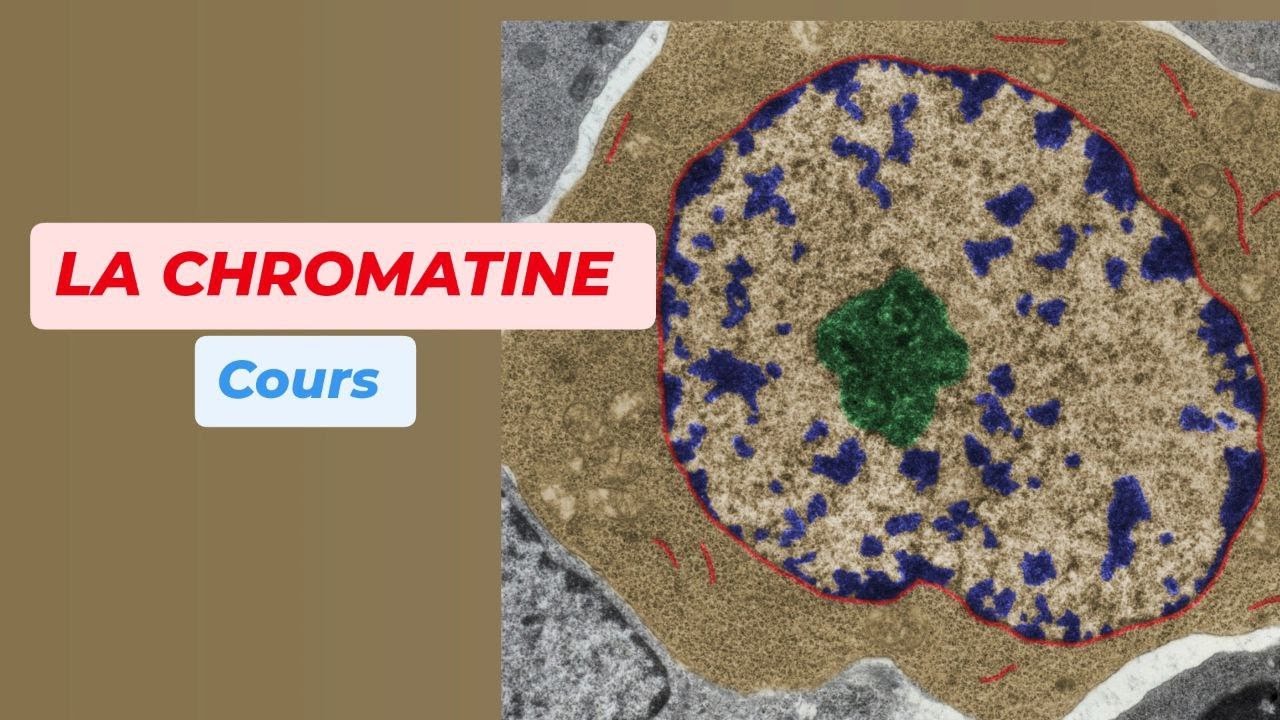
An introductory understanding of chromatin structure, including nucleosomes and the general distinction between euchromatin and heterochromatin.
Epigenetic regulation mechanisms, such as histone acetylation/methylation and DNA methylation, and their cooperative relationship with transcription factors.
Signal transduction pathways (e.g., GPCR, RTK, and steroid hormone pathways) that regulate the activation, phosphorylation, and nuclear translocation of transcription factors.
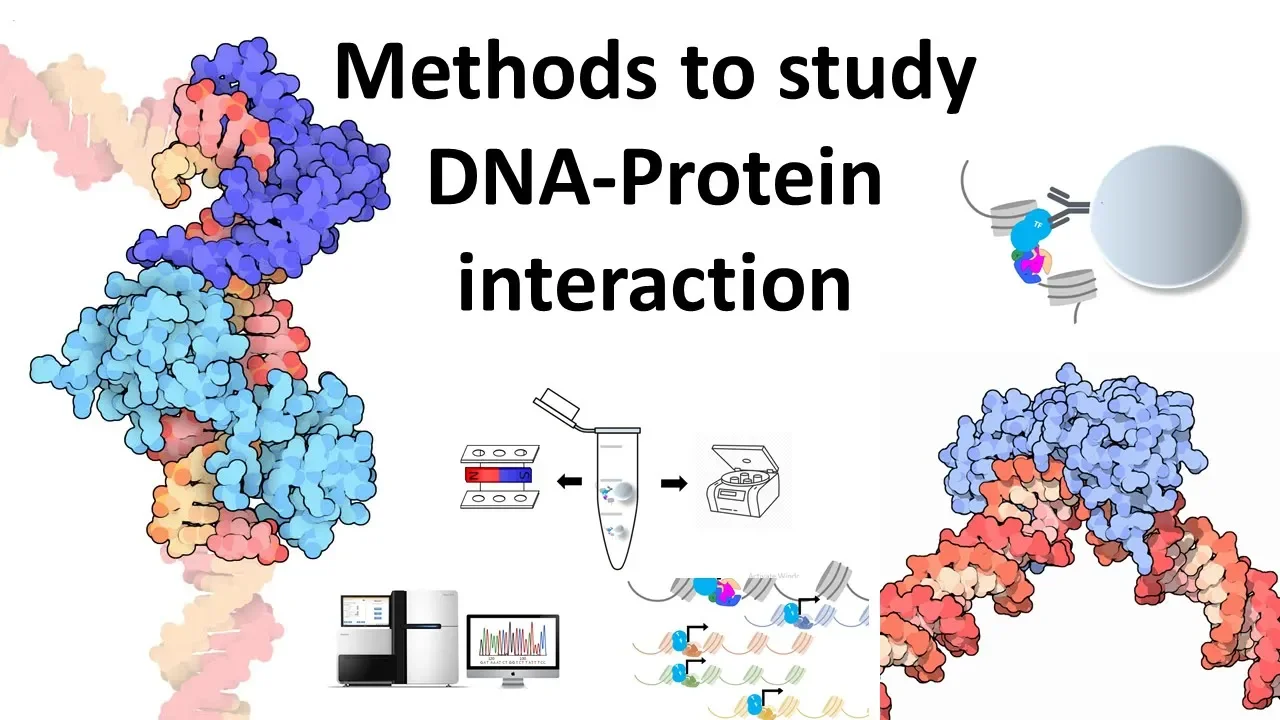
Advanced molecular biology techniques used to study protein-DNA interactions, such as Chromatin Immunoprecipitation sequencing (ChIP-seq) and Electrophoretic Mobility Shift Assays (EMSA).
The role of transcription factors in development, cellular differentiation, and clinical pathology, such as how mutated transcription factors act as oncogenes or how Yamanaka factors induce pluripotency.
67.1K views826likes21:47Original Release: 2014-01-22
[music] Welcome back friends. In this video tutorial, we'll be talking about what are called transcription factors. Okay.
So, transcription factors.
Okay. Now, what are transcription factors? Now, transcription factors are [snorts] uh protein molecules. Mostly they are made up with protein molecules and they are found to have a very important effects in ukarotic transcription. So they are related to they are related to ukareotic transcription. Okay transcription.
Okay. Now before understanding the ukarotic transcription you must have a clearcut understanding of some important concepts of uh cell and of ukarotic DNA and their transcription. So let's begin with that. So let me take a color here.
Let's say this is [snorts] uh let's say here it is a structure of a ukarotic gene and you need to know the structure here. So let's say this is a ukarotic gene ukarotic DNA for example.
Okay. So this is a ukarotic DNA. Now in this DNA there are having five prime sequences and obviously there are three prime sides. Now there is a region in between this place which is called a promoter sequence. Right? Let's say this one is the sequence. It is called promoter sequence.
Now it is a very important sequence because from this particular region DNA polymerase sorry RNA polymerase can come and sit onto this region. It will initi initiate the transcription. Right? Now transcription means simply the production of RNA from the DNA. So if this is a DNA and here it is a promoter RNA polymerase can come and sit here and they will transcribing the DNA into RNA molecule. Now except for this promoter there are two more sequences that are found in ukarotic DNA which is not found usually in procarots. Now let's say here further upstream of that we are having what is called upstream element. So let's say this is this is also called upstream element or upstream control element or UC.
Okay. So this part is called upstream control element which is present further upstream region of this promoter. Now something which is uh going toward this direction of promoter is called upstream and something that that is going towards the three prime end it is called the downstream in this case. Okay. And obviously there are something more that are present in the downstream region of the promoter.
Let me uh draw them now. Here it is.
Those are called also sometimes they are present. They are called activator sequences. Sometime they are present.
Sometime they may not. But they are sometime called activator sequences.
Okay. So sometimes they can present sometimes they cannot. But that's a uh traditional structure of a system. Okay.
Of a DNA of ukarotic organism. Okay. Now what is important about that for the transcription machinery what we need to do we need to have RNA polymerase. Now RNA polymerase to sit onto the promoter and then they will open this DNA and then the transcription will begin for this purposes that for the purpose of this transcription and the opening of the DNA. We need what are called the transcription factors. There comes the importance of transcription factors.
Right now usually what happens uh RNA polymerase in case of procarotic cells will sit and they can initiate the process. But for ukarotic system they need the importance and presence of accessory proteins which are transcription factor. Now usually there are protein molecules present and associated with various types of transcription in ukarotic system. Uh depending upon the type of polymerase they acting with the name of transcription factors always varies. Now in ukarotic cell we can find three different types of polymerase to work on. So the polymerase that we get for ukarotic cell let me write it here. So the polymerase let's say polymerase that we get there are different types of polymerase. So one type of such polymerase let's talk about it. The first type is called the polymerase 2 which is the basic type of polymerase which is the major type of polymerase that we can find because this polymerase 2 is responsible for the transcription of mRNA molecule. Remember we are talking about transcription means we're talking about production of uh sorry production of RNA and we talk about RNA there are three types of RNA.
One is mRNA which is the messenger RNA which is having all the codes for the protein translation. Another one is the rna or ribosomal RNA which is the structural components of ribosome. And the third one is called the tRNA or transfer RNA which is required to carry the amino acid sequences during the translation event. Right? So there are three different polymerase for transcribing each of these RNAs. The polymerase 2 usually used for mRNA synthesis and we know that mRNA are required most of the time that's why this is very important and there is another which is called the polymerase 2 now this polymerase uh sorry polymerase one polymerase one is responsible for the transcription of this tr uh sorry for for rna components and there are also third kind of polymerase which is called the polymerase 3. Now this polymerase 3 is important for transcribing tRNA sequences. Okay. So these are the three different polymerase but whatever polymerase that we get it will require certain type of ukarotic transcription factors. Right now for polymerase S2 there are some certain transcription factors that we can get and those factors are nameingly transcription factor 2 and transcription factors attached to polymerase one are called transcription factor one and transcription factor attached to polymerase 3 activity are called transcription factor 3. So they the naming of transcription factor again uh is depend upon what or or depend upon the type of polymerase they are working with right. So for polymerase one it is one for polymerase 2 it is two for polymerase 3 it is transcription factor three. Now these transcription factors are again having different types of proteins that means for transcription factor 2 they are having many. So there are transcription factor 2 a 2 b. So like that 2 A 2 B 2 F 2 H and there are a lot more transcription factor 2's are available. Similarly for transcription factor 3 also there are transcript frequency A 3 B 3 C and also on for transcription factor one also they are having different varieties right. So these are the variations of different proteins that are available. Now uh another type of transcription factor let let me talk about uh the differentiation of the transcription factor. Now this type of differentiation that we get is based on the type of polymerase they are working with. But also depend upon the action and the application of transcription factor. We can also divide transcription factor into two different sections. So let me write it here. So let me write uh transcription factors.
We can divide into two different sections. One is uh generalized transcription factors. So generalized transcription factor or say let me take the dark color. Okay. uh it is called uh the generalized transcription factor or GTF. Another one is called the specialized transcription factor or STF.
So there are two types of transcription factor depend upon their use during the transcription. Right? Now these generalized transcription factors are those type of transcription factors that are normally found inside the cell all the time. But specialized transcription factors are those transcription factors that are only found when uh uh the cell require a specific type of uh gene expression. For example, in normal conditions which are called the household or housekeeping genes which are the general normal genes inside the cell which is need to be transcribed all the time. Uh there are transcription factor associated with those genes and those transcription factors are termed as GTFs. But there are certain genes that are present inside the cell which the cell only require to express in a certain environmental conditions in a certain amount of time. Now those transcription for for the transcription of those genes we require specialized transcription factors. Right? That's the difference between generalized and specialized transcription factor. Right?
So so that's it. Now this TF2, TF1 and TF3 all of them all of them that we have just discussed all of them are the part of normal GTF. So all of these things are the part of GTF systems and and for the STF or specialized transcription factors there are uh other type of factors. Okay. Now let us talk about how these transcription factors make this transcription possible and what are their importance during this process. So now let's say here let me draw the gene again. So let's say if if if this is the gene. So if if this is the protein that we draw. So if this is the DNA sequence.
Now there are promoter region. Let's say here it is a promoter region. Let's change the color with this green for the promoter sequence. Let's say this is the promoter sequence. And this is the sequence where the RNA polymerase will sit. But RNA polymerase won't get a perfect signal to sit at this particular place until and unless uh this transcription factors inform polymerase to do so. For example, here we also know that further upstream of it we are having upstream control element. So let's say this is the upstream control element or UC remember and this is this was the promoter region. So let me write this is sorry this is the promoter right. So this is promoter and this is upstream upstream control element or UC. Now this uh transcription factors the first process of during the ukarotic transcription is the binding of transcription factor. Let's say uh here uh say this one is a transcription factor. So TF so this transcription factor start to bind with this upstream control element. Now another transcription factor come and it it binds with the polymerase uh promoter region of that. So this is suppose another transcription factor. Let's say it's a transcription factor X. It's a transcription factor Y for example.
Transcription factor X attached to upstream control element. transcription factor Y attached to the promoter sequence. Now they will have a cross talk between themselves. Now as they are having the cross talk between themselves they will recruit RNA polymerase to the scene. Now let's draw the RNA polymerase. Let's say now RNA polymerase. So here says RNA polymerase is there. Now as there is a cross talk between TFX and TFY they'll recruit this RNA polymerase to the place. Now say RNA polymerase will comes it's a large component enzyme it will come and sit onto the promoter then it will start transcribing this DNA into RNA component okay so that's the process of how it's done now remember in this case the transcription factor X and transcription factor Y whatever we are talking about all of them are of generalized transcription factors but now sometimes suppose there is a gene suppose there is a gene present so let me drag it further suppose again let me draw this for you let's say yes this is a DNA and there is a segment again promoter region is present somewhere there so say this is the promoter segment and upstream control element is also there so say this is the upstream element it is present [snorts] but so let me write u c and this is the promoter sequence okay now now let's say here it is the gene the rest of the part downstream of the promoter say this one is a part of the gene right so we need to transcribe this gene. Now uh all the time inside the cell this gene is not transcribed the the transcription of this gene is usually blocked inside the cell. Now suppose there is a temperature chain in the environment. So if you consider this is inside the cell. So let me draw the cell boundary first. So if we draw the cell boundary here in this case like that and obviously like sorry obviously like that say this is the cell boundary and inside the cell we are having the DNA. Now there's a sudden change in the temperature outside. For example, temperature increased uh from 27°C to 39°C.
So there is a certain increase in temperature outside. As a result of that inside the cell, if the cell need to maintain its uh homeostasis inside what it need to do, it needs to synthesize some of the important proteins which are called heat shock proteins. remember heat shock protein or HSP which will help this cell uh to combat this high temperature situation right so if the temperature increase like that now in those conditions there is a gene for this HSP now this gene is encoding a protein of HSP now they need to transcribe this gene but when the temperature was normal like 25 to 27°C temperature cells don't need this HSP so the transcription of this HSP gene was previously blocked but now as the temperature is is uh up to 39°C temperature it need to reinitiate the transcription and translation of this HSP gene. So for that purpose it need to switch this HSP transcription on. Now for the switching of this HSP transcription they require some certain uh transcription factors and this transcription factor in this case are called specialized transcription factor because remember this is a special case where the temperature change occurs. So we request specialized transcription factors. So there specialized transcription factor will come and it will sit and attach bind like this.
Remember specialized transcription factor is having a structure like that.
Okay. Uh so let me remove this part first. Okay. So specialized transcription factor will be there. So let me draw this. So here it is a specialized transcripttor factor inside the cell. And also there are some generalized transcription factors. Now I've told you that specialized transcription factor all always work at a special conditions but there must be generalized transcription factors always present inside the set. So here always generalized transcription factors are present. Now this generalized transcription factors will come and attach to the promoter region first. So GTF so let me write GTF first bind to this promoter region and obviously they can bind to further upstream or downstream of the promoter also. Say let's say here is another GTF bind with it. then specialized transcription factor will come to the play. So specialized transcription factor will uh make a structure something like that because specialized transcription factors are having two important segments. So let me draw this parts let's say here uh let's say this one now this this part of the specialized transcription factor this is called the DNA binding domain of specialized transcription factors. This is DNA binding domain of specialized factor and this part is different. It is called so this segment is polymerase binding domain. Okay. And protein binding domain.
Okay. Now as they are binding with this generalized transcription factor they will recruit DNA polymerase to the scene right sorry here RNA polymerase so let's they will bring RNA polymerase to the scene so RNA polymerase will come and they will be sitting onto this place now let's say here this one and here it is the RNA Paul they'll sit onto the place and they'll start the transcription of this HSP now as they'll start the transcription of HSP. So let me take it further. Yeah, let's like this. Okay. Now as they will start the transcription of HSP further after some time what we get we'll be getting more and more of these HSP sorry not this one this one was right. Anyways so more and more HSP molecules in our hand. So here are more and more HSPS right. So these are the HSP mRNA will be made and from this mRNA HSP proteins will be made. Right? So this is how they control the whole process. So we can see the how these transcription factors are controlling the expression of certain genes inside the cell. And obviously during this expression process they require many more factors. They are also called some of them are also called mediators right. So let me write it here. So among this transcription factor. So let me write the types of TF. So depending upon their functionality we can have different types of transcription factor. one type which are helping them to activate to activate a gene right or we can say to activate transcription. So let me write it here.
So so activate a gene or transcription or there are uh certain types which are usually to uh what we can say prevent transcription.
Right? So there are two types of uh transcription factors that are found.
Now usually those one which actually works to activate some genes are called activators.
As you have seen in this case in this previous example we've seen some activators which activates the expression of HSP gene. There are certain types of transcription factors which can downregulate the expression of genes. Those are called deactivators or uh in inhibitors. Right.
Now in both the cases transcription factors can work alone or sometimes transcription factor need some other accessory uh proteins to function with them right. So in those cases when transcription factors need some accessory proteins the accessory proteins that can function in this case are called mediators. So let me write it here.
So from here so there are also mediators that are present. So let me write the example of mediator. Let's say here it is there are mediators.
Now mediators will work with transcription factors.
So let me write it here. Say here it is TFS to bring either of the two effects. So they'll interact with them to bring either of the two effects. activation of a gene or inhibition of a gene.
So this is a important concept right? So mediators are those molecules. Now if I draw mediators how mediator will look like? Let me draw this for you.
Okay. So if I draw again a gene, so how mediator will look like? Now let's say this is a gene. Now after this is a DNA for example. Now after the binding of everything it will look something like that. Let's say here it is. So let me draw the promoter. Let's say this this region is the promoter.
So let me write it here. It's a P [snorts] and polymerase is sitting onto it and other factors. So let me draw the factors. So these are the transcription factors. Remember TFs. So let me draw there. All of them are TFs there. And obviously uh polymerase is sitting here right. This is Paul say Paul 2 in this case and there are some certain activators. So let me draw the activators. So say these are the activators right?
So these are the activators that are attached and mediators are present at the middle. So let me draw the mediator.
If I draw the mediators in this case, here comes the role of mediators.
So you can see mediators is actually holding activator and other TFS together. So this middle part is role of mediator as the term suggest they mediate the process. Right?
So here comes importance of mediators and also there are mediators like different histone modification agents.
So mediators called different types of histone modifying enzymes right hyone modifying enzymes like histone acetylus or histone acetyl transferase or hats and histone deacetylis or h dax and those are different examples histone methileles so like dcm dam and so on right so these are the examples of different mediators that are also found inside the cell. So transcription factors are protein molecules which are helping to transcribe certain genes in certain conditions or sometimes in normal conditions. They'll require the functionality of some mediators for achieving the function either activation of the transcription or inhibition of the transcription. Okay, so that's it and I hope that's helpful. Thank you.
Up Next

44:29
Actogram Fundamentals | NCEA Level 3 Biology (AS91601)
@kiaoramrwills7344
1.3K views•2020-04-22
50:12
Bacterial Communication: Quorum Sensing and Biofilm Formation Explained
@JHUAAP
12.6K views•2011-06-28

14:34
RNA Interference Mechanism: siRNA and shRNA Pathways Explained
@shomusbiologyofficial
379.7K views•2015-02-21
7:08
Bacteriophages: Earth's Deadliest Killers and Future Antibiotics
@kurzgesagt
34.6M views•2018-05-13
Related Study Plans & Knowledge Roadmaps
Structured learning paths in Biology
biology
RNAi: Biogenesis, RISC & Gene Silencing
01Molecular Biology Foundations: DNA to Protein
02Introduction to RNA Interference (RNAi)
03Molecular Biogenesis of miRNA and siRNA
+ 2 more learning modules
10h5 modules
Explore Roadmap
biology
Mycorrhizae: Signaling, Biophysics & Ecology
01Foundations of Mycorrhizal Symbiosis
02Molecular Signaling and Root Colonization
03Biophysics and Bioenergetics of Nutrient Exchange
+ 1 more learning modules
11h4 modules
Explore Roadmap
biology
Circadian Clocks: TTFL, SCN & Periphery
01Foundations of Molecular Biology & Gene Expression
02Introduction to Chronobiology and Actograms
03The Core TTFL: Molecular Architecture of the Clock
+ 3 more learning modules
14h6 modules
Explore Roadmap
biology
Population Genetics: Math, Drift & Selection
01Genetic & Probability Foundations
02The Hardy-Weinberg Principle and Baseline Models
03Mathematical Modeling of Natural Selection
+ 3 more learning modules
18h6 modules
Explore Roadmap