




![[SEM-SEGREDO]-Matemática-para-o-concurso-do-IBGE-2022- Leitura e interpretação de tabelas e gráficos](https://i.ytimg.com/vi/aEoyu6u77Z0/maxresdefault.jpg)






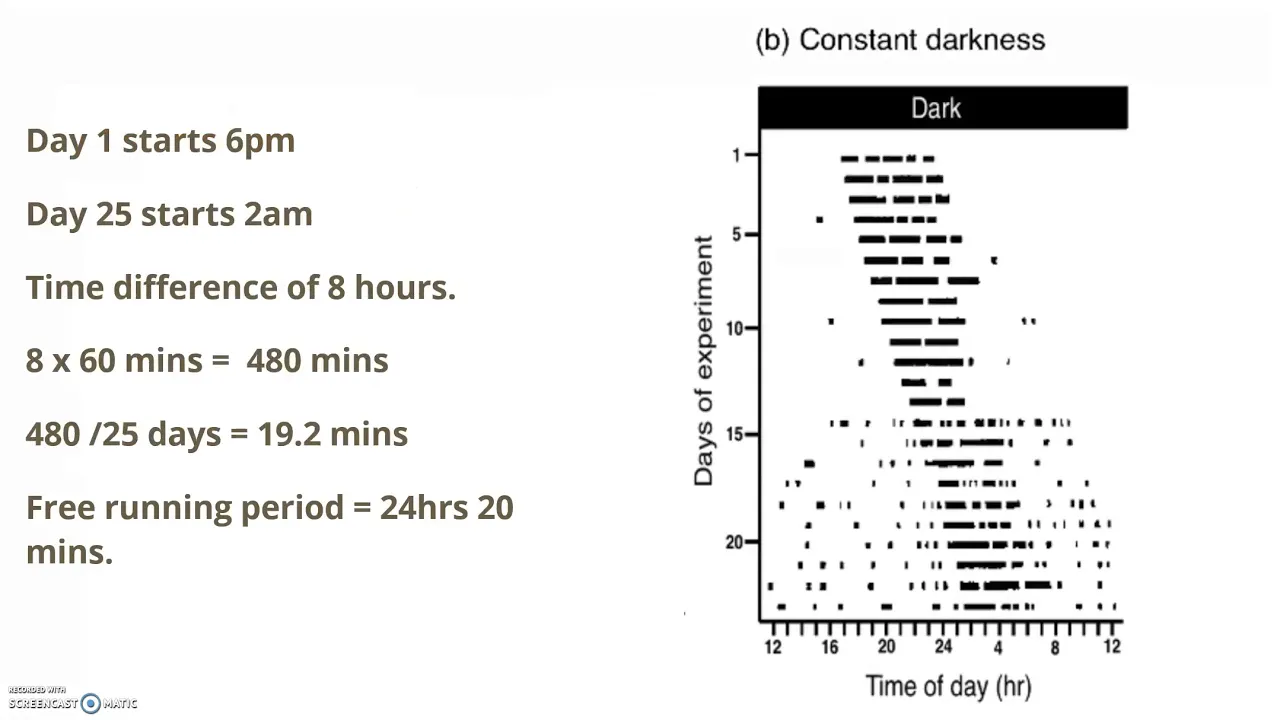

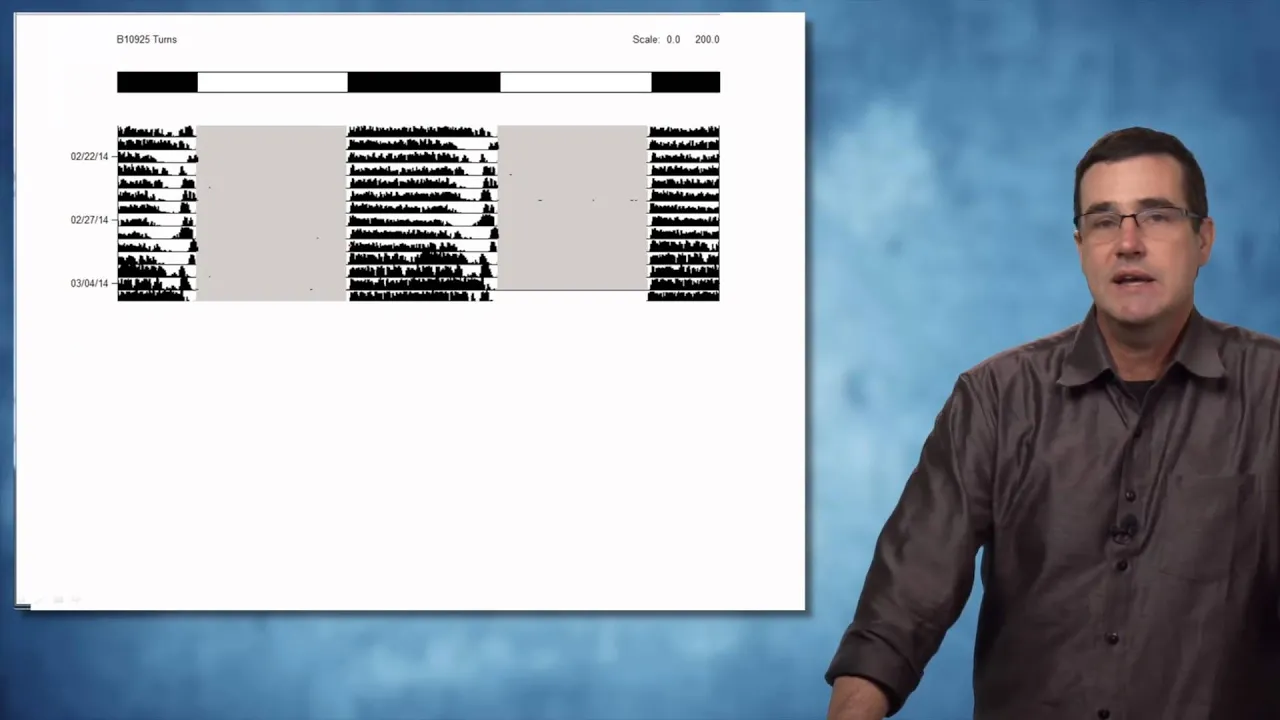








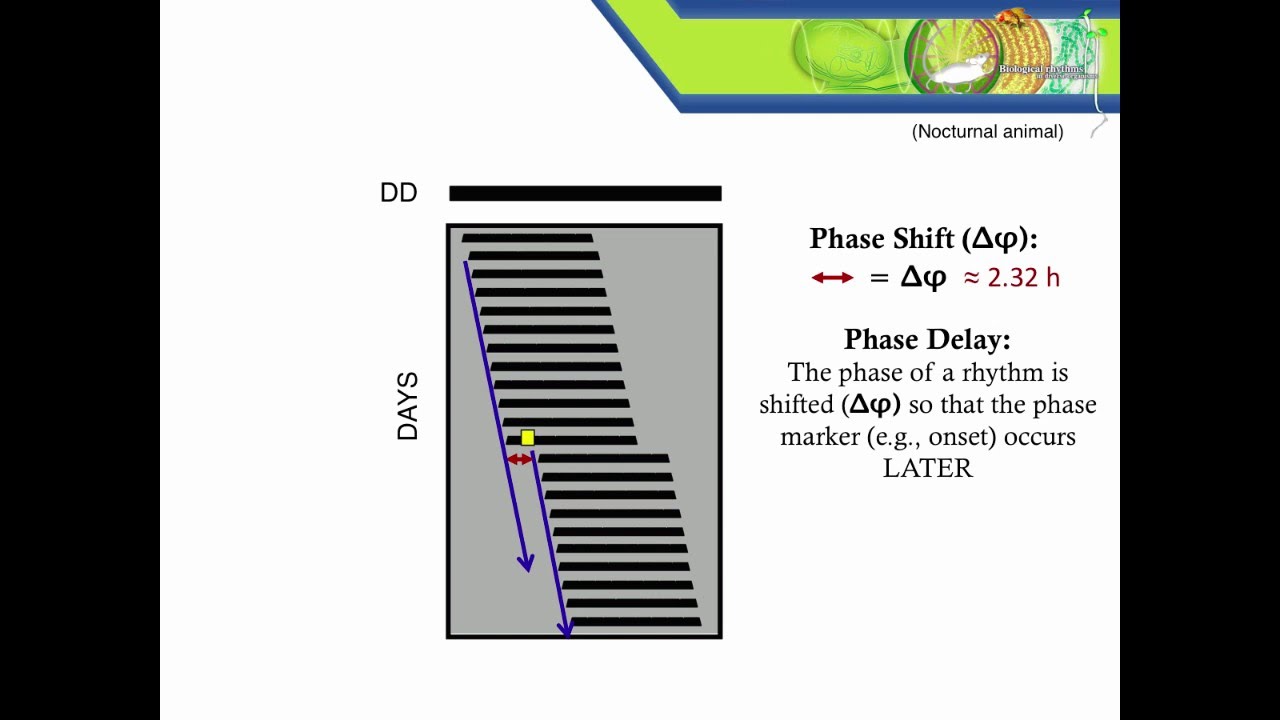
Actograms are specialized diagrams used in biology to visualize periods of activity and rest in animals, allowing scientists to observe circadian rhythms and how organisms respond to environmental cues; these diagrams show that organisms have internal biological clocks (endogenous rhythms) that can run independently (freerunning) when environmental cues are removed, but can be reset (entrained) by exogenous cues like light-dark cycles, which helps organisms optimize survival behaviors such as foraging and predator avoidance.
Actogram Fundamentals | NCEA Level 3 Biology (AS91601)
Added:Understanding the distinction between endogenous (internal genetic control) and exogenous (external environmental control) biological rhythms.
Familiarity with basic biological timing terminology, such as diurnal, nocturnal, crepuscular, and zeitgebers (environmental synchronization cues).
Basic graph-reading skills, particularly the representation of time-series data over consecutive days.
An introductory understanding of why organisms must synchronize their behavioral and physiological activities with environmental cycles.
Calculating the 'free-running period' (tau) of an organism from an actogram when it is kept in constant environmental conditions (e.g., LL or DD).
Interpreting complex actogram variations, such as phase shifts (advances/delays) and the process of entrainment.
Investigating the physiological and neurological mechanisms behind the biological clock, such as the suprachiasmatic nucleus (SCN) and melatonin pathway in mammals.
Evaluating the adaptive survival value of endogenous rhythms, such as predator avoidance, energy conservation, and reproductive synchronization.
Analyzing the real-world impacts of circadian rhythm disruption, including jet lag, shift work health consequences, and seasonal affective disorder (SAD).
1.3K views20likes44:29Original Release: 2020-04-22
[Music] you [Music] you [Music] you cured a team how we today excellent answers so far in the chat from what I can see if you're watching this RIT respectively you're welcome to try and pause and give a little bit of an answer prior to me giving it out so right now so if you want to do that you can pause so and in an exogenous environmental cue exogenous refers to outside of the body so you could just say an exogenous cue environments kind of not an entirely necessary word but it's a useful thing to think about a good example of this as Fiona said in the chat was the Sun would be an example of an exogenous environmental cue that organisms might use and reasons why it might be advantageous well if you know when the Sun is coming up then you can get up preemptively and start foraging for food you can know and create certain chemical pathways and go down certain midi Baalak pathways at certain times of day to maximize the things that will be available to you it can influence behaviour it can acquits chemistry there's all sorts of ways why this might be useful as long as you can think of one example then you're in the right ballpark for what we're going to be doing today if all the volume is coming through or clearly could you let me know in the chat please internets running a little bit shoddy on my end but hopefully it's still coming through reasonably clearly so let me know if that's not working thank you Alex all good looks like we're good to go so what we will be working on today is a little bit of stuff on ACTA grams but firstly we're going to be talking about our work for this week radio so miss McNear you will have noticed as posted to listens for you to work through the slides for today are adapted directly from hers so if you've gone through her slides there's probably not a great deal of point in going back over the slides that are here I think who's a perfectly good what you'll also notice is that miss McNear has supplemented a video based on the first half of these slides this is the first time that she's done something like that so she'd appreciate your feedback if you think it's good that's great if you think it's not they didn't know I will put an extra question for next week's weekly reflections I'm allowing you to answer that so I can pass on that information to her I think this is a new time for a lot of us I know a lot of teachers are trying new things um anything you can do to support us tell us what works and what doesn't is really useful information for us so thank you for that also you would have noticed that there's an activity for you to complete on Ekta Grahams their activity is an example of a question and what we're going to ask is that you please submit your answer to their even if you're not feeling super-confident about the answer you've produced it's okay to get things wrong just the same as it would be in class I would expect you to hand in a piece of paper with a few randomly written words on it more than I would expect you to hand in nothing it's useful and for us in terms of our teaching it's also useful to see how you guys are learning how your understanding is going it also we can use that information along with other stuff to put together sort of a package of what we can best do to support you lastly just a little bit about our schedule so we're streaming today and we're gonna have a Google meet if you're in my class we're gonna have a Google meet office hours this Friday at 12:35 that is optional you can tune into if you want for my class I'd love to see you there if you're available you can ask questions you just have a bit of a colleague or if there's enough of us maybe we'll do a bit of a code I think that'll be fun miss McNair's very nicely put together an example of a code that we can use so we'll probably do a bit of it and so you like a bit of fun at around the day on Friday love to see there all right before we move on or cheek there's no questions and the chat if you're watching this in hindsight and you've got questions you can in the comments I get notified of those but it looks like we're good to go a little bit weird lighting in this room the way that it tends to come in it tends to land exactly on the top of my hair which is not super helpful but you know what can we do not a whole lot but that's okay not that I'm actually in a random room in my house I'm actually in school in the virtual learning environment as you can tell from my discs and from the whiteboard and everything else yeah mmm okay anyway let's move on okay I'll pull this up all right exa Gramps so and immediately I've got a typo so I'll change they're not activity actor grams that's always a good way to start isn't it okay ekta grams are diagrams of periods of activity and wrists in animals routines I like to think of these diagrams kind of like fitbit's and I know a number of you kids will have sort of watches that kind of do this for you and give you these sort of diagrams of when you're doing lots of movement and when you're not these diagrams are really useful for us in science because they in particular in biology because they allow us to see when organisms are active and when they're not in this example on the right we can see an example at the top of normal circadian daily rhythms so circadian about a day rhythms while the organism has access to a zookeeper so here we've got a cockroach and we've recorded when they're active and when the night dive down here we can see little spikes of activity when the cockroach is running about a bunch in the first 10 days you'll see that they're exposed to light and then darkness and then light you can imagine this is a 24 hour cycle so you've got six hours of light 12 hours of darkness another six hours of light each day what you'll see is that the periods where the cockroach is most active is mostly during the phase where it's dark that indicates that the cockroaches normal circadian rhythm is nocturnal its most active each J each day at nighttime which is fantastic it's really valuable for us to know that what you'll also see is that under certain conditions we see a thing called freerunning hopefully with Amelia with us at this point that is that concept that you have an internal clock and it keeps ticking maybe not perfectly in tune with the environment or cue but it still keeps ticking and over time the to get out of phase if it doesn't have a mechanism to reset if we don't have a mechanism to reset that clock you can see here that after 10 days the cockroach was placed in constant darkness and what you see is that their clock keeps ticking there's still a time in the day when the cockroach tends to get up and be really active but the overtime that tends to slip and this sort of classic angled predictor II is a really clear example of freerunning so hopefully that's all good for you guys and we're aware of this it is possible to calculate what this angle is and to do some really fancy myths with that that's a really useful thing for scientists did it very fortunately for you guys we don't ask you to do that anymore we used to but we don't know okay some more information in here here we have it again represented in a different way and hopefully written out in a way that's clear to you using the terms that you should be familiar with hopefully you are aware of the term zeitgeist or genis and endogenous if you need to you might need to go back to your terms list and take a look at those and maybe update them if you need to there might be some that you have missed we can see normal environment we've got that entrainment that daily queue and we can tell that when you remove that and you place an organism in a constant environment we see this phase shift time this free running of the organism running to its own internal rhythm here we go okay what happens if we introduce the exogenous cue again what happens if we turn back on the light and duck and what we see is that the activity pattern shifts back the cue in transit resits then internal clock and sometimes that takes a couple of days so you might see examples where they go back to a normal rhythm and you see that it takes a couple of days we experienced this in the form of jet lag so if you've ever done this to yourself by traveling overseas not that you would be doing it at any time recently but if you have you might have experienced this effect for yourself you will also have experience as a fit if you've spent a whole bunch of time staying up really late at night on your phone that is a perfect example where you're giving yourself a stimulus saying yes the sun's still out the Sun still out even though it's 2:00 in the morning and all of a sudden you feel like you need to really sleep in as soon as you stop their pattern you might need to take a couple of days for your body to resit you've been you've effectively given yourself jetlag and that all comes down to these internal rhythms these internal cues and about how we can train them once I give as we give and about how we re sitting our internal clock so something for you guys to be thinking about there's a lovely example here with a flying squirrel which is a very cute organism fantastic video down here if you want to go and have a look at that at a later point looking at these very cute organisms and how they behave there's also a really good video down here which this is taken from which shows ekta grams relating to the squirrels behavior and what we see is a classic example of nocturnal behavior most active during the dark and in constant darkness we see periods of activity but that they shift over time what we also see and this is a like a little bit of an extra four experts thing is shattering of the clock that occurs much later on essentially if you don't have an environmental queue for a long time in you're expecting one you end up with these really weird behaviors starting to emerge in terms of activity patterns and that can be really detrimental for an organisms health which is why we try and keep entrainment available so something for you guys to have a look at if you feel like a little bit of an extra for experts is what happens after prolonged constant environments and there's some really good content out there for you so summary so far here's a little bit of a page hopefully you're familiar with all of us all of this is making sense to you if it is that's great if it's not maybe take a pause go and google those things you don't know all right moving on an example of a question from 2019 so this is the same question that is in McNear slides so if you had a look at these are really hopefully you'll be familiar with this so the question this is actually the question from the 2019 exam and it was testing the understanding of acronyms and being able to interpret what those mean and explain those in clear words so the Great Spotted Kiwi Aurora Aurora is a species of Kiwi endemic to the South Island of New Zealand in an experiment their activity was observed for 10 days in normal environmental emissions and then they were moved into constant darkness after date in the results are displayed in the actogram here and you can see that here 10 days worth of activity and then you see this phase shift interesting that's starting to tell us I miss manure has Fort Lee gone through and and put some important details here so got to be thinking about describing bcurtin and thinking about how is this pattern of activity control what it's really valuable for you to be using the correct terminology as well so talking about the exogenous environmental cues talking about its normal pattern of behavior remember Kiwis are nocturnal they're most active during the night if we can imagine this is midnight and this has been like the following day this is midday we can see those periods of activity currently cheering they're not make a lot of sense right so there's some more information here this is relating to exactly how you answer that question I'm just going to double check that share which is no burning what if it's a little bit unfortunate is that my computer is still a little bit I've switched to using the webcam on the camera which hopefully is providing a high enough quality video for you guys to work from without as much latency let me know if that's all working out for you guys so what we've got here is just just to go back to that I was going to share it right now which is good is some examples of the sorts of things you'd need to get achieved here you're welcome to refer to these there's also some things about getting yourself up to their excellence level so discussing the patent which allows Kiwi to survive and thrive with an itch it is really important for you to be able to think about the implications of these behaviors on V adaptability and survivability of these organisms what is the Kiwis ecological niche is what you should be thinking and how does being able to entrain to the Sun or to darkness allow the organism to survive effectively that's where you should be looking for passing on its genes the goal of all of biology all right there's some notes here exactly what I said before calculating free rain periods is not an essential component it did used to be and if you're interested in that sort of thing that's what you can pursue in tertiary study if you're interested in this kind of stuff I think it's a really interesting area of study so if you're interested in there well worth of Google you tend to get this as part of a question I have part of a larger question usually on behaviour so it's important to be able to relate these to some of the learning that you've had across this topic across this achievement standard and be able to integrate your understanding of of epigrams into a more complex answer [Music] there's that point here discuss how the great spot of Q is behaviors helper to survive and its ecological niche so you were using their tech the Graham information to support the wider answer as opposed to it being a question on actor Graham's specifically removed of context the link to the question is down there which are welcome to use if you'd like to answer it directly as it was presented to the kids last year all right there's an example of another question for you so it's a it's a question from 2018 and there's some bullet points about the types of things you want to include in your answer again you're seeing another really lovely actogram you're seeing a different kind of phase shift to what you would have seen previously and we have some notes on the next slide relating to how you might interpret these little markings that you're seeing on the sides so I'm LD refer to the normal back cycle D D means constant darkness they're saying is every point at that point D above that line there was a normal light that light dark cycle and below that point you went into constant darkness dark duck these to be used because that's sort of twelve hours of one thing twelve hours of another is a commonly used thing within labs sometimes though when you're looking at what the trigger is you won't use twelve hours of each you'll actually just give sporadic bursts of the light and often what you're looking at there or process product versus of darkness is the exact triggers the exact quantifier I'm going to accuse that he used to tell the clock to reason it's a really interesting if you're interested in well worth a look what miss mania has done which is also very lovely is include a bit of a structure for your answers this is something you might want to use for other questions as well but it's something for you to have a bit of a think about in terms of laying out your points very logically so the suggestion is start by describing the activity pattern and how its controlled which is kind of what it lives in here so the activity pattern considered an all condition is blank and the rhythm can be destroyed as I said our rhythm if you're using the terminology that's fantastic you want to say it is controlled by it it is contraindicated sahjhan s environmental cues our site kiba specifically you want to talk about what's happening in constant darkness what's happening in that DD condition where your Q is removed then you want to discuss those adaptive advantages why does having a rhythm benefit the organism for example the nocturnal peten activity pattern allows mice to do that and there are a variety of things that for thinking about mice we're thinking about things like avoiding predators we're thinking about things like wind their food is most accessible so lots of reasons you could probably think of sometimes if we're looking at certain organisms it's about how harsh their environment is maybe it's really really hot in the middle of the day all things for you to look at lastly my subpoena has included an example answer to that mice question feed you you to have a look at hopefully that will be useful for you to understand and you have some time this week to try and answer that along with the question that is posted as the assignment on Google classroom okay with all of that set what we're now going to do is a little bit of a quizzes just to wrap it up for today additionally I put a link here I'll make these slides available to you guys but there is some extension reading if you're interested on forest and bird on wildlife that is active at night in New Zealand you might find this really interesting so what I'm gonna do now is switch views hopefully the X and we're gonna play a live game of quizzes I'd love to have you join in if you're able to we'll get there we'll get this popping up for you to be able to see hopefully you should be able to see that code now I'll double check that everything is working that I've got everything set up looks like it's working so hopefully you can start you only now please use your real names because if you're using your real names then I can see who's understanding it and who's not if you don't want to use your normal name you don't have to please don't be rude though I'll give you maybe a minute or two to get in there and I'll post the code in the chat in case you're looking at this at a low resolution let's have a look at that code three oh three oh five two okay I'll give you guys another minute or so to join up okay that code is posted in the chat hoping very desperately we don't get stream jumped at this point because this would be probably the worst times I have a bunch of randoms join and use rude names I can see there's four of you in at the moment which is fantastic um if you've got any questions led into the content from this week or any questions relating to our learning you can post them in the chat now during the game and I'll try and answer them as we go awesome to see you here Fraser Luke Eliot Fiona it is fantastic if there's any of you struggling to get in you really do want to get in post something frantic in the chat that lets me know that you're taking your time to get in if you're watching this in retrospect you can play this quizzes it's linked in the slides it is absolutely okay if you've if you've joined late to this just do it to the best of your ability hopefully a lot of the content is familiar from the stuff we did before we went into lockdown okay I'm gonna give you about 30 more seconds and then we're gonna start up okay let's get started WC here a vicar and Mary as well I think hopefully these questions aren't too hard this is always the time when my computer really struggles but hopefully we will get through just while you're working on this I'll tell you that um earlier today I did two streams one with the you know earlier today I did a string with Pia tins and on Monday this room with the United what we did a good Who Wants to Be a Millionaire starve stream with the music in everything so if you guys would be interested in that I'm happy to put one of those together for you guys some upcoming week we did it for them because they had a test coming up this Friday very good work Elliott will Dan Fraser will done a v8 Luke as well we're all Nick and Nick your honor just jumped up excellently just while you're working through this I will pop up some of the questions have a look at them see how you doing there's some tricky ones in here hopefully we're all familiar with these terms crepuscular nocturnal I know we had a bit of difficulty before the end of lockdown and them but hopefully we're familiar with those and when to use them that's a really important thing for when you set this exam at the end of the year you guys it an excellent purse which is fantastic let's have a look at the leaderboard and see how we're doing okay Fiona absolutely on fire Fraser a very very good job Eliot doing well Rebecca also going good same with you of it Luke Mary excellent work just check there's no questions on our google hands looks like we're all doing okay okay I think we'll go for another three minutes then we might have to call an end to this you guys are doing excellent leave out very well done very well done Fiona well done Eliot as well for getting through all those questions if there's any in there that weren't related to the content that we've covered that we've gone through that's okay hopefully though it's pointed out some areas for you guys to do a bit more work on it's nice to see that our accuracy overalls not too bad the Fraser event and Rebecca good luck you're all making Nick which is fantastic you will well out in front at the beginning Elliot but that's okay it's about slow and city wins the race just while we're coming to a close here I think all of you have filled out the Google form which is fantastic but if anyone who watches this has not filled out of Google form on Google classroom there's one thing I want you to do this week it's there because I'm going to use that as our proxy for a role so if if you could very much please go on to Google classroom fill out that Google form let me know what your weekly reflections are but also any ways that we can improve this going forward that would be really helpful we'll give it another ten seconds just a little look finish see if he overtakes phrase in a bit lastly just a little reminder for Friday at 12:35 I believe we will be doing a bit of a Google hangout sorry Google meet that link is at the top of that Google classroom page so I'd love to see you there if you can make it it's just in the game here give the winners there they can Gretsch a letter e time well done of it well done Rebecca well done Fiona excellent work okay let's flick back here so I think that brings us to a conclusion for today hopefully we're feeling reasonably confident with our reading and interpreting Ekta grams if we need to spend some more time on that you're more than welcome to do so essentially that's us for today and I'll see you on Friday have a lovely rest of your day don't work too hard and I look forward to hopefully seeing all of you in the not-too-distant future all right catch you all later [Music] you [Music]
Up Next
64:04
Circadian Rhythm Sleep-Wake Disorders: Diagnosis and Treatment
@AASMorg
8.5K views•2022-07-29
50:12
Bacterial Communication: Quorum Sensing and Biofilm Formation Explained
@JHUAAP
12.6K views•2011-06-28

5:35
Enteric Nervous System Explained: The Gut's Brain | Neurobiology Lecture
@alumniu6029
438 views•2018-09-12

7:08
Bacteriophages: Earth's Deadliest Killers and Future Antibiotics
@kurzgesagt
34.6M views•2018-05-13
Related Study Plans & Knowledge Roadmaps
Structured learning paths in Biology
biology
RNAi: Biogenesis, RISC & Gene Silencing
01Molecular Biology Foundations: DNA to Protein
02Introduction to RNA Interference (RNAi)
03Molecular Biogenesis of miRNA and siRNA
+ 2 more learning modules
10h5 modules
Explore Roadmap
biology
Mycorrhizae: Signaling, Biophysics & Ecology
01Foundations of Mycorrhizal Symbiosis
02Molecular Signaling and Root Colonization
03Biophysics and Bioenergetics of Nutrient Exchange
+ 1 more learning modules
11h4 modules
Explore Roadmap
biology
Circadian Clocks: TTFL, SCN & Periphery
01Foundations of Molecular Biology & Gene Expression
02Introduction to Chronobiology and Actograms
03The Core TTFL: Molecular Architecture of the Clock
+ 3 more learning modules
14h6 modules
Explore Roadmap
biology
Population Genetics: Math, Drift & Selection
01Genetic & Probability Foundations
02The Hardy-Weinberg Principle and Baseline Models
03Mathematical Modeling of Natural Selection
+ 3 more learning modules
18h6 modules
Explore Roadmap