













![ELECTROFORESIS de ADN en GEL de AGAROSA [TEÓRICO y PRÁCTICO]](https://i.ytimg.com/vi/i4l-rVZ3--8/maxresdefault.jpg)








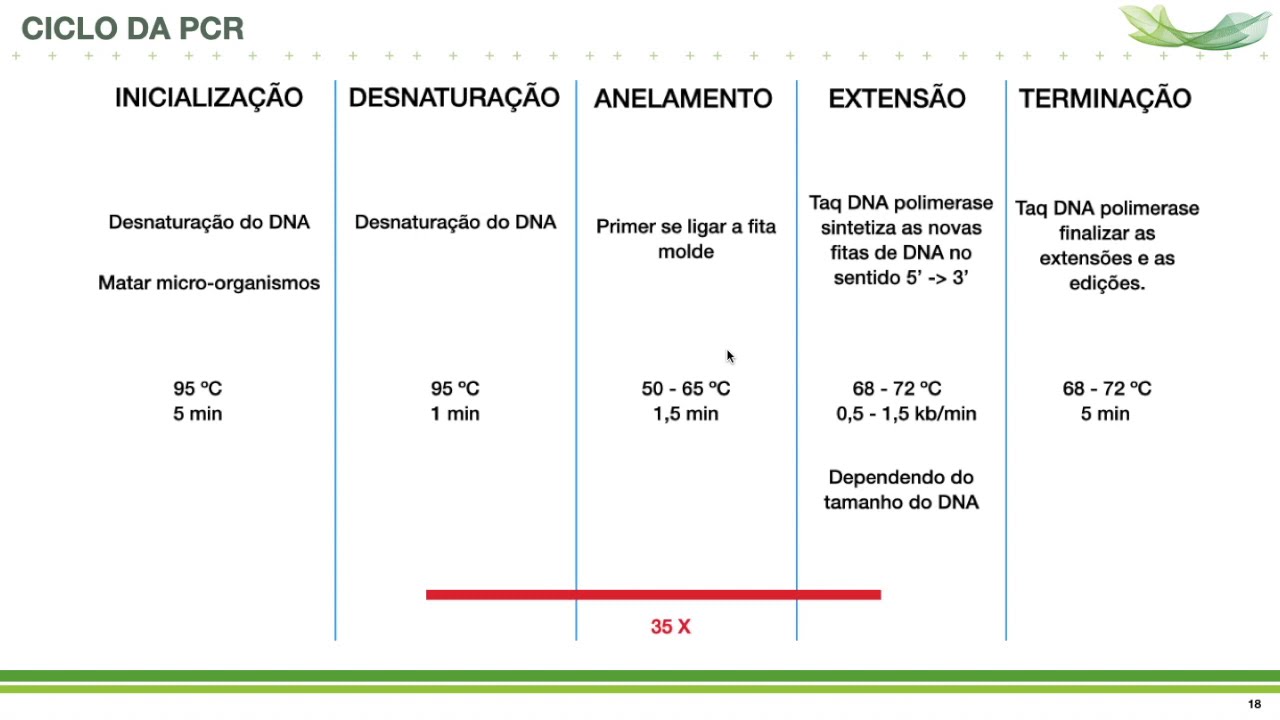
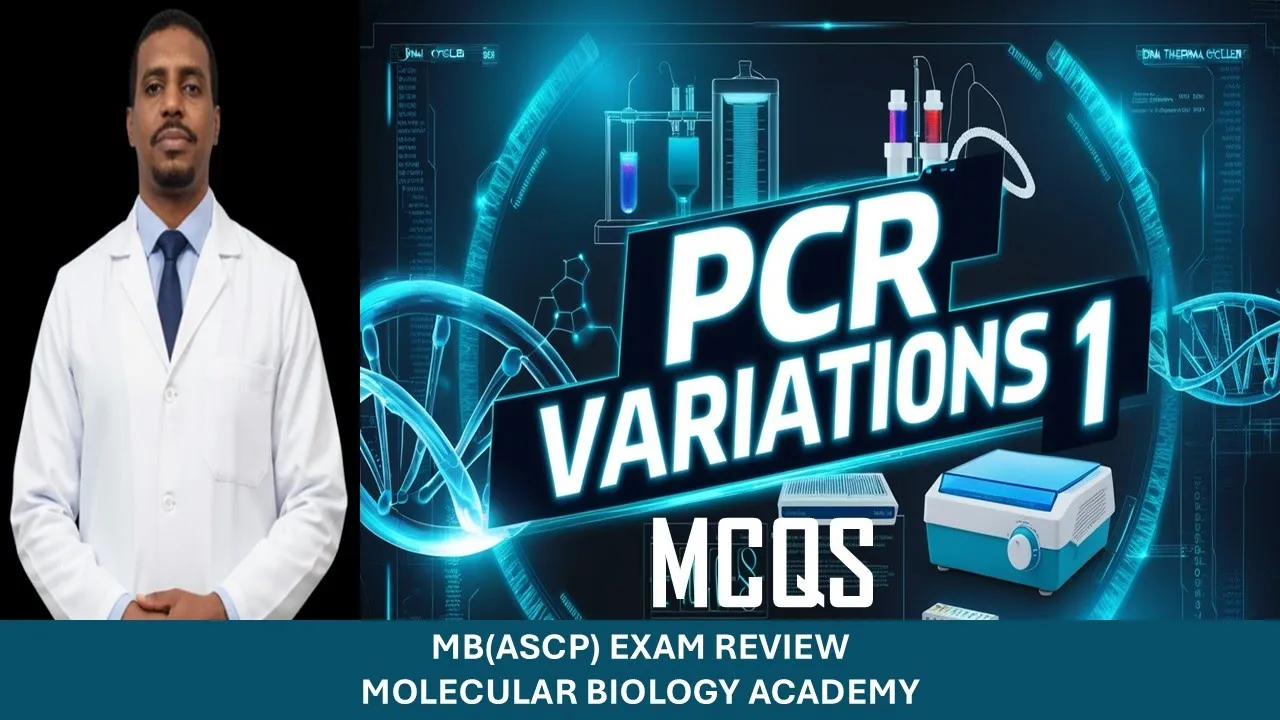
PCR is a technique that amplifies a single DNA segment into billions of identical copies through repeated temperature cycles: 95°C denatures DNA by breaking hydrogen bonds, 60°C allows primers to anneal to complementary sequences, and 72°C enables Taq polymerase to synthesize new strands; after 25 cycles, over 33 million copies of the target DNA are produced.
Polymerase Chain Reaction (PCR) Animation: Step-by-Step DNA Amplification Technique
Added:The double-helical structure of DNA, including complementary base pairing (A-T, C-G) and the antiparallel orientation (5' to 3' directionality).
The biological mechanism of in vivo DNA replication, particularly the role of natural DNA polymerases and the necessity of primers.
The concept of thermal denaturation, specifically how heat breaks hydrogen bonds to separate double-stranded DNA into single strands.
Basic enzyme kinetics, including how temperature impacts enzyme activity and the stability of proteins.
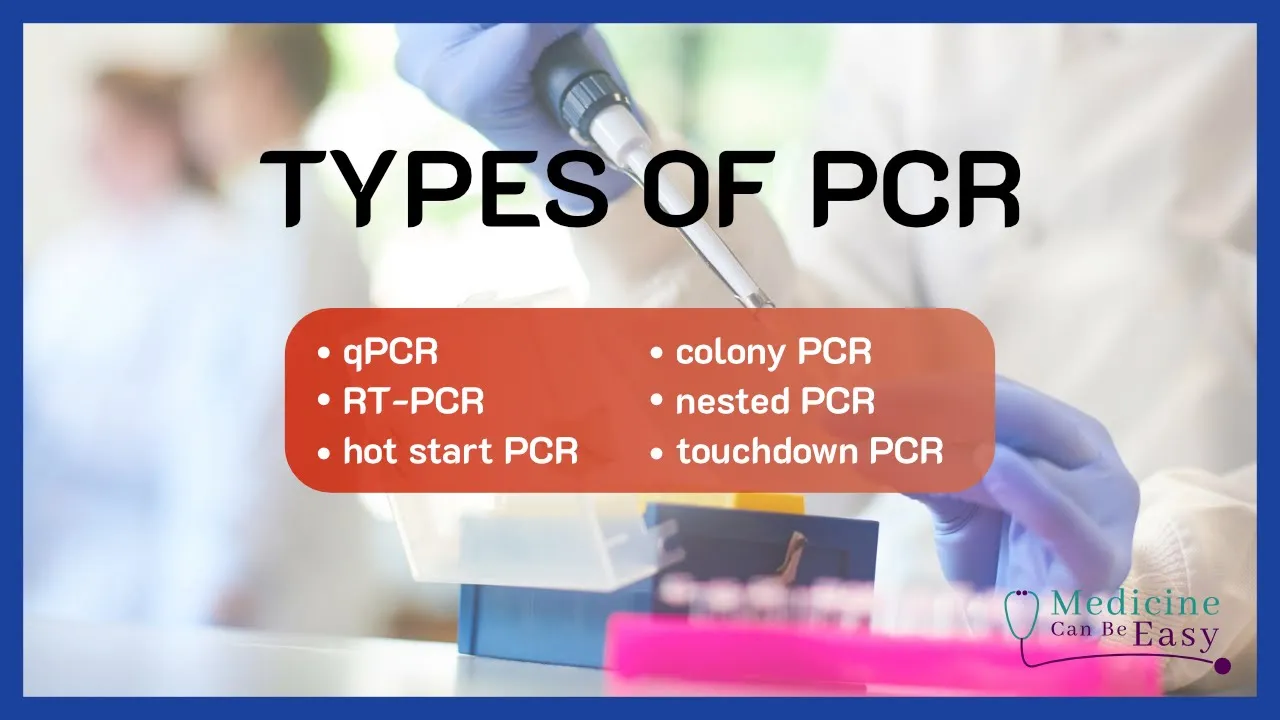
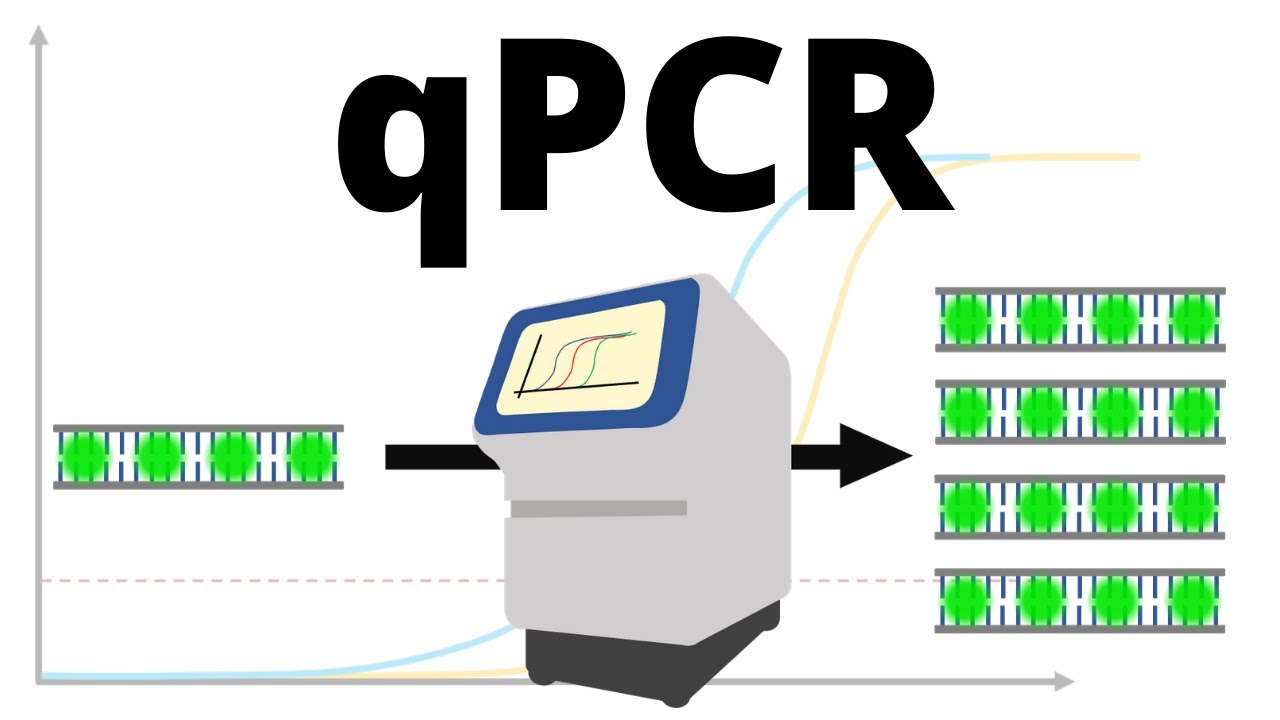
Advanced variations of the technique, such as Quantitative PCR (qPCR) for measuring DNA concentration, and Reverse Transcription PCR (RT-PCR) for studying RNA.
Agarose gel electrophoresis, which is the standard method used to visualize, verify, and analyze the size of the amplified PCR products.
Practical applications of PCR in biotechnology, including DNA fingerprinting in forensics, prenatal genetic screening, and pathogen detection in medicine.
The methodology of primer design, focusing on melting temperatures (Tm), GC content, and avoiding secondary structures like primer-dimers.
347K views3.2Klikes3:46Original Release: 2016-06-11
[Music] a sample of chromosomal DNA also called the genomic DNA can be used as the starting material for the polymerase Chain Reaction also known as PCR with PCR an investigator can amplify a single copy of a DNA segment into billions of identical copies the DNA segment of Interest or Target DNA is indicated as [Music] red in addition to the Target DNA a PCR reaction contain contains several other ingredients these include free nucleotides DNA primers and the enzyme Tac polymerase the primers are typically about 20 nucleotides long and are complementary in the sequence to the ends of the target DNA t DNA polymerase is delivered from Hot Springs bacteria and can tolerate intense heat for the PCR reaction a PCR reaction lasts several hours and typically consists of 20 to 30 repeating Cycles a cycle Begins by heating the reaction mixture to 95° C the heat denatures the DNA strands breaking the hydrogen bonds that hold the strands together after denaturing the DNA the temperature is reduced to around 60° so that the primers can form hydrogen bonds or anal with their complimentary sequence in the Target DNA note that the primers and the target DNA follow base pairing rules an adenine pairs with the thyine and a cytosine pairs with the guanin in the next phase the temperature is raised to 72° C attack polymerous functions optimally at the temperature and begins to polymerize adding nucleotides to the three prime ends of each primers attached to the DNA strand after one complete cycle there are two double stranded copies of the target DNA [Music] formed the PCR reaction mixture contains mainly copies of the primers and an abundant supply of nucleotides to per for many additional Cycles after a second cycle there are four copies of the target DNA [Music] produced after cycle 3 is finished there are eight copies of the double standard Target DNA sequence and note that only two of the double standed copies consist of just the target [Music] fragment and the the others also including flanking DNA regions as the number of Cycles increases the products consist of Greater proportion of the fragments with just the target DNA increases after four Cycles half of the fragment consist of just Target DNA and half of the fragments also contain flanking DNA with each additional cycle the number of copies of our Target sequence doubles at the end of 25 cycle there are more than 33 million copies of this double stranded Target region found [Music]
Up Next

75:20
Introduction to Soil Microbiology: Complete Lecture & Notes
@drabdulnabimirjat
2.1K views•2024-02-05
50:12
Bacterial Communication: Quorum Sensing and Biofilm Formation Explained
@JHUAAP
12.6K views•2011-06-28

14:34
RNA Interference Mechanism: siRNA and shRNA Pathways Explained
@shomusbiologyofficial
379.7K views•2015-02-21

7:08
Bacteriophages: Earth's Deadliest Killers and Future Antibiotics
@kurzgesagt
34.6M views•2018-05-13
Related Study Plans & Knowledge Roadmaps
Structured learning paths in Biology
biology
RNAi: Biogenesis, RISC & Gene Silencing
01Molecular Biology Foundations: DNA to Protein
02Introduction to RNA Interference (RNAi)
03Molecular Biogenesis of miRNA and siRNA
+ 2 more learning modules
10h5 modules
Explore Roadmap
biology
Mycorrhizae: Signaling, Biophysics & Ecology
01Foundations of Mycorrhizal Symbiosis
02Molecular Signaling and Root Colonization
03Biophysics and Bioenergetics of Nutrient Exchange
+ 1 more learning modules
11h4 modules
Explore Roadmap
biology
Circadian Clocks: TTFL, SCN & Periphery
01Foundations of Molecular Biology & Gene Expression
02Introduction to Chronobiology and Actograms
03The Core TTFL: Molecular Architecture of the Clock
+ 3 more learning modules
14h6 modules
Explore Roadmap
biology
Population Genetics: Math, Drift & Selection
01Genetic & Probability Foundations
02The Hardy-Weinberg Principle and Baseline Models
03Mathematical Modeling of Natural Selection
+ 3 more learning modules
18h6 modules
Explore Roadmap