


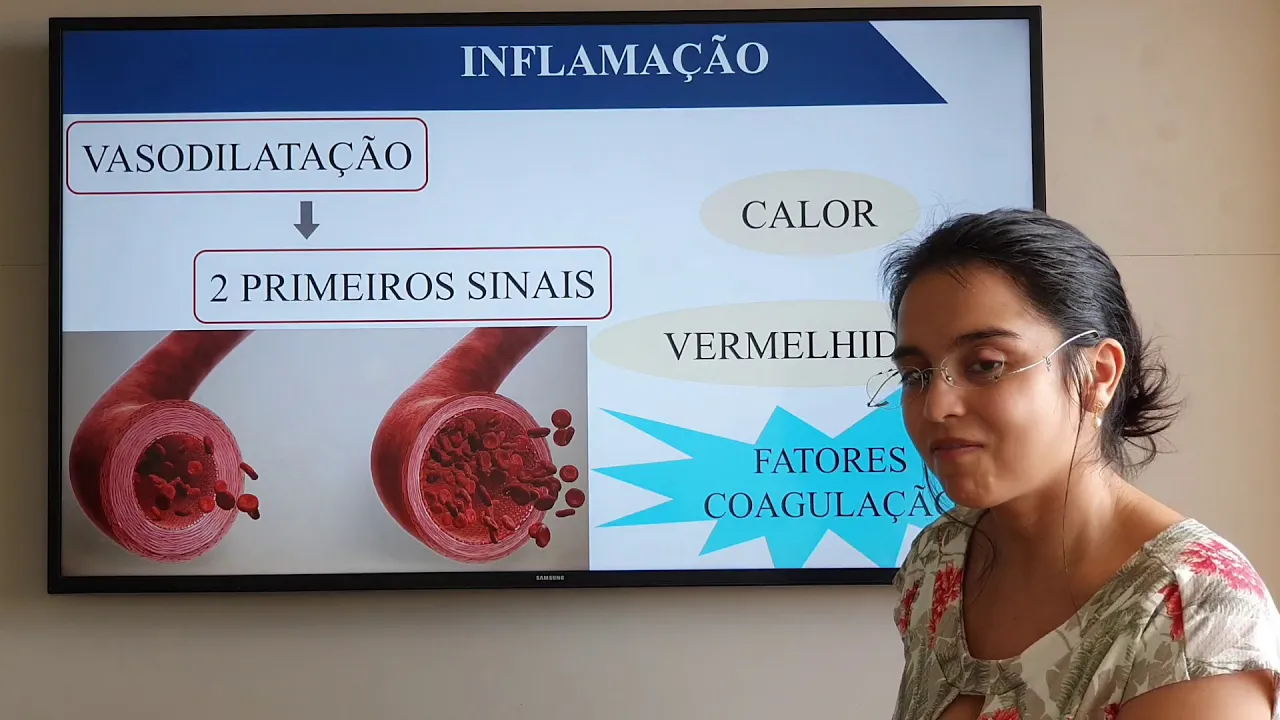


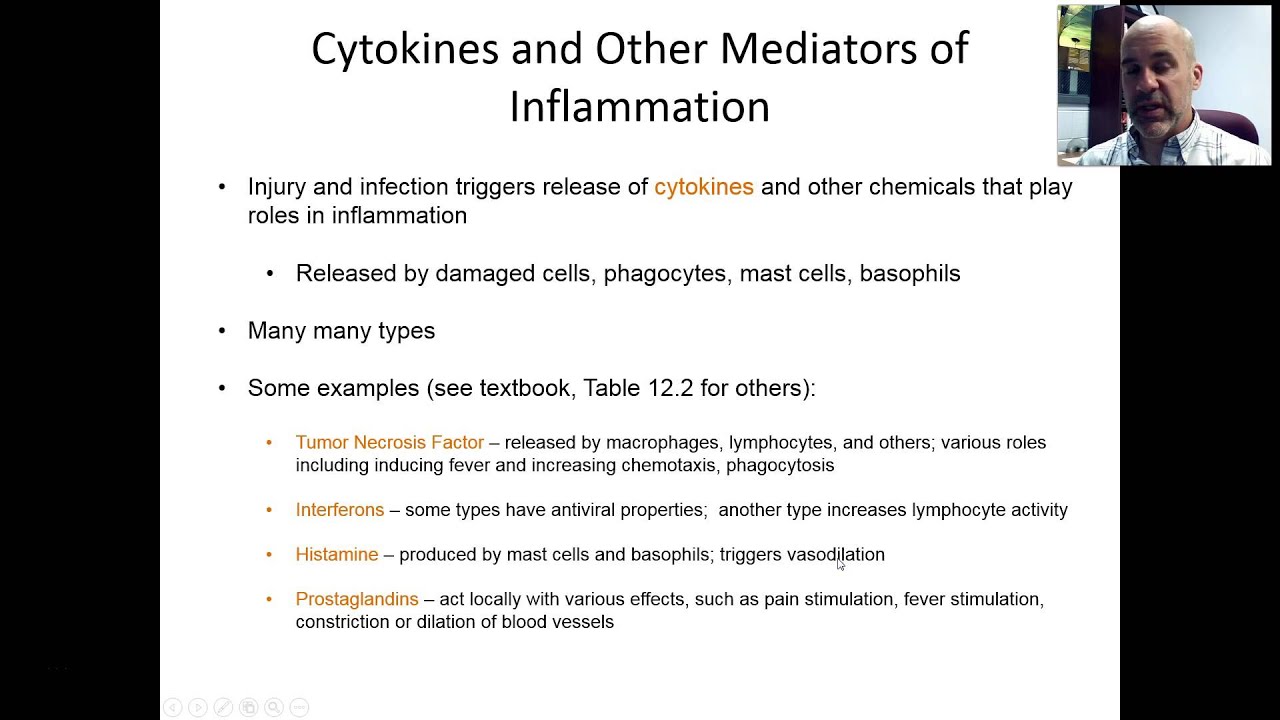






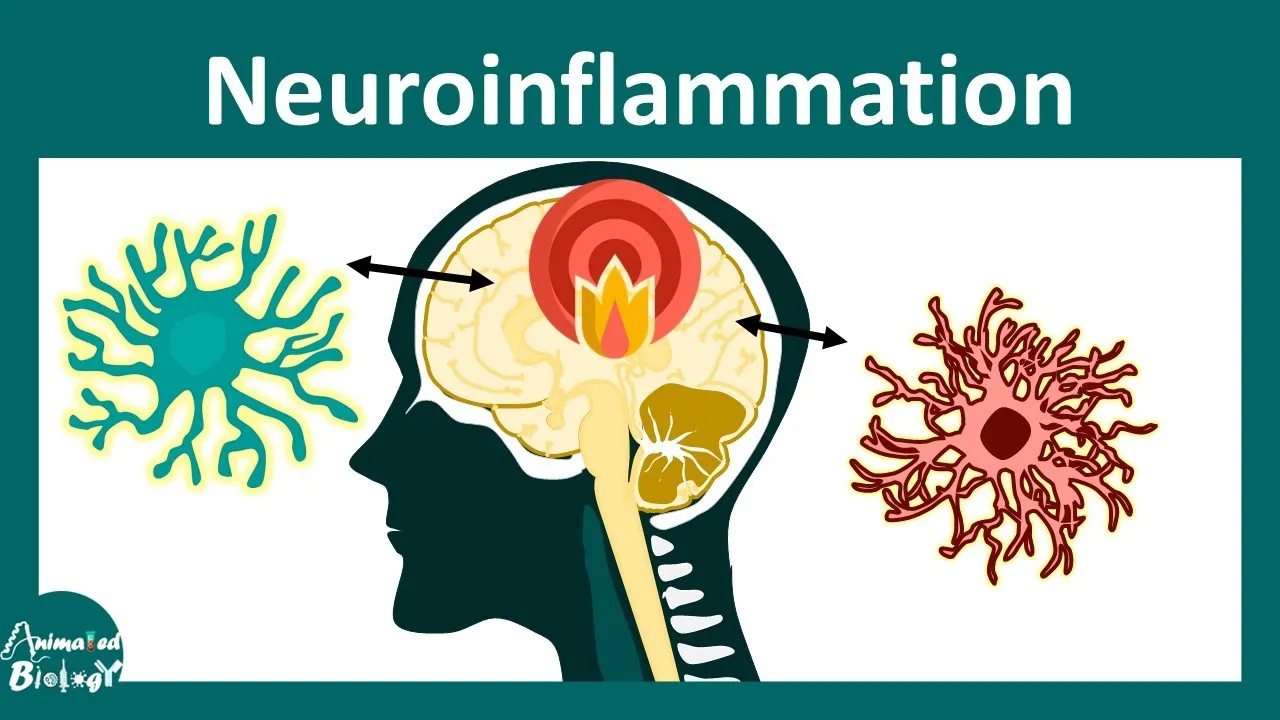




Glial cells, particularly microglia (the innate immune cells of the CNS comprising 6.5% of brain cells) and astrocytes, play a crucial role in brain inflammation through a complex interplay of damage-associated molecular patterns (DAMPs) and pathogen-associated molecular patterns (PAMPs). When activated by various triggers such as infections, concussions, emotional stress, environmental toxins, or autoimmune diseases, microglia transition from a surveillance state to an inflammatory state, releasing cytokines and other inflammatory factors that can lead to chronic neurodegeneration if not properly regulated. This inflammatory process can manifest as diverse symptoms including depression, anxiety, fatigue, and chronic pain, requiring a comprehensive approach to treatment that addresses the underlying causes rather than just managing symptoms.
Glial Cells Microglia & Astrocytes in Brain Inflammation
Added:so one of the mediators of inflammation in the brain the answer is relatively straightforward when I wrote my book the entire focus is on microglia because that's frankly as far as we really had at the time we now have a lot more information and there's a couple of more players we have to pay attention to astrocytes and mast cells so it's now important that we take a look at what's going on with these three types of cells so that we can understand how to go about treating the problems that we saw that people are struggling with with neuro inflammatory disease is this everything nope we got more data coming but at the moment if the clearest data we have available to us so if we look at the microglia so glial cells at one point we thought were just the skeletal structure of the brain well it turns out that glial cells actually are 80% of the cerebral cortex that area we do are all our big thinking ok and only 20% are neurons so glial ends up turning turning out to play a huge role in terms of the way the brain works functions and in fact is the other half of the brain so I'll go dendro sites are the things responsible for making the myelin sheaths around the nerves the astrocytes will go into a great deal microglia which constitute the innate immune system of the central nervous system comprise about 6.5 percent of the cells in the brain so the smallest percentage of the 6.5 percent the other reason we don't need to be concerned with but these are the guys that really are the heart of the innate immune system in the central nervous system and this is a picture of a microglia so microglia are the resident cells of the brain so they live in the brain they're there they end up moving there during the development of the fetus they come from bone marrow and they're absolutely crucial in the early development of the brain because the brain this huge amounts to turnover in creation of neuronal circuitry as the fetus grows and as the brain grows and the end result of which he should get lots of neuro tangles you can get all these lovely neuronal highways that gets completely screwed up unless somebody's in charge of making sure that they stay straight and true michael glia do that so in the fetus the job of the microglia is to make sure that the neuro tangles don't occur and that there's lots of straight open highways for the nerves to function the way they're supposed to they are the electricians of the CNS they're constantly helping repair damage to the neurons all right and they're the innate immune system in the central nervous system the innate immune systems job is to respond instantaneously to a problem in a response area typically meaning that it's always kind of the same response over and over again the acquired immune system is about antibodies it's about having learned that there's what this antigen is that's come into the system and then making specific chemicals that will attack it and protect the body against it so the innate immune system just kind of does you hit it does the same thing over all right so this maintains you circuitry of the CNS there is no resting state from microglia it's a sessile state they are constantly monitoring the environment they're constantly looking for problems that they need to go address they can potentially influence and not potentially but in fact they do influence information processing in the central nervous system either indirectly via their actions with astrocytes or directly by their actions on the synapses so they play a huge role in regulation of functioning of the nervous system they also are not attached to anything in the brain which is unique of all the other cell structures meaning that astrocytes are attached to neurons and to blood vessels oligodendrocytes are attached to neurons but microglia are actually between the tissues between the neurons and so that allows them to move in a amoebic like a faction to whatever the area of damages and they go through a process called micro gliosis and micro gliosis goes from the set file state where they're just checking the environment to see what's going on to an activated state which is an inflammatory state where they're spewing out a lot of different inflammatory factors and then they can move all the way to a macrophage state if they need to in terms of actually destroying bacteria or viruses most of the time they'll go into this activated state and then go back down the sessile state after they're not needed why do we need this if there is damage to a neuron for whatever cause that damage we'll talk about that in depth in a minute but if there's damage to your neuron the job of the microglia is to move into that area and clean it out all right these are the guys who do the demolition they come in you want to renovate a building the microglia are the guys who come in do the demolition set it up for the new material to be able to come back in they then after they do their demolition are supposed to call in the subcontractors to come and put the drywall up in the plumbing up and everything else that's supposed to go in place and then they're supposed to go away in a chronic inflammatory State they don't go away they stay in the demolition phase and that's why we see ongoing neuro degradation and we see atrophy starting to occur as the brain shrinks because we see long-term destruction of neuronal tissue so what happens is microglia can get activated in a number of different ways and basically they fall into the category of damson tamps damage is socially the Associated molecular pattern and pathogen associated molecular pattern and so you have no rohtul death and that releases damps damage socially a molecular pattern and you get all these factors that come out of the cell the microglia have receptors on their surface that allows them to pick up that this is happening then the end result is they move into the micro gliosis phase and start creating the inflammatory process the same thing happens if you have an antigen if you have problems coming from infectious disease processes viruses and whatnot so what a damson camps so molecules present so pathogen associated molecular patterns are molecules present in diverse organisms but not enough okay so viruses and Lyme disease and other bacterial infections can all create the problem they provide exogenous signals that alert the immune system to the presence of pathogens thereby promoting immunity all right we need cells in our body that can tell when things have entered us that do not belong there that's with the innate immune system does all right microglia the innate immune system of the central nervous system examples of pathogen associated molecular pattern these are actually ideologies rather of pathogens associated pattern is all kinds of things strep infections okay strep can induce an antibody infection which we now refer to as pandas pediatric autoimmune nervous system disorder okay from strep all right produces bizarre behavior and the part of the kids lots of OCD type behavior as long as well as rage type behaviors and all kinds of pain problems they can go along with it all right pans which is the overview of that not specific to strep we now know can be created by Lyme disease we now know can be created by epstein-barr virus we now know can be created by mycoplasma pneumoniae among others so these infections get into the central nervous system and can do a great deal of damage this is the process that they do it by releasing these factors and the things the types of PAMP that we see are lipid polysaccharides endotoxins flagellin think in terms of the spirochetes and double-stranded RNA that you're seeing from viruses so these things are released there's receptors to these things on the microglia and that puts it into a micro grossest pattern damage associated molecular patterns occur when cells die before they're supposed to there's a normal process of cell death that occurs on an ongoing basis because we're constantly turning over cells in our body if cells die before they're supposed to because they've been damaged from any of a number of different conditions that sends out information to the immune system that says we have a problem and we need to go clean this up again okay so it initiates perpetuates immunity in response to trauma ischemia loss of blood supply to the area cancer other settings in which tissue damage in the absence of overt pathogenic infections okay so this is happening because not a bacteria or viruses come into the system but because cells are dying for some other reason and we need both these things right because not all damage and the body occurs because of infections sometimes it comes because of trauma sometimes it comes against a loss of oxygen or blood supplied to the region so these are two ways in the microglia the innate immune system upregulate in order to start limiting the damage other examples again specifically these are things that are coming out of the inside of the cell out of the mitochondria that are now outside and as such the reset they're available for the receptors and they turn on on the microglia so as we saw in the other picture ATP uric acid heparin these are things which will turn on microglia well caught what are the origins of them concussions right brain damage emotional stress we now know through multiple studies that long-term stress causes neuronal death it damages the brain we know that bullying will can be stressful enough to actually damage the brain and cause the inflammatory process to be sent hypoxia loss of oxygen to the brain when does that occur well in 5% of the population it occurs every time they go to sleep sleep apnea 85% of people who have sleep apnea do not know they have it so some people are literally killing themselves every night they go to bed environmental toxins we see these in terms of pesticides and herbicides in the environment along with heavy metals such as lead and Mercury alright getting a picture here if we're going to talk about their inflammatory disease we have to think of it as a systemic illness chronic pain is a symptom of inflammation in the central nervous system the causes of inflammation the central nervous system are infections concussions emotional stress environmental toxins mold toxins and autoimmune diseases and there are more but we have to think about chronic pain differently chronic pains the symptom and as long as we think about it as the symptom and we know that the process going on is neuro inflammation we now have a whole different set of questions to ask and it requires that we get a very comprehensive history it's not about what hurts it's about the person that hurts it's about understanding how that individual got in front of me at that moment and what are the what are the things that brought them there and when we start asking those questions we get a lot of very interesting answers I give you one example I'll go back for a sec I had a young man brought to me who had severe depressive disorder he had attempted to hang himself at one point even hospitalized the multiple occassions unresponsive to any of the antidepressant medications we worked him up as an ER inflammatory disease he had celiac disease 15 percent of people with celiac disease will present without gastrointestinal complaints but neurologic symptoms we treated the celiac disease we helped heal his gut 100% resolution of the depression 100 percent off antidepressant medications he wasn't depressed yet an ER inflammatory disease manifesting his depression the cause of which was silly act disease gotta get this through our heads we're treating the smoke we're not treating the fire and that's why we're failing so what happens is we have damson pants it set off the micro gliosis the end result is we start producing all of these inflammatory factors that come out of the cells what are the things again that set off the neuro-immune reaction physical trauma skini a loss of blood supply stroke obesity can be a factor not everyone who's obese have this problem but there's a subset of people who have obesity also have significant inflammation going on in their body psychological trauma autoimmune diseases toxins infection and medications opioids the number one drug we use to treat chronic pain is probably creating more problems for us than solving so all of these things can set off the microglia and what do you what results is all of these inflammatory factors and what results is all of these symptoms depression anxiety fatigue malaise sleep disorders endocrine dysfunction mein gastrointestinal problems you can have fevers that come and go and we can also see postural orthostatic tachycardia syndrome these are the symptoms of inflammation in the brain and then we need to go back and look at the causes of things that set off the inflammation as long as we treat down here we fail we know that because we've been failing for a long time we have to change the paradigm we have to change what we're doing in order to get better results the other thing we know about microglia and this is why it's so crucial to understand the neuroanatomy is that they possess memory and repetitive stimulation leads to a chronic inflammatory state in the central nervous system so in some people and certainly genes direct this to a certain extent but in some individuals one hit from whatever the problem is will set off the microglia and they will not reset but in most people it's a series of things that have set off the microglia and it's a series of things that then result in the damage so you've got to look at it from a multi factorial issue as opposed to the thing that created the problem so these guys once they're up regulated can stay up regulated it depends on the age of the individual we also know that as we age they move into the inflammatory phenotype by themselves so 40 and 50 year old microglia tend to stay up regulated into a de flama Tory state all by themselves with little coaxing so it's much easier to fix the problem when you're younger than it is when you're older this may also give us some insight into aging brains and ways that we can slow that process down and reverse it astrocytes after sight is clearly another major player in this after sites have a lot of work to do they support the blood-brain barrier and modulate blood flow into the brain that blood-brain barrier is what helps make the brain and immunologically privileged organ not quite as privileged as we once thought because now we know that it's connected via the lymphatic system into the lymphatic system and the rest of the body but still it helps protect the brain from normal things floating around a blood that aren't allowed to get into it it provides structural support of the Blaine it modulates synaptic transmission it modulates microglial activity its role in spinal and sexual sensitization its role in nervous system repair and glial scar the glial scar is an interesting concept that's just evolving out when neuronal damage has occurred the microglia are the astrocytes rather seem to pave over that area but unlike a scar on the skin which is inert those scars still seem to be active but not normally active and so we'll have to understanding in terms of what glial scar is truly mean and what it is we're going to be able to do about them what happens in a normal time period then is that you end up with death of a neuron for whatever reason it releases react I'm sorry releases factories which turn on the microglia the microglia up regulate the microglia then release a whole bunch of substances including reactive oxygen species and nitrogen species the end result causing more damage to neurons but it also sets off a bunch of factors that turn on the astrocytes so the astrocyte also went up regulated start turning on microglia more as well as doing further damage to the neurons so there's this vicious feed-forward feedback process going on and the astrocytes are key to part of this what we don't know and to step back for one second we don't know much past this we're not sure how to go after the astrocytes specifically we're just beginning to understand it but unquestionably their role is important here and we're going to have to understand that most of the research has been focused on microglia to date you
Up Next
The Neuroscience of Language: Broca's & Wernicke's Areas
@neurotransmissions
112.6K views•2016-07-03
Deciphering Neural Circuits Controlling Anorexia in Mice | Richard Palmiter
@AllenInstitute
2.3K views•2011-10-10

Vagus Nerve (CN X): Anatomy, Nuclei & Functions Explained
@Alilamedicalmedia
305.2K views•2022-10-31
How Exercise Benefits Your Brain: Science Explained
@TED
11.4M views•2018-03-21
Related Study Plans & Knowledge Roadmaps
Structured learning paths in Neuroscience