






![Entrevista profesor visitante: Philippe Bourgois [2015].](https://i.ytimg.com/vi/rlH481oh4cA/maxresdefault.jpg)





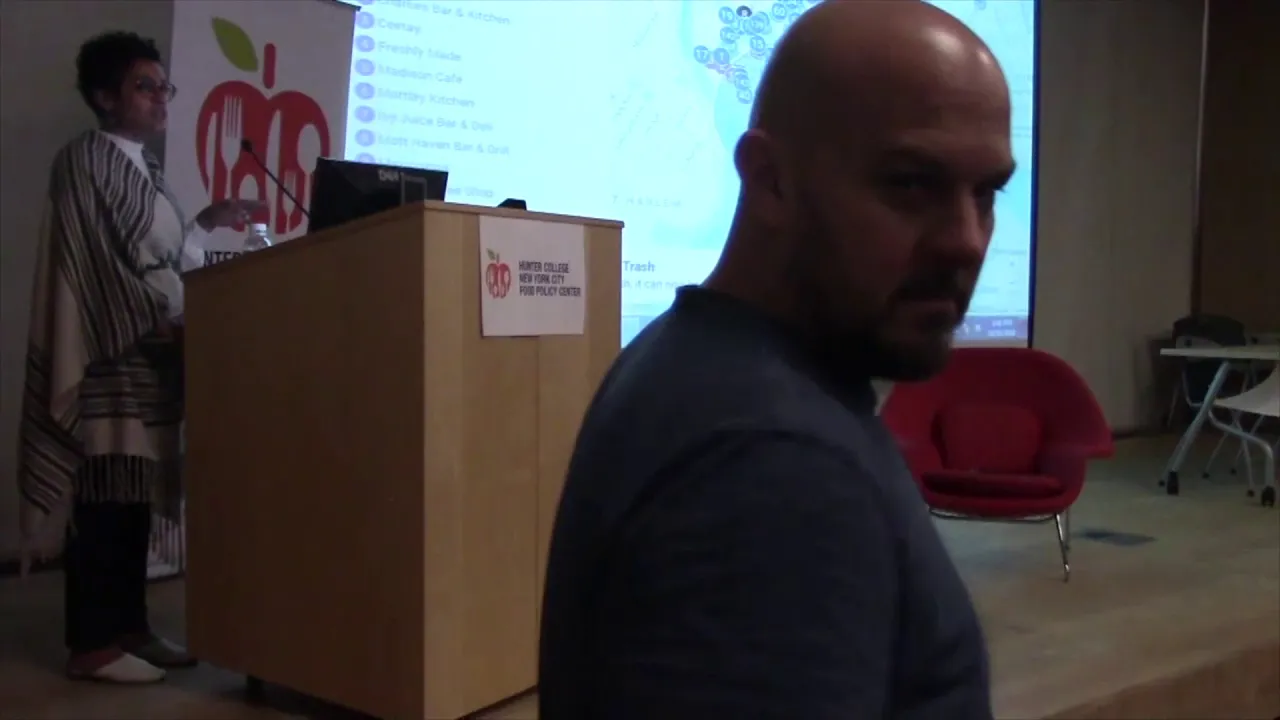




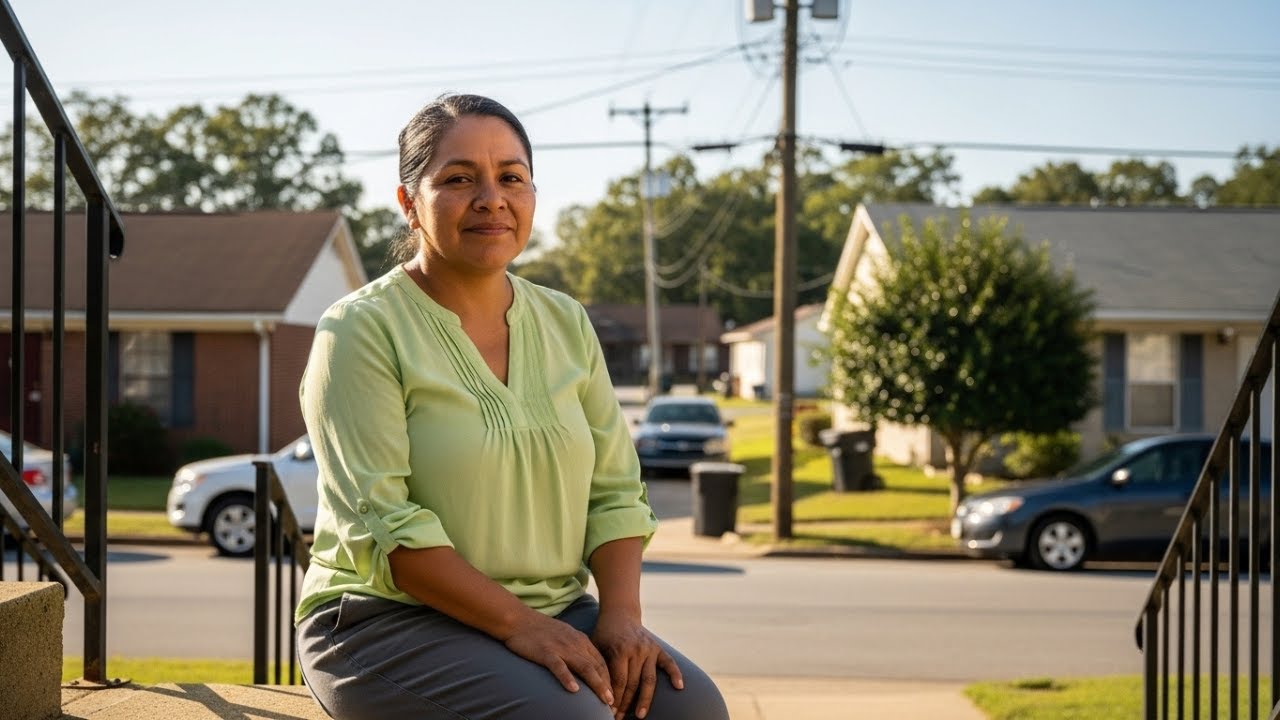

Migrant workers who produce food for communities often face significant food insecurity themselves, despite being directly responsible for feeding others. In Vermont, where the Latino population has grown 24 times faster than the overall population since 2000, migrant workers in dairy and agriculture face food insecurity at rates three to six times higher than the national average. This paradox highlights how food systems can create vulnerability among those who work within them, and demonstrates how community gardens and solidarity projects can help address these disparities by connecting isolated migrant workers to fresh, local food sources.
Food Insecurity Among Migrant Farm Workers in Vermont
Added:Understanding the basic definition and indicators of food insecurity versus food security, including the roles of accessibility, affordability, and nutritional quality.
The structural demographics of the United States agricultural labor force, particularly the reliance on migrant, seasonal, and undocumented workers.
The concept of the 'agricultural paradox' or 'food paradox,' where the individuals responsible for harvesting food are systematically marginalized from consuming it.
The fundamental methodologies of applied anthropology and ethnography, specifically how researchers engage with communities to address social inequalities.
Evaluating the effectiveness and scalability of community-based food security initiatives, such as 'Huertas' (applied garden projects) and cooperative agricultural models.
Analyzing state and federal labor policies, immigration laws, and the Farm Bill, and their direct impacts on farmworker rights and food sovereignty.
Investigating the intersection of undocumented immigration status, rural isolation, and barriers to accessing public social safety net programs (like SNAP).
Exploring the broader public health implications of food insecurity on migrant populations, including dietary health disparities and occupational stress.
391 views1likes15:04Original Release: 2013-07-16
um so thank you everybody for being here this afternoon amidst the humid muggy weather that we've been having and thank you so much to all the organizers of the event I was really looking forward to being here this afternoon um and so I'm an anthropologist and what that means is that I study culture and I really like to study culture through studying food because it's sort of one of the most tasty and delicious and wonderful ways to do research what I'm going to be talking a little about today is some impacts around migration really close to ourselves here in Burlington and what I that question that really keeps me up late at night the question that I think is going to animate me for the rest of my life is why is it that those people that are directly responsible for putting food on our plates whether it's in the kitchens in factories in poultry processing facilities in farms among Farm Workers where are those individuals among the most food insec cure people in our country so that question I'm not going to answer in 15 minutes there's no way it's not possible it's a history that goes back slavery prior to slavery it's not something that I can really address but what I do want to talk about is this emerging applied research project um starting out with an applied project that seeks to increase food security and food access among Latino migrant workers here in Vermon so there's this concept that anthropologists use it's this idea of food ways some other people like to use it as well and it's a notion that allows us to think about how people eat the ways that people eat in a particular period in in a particular time in a particular geography and migrants really push us to rethink that idea of food ways because they actually bring food ways sometimes from as far as Southern chapas to Northern Vermont and so really thinking about how borders and boundaries Among Us are really a lot more fluid than we often really think they are so I want to give you a little bit of a context of what's happening in the state of Vermont some very contemporary kinds of issues and then I'll talk about a project that I did not start a project that I've been able to piggyback on and collaborate with over the last two years so when I first moved to Vermont after studying um food security and migration in the Seattle area a lot of people asked me well what are you going to do in Vermont there's no Mexicans in that state and I think that that's a really problematic and a very common understanding that the invisible workers that are in our state often remain invisible until there's a problem there's been several problems several challenges several struggles that have come up in recent years so Vermon is often understood as a new or non-traditional site of migration it's not like the Border it's not like California it's not like my home state of Colorado but we've seen this really steady increase in the number of Migrant workers in our state the migrant population or Latino population since the mid 1990s has really increased and in the first decade since two between 2000 and 2010 the Latino population grew 24 times faster than the overall population so this is a really significant increase and as I'll talk about Dairy work specifically is a particular and kind of a unique way that workers interact with the food system because it is year round work things like the h2a Visa program that brings seasonal workers those don't really fit so easily with the conditions of work and the conditions of labor that these people experience in Vermont many of us know that live in this state is the second whitest state in this country meaning the white demographic is the most prevalent other than Maine so when we have this kind of an increase of population there's this interesting contradiction that happens where people are both invisible in their workplaces but the second people enter the working landscape outside of maybe the dairy where they work they're hyper visible and so recently last two years especially since I moved to Vermont two years ago there's been some really active solidarity work advocacy work largely at the part of an organization named migrant justice but also through UVM extensions migr program really great work to think about how are the needs of this particular Community different than those people that are visiting perhaps the Burlington farmers market so when I first moved here I quickly quickly started thinking about milk a whole lot um which is interesting I my parents actually own a basan Robins while I grew up and so I think about it in a much different way now but Vermont of any state is the most dependent upon Dairy production so if the dairy industry were to fall out our state's economy would be really in a in a sad situation but since about the 1940s we've had a tremendous loss of dairy farms this is not only unique in Tu Vermont but also other Dairy producing states and across the food sector what we see is this increasing consolidation we've heard about it already today that Farms are getting bigger but they're getting and many times that consolidation process actually is accompanied by The increased Reliance upon hired migrant labor so it's estimated these are all estimates that maybe about 2third of Vermont's berries employ migrant labor perhaps as much as a half of all the milk in this state is produced by migrant labor and there's been some good work that's happened from this University some great research looking at Health Care access um looking at some of the particular Health um anxieties that people might have in the dairy industry but not a lot has really looked at their food access and that's kind of the niche that I'm hoping to carve out so I think if we all think about why we leave our house on a daily basis we come to work we might go to school but going out for that quick gallon of milk on our way home depends a lot Upon Our Own sort of Mobility privileges the ability to move around operate within the environment that we live in in a pretty you know and relatively easy way for migrant workers this isn't the case and there's been a lot of great work that's looked at the prevalence of food insecurity in other states of the country so among Farm Workers in North Carolina and Farm Workers in California and along the border it's been found that Farm Workers experience food insecurity at three to six times the national average which the national average is right around 11 12 per. so what that means is onethird to twoth thirds of Farm Workers are going hungry and I think we think about that that's just kind of mindboggling how can we get to a point that that is even a possibility so my goal is to look at this over the coming years I'm a new faculty member this is a 10year project you know got to write a book and that's my plan um but what I want to talk about is some applied work that I've been involved with and I'm I'm an applied anthropologist thinking about you know doing work that doesn't ever touch anyone's sort of real everyday life is not really something that makes me at all excited so over the past two years I've been involved with a project called wus and wus was actually not started by me it was started by Naomi Walcott mccauslin who is the UVM extension staff she's here today she's also a master student in cdae we also have been working really um in depth with Jesse masar was a recent UVM grad this was a great component of her education here at the University and what we've been trying to do is to build Gardens pretty small garden sometimes sometimes as small as an above ground pool that we filled with dirt and put some tomato plants in sometimes as large as this room in some case I would say this part of the room maybe not the whole room and what we really are thinking about is how can we connect this population that is really pretty isolated and really doesn't have a lot of Mobility access to foods that are not only fresh but local and something that people really understand and is Meaningful in terms of what they eat so my work has been really to connect student volunteers to think about the long-term sustainability of this project and starting May of last year I had the opportunity to travel through parts of the state that I had really never been through before I have never seen a cow giving birth and it's amazing so I look over and this cow's giving birth as we're doing one of the site visits I'm like oh my God what's wrong with that cow Farm Workers are like that happens all the time on dairies they weren't very surprised so these kinds of realities these kinds of stories are things that I'm really trying to learn more about through this project before we head it out Jesse and I did some site visits last at the end of the growing season much more exciting than the beginning of the growing season it turns out and before we left Naomi warned us you better have a really empty car because you're going to be given so many vegetables that you really need some space to put them so the first Garden I'm going to talk about three gardeners that we worked with and tell a little bit about their stories because I think it's important to know a little bit about the people that are producing those foods that we're that we're all consuming so the first Gardener is named tsy and I hesitate calling him a gardener because he's a farmer this man knows how to grow food and this Garden stretched from probably I would say maybe 30 ft wide to 10t deep and this Garden is one of four that he grows this is a single man living in Vermont with a couple of other workers soon as we walked in his house he shoves a bunch of Frozen blackberries into our hands and proceeds to take us around the garden for about an hour and a half filling bucket after bucket after bucket of food and I think what I really gain from T's story is that this is the kind of knowledge that we need in our movements for local food we've talked about bringing people to the table about recognizing cultural knowledge and this man I think holds a lot of knowledge that we really need to learn from the second individual that I'm going to talk about is a woman named Ley Ley lives up on a dairy with her young child obviously thinking a lot about how to feed her family on a daily basis and when we first met her she kind of said well there's not a whole lot of reason for me to go out you know there's not really anything to do we were not so excited about the potential of this Garden because it started out sort of a dumping of soil and earth in amound and sort of blind optimism that it would work out turned out to be one of the most amazing projects that we were working on is now divided into several raised beds and she's really cultivating the kinds of foods that she finds meaningful and that she wants to share with her family and in re in reality in Vermont that might not be happening otherwise so one of the things that I think I would like to learn from lety's story is how people will go through really significant effort to maintain connection with their food amidst migration amidst moving to new places food is often the last thing that people want to relinquish and she's putting a lot of effort into maintaining those connections the third Gardener I'd like to talk about is josha and she was a firste gardener last year we another sort of success story that we didn't altogether anticipate that even while sometimes her water was cut off in the middle of the Summer She produced a bounty of food that she was able to share with her children and like any mother she's really thinking about how do I sneak more vegetables into my husband's belly and into my children's bellies and this Garden is allowing her to do that in in a variety of ways so since this um particular site visit Jesse who has been an amazing coordinator for this project has gone back time and time again bringing live chickens that quickly turn chicken mole um cooking with her and really bridging some of these boundaries that people share um in this state and from josea what I really want to think about is the different experiences that women and men face while they're migrating that whether people are bringing children with them whether they have children at home that sort of nurturing responsibility and obligation impacts men and women much differently and I think that's something we need to consider so overall Wess has taught me a lot of things it's taught me a lot about my state my new state I'm not a vermonter I'm still going to be a flatlander even though I'm from the Rocky Mountains but Vermont is a rural and isolated State there's no doubt our transportation systems are fairly you know they need some develop perhaps but I think one of the things I really like to think about is how even aort of isolation this rural nature we're really connected to other parts of the world that connections to Mayan communities in southern chapas are happening all around us and it's something that I think we really need to think about the second thing is I think we all need need to think about how those people that are feeding us are feeding themselves that's a question we don't often ask but I think it's a really vital question for us to ask and the idea of Food Systems while catchy and sort of sexy right now allows us to think about all of those connections all of those networks that are always operating in the food system the last thing is that any kind of food farming immigration Bill really needs to think about stories like this stories like those people that produce our food those are really the things that need to inform the rules the policies the immigration reforms that are happening and that as anthropology I think it or as an anthropologist I think that we have a really unique way of telling story and I think that stories need to be told about these kinds of realities final thing is a plug a couple of plugs is that there's some really great work that's happening in Vermont right now around labor in the food system work by the Vermont Fair uh food Coalition recently report released a great report about the kinds of Labor conditions in our state the work of Migrant Justice to some degree even our 23 guard a really great element of advocacy but right now we're also experiencing the potential loss of really important part of this organizing work so many of you probably know about ongoing conditions um of Migrant workers but many of you may not know the individuals that are involved and right now one of our really key leaders in the farmer Community is potentially not going to be able to stay around for too much longer so if you have smartphones iPhones whatever you have not going to be iPhones if you want to Google not one more deportation in the name Danilo I think you can really learn about the important role that migrant workers bring into this state thanks
Up Next

9:45
Theories of Deviance: A Sociological Overview #19
@crashcourse
790.3K views•2017-07-24
54:57
Contemporary Sociological Theory: Micro, Macro, Integrative
@NaSESYNC
45.7K views•2016-02-17
19:23
How to Analyze Conversations Scientifically | Elizabeth Stokoe | TEDx
@TEDx
1M views•2014-12-04
9:41
What is Sociology? The Sociological Perspective Explained
@crashcourse
4.6M views•2017-03-13
Related Study Plans & Knowledge Roadmaps
Structured learning paths in Sociology
sociology
Celebrity Culture: From Hollywood to TikTok
01Foundations of Celebrity Sociology
02The Rise of Micro-Celebrity & Digital Platforms
03Parasocial Relationships & Algorithmic Intimacy
+ 2 more learning modules
12h5 modules
Explore Roadmap
sociology
Hostile Architecture: Space, Power & Control
01Introduction to the Sociology of Space
02Social Control and Surveillance in the City
03Hostile Architecture and Defensive Design
+ 2 more learning modules
12h5 modules
Explore Roadmap
sociology
Loneliness Epidemic: Third Places & Isolation
01Foundations of Social Capital and Community Cohesion
02The Death of Third Places and Urban Space Erosion
03The Privatization of Leisure and Atomization
+ 2 more learning modules
12h5 modules
Explore Roadmap
sociology
Sociology of Tourism: Gaze, Power & Heritage
01Foundations of the Sociology of Travel and Leisure
02John Urry and the 'Tourist Gaze'
03Staged Authenticity and Cultural Commodification
+ 2 more learning modules
14h5 modules
Explore Roadmap