














![Social information processing theory [Game of theories #39]](https://i.ytimg.com/vi_webp/H-cJKtWcek4/maxresdefault.webp)












The Media Equation, proposed by Reeves & Nass, explains that humans psychologically respond to media in the same way they respond to real people, even when they intellectually know the media is not real, because humans are not psychologically evolved to differentiate between media and reality; this explains why people form genuine emotional connections with digital entities like video game characters and why online relationships can feel as real as offline ones, as technology serves as a tool to fulfill our fundamental human need for social connection and companionship.
Media & Relationships: Online Connections in Mass Communication
Added:Basic principles of Computer-Mediated Communication (CMC) and how it differs from face-to-face interaction.
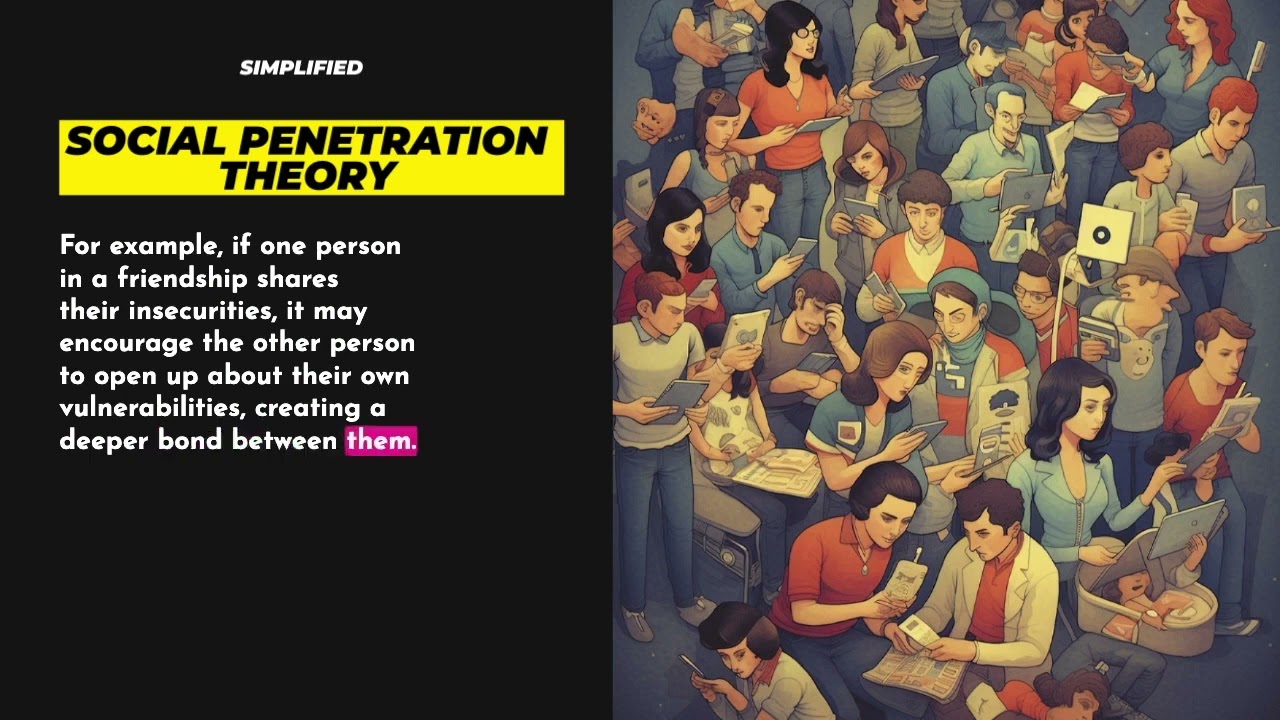
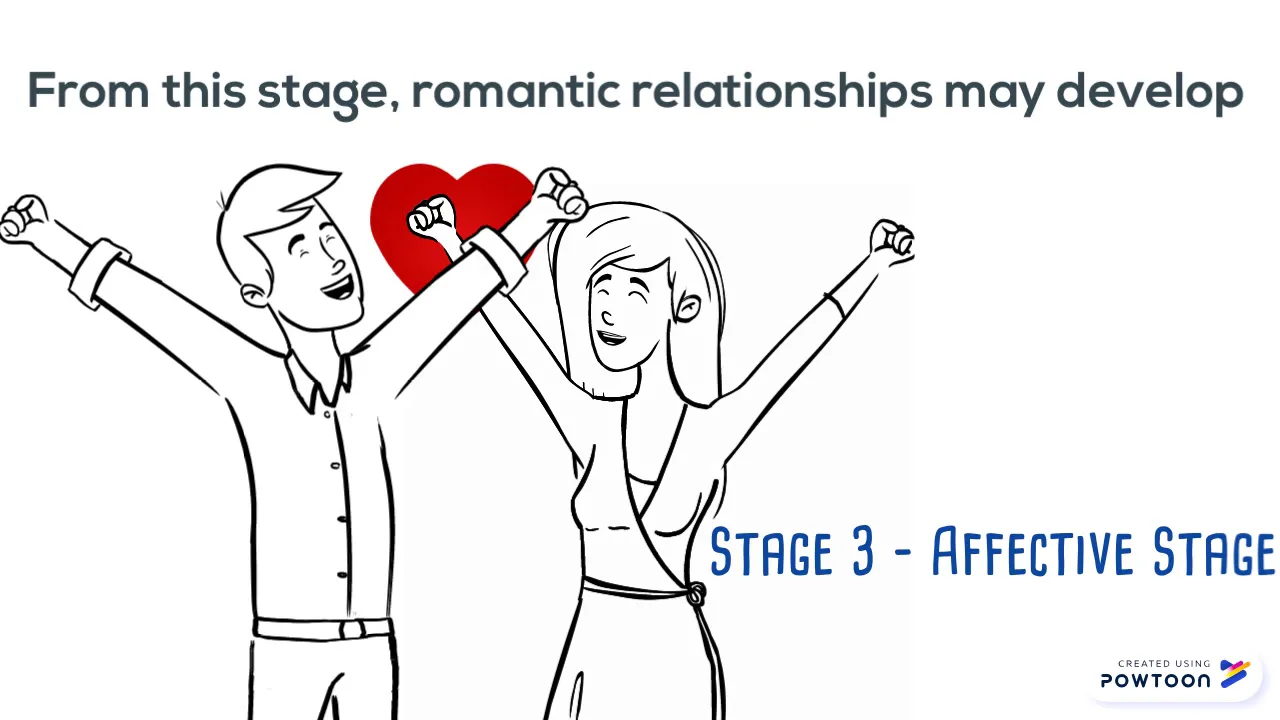
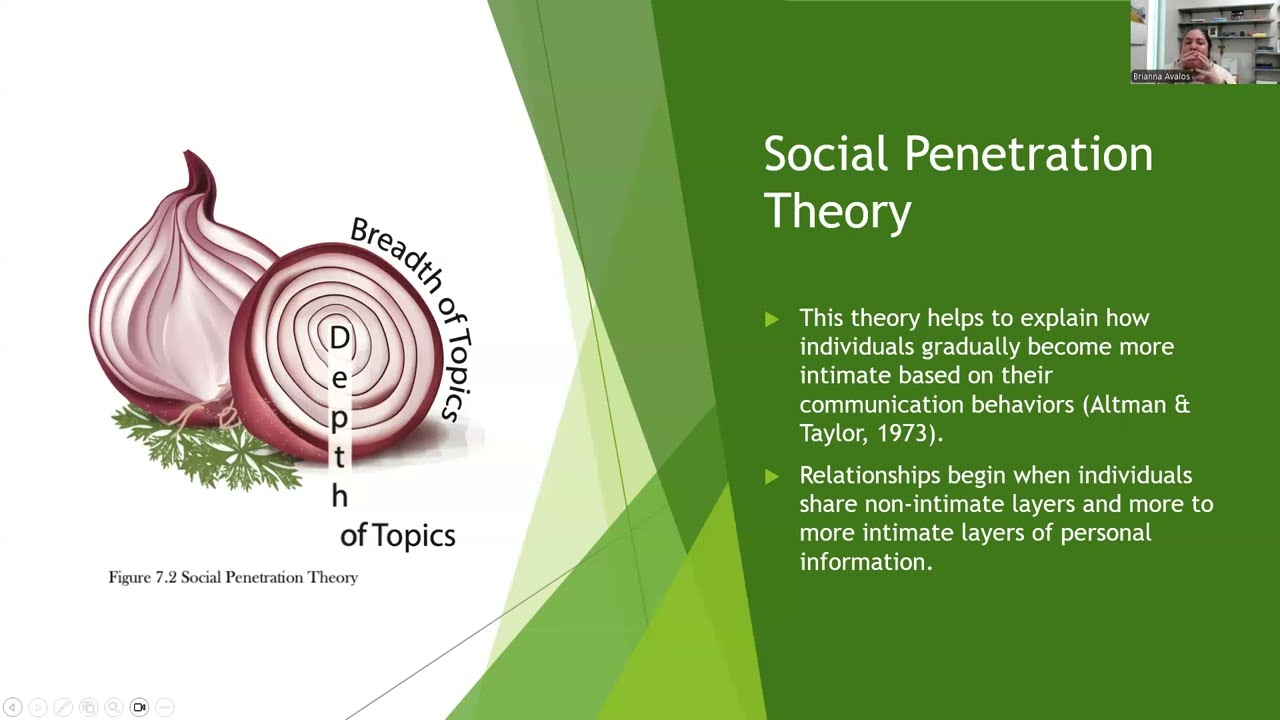
Foundational social psychology theories of relationship formation, such as Social Penetration Theory and the role of self-disclosure.
An understanding of early media effects theories and how mass media historically influences human behavior and attitudes.
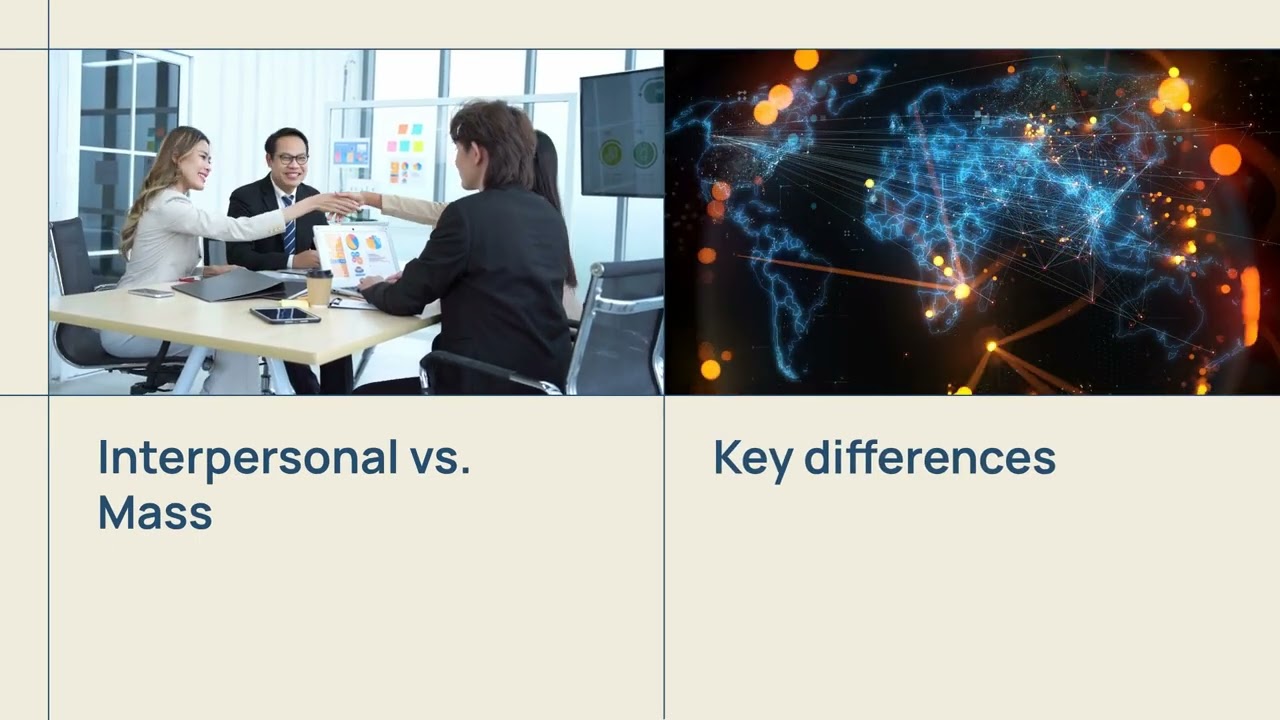
The conceptual distinction between interpersonal communication (one-on-one) and mass communication (one-to-many).
A deep dive into the 'Media Equation' theory (Reeves & Nass), which explains why people treat computers and media as if they were real people.
Joseph Walther's Hyperpersonal Model of communication, exploring how online relationships can sometimes surpass face-to-face intimacy.
The psychological impacts of social networking, including phenomena such as social comparison, the 'Fear of Missing Out' (FOMO), and online echo chambers.
The study of Parasocial Relationships, examining how users form one-sided psychological bonds with media personalities, influencers, and AI agents.
The societal and ethical implications of algorithmically-mediated communication on human connection, digital polarization, and mental well-being.
544 views0likes15:32Original Release: 2015-07-06
median relationships comm 105 fall 2015 she doesn't get angry if I'm late and replying to her well she gets angry but she forgives me quickly Sal 9,000 on his wife Nene from Dee's love + sound 9000 is a real Japanese man but his wife Nene is not a real woman she's a video game character from the game df+ it's not unusual for you find the South story weird or even creepy but is it really so strange to imagine falling in love with a digital person for your consideration is there connection between Maslow see chapter 3 and our desire to use new media to connect to others our online relationships good or bad how have our assumptions regarding online dating changed in recent years why is presents important when thinking about the ways we connect online what is the media equation and what does it tell us about our interactions with mediated individuals media and relationships so why would Sal 9000 want to marry a video game character she's not real right it could be because humans are all social animals we desire companionship and we used technology as a way to foster that need for companionship in many different ways relatedness is the key to positive psychology we use technology in order to communicate with one another to engage in social interaction which is a key feature of human communication just how close is our relationship with technology it's as close as our relationships with one another why do we feel this relatedness an online interaction the media equation as proposed by Reeves & nass suggests that psychologically we respond to the media in the same way we respond to real people we do this even though we know it doesn't make any sense think about it have you ever cried at a movie or been scared for the characters in a horror film they're not real people but you react they are essentially we just aren't psychologically evolved to be able to differentiate between media which is a pretty new invention and reality that means that we treat media characters and media figures much as we do real people that we might interact with in our daily lives our use of media as a tool to communicate with one another isn't new it's been around since the very advent of the internet since the earliest days of technology we have seen work tech repurpose for social tech for example ARPANET the Advanced Research Projects Agency network was the first network of computers developed in 1969 essentially ARPANET is the precursor of the modern Internet although it was designed to help share information between computers and researchers within two years of its development ARPA was being used by researchers to communicate with one another just to talk since the very beginning we want to use tech to communicate similarly SMS short messaging services where have been repurposed in order to allow people to communicate with one enough a squirrel dying in your front yard may be more relevant to your interest right now than people dying in Africa Mark Zuckerberg do you agree with Zuckerberg do you really think we tend to care more about what happens on our own front lawn then what happens to real people all over the world are we more engaged in our own solitary activities than we are in the lives of others is our use of technology a boon or a bane does it help our social interactions or does it hinder them Robert Putnam a Harvard political scientists suggested in his book Bowling Alone that media actually disconnects us from one another despite all the new ways we have to communicate we seem to be communicating less and less according to Putnam he argues that media has led us to solitary activities rather than group activities basically Bowling Alone putting them noticed that people tended to be showing up more and more to come to Bowl but fear and fear of them were sign up for Bowl leagues in other words they were coming to a social activity but treating it as a solitary activity in contrast though it seems that the Internet allows us to engage socially in limitless new ways such as through the various different social media programs that we have access to you may not be engaging physically but aren't your social media contacts real people and not your relationship with with them just as real as your relationships with your physical friends but nums arguments about media as a solitary activity are not entirely new either every new communication technology has been accused of limiting human interaction similar fears about the internet were raised during the early advent of the telephone further people tend to focus on how things have been done in the past rather than how they might be done instead of thinking about technology as social or solitary it's probably best to see it as a potential for either technology outcomes are not inherent to technology it's how we use that technology to reach different outcomes you can be social using technology or you can be solitary therefore it's best to think about the possibilities not as a determination CMC in action be it ever so digital there's no place like home net our findings show the variety of ways people are domesticating the internet turning and Technology invented for scientists and elaborated for electronic commerce into a household feature going back to the discussion of ARPANET it's not normal that people have used different technologies that are invented for science or commerce and transforming them into methods of communication we are social animals and as such we want to use technology in order to connect and communicate with one another just what is a social networking site you've probably heard the term a social networking site is an internet-based computer program that allows users to create profiles and share information with one another unlike other types of internet sites social networking sites are massive networks of people from all over the world people can connect with others that they would never get a chance to meet us of a social networking site they can also create their own profile of private or semi-private and construct part of their online identity this also allows people to engage in public displays of connection in essence to broadcast information about who they know and also view the networks of others think about it how else would you find out if two of your friends already know each other you could ask them or you could simply look it up on a social networking site it allows you to see networks without actually asking for them so what makes social networking sites different from past technology essentially they allow for a greater scope of interactions among users they let us maintain friendships talk to people we might not otherwise be able to talk to or at least as easily think about when you were in high school you may have had several friends or a set of friends but you now don't get to see that you're in college social networking sites allow you to connect with those people pretty easily they also allow for the public displays of connection between users as mentioned before you can not only see who's in your network but who is in your friends network in there and in your networks network it allows you to see the entire links between you your friends your friends friends and your friends friends friends social networking sites also tend to represent almost all demographics and psychographics although young adults tend to be more likely to use social networking sites than older adults they both make up a large portion of the population additionally women make up slightly more the population of social networking sites than men so why do we use social networking sites tends to be that most people use at social networking sites to maintain social connections particularly with people that they're not close to such as your old high school friends they use this to maintain interpersonal communication with their friends and to maintain friendships it also allows us to build social connections we can make connections people we've never met before as previously mentioned actually although your online social networking users have actually been found to be less socially isolated than people who do not use social networking it really gives us new abilities to not just maintain the friendships with people we already know but build new friendships and new relationships in other words social networking sites allow us to augment our own interpersonal communication so how are you perceived through your social networking profile people can have hundreds or even thousands of friends that they've never met or even talked to do you think you can have too many friends it turns out yes you can there's this thing called the Goldilocks effect when it comes to friends in social networking sites much like Goldilocks and the three bears it turns out that having too many friends can make you be perceived negatively on the other hand having too few friends can also make you be perceived negatively it's best to be just right have just the right amount of friends right in the middle have you are posted something on a social networking site and had someone for whom the post was not intended respond to it it can be an awkward situation if your parent reads something intended for your significant other for example this phenomenon is called context collapse and it's a notion that social networking sites allow for many audiences to see what you said to just one on this given to the transparency available online online communication technologies offer a certain affordances that aren't possible in person for example when you create your social media profile or social networking profile you can maybe use any photo that you want you could lie about your age you could lie about your degree you could lie about just about anything you want right it would be pretty hard to prove that you were wrong research suggests that these deceptions are not really blind but more similar to impression management it's not uncommon for people to engage in impression management that is showing the best side of yourself you might flood our weights or agen or online profiles because we want to be seen as generally an attractive person on the other hand we don't want to straight-up lie only because information that we post online lasts forever and one lie can contradict a previous slide we said before basically we want to maintain generally consistency particularly if we think we're going to meet that person offline rather than just cause more damage by lying on top of more lies have you ever heard of someone being deceived online it's a popular topic in news media but how do you know if the person you're talking to is who they say they are in 2012 a now infamous case of online deception involving Notre Dame linebacker manti te'o and his online girlfriend popped up in the news it turned out that Montes girlfriend didn't even exist and was a hoax perpetuated by another person this practice now commonly referred to as catfishing has become a hot topic but is it really that common Cornell professor Jeff Hancock's argues that because of the information that you post online is so permanent people may actually be less likely to lie because information can be so easily contradicted and so easily found it's not uncommon however for people to engage in impressive management as previously mentioned but do they actively deceive or lie about who they are that seems to be less likely why do we feel so connected to people when we talk to them online it's because of social presence which is a part of the content of telepresence this is a tendency to feel as though immediate action is actually non mediated it's the illusion of non mediation that is there the technology being used that allows us to communicate basically fades into the background of our communication telepresence has three important components one telepresence is a continuum you can fill varying degrees of presence sometimes you might feel very present in an online communication and other times you might feel like you're totally in a different place - it's a psychological state that is that there's no exact right way to encourage someone to feel telepresence and that at any one time or any different person can feel more or less telepresence 3 it's variable and changes over time people can feel more or less present at different points in one single conversation in other words it's content channel and user all these three elements help to form what we know as telepresence first how virtual is virtual why do we feel this relatedness and online interaction the media equation as proposed by Reason maths suggests that psychologically we respond to the media in the same way we respond to real people we do this even though we know it doesn't make any sense basically we can't separate the actual and the virtual we view them all at the same thing based on the way that humans have evolved we just aren't used to knowing how to respond to media we view it as reality communication technology like the printing press the telephone and the internet do not take us away from the past they draw us closer to it Christakis and fowler 2009 so why do we use technology simply put we are a social species and the internet as well as other communication technologies are tools that allow us to engage in communication and feels just like face-to-face communication as we've learned of course that means that we're going to use this tool in order to fulfill our need for communication chapter summary communication technology is often used for interpersonal communication and sometimes we communicate with technology as if it were human as in the media equation there's no real reason to assume that our online relationships are less than our offline ones as they all exist in our real social world in other words why do we use technology simply put because we are as social species and the Internet is just one tool that we have that can be used to help us engage in communication and as it turns out it feels just like face-to-face communication of course that means that we're going to use this new tool to fulfill our need to feel connected and to engage in human interaction with others
Up Next

10:32
Understanding Imposter Syndrome in Disability Communities
@jessicaoutofthecloset
79.5K views•2020-07-21

68:32
Cognitive Skills for Differentiated Instruction | Teacher PD
@BrainWareLearning
631 views•2017-12-17

9:55
Thinking, Fast and Slow: Daniel Kahneman Animated Book Summary
@FightMediocrity
2.3M views•2015-06-05

6:40
The Nocebo Effect: How Beliefs Can Cause Real Harm
@CGPGrey
10.4M views•2013-12-23
Related Study Plans & Knowledge Roadmaps
Structured learning paths in Psychology
psychology
Neuroscience of Creativity: Networks & Training
01Foundations of Creative Cognition
02The Cognitive Neuroscience of Insight & Fixation
03The Triple Network Model of Creativity
+ 1 more learning modules
15h4 modules
Explore Roadmap
psychology
Imposter Syndrome: Etiology & CBT Framework
01Defining the Imposter Phenomenon
02Socio-Developmental Etiologies
03CBT Fundamentals & Thought Distortions
+ 2 more learning modules
15h5 modules
Explore Roadmap
psychology
Adult ADHD: Executive Dysfunction & Scaffolding
01Neurobiology of the ADHD Brain
02The Core Triad of Executive Deficits
03Executive Dysfunction and Emotional Regulation
+ 2 more learning modules
12h5 modules
Explore Roadmap
psychology
Loneliness: Evolution, Neurobiology & CBT
01Evolutionary Origins of Human Connection and Loneliness
02The Neurobiology and Physiology of Chronic Loneliness
03Maladaptive Social Cognition: The Psychological Loop
+ 2 more learning modules
12h5 modules
Explore Roadmap